A Little History
Major Events
The 1960s was the decade of the Civil Rights Movement in the United States. In general, the 1960s were a time when people felt that they could solve many things that had been problems for a long time, and few things had been a problem in the United States longer than racial issues. School desegregation started in the 1950s with the landmark case Brown vs. the Board of Education. However, other aspects of segregation continued, such as forbidding black people from eating in certain restaurants. People began staging demonstrations and marches to draw attention to the problems. Eventually, the movement led to the creation of the Civil Rights Act of 1964, which officially made it illegal to discriminate against people because of their race in matters of employment, education, and admittance to public places. The law also covered discrimination against people because of their sex, national origin, or religion. Later laws clarified and strengthened these principles.
However, not all of the idealism of the 1960s led to the changes that people hoped for. The decade was far from peaceful in spite of the anti-war attitudes of many people. The anti-communist sentiments of the on-going Cold War had led the nation into the Vietnam War with troop already being sent during the 1960s. Anti-war demonstrations continued into the 1970s along with the fighting. Many of the soldiers who went overseas did so only because they were drafted. When the war ended and the last of the surviving soldiers returned home in 1973, many of them met with (undeserved, especially for those who had not gone by choice) scorn from members of the public for taking part in the bloody conflict, leaving the former soldiers with little or no sense of accomplishment or appreciation for the hardships they had endured. For many, it felt like it had all been a waste. The assassinations of President John F. Kennedy, his brother Bobby Kennedy, and Martin Luther King, Jr. in the 1960s also left people with a feeling that their high hopes for a better American society were being dashed.
It was a decade of social unrest and major changes, and although many people felt that it fell short of their hopes, it left a permanent impact on society and led to further changes later.
Technological Developments
The Cold War technological race continued. Yuri Gagarin (Russian cosmonaut) became the first person to go to outer space in 1961. At the end of the decade, progressions in space flight finally allowed astronauts from the United States to land on the moon.
Color television was becoming popular, particularly from the middle of the decade onward. Many television shows which are considered classics now were produced during this decade, including Get Smart, Hogan’s Heroes, Bewitched, the Andy Griffith Show, the Dick Van Dyke Show, and Bonanza. Star Trek, a particularly iconic television series that would later spawn an entire franchise, began in 1966. Some of the episodes were notable for touching on current events of the 1960s, offering commentary on issues like the Cold War arms race and racial prejudice vs. acceptance of those who are different. Particularly notable were the characters of Spock (half human, half alien), who sometimes found it difficult to reconcile different parts of his heritage and to conform to others’ expectations, and Uhura, who occupied an important post on the spaceship Enterprise, which was unusual for a black woman in television and movies of the time (up until about this point, black actors were mostly cast in the roles of servants or comic relief, and frequently, both). Both character became fan favorites partly because people could identify with them and their sense of being different from society’s expectations.
Childhood and Children’s Literature
Two iconic children’s television programs, Mister Rogers’ Neighborhood and Sesame Street, began in the late 1960s. There were also many popular children’s cartoons on television. One of my personal favorite cartoons, Scooby-Doo (you’ll notice that I compare a lot of Pseudo-Ghost Story books to this series), began in 1969.
The 1960s were a relatively prosperous period in the United States, and parents spent a fair amount of money on their children, including buying them toys. Some classic children’s games such as Twister, Kerplunk, and Operation came from the 1960s and also some classic toys such as G.I. Joe action figures. Barbie dolls were growing in popularity after being introduced at the end of the 1950s and would remain popular for decades afterward.
From about this point onward, there were some shifts taking place in children’s literature. Although many 1960s books may seem more innocent in comparison to more modern books, books for older children were showing an increasing tendency to tackle difficult topics which had been taboo in earlier decades, such as divorce, single parents, puberty, racism, and drug use. Even in children’s mystery stories, murder becomes a topic that children investigate, sometimes even child murder or suspected/attempted child murder, as shown by some of the examples below.
Such books were (and still are) frequently challenged and banned in school libraries, but the number of books on topics like this increased during the following decades. It was a sign of changing attitudes in society and an increased willingness to confront uncomfortable issues in order to help people understand them and work through problems. Throughout the rest of the 20th century and into the 21st century, parents were increasingly urged to talk to their children about serious issues from a relatively young age, teaching them what they meant so they would better know how to react to them. Around this point is also when you start to see increasing numbers of minority characters in American children’s literature, in response to changes brought by the Civil Rights Movement.
Another issue that begins appearing in literature around this point is environmentalism. I haven’t been able to pinpoint the first children’s book to address this topic yet (if you know what it was, you can tell me in the comments below), but it is a theme that gradually begins creeping into children’s literature around this point. In 1962, a book for adults called Silent Spring by Rachel Carson explained how overuse of pesticides damaged the environment, raising an overall awareness about environmental pollution. As adults became more concerned about environmental issues, they began introducing these themes in children’s books. They sometimes appear subtly, with issues of pollution and preservation of the natural environment appearing as secondary themes in stories with mysteries and other themes. There are some books written in this decade which view urban development and tearing down old houses in a positive way, as a sign of progress and modernization, while others are focused more on the losses of historic buildings and disruption of the natural environment. (For an example of a book with concern about preserving the natural environment in the face of urban development, see The Mysterious Christmas Shell, which was published in 1961, even before Silent Spring, showing that environmental concerns were already building in society.) It occurs to me that some of the early books about the importance of environmental preservation could have roots in much earlier books that focus on the beauties of nature and the healthy effect that nature and living in the countryside could have on people. These themes appeared in children’s literature in the late 19th century and early 20th century, sometimes coupled with the rise of the scouting movement around that time. (See Books from the 1900s for more about conservation and the origins of the scouting movement for children and see my list of books with Cottagecore themes for more examples of vintage nature-themed literature for children.) Environmental themes become more prominent and are addressed more directly in the 1970s and the following decades, increasingly so through the late 20th century and into the early 21st century.
Children’s Fiction Books
General Fiction
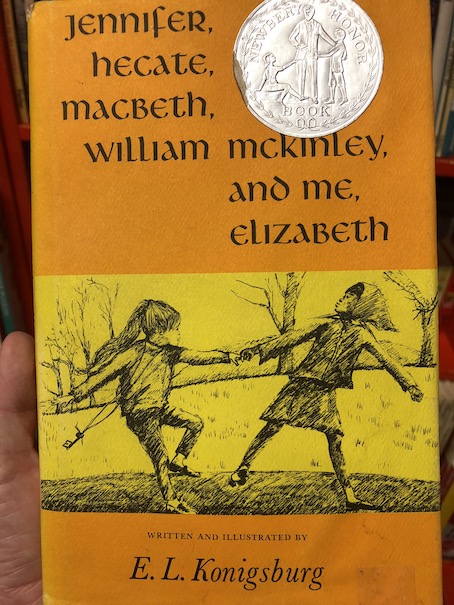
Jennifer, Hecate, Macbeth, William McKinley, and Me, Elizabeth (1967)
When Elizabeth moves to a new neighborhood, she meets a strange girl named Jennifer who offers to teach her how to be a witch. By E. L. Konigsburg.
Meet the Austins (1960)
When a close family friend is killed in a plane crash, the Austin family takes in a girl named Maggy Hamilton, a troubled child who was orphaned by the same plane crash. Maggy has not had a happy family life so far and is a bit of a troublemaker. Can she learn to fit in with the Austin family? By Madeleine L’Engle.
Return to Gone-Away (1961)
A family renovates an old, abandoned house as a summer home, and the children have adventures with their friends. Sequel to Gone-Away Lake. By Elizabeth Enright.

The Secret Language (1960)
Young Victoria North is shy, nervous, and homesick because she is attending boarding school for the first time. School improves for her when she makes friends with Martha Sherman, an outgoing girl who has been a boarding school student before and who introduces Victoria to all the things that make boarding school fun and magical – the usual pranks, the midnight feasts, and friends with their own secret language. By Ursula Nordstorm.
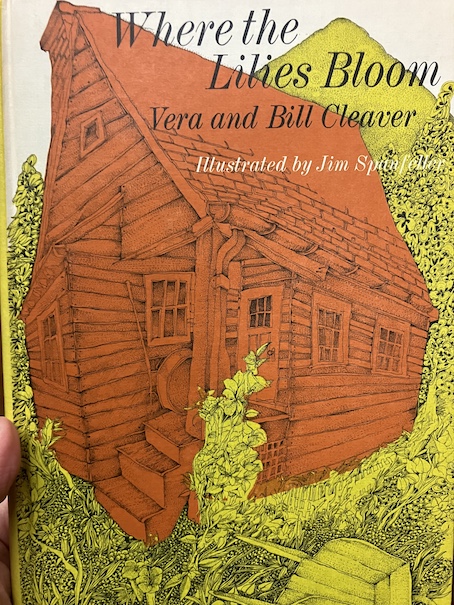
Where the Lilies Bloom (1969)
Before her father died, Mary Call Luther promised him that she would look after her siblings and keep the family together. They live in a little house in the Great Smoky Mountains. At first, they make enough money to manage by gathering herbs and selling them, but things get harder when winter comes. With the family’s survival threatened, Mary Call finds herself challenging her father’s preconceived notions against the young man who loves her sister and his prohibition against accepting help from anybody. Their father wasn’t right about everything, and if she and her siblings are going to survive, they’re going to have to meet life’s challenges on their own terms. By Vera Cleaver and Bill Cleaver.
Winter Cottage (1939, 1968)
A family, down on their luck during the Great Depression takes refuge for the winter in someone’s empty summer cottage, and it changes their lives for the better. By Carol Ryrie Brink.
Series
The everyday adventures of a group of neighborhood children. By Carolyn Haywood. 1939-1986.
Madge Bettany, in need of money and with a younger sister to help raise, decides to leave England and go to Austria to start a new boarding school for girls. The series covers the adventures of the girls who attend the boarding school. British series. By Elinor M. Brent-Dyer. 1925-1970.
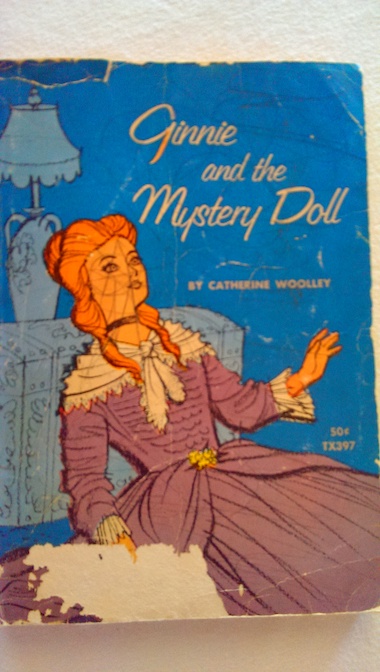
When shy Ginnie moves to town, she makes friends with the more outgoing Geneva, and the two girls have adventures together. By Catherine Woolley. 1948-1973.
Milly-Molly-Mandy Series
Collections of short stories about a little girl and her friends and their slice-of-life adventures. By Joyce Lankester Brisley. 1928-1967.
Shoes Series
A very loose series about children who find their life’s ambitions and begin making their way in the world. Some characters recur but are not in every book. The best-known book in the series is the first one, Ballet Shoes, which has been made into a movie. By Noel Streatfeild. 1936-1962.
Humor
Series
The Just William series is a vintage children’s book series from Britain. William Brown is an imaginative boy who frequently gets into trouble, often because he’s acting out things that he’s read in books and seen in movies. By Richmal Crompton. 1922-1970.
Adventure
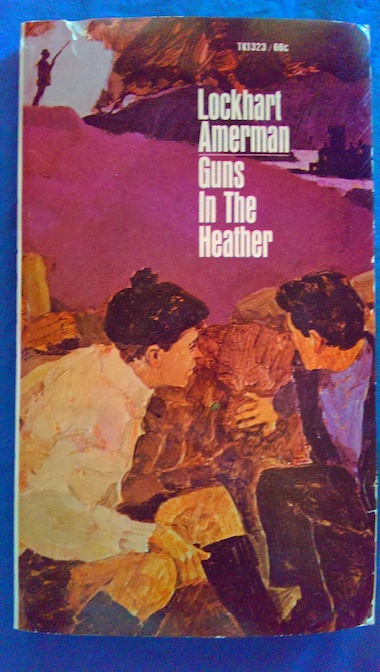
Guns in the Heather (1963)
Jonathan’s father is a spy, and Jonathan gets mixed up in his business while studying in Scotland.
The Mouse and the Motorcycle (1965)
Ralph is a mouse living in an old hotel with his family. He befriends a boy named Keith, who gives him a toy motorcycle that he is able to ride. By Beverly Cleary.
Series
Four children and their dog have adventures while the children are on their school holidays. British series. By Enid Blyton. 1942-1962.
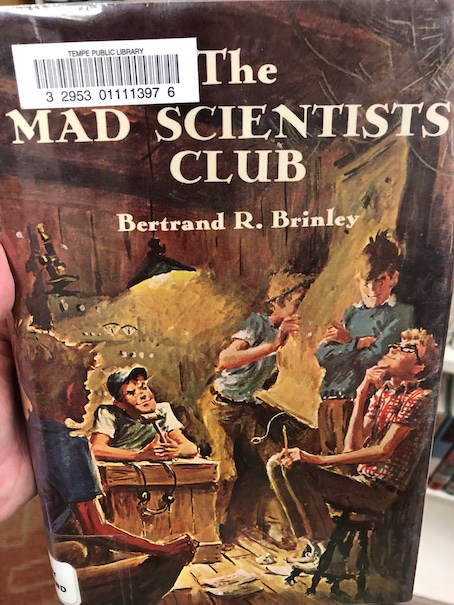
The Mad Scientists Club Series
A group of boys who enjoy science and making things use their inventions are often part of pranks that they play on their small town, Mammoth Falls, but the boys also use their inventions and skills to help people. By Bertrand R. Brinley. 1965-1974, 2001-2005.
A society of mice helps to free human prisoners. By Margery Sharp. 1959-1978.
Scary

Blackbeard’s Ghost (1965, 1976)
A couple kids awaken the ghost of Blackbeard the pirate in an old tavern that’s about to be demolished. By Ben Stahl.
The Ghost in the Noonday Sun (1965)
A boy with the ability to see ghosts is kidnapped by pirates who need him to find a treasure guarded by ghosts. By Sid Fleischman.
Jane-Emily (1969)
A young woman takes her niece to visit her grandmother and uncovers the disturbing truth about the niece’s other aunt, Emily.
Mystery
Are You in the House Alone? (1967)
They call this book a mystery, but it’s kind of like Columbo mysteries, where you already know who did it, and it’s more about how they’re going to prove it. This is one of the books that shows how subject matter of kids’ books gets darker and more honest about some of the serious issues of life around this time. Because of the subject matter, I would say that it’s for teens and up. Basically, it’s like the author predicted Brock Turner and his ilk or was already aware that such people existed in earlier generations.
Gail is a high school student living in an upper class suburb in Connecticut. Her school’s popular star athlete and son of one of the wealthiest, most prominent families, Phil, is secretly a disturbing creep but is shielded from all consequences because of his status as an athlete and his family’s influence. Phil stalks Gail and leaves creepy messages for her, and eventually, he actually comes to her house and rapes her (not graphically described). Gail wants justice and protection from Phil, but the community sides with him, again because he’s a beloved athlete and part of a wealthy, influential family. Phil’s family and even local law enforcement try to blacken Gail’s name and make it seem like she seduced Phil instead of being raped. What can Gail do? By Richard Peck.
Spoiler: I’m probably not going to cover this book more, but if you found that description disturbing (which it is) and want to know how it turns out, Phil’s behavior finally escalates to the point where his family can no longer deny that he’s mentally ill, and everyone in the community becomes aware of it. He tries to attack Gail again but accidentally attacks another girl in a case of mistaken identity because the other girl was wearing a similar coat. He almost kills this second girl, shocking and terrifying everyone in town, but he apparently doesn’t go to prison for that, either, because his wealthy family pulls strings again. They won’t tell anyone where they sent Phil, but they apparently sent him away somewhere for mental treatment, probably at a private clinic or mental hospital.
Basil and the Lost Colony (1964)
Basil helps to unravel an historical mystery, tracking down a lost colony of mice in the Alps. By Eve Titus.
The Christmas Tree Mystery (1969)
Shortly before Christmas, someone steals the ornaments off a family’s Christmas tree. The mystery sounds simple, but it has some surprisingly dark themes. By Wylly Folk St. John.
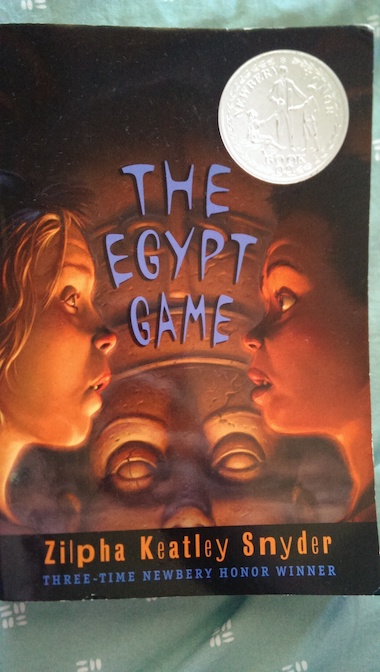
The Egypt Game (1967)
A young girl goes to live with her grandmother and starts a game of pretend with new friends that takes on a life of its own. In the process, she almost becomes the victim of a murderer. By Zilpha Keatley Snyder.
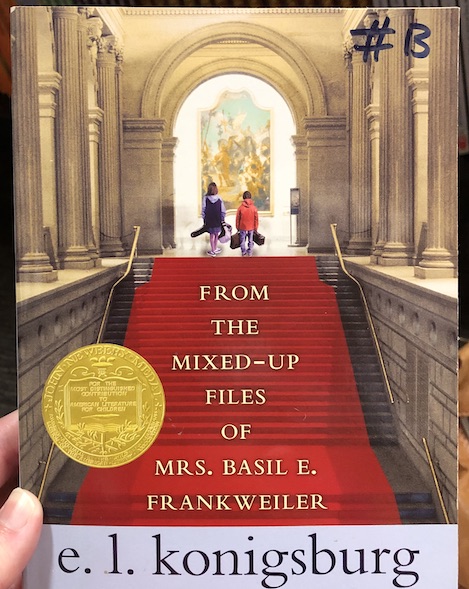
From the Mixed-Up Files of Mrs. Basil E. Frankweiler (1967)
Two runaway children hiding in the Metropolitan Museum of Art uncover the secret of a sculpture that may have been sculpted by Michelangelo. By E.L. Konigsburg.
The Ghost of Windy Hill (1968)
Professor Carver and his family move into a house in the country to solve the mystery of the ghost that is haunting it. By Clyde Robert Bulla.
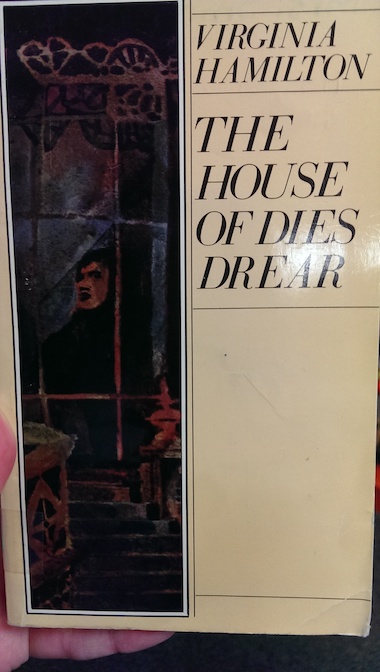
The House of Dies Drear (1968)
An African American boy and his family move to a house that was once owned by an abolitionist who helped slaves on the Underground Railroad and discover the secrets behind the supposed hauntings of the area and a hidden treasure.
The Mysterious Christmas Shell (1961)
Two children search for the documents that will prove that land once owned by their family does not belong to a developer at Christmas. By Eleanor Cameron.

Mystery Aboard the Ocean Princess (1967)
A girl and her cousin who are on a cruise to Europe try to prevent the theft of a valuable painting being transported on their ship.
Mystery Behind Dark Windows (1962)
Children in a small town find themselves investigating a mystery involving an abandoned mill amid tensions and bitter feelings between the townspeople and the mill’s owner. By Mary C. Jane.
Mystery by Moonlight (1963)

During the day, Gail uses a shed on the property of an old, abandoned house as a private place to write her poems, but at night, she hears strange noises coming from the supposedly empty house. Is it haunted? By Mary C. Jane.
The Mystery of Castle Croome (1966)
An American college student inherits an ancient castle in Scotland from a great-uncle, but strange things are happening there. By Hilda Boden.
Mystery of the Angry Idol (1965)
When Jan’s family moves overseas for her father’s work, she stays in the United States to go to school, living with her mysterious, reclusive great-grandmother in house filled with Asian art and secrets. By Phyllis A. Whitney.
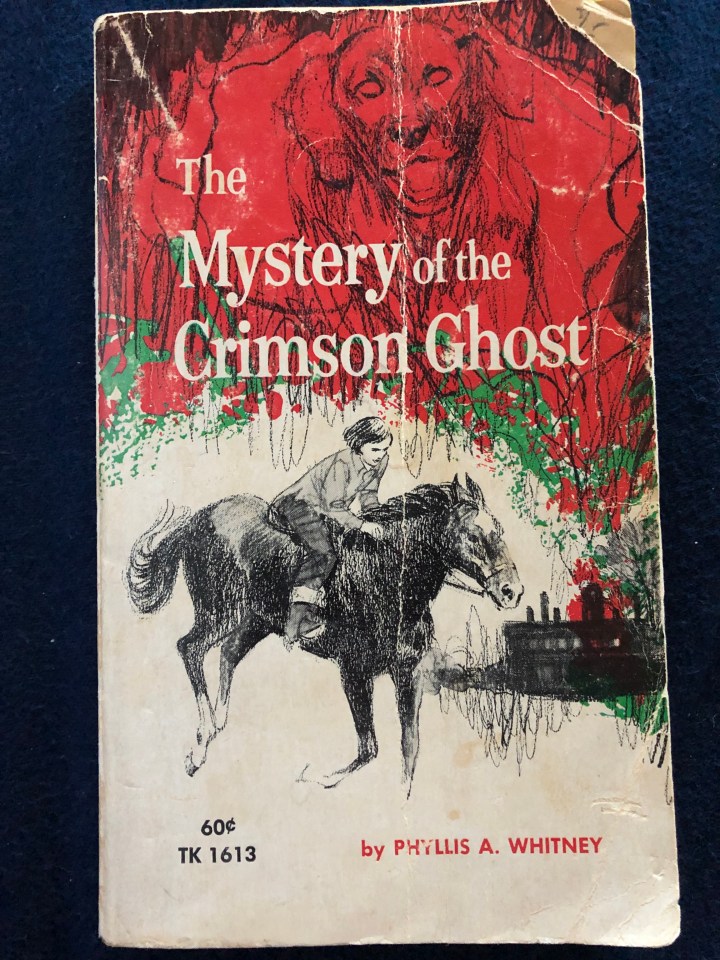
The Mystery of the Crimson Ghost (1969)
A young girl who loves horses helps to solve the mystery of a fiery ghost dog. By Phyllis Whitney.
Mystery of the Empty House (1960)
When Patricia moves to the town where her father grew up, she makes some new friends and helps them to find a treasure and save an historic house. By Dorothy Sterling.
Mystery of the Golden Horn (1962)
A girl who has gone to live with her father in Turkey becomes friends with a troubled orphan girl and investigates strange things happening in the house where they are staying. By Phyllis Whitney.

Mystery of the Haunted Pool (1960)
A girl moving to a small town learns the secrets and history of a local family and the ghost that supposedly haunts their old house. By Phyllis A. Whitney.
Mystery of the Pirate’s Ghost (1966)
Abby and Kit’s mother inherits the old family home from her half-brother. When the family moves in, they learn many family secrets, including the story of the pirate ghost that haunts the house. By Elizabeth Honness.
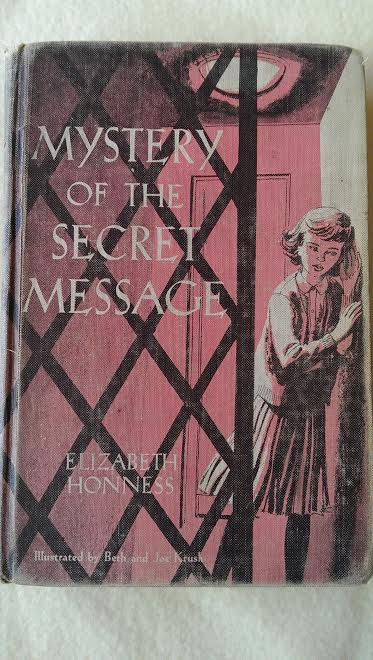
Mystery of the Secret Message (1961)
Penny moves to a new house with her aunt and uncle and receives a mysterious package mailed by her now deceased father that attracts unwanted attention from the strange people living next door. By Elizabeth Honness.
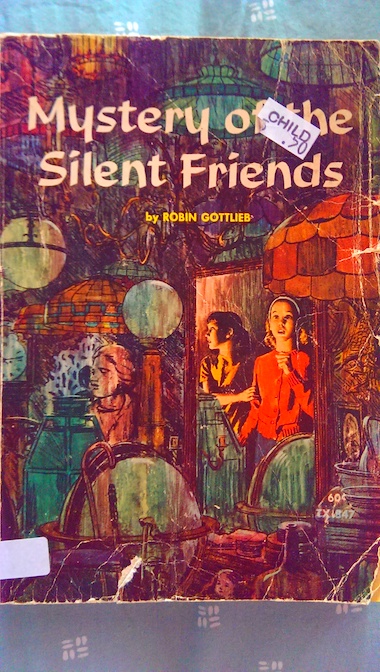
Mystery of the Silent Friends (1964)
Nina and her best friend investigate the mystery surrounding the automatons in her father’s antique shop.
Mystery of the Witches’ Bridge (1967)
An orphan boy comes to live with his uncle in their family’s mysterious ancestral home, where there are stories about witches and curses and a modern day mystery to solve. By Barbee Oliver Carleton.
Mystery on Nine-Mile Marsh (1967)
When a mysterious stranger inherits the old Moody house, the local children try to decide if he’s really who he says he is and help him prove that the house rightfully belongs to him. By Mary C. Jane.
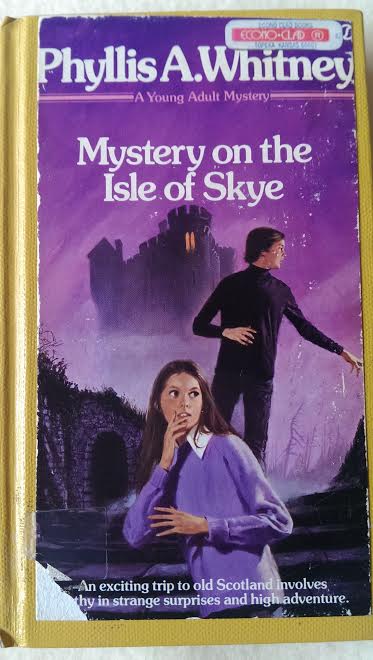
Mystery on the Isle of Skye (1960)
An orphan girl takes a trip to Scotland with her relatives and carries out a series of tasks set for her by her grandmother. By Phyllis Whitney.
The Secret of Stonehouse (1968)
When Heather and her uncle move from Scotland to the United States, she learns the dangerous secrets of her own past. By Lynn Hall.
Secret of the Tiger’s Eye (1961)
A girl and her family go to visit a relative in South Africa and solve the mystery of a theft that occurred years ago. By Phyllis Whitney.

The Secrets of the Pirate Inn (1968)
Three children help an old man to search for a hidden treasure in an old pirate’s inn. Disney called it Secrets of the Pirate’s Inn for the made-for-tv movie, and there are some notable differences between the book and the movie. By Wylly Folk St. John.
Sidney’s Ghost (1969)
When Sidney and Megan save a beautiful old horse from being killed, their attempts to hide him accidentally make people think that they’re seeing a ghost. By Carol Iden, illustrated by Paul Galdone.
The View From the Cherry Tree (1964)
A boy witnesses the murder of a neighbor and has to convince his family of what he saw before the killer can get him.
Series

A boy inventor solves mysteries with his sister and friend. By Clifford B. Hicks. 1962-2009.
Two pairs of fraternal twins have adventures and solve mysteries. Early books were more adventure/general fiction than mystery, but the series evolved over time. Books in this series are public domain and are available on Project Gutenberg. A Stratemeyer Syndicate series. 1904-1992.
Four children who lived alone in a boxcar after the death of their parents are taken in by their grandfather and solve mysteries everywhere they go. 1924, 1942-Present.

Brains Benton is a young genius who investigates crimes along with his friend, Jimmy Carson. By George Wyatt. 1959-1961.
A young nurse solves mysteries as she completes her training, serves during World War II, and moves to different jobs. “Cherry” is a nickname for Charity. 1943-1968.
Dana Girls Mysteries
The Dana girls are a pair of orphaned sisters who live with an aunt and uncle. They attend school, but are often given time off school to investigate mysteries. A Stratemeyer Syndicate series. 1934-1979.
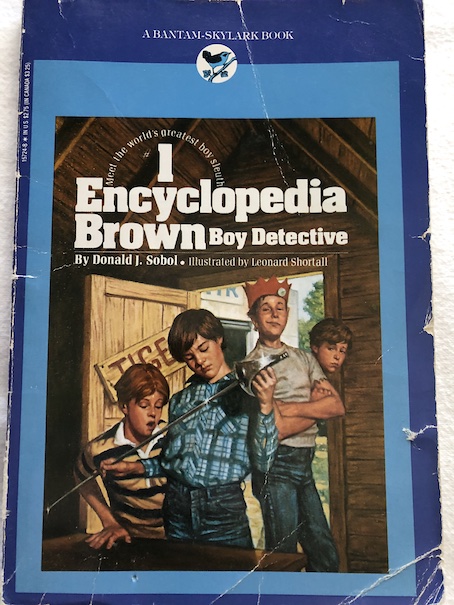
A boy genius who is the son of a police chief helps his father solve mysteries in their town and also solves mysteries for the neighborhood kids with the help of his friend, Sally. 1963-2012.
A group of friends solve mysteries with their pet Scottie dog. Also called the Five Find-Outers and Dog. British series. By Enid Blyton. 1943-1961.
The Happy Hollisters
A family with five children solves mysteries. By Jerry West, A Stratemeyer Syndicate series. 1953-1969.
Hardy Boys Mysteries
Two brothers, Frank and Joe Hardy, solve mysteries in their East Coast town of Bayport and around the world. By Franklin W. Dixon, A Stratemeyer Syndicate series. 1927-Present.
Judy Bolton Mystery Series
Judy Bolton is a girl detective who grows up and chooses between romantic rivals during the course of her series. The Judy Bolton books are known as “the longest-lasting juvenile mystery series written by an individual author.” By Margaret Sutton (Rachel Beebe). 1932-1967.
Kay Tracey is a teenage detective who solves mysteries with her friends. A Stratemeyer Syndicate series. 1934-1942, Reissued 1951-1984.
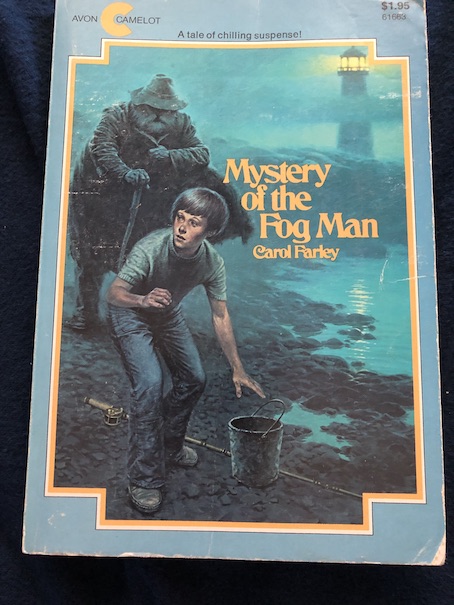
A pair of teenage cousins solve mysteries. By Carol Farley. 1966-1986.
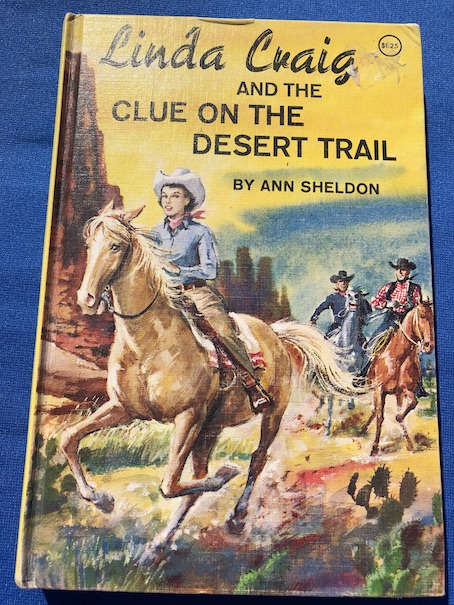
Sixteen-year-old Linda Craig is an orphan who lives with her brother and grandparents on a ranch, the Rancho del Sol, in California. By Ann Sheldon, A Stratemeyer Syndicate series. 1962-1984.
About three siblings who solve mysteries together. Many of them are treasure hunts. By Peggy Parish. 1966-1986.
The Lone Pine Club is a group of friends who love nature and investigate mysteries. British series. By Malcolm Saville. 1943-1978.

Meg and her best friend Kerry solve mysteries in their small Virginia town and other places along the east coast. By Holly Beth Walker. 1967-1972.
This series of mysteries was originally used as classroom readers. The stories all take place in the fictional town of Morgan Bay. The children who are the heroes of the stories are a set of teenage siblings.
Nancy Drew Mysteries
Nancy Drew encounters and solves mysteries with her friends in her hometown of River Heights and around the world. By Carolyn Keene, A Stratemeyer Syndicate series. 1930-Present.
Four neighborhood friends, who call themselves by the nicknames Wizard, Skinny, Tubby, and Snitch, have their own private detective club. By Crosby Bonsall. 1963-1980.
The Three Investigators Series
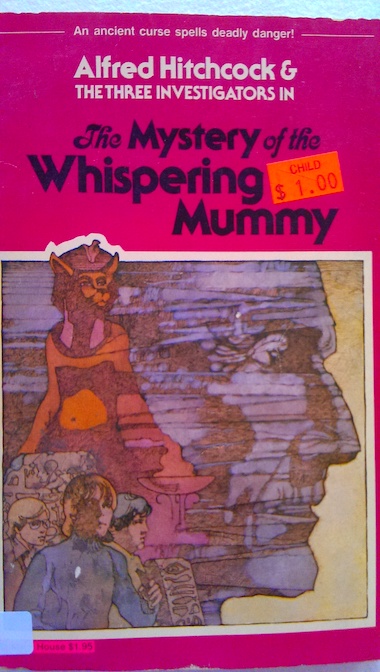
Three friends form a detective business, using a trailer in a salvage yard as their headquarters. 1964-1987, re-released 1990s.
A classic mystery series featuring a girl and her group of friends who solve mysteries and support good causes. Created by Julie Campbell and continued by other authors. 1948-1986.
Fantasy

Candy Floss (1960)
A spoiled girl steals a doll from a carnival, and the doll teaches her a lesson about greed and selfishness. By Rumer Godden.
Charlie and the Chocolate Factory (1964)
A poor boy wins a contest to get a special tour of a magical candy factory. By Roald Dahl.
Chitty Chitty Bang Bang (1964)
The basis for the movie of the same name but different in plot. A magical car takes an inventor and his family on a trip to France where they find themselves battling a gang of smugglers. By Ian Fleming.
Jessamy (1967)
Jessamy is an orphan girl whose care is shared between two aunts, who take care of her but don’t really pay that much attention to her. When her cousins catch whooping cough, the aunt who was supposed to take Jessamy during her school holidays instead sends her to stay with Miss Brindle, who is the caretaker of an old Victorian mansion. Jessamy is allowed to explore the old mansion, and in the old school room, she is sent back in time to the beginning of World War I.
Linnets and Valerians (1964)
The four Linnet children run away from their harsh grandmother, who is supposed to be taking care of them while their father is away, and go to stay with their nicer uncle, Ambrose. There, they find a village that is under a witch’s spell and a strange woman, Lady Alicia Valerian, who is searching for her missing family. By Elizabeth Goudge.

Magic Elizabeth (1966)
When Sally goes to stay with an aunt she’s never met before, she finds a portrait of a young girl who looks very much like her wearing old-fashioned clothes and holding a doll. This young girl, also named Sally, used to live in her aunt’s house many years ago, and Sally begins to have visions of her life there and how she lost her beloved doll, Elizabeth, who is a little bit magic and is still in the house, waiting to be found. Part mystery, part fantasy.
Marianne and Mark (1960)
Sequel to Marianne Dreams. Marianne returns to Brighton, where she was living in the first book, five years later. Brighton isn’t as magical as Marianne remembered it as a child, which is disappointing, but a visit to a fortune teller leads Marianne to take a chance on her future and find romance. By Catherine Storr.

The Phantom Tollbooth (1961)
Young Milo is incredibly bored when he receives a mysterious package that seems to be some kind of playset that includes a tollbooth and a map. It takes him on an amazing journey through a fantastic land that changes his outlook on life. By Norton Juster.
Twin Spell (1968)
A pair of twins buy an antique doll that gives them visions of the past, unlocking a family tragedy and setting a ghost at rest. Also printed under the title Double Spell. By Janet Lunn.
When Marnie Was There (1967)
A lonely foster girl, Anna, is sent to the countryside by her foster family when she becomes ill. Part of her illness is emotional. Because she is a foster child, Anna feels different from other children and finds it difficult to form relationships with other people, doubting whether her foster parents really love her. However, when Anna sees a mysterious old house that seems strangely familiar to her, she meets a strange girl named Marnie. Marnie is odd, but Anna feels drawn to her, and the two of them bond. When Marnie mysteriously disappears and Anna learns the secrets of her life, Anna also learns the secrets of her own past, how she came to be a foster child, and how to accept the love of her foster family. By Joan G. Robinson.
The Weirdstone of Brisingamen (1960)
Susan and Colin are staying with some of their mother’s friends while their parents are on a trip when they are confronted by evil spirits and sorcerers who want to steal the mysterious stone in Susan’s bracelet. By Alan Gardner.

The Wicked, Wicked Ladies in the Haunted House (1968)
Neighborhood mean girl Maureen is fascinated by an abandoned house where the wealthy Messerman family once lived. One day, she sneaks inside to look around and meets a leprechaun, who tells her the secret of the mysterious Messerman girls who disappeared many years ago. However, when Maureen crosses them by stealing a bracelet, she becomes trapped in the past with them. Also known as The Wicked Pigeon Ladies in the Garden. By Mary Chase.
Series

This British fantasy trilogy is about the adventures of two young sisters, Charlotte and Emma Makepeace, who live at Aviary Hall. The best-known book of the trilogy is the third book, Charlotte Sometimes. By Penelope Farmer. 1962-1969.
The Borrowers Series
Little people live in the houses of ordinary humans, making use of small lost or “borrowed” items. However, discovery by humans forces them to seek new homes. By Mary Norton. 1952-1982.
The Chronicles of Prydain
A boy name Taran grows up and becomes a hero while protecting a magical clairvoyant pig. By Lloyd Alexander. 1964-1968.
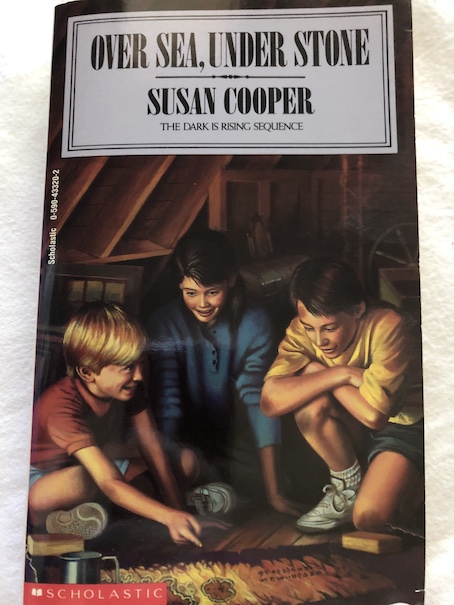
A group of people known as the “Old Ones” struggle against the forces of evil. This series draws on Arthurian legends, mythology, and folklore. By Susan Cooper. 1965-1977.
Girls of the Good Day Orphanage
Strange and wonderful things happen around the girls at the Good Day Orphanage. Magical realism. The series includes the book Good Charlotte. By Carol Beach York. 1967-1992.
The adventures of a haunted English mansion and the people who live there at various times. 1954-1976.

This metaphysical fantasy book series that focuses on the Hall family of Concord, Massachusetts and references Transcendentalist literature and famous literary figures. The best-known book in the series is the first one, The Diamond in the Window. By Jane Langton. 1962-2008.
A magical nanny comes to take care of children and take them on amazing adventures. 1934-1988.
Nurse Matilda Books
An ugly witch becomes a nanny for naughty children. This series was later adapted as the Nanny McPhee movies. By Christianna Brand. 1964-1974.
Raggedy Ann and her brother, Raggedy Andy, are rag dolls who come to life and have magical adventures. By Johnny Gruelle. 1918-1975.
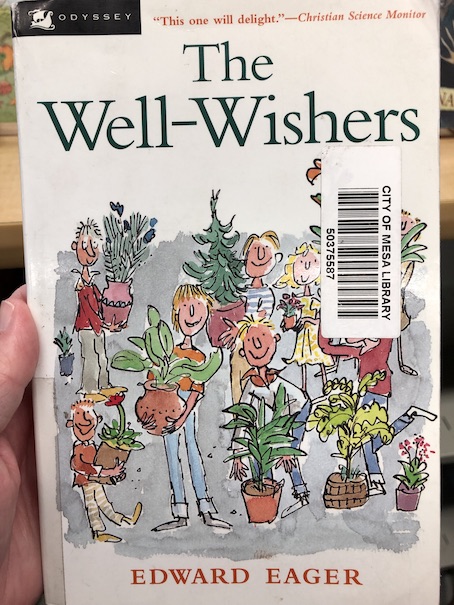
Various groups of children go on magical adventures. A somewhat loose series that follows different sets of characters, although some of the events are related. By Edward Eager. 1954-1962.
Books in the Wonder-Story Books series are collections of fairy tales and folktales that were also used as reading primers. 1938, 1953, 1962, 1976.
Science Fiction
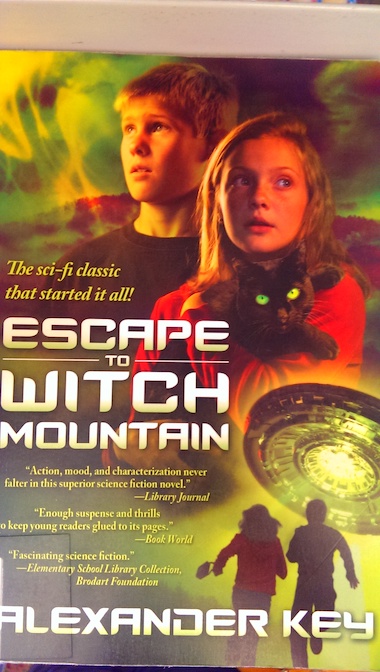
Escape to Witch Mountain (1968)
Two children with a mysterious past and unusual powers of ESP seek the place where they belong and discover that they are from another planet.
The Silver Crown (1968)
Young Ellen mysteriously receives a mysterious silver crown on her birthday that puts her in danger. The crown is one of two that are needed to operate a strange device called the Hieronymus Machine, which can control people’s minds. By Robert C. O’Brien.
Series
Danny is a boy who wants to be a scientist and has adventures with a professor at a nearby university and his inventions. By Raymond Abrashkin and Jay Williams. 1956-1977.
Miss Pickerell is an elderly woman who has scientific adventures with her pet cow. 1951-1986.
The Space Ship Under the Apple Tree Series
A boy scout finds an alien in his family’s apple orchard. The series is humorous as the boy tries to explain human behavior to the alien. By Louis Slobodkin. 1952-1972.
Tom Swift
The science fiction adventures of a boy inventor named Tom Swift. This series was released in several sub-series, some of which focused on the son of the original Tom Swift, Tom Swift, Jr. Some of the later series leave it vague whether the boy in the series is Tom Swift, Jr. or possibly the grandson of the original Tom Swift. The original Tom Swift series was written and published 1910-1941. Later series were released 1954-1971, 1981-1984, 1991-1993, 2006-2007, 2019. A Stratemeyer Syndicate series.
Tripods Trilogy
In a dystopian future, humans on Earth are controlled by aliens known as the “Masters” through large three-legged machines called “Tripods” and devices called “Caps” implanted into the humans’ brains. However, the mind control devices can only be implanted when the humans’ brain cases are finished growing, at age 14, and some of the younger ones still have the will to rebel. They join with others who have managed to avoid being “Capped” and form a resistance. By John Christopher. 1967-1968, 1988.
Historical Fiction

Across Five Aprils (1964)
A story of the American Civil War. By Irene Hunt.
In Spite of All Terror (1968)
A London girl’s life changes when she is sent to the country as a child evacuee during World War II. By Hester Burton.
The Richleighs of Tantamount (1966)

A family of wealthy Victorian children spend the summer at their ancestral home, experience newfound freedom, and learn a few things about their family and themselves. By Barbara Willard.
Two Are Better Than One (1968)
Two imaginative girls growing up in early 1900s Idaho write a story about a pair of dolls that changes their lives. By Carol Ryrie Brink.
Series
The Great Brain Series
Tom Jenkins is a boy living in the Midwest during the late 19th century. People call him “The Great Brain” because he’s full of ideas and has a way of selling other people on them, getting himself, his brother, and their friends both into and out of trouble and managing to turn situations to his own profit. By John D. Fitzgerald. 1967-1975, 1995.
Little Britches Series
A family moves to a Colorado ranch in the early 1900s, and a boy struggles to be the man of his family after the death of his father. Based on events in the author’s life. By Ralph Moody. 1950-1968.
Picture Books
Are You My Mother? (1960)
A baby bird hatches while his mother is looking for food, and he goes in search of her, mistaking other animals for his mother. By P. D. Eastman.
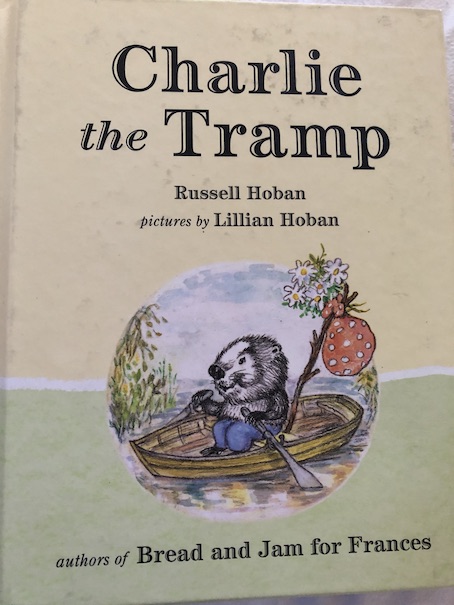
Charlie the Tramp (1966)
Charlie the beaver thinks that he wants to be a tramp, but when his family lets him try it, he realizes that there is something else he wants to do with his life.
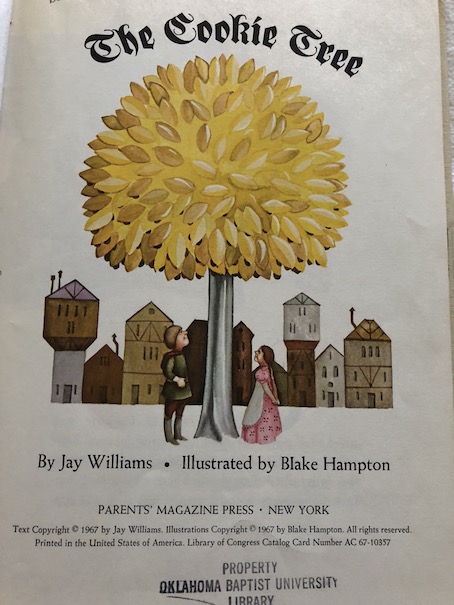
The Cookie Tree (1967)
When a strange tree appears suddenly in their village, growing chocolate cookies, the adults worry about where it came from while the children decide to eat the cookies.
The Dancing Goat (1966)
A goat risks losing her home because she can’t stop dancing until she shows the farmer that her dancing is worth something.
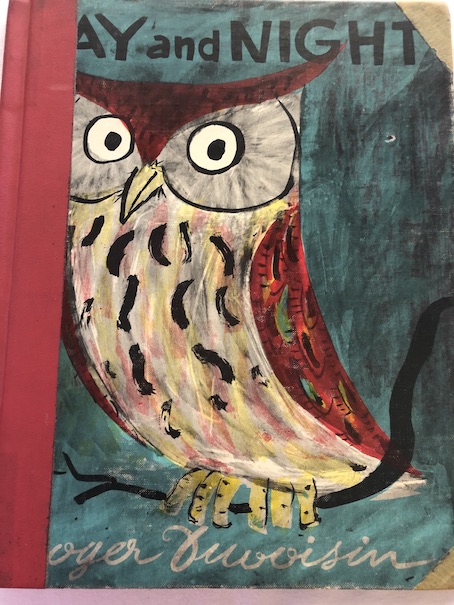
Day and Night (1960)
A dog and an owl become friends, but they have trouble finding a time to meet and talk because owls only come out at night.
Dragon from the North (1965)
A story about how messages can become garbled and exaggerated with each repeating. By Anita Hewett.
Easter Stories for Children (1962)
A collection of children’s stories and poems for Easter. Edited by Van B. Hooper.
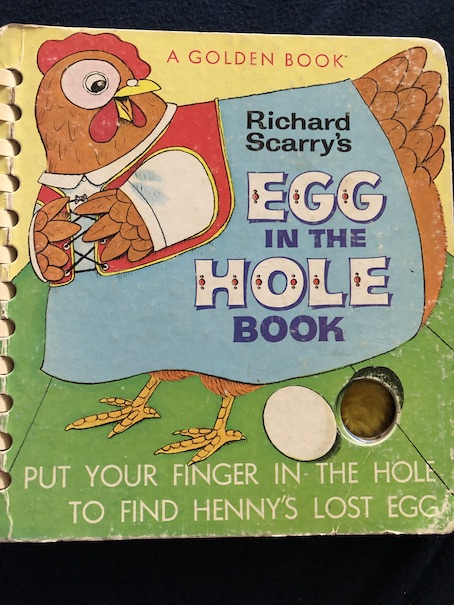
Egg in the Hole Book (1967)
A chicken loses her egg and follows it as it rolls through the farmyard and into a hole.
Green Eggs and Ham (1960)
Sam-I-Am convinces another character that he would like green eggs and ham if he’s willing to try them. By Dr. Seuss.
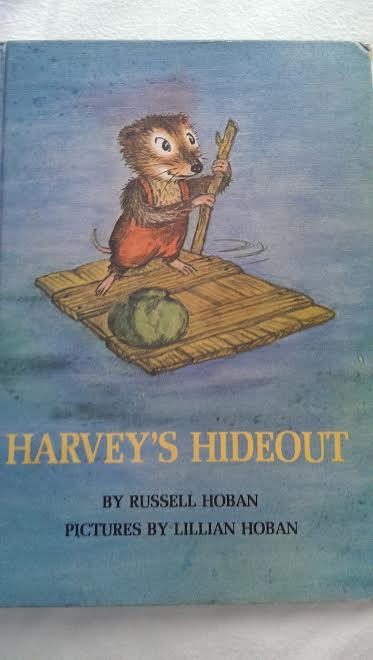
Harvey’s Hideout (1969)
Harvey and his sister Mildred are bored and lonely over the summer because their friends are away. The two of them spend a lot of time arguing and fighting, but that changes when Harvey makes a surprising discovery about the place where he has dug his secret hideout. By Russell Hoban.
How Fletcher Was Hatched! (1969)
Feeling neglected because his owner has been spending time with the baby chicks, a dog decides that he wants to get her attention by hatching from an egg like a chick. By Wende and Harry Devlin.
Jennie’s Hat (1966)
When Jennie’s aunt tells her that she’s going to send her a new hat as a present, Jennie is excited. However, when the hat arrives, she’s disappointed to see that it’s just a very plain, ordinary hat. She dreams of something fancier, and her bird friends help her to improve her new hat. By Ezra Jack Keats.
Knots on a Counting Rope (1966)
A blind Navajo boy asks his grandfather to tell him the story of when he was born. Later reprinted in 1987 with some changes.
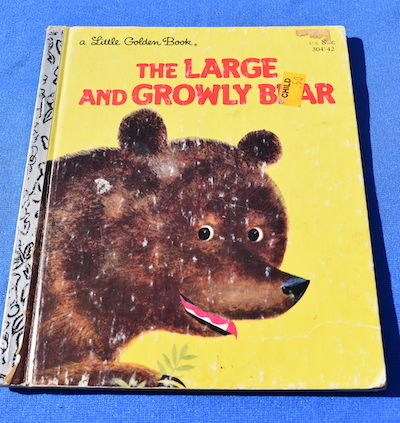
The Large and Growly Bear (1961)
A bored bear tries to frighten other animals but ends up frightening himself.
Mr. Willowby’s Christmas Tree (1963)
When Mr. Willowby accidentally orders a Christmas tree that’s a little too large for the room where he wants to put it, it turns into a gift that keeps on giving! By Robert Barry.
The Sign on Rosie’s Door (1960)
One day, a little girl named Rosie declares that she is no longer Rosie but Alinda, a beautiful lady singer. By Maurice Sendak.
The Sleepy Puppy (1961)
A little boy receives a new puppy from his father, but he has to wait for the puppy to grow a little before he can really play with him.
Sylvester and the Magic Pebble (1969)
Sylvester the donkey loves collecting pebbles, and one day, he finds a magic pebble that grants wishes. Unfortunately, Sylvester turns himself into a rock to escape from a lion and can’t change himself back. Sylvester needs help from his parents! By William Steig.
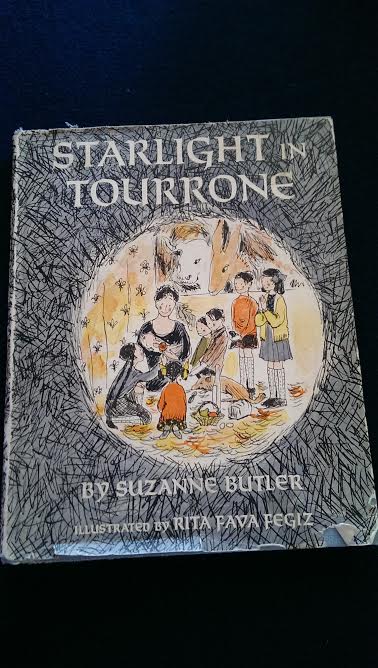
Starlight in Tourrone (1965)
Children in a small village in France revive an old Christmas tradition that brings life back to their town.
Tell Me Some More (1961)
Two boys talk about a mysterious place where wonderful things happen as they discover the public library.
The Very Hungry Caterpillar (1969)
A very hungry caterpillar eats his way through different numbers of different types of foods before changing into a butterfly. By Eric Carle.

Where the Wild Things Are (1963)
Max is sent to his room one evening for being too wild and causing trouble, and in his imagination, he travels to a place of wild things that make him their king.
The White Marble (1963)
A boy’s parents take him to the park on a hot night, and he ends up sharing the evening with a girl he knows from school, appreciating the beauty of the park together.
Series
A family of bears teaches children life lessons. By Stan and Jan Berenstain. 1962-Present.
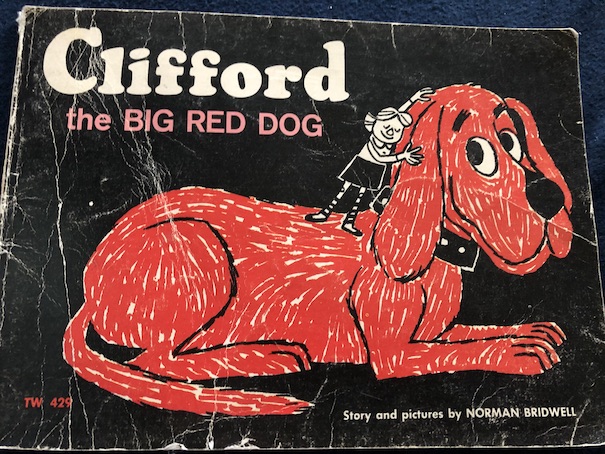
Clifford is a giant red dog who has adventures with his owner, a girl named Emily Elizabeth. 1963-2015.
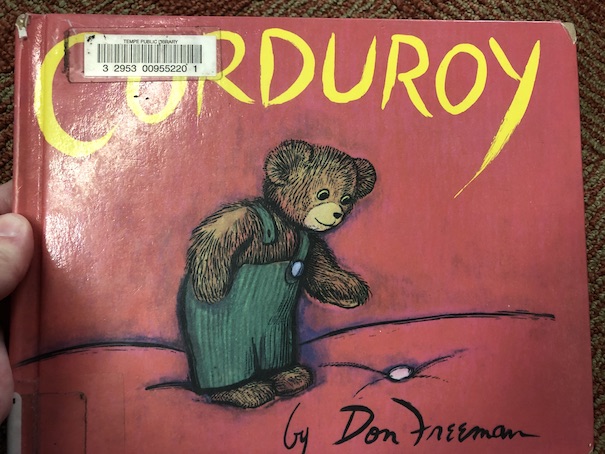
A teddy bear finds the right owner for him and has adventures with toy friends. 1968-2011
Curious George
A little monkey leaves the jungle and goes to live with the Man in the Yellow Hat. By H. A. Rey. 1941-1966.
Gus is a friendly ghost who lives in an old house that has been turned into a museum along with his friends, a mouse, a cat, and Mr. Frizzle, who manages the museum. By Jane Thayer. 1962-1989.

A spunky little girl attends a boarding school in an old house in Paris with her friends. 1939-2013.
Mr. Pine is a sign-painter, and in his picture books, he has funny adventures with the things he paints. By Leonard Kessler. 1961-1986.
A witch who haunts an old house is horrified when someone buys it to turn it into a tearoom, but they end up becoming friends. By Wende and Harry Devlin. 1963-1972.
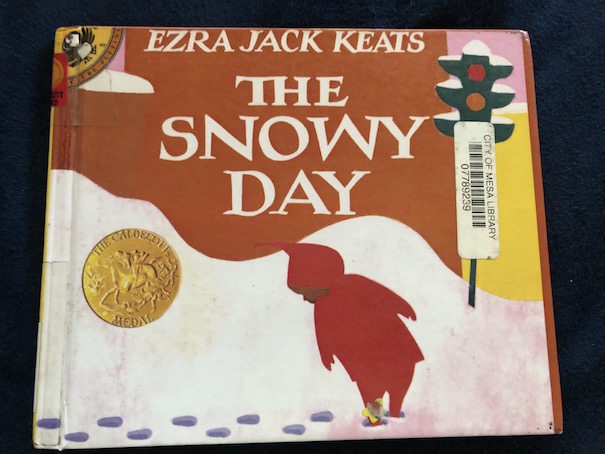
The adventures of a young African American boy growing up in New York City. By Ezra Jack Keats. 1962-1972.
Folktales, fairy tales, nursery rhymes, and classic stories, illustrated with photographs of puppets.
Children’s Non-Fiction
The Big Book of Real Trains (1949, 1953, 1963)
Picture book about trains, the different types of train cars, and how trains work. By Elizabeth Cameron. Illustrated by George J. Zaffo.
The First Book of Paintings (1960)
A beginner’s introduction to understanding and appreciating paintings. By Lamont Moore.
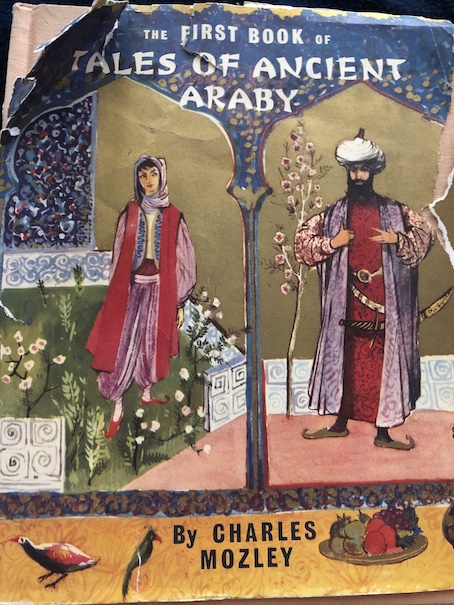
The First Book of Tales of Ancient Araby (1960)
A collection of Arabian folktales, rewritten for children. By Charles Mozley.
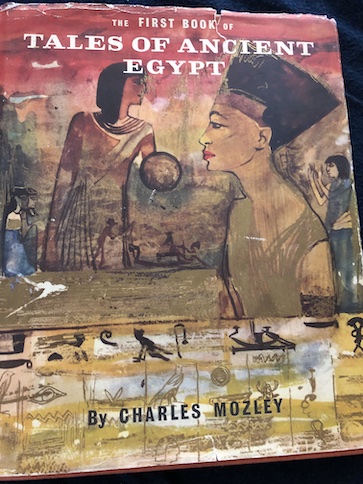
The First Book of Tales of Ancient Egypt (1960)
A collection of folktales and myths from Ancient Egypt for children. By Charles Mozley.
Indian Sign Language (1969)
A guide to Native American sign language with activities for Boy Scouts. By William Tomkins.
My Flower Book (1961)
By Dorothy Thompson Landis.
Series
Famous Biographies for Young People
This mid-20th century non-fiction series offers books containing short biographies of famous people. c. 1939-1977.
Vintage children’s book series about life in different countries around the world during different time periods. May also be known as “What Was Their Life?” 1945-1965.
This non-fiction series describes to children what it would be like to live in certain periods of history or to take part in certain historical events.

This vintage children’s nonfiction book series covers various aspects of American history. There are related series that cover events and people in world history. 1950-1974, reprinted in later decades.
Children’s historical biography series from the 1960s. 1965-1969, reprinted 1990s and 2000s.
Interesting Facts
Children born in this decade in the United States:
Popular 1960s Names – Among the most popular names for children born in this decade were: David, Michael, John, Mary, Lisa, and Susan.
They had been born during the Cold War and would be adults by the time that the Cold War drew to an end at the end of the 1980s and beginning of the early 1990s.
None of them would remember a time before space flight, although the concept was still very new to the world in general. Those born in the early part of the decade would have been old enough to remember the moon landing. Those born at the end of the decade wouldn’t be able to remember a time before human beings had walked on the moon.
In their early years, although they would be taught to beware of strangers, they were far less worried about accepting homemade treats on Halloween than children in later decades, after stories of Halloween sadism spread.
Throughout their lives, they would become comfortable with a variety of new technologies, seeing rapid technological changes such as:
- from records to cassette tapes to cds to music purchased electronically with no physical copies
- from color television to vhs tapes to dvds to movies and television streamed online
- increasing computer usage and the progression from floppy disks of various sizes to cds of computer games and software to downloads and updates for computer programs managed entirely through the Internet
- from corded phones to cordless phones to cell phones to smart phones that do far more than just make phone calls
Some of these changes would have happened when they were adults. Their children would be even more comfortable with technology than they were, having grown up with forms that their parents wouldn’t have had during their earliest years.
They would not have had use of the Internet and e-mail while still in school, except for some who may have used it in college. Computer usage in general would have increased in popularity as they progressed through school.
Home tv was pretty common when they were very young, and color tv was becoming more common and more affordable. However, VCRs wouldn’t come into vogue until the following decade. Some of their parents rented their first VCRs from video stores rather than owning them themselves. Those who didn’t have VCRs of their own just watched their favorite shows when they were on tv, at the time they aired, and if they missed them, they simply missed them. This was a simple fact of life that would change significantly later, becoming almost unknown by their children.
All of them were already adults around the turn of the new millennium. Many of them had children of their own at the time.
As adults, everyone born in this decade would be old enough to understand the events of September 11, 2001 at the time it happened and remember them forever after.
They were born during a time of school desegregation, which proceeded at different rates in different places. They would be among the the first to attend newly-desegregated schools with a far more diverse student body than the schools their parents had attended. Racial makeup of churches and other religious institutions would vary by religion and region. Years later, they would have little or no memory of times when there were separate bathrooms or drinking fountains for different races in the United States or when people of different races weren’t allowed into certain restaurants or other public places.
Children born in this decade would also have read books from the following decade, the 1970s, in their youth. However, children who were old enough to read some of the books published in the early part of this decade when they were first sold would have been born in the preceding decade, the 1950s.
Children’s Authors Were Children, Too!
Everyone was young once, and I’d just like to take this opportunity to remind readers that authors born around this time would have grown up like other children of their time, witnessing the same events and reading the same books as they grew up.
Children’s authors born in this decade:
Kevin Henkes – November 27, 1960 – Author of Kitten’s First Full Moon (2004), Olive’s Ocean (2004), The Year of Billy Miller (2014), and the Mouse books (1986-present)
Jennifer Armstrong – May 12, 1961 – Author of Steal Away to Freedom (1992), That Terrible Baby (1994), The Dreams of Mairhe Mehan (1996), and Foolish Gretel (1997)
Mark Teague – February 10, 1963 – Author and illustrator of the Dear Mrs. LaRue books (2002-2011) and co-creator of the Dinosaurs series (How Do Dinosaurs … ?)
Jacqueline Woodson – February 12, 1963 – Author of Brown Girl Dreaming (2014), After Tupac and D Foster (2008), Feathers (2007), and Show Way (2005)
Lucy Cousins – February 10, 1964 – Author and illustrator of the Maisy Mouse books
Margaret Peterson Haddix – April 9, 1964 – Author of the Shadow Children series (1998–2006) and The Missing series (2008–2015)
Eoin Colfer – May 14, 1965 – Author of the Artemis Fowl series (2001-2012, 2019-present)
J. K. Rowling – July 31, 1965 – Author of the Harry Potter series (1997-2007)
Meg Cabot – February 1, 1967 – Author of The Princess Diaries series
Other Resources
Documentary Films
Some of these are full-length documentaries, others are clips, and some are just collections of vintage footage and reminiscences from people who lived during the time period.
CrashCourse
CrashCourse is a YouTube channel with fun educational videos on a variety of topics and different periods of history. The videos are fairly short for educational lectures. Most are less than 15 minutes long. These videos are intended for teenagers and older, so be aware that there may be topics and language inappropriate for younger children.
- Revolutions in Science and Tech: Crash Course European History #44
- The 1960s in America: Crash Course US History #40 – A general overview of the major events and cultural movements of the 1960s.
- USA vs USSR Fight! The Cold War: Crash Course World History #39
The March That Led to MLK’s Arrest and Famous Letter
Birmingham, Alabama in 1963 with colorized footage. From the Smithsonian.
History Brief: 1960s Daily Life and Pop Culture
A YouTube video discussing daily life, particularly for middle-class Americans, and some major cultural trends during the 1960s. The part about average salaries and prices helps add some context to family’s lives and how they could afford the things they needed.
Getting Dressed in 1965 London
A young woman dresses in a 1960s mod style. From CrowsEyeProductions.
Getting Dressed in 1969 London
Shows a young woman dressing in a late 1960s hippie style and discusses hippies and counter-culture. From CrowsEyeProductions.
In The 1950s There Were Lots Of RULES
This is a clip from a longer program (the aspect ratio and sound are a little off) about how attitudes toward behavior and conformity in the 1950s influenced the way young people behaved when they were a little older, in the 1960s. Actual experiences in life varied, but this is apparently something that some people in the 1950s experienced. I can believe that this sort of conformity and control was a serious worry for some people not only because of the counter culture of the 1960s but the way issues of control and conformity entered popular entertainment and children’s literature. In the 1950s, there were teen rebellion movies, like Rebel Without a Cause (1955), and in the 1960s, science fiction books and shows, like the original Star Trek series, brought up the topic of suppression of creativity and independent thought. These themes came out in literature and entertainment because they were subjects on people’s minds. The early 1960s song “Little Boxes” (listen to it here) poked fun at the conformity of middle class suburbia.
I think that part of this emphasize on social rules and heavy instruction on how to be “normal” and function in society is actually part of the fallout from World War II. Civilians as well as those who served in the military suffered trauma because of the war, and it had some lasting effects on their mental states and outlooks on life. If you look at the videos and resources in my section on the 1940s, there are interviews with adults looking back on how their lives were affected by the war when they were children. In particular, in one of the videos about child evacuees from London, there was a man who said that, after the war was over, the adults expected all of the children to just settle down and be “normal”, but many of them couldn’t because the war had been going on for much of their young lives. To them, wartime conditions were normality. They didn’t really understand the type of “normal” the adults were thinking of or what they meant by settling down. I think this pressure to return to “normal” pervaded society in both Britain and the United States, even in places where children were not evacuated or their lives were less disrupted. In the adults’ desperation to return to “normal”, they started setting down hard rules to try to make kids be what they pictured as “normal” as an extension of their own unsettled feelings. Adults still dealing with the emotional trauma of war just wanted home life to be what they remembered or how they thought it should be, and they wanted the kids to behave in ways that wouldn’t jar their parents’ shattered nerves.
There was also an underlying element of unsettlement and fear among the adults as they realized that many things had changed in life and society since the war and that they would continue to change. For many, the specific version of nostalgic “normal” that they had in their minds was neither nostalgic nor shared by other people, and for all of those who wanted to return to it, there were plenty of others who wanted to move on with the new. The emerging suburban life with its emphasis on conformity clashed with a society that increasingly wanted change. The generation of people who were children during this time often found themselves in the middle, some following the examples of their parents’ version of normality but others searching for something else.
(Side Note: As a child in the 1980s and 1990s, I never had to watch educational videos in school about how to fit in socially and how to date. When the subject of dating came up, our teachers (possibly for legal reasons) always said that we should speak to our parents about the subject, very hands-off on personal issues. I also think fitting in, by itself, is overrated. If people are doing things that you don’t like or are actually really bad ideas, where’s the benefit of trying to join them?)
Fun To Watch 1960s Teenage Baby Boomers Who DIDN’T Rebel
I’m not sure if I’d call this “fun” exactly, but it is thought-provoking. The 1960s was known for hippies and rebellious non-conformist youths, but not everybody was into that type of rebellion. Others were worried about building a solid future for themselves and their families and wanted to keep living in a standard that was similar to the style of life that they were accustomed to living. This is a condensed reporting of a serious social study on families and youths in an affluent area in Webster Groves, Missouri.
The part about kids who had academic ambitions and goals of building a solid future seems sensible and understandable, but the part about the social elites and popular kids in the community really annoyed me because they seemed like a pretty self-entitled group and acted like a bunch of vapid party kids with no real direction in life but popularity, money, and influence for its own sake, which I know is a judgemental statement, but I stand by it because it seems that even people of the time seemed to get that sense as well when watching how they themselves came across to others. I also didn’t like the part about the willingness to cheat to get to college simply with the goal of maintaining the lifestyle to which they are accustomed because this is a serious issue in modern times among social elites, who also seem to think that they’re entitled. How many of those in the modern generation doing this are this way because that’s what their families have been like and taught them how to be? Were any of them honest or actually had the skills they claimed to have to justify their positions?
At the very end of the video, they had a fascinating section where the community where this social study took place watched the findings and discussed their reactions to what the study concluded and presented about the community. There were a variety of reactions, from amusement to discomfort and anger, but it seems that even they picked up on the snobbishness that comes across. Some denied it as a misrepresentation of the whole community, but I was interested in the comment of one boy who said, “I mean, we may be snobbish a little bit, but heck, we haven’t known that much else.” From what I saw, that was also pretty much the impression I got.
The social elites in that community did not come across well, and I think it was because, up to that point, they had been pretty self-absorbed with the attention and social benefits they got and felt they were naturally entitled to, and they didn’t really know enough about other people and the wider world to realize how they look to others. Sometimes, it’s not enough to just get people to look at you; it helps to consider how they’re looking at you and what there is to see. Just because they were doing well economically and had popularity because of their social position in their local community didn’t mean that everyone would like their behavior or even them as just people without their privileged social positions. A well-dressed woman said that she didn’t think that the youths could express themselves well and that even she couldn’t express herself well: “If you said, you know, what am I working for, what am I living for, what do I want out of life, I couldn’t tell you.” That doesn’t sound like a mere problem with clearly expressing one’s thoughts so much as just not having thoughts on these subjects to express. I found that unsettling. The filmmaker introducing these segments concludes that there was an apparent lack of self-awareness in this group, and I think that seems accurate.
There is also a section toward the end where adults of this period talk about the youths of the period who were involved in Civil Rights demonstrations and concerned about social issues. Many of them said that it wasn’t any of the kids’ business to be concerned with the issues of society, called them “filthy” (I think in the sense of physical cleanliness), and said that they didn’t even believe that any teenager was even capable of having any firm opinions about anything. A police officer expresses concern about all of the heavy pressures of social “musts” and an emphasis of regimentation and conformity on the young people at the expense of individuality and self-reliance.
There were varying attitudes and lifestyles among different geographic areas and groups of people during the 1960s, so not everyone in the US would have been like the people in these documentary clips. Even the people in the clips are shown to have varying opinions and reactions, but this is an example of the types of attitudes that could be found in affluent, fairly conservative, and mainly white communities of the time period.
British children talk about what they think the future will be like. Worries about atomic weapons dominate their concerns. They’re also concerned about overpopulation and automation.
FredFlix Presents: Being A Kid In The 1960s
A 10-minute long video showing a selection of 1960s products, entertainment, and toys set to music. FredFlix has a series of other videos that are reminiscences of his childhood in South Carolina in the 1960s, like this one about 1962, this one about 1964 and this one about 1966-67. It struck me that in the 1964 video he says that his area was segregated, but when he was young, he didn’t know what that word even meant. Young kids don’t always understand the circumstances that surround them everyday, like how I didn’t have a concept of what the Cold War was until I was seven years old and my teacher was excited about the Berlin Wall coming down. My first real awareness of what I was born into came right as it was ending, and in a way, this guy was in a similar position, only on the Civil Rights and segregation issues.
What did kids do on school holidays in the 60s? (1967)
An Australian television program interviews children about what they do on breaks from school. It’s not too different from things that children in the US would do, even today.
Playground Games You Played As A Kid In The 60s
I’m not completely sure of the nationality of the narrator, but many of the games and activities described are pretty general for children in many countries. I think the one that most shows that this video has a connection to British culture is Conkers, which is a traditional British game.
The narrator sounds British, but the general types of toys and games for girls were the same or similar to ones American girls would have known, like the different types of dolls. The narrator also talks about Golliwogs, which I talked about in previous decades, but they were still being played with through the mid-20th century.
For more about 1960s culture:
Major events of the decade.
About the 1960s counterculture and its philosophies.
Major events, timeline, stats, fashions, and fads.
Entertainment, fashion, trends, and statistics.
Lists of 1960s children’s books on other sites:
1960s children’s books — Wikipedia
 Jestress's Forgotten Books and Stories