A Little History
Major Events
The 1980s had a number of disasters, including the Iran-Contra affair, the Challenger Disaster, and the Chernobyl meltdown. At the beginning of the decade, there was little indication that the Cold War situation would change soon, and fears of nuclear war still loomed in people’s minds and were expressed in popular entertainment (as shown in the early 1980s German song, 99 Luftballons (99 Red Balloons in English), which is pretty cheerful-sounding for a depressing apocalyptic song), although things would be very different by the end of the decade.
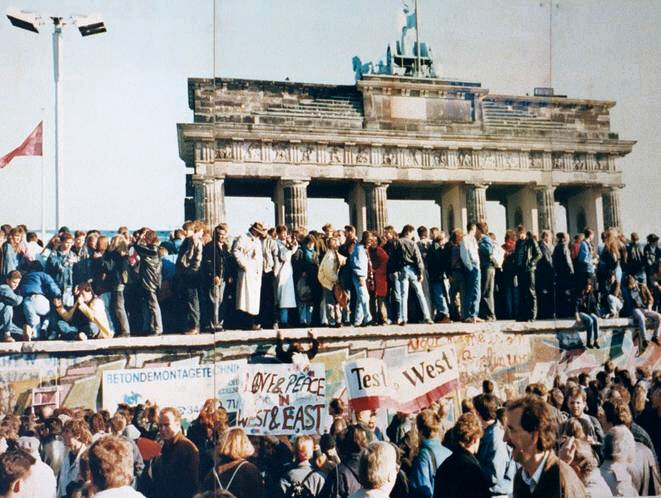
The decade ended with the fall of the Berlin Wall and the beginning of the end of the Cold War. After the fall of the Berlin Wall, East and West Germany once again became one country, and various eastern European countries broke away from the crumbling USSR (Union of Soviet Socialist Republics or Soviet Union, Russia). World maps changed rapidly, and many other things were about to change, too.
Culture
In the United States, the ’80s became known as a materialistic decade. Society in the United States was much more conservative than it was in the previous decades, and yuppies, a generation of wealthy young professionals (“yuppies” comes from the abbreviation Young Urban Professional) had more buying power, leading to increased consumerism. However, not everyone experienced this prosperity, and there were hints that even the yuppies were feeling unfulfilled, not happy or completely satisfied with their success.
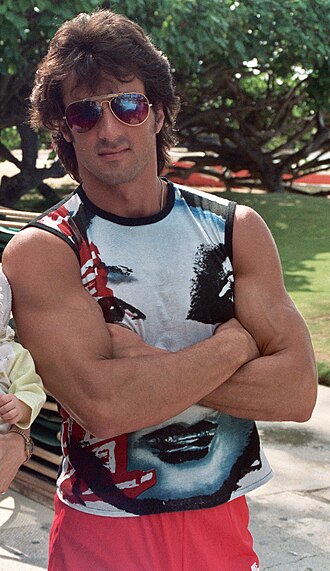
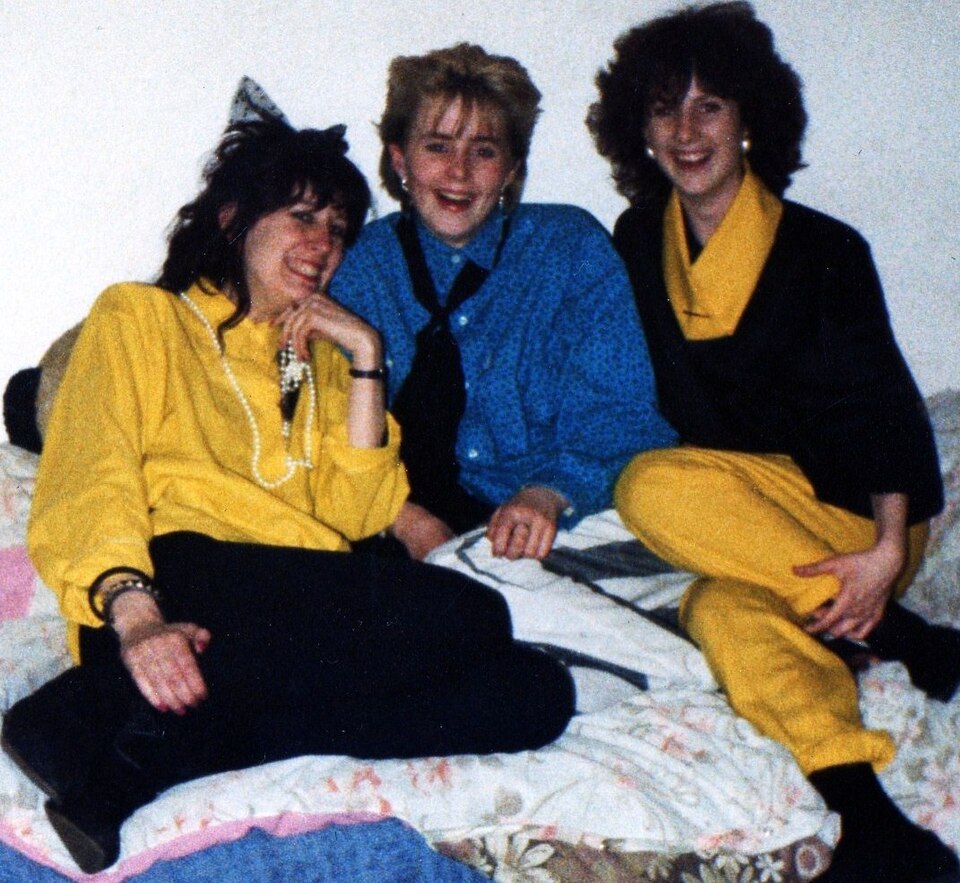
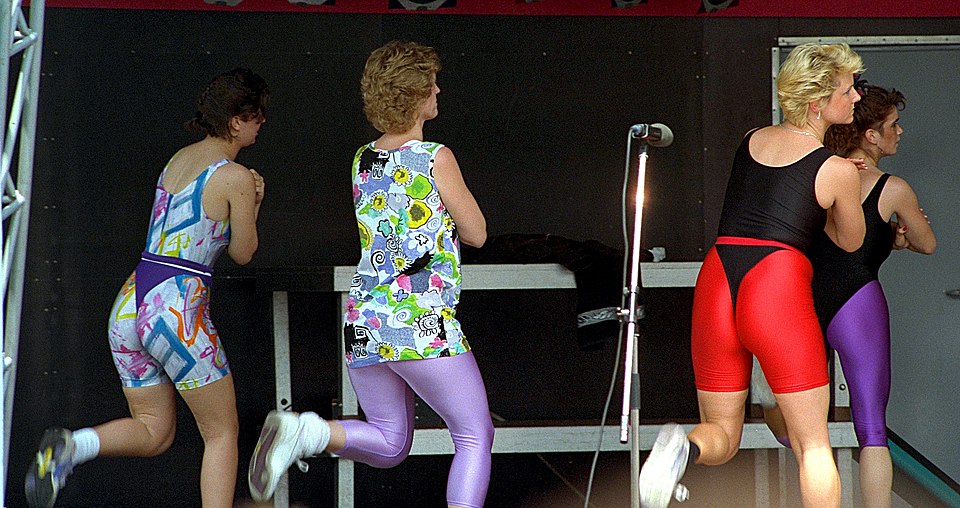
Culturally, bright colors and neon clothing were in fashion, and clothes were often decorated with paint splatters or geometric patterns. Shopping malls were popular places for kids, especially teens, to hang out. (If you’ve seen the 21st century science fiction show Stranger Things, which is set in the 1980s, the mall scenes (this one and this one and the fake advertisement for it) look very much like what I remember from my early childhood, and that’s the way people dressed, too – bright colors and patterns and paint splatters. I got a kick out of seeing the Waldenbooks store and the Sam Goody. Those are names I haven’t heard in awhile because they’re gone or almost gone, but those places were really popular when I was a kid! The boys should have gone to Claire’s to buy a present for El. That’s where a lot of us got our ears pierced, and that’s where you could find cute, affordable pieces of jewelry for girls.) Women often wore their hair in poofy styles, permed or crimped, with scrunchies or headbands. Big, brightly-colored earrings were also in style.
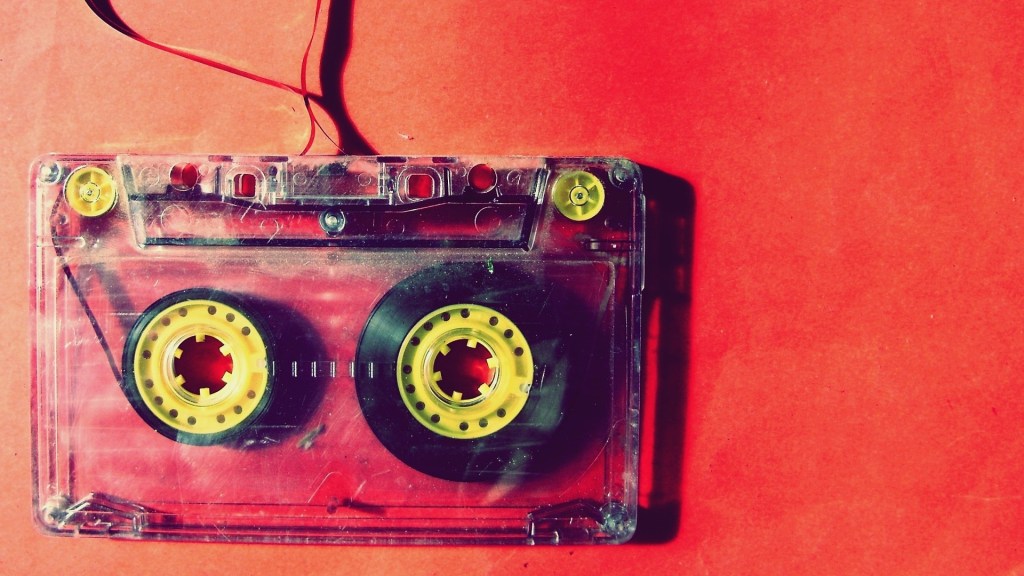
Cable television was popular, and MTV was especially popular, showing music videos. Hard rock, heavy metal, glam rock, techno, and pop music were all popular, with stars like Michael Jackson (called the “King of Pop”), “Material Girl” Madonna, and “Girls Just Want to Have Fun” Cyndi Lauper. I’d like to point out that the Material Girl song is one that people often use to reference the materialism of this decade, but if you watch the whole, original music video, materialism isn’t actually the message. The music video points out that there are things that go beyond materialism and, often, money and materialism are just tools for accomplishing other things of greater meaning, which are more important. While there are sexual overtones in the reference to “experience” in the song, the question of what’s more important – material gain or the richness of life experiences and genuine feelings – is something that came from this decade and may be a part of what the yuppies felt was missing from their lives. Children from this decade would also struggle with this in their own lives and start coming up with their own answers to this problem when they grew up, and I’ll have things to say about that in later decades.
A number of iconic movies were made in this decade, including the Back to the Future trilogy, two of the original Star Wars trilogy movies, and the first three Indiana Jones movies. There were also a number of well-known tv series in the ’80s, including Dallas, Dynasty, The A-Team, Magnum PI, and Murder She Wrote. More homes also had VCRs, allowing people to watch movies whenever they wanted or record their favorite tv shows to watch later, at their convenience. People who didn’t own their own VCR yet could rent one from a video rental store along with movies to watch. Parents sometimes worried that their children were watching too much tv.
Childhood and Children’s Literature
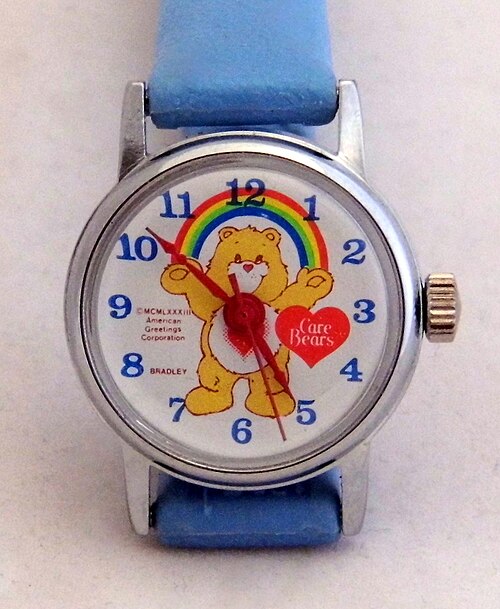
Kids in the 1980s had an abundance of cartoons to watch on tv and a wide range of toys, including many based on popular tv shows and cartoon characters, like My Little Pony, Strawberry Shortcake, Care Bears, Rainbow Brite, Pound Puppies, GI Joe (which had more than one series), and Transformers. (Some of these have seen revivals in the early 2000s because people who were kids in the ’80s are now adults and have kids of their own.) In fact, many cartoons (including the ones I listed above) were often used as vehicles to get kids interested in buying related toys, books, and other products, like Lady Lovely Locks did with its toy line and fanciful Pixietail hair clips. (But, what do you expect from a cartoon that’s all about a girl who rules her magical land because of her amazing hair?) It was pretty common for kids to have clothes, lunch boxes, or even bed sheets with their favorite cartoon characters on them. (I had Popples sheets at one point.)
You’ll notice that a lot of children’s characters, books, and other products were also brightly-colored, like the clothes in this decade, including Lisa Frank products (which originally started in 1979 and have seen a kind of nostalgic early 21st century revival – even though the character of Mabel Pines in Gravity Falls was created in the early 21st century, her tastes in clothing and the colorful scenes in her imagination are a throwback to this colorful 1980s style).
Movies for kids included The Breakfast Club, E.T., The Goonies (also featuring Cyndi Lauper, who sang the theme song, which also had a music video) and The Neverending Story (based on the German book of the same name and with a popular theme song that also ended up in Stranger Things).
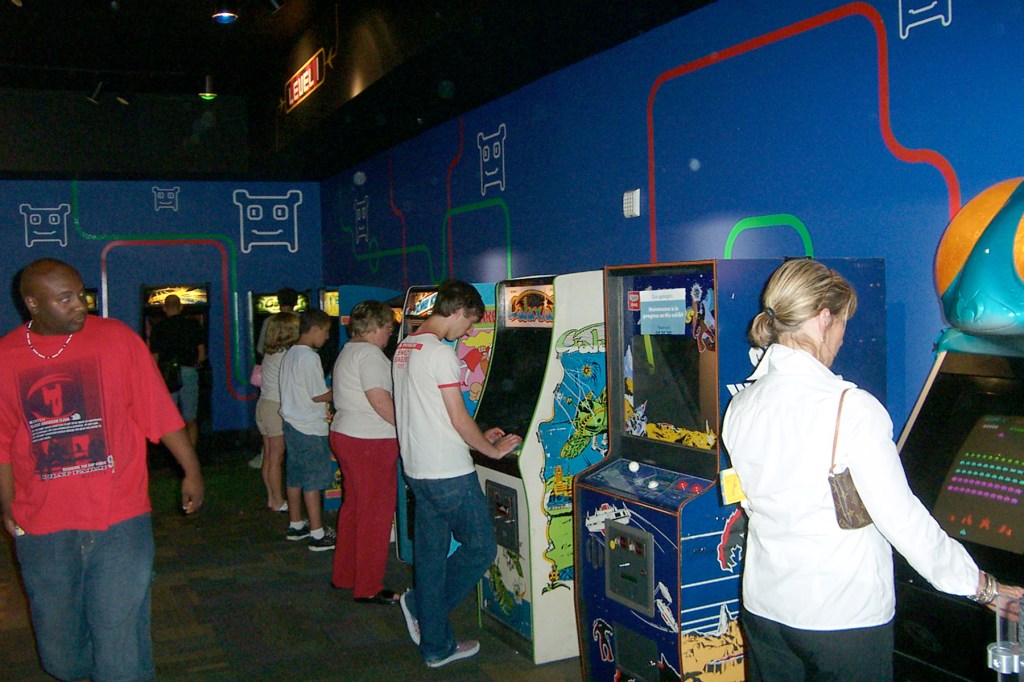
By the end of the decade, it was becoming more common for homes to have computers, and kids were playing video and computer games at home, not just in video arcades at the mall. Children had classes in school that taught them basic computer skills, such as typing, using word processors, and some basic graphic design. The level of skills they acquired depended a lot on the individual students, their schools, and what type of equipment they had. These things were not uniform across the United States. As a child of the ’80s, I can tell you that Apple computers were popular in schools, and when teachers allowed us free time to play computer games (educational games, of course), many of us were playing The Oregon Trail, although it was originally created a decade earlier.
There were plenty of other computer games that kids liked to play, both educational games and just-for-fun ones. One of the bigger franchises was the Carmen Sandiego series of games, a kind of mystery/chase game where the player was a detective searching for the master criminal, Carmen Sandiego, chasing her and her henchmen (all of which had pun names, like Miss Demeanor) around the world, using geography trivia to find them. The first game in the series, Where in the World is Carmen Sandiego?, came out in 1985, and the series continued into the 1990s. In fact, I think the series is still around in some form. The franchise also included a tv game show for kids in the 1990s (with a really catchy theme song), a cartoon series, and at least one board game (which I have). Events at the end of the 1980s and the beginning of the 1990s caused some changes in the geographical information in the games, but new versions came out pretty regularly.
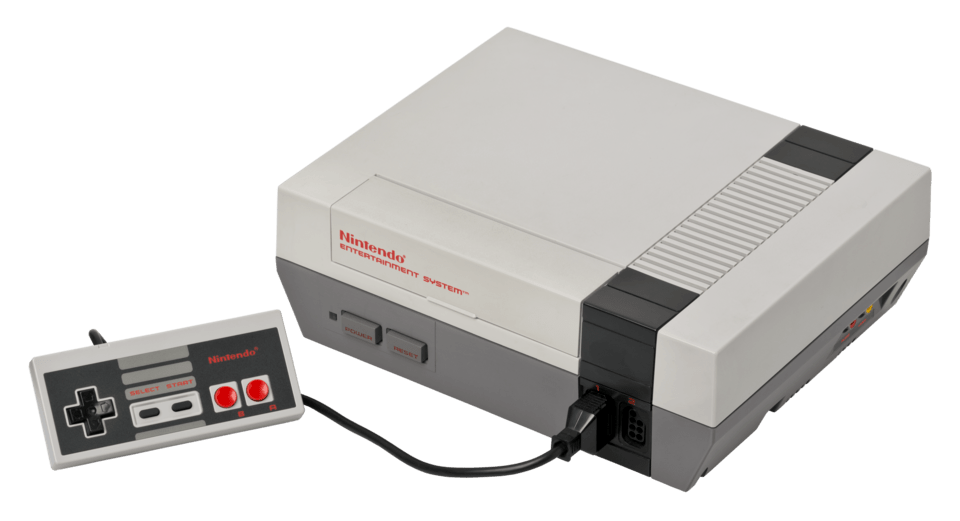
It was becoming increasingly popular for people to own home video game systems that hooked up to their tv sets, like Atari and Nintendo systems. Kids enjoyed playing video games with characters like the Mario Brothers. Parents started to worry that their kids were also playing too many video games as well as watching too much tv, and they worried that the games they were playing would have a bad effect on them. I’ll tell you one thing – they needn’t have worried that we’d stop reading books, and the books listed in the genres below are evidence.
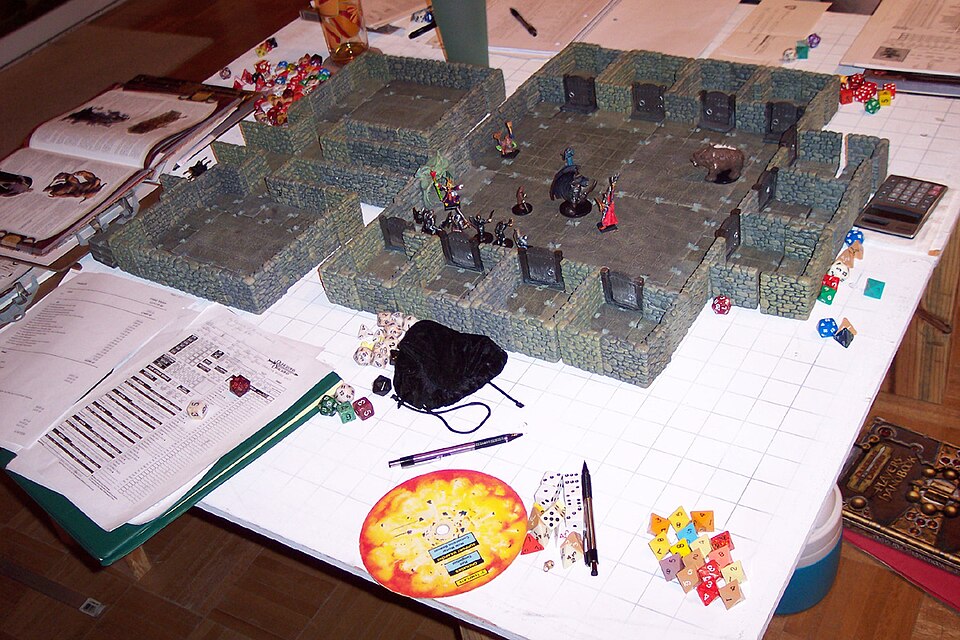
Another worry of parents concerned the role-playing game Dungeons and Dragons, which was originally created in the 1970s and gained popularity during the 1980s. Dungeons and Dragons built on earlier forms of war gaming and the lore of creatures from mythology and earlier fantasy literature, especially Lord of the Rings, creating an interactive game in which players created their own characters and participated in a group story in which they could make decisions. The game received criticism from conservative Christian groups, which took the fantasy elements of the games literally and believed that the “spells” in the game were actual spells meant to initiate children into satanism and give them a skewed sense of reality. Their concerns were part of a wider “satanic panic” taking place in the 1980s. (The modern sci-fi/fantasy series Stranger Things, which is set in the 1980s, uses this as a story element in its fourth season. It was a kind of moral panic somewhat related to “juvenoia“, which as this video explains, is a paranoia about the next generation, the strange things younger people do, and the possibly harmful effects that social change can have on the young. I particularly enjoyed the video’s discussion about the roles that entertainment and literature play in this and the discussion about the increasing intellectual complexity of entertainment.)
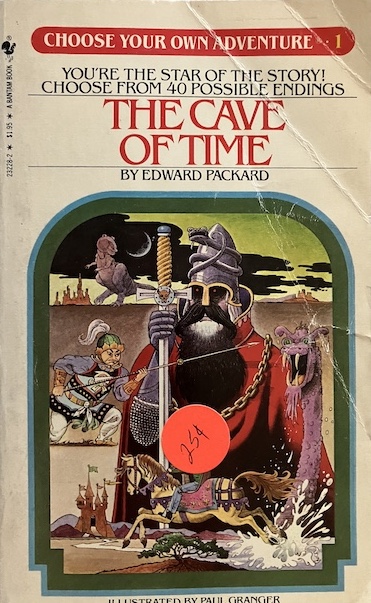
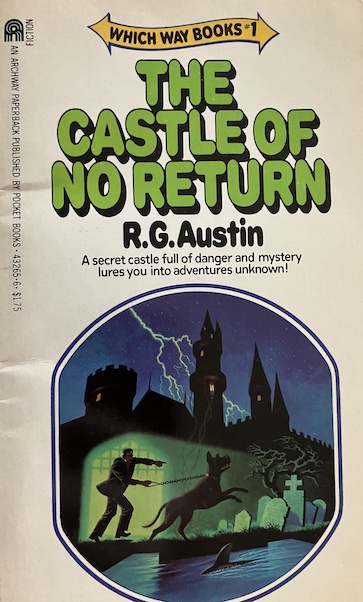
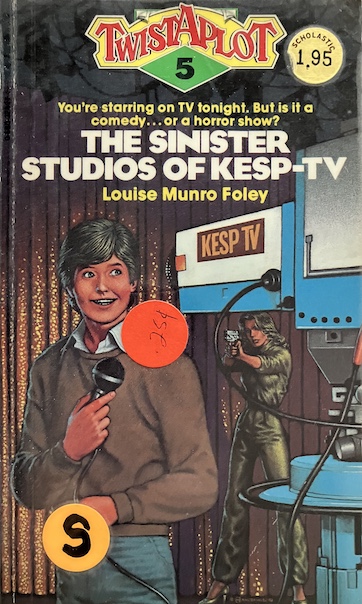
Ironically, the vocal protests about Dungeons and Dragons drew more public attention to the game and increased its popularity because people felt like they had to see what all the fuss was about, and people who tried it decided that they enjoyed it. Eventually, interactive children’s game books, like the now-iconic Choose Your Own Adventure series, and video games with similar themes made the pretend nature of Dungeons and Dragons more obvious and helped to make it more understood and acceptable to the general public, although it has continued to be known primarily as a game for geeks and nerds. Concern about supernatural, magical, and occult themes in children’s literature and entertainment also continued into the following decade and, particularly among conservative groups, have never completely stopped. Still, during the 1980s, interactive books on the same pattern as the Choose Your Own Adventure series were popular, many with fantasy themes, but others also including science fiction, mystery, or general adventure.
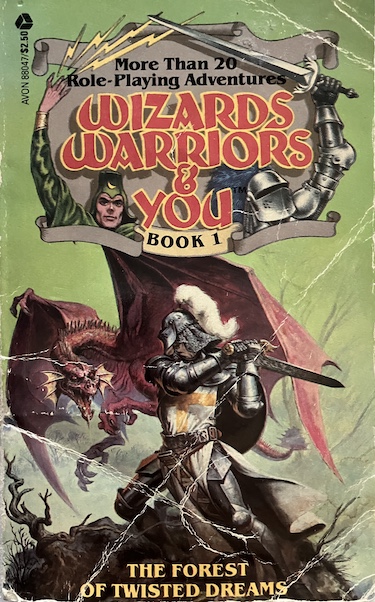
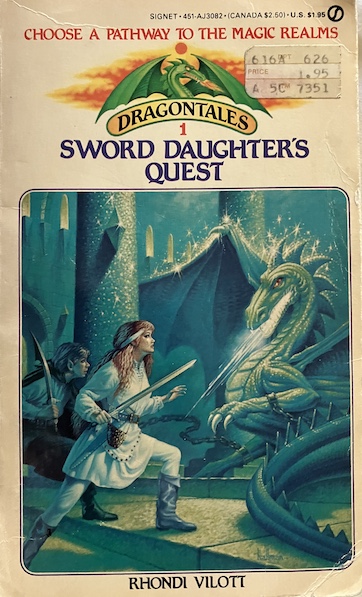
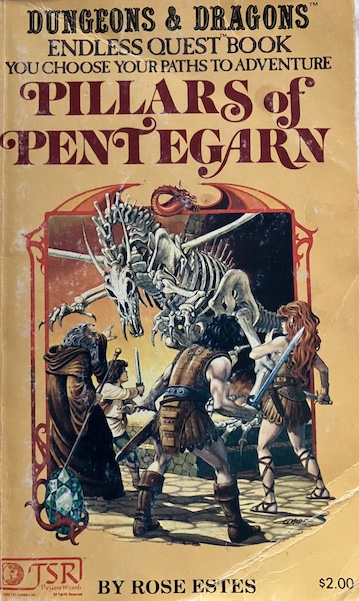
There were many popular book series for kids during this time in a variety of genres. One major book franchise that started in 1986 was the American Girls franchise, focusing on girls from different eras of American history. The franchise started with only three characters in the 1980s: Kirsten (the pioneer girl), Samantha (the Victorian girl), and Molly (the WWII girl). Other characters were added to the franchise in later decades. Part of what made the American Girls franchise special was that it sold dolls based on each of the characters, with doll outfit and accessories and even matching outfits that the girls could wear.
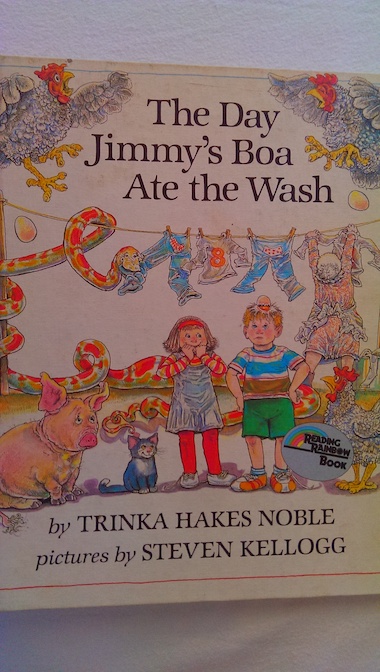
Other books that were popular in the 1980s include books based on characters from popular tv series, books that appeared on the popular Reading Rainbow tv program that encouraged kids to read, general fiction books that were intended specifically for girls and involved groups of friends (I call these “Girls’ Friendship Series” because the friendships of the girls in the stories are the main focus of the series, and I talk about them in the General Fiction section for this decade), fantasy series (for some the reasons I mentioned above and because this genre would get more popular with the beginning of the Harry Potter series in the late 1990s), and scary stories (which would get especially popular in the early 1990s because of the Goosebumps series).
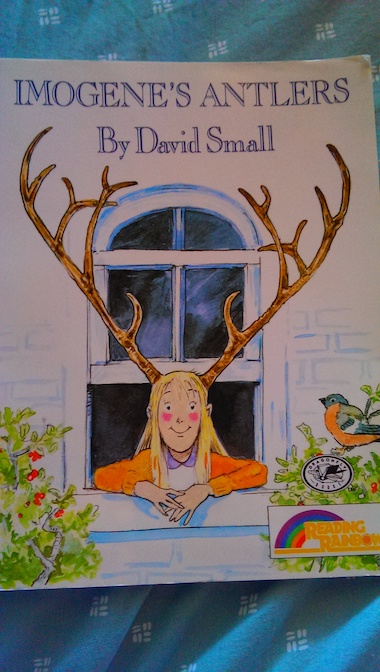
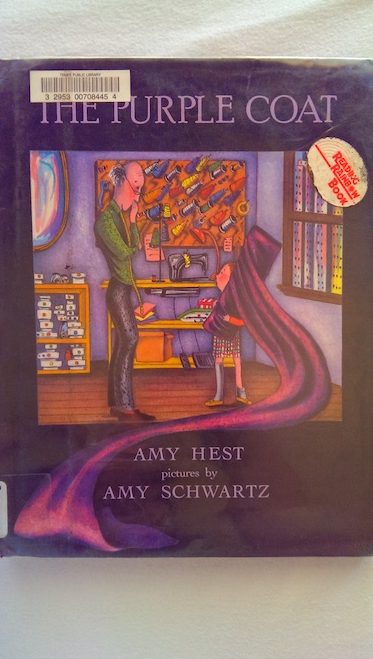
One last thing that I’d like to point out in this section is that many popular video games and video game systems were being produced in Japan. This is true of Nintendo systems and characters, including the Mario Brothers, and popular franchises like Final Fantasy (first game released in 1987). American kids really liked Japanese games and characters, and I think this might have helped pave the way for the growing interest in Japanese anime (although there was already some available to American kids since the 1960s) and manga in the following decade.
Moving On …
As the decade came to a close, and the Fall of the Berlin Wall signalled the beginning of the end of the Cold War, the world was about to enter a new phase of history, and it wasn’t clear what this new phase was going to be. Since the Cold War had been going on for more than 40 years at that point, many of the adults, particularly the generation of adults who were parents at this time, couldn’t remember a time before the Cold War. They had lived through the Cold War for all or almost all of their lives. (Billy Joel’s song We Didn’t Start the Fire, which he wrote around the time he turned 40 years old in 1989, catalogs many of the events of this time period because he was coincidentally born just after the start of the Cold War and wrote the song just about the time when it was starting to wind down. This video shows all of the events he references in the song, just to give you a very brief musical update on everything that happened up to this point and a decent idea of what this decade’s parents had experienced.) The youngest children of this era hardly knew what the Cold War was before it started to wind down, but its end was a relief to those who were old enough to understand it. An unknown future can be unnerving, but an apparent threat that had hung over their heads for much of their lives was fading, not with the bang they all dreaded, but with a wall being gradually chipped away by ordinary people. In the following decade, maps would be rewritten as the Soviet Union dissolved. Few people at this point imagined the way life was about to change because of the World Wide Web and the Internet. The Internet itself was one of the products of the Cold War technological race, its development started decades earlier, but the end of the Cold War didn’t mean that the on-going race to develop and perfect new technologies was over. In fact, the following decades would see it hit new heights.
“It’s the end of the world as we know it
– It’s the End of the World as We Know It (And I Feel Fine) by R.E.M. (1987)
(It’s the)
It’s the end of the world as we know it
(It’s the)
It’s the end of the world as we know it
And I feel fine…”
Children’s Fiction Books
There are separate pages for different genres, except for Adventure, because I only have one adventure book listed so far. This site is always a work in progress, so this will change later.
General Fiction
Humor
Adventure
Dissidents (1989)
When Derek’s father dies in a car accident, Derek is sent to live with his mother. His mother, however, is the US Ambassador to Russia. Derek is now not only living in a foreign country, but he also needs to become acquainted with diplomacy and etiquette. He finds his new lifestyle uncomfortable, but it brings him into contact with a pretty girl who has been separated from her dissident father, who has been exiled from Russia. With the help of a new friend, Derek hatches a daring plan to reunite the girl and her father, but Derek isn’t going to know true peace until he finally confronts and accepts the truth about his own father’s death … that Derek himself caused the accident. By Neal Shusterman.
Martin’s Mice (1988)
Martin is a kitten who likes to keep mice as pets, but he has to do it in secret because his family wouldn’t understand and approve. However, he eventually has to consider what is really best for his “pets” and comes to a new understanding with his family. By Dick King Smith.

Ralph S. Mouse (1982)
Sequel to The Mouse and the Motorcycle and Runaway Ralph. Ralph befriends Ryan, the son of the hotel’s new housekeeper, and persuades the boy to take him to school with him. However, another boy, Brad, breaks Ralph’s motorcycle. Ralph talks to Brad, and Brad makes amends by giving Ralph a car he can drive. By Beverly Cleary.
The Ship That Never Was (1982)
Larry and Josh rescue an old man in boat and discover the secret to an historical mystery involving the missing heirs to a royal family, a supposedly cursed ship, and political intrigue. The sequel to The Day the Sea Rolled Back.

Stone Fox (1980)
A boy enters a dogsled race to earn the money he and his grandfather need to save their farm. By John Reynolds Gardiner.
The Whipping Boy (1986)
A bored and bratty prince runs away with his whipping boy and learns lessons in friendship and responsibility. By Sid Fleischman.
Series
Ryan and Chris Taylor are a pair of thirteen-year-old fraternal twins who solve mysteries. They can sense each other’s thoughts. By Adam Mills. 1988-1989.
The orphaned daughter of an archaeologist has adventures with her new guardians. 1987-2005.
Gamebooks
Choose Your Own Adventure
A series of gamebooks where the reader was the main character of the story and had the ability to make decisions that would influence the the course of the story. There were multiple possible endings in each book, some good and some bad, depending on the readers’ choices. This series didn’t invent the concept of gamebooks, but it was a major influence in popularizing them. Each of the books were stand-alones, written by different authors, and they were also different genres. Many were fantasy stories, but others were science fiction and general adventure and some were mysteries or ghost stories. There are also several spin-off series. 1979-1998, 2005-Present.
Pick-a-Path
A series of gamebooks in different genres. This series sometimes had activities included in the books. 1982-1985.
Twist-a-Plot
A series of gamebooks in different genres. 1982-1985.
Which Way Books
A series of gamebooks in different genres. Two of them are based on Star Trek. 1982-1986.
Scary
Mystery
Fantasy
Science Fiction
Historical Fiction
Picture Books
Children’s Non-Fiction

Bird Wise (1988)
A beginning guide book to birds and bird watching. By Pamela M. Hickman, illustrations by Judie Shore.
Cat’s Cradle String Games (1983)
Children’s book that explains how to make string figures and play the game of cat’s cradle. By Camilla Gryski.
Chimney Sweeps (1982)
The history and traditions of chimney sweeps, including child chimney sweeps.

This book explains Christmas customs in various countries around the world.
Count Draculations!: Monster Riddles (1986)
Joke book with monster and Halloween-themed jokes.
Discover the Night Sky (1989)
A children’s book about astronomy with glow-in-the-dark pictures. By Chris Madsen and Michele Claiborne.
Encyclopedia of Legendary Creatures (1981)

A brief encyclopedia describing legendary creatures from around the world.
The Fun of Cooking (1985)
Children’s cookbook where real kids demonstrate favorite recipes.
Ghosts, Witches, and Things Like That (1984)
Children’s book about Halloween and folklore and related games, crafts, recipes, and poems.
Going to School in 1876 (1984)
Children’s nonfiction book describing the lives of children and what school and education were like in 1876 United States. By John J. Loeper.
Great Imposters (1982)
Children’s book about famous imposters in history.
How to Haunt a House for Halloween
This book was written by a magician to provide tips for setting up a haunted house for a party, either in your house with friends or in a more public setting, like a school, camp, or church party or carnival.
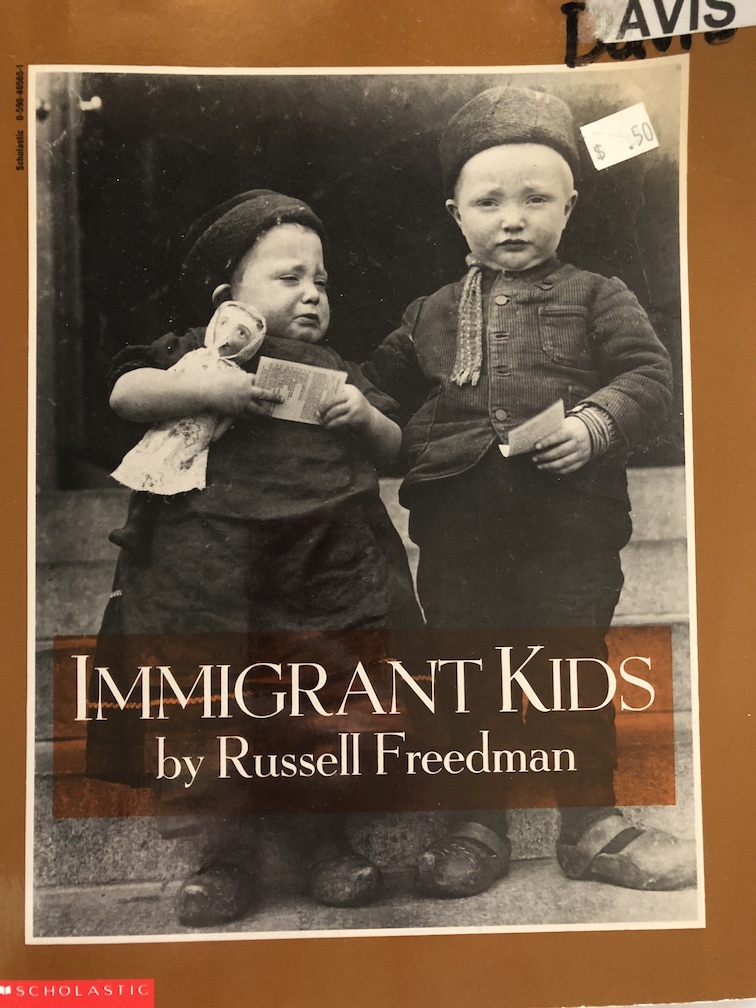
Immigrant Kids (1980)
The lives of immigrant children who came to the United States around the turn of the 20th century, late 1800s to early 1900s.
The Lettering Book (1984)
About designing posters and lettering styles. By Noelene Morris.
Medieval Holidays and Festivals
This book explains the holidays that people celebrated in Medieval times and how these holidays would have been celebrated, along with some special information about Medieval feasts.
Monster Manual (1989, 1994)
An encyclopedia of monsters and other creatures from folklore, literature, and movies. Originally written in German. The second date listed is for the English translation.
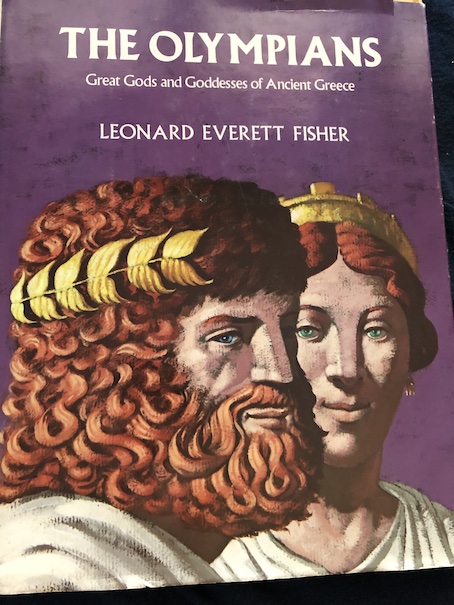
The Olympians (1984)
A picture book about gods and goddesses in Ancient Greek mythology. By Leonard Everett Fisher.
A cute picture book with prayers for different occasions, although some are specifically for spring and Easter.
The Spookster’s Handbook (1989)
A fun kids’ book of jokes and tricks for Halloween or just having some spooky fun with friends.
Spooky Tricks (1986)
Magic tricks with spooky themes. By Rose Wyler and Gerald Ames
Usborne First Book of Nature (1980)
A nonfiction guide book to plants and creatures.
Usborne Illustrated Guide to Norse Myths and Legends (1986)
A children’s picture book about Norse legends and mythology. By Cheryl Evans and Anne Millard, illustrated by Rodney Matthews.
Series
A series of instructional art books for children.
Children’s nonfiction series on a variety of topics, from world history to science and technology, illustrated with photographs.
A collection of related biography book series for children with different themes. 1988-2010.
This non-fiction series describes to children what it would be like to live in certain periods of history or to take part in certain historical events.

Kate Waters is the author of a series focusing on historical reenactors, showing them acting out the lives of real children who lived in Colonial America.
The classic children’s hobby and activity book series from Klutz Press. Each book comes with materials needed for the hobbies and activities. 1977-Present.
This is a series of craft and cook books, mostly themed on holidays. The Little Witch and her friend the Goblin and other friends give readers tips for making crafts and recipes and sometimes throwing holiday-themed parties and playing games. By Linda Glovach. 1972-1989.
A series of nonfiction picture books on a variety of topics, published by Childrens Press.
A series of nonfiction children’s books meant as beginning guides to introduce children to new hobbies and areas of interest.
Children of the Decade
It was the dawning of a new decade
When we got our first microwave
Dad broke down and finally shaved them old sideburns offI took the stickers off of my Rubix Cube
Watched MTV all afternoon
My first love was Daisy Duke
In them cut off jeansA space shuttle fell out of the sky
And the whole world criedIt was 1980 something
In the world that I grew up in
Skating rinks and Black Trans Ams
Big hair and parachute pantsLookin back now I can see me
Oh man, did I look cheesy?
But I wouldn’t trade those days for nothin’
Oh, it was 1980 something– 19 Something’ by Mark Wills (2002)
Children born in this decade in the United States:
Popular 1980s Names – Among the most popular names for children born in this decade were: Michael, Christopher, Matthew, Jennifer, Jessica, and Amanda.
Many people born in this decade were the children of Baby Boomers or those born during WWII, shortly before the beginning of the Baby Boom. The children born in the 1980s would later be counted among the oldest of the Millennials because their childhood was mostly spent before the turn of the millennium, and the oldest of them came of age at the beginning of the 21st century.
None of them would remember a time before space flight. Those born in the earliest part of the decade might have some memory of the Challenger disaster of 1986, but may not have fully understood what was happening at the time. (A friend of mine born in 1982 specifically remembers being surprised the first time that he saw a successful shuttle launch on tv as a child because the Challenger was the very first launch he had ever seen and it had left him with the impression that launches were always accompanied by an explosion, like space shuttles were some kind of really large fireworks or something.)
They would be the last children born before the fall of the Soviet Union and the end of the Cold War. Those born in the early part of the decade (including yours truly) would have some memories of the fall of the Berlin Wall and associated events, although, being young, would not fully understand the significance until later. (I have a few words to say about what I understood and remembered about that in the Resources section. A friend of mine says his disgruntled seven-year-old thoughts were that people in Germany could be cheered for breaking something, but he got punished whenever he did it.) Children born later in the decade would have little or no memory of that time.
In their early years, they would be taught in school to beware of strangers and made aware of the existence of dangerous individuals around them. There were stories of Halloween sadism during the 1980s (along with scares that occurred during the 1970s), and their teachers and parents carefully taught them never to accept unwrapped Halloween treats or any food from anyone they didn’t know. Some parents in the 1980s took extra measures in case their children were kidnapped and murdered, such as having their children fingerprinted through the local police in case their bodies had to be identified later. It is important to note that many people thought that such measures were paranoid and unnecessary, yet the practices did continue through the following decades to the present day.
They were among the first to start using the Internet and e-mail while still in school. Touch typing lessons for computer keyboards would be common lessons for them. They all (or almost all) grew up playing with electronic toys, and computer games were popular. Throughout their lives, they would become comfortable with a variety of new technologies, seeing rapid technological changes beginning early in their lives such as:
- from cassette tapes to cds to music purchased electronically with no physical copies
- from vhs tapes to dvds to movies and television streamed online
- from floppy disks of various sizes to cds of computer games and software to downloads and updates for computer programs managed entirely through the Internet
- from corded phones to cordless phones to cell phones to smart phones that do far more than just make phone calls
They were taught to write in cursive when they were in elementary school, but they used it less as computers became more popular for doing homework. In the lower grades, some of our teachers insisted that we write reports by hand, in pen, using cursive, but by high school, it was more common for teachers to insisted on typed reports and that students maintain saved copies of their work in case assignments were misplaced. As adults, some kids born in this decade had difficulty remembering exactly how to write in cursive. Some of them also had trouble deciphering others’ cursive writing, not just because the handwriting was sloppy, but because they were out of the habit. Children born in the 1990s and later were less frequently taught cursive writing in the first place.
All of them would have been old enough to understand and remember the Columbine High School shooting in 1999. Most them would have still been students themselves at the time. The Columbine students themselves would be in this group. Age range on that date: to 19 to 9 (turning 10 later in the year) years old. Shootings, violence, and terror would unfortunately be major factors in their later lives and the world around them. Because of modern methods of sharing information, they would frequently see video recordings of violent events and hear or read commentary about them from a variety of sources.
Those born in the early part of the decade would become adults around the turn of the new millennium, graduating from high school or entering college. The youngest children born in the 1980s would be close to finishing elementary school around that time.
All children born in this decade would be old enough to understand the events of September 11, 2001 at the time it happened and remember them forever after. Most of them would still be in school or attending college at the time, with the possible exception of some of those born in the earliest years of the decade. Age range on that date: 21 to 11 (almost 12) years old. This incident (combined with Columbine and later shootings and acts of terror, not to mention those early lessons about strangers and Halloween) would make them increasingly aware that violent, unpredictable people are always present in society and that any of them could be killed in similar incidents. Being young would be no protection. Most would consider the risks minimal and go about their normal lives, but the knowledge would always be there, along with the understanding that going about normal lives always involves a certain amount of risk.
The Great Recession of the early 2000s would have hit around the time that many of them were looking for their first jobs (particularly those who went to college), making it difficult for them to get a start in life.
None of them would have lived during a time when schools were segregated. (At least, not official segregation, which would be illegal long before they were born. Economic, not specifically racial segregation, would have more of a bearing on the makeup of their schools, although some racial segregation may have occurred as a by-product of economics in some of their schools. It would vary by region and social class.) None of them would live during a time when there were separate bathrooms or drinking fountains for different races in the United States or when people of different races weren’t allowed into certain restaurants or other public places. Almost all (with a few odd exceptions) 1980s children would find such concepts repulsive later in life. Racial makeup of churches and other religious institutions would vary by religion and region.
Children born in this decade would also have read books from the following decade, the 1990s, in their youth. However, children who were old enough to read some of the books published in the early part of this decade when they were first sold would have been born in the preceding decade, the 1970s. (I know I did, but I also read many books that were much older than that, partly because my family didn’t have a lot of money, and most of my books were used. Actually, they still are, and I think that’s fun.)
Other Resources
Documentary Films
Some of these are full-length documentaries, others are clips, and some are just collections of vintage footage and reminiscences from people who lived during the time period.
CrashCourse
CrashCourse is a YouTube channel with fun educational videos on a variety of topics and different periods of history. The videos are fairly short for educational lectures. Most are less than 15 minutes long. These videos are intended for teenagers and older, so be aware that there may be topics and language inappropriate for younger children.
- USA vs USSR Fight! The Cold War: Crash Course World History #39
- The Reagan Revolution: Crash Course US History #43
- George HW Bush and the End of the Cold War: Crash Course US History #44
Daily Life and Popular Culture in the 1980s
A nostalgia video about popular culture and standards of living in the 1980s.
THE ULTIMATE FASHION HISTORY: The 1980s
An educational lecture about fashion fads of the 1980s and the reasons behind them.
President Reagan is Stunned by the Scale of Soviet Espionage
President Mitterrand of France gives President Reagan important information about Cold War technological espionage in 1981. Excerpt from a Smithsonian documentary.
The Berlin Wall – how it worked | DW Documentary
This 10-minute documentary explains what the Berlin Wall once looked like and how its security worked. This is a Germany production, but the language is English.
What happened the day the Berlin Wall fell? | DW News
German news coverage and modern commentary. The German language parts have English subtitles.
The Berlin Wall Falls 1989 NBC Coverage Pt1 and Pt2
The Fall of the Berlin Wall in early November 1989 with commentary by Tom Brokaw. For more footage of the same event, see the PBS Coverage Pt. 2, CBS Coverage, BBC Coverage Pt. 1, BBC Coverage Pt. 2, and the ABC News Coverage with Peter Jennings.
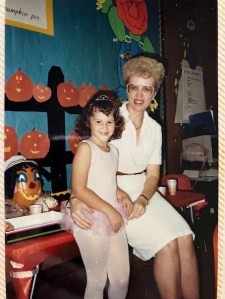
I actually remember this event from my own youth. I never lived in Germany, and I wasn’t there when the wall fell, but this happened exactly 2 weeks after my 7th birthday, and I remember my first grade teacher being very excited about it and telling us that the Cold War was finally over. She leaned over and looked me directly in the eye and said, “It’s over! It’s finally over!” I smiled and nodded and pretended that I understood what she was talking about. Then, when I got home, I asked my dad what a “Cold War” was. I understood “war” and “cold”, so my first image was that people were fighting in the snow somewhere. My father explained that Cold War is when two sides could start fighting at any time, but they haven’t started fighting yet. That song I referenced earlier, 99 Luftballons, had been released when I was a baby. For a long time, decades before I was born, a war had been threatening, but it hadn’t actually happened, not a full-blown war with guns and bombs, and people were happy because this was the first indication that a war wasn’t going to happen after all. For the very first time in my life, I realized that events in the wider world mattered and could make a real difference to people in my own life, that it was something people cared about and that I could care about, too. I already had a concept that there were other countries beyond the one where I lived, but now, these places were more real, with real things happening in them that really mattered. This realization made me feel like my mind had been opened for the first time, and although I was still too young to understand much of it, I credit this event with the beginning of my interest in world events and world history. I liked this feeling, and I wanted more. I wanted to know more. So, thank you, Mrs. Phillips, for being excited about the Fall of the Berlin Wall and telling me about it!
Events in Children’s Lives:
The School Shooting Generation Grows Up
Sadly, school shootings were part of the reality of the youth of this generation and would continue to haunt them as they grew up and had children of their own.
For more about 1980s culture:
A blog about 1980s culture, including fashion fads, movies, and music.
Lists of 1980s children’s books on other sites:
Classic Children’s Books By The Decade: 1980s
Wikipedia — 1980s children’s books
Cliquey Pizza 80’s Books A-Z Guide
This site particularly focuses on girls’ series books.
 Jestress's Forgotten Books and Stories

.jpg)


.jpg)


