Lately, I’ve been hearing a lot about the Cottagecore aesthetic. It also goes by the names Farmhousecore, Villagecore, or Countrycore, but basically, what it’s about is celebrating and attempting to re-create the aesthetic of traditional rural life, even if you don’t actually live in the country. People who love Cottagecore value living life at a slower pace, dressing in vintage clothing, collecting vintage objects and decor, and participating in classic and old-fashioned pastimes and DIY skills, like gardening and baking. They especially like reading books and watching movies that involve these aspects or that give them the “vibes” they associate with a calm and natural, old-fashioned life. This aesthetic became popular in the early 2020s in response to both the hectic pace of modern life and the traumas of the coronvirus pandemic. When people started to spend more time indoors and at home during quarantines and lockdowns, they focused on making their homes seem more cozy, evoking feelings of nostalgia and a focus on nature.

When people did get out during the pandemic, it was usually best to go to outdoor settings to avoid getting too close to other people. Exploring parks or the countryside provided people with some needed escape and a relative sense of freedom during lockdowns. Although these were stressful times, with worries about catching the disease and a kind of claustrophobia from been cooped up at home, some people tried to turn it into a positive experience by focusing on living a slower pace of life and appreciating simple things and cultivating a sense of comfort and coziness instead of claustrophobia. As people began sharing these new and revived styles and interests online through social media, Cottagecore grew into an entire aesthetic and even a way of life.
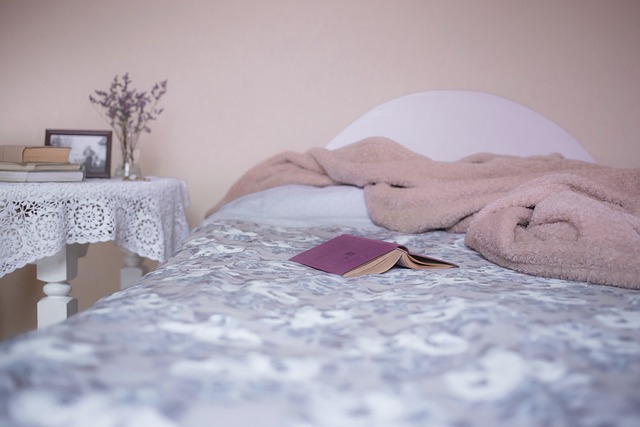
Dark and Light Academia also arose as aesthetics around the same time and from the same set of events and similar mindsets. The Academia aesthetics share some qualities with Cottagecore in terms of cultivating coziness and reviving vintage styles, but Academia has less of an emphasis on nature and more on learning, knowledge, a love of books and the arts, and self-discovery.
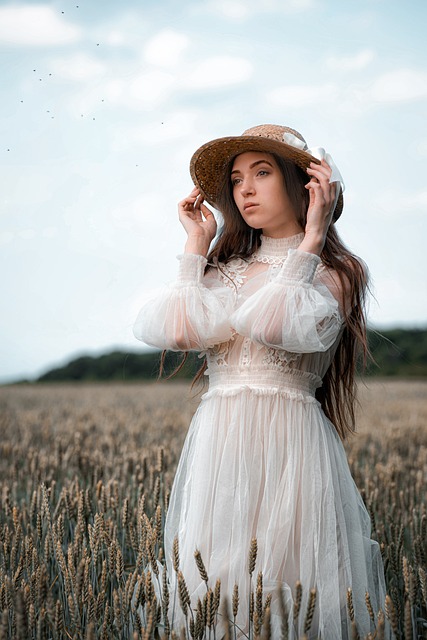
Much of Cottagecore focuses on dress and home decoration, practicing do-it-yourself hobbies, and living a simpler style of life at a slower pace, but I’ve also seen YouTube videos about books and movies that reflect this attitude, some for adults and some for children. Actually, from what I’ve seen, much of Cottagecore is really inspired by vintage children’s books, especially Anne of Green Gables and other books by L. M. Montgomery and the Little House on the Prairie books. Much of the Cottagecore aesthetic reflects the sort of household styles and dress styles that appear in these books and the movies and tv shows inspired by them and the sense of nostalgia that people associate with these stories.
With this in mind, I decided to put together my own list of books that reflect this aesthetic. All of the books that I cover on this site are nostalgic books, which I define as books that are at least 10 years old by the current date. Many of the books that I think belong on this list are vintage stories, which I consider to be books published in the 1950s or earlier, so some of them are also public domain and many will be available to read for free online.
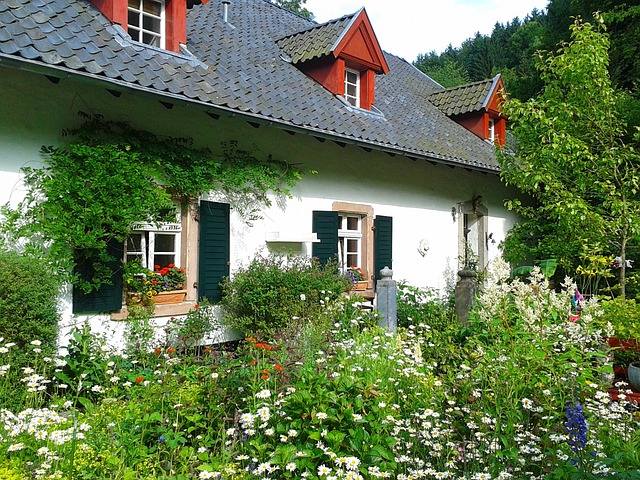
I’ve included vintage books on this list because they fit the aesthetic and because vintage itself is part of the aesthetic. Yet, I have to include the warning that books that were written pre-Civil Rights era are more likely to contain inappropriate racial language or attitudes than ones written later, although not all vintage or antique books are like that. Some vintage books have also been rewritten and reprinted with inappropriate words removed. I don’t recommend particularly problematic books, but all of my reviews contain descriptions of anything I consider problematic, so you can decide by the reviews whether you want to try them or not. I also make notes about differences between original printings of nostalgic books and ones that were later updated to fix language and racial issues. When you read public domain books online, they’re often the original versions, which is why it makes a difference. If you get a book from a library, it’s probably one of the modern, revised reprintings because most libraries have weeded out books with really bad racial terms these days. (Check the printing date. If it’s late 20th century or early 21st century, it’s probably revised.) If a book that originally had some problematic content is still in print, there’s a good chance that its content was updated at some point. Adults who are into period nostalgia would probably be fine with the vintage books, if they want to see the originals, but if you’re thinking of introducing any of these stories to children, I would recommend either reading them yourself first or reading along with the kids so you can discuss anything questionable.
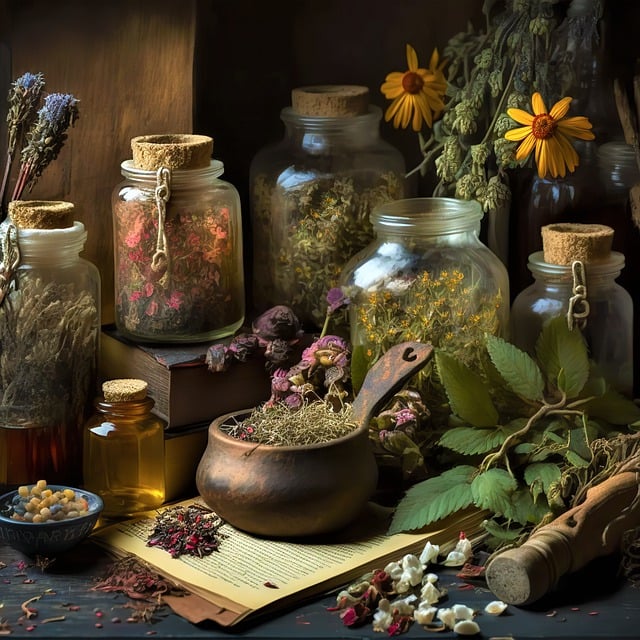
Because many of these books are vintage and have been beloved favorites for many years, many of them also have movie and tv versions. I like to make notes about movie versions in my reviews, and in some cases, I even recommend movie versions over the original books themselves. As much as I love books, I have to admit that Disney did improve some of the stories they adapted from original books. (Mother Carey’s Chickens/Summer Magic is an example of that. I have a list of Disney Movies Based on Books with other examples, including Bedknobs and Broomsticks and Candleshoe. Chitty Chitty Bang Bang could also count as a Cottagecore style children’s movie, but the original book, which was written by the creator of James Bond, was about the family battling smugglers in France with their magic car instead of going to a fairy tale kingdom with a toy-obsessed baron.) Movies are less likely to have problematic language in them, which is another consideration if you’re thinking of introducing some classic and vintage stories to children for fun.
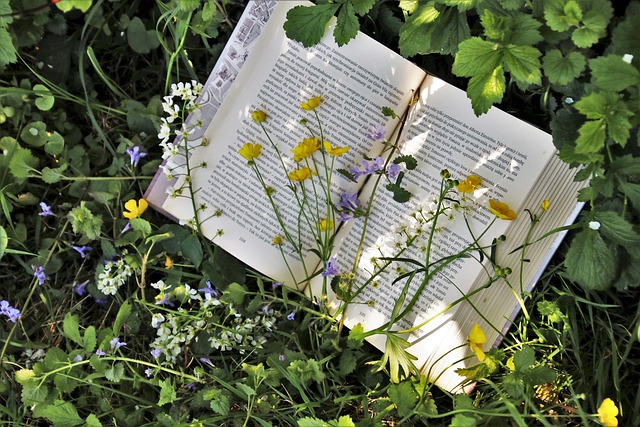
When I assembled this list, I was trying to focus on books that take place in small towns or in the countryside or focus on a connection to the natural world, the magic of simple pleasures or a slower pace of life, or feelings of cozy nostalgia. As always, my site is a work in progress, so there will be future additions here later. Hope you enjoy!
Update: Because this genre focuses on nature and being in touch with the natural world and seasons of the year as well as living slowly and enjoying the small pleasures in life, I decided to add notes about the seasons of the stories. Folk tales and fairy tales are also generally good for capturing Cottagecore vibes.
Children’s Fiction Books
General Fiction
Black Beauty (1877)
The story of a beautiful black horse and his owners. By Anna Sewell.
Blue Willow (1940)
Janey is the daughter of an itinerant farm worker who longs for the stability and home that her family has lacked since their ranch failed. By Doris Gates.
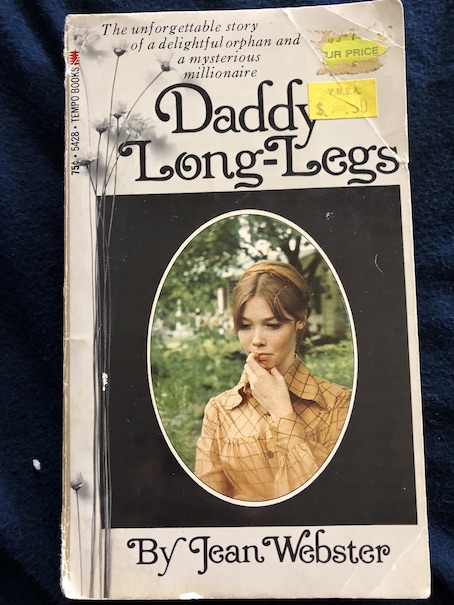
Daddy-Long-Legs (1912)
A wealthy benefactor provides money to a young orphan girl, Jerusha “Judy” Abbott, so that she can go to college. He asks that she write to him about her college experiences and progress in class but insists upon remaining anonymous. Judy nicknames him “Daddy-Long-Legs” in her letters because she has only had one brief glimpse of him and only knows that he is very tall with long legs. Through the course of the book and her letters, she eventually discovers his true identity. By Jean Webster.
Season: Year-round.
Dig for a Treasure (1949)
A family with children in need of a house camps out in a little house that some local kids use as a playhouse. The kids become friends with each other and hunt for a lost treasure. Sequel to The Invisible Island. By Dean Marshall.
Season: Summer.

Eight Cousins (1874)
Rose Campbell is an orphan who has been living at a boarding school for girls, but she has now come to live with her aunts, who all live on a hill known as “the Aunt Hill” with Rose’s several male cousins. Rose has quite an adjustment, getting used to chaotic family life with a bunch of boys, but Rose’s Uncle Alec realizes that Rose can benefit from some healthy outdoor activity and good, old-fashioned fun. By Louisa May Alcott.
Emma’s Afternoon (1970)
Emma has just recovered from measles but still isn’t ready to go back to school. She spends an afternoon exploring her favorite place by the stream and connects with a special friend. By Pamela Sykes.
Season: Summer.
Gone-Away Lake (1957)

A pair of cousins, exploring a swampy area over summer vacation, find the remains of an old resort community that once stood by a lake and meet the people who still live there. By Elizabeth Enright.
Season: Summer.
Heidi (1880)
A five-year-old orphan girl goes to live with her grandfather, who is a hermit in the Swiss Alps. By Johanna Spyri.
The Invisible Island (1948)
When the Guthrie family moves to the countryside from New York City, the children in the family become fascinated by an island in the middle of a nearby lake. They like to pretend like they’re shipwrecked there, with their mother sending them “rations.” There, they find adventure and mystery and the magic of a happy summer. By Dean Marshall.
Season: Summer.
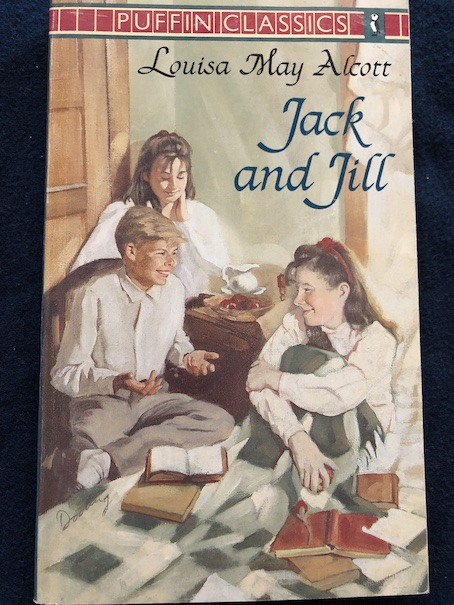
Jack and Jill (1880)
Two friends, Jack and Janey (called Jill), accidentally fall off their sled and injure themselves. While they’re confined to their beds, recovering, their parents find ways to cheer them up and teach them important lessons. However, Jill, who is from a poorer family, is injured worse than Jack. What will happen if she’s unable to walk again? By Louisa May Alcott.
Little Women (1868)
During the American Civil War, the four March sisters grow up and discover their destinies. The first of a series. By Louisa May Alcott.
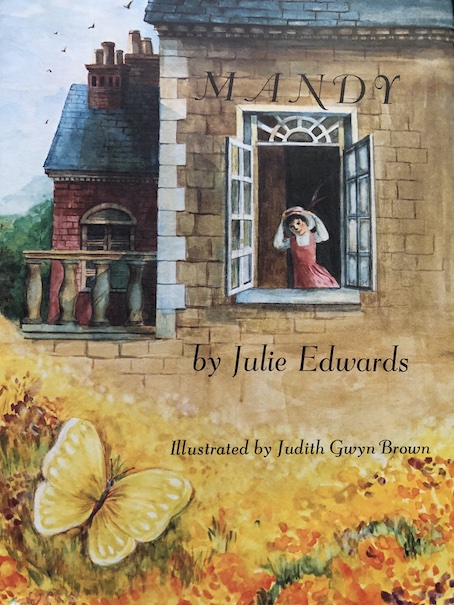
Mandy (1971)
An orphan who longs for a real home of her own sneaks away from the orphanage and finds an old cottage, which she fixes up and makes into her special place. By Julie Andrews Edwards.
Season: Year-round with a special Christmas scene.
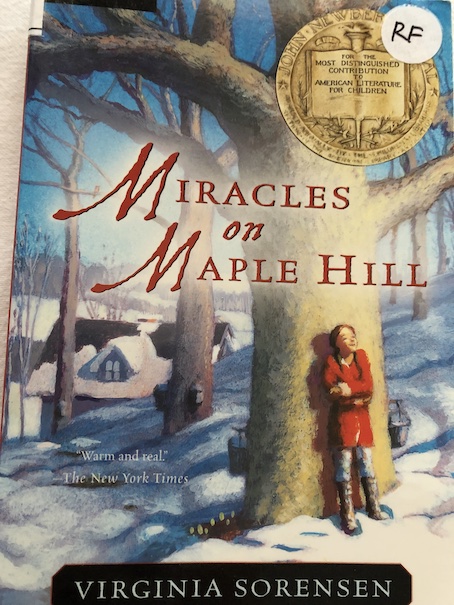
Miracles on Maple Hill (1956)
With their father suffering from shock and depression after having been a prisoner of war, Marly and Joe’s mother moves the family to their grandmother’s old house in the small town of Maple Hill, where the children’s father can get some rest. There, they are befriended by a couple of supportive neighbors, Mr. and Mrs. Chris, who make maple syrup. When Mr. Chris suffers a heart attack and must spend some time in the hospital, the family helps Mrs. Chris with making the maple syrup. The family’s friendship with the neighbors and learning how people can help and support each other helps the father to heal from the war.
Season: Year-round, but there’s a special focus on winter.
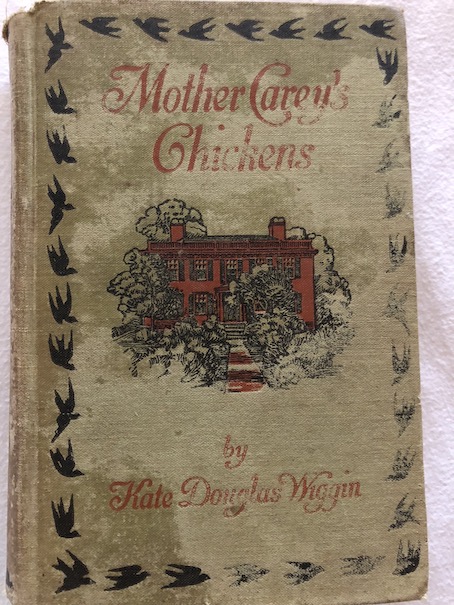
Mother Carey’s Chickens (1911)
A widow and her children struggle to make a new life for themselves in a small town in Maine while taking in a cousin who is a snob. This book is public domain and on Project Gutenberg. It was also the basis for Disney’s Summer Magic with Hayley Mills. By Kate Douglas Smith Wiggin.
Actually, I really recommend watching Summer Magic more than reading the book. I really think the movie is an improvement on the story. I have to confess that I mostly put this book on the list just so I could mention the movie.
Season: Year-round.
Nancy of Apple Tree Hill (1942)
A family moves back to their old family farm, Apple Tree Hill, in Tennessee, and learn how to homestead there. By May Justus.

An Old-Fashioned Girl (1869)
Polly, a girl from the country, visits a friend who belongs to a wealthy family in the city. She is unaccustomed to the fancy clothes and habits of city life and feels out of place. However, when the family faces hard times, Polly reminds them of the things that are really important in life. By Louisa May Alcott.
Pollyanna (1912) and Pollyanna Grows Up (1915)
A two-book series. A young orphan brightens her aunt’s life with her optimism even while she faces serious problems herself. Both books are public domain and on Project Gutenberg. By Eleanor H. Porter.

The Railway Children (1906)
When their father is accused of a crime he didn’t commit, three children move to a house in the countryside with their mother. The house is near railroad tracks, and their adventures with the trains and a particular Old Gentleman who rides them help to improve their situation and prove their father’s innocence. This book is public domain and is available on Project Gutenberg. It was also made into a movie more than once. By E. Nesbit.
Season: Summer.
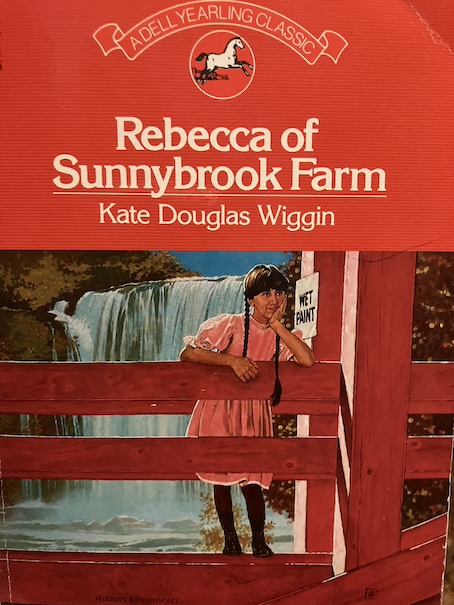
Rebecca of Sunnybrook Farm (1903)
When her family falls on hard times, young Rebecca is sent to live with her aunts, who had been really hoping that her mother would send Rebecca’s practical older sister instead. Rebecca is a dreamy, imaginative girl, but in spite of her Aunt Miranda’s impatience with her, she charms everyone and earns their respect. This book is public domain and is available on Project Gutenberg. By Kate Douglas Wiggin.
Return to Gone-Away (1961)
A family renovates an old, abandoned house as a summer home, and the children have adventures with their friends. Sequel to Gone-Away Lake. By Elizabeth Enright.
Season: Summer.

The Secret Garden (1911)
An orphan girl born in India goes to live with her uncle in Yorkshire, England in a house filled with secrets and sadness and finds herself investigating a mysterious walled garden and trying to bring it back to life. It is public domain and on Project Gutenberg. By Frances Hodgson Burnett.
Season: Winter changing into spring and summer.
Strawberry Girl (1945)
Ten-year-old Birdie Boyer has recently moved to the backwoods in Florida with her family to grow strawberries. She hopes to win a 4-H prize for her strawberries, but a feud with the neighbors may ruin everything. By Lois Lenski.

Thimble Summer (1938)
A nine-year-old girl named Garnet, who lives on a farm in Wisconsin, finds a thimble by the river and becomes convinced that it’s magical and brings her good luck. By Elizabeth Enright.
Season: Summer.
Understood Betsy (1916)
A young orphan girl goes to live with relatives on a farm in Vermont and finds a happier home than the one she left behind and a new sense of self-confidence. It is public domain and on Project Gutenberg. By Dorothy Canfield Fisher.
Note: Dorothy Canfield Fisher was an early advocate of the Montessori method of education in the United States, and in particular, this book presents many of the principles of the Montessori method and how it can help children.
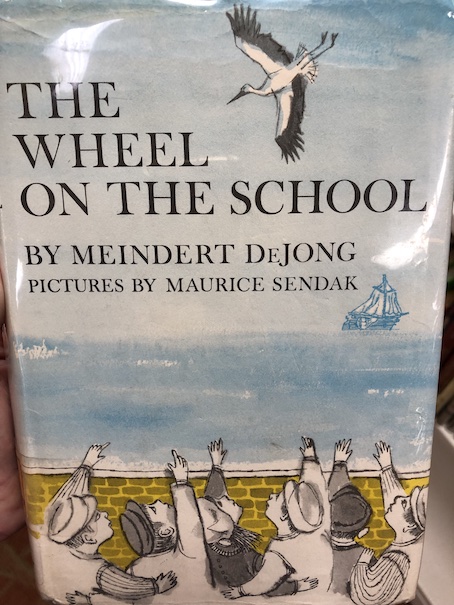
The Wheel on the School (1954)
A schoolgirl wants to know why there are no storks in their small Dutch village. The teacher challenges the children in the school to investigate and find the answer for themselves, and the children learn what storks need to attract them to the village. By Meindert de Jong, illustrated by Maurice Sendak.
Where the Lilies Bloom (1969)
Before her father died, Mary Call Luther promised him that she would look after her siblings and keep the family together. They live in a little house in the Great Smoky Mountains. At first, they make enough money to manage by gathering herbs and selling them, but things get harder when winter comes. With the family’s survival threatened, Mary Call finds herself challenging her father’s preconceived notions against the young man who loves her sister and his prohibition against accepting help from anybody. Their father wasn’t right about everything, and if she and her siblings are going to survive, they’re going to have to meet life’s challenges on their own terms. By Vera Cleaver and Bill Cleaver.
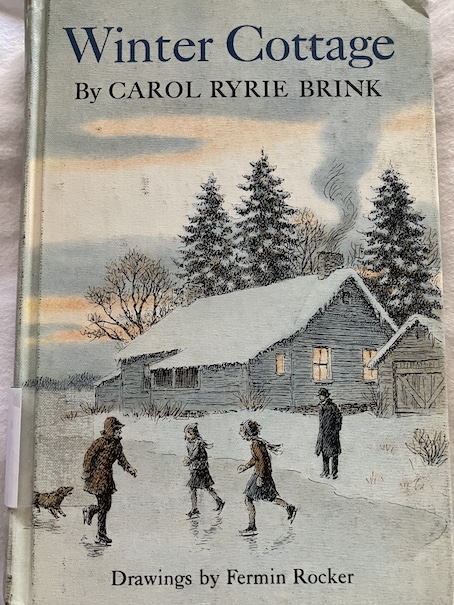
Winter Cottage (1939, 1968)
A family, down on their luck during the Great Depression takes refuge for the winter in someone’s empty summer cottage, and it changes their lives for the better. By Carol Ryrie Brink.
Series
When an aging, unmarried brother and sister decide that they could use some extra help on their farm, they the decide to take in an orphan boy who can help with the farm chores. However, by mistake, the orphanage sends them a red-haired young girl instead, changing their lives and others in the community with her liveliness and imagination. Books in this series are public domain and are available on Project Gutenberg. By L. M. Montgomery. 1908-1939.
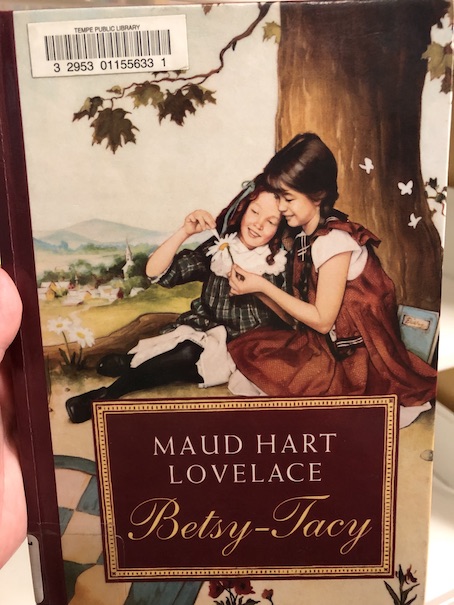
A series about a pair of best friends growing up in Minnesota around the turn of the last century. Based on the author’s own childhood. By Maud Hart Lovelace. 1940-1955.

Madge Bettany, in need of money and with a younger sister to help raise, decides to leave England and go to Austria to start a new boarding school for girls. The series covers the adventures of the girls who attend the boarding school and how their time at the school changes their lives. The reason why it relates to Cottagecore is that the countryside around the school is beautiful, and the school promotes healthy outdoor activity, which helps some of the characters who suffer from ill health. By Elinor M. Brent-Dyer. 1925-1970.
This is a vintage British series and isn’t as well-known in the US, but it is possible to get the books here.
Season: Year-round. Even individual books in the series cover multiple seasons.
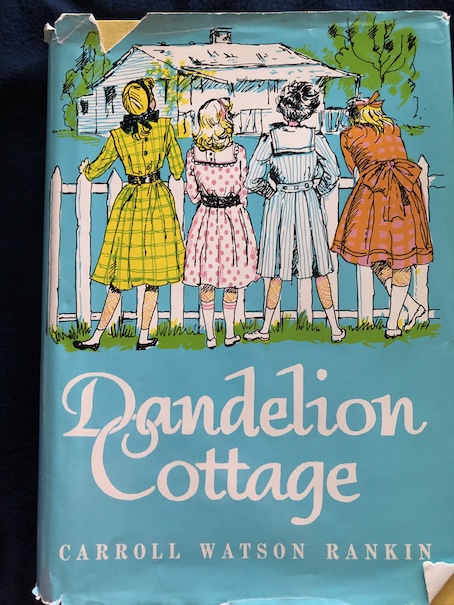
A group of girls in the early 1900s are allowed to use a real cottage as their playhouse, and it brings them into contact with interesting people. All of the books in the series are now public domain and available at Project Gutenberg. 1904-1921.
Season: The first book is Summer. I haven’t read the others yet, but I think they are other seasons.
Emily of New Moon Series

When Emily’s father dies, she goes to live with relatives at New Moon farm. At first, life there isn’t very happy because her Aunt Elizabeth is very stern and her relatives are snobs, but Emily manages to make some new friends and becomes a writer. This series is a trilogy. By L. M. Montgomery. 1923-1927.
The Five Little Peppers Series
A widow and her five children do their best to support themselves, eventually finding a wealthy benefactor. By Margaret Sidney. 1881-1916.
Season: Year-round.
The adventures of the four children of the Melendy family in New York, who all have different ambitions in life. The final book in the series is Spiderweb for Two, which has a slightly different theme from the other books and features only two of the children and a treasure hunt. By Elizabeth Enright. 1941-1951.
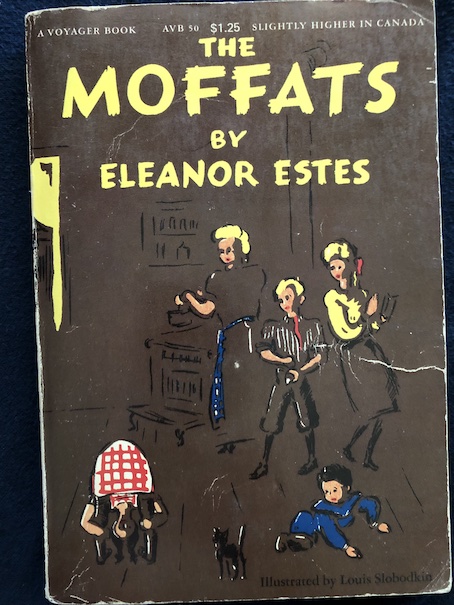
Moffats Series
The adventures of a fatherless family in 1910s Connecticut. By Eleanor Estes. 1941-1943, 1983.
Humor
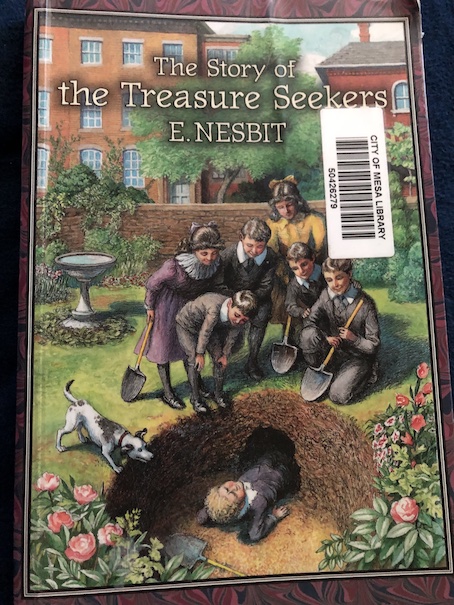
The Story of the Treasure Seekers (1899)
When their family falls on hard times, the Bastable children come up with wild schemes to restore their family’s fortunes. This book is public domain and available on Project Gutenberg.
Season: Summer.
The Wouldbegoods (1901)
The Bastable children are at it again! After their latest escapades go too far, the children are sent off to the country for a while. There, they make a couple of new friends and form a club to perform good deeds and try to improve themselves. Of course, their attempts at good deeds don’t go as planned and end up causing more problems than they solve. Part of the The Bastable Children Series. This book is public domain and is available on Project Gutenberg. By E. Nesbit.
Season: Summer.
Adventure
Hitty, Her First Hundred Years (1929)
The adventures of a doll as she is lost, found, and travels around the world.
Season: Year-round., over a period of 100 years
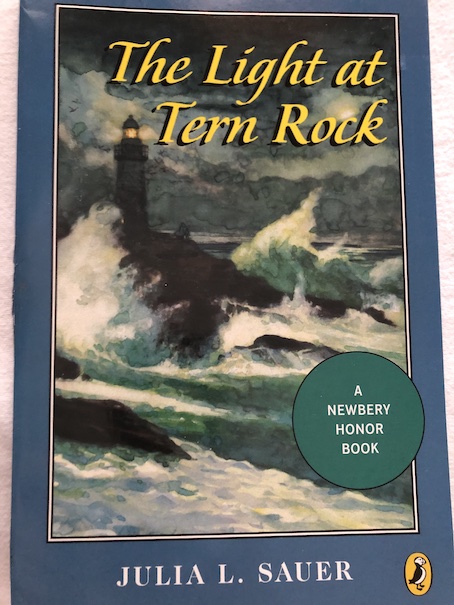
The Light at Tern Rock (1951)
A boy and his aunt agree to tend a lighthouse temporarily while the usual keeper takes a vacation. When the keeper breaks his promise to be back by Christmas, it leads to some revelations about the keeper’s life and the meaning of Christmas and family. By Julia L. Sauer.
Season: Winter, Christmas.
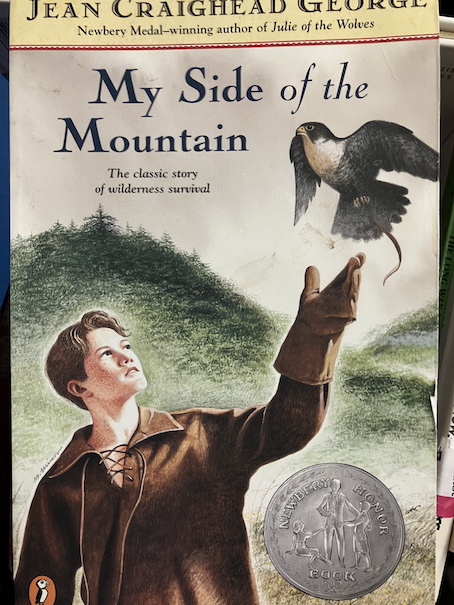
My Side of the Mountain (1959)
A twelve-year-old boy hates living with his large family in a cramped apartment and decides to go to the empty farm in the Catskills once owned by his great-grandfather. The boy learns self-sufficiency, living by himself, but when the rest of his family comes to join him, he realizes that there are also benefits to being with the people he loves. By Jean Craighead George.
Rasmus and the Vagabond (1956)

An orphan boy runs away from an orphanage in search of a family and meets a friendly tramp who needs his help when he is falsely accused of a crime. By Astrid Lindgren.
Season: Summer.
Sawdust in His Shoes (1950)
When Joe’s father is killed in an accident, he is forced to leave the circus life that he loves, but he still longs to return to it and has to decide what kind of life he really wants to live. By Eloise Jarvis McGraw.
Season: Year-round.

The Secret Summer (1970)
A brother and sister run away from their harsh baby-sitter to spend the summer secretly at the lake. By Ruth Chew.
Season: Summer.
The Witch’s Spoon (1975)
Two children visit their grandmother beach cottage over the summer, getting to know a cousin they never met before and sharing a special day of freedom and adventure. By Mary Cunningham.
Season: Summer.
Series
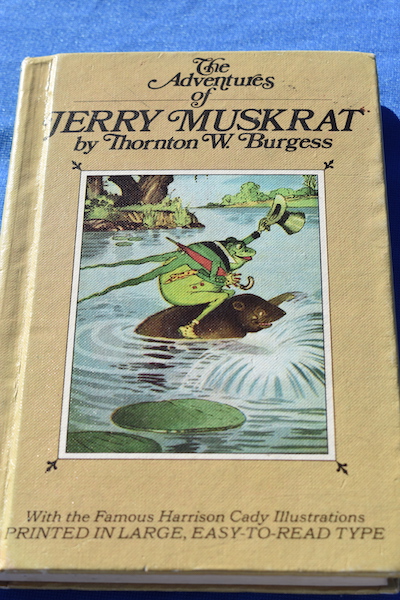
The Adventures Of . . . Series
A vintage children’s book series of adventure stories with talking animals. Includes the Old Mother West Wind series and Green Meadow series. By Thornton W. Burgess.
Ian and Sovra Kennedy are a brother and sister who live outside of the small town of Melvick on the west coast of Scotland during the 1950s. One of the highlights of the series is their secret hideout in an abandoned cottage that they reach through a secret boat landing spot under a waterfall. By Elinor Lyon. 1950-1976.

British series about children and their adventures on school holidays, mostly centering around boats as the children play at being explorers and pirates. By Arthur Ransome. 1930-1947.
Historical Fiction
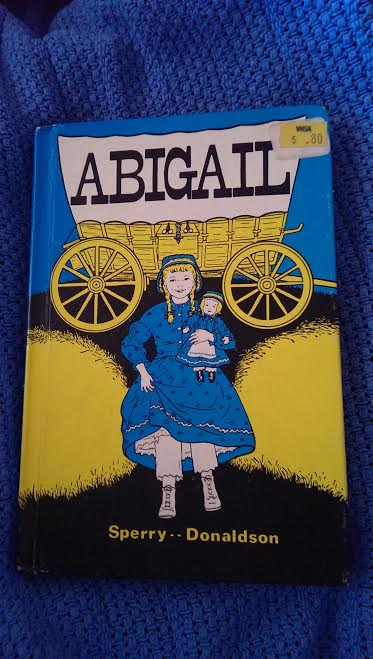
Abigail (1938)
Susan is a little girl during the 1800s, and she and her family make the journey from Kentucky to Indiana in a covered wagon. She shares her adventures with her beloved doll, Abigail. By Portia Howe Sperry and Lois Donaldson.
Adopted Jane (1947)
An orphan in the early 1900s goes on a special summer trip with two families who are both interested in adopting her, and she tries to decide where she really belongs. By Helen Fern Daringer.
Other reviewers say this is a sweet story that will seriously make you crave cake!
Season: Summer.
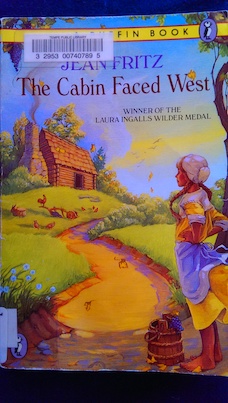
The Cabin Faced West (1958)
A young girl settles on Pennsylvania frontier with her family during the 1700s. By Jean Fritz.
Season: Year-round.
Caddie Woodlawn (1935)
The adventures of a young girl in frontier Wisconsin in the 1860s. By Carol Ryrie Brink.
The Cuckoo Clock (1987)
A young orphan boy in 19th century Germany finds his destiny when he is apprenticed to an elderly clockmaker.
The Door in the Wall (1949)
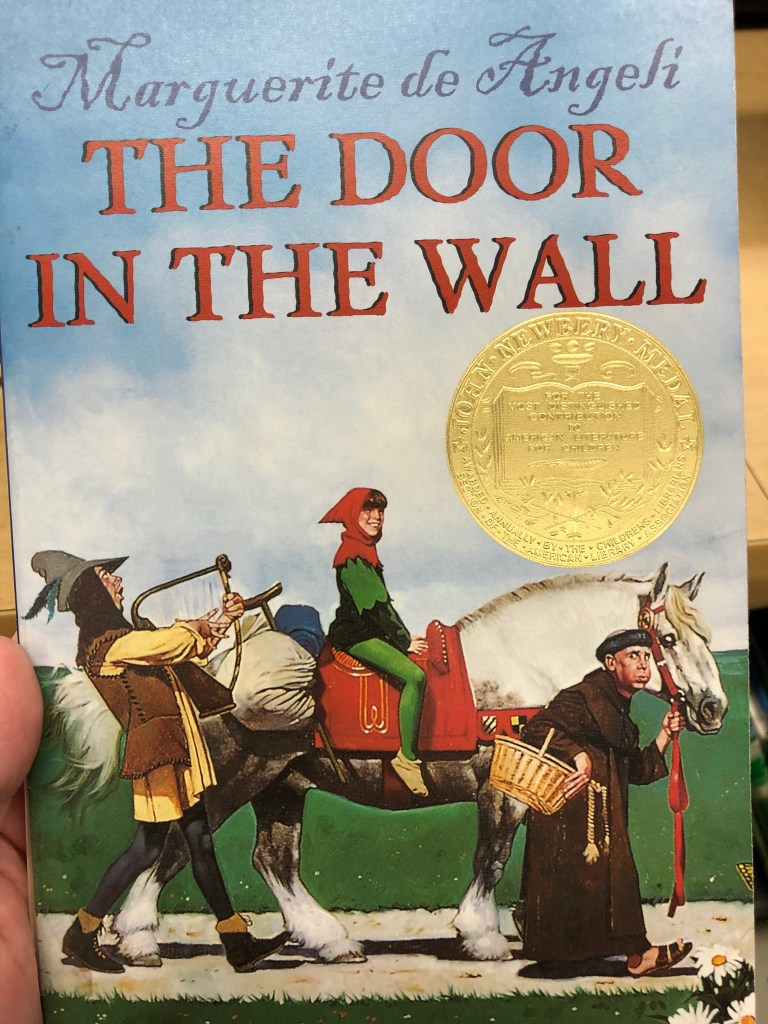
A boy in Medieval England loses the use of his legs, leaving his planned future as a knight in doubt. He is cared for by a monk, who teaches him that there is always a “door in the wall” (in other words, a solution to problems or a way around an obstacle) and that those who persevere will find it. The boy uses what the monk taught him to find a solution when their castle is besieged and things are at their most grim, and he becomes a hero.
Even though this book is set in the Middle Ages instead of on a farm or on the prairie, there are some fitting outdoor scenes when the monk helps the boy to regain some of his former strength by teaching him to swim, and the boy finds some comfort in making things, which teaches him that he has other skills that people appreciate.
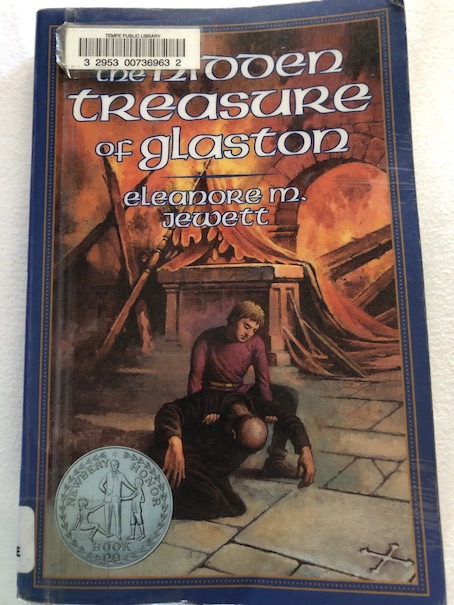
The Hidden Treasure of Glaston (1946)
Hugh, a frail boy and son of a knight, is left at the abbey of Glastonbury when his father is forced to leave England. At first, the boy feels guilty about his physical weakness, which makes it impossible for him to become a knight like his father, but his intelligence, thoughtfulness, determination, and spiritual faith help him to investigate the mysteries of Glastonbury, the supposed final resting place of King Arthur and the Holy Grail, and teaches him that there are more ways of becoming a man than one. During the course of the story, Hugh comes to appreciate the slower pace of life in the abbey and their focus on books and learning, which are more suited to his personality than the life of the knight, but he also has some fun in the countryside with another boy who also lives there. By Eleanore Jewett.
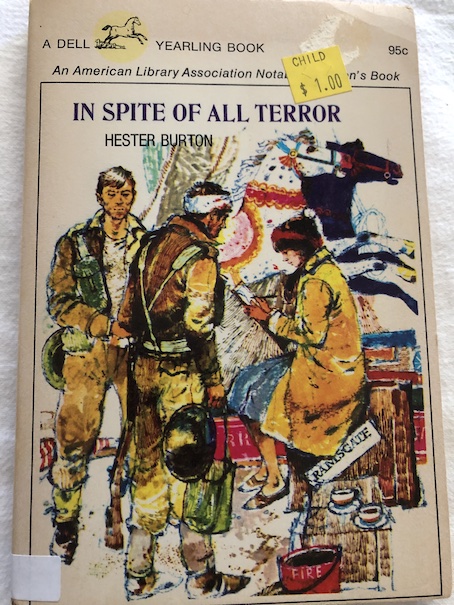
In Spite of All Terror (1968)
A London girl’s life changes when she is sent to the country as a child evacuee during World War II. Her host family lives in a charming converted mill, and she enjoys various outdoor activities while finishing her education, coming to terms with the war, finding ways to make a difference, build new relationships, and create a new life for herself. By Hester Burton.
Season: Year-round.
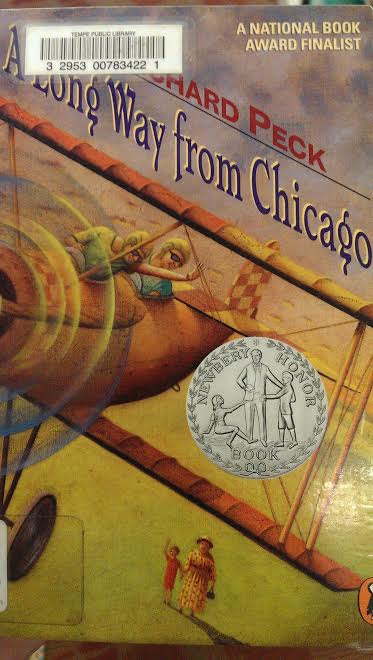
A Long Way from Chicago (1998)
Short funny stories about the adventures a brother and sister have with their grandmother in the rural Midwest during the Great Depression. By Richard Peck.
Season: Summer, multiple years.
The Secret School (2001)
The year is 1925, and what 14-year-old Ida Bidson wants most is to graduate from her community’s small, one-room schoolhouse so that she can go to high school in a nearby city. When the local school board closes the school rather than hire a new teacher, Ida and the other students take their education into their own hands. By Avi.

Two Are Better Than One (1968)
Two imaginative girls growing up in early 1900s Idaho write a story about a pair of dolls that changes their lives. By Carol Ryrie Brink.
Season: Year-round although the story is framed around memories at Christmas.
Winter Cottage (1968)
During the Great Depression, an unemployed father and his daughters are traveling to move in with an aunt when their car breaks down. They are unable to fix it, but they manage to find an empty summer cottage, so they decide to move in for the winter. By Carol Ryrie Brink.
Season: Winter.
A girl goes to stay with her eccentric grandmother in the rural Midwest for a year just after the Great Depression. Hysterical! Sequel to A Long Way from Chicago. By Richard Peck.
Season: Year-round.
Series

A granddaughter passes on stories that her grandmother told her about growing up on a farm in Michigan during the 1800s. The stories often have a Christian moral. By Arleta Richardson. 1974-1991.
Season: Year-round, different years.
Kirsten is a Swedish girl who comes to America with her family and settles on the frontier during the mid-1800s.
Season: Year-round. Different books are set in different seasons.

Little House on the Prairie Series
A young girl homesteads with her family on the American frontier during the 1800s. By Laura Ingalls Wilder. 1932-1953.
Season: Year-round, different years.
Life changes for a farm family on the Great Plains during the early 1900s when the father marries a mail-order bride. 1985-2006.
Season: Year-round. Different books are set in different seasons.
Mystery
Cobbler’s Knob (1958)
Cobbler’s Knob is an old, abandoned house by the sea, and there are local stories about it being haunted. One day, Gail accepts a dare to sneak into the old house to prove it isn’t haunted. The house was once used by the Underground Railroad and later by smugglers, so Gail finds hiding places and secret rooms, but also some modern day problems and the ability to help an unhappy girl who needs someone to care about her. By Eleanore Jewett.

The Ghost of Windy Hill (1968)
Professor Carver and his family move into a house in the country to solve the mystery of the ghost that is haunting it. By Clyde Robert Bulla.
Season: Summer.
The Headless Cupid (1971)
The Stanleys move into an old house that may be haunted by a poltergeist.
Season: Summer.
The Mysterious Christmas Shell (1961)

Two children search for the documents that will prove that land once owned by their family does not belong to a developer at Christmas. By Eleanor Cameron.
Season: Winter, Christmas.
Mystery of the Angry Idol (1965)
When Jan’s family moves overseas for her father’s work, she stays in the United States to go to school, living with her mysterious, reclusive great-grandmother in an old house filled with Asian art and secrets. By Phyllis A. Whitney.
Season: Summer.
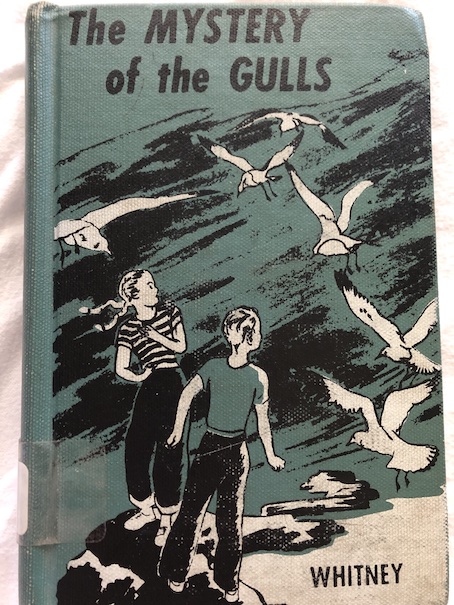
The Mystery of the Gulls (1949)
When Taffy’s mother must prove that she can manage her aunt’s old hotel on Mackinac Island in order to inherit it, strange things start happening, and someone seems to be trying to interfere. By Phyllis Whitney.
Season: Summer.
Mystery of the Secret Dolls (1993)
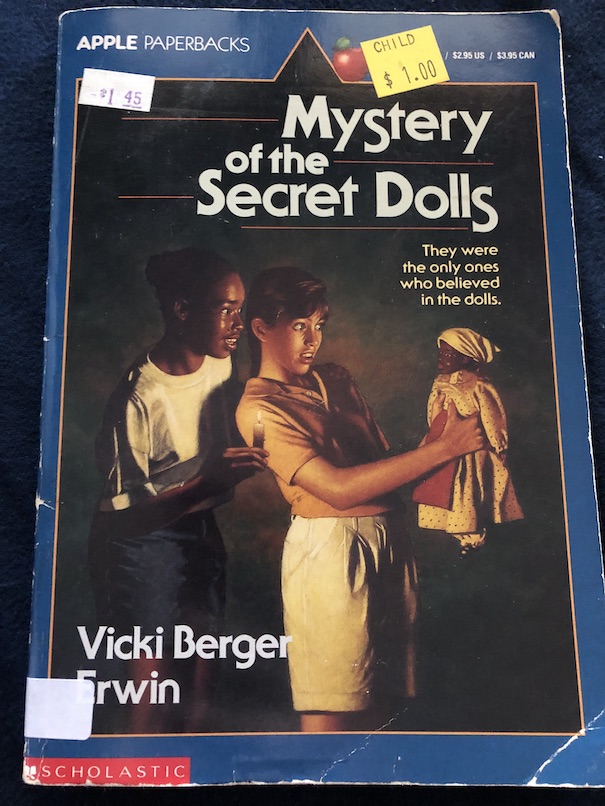
A pair of girls search for antique dolls from the Civil War era that are the key to an old family secret. There’s a lot about the history of this particular family in their small town and a kind of rivalry between the heroine’s aunts, one of which loves cooking and the other of which is obsessed with doll-making and their family’s collection of antique dolls made by an ancestor. By Vicki Berger Erwin.
Season: Summer.
Mystery on the Isle of Skye (1960)
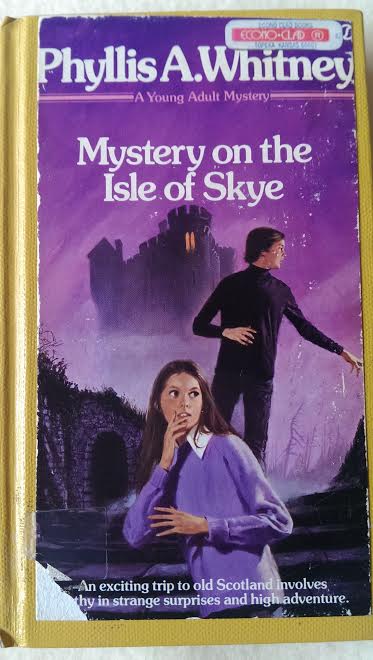
An orphan girl takes a trip to Scotland with her relatives and carries out a series of tasks set for her by her grandmother. Her grandmother is very ill and may be going to die, and these tasks and a set of mysterious packages that her grandmother gave her to be opened at certain times have the air of a magic spell that heals the girl’s sadness, helps her become better acquainted with her grandmother’s past and her other relatives, and leads her to find a brighter future than the one she thinks is waiting for her when she returns home. By Phyllis Whitney.
Season: Summer.
Mystery Up the Winding Stair (1948)
Four cousins search for a hidden treasure in their grandfather’s mansion during a blizzard. Vintage cozy mystery for children!
Season: Winter.
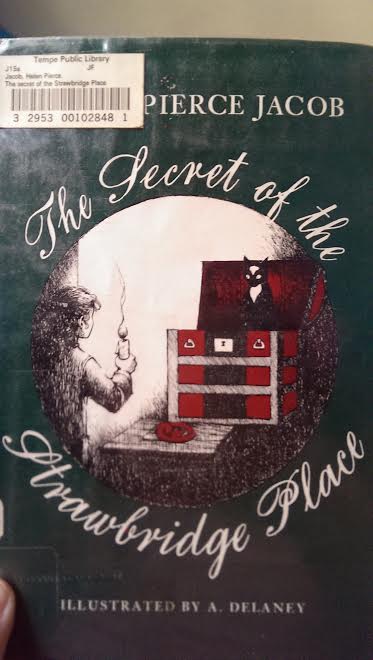
The Secret of the Strawbridge Place (1976)
The story takes place in during the Great Depression when Kate learns a secret about her family’s home that dates back to the Civil War. By Helen Pierce Jacob.
Season: Summer.
Sidney’s Ghost (1969)
When Sidney and Megan save a beautiful old horse from being killed, their attempts to hide him accidentally make people think that they’re seeing a ghost. By Carol Iden, illustrated by Paul Galdone.

A Spell is Cast (1974)
Cory, a lonely young orphan, goes to stay with her guardian’s relatives in California, learning the secrets of her own past and those of her new family and finding a better home than the one she left behind. There are a lot of nature themes in the story as Cory falls in love with the California countryside and makes friends with a group of kids who like to go exploring. By Eleanor Cameron.
Season: Summer.
The Windy Hill (1921)
A brother and sister visit their mother’s cousin at his big house in the country and learn about the history of their family, which helps to explain some strange things happening in the present. By Cornelia Meigs.
Season: Summer.
Series

Four children who lived alone in a boxcar after the death of their parents are taken in by their grandfather and solve mysteries everywhere they go. 1924, 1942-Present.
The first book in particular fits the cottagecore aesthetic!
Season: Year-round. Different books are set in different seasons.
About three siblings who solve mysteries together. Many of them are treasure hunts. By Peggy Parish. 1966-1986.
Season: Individual books are often set in Summer.
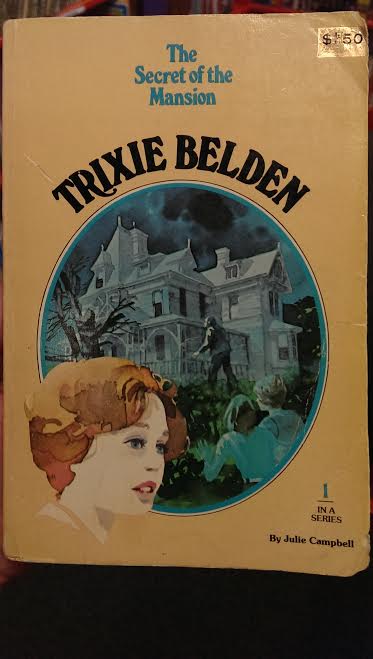
Meg and her best friend Kerry solve mysteries in their small Virginia town and other places along the east coast. By Holly Beth Walker. 1967-1972.
A classic mystery series featuring a girl and her group of friends who solve mysteries and support good causes. Trixie and her brothers live on a farm, and the kids enjoy outdoor activities with their friends. Created by Julie Campbell and continued by other authors. 1948-1986.
Season: Year-round. Different books are set in different seasons.
Fantasy

Alice in Wonderland (1865)
A young girl falls down a rabbit hole and finds herself in a strange land where nothing works like it’s supposed to. By Lewis Carroll.
Season: Indefinite.
The Box of Delights (1935)
The sequel to The Midnight Folk. A Christmas story. Kay Harker struggles to protect a magical box which can grant its owner special powers and the ability to travel through time. By John Masefield.
Season: Winter, Christmas.
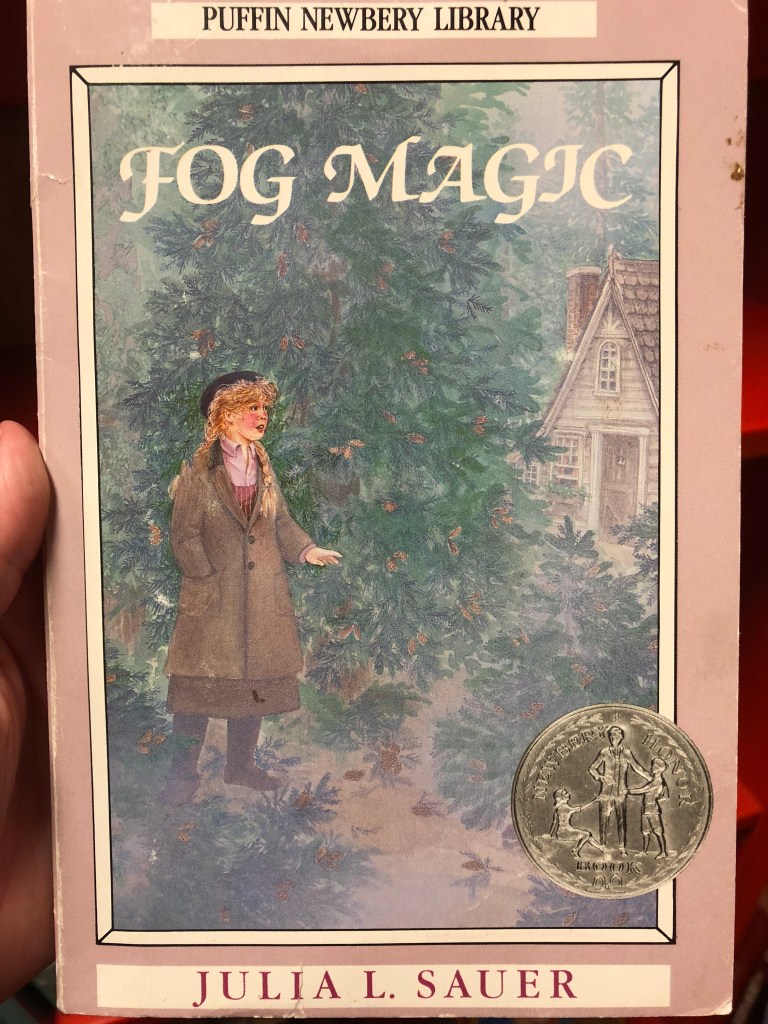
Fog Magic (1943)
A young girl goes back in time whenever the area where she lives is covered in fog.
Season: It takes place over a period of months, but the key is that it happens whenever the weather is foggy.
Linnets and Valerians (1964)
The four Linnet children run away from their harsh grandmother, who is supposed to be taking care of them while their father is away, and go to stay with their nicer uncle, Ambrose. There, they find a village that is under a witch’s spell and a strange woman, Lady Alicia Valerian, who is searching for her missing family. By Elizabeth Goudge.
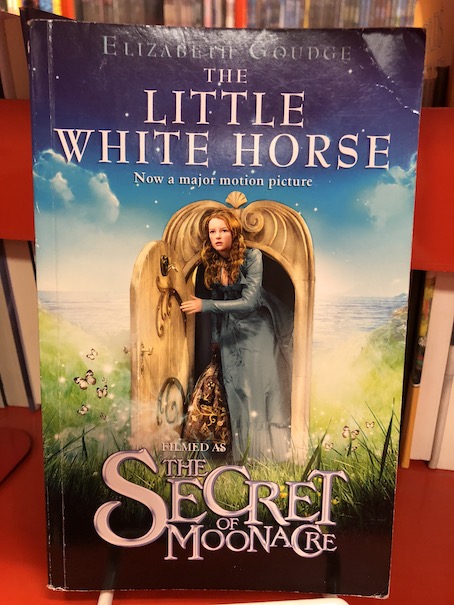
The Little White Horse (1946)
Maria Merryweather, an orphan, goes to live with a cousin, Sir Benjamin, at his mysterious estate, Moonacre Manor. There are secrets and magic and a strange kind of sadness connected with the house, and Maria must delve into the past to learn what she must do to change it. By Elizabeth Gouge.
This book was turned into a movie called The Secret of Moonacre, although some of the aspects of the story were changed for the movie.

Magic Elizabeth (1966)
When Sally goes to stay with an aunt she’s never met before, she finds a portrait of a young girl, who looks very much like her, wearing old-fashioned clothes and holding a doll. This young girl, also named Sally, used to live in her aunt’s house many years ago, and Sally begins to have visions of her life there and how she lost her beloved doll, Elizabeth, who is a little bit magic and is still in the house, waiting to be found. Part mystery, part fantasy.
Season: Mainly Summer but scenes switch between Summer and Winter, Christmas.
Marianne Dreams (1958)
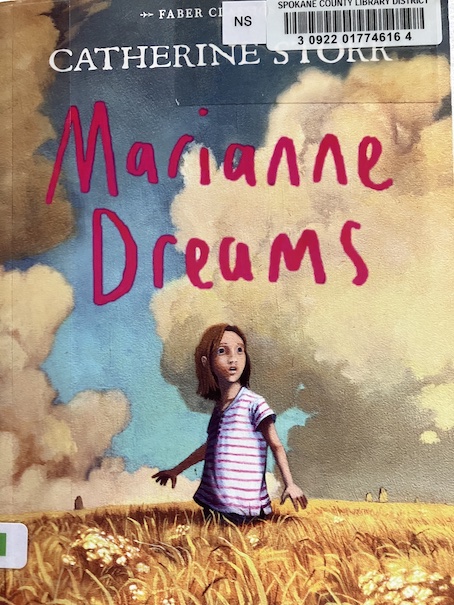
Marianne begins a drawing when she is sick in bed and finds herself entering the world of her drawing when she dreams at night. Her adventures there with a boy who is also ill teach her patience and perseverance in dealing with her own illness and helping others. By Catherine Storr.
Season: Indefinite.
The Midnight Folk (1927)
A boy searches for his family’s fortune but discovers that a coven of witches is also looking for it. By John Masefield.
Mistress Masham’s Repose (1946)
Ten-year-old Maria is an orphan and heiress to an impoverished estate. Her cruel guardians conspire to steal her inheritance, but Maria befriends a community of Lilliputians, who help her to gain her independence from them, once she learns to respect their autonomy. By T. H. White.

The Ordinary Princess (1986)
A fairy’s wish at a young princess’s christening ensures that she will be an ordinary, imperfect girl instead of the perfect princess that her parents were expecting, but what others think of as a misfortune turns out to be a blessing. By M. M. Kaye.
The Cottagecore vibes are strong in this fairy-tale type story! The foreword to the story explains how the author wrote it under an apple tree in an orchard during springtime.
Season: Year-round but with an emphasis on Spring.


The Plain Princess (1945)
A spoiled little princess learns about friendship and hidden depths and finds her own inner beauty when she is sent to live with a family of commoners for a time.
Season: Year-round.
The Root Cellar (1981)
Rose Larkin, an orphan girl in the 1980s who is trying to fit into a new home with relatives in Canada, travels back in time and befriends the former owner of the house, who lived there during the American Civil War.
Season: Year-round.
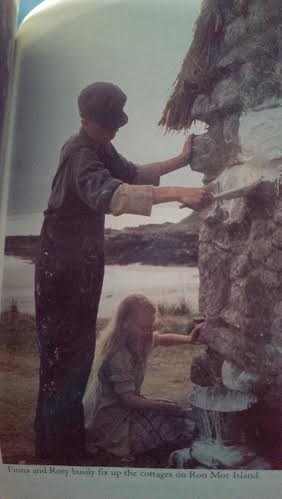
The Secret of Roan Inish (1953)
Fiona leaves the big city to return to the seaside to live with her grandparents, hoping that they might once more live on the island their family has called home for generations and hoping to find her lost little brother, who was apparently washed out to sea the day their family left, but who may actually be alive on the island in the care of the seals that live there. She and one of her cousins decide that the only way to get her little brother back is to fix up the family’s old cottages and return to live on the island themselves. Original title – Secret of the Ron Mor Skerry. By Rosalie Fry.
The Silver Nutmeg (1956)
Anna Lavinia enters a strange, upside down land by jumping through a still pool. By Palmer Brown.

Through the Looking-Glass (1871)
Alice returns to the chaotic, magical Wonderland when she steps through a mirror. Sequel to Alice in Wonderland. By Lewis Carroll.
Season: Indefinite.
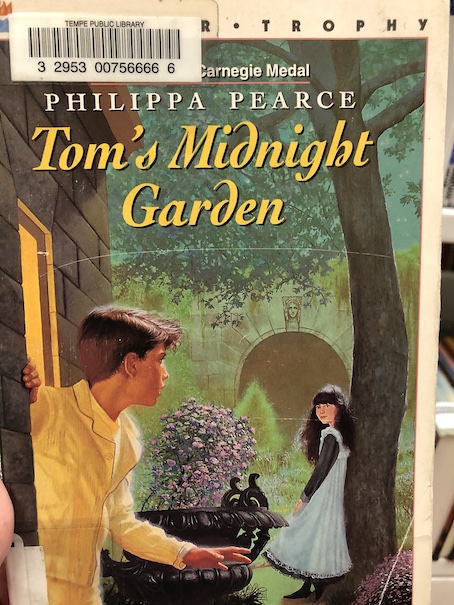
Tom’s Midnight Garden (1958)
Tom is spending the summer with his aunt and uncle. He is lonely at first, but he discovers that when the clock chimes thirteen times at night, he can go back in time, where he befriends an equally lonely girl named Hatty in a beautiful garden. By Phillipa Pearce.
Season: Summer.
The Velveteen Rabbit (1922)
A favorite stuffed animal becomes real through the love of the boy who owns him. By Margery Williams.
When Marnie Was There (1967)
A lonely foster girl, Anna, is sent to the countryside by her foster family when she becomes ill. Part of her illness is emotional. Because she is a foster child, Anna feels different from other children and finds it difficult to form relationships with other people, doubting whether her foster parents really love her. However, when Anna sees a mysterious old house that seems strangely familiar to her, she meets a strange girl named Marnie. Marnie is odd, but Anna feels drawn to her, and the two of them bond. When Marnie mysteriously disappears and Anna learns the secrets of her life, Anna also learns the secrets of her own past, how she came to be a foster child, and how to accept the love of her foster family. By Joan G. Robinson.
This book was made into a Miyazaki movie, but the location was changed to Japan instead of England. Some aspects of the story were altered because of the change in location, but the basic attitudes and themes of the story are the same. In the end, Anna learns that her birth family really did love her and care for her as best they could, for as long as they could, even though their family was beset by personal troubles and misfortunes. After having made/rediscovered her connection with Marnie, Anna realizes that she does have the ability to connect with others and to share that kind of love with other people.
The Wind in the Willows (1908)
The adventures of talking animals who act like humans: Toad, Mole, Ratty, and Badger. By Kenneth Grahame.
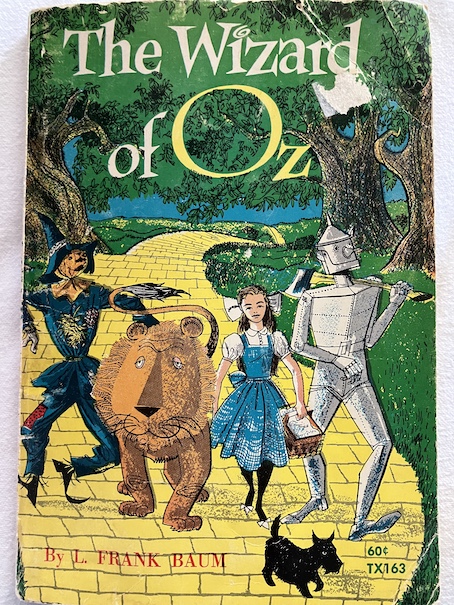
The Wonderful Wizard of Oz (1900)
A young farm girl is carried off to a magical land by a tornado. This book is public domain and is available on Project Gutenberg. By L. Frank Baum.
Series
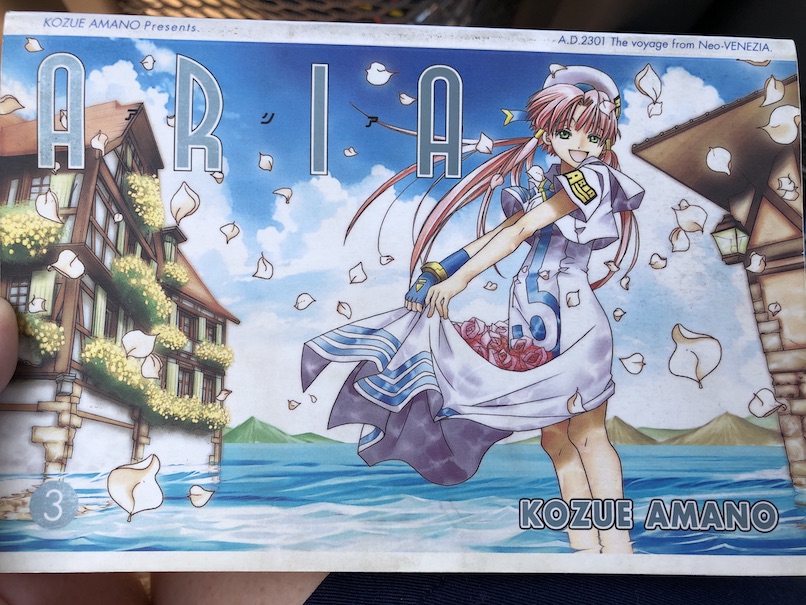
This is a sci-fi/fantasy manga series that takes place in the future, after Mars has been colonized. However, the Martian colonies re-create old cities on Earth, and the people who live there like to live a slower pace of life, focusing on simple pleasures. The series follows Akari, a young girl who moves to Neo Venezia on Mars to become a gondolier. A perfect series to read when you need to de-stress!
Season: Year-around, different books focus on different seasons. It particularly calls attention to the seasons in different stories.

This British fantasy trilogy is about the adventures of two young sisters, Charlotte and Emma Makepeace, who live at Aviary Hall. The best-known book of the trilogy is the third book, Charlotte Sometimes. By Penelope Farmer. 1962-1969.
Season: Each of the three books focuses on a different season. The first is Summer, the second is Winter changing into Spring, and the third book is specifically Fall.
A series of collections of classic fairy tales. By Andrew Lang. 1889-1910.
Doctor Dolittle Series
Doctor Dolittle loves animals, and when his pet parrot teaches him how to talk to other animals, it leads to some amazing adventures! By Hugh Lofting. 1920-1950.
The adventures of a haunted English mansion and the people who live there at various times. 1954-1976
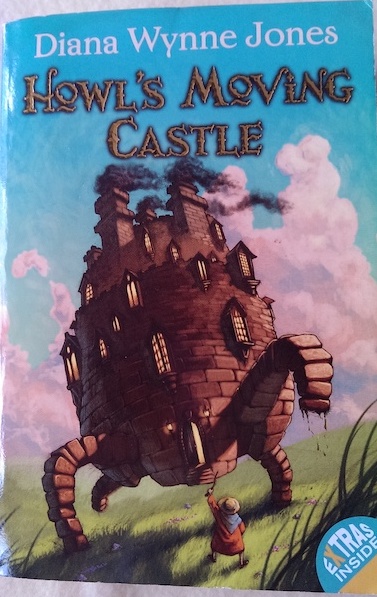
The wizard Howl, his wife Sophie, and the fire demon Calcifer have magical adventures in another dimension. By Diana Wynne Jones. 1986-2008.
A magical nanny comes to take care of children and take them on amazing adventures. 1934-1988.
Raggedy Ann and her brother, Raggedy Andy, are rag dolls who come to life and have magical adventures. By Johnny Gruelle. 1918-1975.

This classic children’s series is about a stuffed bear called Winnie-the-Pooh and his other animal friends who live in the Hundred Acre Wood. By A. A. Milne. 1924-1928.
Uncle Wiggily Series
The adventures of an elderly rabbit with a candy-striped cane and his animal friends. By Howard R. Garis.
Picture Books

The All-I’ll-Ever-Want Christmas Doll (2007)
A set of sisters receive a doll at Christmas. One girl wants to keep the doll all to herself, but she comes to realize that even having the best doll in the world isn’t much fun when you’re playing alone. By Patricia McKissack.
You can watch a reading of this book online through YouTube.
Season: Winter, Christmas.
Apple Tree Christmas (1984)

A farm family loses their apple tree during a terrible storm, but they manage to turn the remains of the tree into special Christmas presents. By Trinka Hakes Noble.
Season: Winter, Christmas.
Aunt Flossie’s Hats (and Crab Cakes Later) (1991)
Sarah and Susan visit Aunt Flossie on Sunday afternoons for tea and cookies (and crab cakes later) and learn the stories behind her collection of hats. By Elizabeth Fitzgerald Howard.
Basket Moon (1999)
A boy learns the craft of making baskets from his father, but he starts to doubt the value of it when a man in town calls them hillbillies. By Mary Lyn Ray, illustrated by Barbara Cooney.

Blueberries for Sal (1948)
Little Sal goes picking blueberries with her mother, but when they each wander off, Sal and a baby bear each mistake each other’s mother for their own.
Season: Summer.
Can’t You Sleep, Little Bear? (1988)
A little bear can’t sleep because he’s afraid of the dark, and his father helps him to see that night isn’t scary.
Caps for Sale (1940)
A peddler tries to get his caps back from the monkeys who have stolen them.
Season: Indefinite.
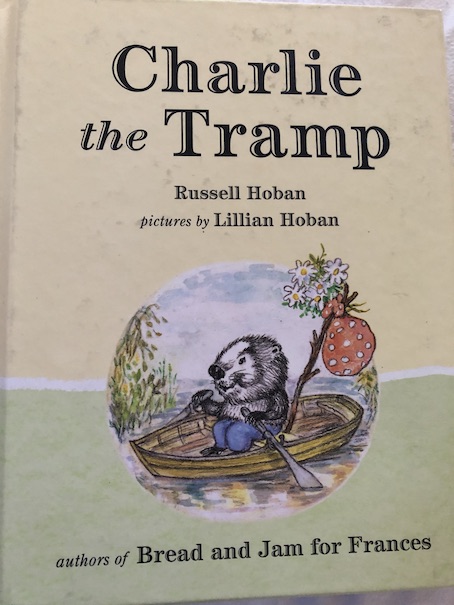
Charlie the Tramp (1966)
Charlie the beaver thinks that he wants to be a tramp, but when his family lets him try it, he realizes that there is something else he wants to do with his life.
Season: Summer.
Christmas Farm (2008)
A woman decides to start a Christmas tree farm with some help from a neighbor boy. By Mary Lyn Ray, illustrated by Barry Root.
Season: Year round, Christmas.
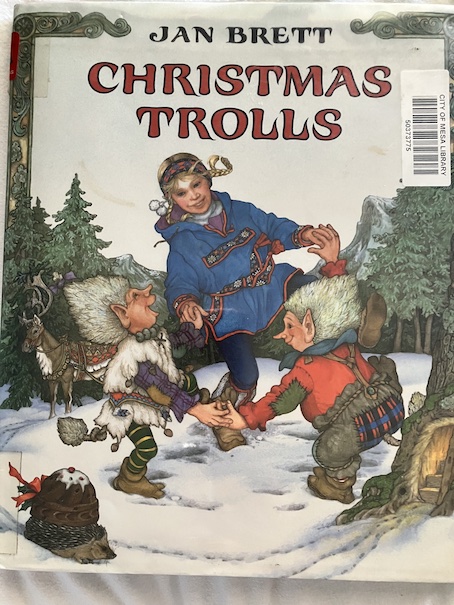
Christmas Trolls (1993)
Some mischievous trolls steal a family’s Christmas decorations until young Treva teaches them how to celebrate Christmas themselves. By Jan Brett.
Season: Winter, Christmas.
Coat of Many Colors (1969, 1994, 2016)
A little girl’s mother makes her a patchwork coat. By Dolly Parton.
Season: Autumn.
The Cottingley Fairies (2019)
The story is based on the real incident in 1918 when two girls presented photographs of themselves with fairies to the public, attracting attention from even famous people, like Sir Arthur Conan Doyle. By Ana Sender.
Day and Night (1960)
A dog and an owl become friends, but they have trouble finding a time to meet and talk because owls only come out at night.
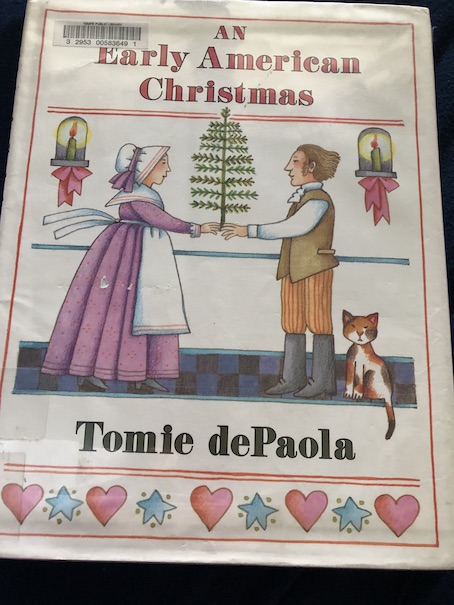
An Early American Christmas (1987)
Not all Christian groups in the early United States celebrated Christmas. In this book, one family shares their German Christmas traditions with their new neighbors. By Tomie dePaola.
Season: Winter, Christmas.
Emma (1980)
Emma is a lonely grandmother but discovers a new interest in life when she becomes a painter and brings to life the memories of the village where she grew up and all the little beauties of nature that she notices. By Wendy Kesselman, illustrated by Barbara Cooney.

Season: Year-Round.
Flossie and the Fox (1986)
A fox gets away with stealing eggs until he meets a smart girl named Flossie who insists that she won’t be afraid of him until he proves that he’s really a fox. By Patricia C. McKissack, illustrated by Rachel Isadora.
Season: Indefinite.
The Gift of the Christmas Cookie (2008)
A boy during the Great Depression learns about the origins of Christmas cookies and a lesson in generosity. By Dandi Daley Mackall, illustrated by Deborah Chabrian.
Season: Winter, Christmas.
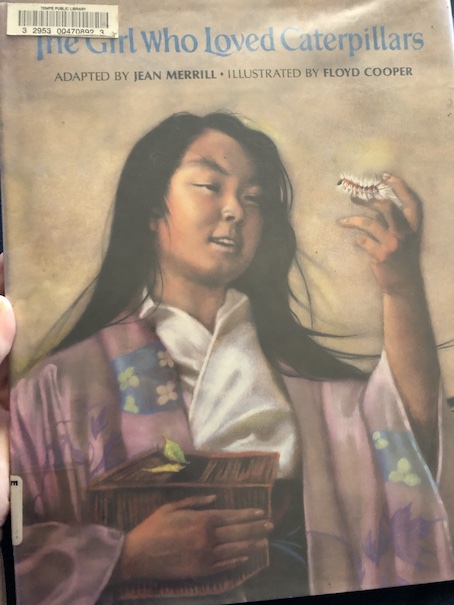
The Girl Who Loved Caterpillars (1992)
Izumi is an unusual girl at the court of Medieval Japan because of her love of the creeping creatures in the natural world. Adapted by Jean Merrill, illustrated by Floyd Cooper.
Folk tales and fairy tales are generally good for capturing Cottagecore vibes. This one is a little more unusual because it fits with Goblincore, a sort of sub-category of Cottagecore that celebrates the more earthy and unattractive parts of nature, like dirt, toadstools, and creepy-crawly things, like caterpillars.
Season: Indefinite.
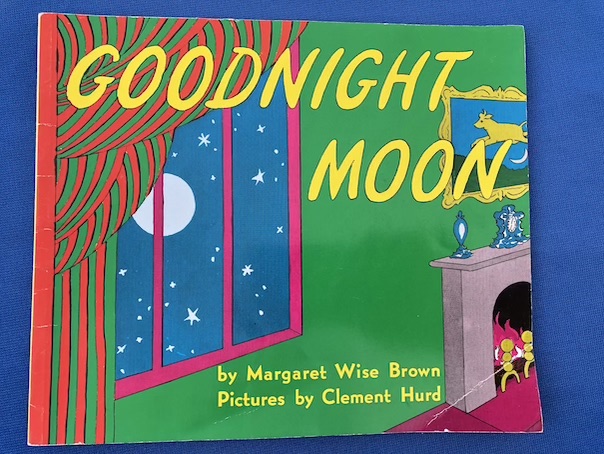
Goodnight Moon (1947)
A classic children’s picture book in rhyme about saying “goodnight” at bedtime.
Season: Indefinite.
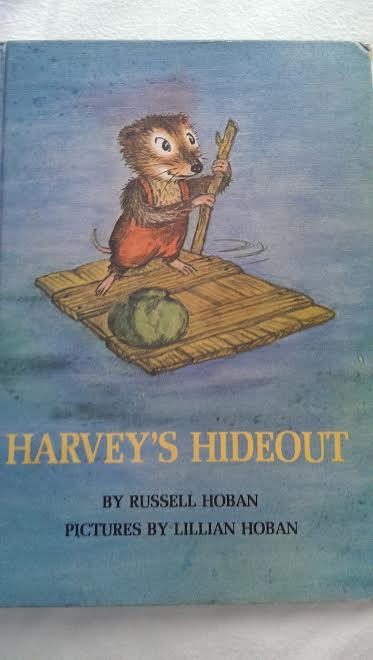
Harvey’s Hideout (1969)
Harvey and his sister Mildred are bored and lonely over the summer because their friends are away. The two of them spend a lot of time arguing and fighting, but that changes when Harvey makes a surprising discovery about the place where he has dug his secret hideout. By Russell Hoban.
Season: Summer.
Hilda’s Restful Chair (1981)
Hilda takes a rest from gardening in her special chair, but all of the animals join her. By Iris Schweitzer.
Season: Spring or Summer.
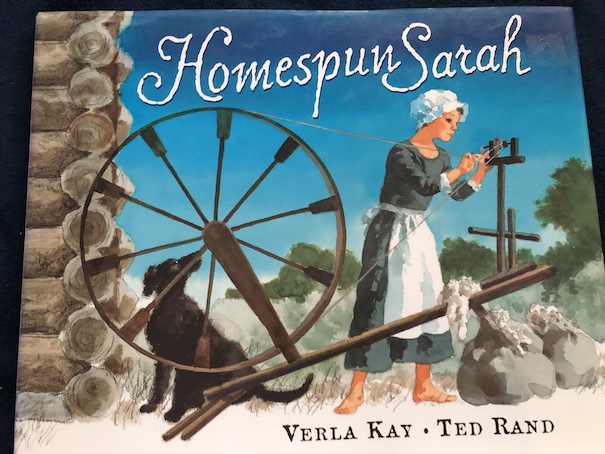
Homespun Sarah (2003)
An 18th century family makes new clothes from homespun cloth. By Verla Kay, illustrated by Ted Rand.
The House of Four Seasons (1956)
A family tries to decide what color to paint their new house. By Roger Duvoisin.
In the Garden with Dr. Carver (2010)
A girl named Sally lives in Alabama during the early 1900s. Farmers are struggling to grow crops because the soil nutrients have been depleted by cotton production. George Washington Carver explains to them how they can restore the soil. By Susan Grigsby.

Isabel’s House of Butterflies (2003)
A girl from a poor family in Mexico comes up with a plan to save their special butterfly tree. By Tony Johnston, illustrated by Susan Guevara.
Jessie’s Island (2002)
Jessie’s mother suggests that Jessie invite her cousin Thomas for a visit to the island where they live. At first, Jessie thinks that their island sounds boring next to all the things that Thomas says he does in the city, like going to the zoo and the planetarium. However, when Jessie thinks about the things there are to do and see on the island, like seeing eagles and killer whales and going swimming and canoeing, she realizes that life on the island may be more exciting than she thinks. By Sheryl McFarlane, illustrated by Sheena Lott.
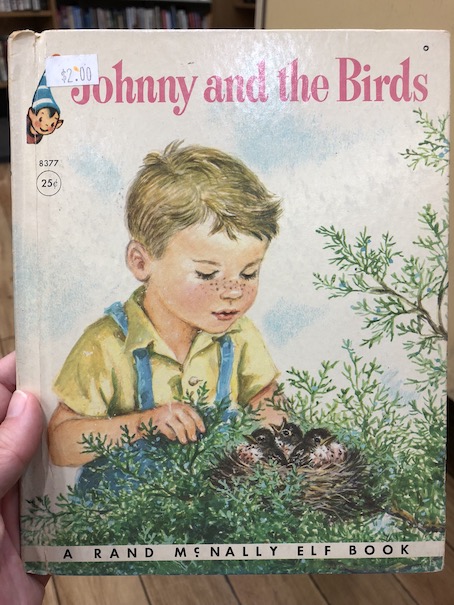
Johnny and the Birds (1950)
A young boy observes and makes friends with wild birds.
Season: Year-Round.
Katy Comes Next (1959)
Ruth’s parents own a doll hospital, but because they are often busy, Ruth’s doll Katy gets neglected. Finally, Ruth’s parents realize that they need to take some time for their family and to make Katy a priority, and Katy gets the attention she deserves.
This book isn’t easy to find these days. I wish it would come back into print!
Season: Indefinite.
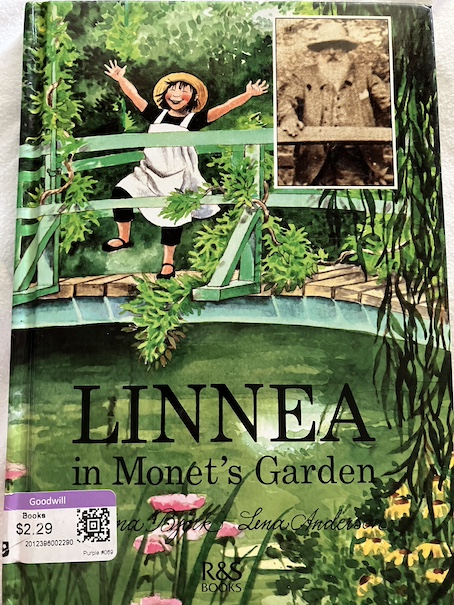
Linnea in Monet’s Garden (1985, 1987)
A young girl travels with a family friend to visit Monet’s Garden in France, learning about his life and art. By Christina Bjork, drawings by Lena Anderson.
The Little Fir Tree (1954, 2005)
A small fir tree is chosen to be a living Christmas tree for a little boy who cannot walk. By Margaret Wise Brown, pictures by Jim Lamarche.
Season: Winter, Christmas.

The Little House (1942)
A little house feels uncomfortable when the familiar countryside around it is swallowed up by a growing city which has surrounded it. However, the little house finally has an opportunity to return to the countryside it loves. By Virginia Lee Burton.
The Log Cabin Quilt (1996)
Elvirey and her family are homesteading in a log cabin they built themselves, but it isn’t until winter, when they have to find a way to make the cabin warmer, that it really begins to feel like home. By Ellen Howard, illustrated by Ronald Himler.
Ma Dear’s Aprons (1997)

Little David knows the day of the week and what tasks his mother will do based on which apron she wears that day. However, the best day of all is the one where she doesn’t wear an apron and can spend time with him. By Patricia C. McKissack, illustrated by Floyd Cooper.
Mailing May (1997)
A young girl in 1914 wants to go visit her grandmother, but her family can’t afford the train ticket . . . until they realize that they can afford for her to travel as mail. Based on a true story. By Michael O. Tunnell.
Season: Winter.
Mirandy and Brother Wind (1988)
Mirandy thinks she knows who would be the perfect partner for the cakewalk – Brother Wind! Includes historical information about cakewalks. By Patricia C. McKissack, illustrated by Jerry Pinkney.

Miss Rumphius (1982)
After a life of travel, Alice Rumphius settles down in a house by the sea and is called the Lupine Lady because of her love of the flowers and for scattering seeds wherever she goes. Miss Rumphius lives an unconventional life, but she finds her own way of bringing beauty to the world. By Barbara Cooney.
Season: Year-Round.
Mooncakes (2013)
A young girl enjoys the Chinese Moon Festival as her parents tell her traditional stories. By Loretta Seto.
Season: Autumn.
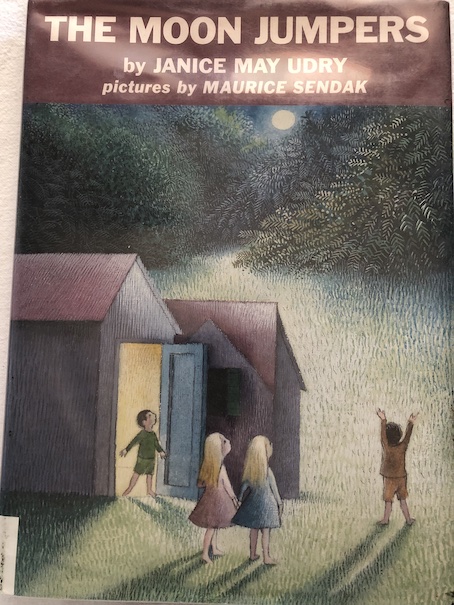
The Moon Jumpers (1959)
Four children and their black cat are enchanted by the beauty of a summer night as they play outside. By Janice May Udry. Pictures by Maurice Sendak.
Season: Summer.
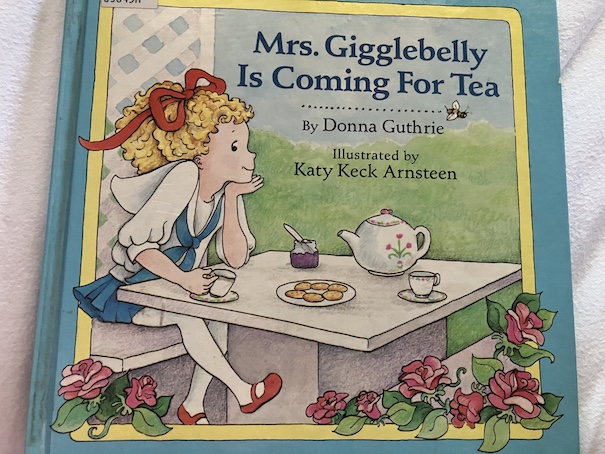
Mrs. Gigglebelly is Coming for Tea (1990)
Elizabeth Ann knows that Mrs. Gigglebelly will join her for tea because she always has time for her in a game of pretend between mother and daughter. By Donna Guthrie, illustrated by Katy Keck Arnsteen.
The Night Before Christmas (1949)
A Little Golden Book version of the classic Christmas poem.
Season: Christmas.
The Nutcracker (1816, 1987)
A young girl receives a magical nutcracker for Christmas and learns how to break the spell that has changed him from a human prince. By E.T.A. Hoffmann, retold by Anthea Bell.
Season: Christmas.
One Morning in Maine (1952)
A little girl spends an enchanting morning with her father on the coast of Maine and loses her first tooth. By Robert McCloskey.
Season: Summer.
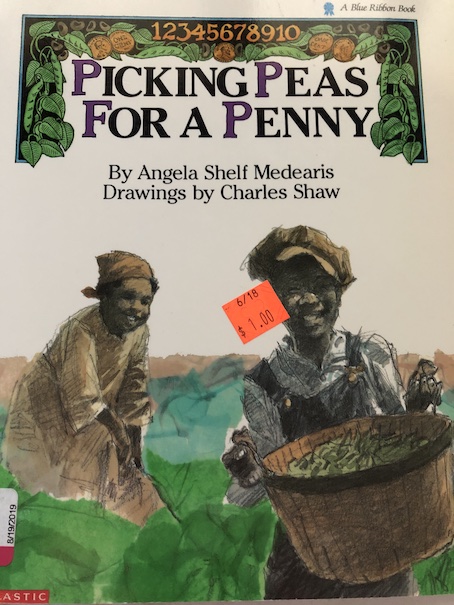
Picking Peas for a Penny (1990)
African American children during the 1930s help their grandparents harvest crops on their family farm. By Angela Shelf Medearis.
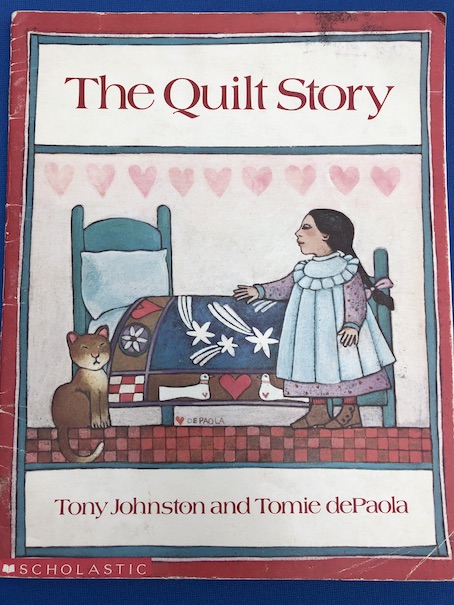
The Quilt Story (1985)
A special quilt comforts generations of a family as they move to new homes. By Tony Johnston and Tomie dePaola.
Season: Year-round over a period of years.
The Rag Coat (1991)
A girl’s rag coat helps her to make new friends as the other children realize that her coat contains their stories. By Lauren Mills.
Season: Year-Round but with an emphasis on Fall and Winter.

Roxaboxen (1991)
A group of children create a town of their own in the Arizona desert, using whatever they can find and their own imaginations. By Alice McLerran.
Season: Summer.
The Runaway Bunny (1942)
A picture book about a little bunny and his mother. By Margaret Wise Brown.
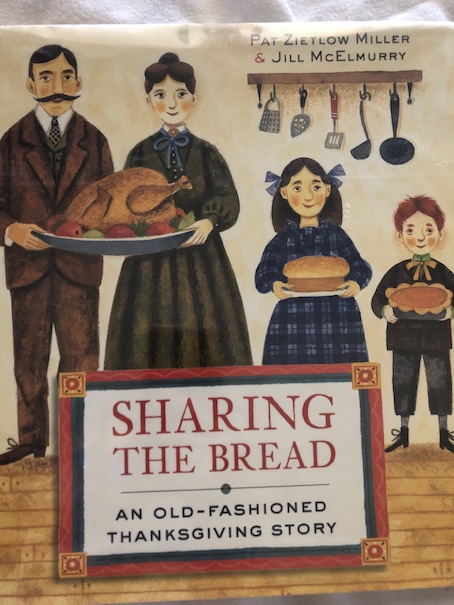
Sharing the Bread (2015)
The story of an old-fashioned family preparing for Thanksgiving, told in rhyme. By Pat Zietlow Miller, illustrated by Jill McElmurry.
Season: Fall, Thanksgiving.

Starlight in Tourrone (1965)
Children in a small village in France revive an old Christmas tradition that brings life back to their town.
Season: Christmas.
The Surprise Doll (1949)
Mary has six dolls, each from a different country around the world, but she longs for a seventh doll to complete her collection. When she finally receives her seventh doll, it is a very special doll indeed.
The Tale of Peter Rabbit (1901, 1902)
Peter Rabbit disobeys his mother’s instructions and is almost caught by a farmer in his garden. By Beatrix Potter.
The Talking Eggs: A Folktale from the American South (1989)
Similar to the Mother Holle folktales, young Blanche is rewarded for following a witch’s instructions, but her mean sister is punished for making fun of the old woman. By Robert D. San Souci, illustrated by Jerry Pinkney.

Thunder Cake (1990)
A girl talks about how her grandmother, who she likes to call “Babushka” because she originally came from Russia, cured her of her fear of storms by teaching her to make a special kind of cake, Thunder Cake. By Patricia Polacco.
Season: Summer.
Time of Wonder (1957)
A girl enjoys a special family vacation in Maine, made magical by the beauties of nature and her own imagination. By Robert McCloskey.
Season: Summer.
The True Tale of Johnny Appleseed (1997)
Johnny Appleseed, a figure from American folklore, journeys westward to plant apple trees.

Uncle Jed’s Barbershop (1993)
Uncle Jed is a barber and always wanted his own shop, although he puts off his goals to help family and friends during the Great Depression. By Margaree King Mitchell, illustrated by James Ransome.
The Wheat Doll (2008)
A pioneer girl in Utah loses her beloved doll, who was stuffed with wheat, in a storm. At first, she is sad that her doll is lost forever, but then, she discovers wheat growing in the spot where her doll was lost and realizes that she has the ability to make her doll again. By Alison L. Randall.
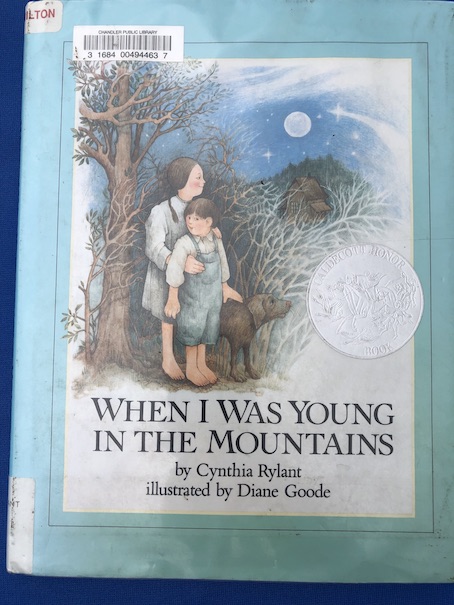
When I Was Young in the Mountains (1982)
A woman remembers what life was life when she lived with her grandparents in rural West Virginia as a child. By Cynthia Rylant.
Season: Summer.
Where Will All the Animals Go? (1978)
A boy visiting his grandfather’s farm wants to know where animals go when there’s a storm. Little Golden Book.
Season: Summer.
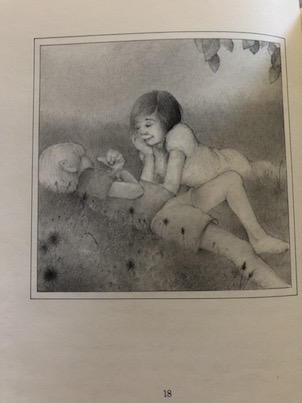
The White Marble (1963)
A boy’s parents take him to the park on a hot night, and he ends up sharing the evening with a girl he knows from school, appreciating the beauty of the park together. Only another child could truly appreciate the simple magic of an evening in a park and one little white marble.
Season: Late Summer or Early Summer – The kids are in school, but it’s hot. Either school just started from summer or it’s about to let out for the summer.
William’s House (2001)
William and his family have arrived in Colonial New England, and they need a new house. William wants a house like the one where he lived in England, but living in a new place calls for some changes. By Ginger Howard, illustrated by Larry Day.
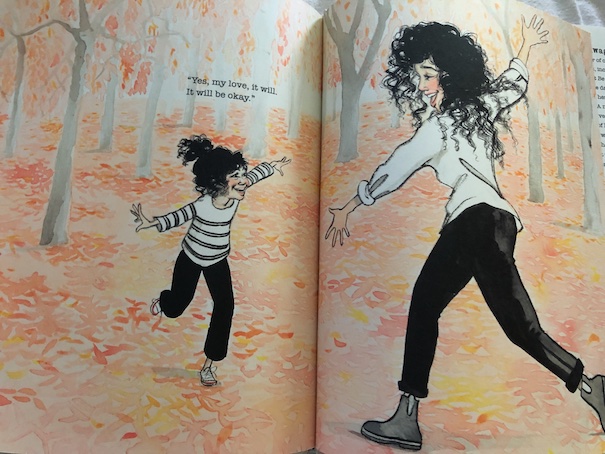
Will It Be Okay? (1977)
A young girl keep asking her mother about various types of problems that she might encounter, everything from bee stings to snowstorms, asking her what she would do if each of these things happen and if everything will be okay.
Season: Year-Round.
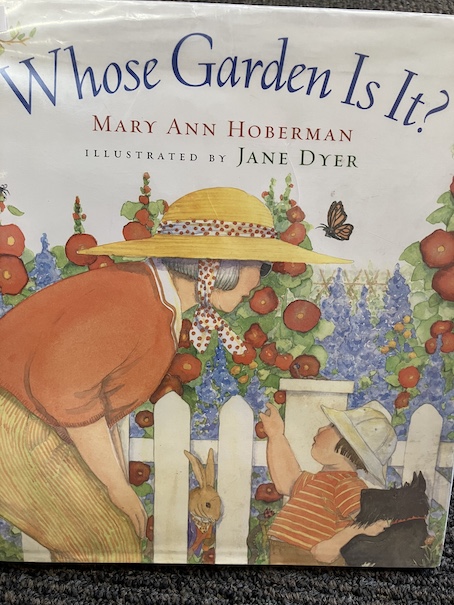
Whose Garden Is It? (2001)
A lady wonders who owns a lovely garden she passes, but she discovers that the answer is more complicated than she thought. By Mary Ann Hoberman, illustrated by Jane Dyer.
Season: Probably Spring.

The Year of the Perfect Christmas Tree (1988)
Ruthie and her mother wait for her father to return home from WWI, wondering if he will make it in time for Christmas. By Gloria Houston, pictures by Barbara Cooney.
Season: Year-Round but with an emphasis on Winter and Christmas.
Yetsa’s Sweater (2006)
Yetsa helps her grandmother prepare wool and make a new sweater in the traditional way of the Coast Salish people. By Sylvia Olsen, illustrated by Joan Larson.
Series
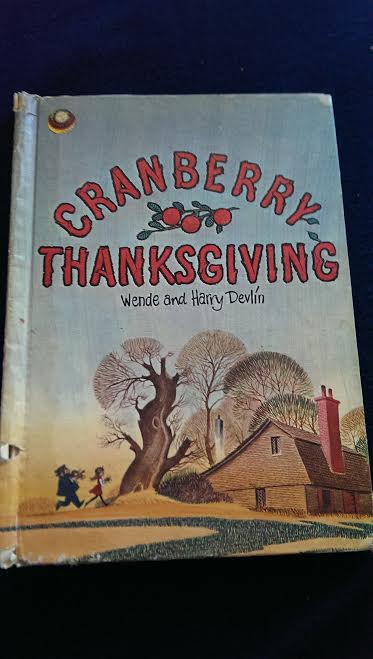
Maggie, her grandmother, and Mr. Whiskers the sailor have adventures in the small town of Cranberryport. By Wende and Harry Devlin. 1971-1995.
Season: Year-Round. Each book in the series has its season.
Children have dreams in which their stuffed animals come to life and teach them important life lessons.
Stuffed animal friends have adventures together and teach children lessons. By Jane Hissey. 1986-2016.

A witch who haunts an old house is horrified when someone buys it to turn it into a charming tearoom (shudder), but they end up becoming friends when she serves the customers her special pancakes. By Wende and Harry Devlin. 1963-1972.
Classic Little Golden Book children’s series about a little puppy and his adventures with his siblings. 1942-1985.
Dark CottageCore
Cottagecore books are usually calm and cheerful, but some that have dark themes or spooky happenings are called Dark Cottagecore. Dark cottagecore sometimes crosses over with Dark Academia.
General Fiction
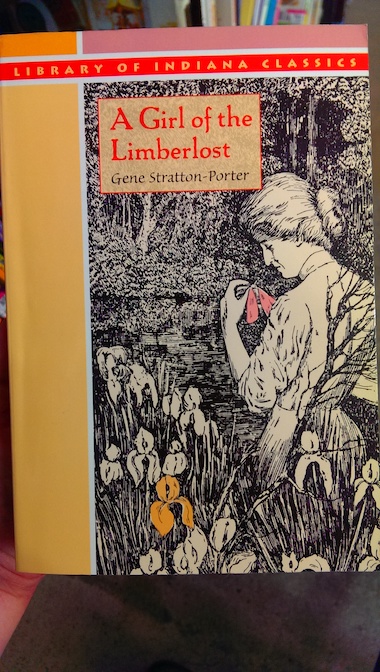
A Girl of the Limberlost (1909)
Elnora lives in the Limberlost swamp during the early 1900s, dealing with her difficult relationship with her widowed mother and collecting moths and butterflies that she can sell in order to get money to help further her education. A children’s classic! By Gene Stratton-Porter.
I think of this as Dark Cottagecore because, while it has appreciation for the natural world, it also has dysfunctional family relationships, and there are some dark secrets about Elnora’s deceased father. Elnora’s mother has been bitter about the death of her husband, blaming her daughter for his death because she couldn’t be with her husband because he died at the time her daughter was born. It’s not fair, and Elnora certainly had no control over when she was born, but Elnora’s mother’s blame of her daughter covers up not only her own sense of guilt but also the sins of Elnora’s father. People tend to romanticize the memories of people who die young, and Elnora’s mother has been doing that all along. Elnora’s mother’s attitude toward her daughter doesn’t improve until someone else intervenes and sets her straight about the differences between her memories of her husband and the darker, more complicated reality.
Historical Fiction

The Richleighs of Tantamount (1966)
A family of wealthy Victorian children spend the summer at their ancestral home, experience newfound freedom, and learn a few things about their family and themselves. By Barbara Willard.
Season: Summer.
Fantasy
The Diamond in the Window (1962)
Edward and Eleanor search for a lost treasure and learn the secrets of the disappearance of their long-lost aunt and uncle. By Jane Langton.

Half-A-Moon Inn (1980)
A mute boy searching for his mother is taken prisoner by a cruel and thieving innkeeper. By Paul Fleischman.
Season: Winter.
Moondial (1987)
A girl who is staying with a family friend discovers that the sundial of an old manor house nearby has the ability to send her back through time, where she has to help unhappy children who lived at the house in the past. By Helen Cresswell.
Season: Summer.
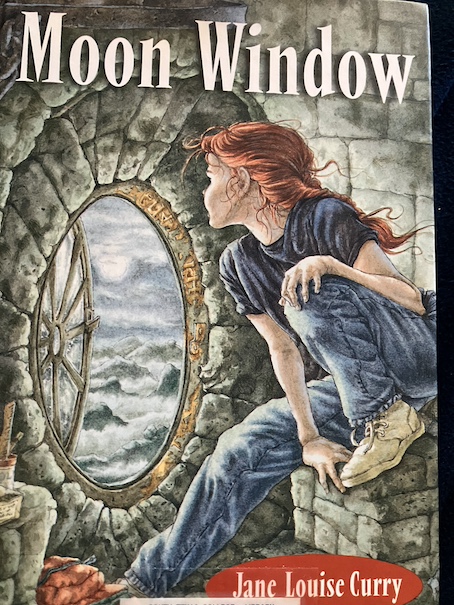
Moon Window (1996)
Jo is trying to adjust to her mother’s remarriage when a visit to a distant relative at their old family home shows her a magic window that allows her to travel back in time. By Jane Louise Curry.
Season: Summer, but she sees other seasons during her time travel.
Stonestruck (1995)
A girl who was evacuated from London during WWII is sent to a Welsh castle with a mysterious legend and a supernatural threat to any children who stay there. By Helen Cresswell.
Scary
Gone Away (1979)
A farm girl in 1930s England attends school for the first time, boarding in a house in town that is haunted. By Ruth Tomalin.
Season: Year-Round but with an emphasis on Fall and Winter.
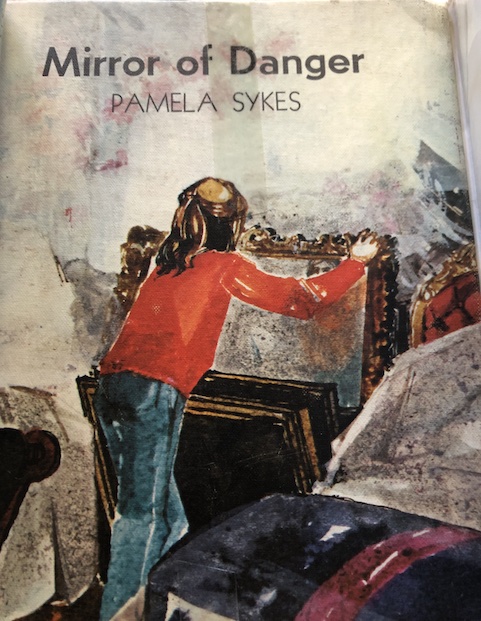
Mirror of Danger (1973, 1974)
Orphaned Lucy goes to live with her cousins at Christmas and is befriended by a Victorian ghost with malevolent intentions. Lucy was raised by an old-fashioned aunt in the style of a Victorian girl, and she has trouble adjusting to the modern style of her other relatives. It’s tempting to retreat into the past world of the ghost, but Lucy has to fight against it if she hopes to have a future. The original British title of this book was Come Back, Lucy. By Pamela Sykes.
Season: Winter and Christmas.
A Pattern of Roses (1972, 1975)

A boy whose parents are renovating an old cottage in England begins learning about the history of the house and another boy who once lived there and died under mysterious circumstances years ago and left behind a tin box full of his drawings. As the modern boy investigates the mystery, he finds that events from this past boy’s life are strangely also beginning to happen to him as well, and the two of them have some odd things in common. The US edition of this British book is called So Once Was I. By K. M. Peyton.
There are themes of death and memory, but as the modern boy contemplates the legacy of the boy who died young many years ago, he comes to some important realizations about his own life, education, and ambitions and makes a decision about his own future legacy. He has been deeply unhappy about his education and his parents’ plans for him for some time, but the boy from the past makes him see what’s really important and what he really wants, giving him the courage to take his life into his own hands. The movie version is notable for being Helena Bonham Carter’s first movie role. She played young Netty.
Picture Books

Heckedy Peg (1987)
A witch steals away children while their mother is at the market, and the mother must correctly guess what types of food the witch has turned them into in order to save them. Based on an old children’s game.
Children’s Nonfiction Books
For the nonfiction books, I focused on books that are about nature, outdoor life, history and tradition, and do-it-yourself hobby and activity books.
Cooking

This cookbook from the American Girls series has recipes like the ones Addy might have used in American Civil War times.
The Boxcar Children Cookbook (1991)
A cookbook companion to the Boxcar Children mystery series for children. By Diane Blain.
Children’s Quick and Easy Cook Book (1997)
The American edition of a British children’s cook book with easy recipes. By Angela Wilkes.
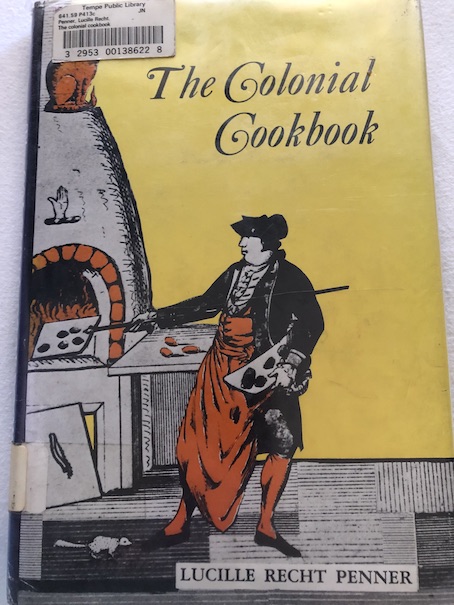
The Colonial Cookbook (1976)
This cookbook explains the history of food, cooking, and dining habits in Colonial America and provides recipes that readers can make themselves.
Fannie in the Kitchen (2001)
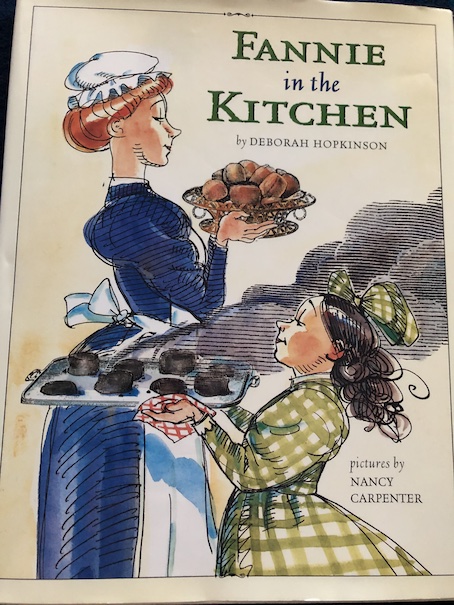
Children’s picture book based on the life of Fannie Farmer and her famous cookbook. It has cooking tips and a recipe for griddle cakes. By Deborah Hopkinson.
This cookbook from the American Girls series has recipes like the ones Felicity might have used in Colonial times.
The Fun of Cooking (1985)
Children’s cookbook where real kids demonstrate favorite recipes.
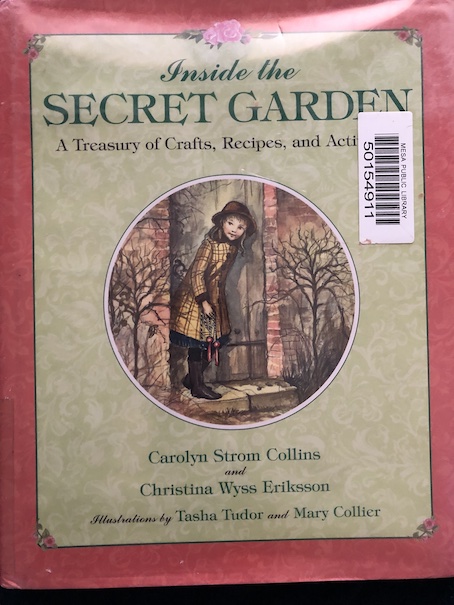
Inside the Secret Garden (2001)
This is a how-to book with activities, crafts, and recipes that fit the themes in the classic children’s book The Secret Garden by Frances Hodgson Burnett. By Carolyn Strom Collins and Christina Wyss Eriksson with illustrations by Tasha Tudor and Mary Collier.
This cookbook from the American Girls series has recipes like the ones Kirsten might have used in on the American frontier in the mid-1800s.

The Little House Cookbook (1979)
This children’s cookbook is based on the foods eaten in the Little House on the Prairie series. By Barbara M. Walker, illustrated by Garth Williams.
This cookbook from the American Girls series has recipes like the ones Molly might have used during World War II.
A Native American Feast (1994)

This nonfiction children’s book explains the traditional foods of different Native American tribes and how they were prepared with recipes for readers to make. By Lucille Recht Penner.
A Pioneer Thanksgiving (1999)
A pioneer family in 1840s Canada celebrates Thanksgiving, explaining the history of the holiday and offering related activities for readers to try. By Barbara Greenwood, illustrated by Heather Collins.
Raggedy Ann and Andy’s Cookbook (1975)

This children’s cookbook is inspired by the classic Raggedy Ann and Andy stories, and the recipes are accompanied by illustrations from the original books and quotes from the stories. By Nika Hazelton.
Raggedy Ann’s Tea Party Book (1999)
A children’s guide to planning a tea party with Raggedy Ann. By Elizabeth Silbaugh, illustrated by Laura Francesca Filippucci.
This cookbook from the American Girls series has recipes like the ones Samantha might have used in Victorian times.
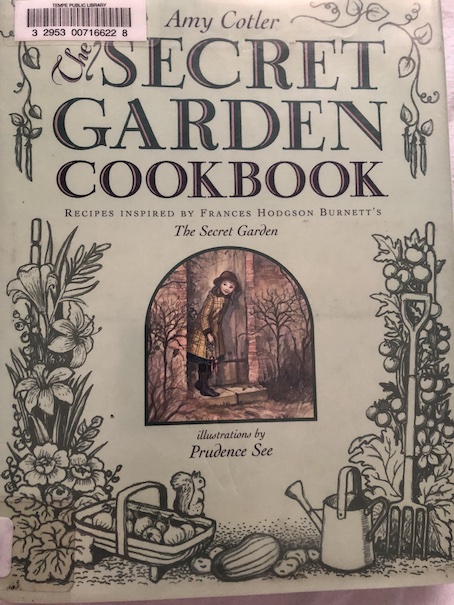
The Secret Garden Cookbook (1999)
This is a cookbook with recipes based on the types of foods eaten by characters in The Secret Garden by Frances Hodgson Burnett. By Amy Cotler, illustrations by Prudence See.
The Sleepover Cookbook (2000)
A cookbook for kids with easy recipes that they can make with their friends at sleepovers or parties. By Hallie Warshaw.
Games, Activities, and Pastimes

50 Card Games for Children (1933, 1946)
How to play different kinds of card games and solitaire and how to do magic tricks with cards. By Vernon Quinn.
The American Boy’s Handy Book (1882)
A guide to outdoor activities and hobbies for boys. By Daniel Beard.
The American Girl’s Handy Book (1887)
A guide to seasonal activities and celebrations for girls. By Lina Beard and Adelia Beard.

Children’s book that explains how to make string figures and play the game of cat’s cradle. By Camilla Gryski.
The Dangerous Book for Boys (2006, 2007)
A book of hobbies and activities for children, particularly boys. It’s sort of like The American Boy’s Handy Book for the 21st century.
The Daring Book for Girls (2007)
A book of how-to projects, activities, and hobbies for girls. It’s sort of like The American Girl’s Handy Book for the 21st century.
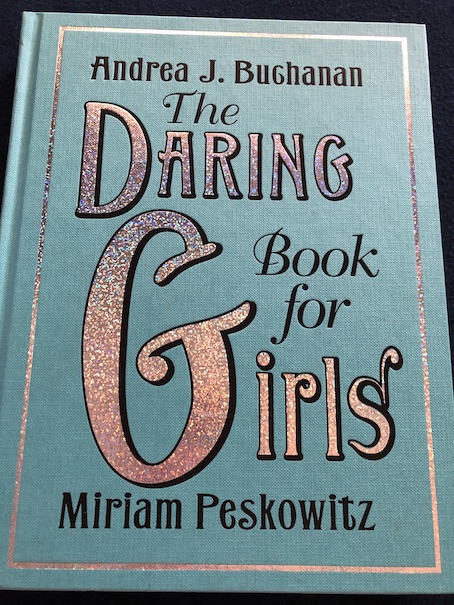
The Double-Daring Book for Girls (2009)
A book of how-to projects, activities, and hobbies for girls. Sequel to The Daring Book for Girls.
The Girl’s Own Book (1834)
A guide with instructions for games, activities, and handicrafts for girls. By Lydia Maria Child.
I would particularly recommend this one for older children who are interested in history. I think there are easier activity books for younger children.
Hand Shadows to be Thrown Upon the Wall (1859)
A how-to guide to making hand shadows. By Henry Bursill.
Kate Greenaway’s Book of Games (1889)

A book about children’s pastimes and games with rules for playing. It includes games like I Love my Love with an “A”, Blind Man’s Buff, Frog in the Middle, Russian Scandal (this is an old name for the Game of Telephone, before the invention of the telephone became really popular – I don’t know why it’s specifically Russian, but I’ve also heard it as Russian Gossip or just Gossip) and Twenty Questions. Some games are like playground games (some of them are even still played on playgrounds today), that require running and motions, and others are more talking games (some of those have become classic road trip games, played in the car). Pastimes include making soap bubbles, flying kites, and swings. One of the interesting things about this book, besides noticing which games are still played and which are more obscure now, is that the children in the pictures are actually wearing clothes that are from an earlier part of the 19th century than when the book was written. This is a classic feature of Kate Greenaway’s illustrations, also seen in her other books. By Kate Greenaway.
For more information about Victorian games in general, see the Victorian Games section of my Historical Games site. (Games are also a hobby of mine.)
Series
A series of nonfiction books for children about educational topics like history, technology, and science with projects for them to do themselves. 2005-2019.
The classic children’s hobby and activity book series from Klutz Press. Each book comes with materials needed for the hobbies and activities. 1977-Present.
History and Culture

This book explains Christmas customs in various countries around the world.
Colonial American Holidays and Entertainment (1993)
How people living in Colonial America would entertain themselves and celebrate holidays. By Karen Helene Lizon.
Daily Life in a Victorian House (1993)
The home and life of a family in England during the Victorian era.

Going to School in 1776 (1973)
This book was about schools and subjects that children would study around the beginning of the American Revolution. It also talks about apprenticeships and other types of education and what it was like to grow up in Colonial America. By John J. Loeper.
Invincible Louisa (1933)
A biography of Louisa May Alcott. By Cornelia Meigs.
Series

This is a non-fiction series of picture books about aspects of daily life in America during the 18th and 19th centuries.
Kate Waters is the author of a series focusing on historical reenactors, showing them acting out the lives of real children who lived in Colonial America.
Nature and Outdoor Activities
Bird Wise (1988)
A beginning guide book to birds and bird watching. By Pamela M. Hickman, illustrations by Judie Shore.

Discover the Night Sky (1989)
A children’s book about astronomy with glow-in-the-dark pictures. By Chris Madsen and Michele Claiborne.
On the Trail: An Outdoor Book for Girls (1915)
A guide to teach girls about camping, wilderness fun, and outdoor handicrafts. By Lina Beard and Adelia Belle Beard. Available online through Project Gutenberg.
Starlings (1948)
A vintage children’s picture book from the 1940s about starlings, showing how the birds live and interact with their ecosystems. By Wilfred S. Bronson.
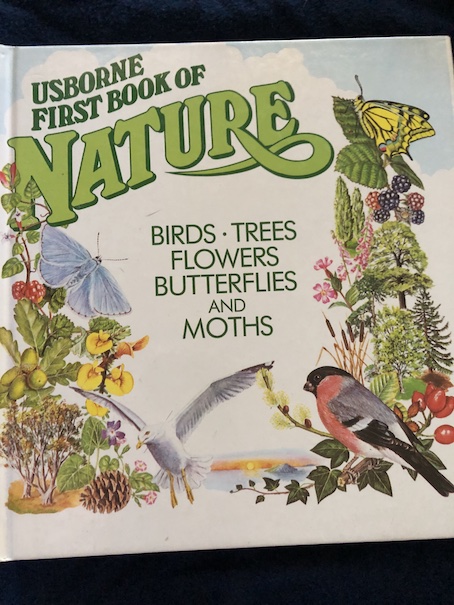
Usborne First Book of Nature (1980)
A nonfiction guide book to plants and creatures.
Poetry

A Child’s First Book of Poems (1981)
A collection of children’s poems by various authors. Pictures by Cyndy Szekeres.
A Child’s Garden of Verses (1885)
A collection of poetry for children. Originally called Penny Whistles. By Robert Louis Stevenson.
Mother Goose Rhymes (1950-1953)
A collection of children’s nursery rhymes. Illustrated by Eulalie.
Resources
For more books along this aesthetic, I recommend:
Videos
cottagecore: everything you need to know
A general guide to the Cottagecore aesthetic, covering a variety of topics from lifestyle and clothing to book, movie, and music recommendations. From Ruby Granger.
Cottagecore books, movies, tv shows || to feel all the springtime vibes
From Darling Desi on YouTube. This was the first video of its kind I saw on YouTube, and it inspired me to make my own list!
From Miranda Reads on YouTube.
Cottagecore Middle Grade Book Recommendations
From How to Train Your Gavin on YouTube.
Cottagecore Books and Media to Read and Watch
From Yulia Astrea on YouTube.
Articles
From Listopia on Goodreads.
20 Cottagecore Books to Imagine a Simple, Cozy Life in Nature
Fiction and nonfiction, a list from Tolstoy Therapy.
25 of the Best Cottagecore Books to Read in Spring
From Notes by J.
 Jestress's Forgotten Books and Stories
Hello! I found this site while looking for a specific book (Monster Manners) (which was actually after an internet quest to find another old book (The Treasure of the Lost Lagoon by Geoffrey Hayes)) and ended up spending far longer here then I meant to. This compilation of books is absolutely wonderful, thank you for putting it all together!!!
LikeLiked by 1 person
Thanks! I’m glad you liked it and found it helpful! 😀
LikeLike