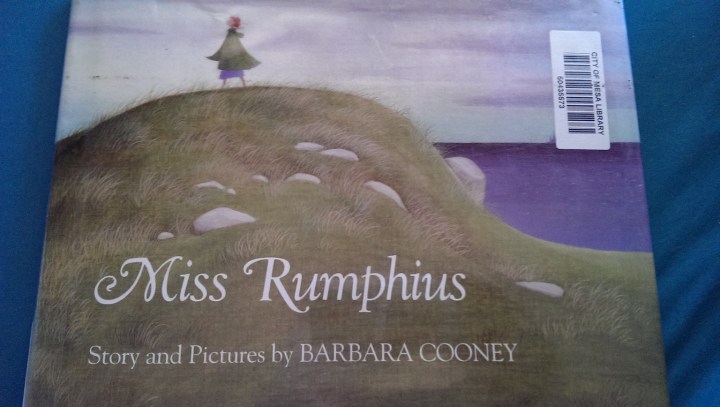
Miss Rumphius by Barbara Cooney, 1982.
From the time she was young, Alice Rumphius wanted to travel and see the world. She planned to return home to live by the sea when her travels were over. However, her grandfather, an artist, gives her one more mission in life: to make the world more beautiful. Although Alice isn’t quite sure how she will accomplish that, she agrees.

When she grows up, she lives out her dream of traveling, seeing all the places that she read about while she working in a library. However, she ends up hurting her back while getting off of a camel she was riding, so she decides that it’s time to retire and find a home by the sea, as she planned.

As she recovers from her injury, she thinks about her mission to make the world more beautiful. At first, she still doesn’t know how to accomplish that, but some flower seeds she planted and her particular love of lupines give her the inspiration for her final legacy of beauty.

Her gift of spreading seeds of beautiful flowers gives her a reputation as an eccentric, the Lupine Lady, but it also inspires a new generation to undertake their own missions to see the world and to create beauty in their own way.
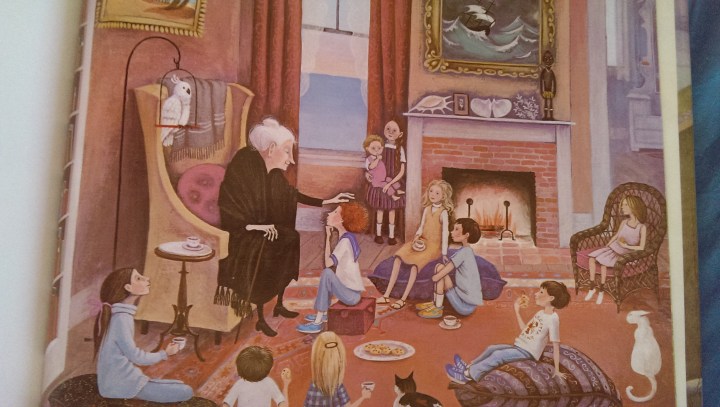
One of the things that fascinates me about Miss Rumphius and her story is that she leads a very non-traditional life. She has very definite goals from childhood and sticks to them throughout her life, but they are not quite the common goals of most people, like marriage and career. She remains unmarried throughout her life (the book never says anything about whether she had any romances in her life because that wasn’t one of her main life goals and therefore not really important to the story), and her only listed career was that of working in a library, which allowed her to have some money and to read about the places where she wanted to travel. In the end, she is not wealthy and has no husband or children of her own, but she is happy because she has achieved the things that always meant the most to her. She has had rich life experiences, she has made the world a little better for her presence, and she encourages her nieces and nephews to see the world, to enjoy their experiences, and to leave their own mark of beauty.
Apparently, parts of the story are based on the author’s own life and on the life of Hilda Hamelin, the original Lupine Lady. The book is currently available online through Internet Archive.
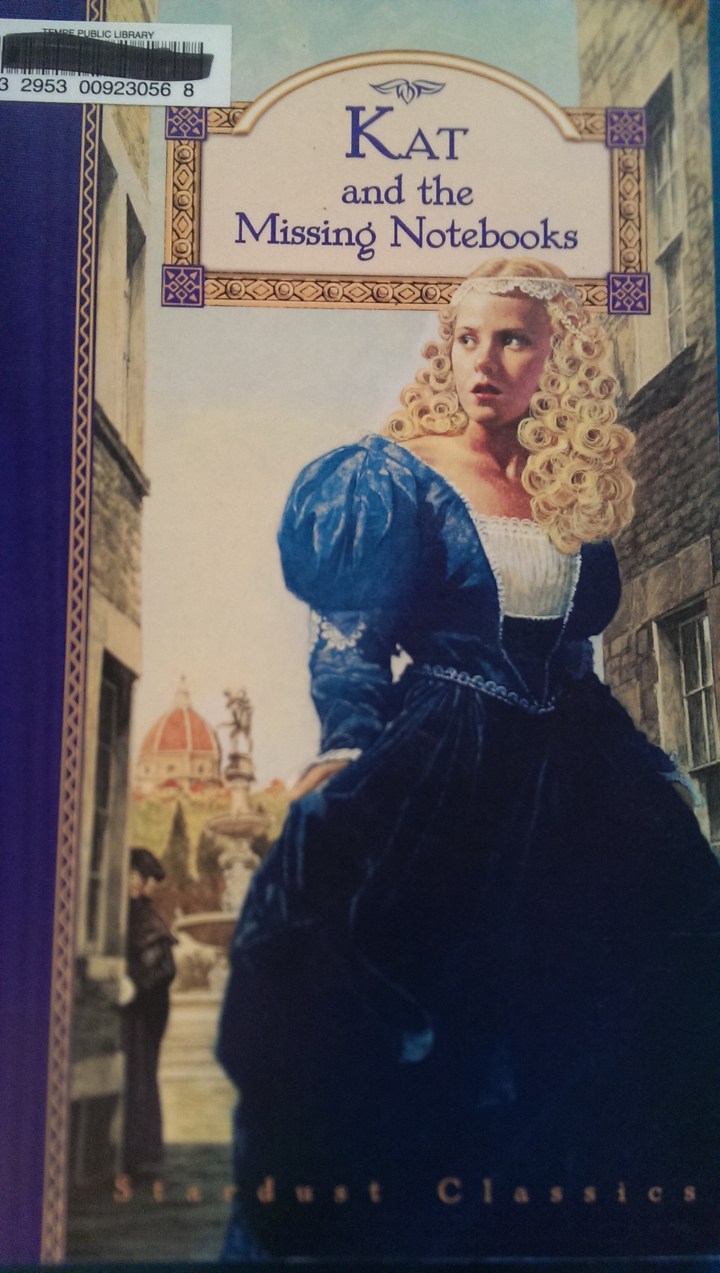
 This book is part of the
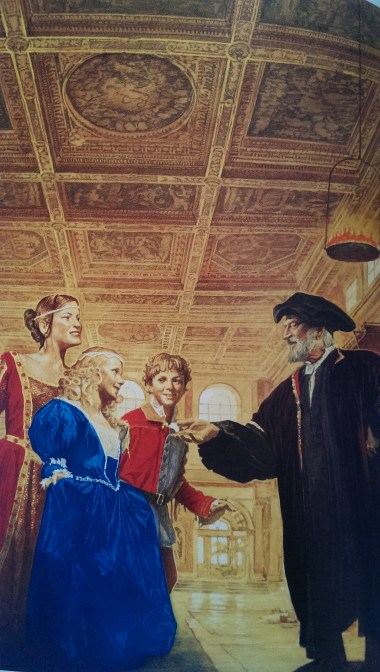
  Besides being a great artist, Leonardo da Vinci is also a scientist, and along with his notes on art, there are sketches and plans for possible inventions in the notebooks. Kat and Pietro go to return the notebooks the next day, but before they can get to Leonardo’s studio, the same thief who tried to steal Signor Millori’s papers steals the notebooks.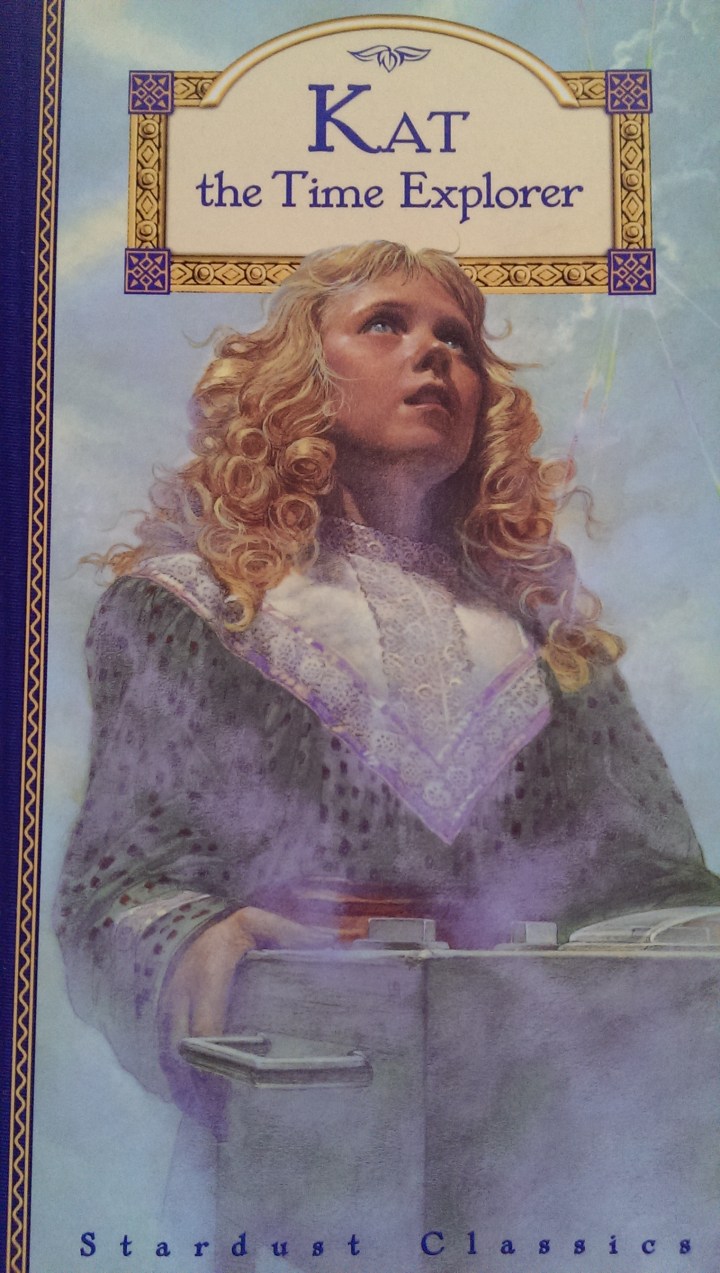
 Ten-year-old Kat is going to be living with her Aunt Jessie for the next year. Her parents are botanists, and they are spending a year in South America, studying rain forest plants. Aunt Jessie lives in a house in the same town as Kat and her parents so, by staying with her, Kat can continue going to the same school and see her friends.

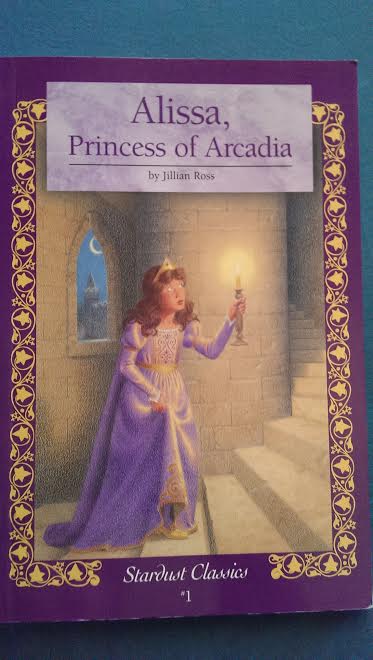 Alissa, Princess of Arcadia by Jillian Ross, 1997.
 It turns out that Balin is a wizard. He’s lived in the tower for centuries and hardly ever leaves, so most people have forgotten that he’s there. He offers Alissa lessons in magic and the kind of quests that she’s been craving. He once taught Alissa’s father similar lessons, although he thinks that King Edmund has also forgotten that he exists. Alissa eager accepts the offer of magic lessons.
 When Alissa first begins her lessons with Balin, she thinks that studying magic is turning out to be as boring as her other lessons. Balin makes her do little chores, like dusting things in his tower, and he has her read books and memorize words. Alissa is impatient to get on with the exciting magic, but Balin impresses on her that she needs to start out slowly and to recognize that magic is not the solution to all things.

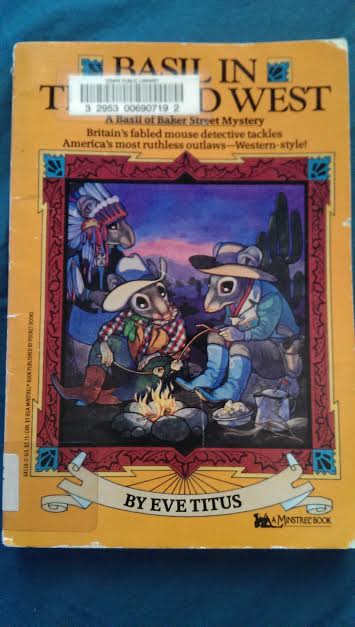 Basil in the Wild West by Eve Titus, 1990.
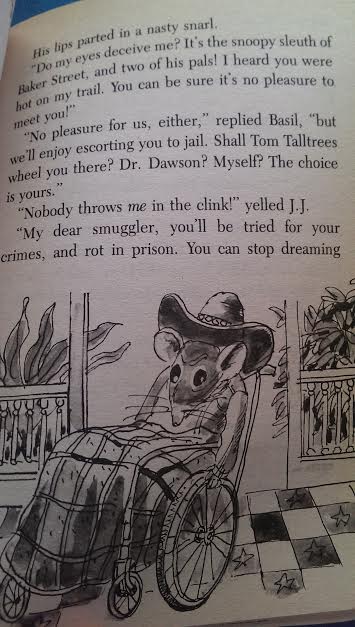 Although J.J. escapes, Basil and Dr. Dawson decide that the smuggling ring has been defeated and it’s alright to continue their sight-seeing. However, their adventures are not over!
 Basil and the Pygmy Cats by Eve Titus, 1971.
 Now, Basil thinks that he and his associates are free to continue their other mission, finding the lost civilization of pygmy cats. However, that mission is fraught with danger and surprises, and they haven’t quite heard the last of Ratigan.
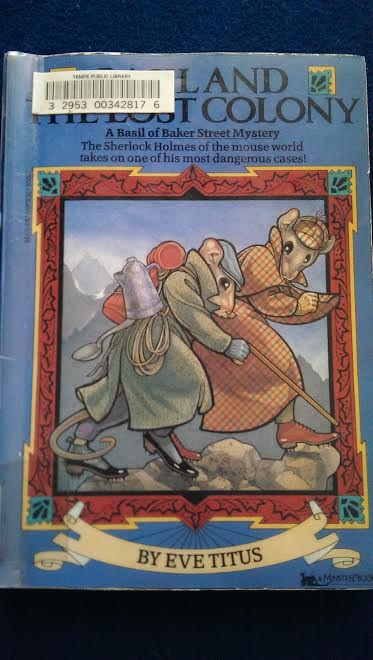 Basil and the Lost Colony by Eve Titus, 1964.

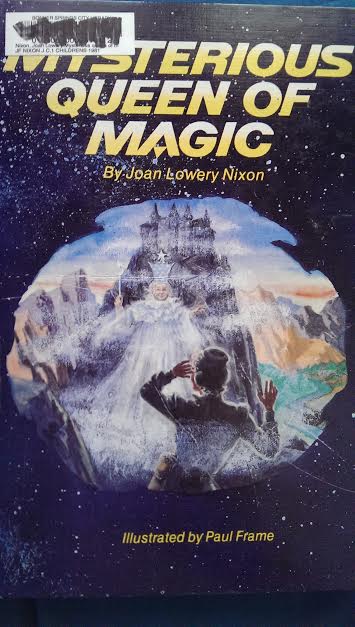 The Mysterious Queen of Magic by Joan Lowery Nixon, 1981.


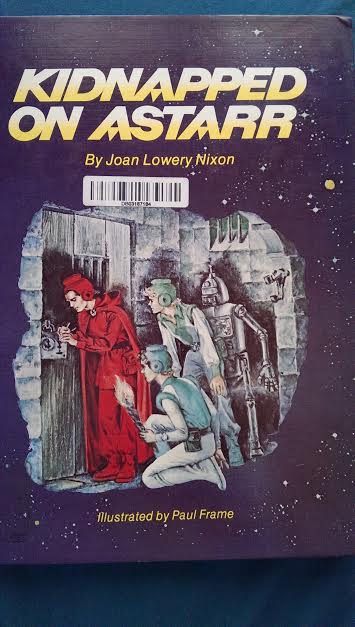 Kidnapped on Astarr by Joan Lowery Nixon, 1981.

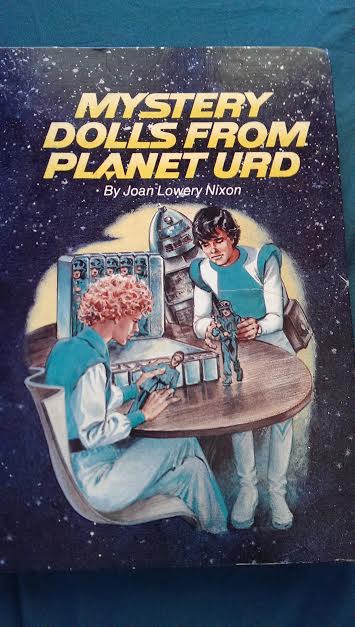 Mystery Dolls from Planet Urd by Joan Lowery Nixon, 1981.
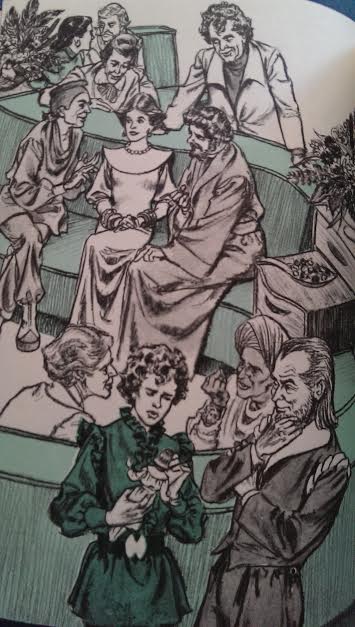 Sure enough, the dolls from Urd soon arrive, but they make Kleep even more nervous than the doll from Earth. They seem a little too life-like, and one night, Kleep wakes up, certain that she heard them whispering to each other!

 Jestress's Forgotten Books and Stories