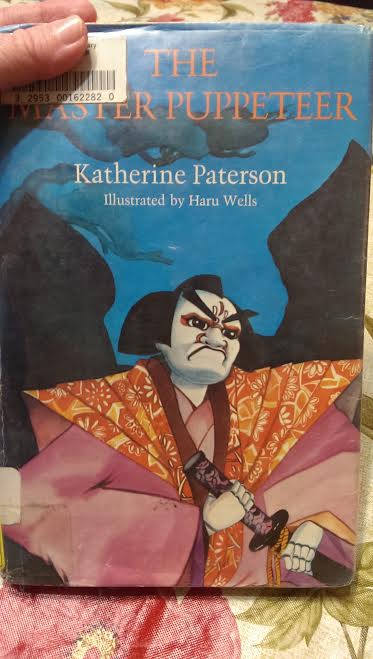
 The Master Puppeteer by Katherine Paterson, 1975.
Jiro was born during a terrible time in the history of Osaka, Japan, during the 18th century. Around the time he was born, a plague swept the city, killing his other siblings, making Jiro the only child of Isako and Hanji, the puppet maker. His mother resents him for surviving when her other children didn’t and criticizes him for being clumsy when he tries to help his father make puppets. Now there is famine in Osaka, and Jiro’s family is on the verge of starvation. The only way they can support themselves is by making puppets for Yoshida’s puppet theater, the Hanaza.
The Hanaza has been doing well in spite of everything because the rice merchants are still wealthy enough that they can afford to spend money attending the theater. One day, when Jiro goes with his father to bring a puppet to Yoshida, Yoshida comments that the boy has spirit and offers to take him on as an apprentice at the theater. Hanji does not take the offer seriously, but Jiro does. He knows that he will not be able to help his parents by making puppets, and the people at the theater earn money and have plenty to eat. He joins the theater without telling his parents, introducing himself to the old, blind Okada, who chants the words of the plays.
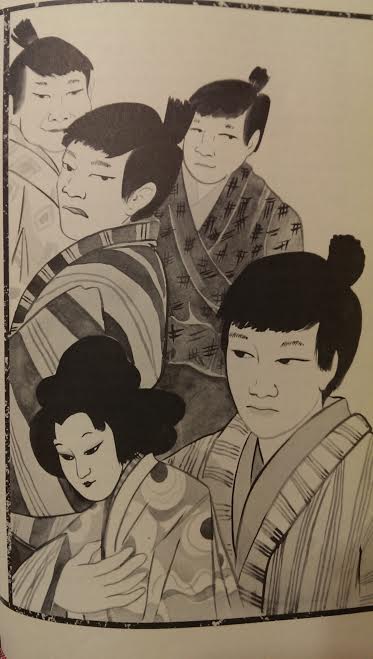 Okada was once Yoshida’s teacher, and he accepts Jiro into the theater. Jiro is fascinated with the world of the theater, studying alongside Yoshida’s son, Kinshi, who becomes his closest friend. However, he must first graduate from apprentice to puppeteer before he can begin earning enough money to support his family, and the news from outside the theater is grim. Word has reached him that his father is ill and his mother is starving. The poor people of Osaka, starving and oppressed by the wealthy merchants and tax collectors, begin rioting.
Saburo, the leader of a gang of bandits, has become a hero to the people, taking food and money from rich people in clever and daring raids and using it to feed some of those who are starving. Kinshi in particular admires Saburo and sets off on his own mission to save the poor people of Osaka. Jiro fears for Kinshi’s safety but does not know who to turn to for help until he finds evidence that seems to point to the true identity of Saburo.
One of the fascinating things about this story is the way the puppets are operated. Unlike either hand puppets or marionettes, where the operators are never seen, the operators of puppets in Japanese theater are on stage with them. However, the operators are dressed completely in black with hoods, so the audience will disregard their presence. Because of the violent episodes in this story, I would recommend it for middle school level.


 The Mystery in Old Quebec by Mary C. Jane, 1955.
 The solution to the mystery involves family quarrels, custody issues, and racial tensions. In spite of that, this is actually a very gentle story. In the end, the kids are dependent on the people the mysterious message was intended for to help a troubled, lonely child. It turns out that the boy is an orphan, and some of his relatives are white, and some are First Nations (Native American). There is a fight for the boy’s custody, but the boy knows where he really wants to be.
 The Blue-Nosed Witch by Margaret Embry, 1956.
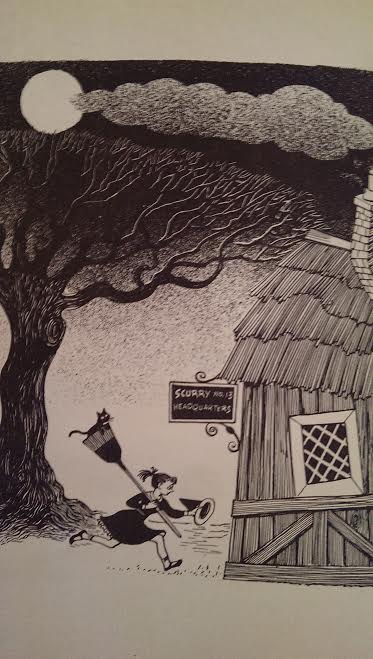 Blanche looks for her fellow witches but ends up joining a group of trick-or-treaters by mistake. They love her blue nose and introduce her to the idea of trick-or-treating. Thinking that even the grumpiest man in town would be impressed by Blanche’s amazing nose, they stop at his house, too. The old man isn’t impressed by anything and plays a mean trick on the kids. However, Blanche is a real witch, and she and her cat Brockett give the old man a real Halloween scare.
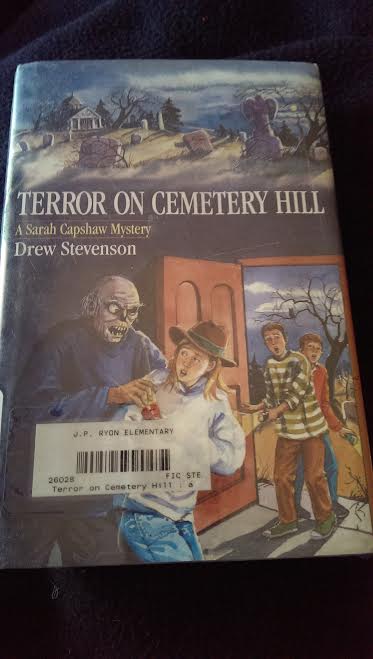 Terror on Cemetery Hill by Drew Stevenson, 1996.
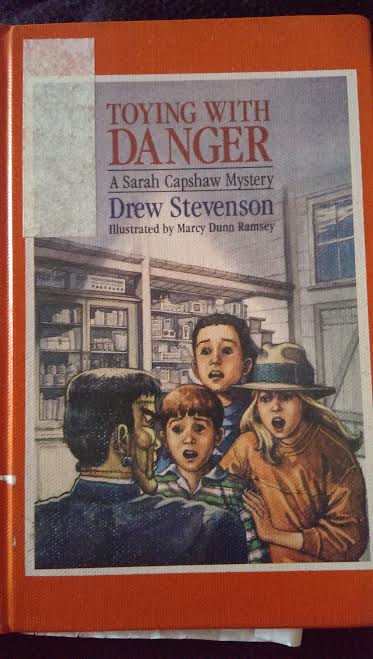 Toying With Danger by Drew Stevenson, 1993.
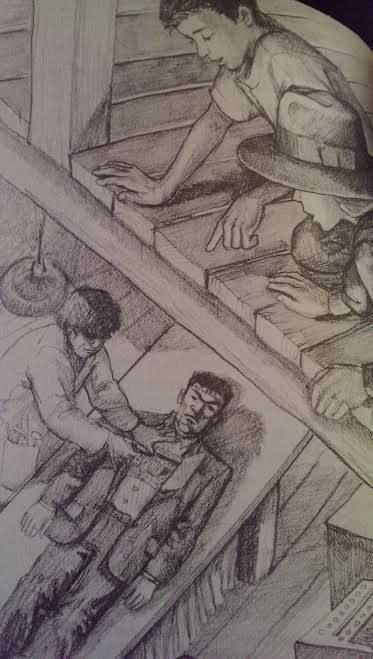 It seems that Sarah is right that someone is trying to spy on Dr. Becker. The kids learn more about the money involved in buying and selling toy designs when they visit the Too Wonderful toy company for a tour with Sarah’s grandfather. Making toys is serious business, and companies guard their designs very carefully. The Too Wonderful toy company wants to purchase some of Dr. Becker’s designs, but one of the members of the company says some strange things about Dr. Becker. Can the kids trust him? Can they trust the strange Dr. Becker? Can Sarah catch the spy before it’s too late?
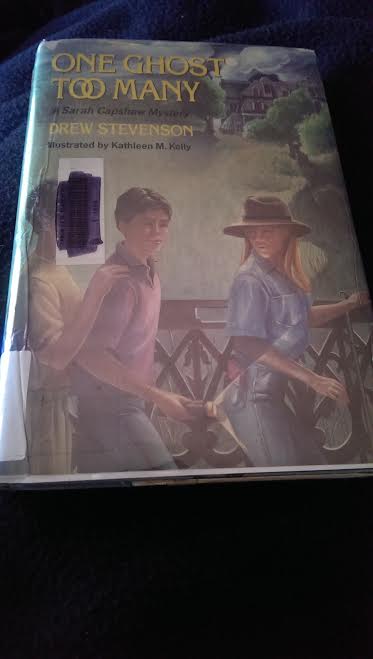 One Ghost Too Many by Drew Stevenson, 1991.
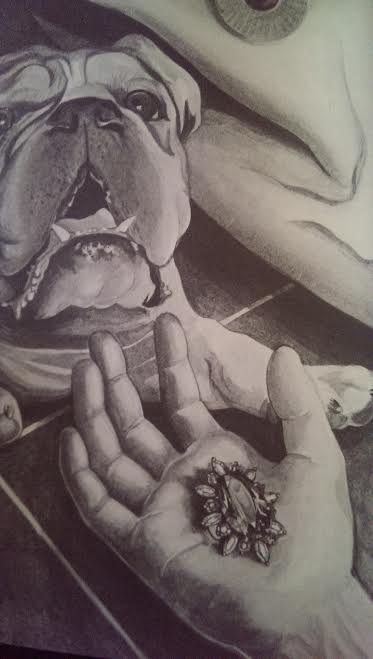 Sarah persuades Clark and his friend “Frog” Fenniman to join her investigation of the house, but besides the resident ghost, they will also have to deal with a local group interested in psychic phenomena and a mysterious stranger who is paying the local bully to spy on the house.
 Jumble Joan by Rose Impey, 1989.


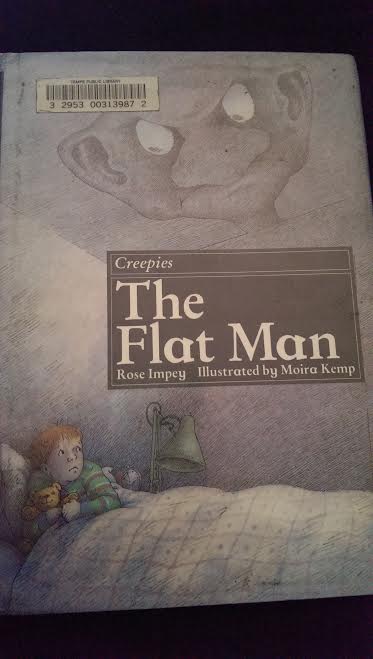 The Flat Man by Rose Impey, 1988.


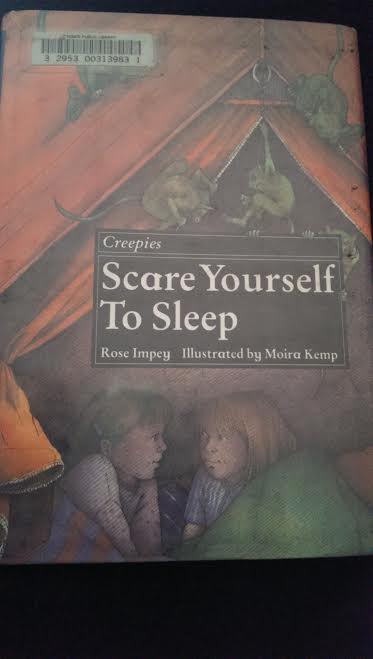 Scare Yourself to Sleep by Rose Impey, 1988.

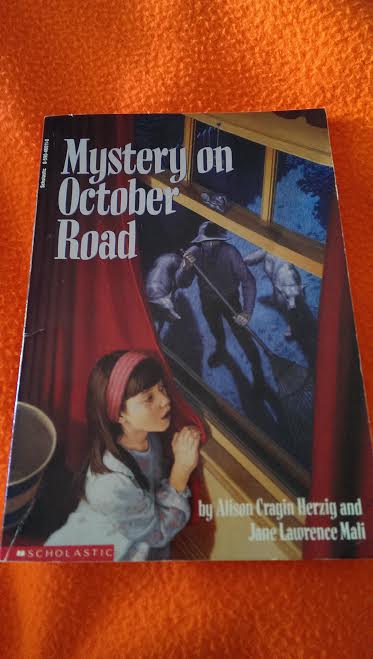 The Mystery on October Road by Alison Cragin Herzig and Jane Lawrence Mali, 1991.
 Jestress's Forgotten Books and Stories