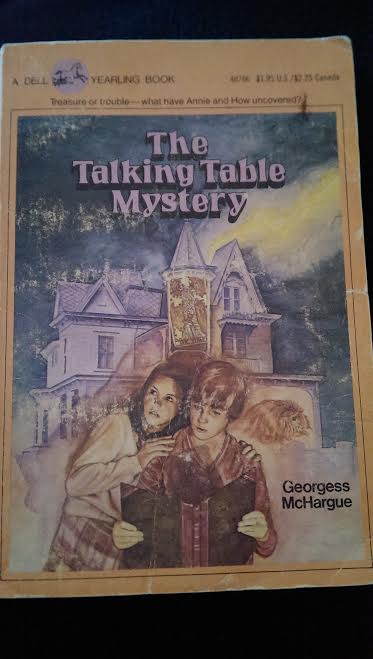
 The Talking Table Mystery by Georgess McHargue, 1977.
Annie Conway and her friend How are helping her great aunt to clear out her basement when they find a table that How thinks would work for his pet guinea pig’s cage. However, it’s not an ordinary table. It makes strange noises whenever they press on it, and in the box tied to the top of the table, they find a strange assortment of objects, including a little silver piccolo and some diaries.
Most of the diaries belong to Annie’s great grandfather, but there is one written by an unknown young girl. The girl apparently stayed in Annie’s great grandfather’s house years ago, and her diary refers to the girl’s mother’s strange behavior and the girl’s fears that something bad will happen. The diary itself is mysterious, but soon the kids start receiving threatening notes, telling them to hand over the diaries or something bad will happen. Who wants the diaries and why?
The book is available to borrow and read for free online through Internet Archive.
My Reaction and Spoilers
The basis for the mystery is 19th century spiritualism. The former owner of the table was a spiritualist who used it for seances, creating rapping noises when the “spirits” were present. Her daughter was the girl who wrote the diary. She wasn’t happy about how she and mother kept moving around in search of new clients and how she had to help her mother by playing ghost during seances. They were staying with Annie’s great-grandfather because he was suffering from grief over the death of his young son, and the spiritualist was holding seances to try to contact his spirit. At least, that’s what Annie’s great-grandfather thought. The bad thing that the girl thought would happen was that she and her mother would be caught faking their seances, which turns out to be exactly what happened. Annie’s great-grandfather was angry at being deceived and threw them out of the house, but he confiscated the rigged table and other things they used in their seances, including the girl’s beloved silver piccolo, so they wouldn’t be able to try their act on anyone else.
However, there is one more secret about Annie’s great-grandfather and the spiritualist. Annie and How eventually discover that they had a love affair during the spiritualist’s stay in the house. There is some discussion among the adults about how the spiritualist suffered more consequences and stigma for the affair than the great-grandfather did, although he was a married man when it happened. As for what eventually happened to the girl and her mother after this incident, the clues are contained in the diary and with the people who now want them.
I thought that the use of the rigged spiritualist table in the story was fascinating. It’s basically like a piece of antique magician’s equipment that not everyone would know existed. The story also introduces some interesting historical details about the concept of 19th century spiritualism and the types of people who followed it. Annie’s great-grandfather was grieving for the loss of one of his young children, and like others of his time, he wanted to reach out to the spirit of the one he lost, in search of solace for the loss. How much of the affair with the spiritualist was fueled by his grief and gratitude for someone he thought was helping him is unknown because we never hear his perspective on that, but his anger at discovering how he had been deceived shows that he did honestly believe that the seances were real and felt betrayed to realize they weren’t. However, actions have consequences, and there were still some consequences from this incident that were never fully resolved.
The author is very knowledgeable on the subject of spiritualism, and she also wrote a nonfiction book on the subject.
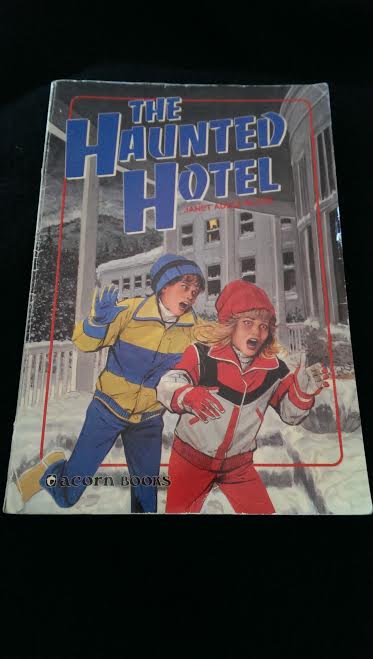

 The Ghost on the Hill by Grace Maccarone, 1990.
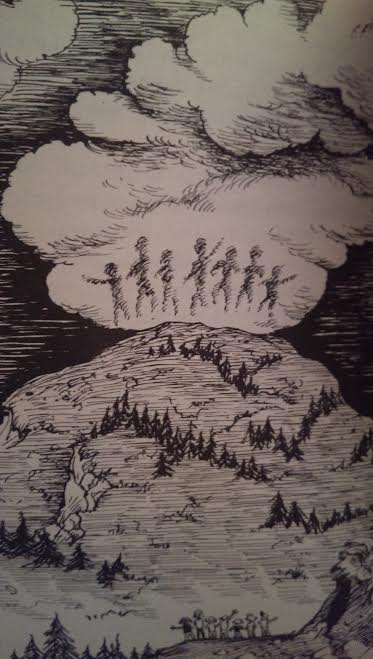 When they reach the state park, Dennis Ten Foot Bridge, who is the last of his tribe, tells the students about his tribe, teaches them wilderness skills, and leads them in group activities. One evening, Joey goes out to practice some rowing on the lake by himself, and he sees what looks like a large ghost at the top of a hill However, everyone knows that Joey lies about a lot of things, so at first, no one believes him. At least, no one except Adam.
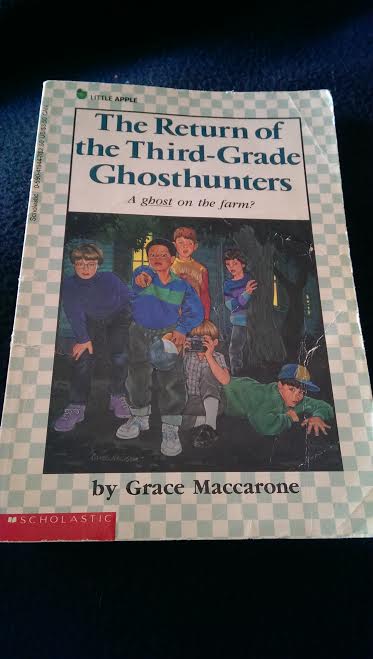 The Return of the Third-Grade Ghosthunters by Grace Maccarone, 1989.
 They try to use scientific methods to study the haunting. They measure the placement of the furniture to see if anything moves while they’re out and sprinkle flour on the floor to get footprints. But, even though they watch carefully and don’t see anyone enter the bunk house, when they go inside, everything is a mess, and the flour doesn’t appear disturbed. Everyone else is about ready to admit that this one is a real ghost, but Adam has another theory.
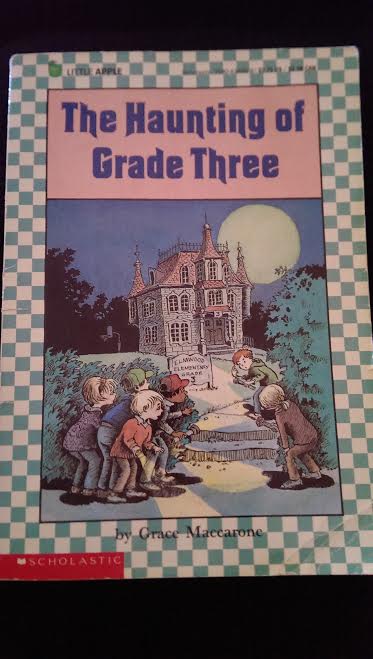 The Haunting of Grade Three by Grace Maccarone, 1984.
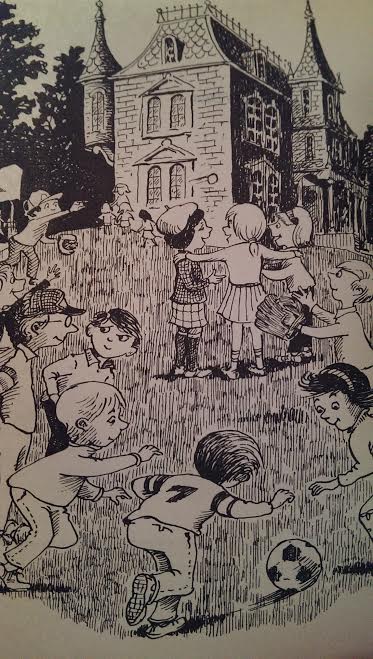 Most of the group members are misfits in one way or another. Norma Hamburger is a shy girl, frequently teased about her last name. Debbie Clark is a talkative girl who’s really into science. Chuck Webber, Adam’s best friend, is the class clown, always telling stupid jokes (and one of the main people who teases Norma about her name). Danny Biddicker is strong and good at sports, but he worries that he’s not as smart as the others. Joey Baker feels overshadowed by his large family, so he tells tall tales to get attention. The other kids don’t understand and get annoyed with his lies. By working together, they not only learn the secret of Blackwell House, but they learn more about each other and become a real team and friends.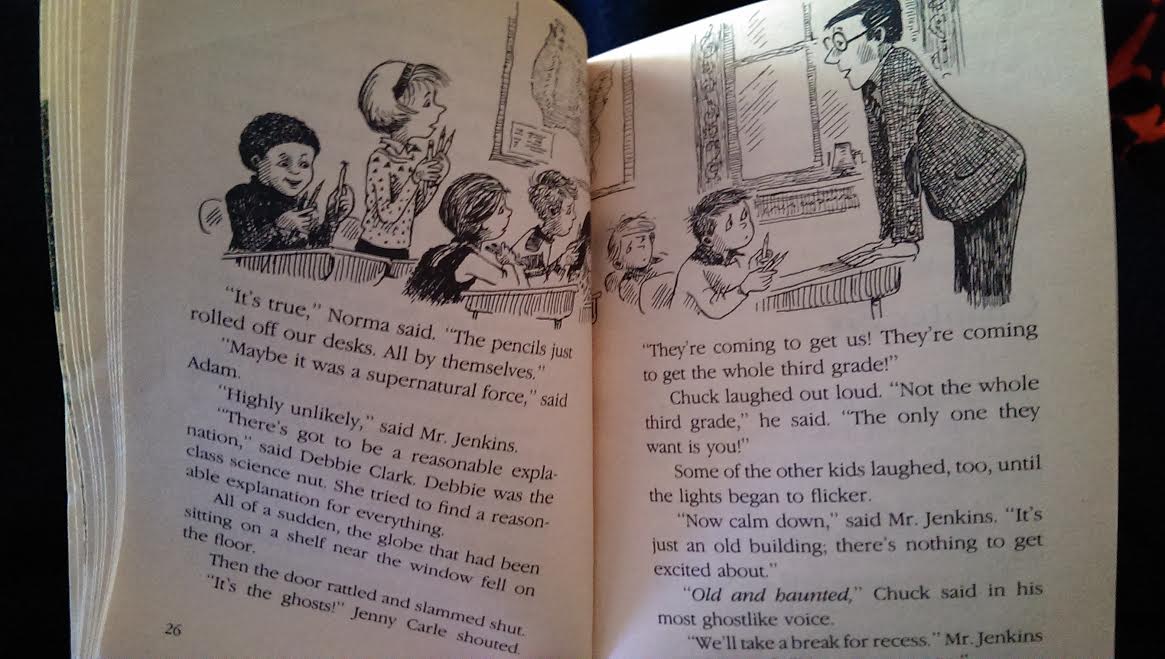
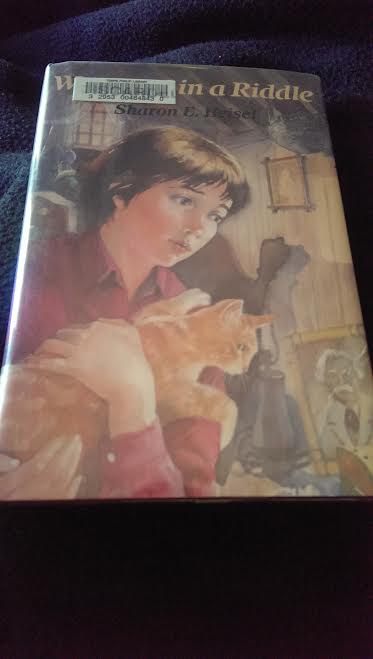 Wrapped in a Riddle by Sharon E. Heisel, 1993.
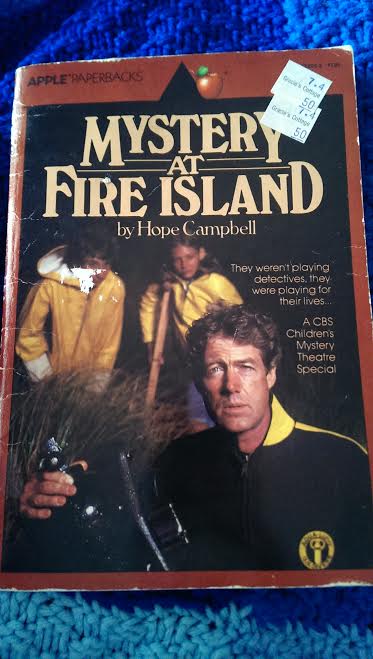 The Mystery at Fire Island by Hope Campbell, 1978.
 The Green Book by Jill Paton Walsh, 1982.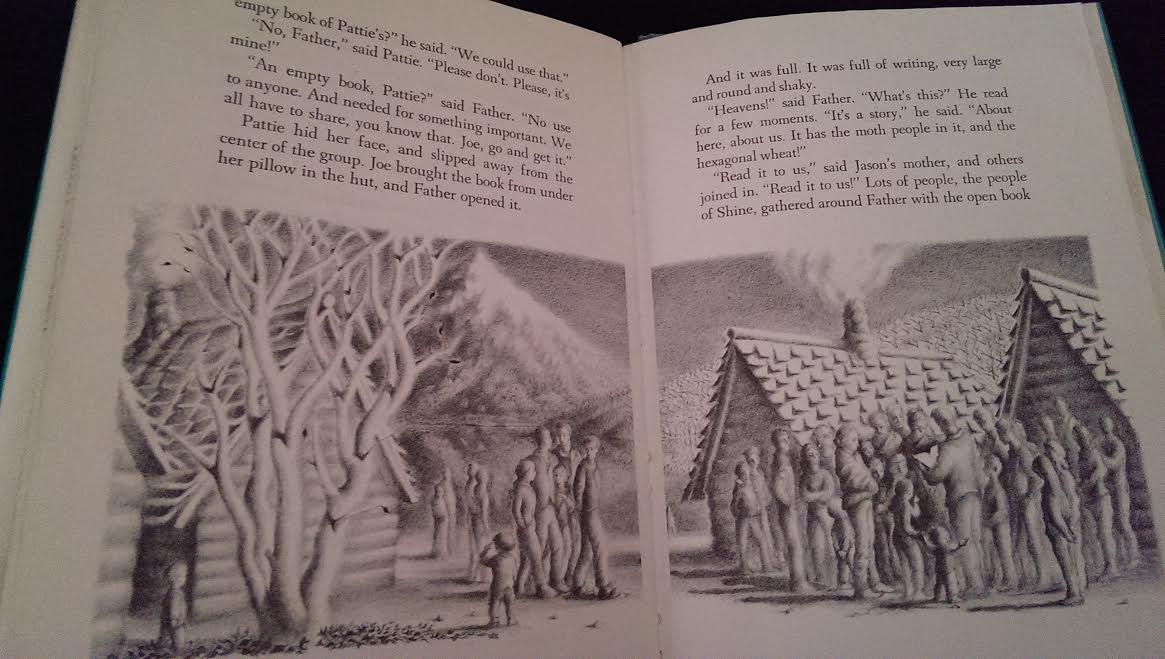
 The Treasure of Kilvarra by Elizabeth Baldwin Hazelton, 1974.
 Without the amulet to protect her, Christie continues her search for the treasure. An accidental injury takes her to the place where it is hidden, but it’s a dangerous place. Caught in a terrible storm, the children explore an ancient stone tower. There, Christie sees the ghost of a long-dead monk, gesturing to her, begging her to follow him to the treasure that she seeks. The monk died protecting it, and it’s a very unexpected but wonderful treasure indeed. But, getting out of the place is going to be even more dangerous than getting in.
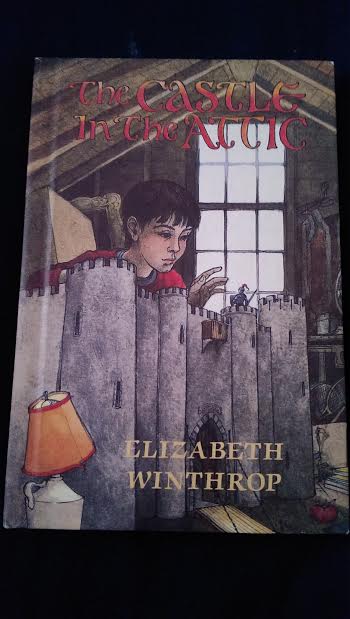 The Castle in the Attic by Elizabeth Winthrop, 1985.
 Jestress's Forgotten Books and Stories