 Valentine Blues by Jeanne Betancourt, 1990.
This book is part of the Aviva Granger Stories series. (It’s the only one I have in the series right now.)
In the last book, Aviva’s best friend, Josh, came to live with her, her mother, and her step-father. Josh was living in an orphanage before that, and since he and Aviva were close, her mother and stepfather thought that it would be natural to invite him to be part of the family. At the time, Aviva thought that it was a good idea, but being friends with someone doesn’t mean that it will be easy living with them, and Aviva’s family life is already complicated!
Aviva’s parents are divorced, and both her mother and father are already in new relationships. Her mother has remarried, and Aviva not only has a stepfather but a half-sister (college age) and half-brother (baby) living in the same house. Aviva’s father has a girlfriend, Miriam, and Aviva doesn’t get along well with her. Miriam would like it if she and Aviva’s father had a child of their own.
When Josh comes to live with Aviva’s mother and her family, Aviva realizes that sharing a family and house with him makes things even more complicated. He takes too long in the bathroom and makes her late to school. He’s one more person for her mother to pay attention to, so Aviva gets less attention. Even her dog seems to like Josh better now!
Then, shortly after Valentine’s Day, Aviva overhears Josh and his friend Ronnie Cioffi talking about girls and giving them ratings based on their looks. Out of 10 points, Cioffi rates Aviva as a 2, and Josh agrees. Josh has a crush on Louise, a girl they know from school, and she has a much better figure.
It isn’t that Aviva is in love with Josh, who she sees more as a friend/brother, but it hurts that he seems to be taking her place in the family and doesn’t even really appreciate her, joining in with his friend in making fun of her body. With her time divided between two households, two parents who hardly seem to have time for her these days, and Josh moving in and taking over, Aviva worries that maybe she doesn’t really belong anywhere or to anybody.
It takes a night when Aviva sleeps out in the barn without telling anyone where she is to make the people closest to her realize how much she needs them. A sleepover at Louise’s house (where the girls candidly discuss their own ratings for the boys they know) and Aviva’s anonymous question in sex ed class also help to put the rating system into perspective for all the kids.
The book has some Christian themes because the children go to a Catholic school, although this book mostly focuses on family life and girls’ and boys’ perceptions of each other. The kids are eighth graders, and there is also some talk about sex ed.
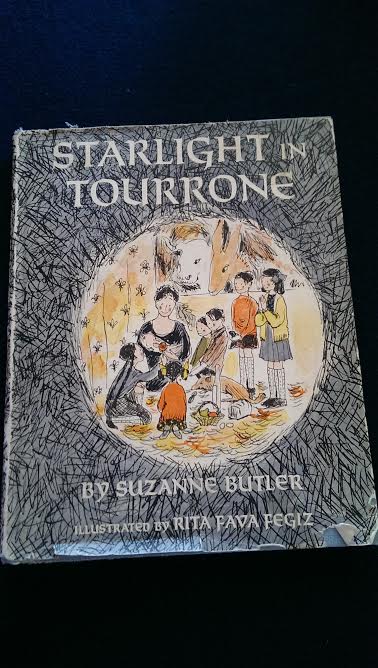 Starlight in Tourrone by Suzanne Butler, 1965.
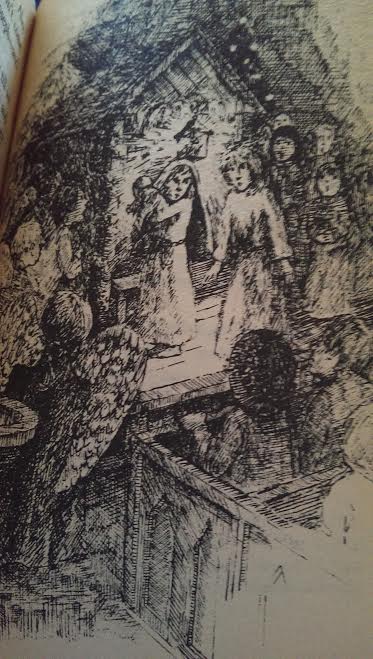
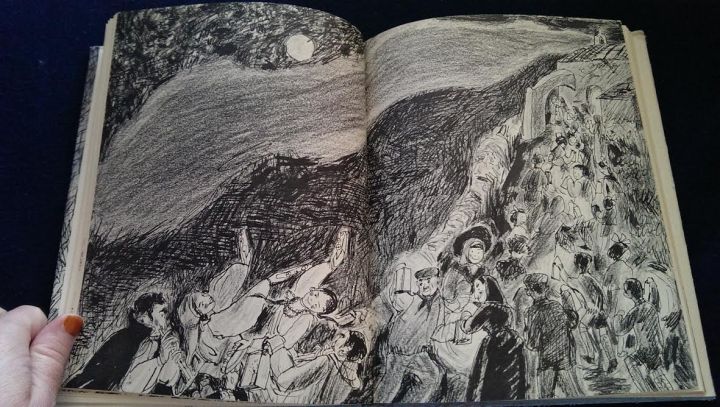 At first, most of the adults in the village are skeptical. Since there are no young couples living there anymore and no babies have been born there for several years, no one knows where the mother and child for the Nativity scene will come from. Many of the adults are too busy with their own problems and worries about the future to help. Still, the children continue to work faithfully on their plans, drawing in the adults in spite of themselves.
 Just as people in the village start to feel hopeful again, something happens that threatens to ruin everything, but there is still one more miracle yet to come, thanks in part to the one person who never doubted it would happen.

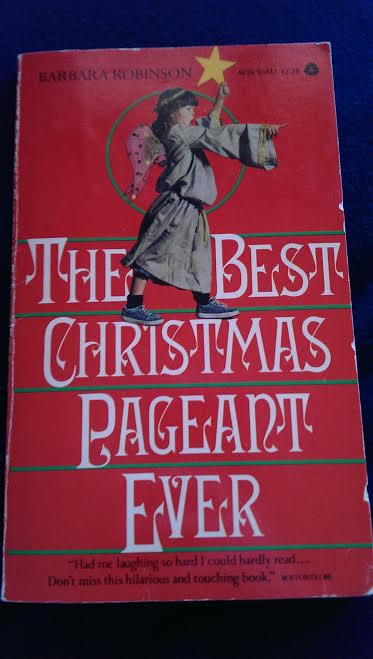 The Best Christmas Pageant Ever by Barbara Robinson, 1972.
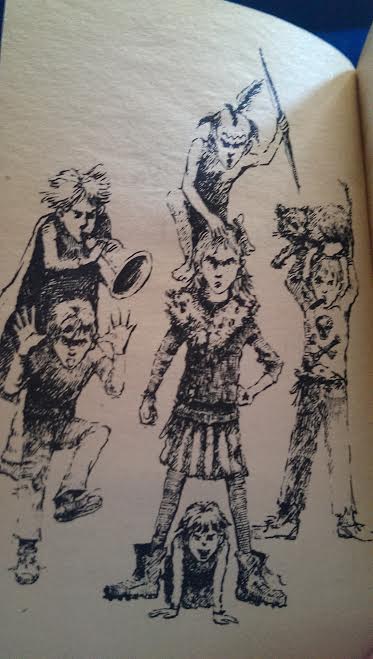 Although the Herdmans don’t get the cake Charlie mentioned and have little interest in Jesus, they begin to be fascinated by the description of the pageant and decide to stick around. The Herdmans love movies, and the idea of being in any kind of play strikes them as fun. Although the Christmas pageant basically goes the same way every year, typically using the same kids for the same parts, once the Herdmans make up their minds that they want the starring roles, they manage to push and bully their way right into the center of everything.
 At first, the more conservative adults in the church are horrified at the prospect of what the wild Herdmans might do on Christmas itself, but the minister and the lady overseeing the pageant decide to give the Herdmans a chance. As the title says, it ends up being The Best Christmas Pageant Ever as the Herdmans unexpectedly bring out parts of the Christmas story that the other people who had taken the story for granted hadn’t really thought about much: the simple human reactions of a poor young couple who were strangers in a new town, the fear and expectation that accompany doing something great but unfamiliar and confusing, and the sense of wonder and surprise that are at the heart of the Christmas season.
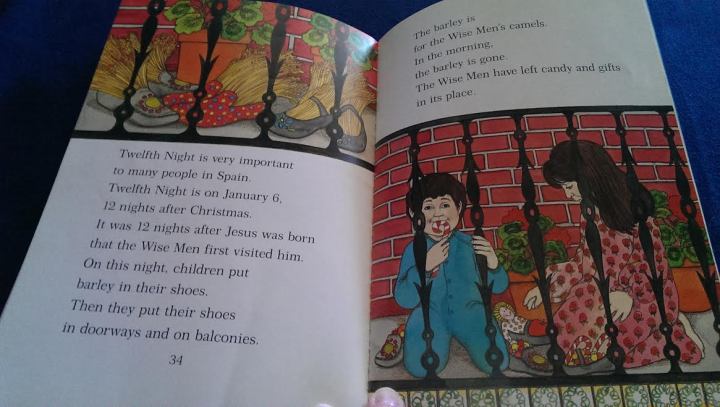
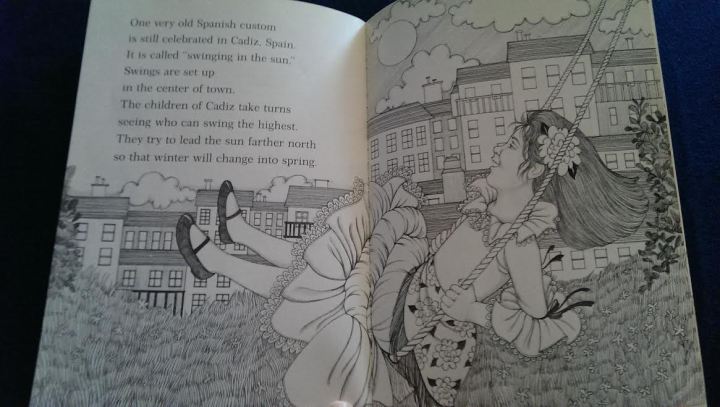
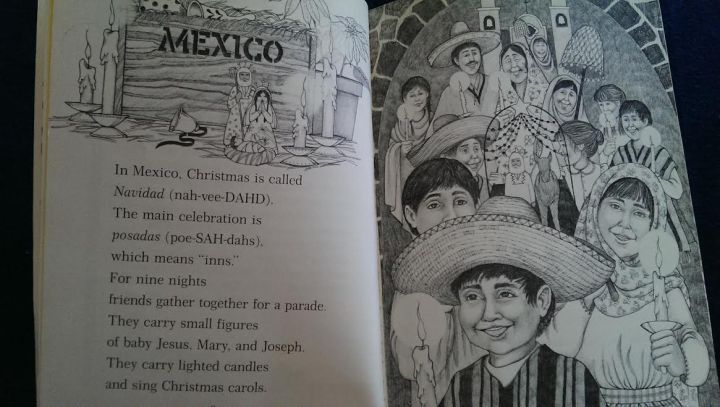
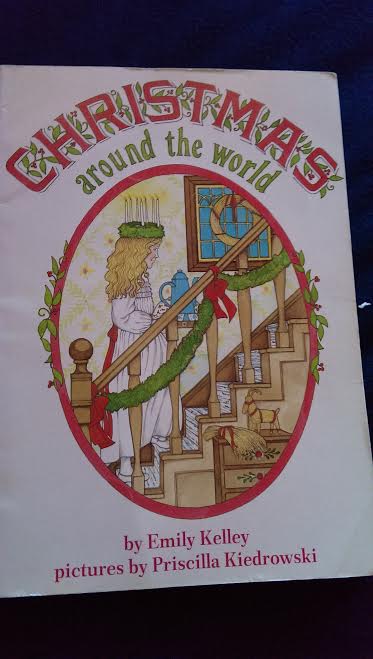 Christmas Around the World by Emily Kelley, 1986.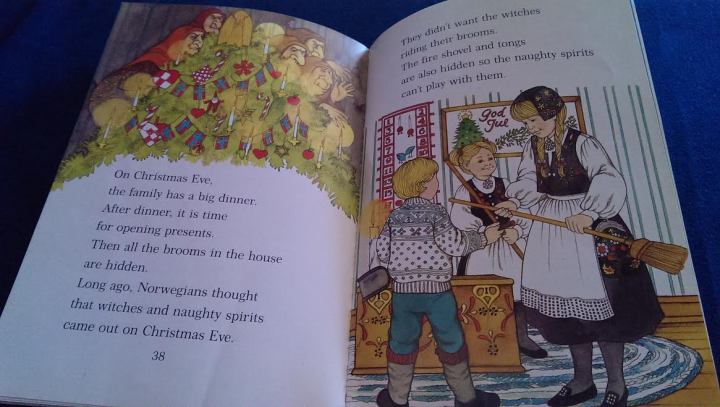
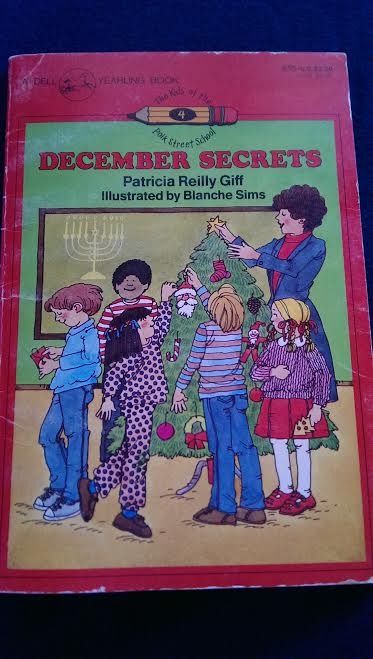 #4 December Secrets by Patricia Reilly Giff, 1984.
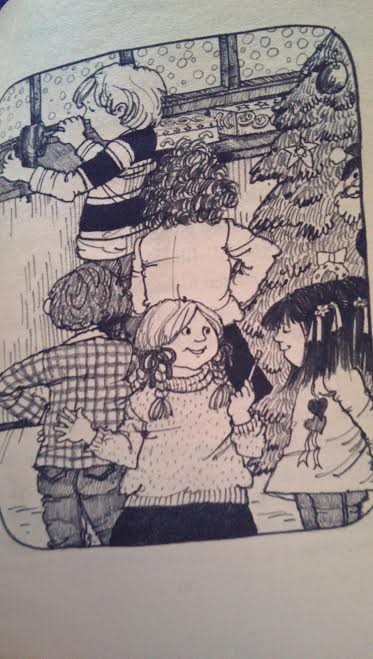 Emily doesn’t think much of Jill Simon because she’s fat and a crybaby. Whenever the least little thing goes wrong, Jill tears up. She hardly ever smiles. But, although Emily isn’t thrilled at first to have Jill as her Secret December Person, she then thinks that she can use this as an opportunity to help Jill. Maybe her presents will help Jill to become a happier, maybe even thinner person.
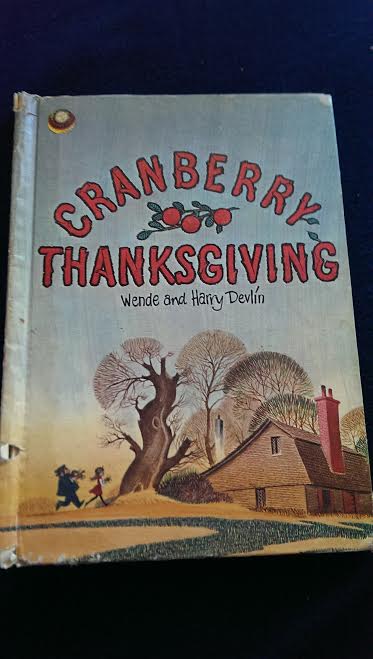 Cranberry Thanksgiving by Wende and Harry Devlin, 1971.

 The Blue-Nosed Witch by Margaret Embry, 1956.
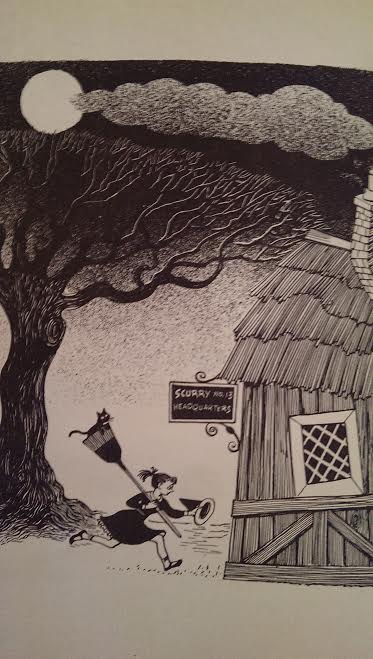 Blanche looks for her fellow witches but ends up joining a group of trick-or-treaters by mistake. They love her blue nose and introduce her to the idea of trick-or-treating. Thinking that even the grumpiest man in town would be impressed by Blanche’s amazing nose, they stop at his house, too. The old man isn’t impressed by anything and plays a mean trick on the kids. However, Blanche is a real witch, and she and her cat Brockett give the old man a real Halloween scare.
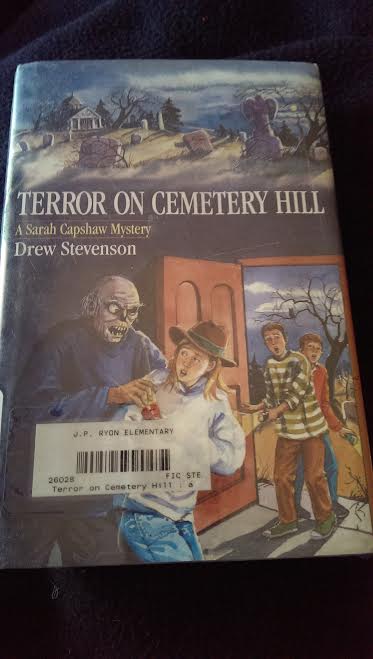 Terror on Cemetery Hill by Drew Stevenson, 1996.
 Jestress's Forgotten Books and Stories