Encyclopedia Brown and the Case of the Dead Eagles and Other Mysteries by Donald J. Sobol, 1975.
The Idaville police department has an excellent record, but that’s because the chief of police’s ten-year-old son is Encyclopedia Brown. People praise Chief Brown, and Chief Brown doesn’t feel like he can admit how much help his son gives him because he doubts anyone would believe him. Encyclopedia himself doesn’t want to admit to other people that he helps his father figure out tough cases because he doesn’t want to seem too different from the others kids at school. However, Encyclopedia also has a detective business, helping the neighborhood kids to solve their problems for only 25 cents a day, plus expenses. Sally, a smart and tough girl, is his partner in the detective business, and Bugs Meany, a bully who’s the leader of a local gang of youths called the Tigers, is their main nemesis, although they also deal with other bullies and criminals.
I always liked Encyclopedia Brown books when I was a kid! There are a couple of instances where modern kids might not understand the solutions to some cases because of certain habits and traditions that modern people don’t follow anymore. There is one case in this book in particular that I didn’t understand when I was a kid, and I wouldn’t expect modern kids to get the answer, either.
The book is available to borrow and read for free online through Internet Archive (multiple copies).
Stories in the Book:
The Case of the Dead Eagles
Encyclopedia is camping with his friend Charlie Stewart when they hear a gunshot. When they go to investigate, they find a dead eagle. They think they know who’s responsible because this person has killed eagles before. Can they prove it in time to save the mother and babies from the same fate?
The Case of the Hypnotism Lesson
A boy named Dave hires Encyclopedia because he thinks Bugs Meany cheated him. (Always a likely possibility in anything Bugs does.) This time, Bugs charged Dave a dollar for a lesson on hypnotizing lobsters. Dave saw Bugs and his friends cooking and eating lobsters they had caught earlier, and Bugs told him that the secret to catching lobsters is to hypnotize them. However, when Dave gave him the money, Bugs just showed that he could pick up a lobster, and the lobster wouldn’t move. He didn’t actually show Dave any hypnotism and refused to teach him anything unless he paid more money. Dave realizes that Bugs was trying to trick him and wants his money back. When Encyclopedia sees a picture that one of Bugs’s friends took, he knows how to prove that Dave was cheated.
The Case of the Parking Meters
Both Encyclopedia and his detective partner Sally have received phone calls asking them to meet people at different locations, but each time, they waited around, and nobody showed up. They’re starting to suspect that this is another of Bugs Meany’s tricks, trying to get back at Encyclopedia for foiling his schemes. Sure enough, Bugs Meany shows up at Encyclopedia’s house with a police officer, claiming that Encyclopedia is running a racket to get money from people parked at parking meters by putting money in the meters, telling them that they’ve been saved from the fine for an expired meter, and asking them for money for the favor. The police officer isn’t sure that such a thing is actually illegal, although he’d have to inquire with a judge about the matter. Bugs claims that he could prove what happened except that Sally stole the film that he had of Encyclopedia putting money in the meters. When Bugs manages to “find” the film where Sally supposedly ditched it after taking it, Encyclopedia points out why Bugs’s story can’t be true. The solution would make more sense to somebody who understands how reel-to-reel films work.
The Case of the Hidden Will
Encyclopedia’s father, Chief Brown, tells him that a wealthy man named Brandon King has died, but his will is mysteriously missing. Evidently, Mr. King hid the will himself and swore his own lawyer to secrecy about it. The reason for the secrecy is apparently because one of Mr. King’s four sons, who all helped to run the family business, is a thief. Mr. King’s friends knew that was the case, although none of them knew which son it was. Mr. King’s lawyer gave Chief Brown a note written by Mr. King which hints at which son is the thief and saying that his property will go to the other three sons. Chief Brown isn’t sure which of the Kings is considered the “odd King out” until Encyclopedia tells him who it has to be, and Encyclopedia also tells him where the will is.
The Case of the Mysterious Thief
Encyclopedia and Sally go to a restaurant to order a pizza for lunch. While they’re waiting for their pizza, someone attacks the owner’s daughter in the ladies’ room and steals the money she was going to take to the bank. The owner’s daughter is very strong, and it must have taken someone very strong to overpower her and knock her unconscious so quickly and easily. It doesn’t seem likely that it would be a woman, but people would have noticed if a man had gone into the ladies’ room. Sally figures out the answer to this one, but it isn’t likely that modern readers. I didn’t get it when I was a kid, either, because the solution is based on an old piece of etiquette in restaurant seating that I don’t think people observe anymore.
The Case of the Old Calendars
Encyclopedia and Sally hurry over to Butch Mulligan’s house because they hear that Butch is fighting Bugs Meany and the Tigers. Butch is a big, strong 18-year-old, and the Tigers are no match for him. Encyclopedia asks Butch’s younger brother how the fight started, and he explains that Butch’s math teacher recently moved and gave Butch a stack of old calendars with some cool Civil War pictures on them. Then, Bugs claimed that he asked the teacher for those calendars himself, but the teacher forgot. He produced a note supposedly from the teacher that asks Butch to share the calendars with Bugs. Butch was willing to share, but there are an odd number of calendars, and Butch thinks Bugs cheated on the coin flip they had to determine who would get the odd one. He probably did, but Encyclopedia can prove that Bugs faked the note from the teacher, too.
The Case of Lightfoot Louie
Only a few days before the state worm-racing championship, Encyclopedia’s friend Thad accidentally stepped on his prize worm. It’s sad, but as a member of the Worm Racers’ Club of America, Thad can time other people’s worms to be entered in the race. He’s worried because Hoager Dempsey wants him to time a worm, and if he says the worm isn’t fast enough to enter the race, Hoager might beat him up. Thad asks Encyclopedia and Sally to watch the time trial as witnesses to make sure there’s no foul play.
The Case of the Broken Window
John Hall is a wealthy man with an impressive stamp collection. Some of his stamps are worth thousands of dollars. One evening, he calls Chief Brown and asks him to come to his house but to wear a costume because he’s giving a costume party, and he doesn’t want his guests to know that he’s called the police. Chief Brown and Encyclopedia put on their Halloween costumes and go to the Hall estate to investigate the theft of one of Hall’s expensive stamps. Hall thinks one of his guests is the thief, but which one?
The Case of the Gasoline Pill
“Twinkletoes” Willis is a young track star, and he comes to see Encyclopedia about a run-in that he had with Wilford Wiggins, a local high school dropout who’s into get-rich-quick schemes. Wilford has called a meeting of local kids at the city dump to tell them his latest money-making idea, which can only mean trouble. Wilford’s latest money-maker is a pill which he says allows cars to drive thousands of miles if you put it in the gas tank. Fortunately, Encyclopedia knows just how to prove that Wilford is a fraud.
The Case of the Pantry Door
Hilda’s hobby is fly hunting, and she’s a crack shot with rubber bands. She invites Encyclopedia and Sally to a little birthday party that she’s having for her pet frog, who lives in the birdhouse in her backyard. When Encyclopedia and Sally go into the pantry at Hilda’s house for sugar for catching flies, someone locks them in and steals the household money that Hilda’s mother hid in the kitchen. Hilda’s cousin, Lois, says that she saw a boy running away from the house, but Encyclopedia knows who really took the money.
TACK into Danger by Marvin Miller and Nancy K. Robinson, 1983.
This book is part of the TACK mystery series, which is very much like the Encyclopedia Brown series, although it’s not as well known and doesn’t have as many books. In fact, my copy references Encyclopedia Brown on the back: “Move over Encyclopedia Brown … make way for the TACK Team!”
The books in the series are collections of short mysteries that readers are invited to solve along with the characters before looking at the answers. TACK is an acronym for the names of the main characters. They’re kind of a mystery-solving club of neighborhood kids, although they say that they don’t really have a clubhouse or regular meetings. They just help out members of their community by solving problems whenever they can.
T = Toria – Her full name is Victoria Gardner, but she doesn’t like being called Vicky. She is the one who narrates the stories. She wants to be a newspaper reporter when she grows up, and she considers the journals she keeps of the group’s cases to be good writing practice.
A = Abby – Her full name is Abby Pinkwater. Abby and Toria were best friends before she moved away. Now, Abby is considered their “Agent-on-Remote” because the others still consider her part of the group, and she still comes back to visit and becomes involved with their mysteries, even though she no longer lives close.
C = Chuck – Chuck is the best speller at school, and his participation in a spelling bee is part of one of the stories.
K = Will – His full name is Will Roberts, and he’s the leader of the group, although he leads in a very informal way. Will’s initial is the odd one out. They use ‘K’ in place of his initial both because it makes their acronym easier to pronounce and because ‘K’ stands for “SWITCH” in telegraph language, and they think that’s an appropriate code name for him “because of the way his mind can switch all over the place.”
Overall, I like the characters in the stories, and I think they’re well-written. They would be of interest to people who like Encyclopedia Brown and similar types of Solve-It-Yourself style mysteries.
Stories in the Book:
The Comic Book Caper
Toria and Will are on their way to Will’s father’s hardware story, where they’re supposed to be helping out, when Toria’s sister Holly says that she wants a comic book. Toria takes Holly to buy one so she’ll be entertained while the older kids are helping at the store. While Holly is looking for a comic to buy, Toria overhears a couple of rough sailors talking about someone they’re waiting to meet. They don’t know what the man they’re waiting for looks like, but there’s a code word that he’s supposed to use. Unfortunately, the code word turns out to be the name of the comic Holly wants to buy, and the men start following Holly, thinking that she might be some kind of courier. Toria is afraid of what the men might do to Holly because her comic contains a secret message relating to a boat that’s recently been stolen.
Spelldown!
Chuck is taking part in the county spelling bee, but the bad news is that so is a kid from Monrose, and the Monrose kids are known to be cheaters. The meanest kid at Monrose (and that’s saying something) is Red Jamieson, and he’s made it known that he’s going to do something terrible to Chuck if he doesn’t let the Monrose student win the spelling bee. Will tells Chuck not to worry about that because he’ll come up with a plan to distract Red so he won’t have time to come after him. One thing that Red can never refuse is a chance to bet on something. After the spelling bee, Will offers Red the chance to hit him while the two of them are standing very close together, but only on the condition that he pick the spot where they’ll stand.
The Great Blueberry Pie Robbery
Will and Cyrus are spending the day with Toria’s family. They were going to have a cookout, but they have to change their plans because it rains. Instead, they decide to spend their time inside, reading. However, Cyrus brings Toria’s mother some blueberries, which she makes into a pie. Everyone is looking forward to having the pie after dinner, but when dinner ends, they discover that someone has eaten all of the filling out of the pie. Toria’s mother demands to know who the guilty party is, and this time, Toria is the one who comes up with the solution.
TACK into Danger
Abby comes to visit her friends for the summer, and they tell her about the cases they’ve recently solved, especially the one about the boat theft. As their reward for catching the thieves, they’ve been getting free sailing lessons from the boat owner, Johnny, and Abby gets to join them. However, while they’re out sailing, someone else driving their motorboat recklessly breaks a sign and rocks their boat. The boom swings over and hits Johnny in the face, breaking his nose. The kids need to get Johnny to the Coast Guard station, but how will they figure out which way to go with the sign broken?
Zoo TACT-tics
Will’s aunt takes the kids to the zoo along with her young son, Nicholas. While they’re at the zoo, they spot a dog who has somehow found his way into the polar bear enclosure. Fortunately, the polar bear is asleep, but can they get the dog out without waking the bear?
E-Z Parties, Inc.
Holly’s birthday is coming up, and Toria’s mother is overwhelmed with playing for it. Every year, it seems like Holly’s birthday part is difficult: kids fighting and crying, Holly not wanting to invite certain girls to the party, Holly wanting to buy a wedding cake she saw in a store window, etc. Toria’s mother wishes someone else could handle all the fuss, so she hires Toria and Will to do it. They manage to pull off the party without the kids getting into any fights, although it gets tricky when trying to divide a piece of cake between a set of twins in a way that satisfies each of them.
Halloween Shadows
Toria isn’t happy that her mother made her a haystack costume for Halloween because it feels clumsy and it’s difficult to see out of. As soon as she and Will are finished taking their younger siblings trick-or-treating, she makes herself a ghost costume for when she and Will are going to meet Chuck for more trick-or-treating by themselves. However, while she’s waiting for the boys, she sees someone in a skeleton costume like Will’s with someone dressed like a ghost and follows them into the graveyard, where they climb a tree and just look down at her creepily. At first, Toria thinks the boys are playing a trick on her, but then Will shows up, proving that the kid in the tree wearing a skeleton costume isn’t him. It’s just a coincidence that there are two sets of kids wearing similar costumes. However, some angry adults come along because a kid in a skeleton costume and a kid in a ghost costume just played some nasty tricks at their houses. When the adults see that there are two sets of kids who look alike, can Toria and Will prove to them that the pranksters are the other kids?
TACK Secret Service by Marvin Miller and Nancy K. Robinson, 1982.
This book is part of the TACK mystery series, which is very much like the Encyclopedia Brown series, although it’s not as well known and doesn’t have as many books. In fact, my copy references Encyclopedia Brown on the back: “Move over Encyclopedia Brown … make way for the TACK Team!”
The books in the series are collections of short mysteries that readers are invited to solve along with the characters before looking at the answers. TACK is an acronym for the names of the main characters. They’re kind of a mystery-solving club of neighborhood kids, although they say that they don’t really have a clubhouse or regular meetings. They just help out members of their community by solving problems whenever they can.
T = Toria – Her full name is Victoria Gardner, but she doesn’t like being called Vicky. She is the one who narrates the stories. She wants to be a newspaper reporter when she grows up, and she considers the journals she keeps of the group’s cases to be good writing practice.
A = Abby – Her full name is Abby Pinkwater. Abby and Toria were best friends before she moved away. Now, Abby is considered their “Agent-on-Remote” because the others still consider her part of the group, and she still becomes involved with their mysteries, even though she no longer lives close.
C = Chuck – The stories in this book don’t explain very much about Chuck and his background compared to the other characters, although he has a dog named Duchess who is the subject of one of the stories.
K = Will – His full name is Will Roberts, and he’s the leader of the group, although he leads in a very informal way. Will’s initial is the odd one out. They use ‘K’ in place of his initial both because it makes their acronym easier to pronounce and because ‘K’ stands for “SWITCH” in telegraph language, and they think that’s an appropriate code name for him “because of the way his mind can switch all over the place.”
Overall, I like the characters in the stories, and I think they’re well-written. They would be of interest to people who like Encyclopedia Brown and similar types of Solve-It-Yourself style mysteries.
The book is available to borrow and read for free online through Internet Archive.
Stories in the Book:
TACK Secret Service: Operation Goldfish
The kids are getting ready for the science fair at school. They are not looking forward to the arrival of kids from a rival school because they don’t play fair, and a boy called Red Jamieson sometimes deliberately wrecks other kids’ projects. Will is helping a boy named Hugo to protect his project because someone stole the plans for the project the day before. The kids suspect Red and his friend, Lester. As the kids try to maintain surveillance on the exhibits, someone steals one of their walkie talkies and threatens to ruin it if they don’t turn over Hugo’s invention for remotely feeding goldfish.
The Locked House Mystery
Will and his brother Cyrus are staying with Toria’s family for a few days while their parents are on a skiing trip. The only problem is that Toria’s family has a cat, and Cyrus is allergic to cats. At first, they think it will be okay because Cyrus has his allergy pills, but it turns out that he forgot them at home, and he also forgot the house key. How can they get his allergy medicine from a locked house when they can’t reach the spare key?
The Pirates of Sandy Harbor
Toria is writing a report about the founder of their town, Simon Hawk, but she needs more information. She goes to the local historical society, but there, she discovers that an old note has been found that indicates that Simon Hawk may not have been the hero that everyone believes he is. Rather than chasing off the pirates that plagued the area, he may have been in league with them! Toria can’t finish her report until she knows the truth, but fortunately, Will spots something about the message that clarifies everything.
The Dance of the Trees
Toria’s sister, Holly, is in a dance recital with her ballet class where the best dancer in class gets to be a fairy, and the other girls get to be living trees. (Holly isn’t thrilled about that until she see the tree costumes, which are pretty cool.) Unfortunately, the girl playing the part of the fairy gets sick, and there isn’t enough time for someone else to learn her part. What can they do?
A Slipper for Ripper
Chuck worries that his mother will give away his dog, Duchess, if she doesn’t stop chewing things. They’ve tried giving her all kinds of chew toys, but she doesn’t like any of them. She just wants to chew things that belong to people. Will’s younger brother, Cyrus, thinks he’s found a solution, figuring out how to make what he calls “dognip.” However, when they arrive at Chuck’s house, Duchess has a slipper belonging to Chuck’s mother. Cyrus hurriedly gets the slipper away from Duchess and throws it into the next yard, but that’s where the violent dog Ripper lives. At first, the kids’ attempts to distract the dog and get the slipper only make the situation worse, but Will figures out how they can retrieve everything from Ripper’s yard safely.
The Case of the Haunted Dollhouse
Toria’s best friend, Abby, who moved away before the beginning of the book, calls Toria to tell her that her family is coming back to town to visit her grandmother, and she can see Toria when they come. However, this isn’t just an ordinary visit. Abby’s family is concerned because her grandmother is acting strangely, and her parents are worried that she might be getting senile. She’s talking about selling the fantastic dollhouse that she’s had since she was little, which is now a family heirloom. She’s become afraid of it because she thinks it might be haunted.
The Haunted Dollhouse – Part II
The kids figure out what’s created the haunting phenomena in the doll house, but when they go to tell Abby’s grandmother about it, they learn that she’s moved out of the old family home where she also runs her antique shop because other strange things have been happening. The temperature in the house inexplicably drops, and she’s been hearing music that seems to come from the dollhouse with no apparent cause. The adults are still concerned about her mental state, but the kids realize that there’s someone who’s behind all the strange things that have been happening. Who is playing ghost?
The books in the series are collections of short mysteries that readers are invited to solve along with the characters before looking at the answers. TACK is an acronym for the names of the main characters. They’re kind of a mystery-solving club of neighborhood kids, although they say that they don’t really have a clubhouse or regular meetings. They just help out members of their community by solving problems whenever they can.
T = Toria – Her full name is Victoria Gardner, but she doesn’t like being called Vicky. She is the one who narrates the stories. She wants to be a newspaper reporter when she grows up, and she considers the journals she keeps of the group’s cases to be good writing practice.
A = Abby – Her full name is Abby Pinkwater. Abby and Toria were best friends before she moved away, which happened before the series even begins. Now, Abby is considered their “Agent-on-Remote” because the others still consider her part of the group, and she still becomes involved with their mysteries, even though she no longer lives close. She sometimes comes to visit or writes letters to the others about problems at her new school.
C = Chuck – His older sister Kate gets married in the first story in this this book, and during the field day story, the other kids say that he’s the best cyclist at school. Toward the end of this book, they mention that Chuck has just gotten a puppy named Duchess, which would actually make this book the first book in the series, before the one that’s often listed first.
K = Will – His full name is Will Roberts, and he’s the leader of the group, although he leads in a very informal way. Will’s initial is the odd one out. They use ‘K’ in place of his initial both because it makes their acronym easier to pronounce and because ‘K’ stands for “SWITCH” in telegraph language, and they think that’s an appropriate code name for him “because of the way his mind can switch all over the place.”
Overall, I like the characters in the stories, and I think they’re well-written. They would be of interest to people who like Encyclopedia Brown and similar types of Solve-It-Yourself style mysteries. Many of the problems and solutions to the mysteries in this book are popular logic puzzle concepts.
The book is available to borrow and read for free online through Internet Archive.
Stories in the Book:
The Case of the Invisible Skunk
Chuck’s older sister, Kate, is getting married. There’s a big tent in the backyard, and his mother is busy making arrangements for the wedding. Then, something unexpected happens that his mother is afraid will ruin everything: a skunk has somehow found its way into their garage. Chuck’s mom doesn’t know how to get the skunk out of the garage without frightening it, and if it gets scared, it will spray and make the whole yard smell terrible. However, Will has another suggestion for solving the problem.
TACK to the Rescue
Will calls Toria and tells her that the light at the Corkhill lighthouse is out. It’s important because the lighthouse helps boats navigate around a dangerous area, and if the light is out, boats might crash on the rocks. Ordinarily, they could just take the ferry out to the light and fix it, but the ferry is also broken down. The man who normally runs the ferry is trying to repair it. The local fishing boats are also out, so they can’t even borrow a boat. The only boat the repairmen have is a little dinghy that will only hold one adult, but both of them are needed to repair the light. How can they use the dinghy to get both men out to the lighthouse before dark?
The Jungle Adventure Adventure
The kids’ class at school is going on a field trip to an amusement park called Jungle Adventure. However, they run into trouble when they encounter a tunnel that the bus is just slightly too high to go through. What are they going to do?
The Disappearing Penny
The town of Sandy Harbor is raising money for a new library. Various people are giving shows and holding sales to raise the funds. The kids are helping with a bake sale when Will’s little brother realizes that he accidentally charged three boys the wrong price for a brownie. He goes after them to give them the correct change, but he runs into a problem. He’s supposed to give them five cents, but since there are boys and the money can’t be divided evenly, he gives them three cents and spends the other two on bubble gum. However, he feels guilty about it and can’t figure out how to make the math of the situation come out right. Toria gives him a suggestion to straight it all out.
TACK Tactics
The fund raising for the new library was a success, so everyone is celebrating. However, they quickly realize that there’s a new problem: they forgot about the cost of moving the books from the old library to the new one. They don’t have enough money to cover the costs and buy the new furniture for the children’s room. Fortunately, Will comes up with a straightforward suggestion to solve the problem.
Holly and Her Pet Pingo
Abby returns to town for a visit, and they all take a trip to the nearby state park. Toria’s little sister Holly insists on bringing her pet ping-pong ball Pingo with her. When Pingo gets trapped in a hole, the kids have to figure out how to get it back.
The Day of the Monsters
The Sandy Harbor kids aren’t enthusiastic about the Fall Field Day because they’re competing against kids from a rival school called Monrose. The Monrose Monsters are known for cheating, so the Sandy Harbor kids know that the contests won’t be fair and that they’re going to lose. Will temporary distracts Red Jamieson, the meanest kid at Monrose, with a bet that he can kick a soccer ball so that it will move away from him and then come back to him on its own.
The Day of the Monsters – Part II
As the Fall Field Day continues, the Monrose Monsters are up to their usual tricks. The Monrose players kick the Sandy Harbor players during the soccer game, and Red Jamieson uses a mirror to blind the Sandy Harbor goalie so Monrose can score more goals. When the kids try to tell their gym teacher about it, she doesn’t really listen to them and tells them not to be sore losers. The kids realize that they’re on their own to deal with Monrose. The last race of the day is a bike race, and Chuck has to compete against Monrose mean girl Gretchen. However, there’s a twist to this contest: the gym teacher says that the winner of the contest is the one whose bicycle finishes last. How is that going to work?
The Case of the Telltale Tattletale
At the end of the tortuous field day, Red Jamieson jumped off the bleachers on top of Will, who was sitting nearby, breaking Will’s leg. The adults are convinced that Red must have fallen, but the kids who witnessed the incident know better. Will has to stay home and rest while his leg heals. His friends bring him his schoolwork and letters from the other kids at school. Soon, Will is bored and restless. He’s tired of the puzzle books his friends have given him because he wants a real puzzle to work on. Fortunately, a letter from Abby brings him the mystery he’s looking for. Someone at her new school is writing nasty notes to her teacher about all the bad things people say about her behind her back. Some of the criticism of their teacher is true, but the other kids in class never meant to make her feel bad because they don’t like her jokes or think she looks funny. They’re also offended that one of the other students is spying on them and revealing things that they said in confidence. Some of the students are being punished by their parents for rude things they’ve said about the teacher, so they have reason to resent the class tattletale. All of the notes are signed with an odd ink blot. Can Will figure out who the poison pen tattletale is from his bed, 300 miles away?
Punch (real name Philip) Wagner and his family are spending the summer by the sea in North Carolina, and his parents have let his friend Tom Ellis come with them. The 12-year-old boys are looking forward to exploring the area by themselves, but Punch’s father has arranged for the son of a friend of his to be their guide. At first, Punch isn’t thrilled about his father arranging for them to be led around by a boy they don’t know. Punch’s father has a very different personality from Punch. His father is a professor, very academic, so Punch doesn’t feel like he can take his father’s word that they’ll get along with this new boy. Punch and Tom particularly wanted their independence and a chance to make some plans of their own.
However, Punch is surprised to discover that his father’s old friend is a laid-back, jovial man who calls his father “old crawdad.” His son, Skeeter Grace, is a little younger than Punch and Tom, which makes Punch even less enthusiastic about having him as a guide. Skeeter Grace doesn’t seem to be any more excited about hanging out with Punch and Tom as they are with him, but the adults suggest that Skeeter take the other boys for a boat ride. Punch’s pretty older sister, Lila, says that she’d like to go with them. Punch warms up to Skeeter when he finds out that he participates in dolphin watches run by Duke University because he loves dolphins, although he considers Skeeter a bit of a know-it-all.
When Punch tries to ask Skeeter if he plans to work with the dolphin researchers when he grows up, Skeeter becomes oddly touchy. Punch mentions it to his father, and his father explains that nobody in Skeeter’s family has been to college before. His father is a carpenter, and it isn’t expected that Skeeter will attend college, either. Punch’s father points out that it must be difficult for Skeeter to want something that he doubts he’ll ever be able to get.
Punch is particularly interested in an old house nearby where Blackbeard once lived. He tries to persuade Skeeter to come with him and Tom to check it out, but Skeeter warns them not to go there. For one thing, that house is owned by somebody who wouldn’t like them trespassing, and for another, Skeeter is firmly convinced that the house is haunted by the ghost of Blackbeard. Lila says she doesn’t know why the boys are so interested in Blackbeard because he was a horrible person who killed people and “used women” (no details given, but you get the idea). Punch’s main interest is the stories about Blackbeard’s hidden treasure. He wants to be the one to find it.
The boys go by Blackbeard’s old house, now called Hammock House, and they’re started by the sound of something hitting the roof and dropping down to the ground. When Punch picks up the small object, he discovers that it’s a small plastic skull with glittering red eyes. It’s startling, but it doesn’t seem likely that a real pirate ghost would toss them a plastic skull. Tom thinks maybe it’s some kind of warning, but Punch thinks that Skeeter probably tossed the little toy skull in the air when they weren’t looking, just to scare them.
Punch eventually persuades Skeeter to help him and Tom search for the treasure by pointing out to him that he would be able to afford college if they found Blackbeard’s treasure. He sees how badly Skeeter wants to go to college when Skeeter jumps on the project, bringing along a metal detector and helping the other boys dig and do research. At first, Punch just thought of the project as a fun summer adventure, but when he realizes what a big difference it would make to Skeeter to really find the treasure, the hunt becomes much more serious. Punch knows that searching for the treasure is a long shot, and it would be disappointing if they never found anything. Since it will be several more years before Skeeter will be old enough for college, they don’t have to succeed this summer, and the boys discuss making it an annual project every summer.
To make the most of this summer, they want to spend some time camping out and searching for treasure. Punch’s mother is reluctant to let the boys do that until Lila says that she’ll go with them. Lila knows that the boys are searching for treasure, and she encourages them to get into the mindset of being pirates as much as possible.
While the boys are using a metal detector, they find an old metal box. The contents don’t look like pirate treasure, but they appear to be someone’s treasure. There’s an old Bible, some jewelry, and a couple of tarnished silver baby spoons. On one hand, the boys are pleased to have found something, but on the other, it’s not as grand as what they had hoped to find. Lila says that the jewelry could be valuable, and the boys think that the local historical society might be interested in the old Bible. Skeeter explains that there used to be an old whaling community in the area they’re searching, but it was often damaged by storms. He says people sometimes buried valuables, knowing that their homes could be damaged or destroyed by storms. He figures that the owner of this particular box could have been killed in one of the storms, which is why he never returned for his box. They find some other boxes that appear to have been lost in a shipwreck, including one with spices and one with bottles of alcohol, but none of them are what they’re really looking for.
More and more, Punch becomes convinced that the only place where they should be looking for Blackbeard’s treasure is around his old house. He finally persuades Tom and Skeeter to come with him and have a look.
However, the house doesn’t seem as empty as the boys assumed it would be. Punch’s dog seems afraid of the house, and they still don’t know where the little plastic skull came from. Then, the boys hear a frightening scream, like the screams of a girl who was supposedly murdered by Blackbeard years ago. Is the house really haunted?
My Reaction and Spoilers
For most of the book, the boys are doing things like watching the dolphins, camping out, and digging for treasure in various places. The question of whether or not Blackbeard’s old house is haunted is the main mystery of the story, but the story doesn’t really become about that until almost the end of the book. Punch has the little skull to puzzle over before that, but it isn’t until the boys return to Hammock House to look for buried treasure that they become truly concerned with the ghosts that seem to be haunting the place.
There is a logical explanation behind the hauntings, at least some of them, making this the kind of Scooby-Doo Pseudo-Ghost Story that I always liked as a kid. In a way, this story is also a kind of MacGuffin story. It’s not so much what the kids find as the adventures that they have during the search that are important. The boys’ fathers understand because they later confess that they also hunted for Blackbeard’s treasure when they were young. It seems that, even though Punch thinks of his professorial father as being very different from him, when he was young, he was much the same sort of boy that Punch is now. Skeeter’s dreams of studying marine biology also do not depend on finding Blackbeard’s treasure. When his father finds out that’s what Skeeter really wants to do, he’s supportive, and Punch’s father, as a professor, offers some useful advice about scholarships.
There is some alcohol use in the book. There is a part of the story where the boys find a box with old liquor bottles and drink the contents, pretending like they’re pirates drinking rum. The boys get drunk and make themselves sick, and when Lila catches them, she lectures them about how they could have died. My first thought was that only an idiot drinks from random bottles that they just find. Even though they thought they were probably whiskey bottles, “probably” doesn’t seem good enough to just start drinking it. Also, Lila is right that they could have killed themselves from drinking too much. It is possible to die from alcohol poisoning by drinking way too much liquor of any kind all in one sitting, as kids they would be hit much harder than full-sized adults, and not having any prior experience with alcohol, they have no sense of their own limits. I’ve heard of college parties where people have died from alcohol overdose because they were new to drinking, didn’t know when they were going too far, and were in an environment where people were encouraging drinking to excess rather than learning restraint. What I’m saying is that the boys were in real danger because they were too young and inexperienced to understand the danger they were in. Fortunately, the boys learn their lesson without any lasting harm, and making themselves sick means that they’re unlikely to make the same mistake again.
The Secret of Skeleton Island by Robert Arthur, 1966.
In the original editions of The Three Investigators, their cases were introduced by Alfred Hitchcock. Later editions of the books were rewritten to remove Alfred Hitchcock, but I’m using the version of this book that includes Alfred Hitchcock for my review.
At the beginning of the story, Alfred Hitchcock himself brings the boys a new mystery and an acting job. Of the three boys, only Jupiter has done any acting before. However, Alfred Hitchcock knows that Pete’s father is a movie technician and that he’s working on a new suspense film. When Hitchcock speaks to the boys, Pete’s father is helping to restore an old amusement park on an island off the southeast coast of the United States that will be used in the movie. The name of the island is Skeleton Island because it’s shaped like a skull, and other formations around it look like part of a skeleton. It was once a place where pirates hid out. Sometimes, people still find buried bones there, and the island is supposedly haunted. The problem is that someone has been stealing equipment from the movie company and sabotaging their boats. Hitchcock wants the boys to discover who is behind the theft and sabotage. As their cover for the investigation, the boys can take part in a short film being shot at the same location, about a group of boys searching for pirate treasure.
When the boys arrive at Skeleton Island, they hear about the Phantom of the Merry-Go-Round. Supposedly, years before, there was a girl who was riding the merry-go-round at the amusement park when there was a terrible storm. The girl, Sally, refused to get off the merry-go-round with everyone else, and she was killed when the merry-go-round was struck by lightning. Since then, the merry-go-round supposedly runs by itself, and Sally’s ghost rides it. The amusement park has been abandoned for years, but people still report seeing Sally’s ghost and the running merry-go-round.
The man who was supposed to bring the boys to the island, Sam, maroons them in the wrong place at night during a storm. They are rescued by Chris, a young diver who originally came from Greece, who was hoping to get work in the movie industry and is currently looking for treasure because he needs money to help his father. He says that he has sailed the area many times in his boat, and he tells the boys the legend of the pirate who was executed there, Captain One Ear. Nobody was able to find his treasure, and he went to his execution saying that Davy Jones had it. People have believed that the treasure is lost at sea, dumped overboard by Captain One Ear, and occasionally, a gold doubloon washes up on shore on the island, which seems to indicate that’s what happened. (ch 3)
As the boys approach the island with Chris, they see what looks like the lights of the merry-go-round with a pale figure among the horses. It looks like a girl in a white dress, and they hear the music of the merry-go-round. The Three Investigators want to go see the ghost and investigate, but Chris refuses. Instead, he takes the boys to the boarding house in town.
When the boys tell Pete’s father and the other movie people about their night’s adventures, they learn that Sam is known as a local prankster and troublemaker, and he’s been in trouble with the law before. Could he be behind the thefts, sabotage, and apparent hauntings? Some people suspect Chris because he’s a foreigner, local people don’t trust outsiders, and everyone knows that Chris needs money for his father, who has health problems. Maybe he could be stealing from the movie company to get money. On the other hand, the movie people are suspicious of some of the local fishermen. Some of the local people suspect that the movie people are secretly looking for pirate treasure instead of making a movie. Then, the boys learn about a robbery that took place in the area years before and are told that the robbers have recently been released from prison. It seems like there’s no end of suspicious people!
The Three Investigators think that the culprit behind everything is someone who was to drive away the movie company and keep people off the island. Who could that be, and what is there on the island that someone wants to protect?
The book is available to borrow and read for free online through Internet Archive (multiple copies).
My Reaction
I enjoyed this book because of its abundance of suspects! I kept changing my mind about what was really happening and who was behind it. Because there were several mysterious things happening at once – lost pirate treasure, ghost at a haunted amusement park, sabotage of the movie crew, old robbery with the money never found and the robbers recently released from prison, and suspicious locals suffering from a failing local economy – it occurred to me that there might even be multiple plots being staged by multiple people. There is one main scheme, and it is the one that I thought would be most likely, but there’s plenty of adventure and plot twists along the way. In the end, things are wrapped up neatly without any hanging plot threads.
Mystery of the Haunted Pool by Phyllis A. Whitney, 1960.
At the beginning of the story, Susan Price is traveling alone to visit her Aunt Edith. Her father is in the hospital, and her mother and brothers are tending to things at home. Her family wants her to make a good impression on Captain Daniel Teague, who lives in Aunt Edith’s town. Her father’s doctor has advised him to move to the country, where there is less air pollution, and the family would like to move to the small town along the Hudson River where Aunt Edith owns an antique store. However, the only available house that would be big enough for the family would be the Teague house, and Captain Dan hasn’t decided whether to rent or sell his house to them or not. Before Susan arrives, she isn’t sure what’s going on with Captain Dan and the arrangements regarding his house, but it turns out to be a complicated situation involving her aunt’s antique business, the Teague family history, and Captain Dan’s grandson, Gene.
When Susan’s bus reaches the bus stop, Aunt Edith isn’t there to meet her, so she walks to her aunt’s store. Aunt Edith apologizes for not meeting her. The reason why she didn’t is that a woman named Altoona was hanging around her shop, and she didn’t want to leave Altoona there alone. Lately, Altoona has been acting suspiciously, snooping around the shop as though she’s looking for something but doesn’t want anyone to know. Aunt Edith doesn’t know what Altoona is looking for, but it’s making her nervous. In particular, Altoona seems interested in a barrel of old books that Aunt Edith is selling on commission for Captain Dan, but Aunt Edith doesn’t want her looking through them until she’s had a chance to examine them herself.
Aunt Edith says that she’s known Altoona since they were children. Altoona was raised by her father and an older sister, both of whom were strict and unloving. Altoona led a very restricted life until her father and sister both drowned in a boating accident. Since then, Altoona has been indulging herself by spending her inheritance on antiques. However, rather than being a good customer of Aunt Edith’s, Altoona has turned into competition. She seems to delight in trying to beat Aunt Edith to some fascinating antique. Altoona seems to be on the trail of some new discovery, but Aunt Edith doesn’t want to give her the chance to poach something that might be right under her nose in her own shop.
Since Aunt Edith’s husband died years before, she’s been living in a back room of her shop. With her brother and his family wanting to move to the country, she’s planning on helping them get a house and living there with them. Aunt Edith has her eye on a particular house owned by Captain Daniel Teague, but he’s been reluctant to sell, which is why it would help if Susan made a good impression on him. Captain Dan has been living in a big old house with his grandson, Gene, but it’s an expensive house to maintain for just the two of them. He’s been considering renting it to Susan’s family with an option for them to purchase it later. However, he’s been dragging his feet on making a final decision because he wants to make sure that he approves of the Price family and that Aunt Edith won’t sell any of the antique furnishings from the house in her shop without permission. Also, Gene is upset at the idea of moving, and Captain Dan is concerned about Gene.
Aunt Edith explains that Gene is just a little older than Susan and that he was injured in an accident a couple of years before. He was hit by a car, and he’s been in and out of the hospital for treatment. Even now, his leg is stiff, and he has to wear a brace. Susan witnesses his frustration when she watches him trying to play basketball alone the first time she meets him. She can tell that he’s been trying really hard to overcome his disability, but things are still very hard for him. Susan is touched by Gene’s struggles and his stubborn efforts to succeed. She also discovers that he has strength and coordination in his arms, even though his left leg is very weak. When she asks Gene to teach her how to shoot baskets so she can impress one of her older brothers, she begins to realize that sometimes Gene tries too hard, and it makes his situation harder on him. When he gets tense, he has more trouble than when he’s relaxed.
Gene confesses to Susan that he feels guilty about being hit by the car, not only because he got hurt but because of what it’s done to his family. He admits that it was his fault for not looking more carefully before crossing a nearby highway. He feels terrible because his grandfather has spent most of his savings to pay for the hospital and doctors’ bills, and his mother had to get a job in New York City to pay the rest. Gene’s reluctance to move out of the family’s old home is that he knows how much his grandfather loves it, and he would feel even more terrible if his family lost the house because of his careless accident. The two of them seem to be getting along until Susan tries to climb a nearby rock, and Gene angrily tells her not to.
Captain Dan turns out to be a nice man. He’s called Captain because he used to be a river boat captain. He comes from a long line of sailors. When Susan tells him about meeting Gene and how Gene got angry at her for trying to climb a rock, Captain Dan tells her not to try too hard to accommodate Gene and his moods. He says that Gene’s biggest improvements have only come recently, when he started pushing Gene to work harder to improve. He thinks that Gene was a bit coddled up to that point and that he was too discouraged by the doctors’ predictions about what he wouldn’t be able to do anymore without really trying to test his limits and see what he could do for himself. In a way, Captain Dan is actually in favor of the Prices moving into their big family home because he knows that Susan has brothers. He thinks that having other boys around will be good for Gene, getting him to participate in more activities and push himself a little more.
One thing that’s making Captain Dan hesitate is the idea of having Aunt Edith in his house. He admits that he finds it difficult to say no to her when she wants something, and she’s been urging him to let her sell some of his old things in her shop. He’s concerned about what she might talk him into parting with next if she were living in his house. When Gene finds out that Aunt Edith talked his grandfather into parting with that barrel of old books, he gets angry again and talks back to his grandfather.
Susan is surprised at Gene’s rudeness and disrespect, but his grandfather says that part of that comes from Gene not liking himself much right now. Because Gene is unhappy with and disparaging of himself, he’s unhappy and disparaging with everyone. That’s part of why Captain Dan has been pushing Gene to improve himself, to give him more confidence and self-respect because he will see that he still has the ability to improve. Captain Dan also realizes that Gene has an intense attachment to their family home and family heirlooms because he takes more pride in their family’s history than in himself, thinking that he’ll never be able to be proud of himself now. Aunt Edith says that Gene’s father, a pilot who died in a crash, was also a decorated pilot during WWII. When Gene was younger, before he was injured, he was a much more active boy, and his father was proud of him for it. Aunt Edith thinks that Gene worries that his father would be ashamed if he saw his current condition.
Susan likes Captain Dan for his kindness and understanding of Gene. She’s not sure how much help her brothers would be with Gene, though. Her brother Adam, the closest in age to Gene, probably wouldn’t have much patience with a boy like him. That’s probably why Susan’s family decided that Susan would be the best person to break the ice with Captain Dan and Gene.
Susan tells Captain Dan that she saw Altoona watching the house when she came up to see him, and he says that he knows about Altoona’s obsession with antiques. He’s not sure what Altoona is looking for, but he thinks it must be some kind of antique. Mrs. Bancroft, Captain Dan’s housekeeper, says that the family has a secret. Aunt Edith says that rumor has been around their small town for years, but she doesn’t know what sort of secret it’s supposed to be, and with a town full of people who all know each other and each other’s family history, she can’t imagine what could still be secret about the Teague family.
Then, Susan finds an old ship’s log book in the bottom of the barrel of books that Aunt Edith got from Captain Dan. It’s the log book for the Flying Sarah, the ship that one of the Teague ancestors sailed. Aunt Edith returns the log book to Gene because she knows it must be a family heirloom, more valuable to the Teague family than anyone else. However, Gene is still sore about Aunt Edith having the barrel of books, and Susan catches him sneaking into the shop one night while Aunt Edith is out. He says that he wants one of the books, but he refuses to say which one he wants or why. Susan thinks that Gene knows more about his family’s secret than he’s telling and that his concern about the books has something to do with it. It seems like Gene may be on the trail of the same thing Altoona is searching for, but what is it? Captain Dan also seems to know, but he tells Gene in Susan’s presence that it doesn’t matter.
Susan gets a hint from Altoona when Altoona tells her that the old Teague house is haunted by the ghost of Sarah Teague, the wife of the captain who sailed the Flying Sarah, which was named for her. Altoona says that Sarah’s husband was murdered on the Flying Sarah and that Sarah took over the family’s shipping business after his death. Then, Sarah drowned in the little pool in the woods near their house. Altoona says that Sarah promised to come back and haunt the house if things didn’t go her way, but what does that mean?
Susan does some research in an old book about ships and discovers that the captain of the Flying Sarah had been carrying a valuable shipment of jewels for a friend when the ship was attacked by pirates. He died from the wounds he received from the pirates, and the pirates apparently took the jewels along with other valuable objects from the ship. After her husband’s death, Sarah Teague insisted on taking responsibility for the lost jewels and repaying the owner for their loss, which was financially crippling for the family. The book also repeats the story about Sarah Teague haunting the old family home. Soon after Susan and Aunt Edith move into the Teague house, someone break in during the night, apparently looking for something. Susan goes to look at the pool where Sarah drowned and thinks that she sees a strange face looking back at her from the water. What message from the past does Sarah Teague have for them, and what secret has the Teague family been hiding for generations?
The book is available to borrow and read for free online through Internet Archive.
My Reaction and Spoilers
For much of the book, the exact nature of the Teague family secret is a mystery to Susan, although readers can probably make a pretty good guess at what Susan eventually finds. Part of the difficulty is that the Teagues themselves don’t seem to quite understand what they really have. They know part of the secret, but only part of it. When Susan discovers the rest, it changes things for Captain Dan and Gene. Susan’s brother, Adam, helps Susan with the mystery for part of the book, but Susan is the one who makes the final discovery.
Altoona is kind of a rival/antagonist for solving the mystery, but not an evil one. She appears to be going through a kind of finding herself phase since the deaths of her father and sister. Her family was repressive, so for the first time in her life, she is taking advantage of opportunities to get involved with community activities and indulge her own whims. She dresses in strange ways because she’s trying out all of the things her father and sister would have never allowed her to wear when she was younger. She volunteers at the local library, but she has trouble deciding which books to recommend to the children who visit the library because she’s never read many of them herself. When Susan suggests to her that she should read some of the children’s books herself so she’ll know what they’re like and what they’re about, Altoona balks at the idea of an adult reading children’s books at first. However, she decides that maybe Susan is right, and when she tries some of the children’s books that Susan recommends, she says that she likes them.
Altoona’s pursuit of the Teague family secrets isn’t malicious. It seems to come from her newfound sense of independence and adventure. Figuring out the old mysteries of the Teague family is a sort of personal challenge for her and something that has fascinated her for her entire life, a fascination that she is now free to indulge. She almost messes things up by taking something that doesn’t belong to her, but it turns out to be an innocent mistake because of something Gene did, and she makes things right in the end. Altoona also comes up with a solution to the Price family’s housing problem. She says that she’s always wanted to travel, and at Adam’s encouragement, she’s decided to take an extended international trip for a year or so. While she’s away, she rents her house to the Price family so the Teague family can have their house to themselves again.
The book mainly focuses on self-discovery for Gene as a side plot to the story. At the end of the book, Gene’s problems aren’t completely solved, but he has become more reconciled to his condition and has a better understanding of things he can and can’t do because of the children’s adventures. By learning to get along with Susan and Adam, Gene becomes more ready to face other people and their reactions to his disability. When things improve for him and his family, he also seems less inclined to keep beating himself up over his accident. Things aren’t perfect for him at the end, and he’s probably never going to have completely normal use of his bad leg again. Still, there are signs that he’s mending, both physically and emotionally, and that things will get easier for him.
I like books that mention other books. In this book, the barrel of books that Aunt Edith gets from Captain Dan includes classics, like Little Women and Treasure Island. There are also books by Washington Irving, Gene Stratton Porter (known for A Girl of the Limberlost), and Harold Bell Wright and some “novels about an imaginary kingdom called Graustark.” These are all real authors and books. Aunt Edith says that some of them aren’t old enough to be considered real antiques, but this book was written more than 60 years, so modern standards would be different. Part of the story also includes books that have hidden pictures drawn on the fore-edges of the pages, which can only be seen when the pages are held at an angle. This type of fore-edge drawing or painting is something that can be found in real antique books.
There’s a Body in the Brontosaurus Room! by Shannon Gilligan, 1992.
This is the last book in the Our Secret Gang series. This story takes place in a museum, and at the beginning of the book, there are maps of the interior of the museum, which help in keeping track of the action. Members of the detective gang in the story take turns narrating different books, and this one is narrated by Davey.
The fifth and sixth grade classes at the kids’ elementary school are having a camp-in at the Museum of Science in Boston. When the kids are getting on the school bus, Tim notices that a teacher is reading a copy of a newspaper with an article that says the police have received a tip that there will be a jewel robbery at the museum they’re visiting because there is a visiting exhibition of valuable gems. The kids think that they may have found the next case for their detective gang, and they’re glad that they brought some of their equipment with, like their walkie-talkies.
When they stop for dinner at a pizza place, they learn that students from Longmeadow Middle School will be joining them for the camp-in at the museum. By coincidence, Jeanine knows one of the boys from Longmeadow, Jeremy, because she takes horseback riding lessons from his mother. Jeremy ends up joining the others for dinner. Even though Davey rolls his eyes at his little sister’s jokes that Jeanine is his girlfriend, he feel unexpectedly jealous at the way Jeanine blushes around Jeremy.
While they’re having dinner, Tim notices a boy who is all by himself and crying. Jeremy says that he’s a new boy at his school named Matthew. Kids have been trying to make friends with Matthew, but Matthew never seems interested.
As they’re getting ready to leave, Jeanine makes plans to meet up with Jeremy and hang out at the museum. Davey gets angry because he wants the whole gang to investigate their possible mystery, and he doesn’t want Jeremy being forced on the group. Davey and Jeanine have an argument about his jealousy, and Jeanine separates from the group at the museum to hang out with Jeremy. Davey worries that this will split up Our Secret Gang or at least that they’ll lose Jeanine.
To make matters worse, Davey sees Mr. Berrar, the headmaster of the special school for science and mathematics that his parents and school principal wanted him to attend, at the museum because he is one of the museum trustees. Davey’s secret is that he is a genius at mathematics, and his parents and school principal wanted to send him to a special high school, skipping multiple grades, even though he didn’t feel ready to do that. Davey managed to persuade his parents that he would be happier remaining in a normal school with his friends, but he dreads other kids finding out and teasing him for being a nerd.
While Davey and the other kids are looking at the gem exhibit and talking about the security features they’ve noticed, still considering whether someone could be planning to rob the museum, Davey spots Jeremy in an area that’s marked “Private-Museum Staff Only.” What is he doing, sneaking around an off-limits area?
The rest of the detective gang, minus Jeanine, solves a small mystery for a girl from another school who lost her retainer, Lorraine. It only earns them $3 in detective fees, but Davey decides to hang out with Lorraine for a while and see if Jeanine gets jealous of them like he was of Jeanine and Jeremy, which she does. Davey thinks it’s only fair that Jeanine feel some of what he’s been feeling, and since she’s been giving him the cold shoulder and not helping with the detective activities of the group or joining her friends in looking at the exhibits, she deserves it.
Just as all the students are getting ready for bed, a girl starts screaming that there’s a body in the brontosaurus room! She says that it was lying right underneath the dinosaur, but when everyone rushes to look, it’s gone. Then, Matthew apparently has an attack of appendicitis and is taken away in an ambulance. Something about the ambulance strikes the kids have peculiar, but they have trouble thinking what it is at first. By the time they realize what was wrong, things have already started happening in the museum. The guards are missing, and security devices have been turned off. It seems that the robbery rumors were true. What can the kids do to stop it?
The book is available to borrow and read for free online through Internet Archive.
My Reaction
I first read this book as a kid, and one of the things I liked about it most was the title. I still think about when I’m at a museum with dinosaur exhibits. I never went on one of those camp-ins at a museum when I was a kid, but it’s something that I would have liked, especially if there was a mystery involved!
The romantic bickering in the story is juvenile, but I remember similar incidents from when I was about the age of the kids in the story. Some adults still do things like the kids in the book do, like seeming to flirt with someone else to make a partner jealous and get their attention. It’s never a good idea. It just adds another person to an already-complicated and highly emotional situation without resolving whatever was behind the initial problem.
As an adult, I thought that Jeanine was a little thoughtless and rude for ditching her friends to hang out with a guy she seems to have a crush on. When you already have plans with a group of people, suddenly tossing them aside to make plans with someone else and ignore them is rude. However, Davey’s jealousy and possessiveness is also inappropriate, and his behavior is part of the reason why Jeanine broke off from her usual group instead of just having her other friend join them. If Davey had either allowed Jeanine’s friend to join their activities or simply told Jeanine that he was hurt that she seemed to be abandoning the group and their latest project to pay attention to this other guy, his behavior would have been more reasonable. Part of the problem with simply inviting a new member on short notice is the secret nature of the group. To invite Jeremy to join them, the whole group would really have to agree on it, and that’s difficult in the public setting of the story. I think Jeanine should be a little more aware of the awkwardness of the situation because she knows why their group and its activities are secret, but it still doesn’t excuse Davey’s behavior. A large part of the problem is that Davey hasn’t given much thought to his real feelings about Jeanine, and he’s having trouble coping with the realization that he feels more strongly about her than he’s been willing to admit. The two of them sort things out when they have an honest talk with each other about their feelings.
This is the second book in the Our Secret Gang series. Members of the detective gang in the story take turns narrating different books, and this one is narrated by Nancy. After having solved their first mystery in the previous book, the kids are organizing their detective club and discussing how to advertise their services. Then, Jason’s younger brothers and their friend, Kenny, bring them their next case.
Kenny tells them that he saw a ghost near the old, abandoned train yard. He says that he saw something white dart into the swamp near the train yard. He was riding the school bus at the time, and other kids on the bus saw it, too. Jason thinks that the kids probably just saw some swamp gas, but the rest of the gang decides to check it out anyway.
When they explore the area around the train yard, Nancy and Jason find someone’s camp site. Their first thought is that the “ghost” is just someone who’s been camping out in the area. However, when they bring their friends back to the camp site the next day, there is weirdly no sign of the camp fire they saw and no sign that anyone has been camping there recently. It seems weird that an entire camp site could vanish so completely in just a day. However, there is definitely someone hanging around the old train yard because someone lets the air out of the kids’ bike tires, and Nancy later realizes that the shades in the old station house where down, when they weren’t before.
Then, there an announcement at school that an elderly local man suffering from Alzheimer’s has disappeared, apparently wandered off. The fifth and sixth graders are recruited to help with the search for him. He is eventually found near the train yard, leading the kids to think that maybe the “ghost” was the old man, wandering around.
They soon realize that it wasn’t the old man when some of the kids see the ghost again after the old man is found and returned home. Is there someone else hiding out around the old train yard, or could it really be a ghost?
Meanwhile, Nancy has noticed that her parents are behaving oddly. They invite a woman Nancy has never met before to dinner, and they seem to be keeping secrets. Secrets are no stranger to Our Secret Gang because everyone in the club has a secret. Nancy’s is that she was adopted and very few people know. Could this mysterious stranger and her parents’ secrets have something to do with her adoption?
The book is available to borrow and read for free online through Internet Archive. In the back of the book, there are instructions for making plaster casts of footprints and how to analyze footprints, which the characters didn’t do themselves in the book. It’s more that books in this series include instructions for detective skill activities.
My Reaction
This mystery is the kind that I like to call Pseudo-Ghost Stories, mysteries of the Scooby-Doo variety, where there seem to be ghosts, but there are actually logical explanations for everything.
I first read this book when I was a kid, and I remember being intrigued by the secrets of the club members and Nancy’s sudden discovery that she was adopted. I think it’s common for kids to imagine what would happen if they suddenly made a discovery like that. Nancy’s discovery of her adoption happened when she and her parents first moved to the town of Millerton from Boston, so she’s know about it for a little while but not very long. When Nancy’s parents begin acting oddly and have a guest to their house who identifies herself as a nun and also seems to be a social worker, Nancy worries about what they’re keeping from her. I thought the answer was pretty obvious, and I don’t think that it stumped me for very long when I was kid, either, because Nancy even says at the beginning of the story that she’s always wanted a younger sibling.
I don’t think that her parents should have been so mysterious with her because their secret-keeping before about her adoption caused her some hard feelings, and I don’t think that there’s a good reason to keep her in the dark when they’re thinking of making a major change in their family. They say that it’s because they didn’t want her to get her hopes up because adoptions take a long time to arrange. It sounds like a realistic explanation; I just don’t think it’s the best idea. Nancy’s parents could have used the long process of the adoption of a younger sibling for Nancy to show Nancy what they went through when they adopted her and how much they wanted her because they were willing to go through the long process to get her, which could help her better understand her own past and what she means to her parents. In the end, Nancy does come to those realizations, and she also realizes that is a large part of the reason that her parents have been overprotective of her. She also realizes that the adoption of a new child will mean that her secret about her adoption will probably be revealed, but she decides that it’s okay. Her mother admits that her reluctance to reveal Nancy’s adoption had to do with her own unresolved feelings about her own adoption as a child, but she has been working through them.
As another small point that I found interesting in the story, when Nancy makes the flyers for their detective club, she uses press-type letters. I used to have some myself that I used for labeling things with my name. They’re also called dry transfers or rub-ons. They’re decals with pressure-sensitive adhesive on a piece of backing material. To apply them, you lay them face down on the object where you want them to be and rub the backing with something. The pressure activates the adhesive, and they stick.
I couldn’t find a copy with its dust jacket intact.
Jessamy is a British orphan who is being raised by her two aunts, Millicent and Maggie. The two aunts aren’t really raising her together, though. Jessamy lives with Aunt Millicent during the school year, and she goes to stay with Aunt Maggie during school holidays. Truth be told, Aunt Millicent (her mother’s sister) and Aunt Maggie (her father’s sister) don’t really like each other, and they have different priorities and goals for Jessamy’s future. Aunt Millicent is doing her best to help Jessamy be pretty and popular, making sure that she wears a retainer to straighten her teeth and only allowing her to associate with “nice” children (apparently meaning ones from “good” families in the sense of social connections, who mostly don’t like Jessamy – Jessamy is usually not allowed to play with the children she actually likes and who like her). On the other hand, Aunt Maggie doesn’t care about beauty or popularity and just wants Jessamy to be well-behaved. Jessamy is confident that she is disappointing both of her aunts in all of these qualities. Her aunts are fond of her, but they are also occupied with their own lives. Aunt Millicent has her work, and Aunt Maggie has two children of her own, so Jessamy really has only half of their attention at any particular time.
However, Jessamy’s usual bouncing between her aunts is interrupted one summer when Aunt Maggie’s children, Jessamy’s older cousins Muriel and Edgar, catch whooping cough. Jessamy hasn’t had whooping cough herself, so she wouldn’t have any immunity. Rather than bring Jessamy into the household and have her end up sick, too, Aunt Maggie realizes that she has to find another place for her to stay until the other children are better. Jessamy can’t go back to Aunt Millicent because Aunt Millicent is leaving on a business trip, so Aunt Maggie arranges for Jessamy to stay with Miss Brindle, who is the caretaker of a large old house known to locals as Posset Place.
Miss Brindle is an older woman and is not used to spending time with children. Although Jessamy doesn’t really get along with her cousins, she isn’t sure if she’s going to like staying with Miss Brindle. However, Miss Brindle isn’t bad. She isn’t fond of Muriel or Edgar, either, and she says right up front that she’s glad that Jessamy seems different from her cousins. She also says that she’s going to treat Jessamy like an adult because she doesn’t know much about children, which suits Jessamy fine.
Miss Brindle tells Jessamy a little about the history of the old house. Posset Place was built in 1885 by a man named Nathaniel Parkinson, who made his money from producing a cough syrup called Parkinson’s Expectorant Posset. The house is largely empty now, except for the housekeeper’s quarters, where Miss Brindle now lives. Miss Brindle spends her time making sure the rooms are kept clean and well-aired.
Miss Brindle lets Jessamy explore the house a little before supper, and in particular, Jessamy is fascinated by the empty nursery. She finds herself imagining the children who used to live there and the toys and books the nursery once held. Then, she notices markings on the wall where the children’s heights were recorded, and she sees that one of the children was also named Jessamy. She tries to ask Miss Brindle about it, but Miss Brindle isn’t aware that there were any names written on the nursery wall.
During the night, Jessamy wakes up, still thinking about seeing her own name written on the wall of the nursery. She could have been mistaken, but it bothers her to the point where she feels like she has to go look at it again. Taking her flashlight, she goes upstairs again to look at the names. However, this time, the nursery is not empty, like it was before. There are clothes hanging on the wooden pegs on the wall and a line of shoes on the floor. When she checks the old measuring marks, she sees that there are fewer marks than she remembered before, but one of the names is definitely Jessamy, and the year next to that name is 1914. Jessamy lives in 1966 (contemporary with when the book was written), but the day in 1914 is the same day that she came to stay with Miss Brindle – July 23rd.
Then, to Jessamy’s surprise, she suddenly realizes that she is holding a lit candle instead of her flashlight. At first, Jessamy thinks that she must be dreaming, but then, an angry young woman comes and tells her that she should be in bed because she’s ill, not running around with a candle. The woman threatens to tell her aunt about this. When the woman lights her lamp, Jessamy sees that the nursery is now fully furnished.
It seems that Jessamy has gone back in time to 1914 and has been mistaken for the Jessamy who lived in the house in the past. The woman, who is Miss Matchett, the parlor maid, says that the other children named in the height markings – Marcus, Fanny, and Kitto – are all asleep and that it’s nearly midnight. The Jessamy of the past is the niece of the cook-housekeeper, which is why she is allowed to be with the children of the house. Jessamy’s head hurts, and she realizes that there is suddenly a bandage around it. Miss Matchett says that she fell out of a mulberry tree.
Jessamy realizes that the housemaid is only awake at this late hour and fully dressed because she had just returned from slipping out of the house secretly. When she points it out, Miss Matchett admits that she sneaked out to see her gentleman friend, and she says that if Jessamy doesn’t tell on her for doing that, she won’t tell her aunt that she was out of bed. Jessamy agrees, and Miss Matchett leads her back to her bed in the housekeeper’s quarters.
When Jessamy wakes up in the morning, she expects to find that everything that happened in the nursery during the night was a dream, but it isn’t. The room is the same one Miss Brindle gave her in the housekeeper’s quarters, but the bed and furnishings of the room are different. Jessamy is woken by a woman she’s never met before, not Miss Brindle.
This woman is the past Jessamy’s aunt, who tells her that she has had approval to stay on as the cook-housekeeper for the Parkinson family with Jessamy living with her. Not every household would accept a housekeeper with a young niece to raise, but as Nathaniel Parkinson himself says, the Parkinsons are not an ordinary family. Nathaniel Parkinson is a self-made man, from a humble background in spite of his current fortune, so he doesn’t put on airs, like other men of his current class. His granddaughter, Miss Cecily, at first disapproves of Jessamy, thinking that she might be too “common” (like the friends Jessamy’s Aunt Millicent disapproves of) and that she might not be a good influence on the children of the house, her younger siblings, who she is helping to raise. However, past Jessamy’s aunt defends her, and Nathaniel Parkinson says that she might actually be good for other children. He thinks Fanny has been acting too fine, and Kit could use the company of another child his age.
Jessamy is happy when she learns that past Jessamy has made friends with the Parkinson children and has really become part of the household. She is told that Fanny still thinks of her as being just the niece of a servant, but Kit (aka Kitto) is her special friend. Jessamy also likes this 1914 aunt better than her 1966 aunts because she seems nicer and more her kind of person. The realization that this is not a dream but that she has really traveled back in time is worrying, but Jessamy tells herself that she will somehow find her way back to her own time and that she should enjoy 1914 as much as she can while she can.
From the housemaid, Sarah, Jessamy learns that the Parkinson children live with their grandfather because their parents were killed in a carriage accident. Miss Cecily, the oldest girl in the family, takes care of her younger siblings and tries to manage the household while her oldest brother is away at Oxford. Miss Cecily is still learning about the running of a household, so past Jessamy’s aunt, Mrs. Rumbold, has to help her.
Jessamy also learns that she fell out of a tree house that she and Kit built together and that Fanny, who was also in the tree house at the time, was particularly upset by her accident. Fanny confesses to Jessamy that the reason she fell was because she pushed her. She hadn’t meant to push her out of the tree house or for her to fall, but the two of them were having an argument at the time. Fanny felt guilty about her getting hurt, but she’s still angry that Jessamy will be staying on at the house. She thinks that her grandfather and older sister decided to let her and her aunt stay partly because they felt badly about her getting hurt. Although Fanny is grateful that Jessamy didn’t tell on her for causing her accident, she still isn’t happy that Jessamy will be living with them. Fanny does put on airs, but she openly admits that she does it because everyone seems to be against her. Girls at school teasingly cough around her all the time because her grandfather made his money with his cough syrup, and since Jesssamy came, she feels like her brothers always side with Jessamy instead of her. Fanny has been in trouble before for bad behavior, and her brothers know that their grandfather has said if she does it again, he’ll send her to boarding school. Jessamy thinks that the idea of boarding school sounds exciting, but her brothers say that Fanny would hate it.
In spite of the drama with Fanny, Jessamy enjoys her time in 1914 and the other people there. She has the feeling that something important happened in 1914, and she remembers what it was when Nathaniel Parkinson and Kit talk about the possibility of war with Germany. Jessamy realizes that the coming war is going to be World War I and that it is going to start soon. Harry, the oldest boy in the Parkinson family, is back from Oxford, and he talks about how exciting it would be to be a soldier if there is a war, but Nathaniel Parkinson isn’t excited, understanding more about the nature of war than his grandchildren. Harry’s grandfather wants him to finish college, but Harry is in debt and wants to take his future into his own hands. Harry runs away, and at the same time, a valuable antique book belonging to his grandfather disappears. Jessamy doesn’t like to think that the pleasant young man stole his grandfather’s book, but what other explanation is there?
Just when Jessamy is getting caught up in the events in the Parkinson household and is concerned about the future of the past Jessamy and her aunt, Jessamy finds herself once again in 1966. Is it still possible for her to return to 1914 or learn what happened to the people she’s grown so fond of? Jessamy also begins to wonder who is the current owner of this old house and Mrs. Brindle’s employer? Learning the answers to those questions also explains a few things about Jessamy’s own family and past and gives her the one thing she really wants most.
The book is available to borrow and read for free online through Internet Archive (multiple copies).
My Reaction and Spoilers
This story is a combination of fantasy and mystery, a combination that I always like. In some ways, this story reminds me of Charlotte Sometimes because the time switching takes place between similar eras, but there are some notable differences between the two books. Charlotte Sometimes took place at a boarding school, and Charlotte went back in time to the end of WWI, not the beginning. There was also no mystery plot in Charlotte Sometimes beyond Charlotte trying to figure out how and why she is switching places with a girl in the past. Also, in Charlotte Sometimes, it isn’t clear whether Charlotte influenced or changed anything in the past, but Jessamy definitely does. The modern Jessamy had to be the one to solve the mystery because she has access to information that the past Jessamy didn’t have.
In the past, Jessamy begins investigating the mysterious theft of the valuable book. Although she knows that Harry isn’t the type to steal from his grandfather, it takes a second visit back in time for her to discover who the real thief is and to clear Harry’s name. Unfortunately, she is unable to actually find the stolen book in the past to return it to its first owner. It is through a new friend that she makes in 1966 that she learns what really happened to the book and is able to return it to the current owner of the house … an old friend of hers from 1914.
Along the way, Jessamy also learns a few things about the history of her own family. She realizes at the beginning of the story that Jessamy is an unusual name, which is why she is surprised that the girl in the past is also called Jessamy. It turns out that Jessamy is a name that is passed down through her family. She is not a direct descendant of the past Jessamy, as I first suspected, but the past Jessamy is a relative of hers. She also comes to understand that her family used to be more grand, but during the past, they fell on hard times. This is also important to the story because class differences figure into the plot.
Everyone in 1914 is concerned about class differences, but in different ways. Nathaniel Parkinson is actually the least concerned with class because he has actually shifted to a higher class during his lifetime, making him aware that people from different classes are really just people, only in different circumstances. His granddaughters are more class conscious, although both of them also soften on that after getting to know Jessamy better. Even the servants are also class conscious, with some of the servants putting on airs because they’re above other types of servants.
Something that surprised me in the story is the realization, toward the end of the book, that class differences are partly the reason why Aunt Millicent and Aunt Maggie don’t get along. Aunt Millicent’s efforts to make Jessamy more pretty and popular and have her be friends with certain people are social-climbing efforts, partly because Aunt Millicent is aware of their family’s past and wants the family to climb up from their humbled circumstances. Aunt Maggie’s disapproval of Aunt Millicent seems to come somewhat from her disapproval of Millicent’s efforts at social-climbing or trying to act like she’s more grand than she actually is. It isn’t stated explicitly, but it is heavily implied. We don’t meet Millicent in the book, but from her description, I suspect that she disapproves of Aunt Maggie because she thinks of her as being too “common.” From the characters’ descriptions of Maggie’s children, it seems like people who don’t like them think of them as being “common” or uncreative, indicating that this branch of Jessamy’s family is rather prosaic, being typical in a rather dull way.
The objective reality is probably that Jessamy’s two aunts are not very far apart in their social status, but they have different attitudes toward their social status. Aunt Maggie doesn’t care much about it. She fits in well where she is, she doesn’t care about moving up in society, and she just focuses on the children behaving well within their social status. Aunt Millicent, however, has a high opinion of who she is and where the family ought to be in society, and she is focused on moving up. Jessamy doesn’t really fit with either of her aunts’ philosophies of life. What she really wants is the chance to make real friends and fit in somewhere with people who like her and who like the sort of things she likes. She gets the opportunity at the end of the story when the current owner of the old house becomes her benefactor and arranges for her to attend boarding school, which she has said is something that she’s always wanted to do. At boarding school, Jessamy will be out from under the direct supervision of both of her aunts and will have the opportunity to develop independently and make new friends who suit her, rather than her aunts.
Even Fanny finds boarding school beneficial. We don’t know exactly how her life ended up in the 1960s, but when Fanny realizes that she’s caused problems for the past Jessamy in more ways than one and that she needs to admit the truth to her grandfather and older sister, her character develops for the better. She begins to develop empathy and compassion for the past Jessamy, looking beyond feeling sorry for herself to feeling something for another person she has directly harmed, and she reforms her character. She accepts the consequences for her actions, even though she was afraid to do so before, and it leads her to better things because the consequences are not as bad as she thought and actually help her. Although she was initially afraid of being sent away from her family, when her grandfather decides that she needs the discipline and sends her to boarding school, she discovers that she actually likes it. Going to boarding school allows her to get away from the girls who were bullying her at her local school and make new friends, and she develops some self-confidence from the experience, turning into a young lady who helps her older sister in her volunteer work for the war effort.
One final thought I had is that every time I’ve ever read a book with a sickness like whooping cough in it, I feel like it really dates the book. I know this book does have a specific date by design, and I know people still catch whooping cough in the 21st century if they haven’t been vaccinated (get your tetanus shot – in the US, the tetanus shot includes the whooping cough vaccine), but to me, this type of illness feels like a time travel back to my parents’ youths by itself. My parents and their siblings had whooping cough when they were young, but I’m almost 40 years old and have never seen a case of it myself.
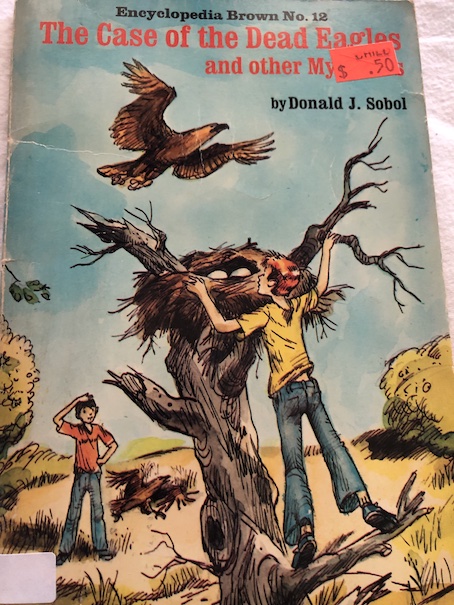
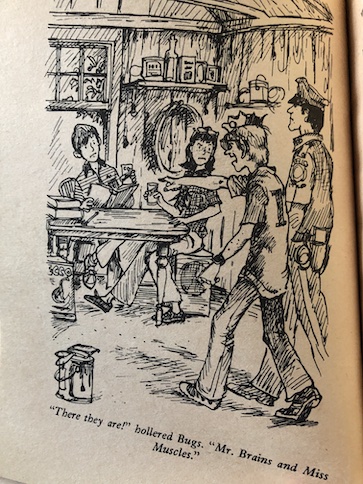

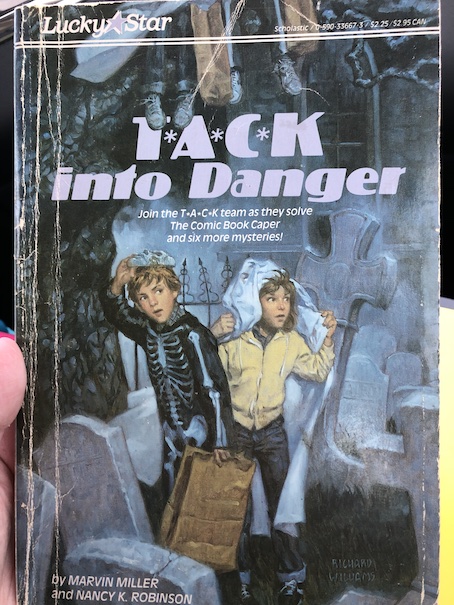

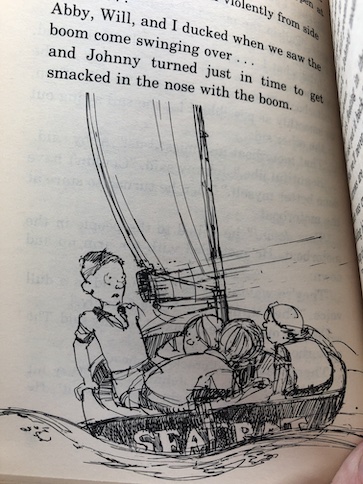
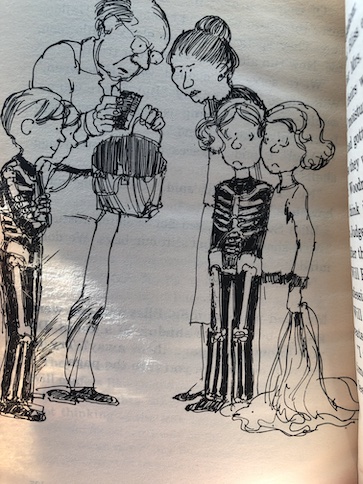


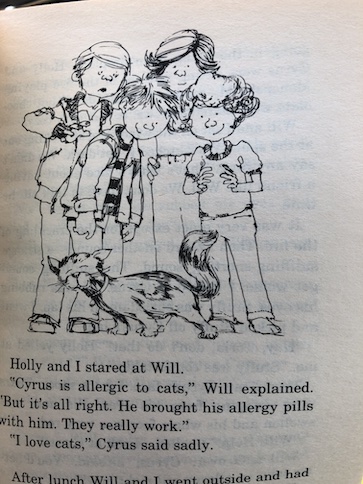


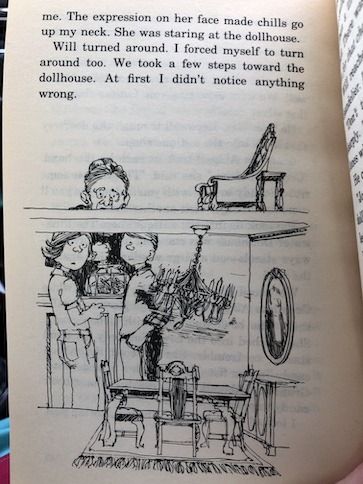
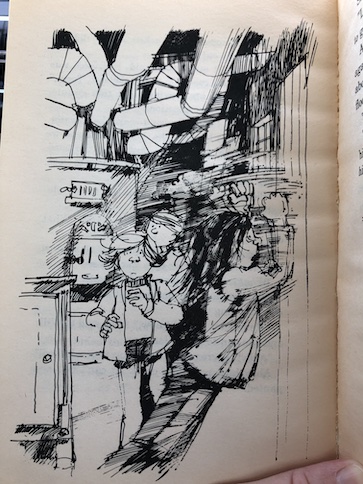

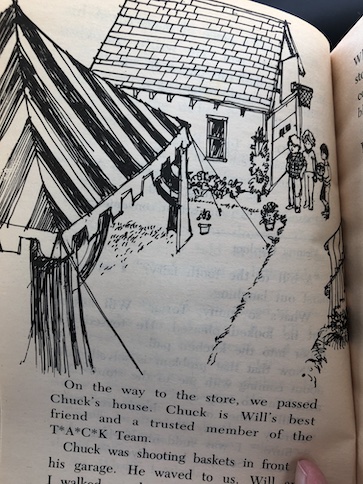
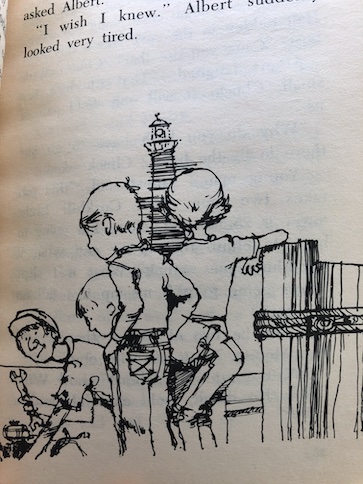
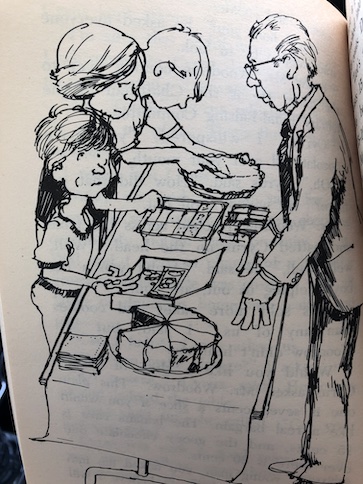

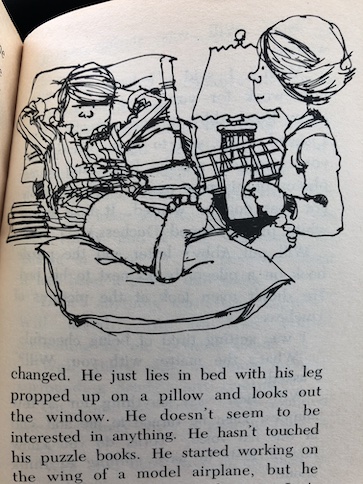

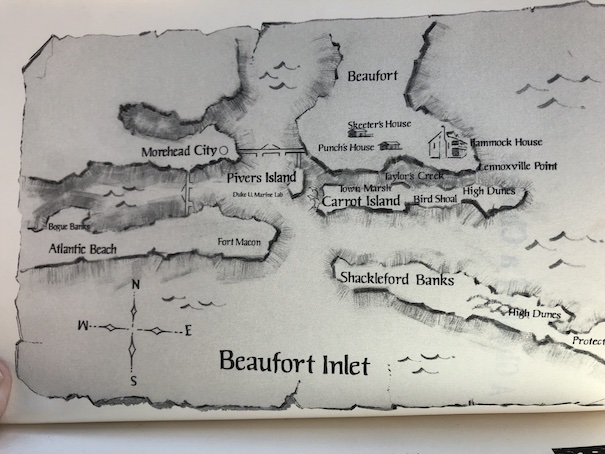
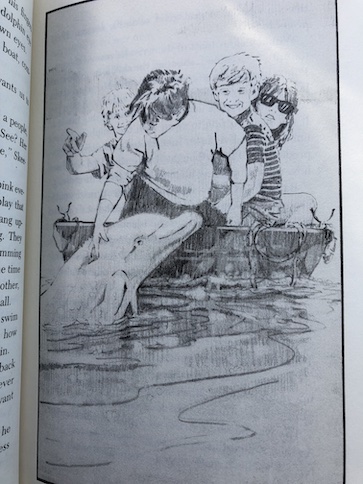
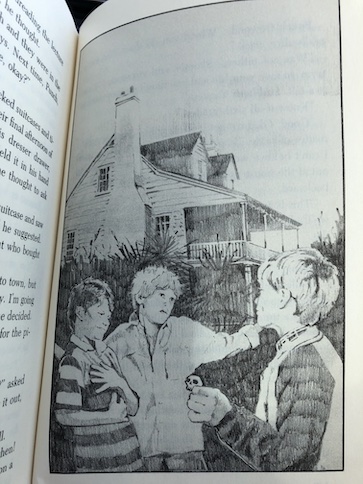

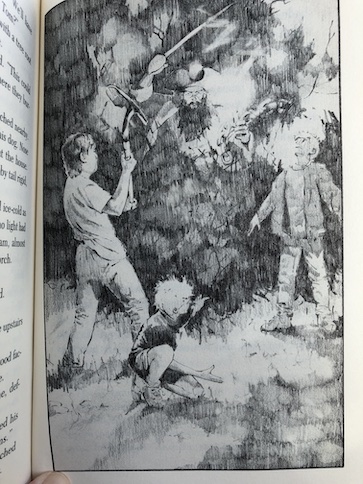


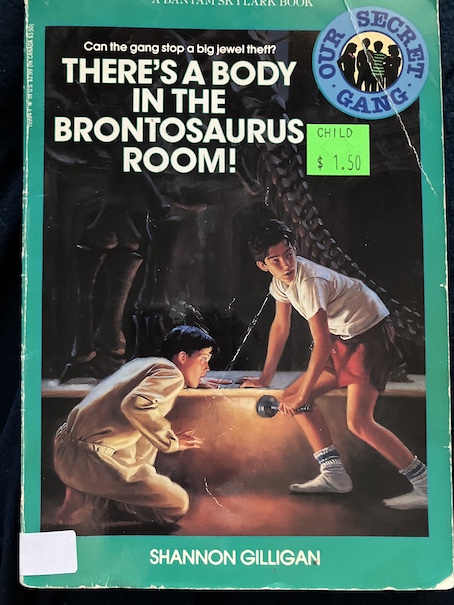
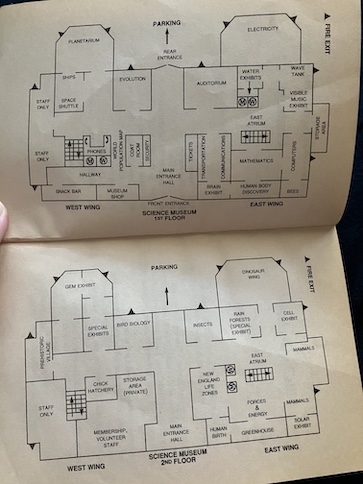

 Jestress's Forgotten Books and Stories