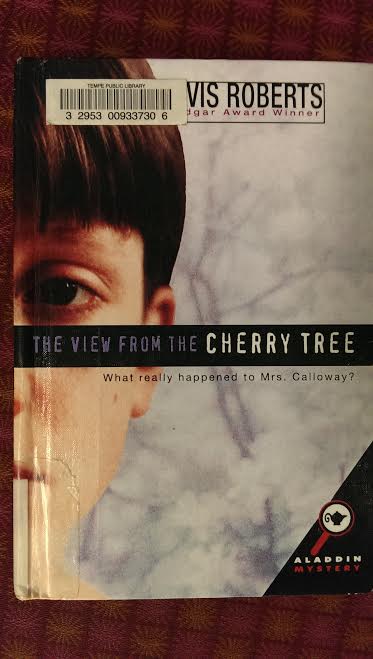
 The View From the Cherry Tree by Willo Davis Roberts, 1964.
Things have been difficult around Rob Mallory’s house since preparations for his sister’s wedding began, but things are about to get a whole lot worse. While his mother and sisters are rushing around, making last minute arrangements for the wedding guests and finding a replacement for a sick bride’s maid, Rob’s father is trying to help Uncle Ray stay out of jail after he stole some money from his boss. To make matters worse, old Mrs. Calloway, their unpleasant, eccentric next door neighbor, has been causing trouble again, spying on people with her binoculars and provoking arguments with everyone in the neighborhood.
The only peaceful place Rob can find to escape all the chaos at his house is the cherry tree that stands between his house and Mrs. Calloway’s. While he is up in the tree, Rob witnesses an argument between Mrs. Calloway and a man Rob can’t see inside her house. Then, Rob sees the man shove Mrs. Calloway out of her window. Her binoculars get tangled on a tree branch, and she is strangled to death. Rob runs to his house to get help, and the authorities come and take Mrs. Calloway’s body away. However, no one believes Rob when he says that Mrs. Calloway was pushed. Everyone thinks that her death was an accident. Then, a series of strange “accidents” happen that seem to threaten Rob’s life.
Rob’s family is too caught up in the wedding plans and family troubles to realize what is happening, but Rob is convinced that Mrs. Calloway’s murderer is trying to silence him forever. Can he outwit the murderer and learn his identity? More importantly, can he survive until the evening when his father is supposed to return home and can help him convince the police that he’s in real danger?
I have to say that I really hated the mother in this story. She struck me as being a very silly and shallow woman, obsessed (and that is not too strong a word) with the trappings of her daughter’s wedding. She speaks of the wedding as an “opportunity” that she doesn’t want spoiled, a word that seriously bothers me in this context. “Opportunity” implies some kind of expected benefit, not just a momentous “event” in their lives or a rare “celebration.” I kept wondering, and still wonder what kind of gains she was anticipating from her daughter’s marriage and why. The only thing I can think of is a selfish desire to be at the center of attention, or as close to it as she can get. As a married woman, she can no longer be the beautiful, blushing bride on her special day, but she might get a vicarious thrill from being the mother of the beautiful, blushing bride, reliving her own glory “day” from the past.
Maybe I’m getting a little too psychological with her, but that was the vibe I got, a grown-up mother-of-the-bride-zilla who can’t see past the champagne and pretty dresses to anything more important, whether it’s her own brother’s serious brushes with the law or the attempts on her young son’s life. When Rob tries to tell his mother what’s happening, she almost slaps him because she’s so “overwhelmed” by everything that she has to do, but I’m not buying it because it seems like everyone else is really taking care of pretty much everything for her. She has plenty of people around her and plenty of support if she wanted to recruit more. She freaks out about any problems that happen, no matter how big or small, and wants to sweep every bad thing under the rug as much as she can because, apparently, weddings should be perfect at all costs and she wants nothing to invade that lovely bubble in her mind. I didn’t like her when I read this story as a kid, and I’ve discovered that I hate her even more now. Her motives have become less understandable and her personality less sympathetic now that I’ve grown older instead of more so, and that’s not a good sign. As an adult, I would have urged her prospective son-in-law to reconsider marrying into this family on the basis of the mother’s behavior, although the bride’s offer to call off the wedding until her brother is found when he goes into hiding shows that she might have her priorities more straight than her mother’s in the end.
The book is currently available online through Internet Archive.

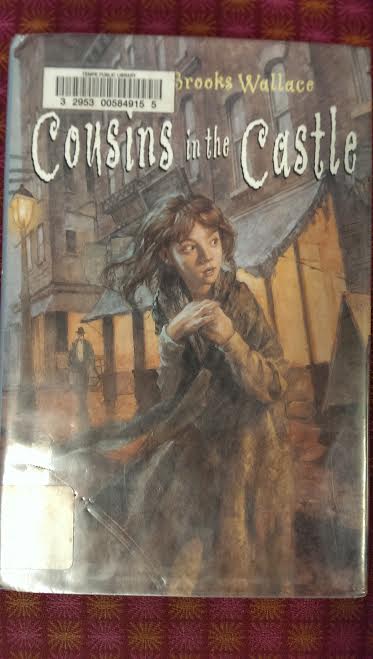 Cousins in the Castle by Barbara Brooks Wallace, 1996.
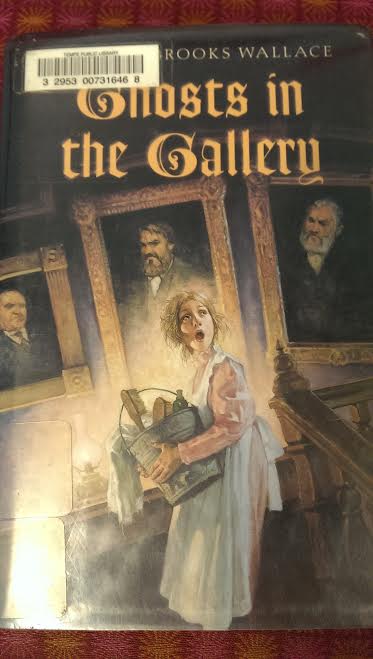 Ghosts in the Gallery by Barbara Brooks Wallace, 2000.
 Peppermints in the Parlor by Barbara Brooks Wallace, 1980.
 Abigail by Portia Howe Sperry and Lois Donaldson, 1938.

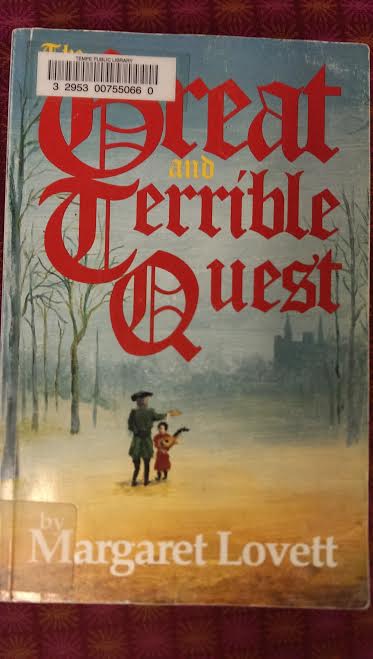 The Great and Terrible Quest by Margaret Lovett, 1970.
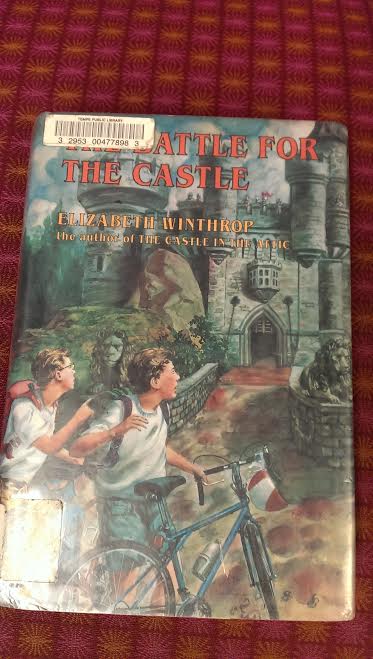 The Battle for the Castle by Elizabeth Winthrop, 1994.
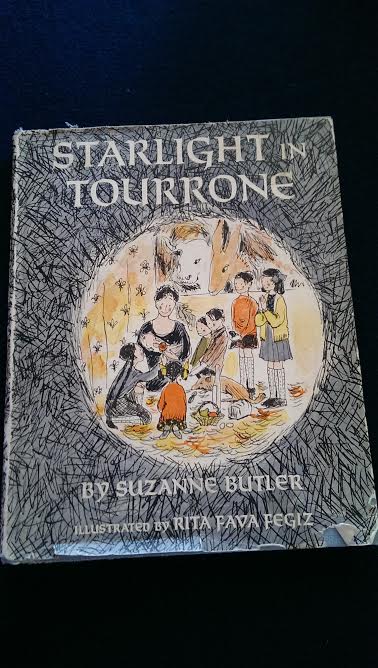 Starlight in Tourrone by Suzanne Butler, 1965.
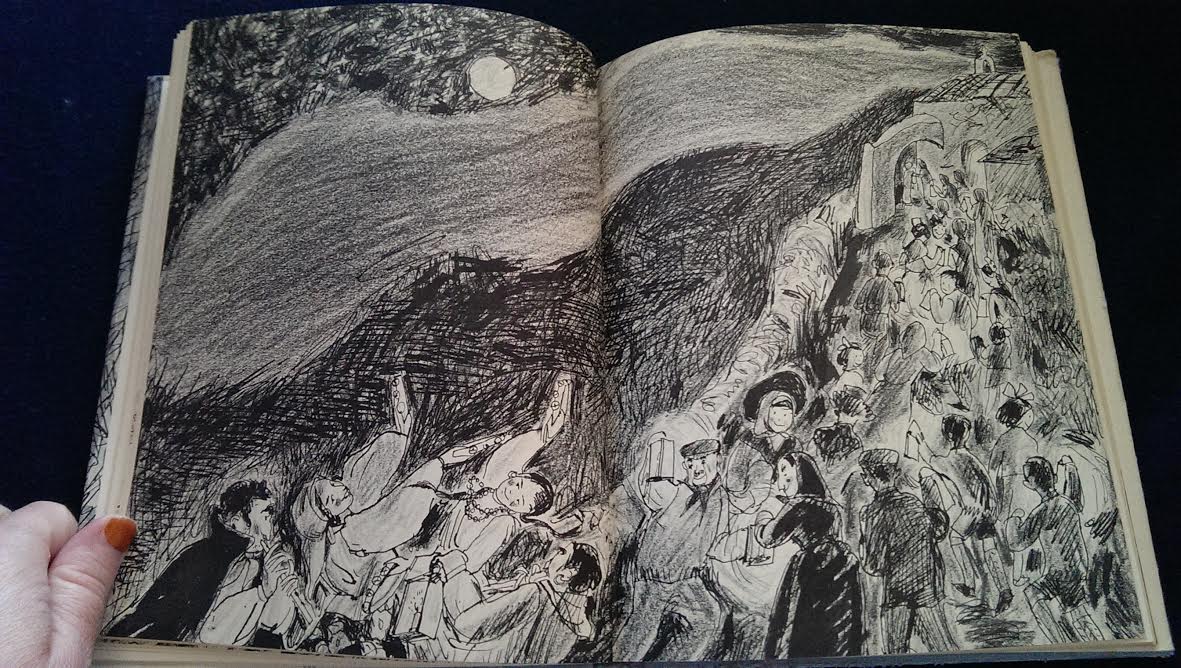 At first, most of the adults in the village are skeptical. Since there are no young couples living there anymore and no babies have been born there for several years, no one knows where the mother and child for the Nativity scene will come from. Many of the adults are too busy with their own problems and worries about the future to help. Still, the children continue to work faithfully on their plans, drawing in the adults in spite of themselves.
 Just as people in the village start to feel hopeful again, something happens that threatens to ruin everything, but there is still one more miracle yet to come, thanks in part to the one person who never doubted it would happen.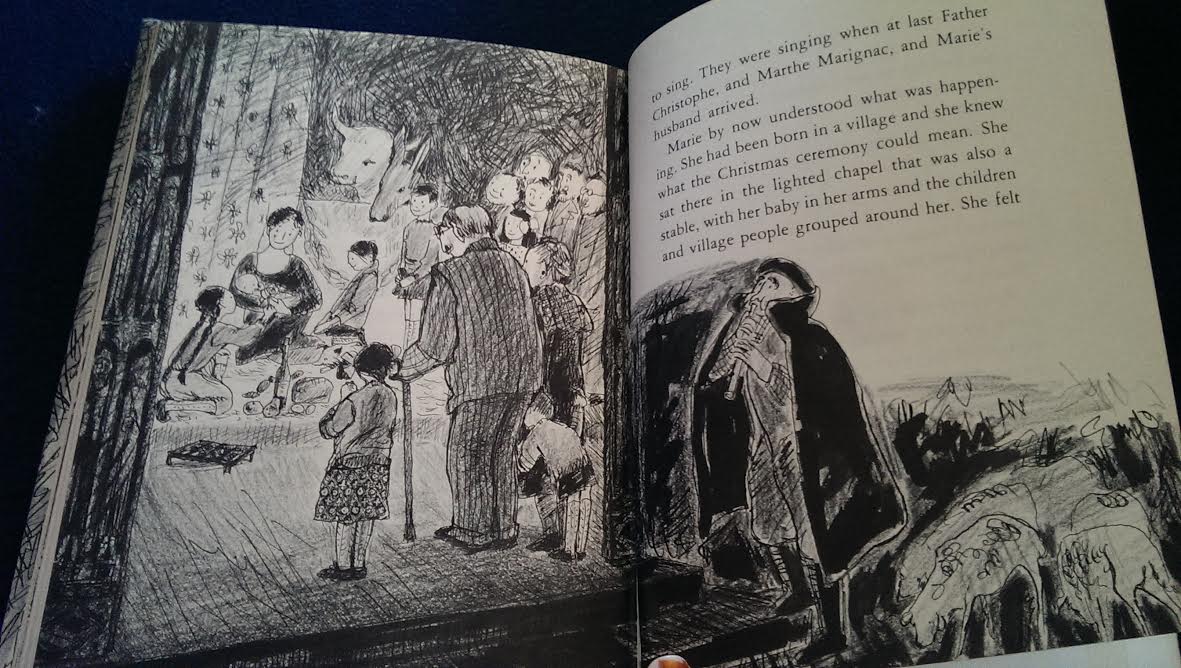

 The Best Christmas Pageant Ever by Barbara Robinson, 1972.
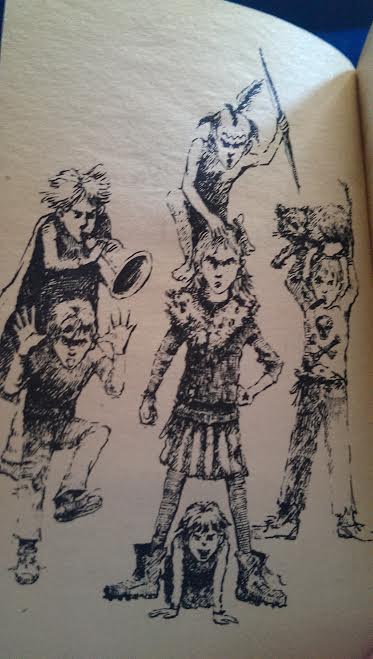 Although the Herdmans don’t get the cake Charlie mentioned and have little interest in Jesus, they begin to be fascinated by the description of the pageant and decide to stick around. The Herdmans love movies, and the idea of being in any kind of play strikes them as fun. Although the Christmas pageant basically goes the same way every year, typically using the same kids for the same parts, once the Herdmans make up their minds that they want the starring roles, they manage to push and bully their way right into the center of everything.
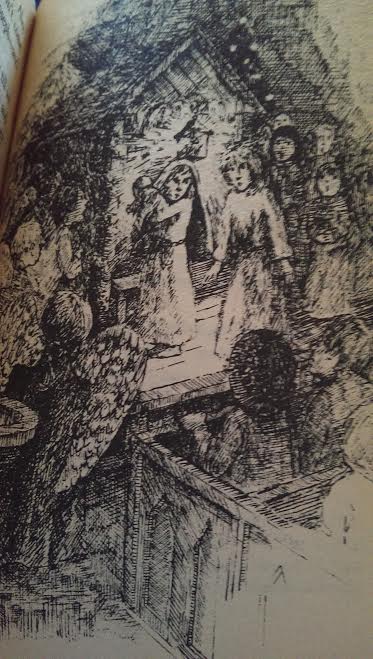 At first, the more conservative adults in the church are horrified at the prospect of what the wild Herdmans might do on Christmas itself, but the minister and the lady overseeing the pageant decide to give the Herdmans a chance. As the title says, it ends up being The Best Christmas Pageant Ever as the Herdmans unexpectedly bring out parts of the Christmas story that the other people who had taken the story for granted hadn’t really thought about much: the simple human reactions of a poor young couple who were strangers in a new town, the fear and expectation that accompany doing something great but unfamiliar and confusing, and the sense of wonder and surprise that are at the heart of the Christmas season.
 Jestress's Forgotten Books and Stories