American Girls

Addy’s Surprise by Connie Porter, 1993.
Christmas is coming, and although Addy and her mother have started to establish a new life for themselves in Philadelphia, they miss the rest of their family, whose whereabouts are still unknown. Money is tight, and Addy’s mother is trying to save up for a new lamp for their room at Mrs. Ford’s. Addy wants to buy her mother a pretty red scarf at the second-hand shop for Christmas, but saving up the tips she earns delivering packages for Mrs. Ford is slow. Addy still wishes that they could afford beautiful dresses, like the rich women who visit the dress shop.One thing that Addy is looking forward to is the Christmas celebration at their church. Her new friend, Sarah, has told her all about it. She describes the potluck dinner, the beautiful decorations, and the shadow play they have to entertain the children.


Then, at church, the Reverend Drake tells everyone that more “freedmen,” people who have just come out of slavery, will be arriving in the city soon. Reverend Drake asks the congregation to help, just as many of them received help when they first arrived. Like Addy and her mother, these new people will be arriving with almost nothing, not knowing where to go and what to do, and will need money for food and clothes and places to live. Addy and her mother decide that they want to help, although it means stretching their already-tight finances even tighter.
Addy is reluctant to part with the little money she’s been saving to buy the scarf for her mother, so she offers to help out in greeting the new arrivals and taking them to the church instead. When Addy and Sarah go to the pier to meet them and guide them to the church, Addy feels badly at seeing the condition they are in. This particular group is made up of slaves who were freed because the owner of their plantation was under pressure from the war. He simply turned them loose with only the clothes on their backs and little idea of where to go or how to get help in establishing a new life. Some of them are sick or injured, some have no shoes in the winter cold, and none of them have had enough to eat. Addy reassures them that the church will help them. The baby in the group particularly makes Addy think of her little sister, Esther, who is still in slavery in the South. Addy begins to feel like the things she was worried about before, like dresses, a new lamp, and the scarf aren’t as important as she once thought they were. When Addy has finally collected enough money for the scarf for her mother, she decides to donate the money to help the others instead.
It looks like Addy and her mother won’t be getting the special things that they had hoped for at Christmas, but Christmas is a time of surprises. Through their own hard work, they’ve made some special friends in Philadelphia who care about them, and other, unexpected circumstances allow Addy to not only get the special Christmas dress she’s been dreaming of (a customer returns a dress to the shop because her daughter can’t fit into it anymore) but to make a scarf of her own to replace the one that she was going to buy for her mother. The Christmas party at the church is as wonderful as Addy expected, but there’s an even more wonderful surprise to come: Addy’s father has finally made it to Philadelphia!


I like the way Addy and her mother showed generosity and consideration to others in the story, even though they are also somewhat struggling themselves. Through their own hard work and ingenuity, they manage to make their own Christmas presents with scraps from the dress shop, and Mrs. Ford shows her appreciation for their hard work by buying them the lamp they need. Good things come to those who work for them!

There is a section in the back with historical information about Christmas celebrations around the time of the Civil War. Because of the war, families weren’t always able to get or afford things they could before. People sometimes raised money for soldiers or send them special care packages. Slaves were allowed small celebrations, being released from work for a new days and given small gifts from the plantation owners.
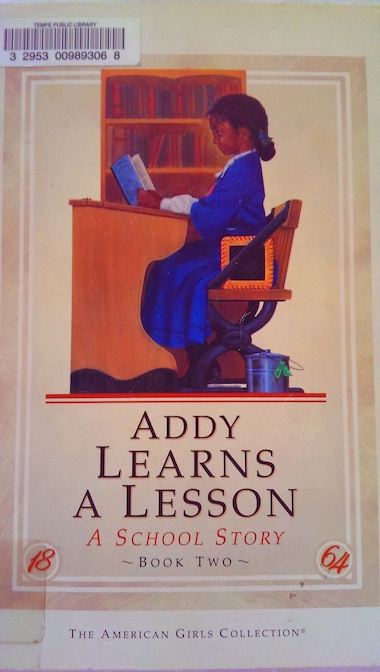
 After escaping from slavery,


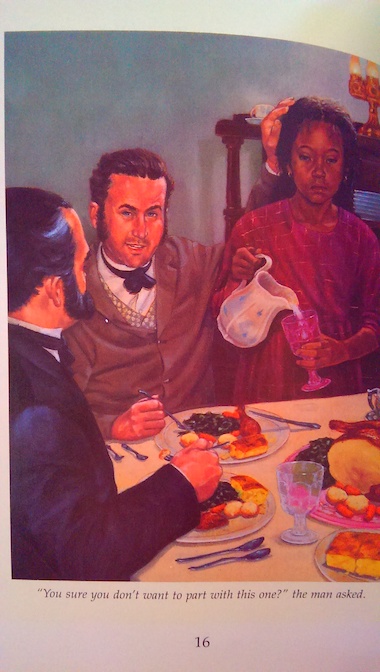
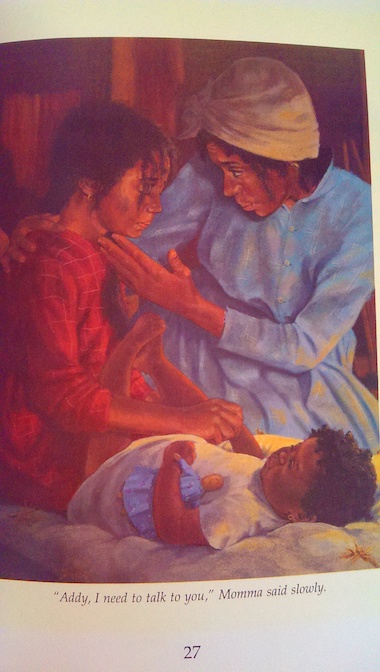 Although Addy and her mother are frightened at the idea of running away, they decide that this is their only chance to escape together. Addy is upset when her mother tells her that they can’t bring her baby sister with them. She is too young for the journey, and if she cries, it might give them away. Instead, they will leave little Esther with their close friends, Auntie Lula and Uncle Solomon Morgan. They plan to find a way to send for them when the war is over.

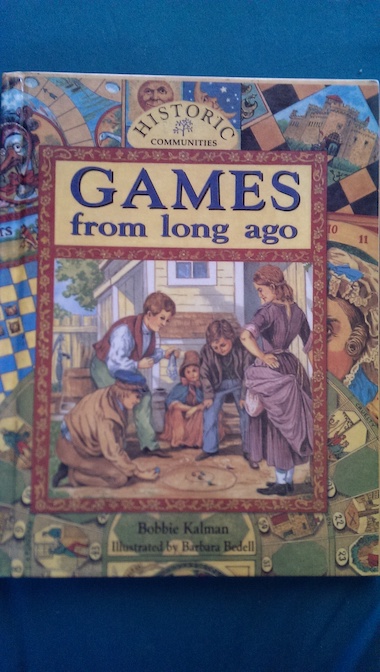
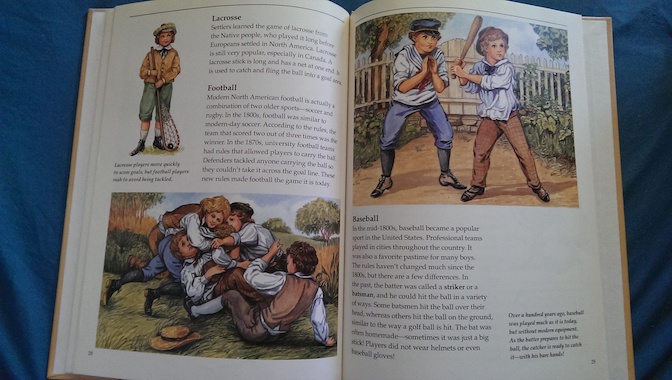
 This book is about games people would play in 19th century America. There is a variety of different types of games, although the main focus is on parlor games. Many of them have been passed on for generations by word of mouth and are still played today, such as Charades and Blind Man’s Buff, although the book discusses games that are no longer common.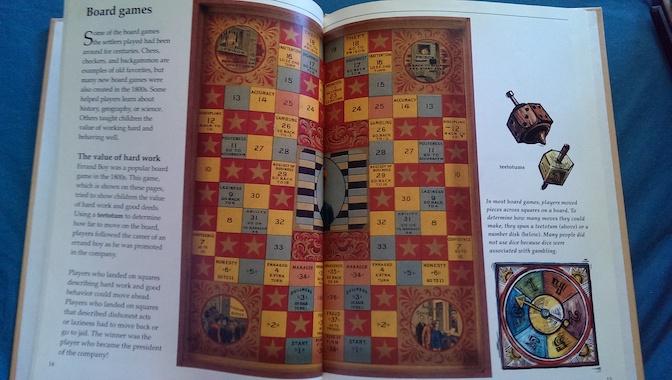


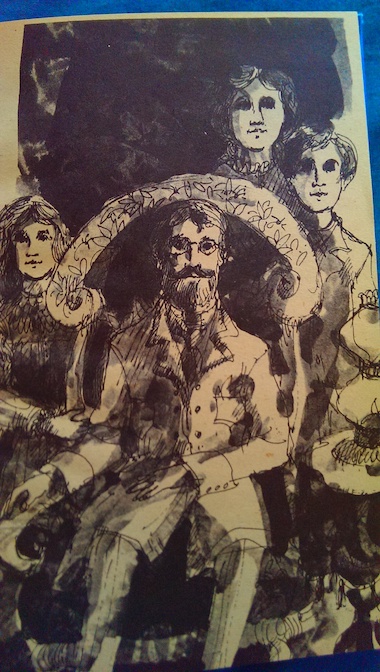 It’s 1851, and Professor Carver of Boston is living in an apartment above a candle shop with his wife and two children, his son Jamie and daughter Lorna. One day, a man named Mr. Giddings comes to see Professor Carver to request his help. For years, he has wanted to buy a particular farm with a beautiful house called Windy Hill. However, when he finally succeeded in buying the house and he and his wife went to live there, his wife became very upset. She said that she felt strange in the house and that she had seen a ghost. Now, she is too upset to return to Windy Hill. Mr. Giddings has heard that Professor Carver once helped a friend get rid of a ghost haunting his house, and he asks the professor if he would be willing to do the same for him.
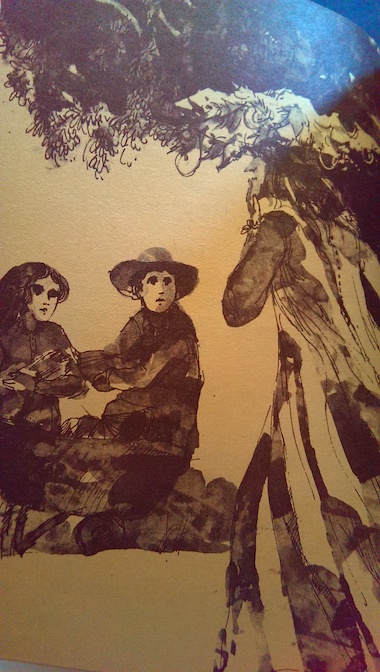 Jamie and Lorna are thrilled by the house, which is much bigger than their apartment in town. They can each have their own room, and there is an old tower in the house that was built by a former owner, who was always paranoid about Indian (Native American) attacks (something which had never actually happened). However, their new neighbors are kind of strange. Stover, the handyman, warns them that the house is haunted and also tells them about another neighbor, Miss Miggie. Miss Miggie is an old woman who wanders around, all dressed in white, and likes to spy on people. There is also a boy named Bruno, who apparently can’t walk and often begs at the side of the road with his pet goat, and his father, Tench, who is often drunk and doesn’t want people to make friends with Bruno.
 Then, strange things do start happening in the house. The quilt that Lorna has been making disappears and reappears in another room in the middle of the night. At first, the family thinks maybe she was walking in her sleep because she had done it before, when she was younger. However, there is someone who has been entering the house without the Carvers’ knowledge, and Jamie and Lorna set a trap that catches the mysterious “ghost.”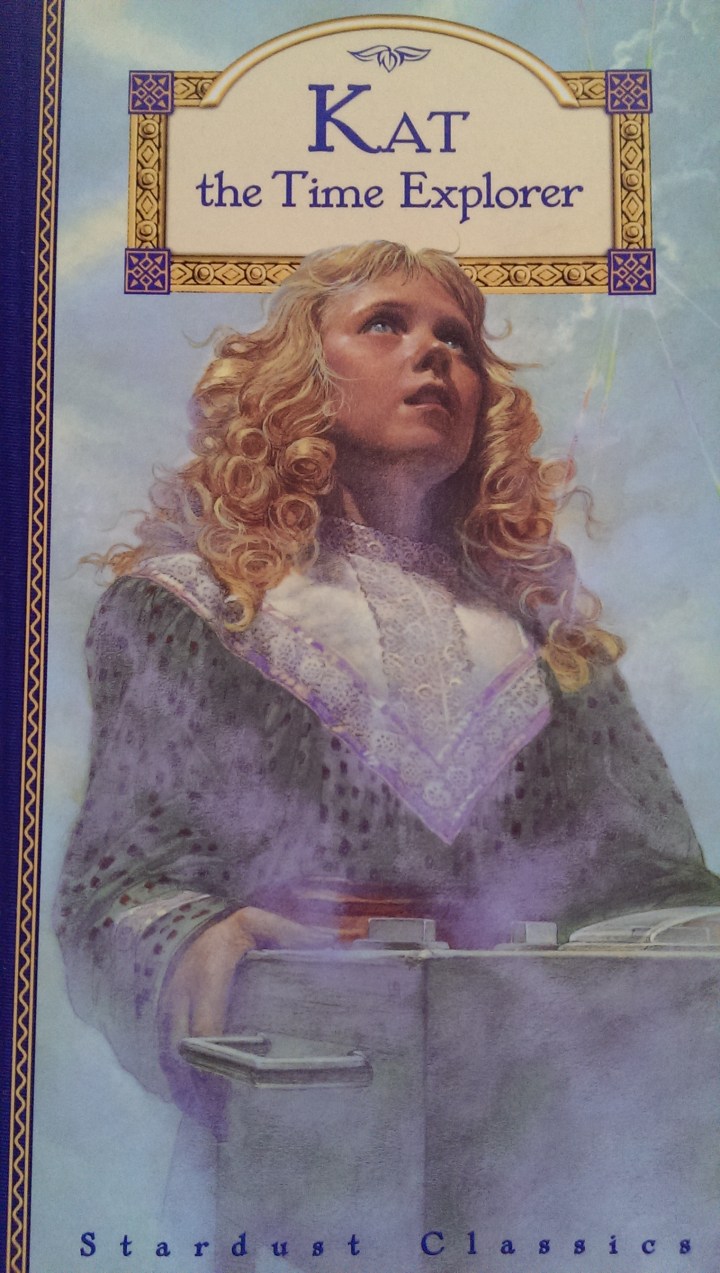
 Ten-year-old Kat is going to be living with her Aunt Jessie for the next year. Her parents are botanists, and they are spending a year in South America, studying rain forest plants. Aunt Jessie lives in a house in the same town as Kat and her parents so, by staying with her, Kat can continue going to the same school and see her friends.

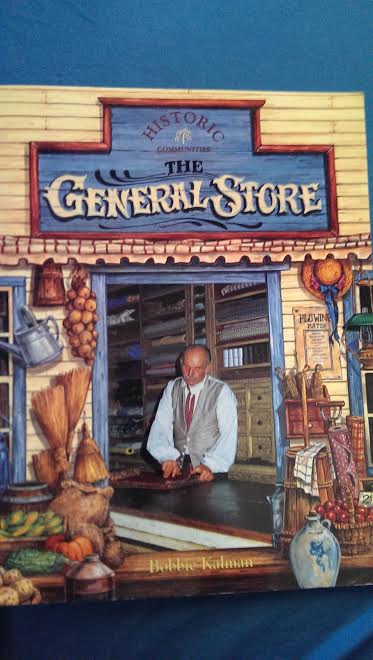 The General Store by Bobbie Kalman, 1997.
 Store owners also had to decide how much they should charge for each item or how much they would be willing to take in trade. Farmers often bartered for goods with the produce from their farms, and it was common for store owners to use a form of credit to keep track of what their customers owed and what they owed to their customers. Farmers would typically sell their goods at harvest time, and the store owners would give them a certain amount of credit at their store, based on what they thought the farmers’ produce was worth. Then, the farmers could use the credit on their account at the store until the next harvest and selling time. If a farmer ran out of credit before the next harvest, the store owner would usually extend credit at the store to the farmer to allow him and his family to buy some necessities, knowing that the farmer could make up for it when he came to sell his next batch of produce.
 Another odd kind of code that the book mentions was the kind that people would use on mailed letters. Instead of the sender paying the postage, as they do now, people receiving letters were supposed to pay for them when they picked them up from the general store. If a receiver returned a letter unopened, they wouldn’t need to pay anything, so some people would try to cheat the system by writing a message in code on the outside of the envelope so the receiver would know the most important part of what the writer wanted to tell them for free.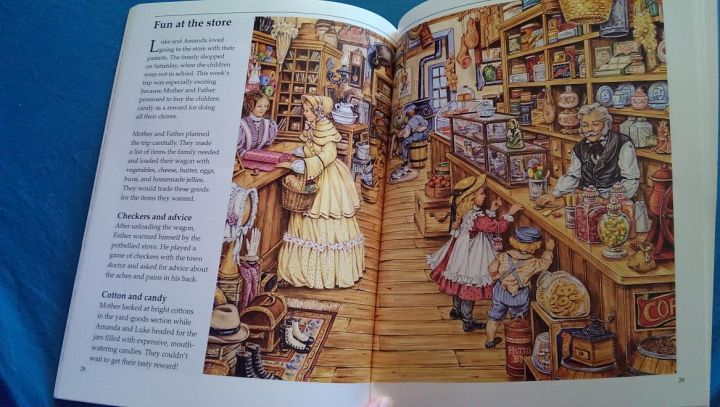
 Cousins in the Castle by Barbara Brooks Wallace, 1996.




 Jestress's Forgotten Books and Stories