This Singing World collected and edited by Louis Untermeyer, 1923, 1926.
This little book is a collection of beautiful, classic children’s poems by some of the most famous poets for children and adults from the 19th century and early 20th century! Some of the poems are by Louis Untermeyer, the compiler of the book, but there are also poems by Robert Louis Stevenson, Henry Wadsworth Longfellow, Lewis Carroll, Robert Browning, Emily Dickinson, Walt Whitman, John Masefield, Robert Frost, William Butler Yeats, Walter de la Mare, Hilaire Belloc, and many others. In the book’s introduction, he says that most of the poems in the book “were written by living poets.” None of them are alive now, in the 2020s, but many (although not all) of the poets included were alive when this book was first compiled and published.
There are too many poems to list all the ones that appear in this book, but they are grouped by themes. Each section begins with a black-and-white illustration based on one of the poems in that section. There is also an interesting section of Notes in the back of the book that has extra information about some of the poems. I overlooked the Notes the first time I read the book, but it’s really worth seeing. Louis Untermeyer explains some of the background to his own poems there and also explains some of the background of other poems, pointing out ones that were based on real life incidents, giving some information about the authors of different poems, or explaining a little about the style of a poem. Although, Louis Untermeyer says that readers who prefer just to be left alone to read and enjoy are free to skip the Notes, anticipating exactly how I felt and what I did when I was a kid. I appreciate the extra information more now, so I’m glad it’s there, but I appreciate the Louis Untermeyer understood some things about how children’s minds work.
The author’s Introduction and A Few After-Words, two sections which I would also never have bothered to read when I was a child, are also worth reading because they take into account the feelings of child readers and his own philosophies about presenting poems to children. In A Few After-Words, the Louis Untermeyer addresses children reading the book and says that he wants them to know, whether their parents or teachers like it or not, that poems shouldn’t be taught in a formal way because turning them into lessons and picking them to pieces for analysis takes all the life and beauty out of them. He describes having gone to a lecture titled “How to Read a Poem in the Class Room”, which was an hour long (and a very long 60 minutes, to hear him describe it), where the lecturer outlined all the ways poems could be read and analyzed, never once mentioning “enjoyment.” Louis Untermeyer’s opinion was poems are best when read aloud, experienced, and not over-analyzed. (A philosophy not unlike that of the teacher in Dead Poet’s Society.) He is well aware, as he said in the Introduction, that nobody is going to like all of the poems in the book because they’re all very different from each other, but he hopes that there will be something in the book for everyone. He emphasizes, “don’t force yourself to like any of these poems just because they happen to be printed in this book.” He wants readers to explore what appeals to them now, in the phase of life they’re in, and be open to considering other poems later because some of them may take on more meaning for them later in life. I wish this man had been alive to be one of my high school English teachers because I argued about things like this with the teachers I had.
Sections in the Book:
Songs of Awakening
Poems about morning, sunrise, and day. This section includes Sunrise by Lizette Woodworth Reese.
Breath of the Earth and Sea
Poems about nature. This section includes The Storm and Autumn by Emily Dickinson.
Open Roads
Poems about travel. This section includes The Joys of the Road by Bliss Carman, I Want to Go Wandering by Vachel Lindsay, and The Road to Anywhere by Bert Leston Taylor.
Common Things
Poems about everyday events and small pleasures. This section includes Simplicity by Emily Dickinson, The Commonplace by Walt Whitman, and Escape at Bedtime by Robert Louis Stevenson.
Places
Poems about fascinating places. This section includes Stopping by Woods on a Snowy Evening by Robert Frost.
Children and Other People
Poems about children and interesting characters. This section includes The Young Mystic by Louis Untermeyer, The Children’s Hour by Henry Wadsworth Longfellow, and The Land of Story-Books by Robert Louis Stevenson.
Birds and Beasts
Poems about birds and animals. This section includes The Runaway by Robert Frost and The Blackbird by W. E. Henley.
Fairies and Phantoms
Poems about fairies and other supernatural creatures. This section includes Little Orphant Annie by James Whitcomb Riley, Disenchantment by Louis Untermeyer, and I’d Love to be a Fairy’s Child by Robert Graves.
Words and Music
Poems about music and poetry itself. This section includes Ode by Arthur O’Shaughnessy and The Singer by Anna Wickham.
Whims and Fantasies
Poems about imagination. This section includes Apparitions by Robert Browning.
Tales and Ballads
Poems that tell a story. This section includes The Highwayman by Alfred Noyes.
Laughing Legends
Humorous poems and poems about silly things. This section includes The Lost Shoe by Walter de la Mare and The Twins by Henry S. Leigh.
Fables in Foolscap
Poems that have a moral or lesson, although the morals and lessons are silly ones. This section includes The Embarrassing Episode of Little Miss Muffet by Guy Wetmore Carryl.
Rhyme Without Reason
Nonsense poems. This section includes The Snark by Lewis Carroll, The Owl and the Pussy-Cat by Edward Lear, and Topsy-Turvy World by William Brighty Rands.
Croons and Lullabies
Poems about night and sleep. This section includes Wynken, Blynken, and Nod by Eugene Field.
Stars to Hitch To
Poems to inspire. This section includes The Arrow and the Song by Henry Wadsworth Longfellow.
The Heroic Heart
Poems about courage and brave deeds. This section includes Opportunity by Edward Rowland Will and Invictus by W. E. Henley.
William Brown is an imaginative young boy who gets into trouble in various ways. People often don’t understand why William does the things he does because they don’t know what books he’s been reading or movies he’s been watching that inspire him to his various escapades.
William isn’t an example of how anybody should behave. He frequently lies to get his way, and he and his friends have formed a kind of club that they call the Outlaws, and they play at being outlaws. William is a scamp and a troublemaker, who sometimes means well and sometimes doesn’t because, after all, he thinks of himself as an outlaw. His family well know what William is like and the scrapes he’s likely to get into unsupervised, yet he is often left unsupervised and even given some responsibilities, which inevitably go horribly wrong.
This is the first book in a series, and each chapter in the book is a short story. Most of the books in the series are also collections of short stories. The stories are funny, but there are some things modern readers should be aware of, especially before sharing them with modern children.
This vintage British children’s series is well-known, although it has faced criticism for the ways the children in the stories treat animals. There are multiple incidents in this book – from the things the kids do with their pets when they have a circus to the lizard William accidentally kills in his pocket to the pet rat that gets killed when William tries to teach it to be friends with his dog.
There are also instances of inappropriate racial language, especially related to Native Americans because William finds them fascinating, at least in the way that books and movies portray them. At one point in this book, William pretends to be an American Indian, and the girl his brother likes plays along with him. William darkens his face with cork for the game, and the language they use with each other is stereotypical of old stories and movies with American Indians, like “paleface”, “red Indian”, and “squaw.” Various people use the phrase “Honest Injun” in the story.
William has a little extra money, so he buys some candy and goes to the picture shows. (These are silent pictures because of the time period, and William notes how exaggerated the actors’ facial expressions and gestures are.) William is inspired by the movies he’s seen, and he spends the rest of the day acting out what he’s seen, producing some embarrassing results because real life aren’t like movies.
2. William the Intruder
William’s older brother, Robert, has a crush on a girl. Robert gets their mother to invite her to tea, but he worries that William will mess things up because William often does. Their mother says that William will need to have tea with the family, but William is under strict instructions to spend the rest of the time playing outside and staying out of the way. However, the girl turns out to be a good sport who likes children, and she joins William in a game of pretend, where they pretend to be American Indians. Robert is disappointed that the girl seems to like William better than she likes him.
3. William Below Stairs
William gets into trouble at home, and feeling hurt and misunderstood by the just criticisms of his latest escapades with a balloon and inspired by a book that he’s been reading, he decides that the thing to do is to set out into the world to seek his fortune as a poor but deserving young man. He figures that everyone will be sorry when he gets rich with gold nuggets (like in the story) and won’t share them. Deciding that he will start out as a beggar and approaching a wealthy house to beg, William is mistaken for a boy who is supposed to be a new servant and gets his first taste of domestic labor. It turns out that being a poor but deserving young man requires more work than William is willing or able to do.
4. The Fall of the Idol
William gets a crush on his teacher and tries everything he can think of to impress her, including (gasp) actually studying for a change. Unfortunately, his teacher definitely doesn’t feel the same way about him.
5. The Show
William and his friends, a group called the Outlaws, decide to hold a circus. Aunt Emily, a hypochondriac relative who’s been making an unwelcome long stay with the family becomes an unwitting side show as the “fat wild woman” when William charges viewers to see her sleep and snore loudly. When the aunt wakes up and catches William and his guests, it ends her visit, but William’s father is actually relieved.
6. A Question of Grammar
William is bored on a rainy day, his family members all have something to do, and he doesn’t know what to do with himself. His mother’s suggestions are all boring ideas, his siblings have friends over, and his father just wants to be left alone. William asks his mother if he can have a friend over, but she says it’s too late to ask anybody. His family is all relieved when the rain is finally over, and they can send William outside to play.
However, William is still thinking about the idea of having friends over and having a party. His father emphatically refuses to consider the idea of William having a party, but later, a lesson at school about double negatives convinces William that his father’s refusal can actually be taken as approval. He knows the rest of his family will be going to visit an aunt soon, so he invites the children from his class at school to a party while his family is gone. The cook refuses to believe that William really has approval to have all of those children over, so she locks them outside, but William turns the party activity into a storming of the castle and a wild game of hide-and-seek!
7. William Joins the Band of Hope
When William’s mother makes him get cleaned up and try reading a book for a change, he accidentally convinces a visitor that he’s a serious and shy little darling. The visitor is a socially prominent woman who is involved with good works, and she persuades William’s mother to have him participate in one of her projects because children of their “class” are a good influence on others. William’s mother has doubts about how well that description fits William, but she is anxious to please this socially prominent guest, so she agrees to let William participate. William tries to get out of it by faking sick and pretending that he has a sprained ankle, but his family is unconvinced by his charades. However, it turns out that William’s other friends, part of a group they like to call the “Outlaws”, have also been recruited for the project. They make the meeting more interesting for the other children by teaching them a variation of William’s favorite game – one that his mother has forbidden him to play because it’s too rough.
8. The Outlaws
William’s mother volunteers him to take a neighbor’s baby for a walk as a favor, in spite of William’s brother pointing out that William might not be the most responsible person to look after a baby for any length of time. Unfortunately, William’s brother refuses to take care of the baby himself, so William is left with the chore that people should know he isn’t likely to carry out responsibly. William resents his mother giving him this task on his half day off school, and he dreads what his friends will say if they see him pushing a baby carriage. Then, William gets an idea. He takes the baby along to a meeting of the Outlaws as a kidnap victim to be held for ransom. The other Outlaws are thrilled with the idea, but the baby turns out to be too much for all of them.
9. William and White Satin
William is enlisted to be a page boy at a relative’s wedding, very much against his will. The bride thinks the idea of him being a page boy is sweet and romantic, but William knows all of his friends will make fun of him, seeing him dressed in the white satin outfit he has to wear. What saves the day for William is that the young girl recruited to be the bridesmaid thinks the whole thing is as sickeningly sweet as he does. When the two of them get too dirty in their outfits to take part in the ceremony, they are mercifully left at home to play their own games, and they think that’s much more fun and romantic than any wedding!
10. William’s New Year’s Day
Mr. Moss, who runs the store where William buys candy, says that he’s been asking the same woman to marry him every New Year’s Day for 10 years. William thinks that’s too many years to ask anybody over and over again, and he can’t understand who would turn down somebody who owns a sweet shop. On New Year’s Day, Mr. Moss has to run to catch his train to meet the lady, so he leaves William in charge until his nephew shows up to manage the shop. Mr. Moss thinks that William will only be in charge for a few minutes, but his nephew is sick and doesn’t come. William, left in charge, takes far more candy than Mr. Moss said he could have and attempts to overcharge another customer to cover the difference while he is overwhelmingly generous to a pretty girl he likes. Then, he generously hosts his friends and makes a mess. When Mr. Moss returns around lunch time, he would be more angry except that the lady finally agrees to marry him, and in the end, William has to cope with a serious stomach ache.
11. The Best Laid Plans
A young man has a crush on William’s sister, so he recruits/bribes William to be his confederate in a scheme to impress Ethel, getting him to fake sick on a trip with his sister so the young man can step in and “rescue” them by carrying William home. However, William turns out to be more of a handful (literally) than the young man expects, and the pet white rats that were William’s bribe cause chaos in the Brown household. (One of the rats meets a sad end from William’s dog when he tries to teach the two to be friends.)
12. ‘Jumble’
Although William’s dog, Jumble, appears in earlier stories in the book, this story is about how William acquired Jumble. Jumble the dog follows William home one day. He has a collar with his name on it but since he’s loose by himself, William thinks he’s a stray. His family tells him to take the dog to a police station to see if he has an owner, but William just can’t bring himself to leave Jumble there, so he brings him back home and tells his family that the dog followed him again. Eventually, Jumble’s owners do find him again with William. William insists that he didn’t steal Jumble, and he reluctantly asks if the family who owns him if they want him back. The girl in the family, who is William’s age, decides to give Jumble to William because she’s decided that she wants a Pomeranian instead, and the father of the family, who is an artist, sketches William with Jumble because he thinks that William has such an interesting expression.
The original cover is public domain and available through Wikimedia Commons
The Windy Hill by Cornelia Meigs, 1921.
Oliver and Janet are spending the summer with their mother’s cousin, Jasper, who is a wealthier man than the rest of their family. Janet is enjoying the visit and Jasper’s grand house so far, but Oliver is very uneasy there. Oliver doesn’t like the vast, empty house, and he’s noticed that Jasper’s manner seems different from he remembers the last time they saw him. Oliver senses that something is troubling Jasper, something that he doesn’t want to discuss. Jasper is usually a cheerful person who enjoys his cousin’s children, but during this visit, he hardly pays attention to them and never smiles. Janet finds things to do to keep herself occupied, but Oliver is terribly bored and bothered by Jasper’s odd behavior.
Then, one evening, Jasper sees Oliver looking at a nearby house. He says that the people who live in that house are also cousins of theirs, but he’s been too busy lately to see much of them. Jasper apologizes for having neglected Janet and Oliver during their visit so far, and he says that he will invite Eleanor, the daughter of the cousin who lives in that house, to lunch the next day. Eleanor is close in age to Janet and Oliver, and Jasper thinks that they will be friends and that a visit from her will liven up the visit for them. Janet is pleased at the idea of another girl cousin visiting, but Oliver is at that phase where he doesn’t like girls. He can’t imagine that he would have anything in common with this unknown girl cousin, and he thinks he’ll be bored while Janet and Eleanor have fun together. He tries to tell Jasper as much, but Jasper is just amused by his attitude and tells him that, if he is afraid of girls, the sooner he gets over it, the better.
When Jasper orders his car and driver to take Janet and Oliver to see Eleanor, Oliver decides to rebel by going to the train station and trying to get a train home. However, while he is waiting at the train station, he becomes curious about the countryside around him and the nearby river he hasn’t yet investigated. He wanders off to explore a little and encounters a man and a girl at a nearby cottage. The man and the girl ask him to help them with their beehives. Oliver is a little nervous of the bees at first, but he follows the beekeeper’s directions and finds himself enjoying the work. The beekeeper and his daughter, Polly, invite him to join them for lunch afterward. After a lunch of biscuits, honey, and iced cocoa, Oliver feels much better about everything.
Polly thinks that she and her father have somewhere they need to be after lunch, but her father tells her not to worry about that. Instead, he entertains Oliver and Polly with a story about a Native American medicine man, a boy who is curious about what lies beyond the ocean, and their first encounter with white people. By the time the story is over, Oliver realizes that he has missed his train. He decides to return to Jasper’s house, where he is told that Janet didn’t go to see Eleanor because Eleanor was delayed somewhere. (Guess where.)
More and more, Jasper’s odd mood becomes apparent. His servants have also noticed how worried he’s been, and it seems like he’s always more upset after a mysterious and disagreeable man comes to see him. Nobody knows who he is or what his visits are about. Oliver knows how to drive, and Jasper has Oliver drive him out on a mysterious errand one evening to see someone. Oliver doesn’t know who Jasper talks to or what they say to each other, but the visit takes a long time, and it makes Jasper angry.
Oliver’s visit with Jasper gets better because Jasper allows him to use the car by himself from that point on. He takes Janet to visit the Beeman and Polly. Although Oliver is still not enthusiastic about girls, he likes Polly because she is very different from how he imagines that cousin Eleanor must be. The Beeman says that they have to pick up some new beehives that day, and Oliver volunteers to take the girls to get the hives from a man named John Massey. John Massey complains about his landlord, who hasn’t been maintaining the dikes. Massey has had to take it on himself, and the burden is becoming too great for him to bear.
It turns out that Massey’s landlord is Anthony Crawford, the unpleasant man who has been troubling Jasper. Crawford also seems more than happy to let Olive and Janet know that he is also a cousin of theirs. He seems to be under the impression that Jasper has cheated him in some way. Jasper says that he’s already given him what he’s entitled to have, but Crawford says that his share should be more than that. Crawford says that, if Jasper doesn’t give him what he really owes him, he can take everything Jasper has and destroy his reputation in the process. There are secrets in their family’s past that would cause a scandal if the public knew about them, and Crawford says that if people knew that there was one crook in their family, they would all be suspicious that Jasper is much the same way.
Oliver doesn’t know what to think of Crawford’s insinuations or his threats. Not knowing who else to turn to, Oliver explains the situation to the kindly Beeman and asks him what he should do to help Jasper. The Beeman knows far more about everything that’s been happening than Oliver knows, and he say that Crawford has unknowingly been laying a trap for himself. Crawford thinks he’s pretty sharp in his dealings with other people, but he’s been neglecting something very important. Actually, multiple things.
In a series of stories that the Beeman shares with the children, he indirectly tells the children the history of their family and quarrels that go back generations. He tells them about a family with a shipping business that restored their lost fortunes during the War of 1812 by turning to piracy. He tells them about siblings divided by quarrels over money during the Gold Rush. Although the Beeman doesn’t admit to the children that all of his stories are true in the beginning, they soon come to realize that they are and that they are directly connected to the them and the current situation.
Toward the end of the book, the Beeman ties all the pieces of the puzzle together before telling them the final story, the one about three cousins named Jasper, Anthony, and Thomas, who were all raised together and were very close, until they had a falling-out over Anthony’s scheming and his unethical dealings. There are reasons for everyone to resent Anthony for his meanness and greed, but the Beeman is correct that Anthony has set himself up for a fall. He really should have listened when everyone tried to tell him to fix the dike.
The book is available to borrow and read for free online through Internet Archive (multiple copies) and Project Gutenberg. Because it is in the public domain, there is also a LibriVox Audiobook recording.
My Reaction and Spoilers
The Family’s Story
In some ways, the story of the family in the book is also a celebration of American stories. The short stories about different generations in their family are set at turning points in American history. Something that fascinated me about these stories was that they were not all glowing about these points in American history and their associated legends. There are parts of the stories that emphasize the bold American values of adventure and ingenuity, but there are also dark sides and downsides to the stories and flawed characters. The family fortunes were set partly by piracy, but one of the heroes of the family was the man who realized when it was time to stop. Members of their family have been consumed by greed and quarrels, although some have overcome their flaws and misconceptions to come together and be a family again. Again, the Gold Rush story resolves happily when the brothers involved also realize the folly of endlessly pursuing riches at the expense of relationships with the people they love. There is even a slight rebuke against the westward expansion of the United States – portrayed heroically but also as highly costly as people died and killed others over land and gold and promoting an endless, unhappy quest for more and more, with people living their whole lives never feeling satisfied. In short, the family, like the stories and American history itself, is a mixed bag, and they are at their best when they realize their wrongs and make the decision to change. For a book from the early 1920s, a period of heightened patriotism and prejudice after WWI, it seems remarkably insightful and self-aware.
It was Anthony’s decision to forge a relative’s name to get money to cover his unethical dealings that ruined his relationship with his family. It was only by their charity and intervention that he wasn’t charged with his crime and sent to prison. He’s fully aware of that, but he’s been resentful about it rather than grateful. Even from a young age, Anthony had always coveted what other people had. Even if he didn’t really want things for their own sake, he would go through elaborate schemes and bitter fights to get what someone else had, just because someone else had it. Out of greed and spite, he has resurrected old property quarrels in their family. He not only got the old house that was originally willed to Jasper, but he has been scheming to get Jasper’s new house. The Beeman (who is the third cousin in the last story and father of Eleanor, who is called Polly as a nickname) says that Anthony should have headed the lessons learned by their family during the Gold Rush, that always reaching and reaching for greater prizes means never being satisfied with what one has and risking its loss in pursuit of the unattainable.
In the end, when Anthony’s scheming and corner-cutting leave him with no one to turn to but the family members he has harassed and schemed against, he finally experiences a change of heart. I find stories where the villain has a sudden change of heart after long-term villainy to be unrealistic, but the crisis that Anthony realizes he caused is sudden and serious. Because he has neglected the dike and driven away the people who were helping to cover his negligence at their own expense, he suddenly realized that he has endangered many lives, and everyone knows that it’s all his fault. He schemed to get control of that land but didn’t take care of it when he had it. Everyone knows what he did, nobody’s going to cover for him, and while he’s unscrupulous enough to scheme to get others’ property, he doesn’t want to be responsible for killing people. It’s enough to make him swallow his pride and acknowledge the reality of the situation to his cousins. They help him for the sake of the people in danger, and in return, he decides to leave the area.
In the end, Anthony takes a hard look at himself and his life, and he realizes that he and his wife and children were better off when they lived in another community, where he was forced to work for a living instead of by his schemes. He now fully understands his weaknesses and temptations, and rather than continuing to resent the things and people in his life that stop him from furthering his schemes, he has come to welcome them as the guiding forces that keep him from making destructive decisions. The way he phrases it struck me as a little corny, almost like the end of a PSA, but I approved of the sentiment. His family members made him angry because they saw him for who and what he was, but the point is that he now understands who and what he is himself. Although the others are willing to allow him some leniency because of the way he handles the crisis, Anthony realizes that he must give himself the discipline he needs and be the changing force in his own life.
Overall, I thought it was a pretty good story, although there are a few issues with racial language related to Native Americans. I’m not sure if there is a modern revised version of this story or not. The version that I’m reviewing is the original from the 1920s.
Native Americans in the Story
I found the first story the Beeman tells, the one about the Native Americans, fascinating because the story contains the concept that Native Americans arrived in the Americas by crossing the Pacific Ocean and moving eastward across the continent. I know that’s the modern concept of the origins of Native Americans, but I was surprised to find the concept in a book from the early 1920s. I didn’t realize that people in the 1920s had that concept because I thought the older theory was that Native Americans crossed a land bridge.
During the story about the Native American medicine man, the book uses the term “squaw”, which is a controversial term because, although it apparently can mean just “woman” in some Native American languages, it can mean something vulgar in others. Modern books avoid the use of the word, but it appears in some older books, like this one, because white people weren’t always aware of the connotations the word could have. This is the danger of using words you don’t fully understand. It isn’t meant in an insulting way in this book, but be aware that the word appears here and that it isn’t a good word to use yourself. If you’re referring to a Native American woman, just say “Native American woman”, and leave it at that.
The book also uses the word “Indian” instead of Native American, something that also appears in older books. I’ve explained before that this hearkens back to a much earlier misunderstanding about who Native American peoples were, and the nickname has stuck to a certain degree. However, modern convention is just to say “Native Americans” because it’s both a more accurate description and less confusing than explaining American Indians vs. Indians from India. I don’t mind the use of that term too much because it isn’t insulting. However, the book also occasionally uses the term “Red Man” to refer to Native Americans. The characters saying that don’t seem to use it out of malice, but I still think it’s inappropriate. I think that sort of thing went over my head when I was a little kid because I knew people were referred to as “white people” and “black people”, but after I was old enough to understand that there were other connotations to the term it became one of those terms that I think of as “derailing terms.” Even if the characters use it in a non-hostile way or kind of thoughtless way, we (the readers) know that there are hostile or demeaning connotations to the term. It just derails the train of thought of readers like me because we stop to process whether or not the character is trying to be insulting or demeaning, and it just distracts from the rest of the sentence and the thread of the story. I’m generally in favor of reprintings of books like this, with the racial terms updated because, provided that the author and characters are not trying to be demeaning or insulting, a change in the language can clarify attitudes and put the readers’ attention back where it belongs – on the story itself.
Native Americans also appear in the story about the Gold Rush, as risks encountered by westward travelers. Their appearance in the story is minimal, if stereotypical.
A boy named Ben likes to listen to the music coming from the nearby jazz club at night.
During the day, Ben stops by the club on his way home from school so he can watch the musicians practice.
Ben’s favorite instrument is the trumpet. Ben doesn’t have a trumpet himself, but he imagines that he does and that he can play for his family or play along with the musicians from the club.
Some of the other kids in the neighborhood laugh at Ben for playing an imaginary trumpet, but the trumpeter from the club doesn’t laugh. When he sees Ben playing his imaginary horn, he compliments him.
Later, when he sees Ben watching the club, the trumpeter invites Ben inside and lets him try his trumpet for real.
This book is a Caldecott Honor Book. It’s available to borrow and read for free online through Internet Archive (multiple copies).
My Reaction
I thought this was a nice story about an adult who understands a boy’s dream and is willing to take him under his wing. Both Ben and the trumpeter understand the love of music, and the trumpeter sees how badly Ben wants to be a real musician. We don’t know whether Ben eventually becomes a professional musician or not because the story ends with him trying a real trumpet for the first time, but the story implies that the trumpeter may become a mentor to Ben and that this might be the beginning of Ben realizing his dream.
The book doesn’t give a specific date for the story, but the illustrations and use of terms like “the cat’s meow” indicate that it takes place in the 1920s. The illustrations not only give the story its 1920s vibe, but the abstract lines included in the pictures help to convey the sounds of the music and echo the art deco style popular during the 1920s.
There are a couple of things in the pictures that adults should be aware of. There is one picture where Ben’s baby brother is completely naked, for some reason, and there are adults with cigarettes. Other than that, I can’t think of anything else about the book that would be a cause for concern. There is no specific location given for the story, but it takes place in a city, and all of the characters are African American.
Raggedy Ann and Andy and the Camel with the Wrinkled Knees by Johnny Gruelle, 1924.
This book is part of the original Raggedy Ann series by its creator, Johnny Gruelle. Unlike earlier books in the series, this book is a single long adventure rather than a collection of short stories.
Raggedy Ann and Andy are lying in their doll bed in Marcella’s playhouse one night when they see a strange man sneaking up to the big house. They see him reach through a window, steal something, and run away. Wondering what just happened, they run to the house and talk the other dolls. The other dolls say that the thief just stole the French doll!
Raggedy Ann and Andy try to follow the man to rescue the French doll, but they can’t catch up to him because he flew away! As they try to figure out what to do, a fairy comes along. They explain the situation to the fairy, and the fairy says that they can fly if Granny Balloon Spider weaves a balloon for them. So, they go to Granny Balloon Spider weaves them a silken balloon, and they sail away into the air.
When Raggedy Ann and Andy decide it’s time for them to get off the balloon, they grab hold of a tree limb and untie the silken strings that have them tied to the balloon. When they jump down from the tree, they meet an old stuffed camel with wrinkled knees. They explain their situation to the camel, and the camel says that the man who took the French doll sounds like the one who kidnapped him from his owner, a small boy. The camel escaped from the man, but he thinks he could find him again, except that it was dark when he ran away, so he could find his way better if he couldn’t see.
Raggedy Ann and Andy tie a handkerchief around the camel’s eyes and climb on his back. At first, the camel just goes around in circles, but Raggedy Ann and Andy realize that he needs to run backward to retrace his steps, and then, they start getting somewhere.
Along the way, they meet a girl named Jenny who is trapped in a patch of snap dragons. The snap dragons won’t let her go. When they try to help her, Raggedy Ann and Andy get trapped by the snap dragons, too. They don’t know what to do until a tired old horse comes and rescues them.
Jenny explains that she was searching for her brother, Jan, who was kidnapped by a magical creature called a Loonie. The tired old horse says that he knows where Jan is now, so they decide to rescue Jan before continuing their quest to find the French doll.
The Tired Old Horse leads them to the tree where the Loonie lives, and the Camel recognizes it as the place that he escaped from. They discover that the Camel as the ability to get inside the magical tree when he’s blindfolded, and he carries the others inside. From there, they find a trap door that leads to Loonie Land.
In Loonie Land, they are captured and brought before the king of the Loonies, who is a very silly king. The king insists that they won’t let Jan go until they answer three riddles. The riddles are very silly and make little sense, but Raggedy Ann and Andy figure out that the king doesn’t know the answers himself, so as long as they give him some kind of answer, they will be answering the riddles. The king is astonished that they are able to come up with answers and tries to insist that he has to ask them three more riddles, but Raggedy Ann and Andy insist that they’ve fulfilled the bargain already and that they’re going to take Jan. Raggedy Andy tweaks the king’s nose, and the king summons his looniest knight to fight them.
The looniest knight comes riding up on a hobby horse, but he’s afraid of Raggedy Andy and pretends that his hobby horse is acting up and that it has thrown him off. Since Raggedy Andy has “vanquished” the looniest knight, the king decides that they can take Jan and go.
With Jan rescued, they are able to resume their quest to find the French doll. Going further, they meet Winnie the Witch. The witch says that the man with the French doll bought some magic medicine from her, but he gave her a lead dime. Since he cheated her, the witch says that the magic medicine she made for him won’t work. The tired old horse asks if she has some medicine that will make him less tired. When he has her medicine, he becomes more energetic.
When they ask the witch how to find the man with the doll, she has them close their eyes and count to ten. When they open their eyes, they find themselves outside the tent of the man who took the doll. It turns out that Babette, the French doll, was kidnapped by pirates! Getting away from them is also going to be difficult because the pirates have a jumping house boat!
The book is available to borrow and read for free online through Internet Archive (multiple copies – including an audiobook). The LibriVox audiobook is also available on YouTube.
My Reaction and Spoilers
This story is cute, and I’m sure that it would be amusing for young children. Actually, I found it amusing as an adult because there are some silly jokes in the book that adults can enjoy, like how Raggedy Andy keeps talking while trying to tell the camel that he shouldn’t talk because Raggedy Ann is trying to think. At one point, the camel also gets confused about why the French doll is French when she has a china head. (Ha, ha. Groan!) One of my favorite parts was the part with the king of the Looneys and his nonsense.
The ending is also pretty silly. The tired old horse convinces the pirates to reform by offering them lollipops. It turns out that the pirates are actually a bunch of girls in disguise! These girls apparently had a deprived childhood, but they always liked to read stories about pirates and pretend that they were pirates. When they had a chance, they bought this magical jumping ship and started playing out their pirate fantasies, trying to get all the things that they didn’t have when they were younger, which is why they’ve stolen toys and are easily bribable with candy.
The story has a happy ending where the pirates help Raggedy Ann, Raggedy Andy, and the French doll get home. They reunite Jenny and Jan with their parents, and it turns out that the camel once belonged to Jan’s father. Jan’s father is happy to see his old toy and gives the camel to Jan.
This book is part of the original Raggedy Ann series by its creator, Johnny Gruelle. The first book in the series was just about Raggedy Ann, but this book introduces a boy doll named Raggedy Andy. The explanation behind Raggedy Ann and Raggedy Andy (according to the book, not real life) is that the two dolls belonged to a pair of childhood friends. One girl owned Raggedy Ann, and the other girl owned Raggedy Andy. At the beginning of this book, Raggedy Andy arrives by mail to join Raggedy Ann and the other dolls in Marcella’s nursery, supposedly sent to the author by the daughter of the woman who owned Raggedy Andy.
Every night when the humans in the house go to sleep, Raggedy Ann and Raggedy Andy and the other dolls and toys come to life and have adventures. Each chapter in the book is its own short story. Some of the stories have morals to them about being generous and making others happy. Santa Claus and the Easter Bunny also make appearances.
These stories can make good bedtime stories for young children because there is nothing at all stressful about them. The book makes it clear from the very beginning that dolls cannot be hurt, so whatever they go through in their adventures, no real harm is ever done.
The book is available to borrow and read for free online through Project Gutenberg (multiple formats) and Internet Archive (multiple copies – including an audiobook). The LibriVox audiobook is also available on YouTube.
Stories in the Book:
How Raggedy Andy Came
The package with Raggedy Andy arrives, and the author is sees that Raggedy Andy and Raggedy Ann are glad to see each other again. The dolls cannot talk to each other in front of humans, but the author senses that they have things to say to each other, so he leaves them alone together.
The Nursery Dance
Raggedy Andy is brought to Marcella’s nursery with Raggedy Ann and Marcella’s other toys. When Marcella plays with her toys, she talks for them, but the toys have private thoughts of their own that they can’t say in front of her. After Marcella goes to bed, the toys begin to move about on their own and talk to each other. Raggedy Ann introduces Raggedy Andy to the other toys. Raggedy Andy has been stored in a trunk for a long time. Although, he was friends with a family of mice during that time, he is glad to be among other toys again.
The Spinning Wheel
The dolls in the nursery have a pillow fight and get feathers all over the floor. They clean up the feathers, but one of Raggedy Andy’s arms fall off in the right. (This doesn’t really hurt him because, as the book explains, Santa Claus gives the toys he makes a special wish that prevents them from being hurt by anything.) Raggedy Andy says that his arm has been loose for a while. The dolls say that maybe Raggedy Ann could sew it back on, but they need to find a needle and thread first. The dolls go on a daring expedition to the sewing room to get them. As Raggedy Ann repairs Raggedy Andy’s arms, she tells the dolls about another time when she repaired Raggedy Andy’s arm.
The Taffy Pull
Raggedy Andy suggests to the other dolls that they have a taffy pull. At first, the others think it’s a new kind of game, but Raggedy Andy explains that it’s a way to make candy. This is a good time for them to do it because Marcella and her parents are away, visiting relatives, so there is no one home to notice the dolls using the kitchen.
(This story actually contains a pretty good description of making homemade taffy, although the dolls aren’t hurt by touching hot, sticky candy, and a human child would be.)
The Rabbit Chase
Marcella’s dog, Fido, knows that the dolls can talk and also talks to them. One night, Fido hears a strange scratching sound. He wants to bark at it, but the dolls don’t want him to bark because it will wake the humans. They let Fido outside so he can see what the sound is. It turns out to be a rabbit, and the rabbit tries to hide from Fido by running into the house and hiding in the nursery. Raggedy Ann tells Fido to leave the rabbit along and asks the rabbit why it was scratching at their house. The rabbit explains that he is an Easter Bunny, and he only came to leave a basket of Easter Eggs for the children of the house.
The New Tin Gutter
When the house gets a new tin gutter, the dolls have fun sliding down it until a couple of penny dolls get lost down a drain pipe. Then, Raggedy Andy gets stuck trying to rescue them! The other dolls don’t know how to get them out and are afraid that they are lost forever. Then, it starts to rain, and when Marcella’s father notices that the drain seems plugged, he calls some workmen to figure out why the drain won’t work. The adults assume that Marcella must have put Raggedy Andy down the drain pipe when she was playing.
Doctor Raggedy Andy
Marcella sometimes likes to pretend that her dolls are ill and gives them medicine made out of water and brown sugar. However, one day, she leaves the French doll lying in bed after giving her medicine, and the medicine hardens so that her open-and-close eyes are stuck closed. The other dolls try to figure out how to help her, but it’s Raggedy Andy who figures out what to do.
Raggedy Andy’s Smile
Raggedy Andy’s smile is wearing off because Marcella’s little brother fed him orange juice. (Little Dicky isn’t sorry that he did this because he is only two years old, and as the book notes, two-year-olds don’t have many sorrows.) Raggedy Andy still feels like the happy doll he is even with only half a smile left, but Raggedy Ann says maybe they should wash Raggedy Andy’s face. The others don’t think it will do much good. They go downstairs and are surprised to see a man there. Immediately, the dolls act like they can’t move because the don’t want the humans to know that they come to life. However, this isn’t an ordinary man. This is Santa Claus! Santa Claus fixes Raggedy Andy’s face and smile and also gives the other dolls new painted faces and repairs other problems the dolls have.
The Wooden Horse
The children of the house get a new wooden horse on wheels for Christmas with a wooden wagon hitched to it. The horse takes some time figuring out how to move because he wasn’t used to moving when he was on a shelf in a toy shop. When the horse figures out how to move, he gives rides to the other dolls and toys. The other dolls think that the horse has more fun than anybody because people who make others happy are happier themselves.
Making ‘Angels’ in the Snow
Raggedy Andy has been away from the other dolls for a while because he got wet and frozen playing with Marcella in the snow at her grandmother’s house and needed to dry out and warm up. The others ask him how it happened, and he tells them about going sledding with Marcella and making snow angels. Then, Marcella left him outside on her sled, so he got frozen. In spite of this, Raggedy Andy thinks that it was an exiting time!
The Singing Shell
Marcella brings home a seashell from her grandmother’s house. At first, the dolls aren’t sure what to think of it. When the dolls listen at the mouth of the shell, they hear a whispering sound. As they listen, the whispering tells them the story of the shell and how it came from the ocean. The shell was found by a diver, who sold it to Marcella’s grandmother when she was young. The shell also sings, and the dolls enjoy hearing it sing.
This is the last book in the original Winnie-the-Pooh series. Although other authors later wrote other stories about Winnie-the-Pooh and his friends, at the end of this book, Christopher Robin goes away to school and has to leave his toys and animal friends behind. It’s implied that his friends will continue to live and play in the woods without him and that they’ll all continue to be friends, but the ending is a little bittersweet because Christopher Robin realizes that he’s growing up and that things are going to be changing.
Each chapter in the book is its own short story. I didn’t read the original Winnie-the-Pooh stories when I was a child, but I was already familiar with many of the stories in this book from the cartoon versions that I saw on tv when I was young. I still think of the Pooh Sticks game whenever I cross a foot bridge (although, living in Arizona, few of the ones I cross have water under them). I also still joke about what Tiggers like best from time to time. (Tiggers apparently like everything best until they actually try it, and then they discover that they don’t really like it at all, not unlike the way my dog feels when she begs for food I’m eating that she wouldn’t really like if she actually got some.)
The book is available to borrow and read for free online through Internet Archive (multiple copies).
Chapters:
Ch. 1: In Which a House is Built at Pooh Corner for Eeyore
On a snowy day, Pooh gets the idea of building a house for Eeyore because he’s the only one who doesn’t have a house. However, Eeyore had built a house for himself, and strangely, it has disappeared. When Eeyore gets Christopher Robin to help him investigate, they realize that Pooh and Piglet have mistakenly taken the materials Eeyore used for his house and used them to build a new house for Eeyore in a different location. But, the new location is better because Pooh and Piglet built the new house in a warmer part of the woods, and they did a better building job. Eeyore thinks that the wind blew it to its new spot, and the others let him think that.
Ch. 2: In Which Tigger Comes to the Forest and Has Breakfast
Pooh is woken up suddenly in the night by a strange noise. It’s Tigger, a very bouncy kind of tiger. They’ve never met before because he’s new to the woods, but Tigger knows Christopher Robin, so Pooh invites him to breakfast in the morning. However, Tigger doesn’t like the honey that Pooh serves for breakfast, so they go to see Piglet to see if Tigger likes acorns for breakfast. However, Tigger decides he doesn’t like those, either. They continue visiting friends to find things that Tigger will like. They finally find something Tigger likes when Tigger samples little Roo’s medicine, extract of malt, so Tigger decides that he will live with Kanga and Roo.
Ch. 3: In Which A Search is Organized, and Piglet Nearly Meets the Heffalump Again
Rabbit tells Pooh that he is organizing a search and tells him where to search without telling him what they’re supposed to be searching for. Confused, Pooh decides to look for Piglet to ask him what they’re supposed to be searching for. It turns out that Piglet has accidentally fallen down a hole, and Pooh falls into the same hole while looking for him. Pooh remembers that they dug holes like that as traps for Heffalumps, and they worry that they’re in a trap that the Heffalumps set for them. Fortunately, they accidentally find the person Rabbit was originally looking for.
Ch. 4: In Which It Is Shown that Tiggers Don’t Climb Trees
Tigger brags about all the things that Tiggers are good at doing, but it turns out that they’re not as good at climbing trees as he claims. Tigger and Roo get stuck in a tree, and the others have to help them get down.
Ch. 5: In Which Rabbit Has a Busy Day, and We Learn What Christopher Robin Does in the Mornings
Rabbit finds a note from Christopher Robin, but he has trouble reading it and figuring out what it means. Rabbit tries to figure out what Christopher Robin does every morning, and Eeyore tries to explain education to Piglet.
Ch. 6: In Which Pooh Invents a New Game and Eeyore Joins In
Pooh invents a game that involves tossing pine cones and sticks into the river next to a bridge and seeing which of them is the first to come out the other side of the bridge. While he and his friends are doing that, they find Eeyore floating on his back down the river because Tigger bounced him in. The others have to figure out how to rescue him.
Ch. 7: In Which Tigger is Unbounced
Rabbit has decided that Tigger’s bouncing has gotten out of control and that he needs to be taught a lesson. He tells Pooh and Piglet that they should take Tigger to a part of the woods he hasn’t been before, get him lost, and leave him there for awhile. Rabbit’s reasoning is that they can then rescue Tigger, and Tigger will be so grateful to them for rescuing him that he won’t be so bouncy. Pooh and Piglet have doubts about this plan, but they agree to help Rabbit. However, it turns out that Tigger’s don’t get lost, but Rabbit does, and Rabbit turns out to be the one who is grateful for a rescue.
Ch. 8: In Which Piglet Does a Very Grand Thing
One very windy Thursday, Pooh and Piglet decide to go around and visit their friends, wish them a happy Thursday, and have snacks with them. While they are visiting Owl, Owl’s tree falls over because of the wind. When the tree crashes, they’re trapped inside, and they have to figure out how to get out. Their plan requires Piglet doing something brave, which isn’t easy for such a small, timid animal.
Ch. 9: In Which Eeyore Finds the Wolery and Owl Moves Into It
With Owl’s tree down, Owl has to find a new place to live. Eeyore thinks that he’s found the perfect place: Piglet’s house. It’s a great house, but with Owl living there, where will Piglet live? Pooh says if Piglet’s house had fallen down, Piglet would come and live with him, so that’s what he can do now. Piglet is happy about living with his friend Pooh, so he decides that it’s okay for Owl to live in his house.
Ch. 10: In Which Christopher Robin and Pooh Come to an Enchanted Place, and We Leave Them There
All of the animals know that Christopher Robin is going away somewhere soon, although they’re not quite sure where he’s going and why. The story doesn’t exactly say it,but it’s implied that Christopher Robin is going away to boarding school. All of the animals say goodbye to him, and Eeyore writes a poem for the occasion. Christopher Robin and Pooh have a quiet walk and talk together. While Christopher Robin realizes that he’s growing up and things are going to be changing, the two of them agree that they’ll never forget each other, no matter how old they get. They’ll always have their favorite place and continue to go there, and some part of them will always be playing together.
Kay Harker is an orphan, the ward of Sir Theopompus, usually in the care of his governess, Miss Sylvia Daisy. One day, Sir Theopompus asks Kay if he has any idea what he wants to do when he grows up. Kay says that he likes the idea of being a jockey, but Sir Theopompus says that he could be a sea captain, like his great-grandfather. According to the stories about him, Kay’s great-grandfather sailed around the world and stole a treasure from the priests of Santa Barbara worth about a million pounds (British money). The stories differ about what happened to the treasure, though. In some versions, his crew mutinied and took the treasure for themselves, but other stories say that he brought the treasure home with him and hid it somewhere in his family home, the home where Kay now lives.
Sir Theopompus asks Kay if he’s ever come across the treasure, but Kay says he hasn’t. Sir Theopompus suggests that if Kay finds the treasure, the two them could split it between them. Kay says that wouldn’t be fair, if he had to do all the work of finding it by himself, and also the treasure is stolen property, so it would rightly belong to the priests of Santa Barbara. Still, Sir Theopompus encourages Kay to search for the treasure. Kay doesn’t believe that the treasure is really in the house or that his great-grandfather would be a thief, and he doesn’t think it’s fair to tell such stories about him when he isn’t there to defend himself. His governess tells him that he has been impertinent and sends him to bed early.
Kay is later woken by someone calling to him to open the door, and he sees a door in his room that he has never noticed before. The voice he hears belongs to the black cat called Nibbins, who tells Kay to come with him and not make any noise. Most of the house is asleep, and Nibbins refers to the ones who are awake as the “midnight folk.” He leads Kay down a secret passage that was once used by smugglers.
There, Kay learns that his old toys were his “guards.” He doesn’t know where his old toys are because his governess packed them away when she came, saying that they would just remind him of the past. Nibbins says that his old toys had stumbled onto a clue about the hidden treasure and went in search of it. They didn’t think it would take them long to find it, but he hasn’t heard from them since. Kay sadly fears that his old toys may actually be dead. (A horrifying thought.)
Then, there’s an even more shocking revelation. Nibbins shows him that there are spy hole where Kay can see what’s happening in various rooms in the house, and in the dining room, he witnesses a meeting of witches! Nibbins shows Kay where the witches keep their brooms, and they take a couple of the brooms on a ride to the woods, where Nibbins introduces Kay to a poacher called Bitem. They witness the witches having a bonfire and a magical ritual at Wicked Hill. Nibbins says that he used to be a witches’ cat and helped with rituals like that. Sometimes, he still feels the call of magic.
The leader of the magical group is a wizard called Abner Brown, and they overhear him saying to the witches that they are going to hunt for the Harker Treasure. Abner has learned that the treasure is not actually in the Harker house, but it’s somewhere close by. Abner reveals previously-unknown details of the treasure’s history, including the fact that his own grandfather had once been in possession of it and hid it until someone called Benito Trigger found it. Abner has found evidence that his grandfather tracked down Trigger and confronted him in this very area and that Trigger may have killed him. Abner believes that the treasure is still hidden somewhere near to where his grandfather died. Nibbins leads Kay back to his bedroom through another secret passage before anyone discovers that he is gone.
Kay knows that what he witnessed the night before wasn’t a dream because, in the morning, he sees the remains of the leftover goose that the witches were eating the night before, picked to the bones. The servants think that the cats got at the goose and ate the leftovers, but Kay knows better.
Then, the portrait of Kay’s great-grandfather comes to life, and his great-grandfather invites Kay into the portrait, showing him the house as it was in the past. His great-grandfather denies having stolen the treasure years ago, but he says that it was entrusted to him and that he lost it. He was in Santa Barbara when the territory was breaking away from Spain, and the archbishop gave him the treasure to guard from the revolutionaries. However, his crew did mutiny and turn pirate. The crew took the treasure, and they abandoned Kay’s great-grandfather ashore, far from any European colony. For a time, he says that he was a slave of a tribe of Indians (Native Americans), but he eventually escaped and made it home to England. He heard that his old ship may have sunk, but he doesn’t know for sure. Even he doesn’t know where the treasure is now, thinking that it must have either sunk with the ship or been scattered by the crew. It’s always bothered him that he was unable to fulfill his promise to keep the treasure safe. He wants Kay to learn what happened to the treasure and, if possible, restore it to its rightful owners.
Through Kay’s midnight adventures and the ghosts of the past stirred up by the magic of the witches, Kay begins to learn the full sequence of events that led to the treasure being lost, and eventually, what happened to it. Along the way, Kay also makes the startling discovery that his governess is actually one of the witches!
The book is available to borrow and read for free online through Internet Archive (multiple copies).
My Reaction and Spoilers
There were some parts of the story that I found difficult to follow because the story kind of jumps around, people start talking about things as if we should already know about them, and some things that Kay encounters are not fully explained. Many of them seem like dream sequences or imaginings, except they have lasting consequences. Then, there are times when people go into lengthy explanations that seem to meander, and there are people who go by multiple names. For awhile, Kay almost seems to forget about seeking his great-grandfather’s treasure and starts looking for the treasure of an old highwayman instead, and there is a strange interlude with King Arthur and his knights.
Still, this story is a children’s classic, and it’s almost like a collection of all the features that are found in classic children’s literature: an orphan, talking animals, witches, pirates, ghosts, mermaids, a highwayman, King Arthur and his knights, hidden treasure, etc.
For awhile, I thought that the story might end with the implication that much of it was in Kay’s imagination. Kay is a lonely boy who doesn’t see his guardian very often and lives with a strict governess and no other children for company. I thought maybe he was spinning dreams or imagined stories to explain other events happening around him. I spent part of the story working out how a child might interpret a strict governess who took away his old toys as a witch, and I thought maybe she was in a romantic relationships with Abner Brown, which would be why Kay would see him as a wizard. Then, maybe these young people had parties in the house with their friends after Kay was put to bed, so he imagined that they were having witches’ meetings. They could also be hunting for the legendary treasure, so all the parts related to treasure-hunting could be true. However, the book implies that the magical parts of the story are real. Even the magical things Kay experiences have real world consequences, which help both him and readers to realize that what he has seen has really happened.
I thought that the story became a little more cohesive after Kay makes the discovery that his governess is actually one of the witches. He eventually learns the full truth of what happened to the treasure years ago and meets up with his old toys/guards, who are still alive and have been seeking the treasure the entire time. Kay’s toys/guards bring the treasure from its hiding place to a secret hiding place in Kay’s room and help him to alert the proper authorities and restore the treasure to its rightful owner. Kay’s governess is arrested when she and her friends are caught trespassing in pursuit of the treasure and in possession of smuggled goods. The governess is released when Abner Brown pays the fines for their activities, but she leaves the area instead of returning to Kay. Kay’s home life changes for the better because a friend of his mother comes to live with him and look after him.
The story takes place during the 1920s. (It doesn’t actually give a date, but it references the early days of radio and silent movies, which helps place it.) Bruce Crowell meets the new kid in the neighborhood, Bill Slocum, shortly before Halloween. Bruce is afraid of Bill at first because he’s big and has a mean look. Bill does turn out to be a bully, picking on him and shoving him into mud puddles as they walk home from school. Then, one day, Bruce fights back and gives Bill a black eye. Bruce expects that Bill will be mad, but when he points out that Bill didn’t have to shove him into a puddle, Bill says that he guesses that they’re even now, and the two of them end up becoming friends.
Bruce and Bill spend a lot of their time playing outside with other neighborhood kids, and they start making plans for Halloween. During the 1920s, kids mainly celebrated Halloween with pranks. Even though Bill isn’t very good in school, he likes to read nonfiction books, and he starts reading folklore about ghosts. Bruce is more into fiction, and he starts reading books of ghost stories. Bill is really into hard facts and doesn’t believe in ghosts. His reading about ghosts is because he wants to figure out why people would believe in something so silly. He reads about how people have faked ghosts before, and he comments that he wishes that there was a haunted house nearby so he could do some research.
Bruce tells Bill about a house in a richer neighborhood that’s supposedly haunted. Bruce has seen the house before with another boy named Virgil. Virgil’s father says that there was a story about a dead baby being chopped up and buried in the garden of the house or something. Bruce isn’t completely clear about the details, but he says that the house has been boarded up for years because there’s some kind of long-standing dispute about who owns the property. Bill asks Bruce what he saw when he and Virgil went to the house, but Bruce says that they didn’t see much because the house is surrounded by a high wall, and they couldn’t get past the gates. It’s impossible to climb over the wall because there’s broken glass on top that’s cemented in place to stop people from getting in.
When it looks like it’s going to rain on Halloween, Bill suggests that they go check out the haunted house instead of running around the neighborhood, playing pranks. Bruce is reluctant, but Bill talks him into it. They have trouble finding the house at first, and they stop to ask a mailman where it is. The mailman gives them directions, amused that the boys are looking for a scare on Halloween. Bruce doubts that they’ll be able to get near the house because of the wall around it, but Bill discovers that there’s a door in the wall that’s unlocked.
Inside the wall, they find a messy, overgrown garden. The house itself is three stories tall and badly damaged on one side from a fire. In the garden, the boys meet another boy, Jamie Bly, who says that he also snuck onto the property. Jamie has his dog with him, and he says that he’s not scared of the ghosts in the house, daring the other boys to come inside with him.
Inside, the boys have a frightening encounter with the half-blind caretaker of the house, who menaces them with a broken axe handle. The boys run outside again, and Jamie says that the old caretaker wouldn’t really hurt them. Jamie says that he comes there from time to time to spook him because he thinks it’s funny. The caretaker knows it’s him because he calls him by name when he chases him. Jamie says that the caretaker won’t be there much longer, though, because the house is going to be torn down soon, and if the other boys want to see some real ghosts, they should come to his house later that night.
Jamie claims that he lives in a real haunted house. The other boys don’t believe him, and at first, they don’t want to show up to meet Jamie that night because they think he’s really annoying. However, their curiosity gets the better of them, and they decide to show up and see whatever Jamie has to show them. They think at first that they’re just calling Jamie’s bluff and that they’ll prove that he’s a liar, but they’re about to be in for the scariest Halloween they’ve ever had!
When they meet Jamie that night, he leads them through an unfamiliar neighborhood to a house that seems as big as the other old house. It’s difficult for them to see the outside because it’s raining heavily, but the inside is lit with gaslight and oil lamps instead of electricity, something that immediately strikes the boys as odd. They don’t see anyone else at first, and Jamie says that his parents are out for the evening. Bill expects that there are probably servants somewhere in the house because it’s such a big place, and he actually seems to be enjoying himself, looking forward to the challenge of debunking any “ghosts” that Jamie might show them.
The scares start slowly. Something scratches Bill on the cheek before they enter the house. They don’t know what it is, but they assume that it’s some trick that Jamie set up. There’s a creepy maid who doesn’t seem to see them or acknowledge them. Lights go on and off mysteriously. Jamie makes a peanut butter sandwich. (That wouldn’t be scary except that the boys are seriously starting to be creeped out by Jamie, so everything he does is creepy.) Then, Jamie takes them upstairs to see the Red Room.
The Red Room is a bedroom where everything is red. It has a picture of the Slaughter of the Innocents and a tapestry with the same theme outside. It has a red marble fireplace. Even the ceiling of the room is red … and it looks red and sticky. Then, Jamie locks them inside. The room has no windows, and Jamie says that there’s a secret staircase out … if they can find it.
The book is available to borrow and read for free online through Internet Archive (multiple copies).
My Reaction and Spoilers
Getting locked in what looks like a creepy murder room is scary enough, but there are other scares, and the boys do see what looks like real ghosts. After their experience, Bill thinks that he’s reasoned out a good explanation, but there is one more punchline to the story when the boys go back the next day to confront Jamie about all the creepy things that happened.
This is one of those stories where you never get a full explanation. In the end, we still don’t know what the deal was with the theme of the of Slaughter of the Innocents and the dead baby that was once supposedly found on the property. However, when the boys talk to an impartial person at the end, they do learn that the house is the same one that they visited before and that Jamie probably did live there at some point in the past, back when people used gaslights. The Bly family who once owned the house seems to have had a dark and sinister history, and while it’s still possible that there was some kind of trick being played by a person who knows about it, the boys come to believe that they really did have a supernatural experience.
Because of the scary subject matter, I would say that this book would be best for older elementary school children who really like a good scare.
Personally, the parts I liked the best were the references to things that kids don’t often encounter in modern times. I liked how Bruce gives an estimated time period for the story by talking about silent movies that are accompanied by piano playing and how he and Bill learned the term “yellow” for cowardly from western films. When they first meet Jamie and don’t want to tell him their names, they give the retort of “Pudding Tane. Ask me again and I’ll tell you the same.” I’ve seen/heard that retort used in old books (like Ruth Fielding at Lighthouse Point) and tv shows, but it’s one that went out of style before I was a kid myself. I had to get my parents to explain it to me the first time I heard it on a tv show as a kid.
The School at the Chalet by Elinor M. Brent-Dyer, 1925.
This is the first book in the Chalet School Series. This series is uncommon in the United States. People from Britain or countries with heavy British influence would be more familiar with this series. It’s considered classic!
When
the story begins, Madge and Dick Bettany, who are brother and sister, a set of
twins, are discussing their family’s situation.
Their parents are dead, and they have very little money and no family
members they can rely on. Madge and Dick
are grown and are ready to begin making their own way in the world, but their
younger sister, called Joey, is still a child, and her heath has been
poor. Dick has a job, but he really
can’t afford to support his sisters.
However, Madge has had an idea: she wants to start a school. Dick worries that they don’t have the capital
necessary to start a school, but Madge says that she could start one in
continental Europe instead of England, where they are from, because the costs
would be lower. She even has a specific
place in mind, a chalet near a lake, close to a town called Innsbruck in the
Tiernsee (Austria). Joey could live with
her at the school and continue her education in the company of the other
students, and Madge thinks that the climate there might even be better for her
than England. She has already written a
letter to find out if the chalet is available, and it is. If they sell most of what they own in
England, Madge thinks that they’ll have enough to buy what they need in
Europe. Madge says that she thinks she
could handle about a dozen girls, between the ages of twelve and fourteen or
fifteen. She knows someone who could
help her teach, Mademoiselle Lepattre, and between them, they are qualified to
teach French, German, sewing, and music.
Dick is still a little concerned about whether or not Madge can pull off
the school, but he agrees that she should go ahead with her plans (since she
likely will anyway) and says that if she runs into trouble, she should contact
him for help.
Madge
even knows who her first pupil at the boarding school will be: Grizel
Cochrane. Madge has already had her as a
student, and she is friends with her family.
She knows that Grizel has been unhappy at home since her father
remarried because she and her stepmother do not get along. Grizel’s stepmother has already been
pressuring her father to send her away to boarding school, but he loves her and
has been reluctant to part with her.
However, Grizel has been miserable, and her father decides would be more
willing to send her away with someone he already knows. Grizel is pleased at the idea of joining
Madge and Joey at a school in Europe, and the Madge gains her first student.
Dick
and Mademoiselle Lepattre go to the chalet first to take the larger trunks and
belongings and begin getting settled, while Madge, Joey, and Grizel follow
them. Along the way, they see some of
the sights of Paris. By the time they
arrive at the chalet, Mademoiselle Lepattre’s young cousin, Simone Lecoutier,
has arrived at the school to be a pupil, and Madge has arranged to accept an
American girl named Evadne Lannis, who will arrive later. These four girls, Joey, Grizel, Simone, and
Evadne, are the school’s first boarders.
The school soon acquires a few day pupils who live nearby: Gisela and
Maria Marani (a pair of sisters), Gertrud Steinbrucke, Bette Rincini, Bernhilda
and Frieda Mensch (also sisters). Maria
is much younger than the other girls, only nine, but her mother asked that she
be admitted along with her older sister. There are public schools for children
in Innsbruck, but the father of one of the new local pupils thinks that the
Chalet School might be healthier for his daughter because, while he doesn’t
think much of English educational standards (Grizel takes exception to that
comment), they shorten the school day (compared to the average school day of
Austria or Germany of the time) and encourage participation in sports and
games. The local girls are curious to see what things are going to be like at
an English style school, and if it will be like other English schools they’ve
heard about. The school also soon gains
more students and boarders:
Margia and Amy Stevens – ages 8 and 11, their father is a foreign correspondent from London who needs to travel for his work, and the girls’ parents wanted to find a stable place for the girls to stay.
Bette Rincini’s cousins, who have come to stay with her family
A pair of sisters from another town across the lake
Two more children from a nearby hotel
Friends of Gisela from Vienna
Rosalie and Mary, two girls Joey and Grizel know from England
As the school grows and the girls settle into life at the school, they make friends with each other, although it’s awkward in some cases. Madge notices that Simone is often by herself and she asks Joey if she and the other girls are being nice to her. Joey says that they try, but Simone often sneaks off alone, and she doesn’t know where Simone goes. Joey tries to ask Simone if she’s unhappy, and Simone tries to deny it. The truth is that Simone is really homesick. Joey finds her crying by herself later and comforts her, and Simone finally admits how much she misses her mother. Simone also says that she feels left out because everyone else at the school has someone to be close to. Other girls at the school share nationalities with at least some of the other students. Simone is the only French girl at the school. The Austrian girls are close to home, and Joey and Grizel already knew each other before they left England. Seeing the other girls being such close friends makes her feel more left out. Joey apologizes for making Simone feel left out and assures her that she will be her friend. Simone asks her to be her best friend because she really needs someone to confide in, and Joey agrees, although she finds Simone rather needy and clingy.
It turns
out to be a difficult promise because Simone gets very jealous when Joey makes
friends with other girls, and she tries to convince Joey to only be friends
with her. Simone is very dramatic, and she
even ends up cutting off her long braid in an effort to impress Joey and get
her attention when she learns about the other girls who will be coming from
England. Simone is so desperately lonely
and finds it so difficult to make new friends that she is terrified that Joey
will abandon her completely when she has other friends. Joey gets fed up with her behavior and tells
her that she’s being selfish. Joey knows that Simone would find it easier to
make more friends herself if she would stop moping and being sad and gloomy.
After Juliet Carrick, another English girl, joins the school, Gisela is made head girl, and other girls are made prefects. Bette is a sub-prefect, and one day, when she tells Grizel to put her shoes away, Grizel is rude to her, and Juliet laughs. Gisela and the prefects discuss the situation and agree that Grizel, who wasn’t causing problems before, is now acting up because Juliet thinks that it’s funny. When Gisela sends someone to bring Grizel to the prefects’ room to talk about it, Grizel refuses to come and see them, and she realizes that something needs to be done. If the head girl and prefects let a girl get away with disrespecting them or not following the rules, the prefect system and student government would fall apart. Grizel feels a kinship for Juliet because neither of them has a happy home life. Juliet has been raised to believe that the English are superior to everyone else, and she has no shame in showing it. Juliet encourages Grizel to adopt her prejudices, but at a school in Austria with students of varying nationalities, that can’t be allowed. Madge supports the prefects, and Grizel is punished for her behavior.
Juliet is still a bad influence, sometimes encouraging other girls to act up with her. When Madge refuses to allow the girls to pose by the lake for some film makers, Juliet convinces some of other girls to sneak away with her and volunteer to be filmed without Madge’s knowledge. However, the father of one of the local girls catches them. He explains to the film makers that it would be inappropriate to film the girls because they don’t have permission from either the girls’ parents or teachers, and he takes the girls back to the school. Grizel’s temper and excessive patriotism also get the girls into trouble when they encounter a German tourist who makes it plain that she is disgusted at the presence of the English girls. (This is after The Great War, World War I, so that may be the reason.) While the German woman was being deliberately rude and insulting to the girls, Joey points out that Grizel’s hot-headed reply to her has now caused them more trouble. Grizel does apologize for not using more restraint.
Juliet’s home life turns out to be even worse than the other girls know, but they learn the truth when Juliet’s father sends a letter to Madge saying that he and his wife relinquish their custody of Juliet to the school. The letter says that Madge can do whatever she likes with Juliet. If she wants to keep Juliet at the school and have her work for her future tuition, that will be fine, and she is also free to send Juliet to an orphanage. The point is that her parents have left the country, they consider Juliet a burden that they would rather not bring with them, and while they might one day feel able to reclaim her, chances of that are not looking good. When Juliet learns about the letter, she cries and says that she had been afraid that they would do something like this. Her parents tried to abandon her at a different school once before, but the school had insisted that they take her back. Madge now has no idea where Juliet’s parents are. However, she can’t bear to turn Juliet over to an orphanage, so she promises Juliet that she will keep her and that she can help to pay for her tuition by working with the younger children at the school. Although Juliet’s behavior hasn’t been very good up to this point, Juliet is grateful to Madge and does earnestly try to please her and to maintain her place at the school. Before the end of the book, Juliet’s parents die in an automobile accident, giving Madge and the school permanent custody of her. Most of the other students (except for Joey) do not know that Juliet’s parents tried to abandon her before they died.
Through the rest of the book, the girls have adventures together and forge the new traditions of their school. They celebrate Madge’s birthday, get stranded in a storm and have to spend the night in a cowshed, start a magazine for the school, and play pranks on each other. When Grizel’s pranks and disobedience go too far and she is punished harshly for it, she gets angry and runs away from the school, becoming stranded on a nearby mountain. Joey goes after her to save her, and both girls are ill after their experience.
The book ends with Madge and a few of the girls caught in a train accident. Fortunately, they escape the accident without serious injury, and they also manage to help the German woman who had insulted the girls earlier. A man named James Russell helps them. The book ends at this point, and the story continues in the next book in the series. James Russell is a significant continuing character.
The book is currently available to borrow for free online through Internet Archive.
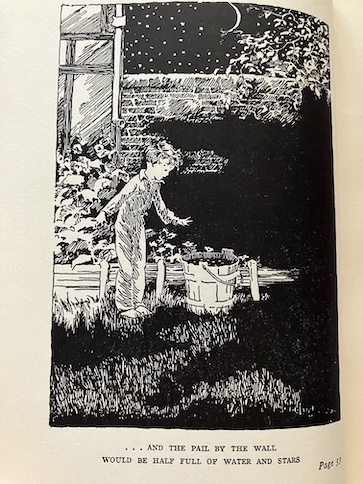
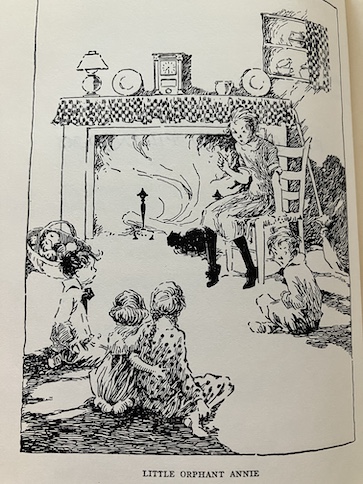
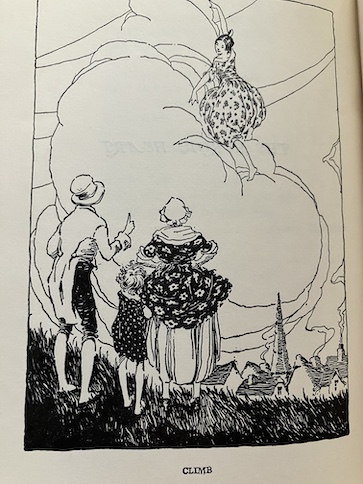


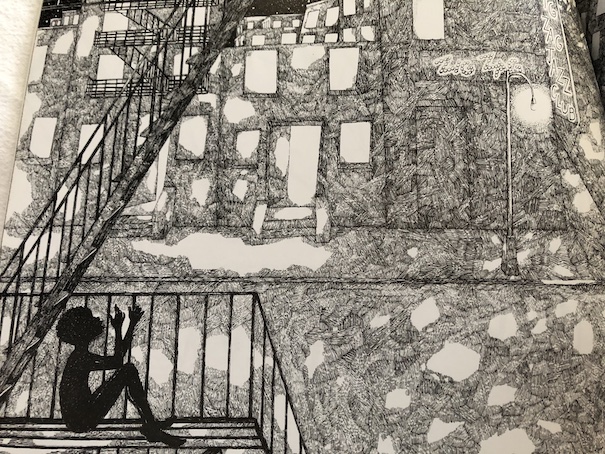

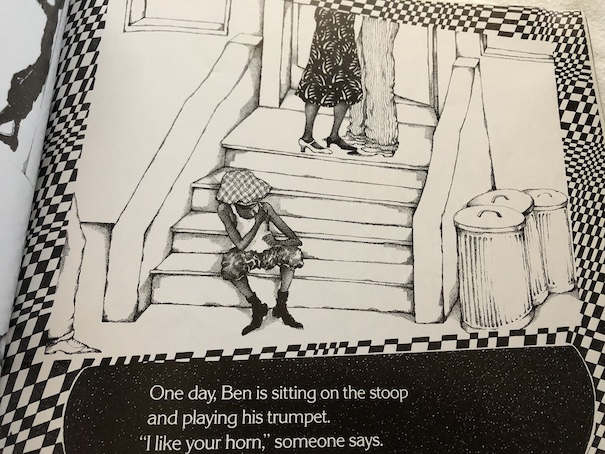

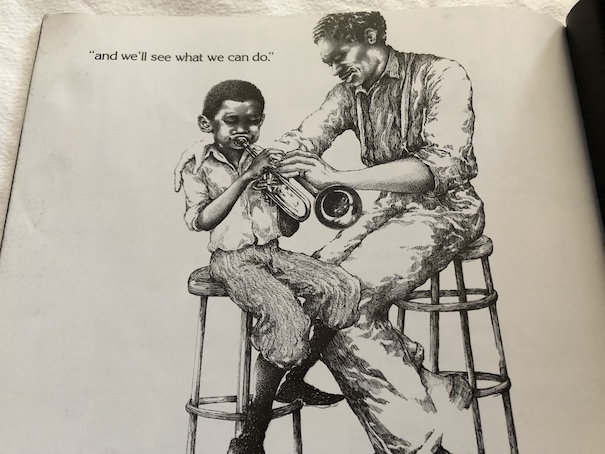


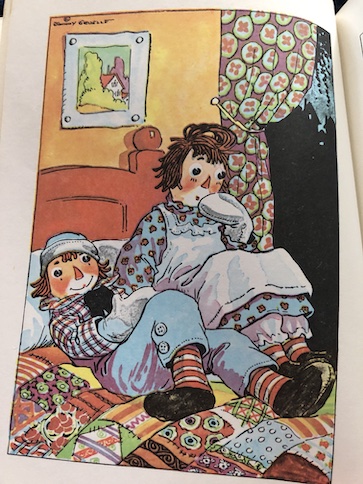
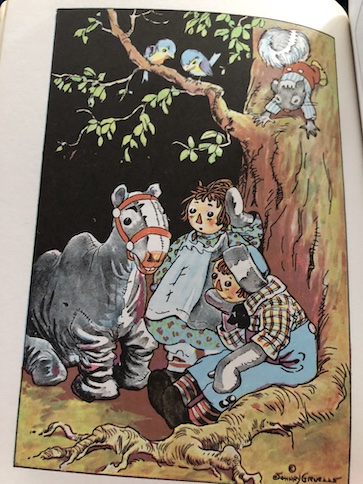


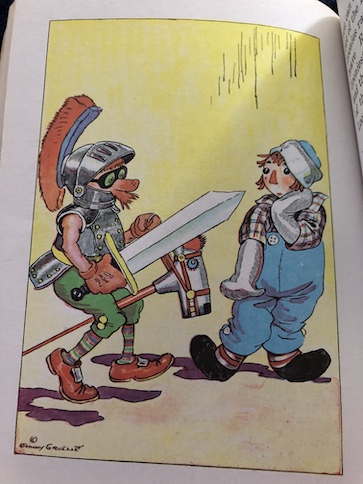
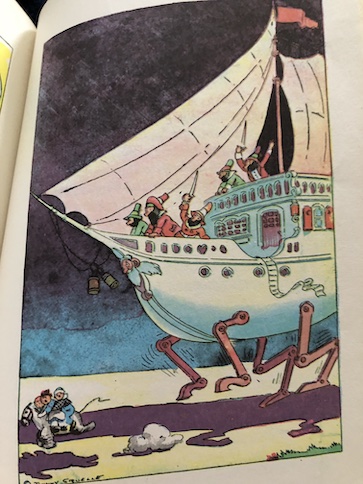


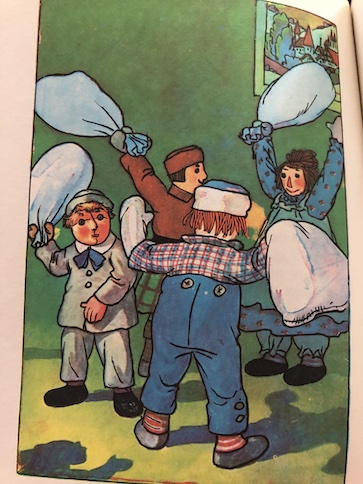

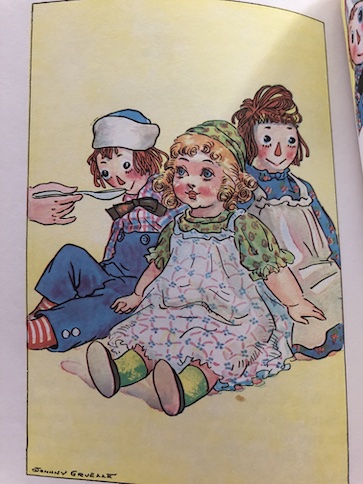
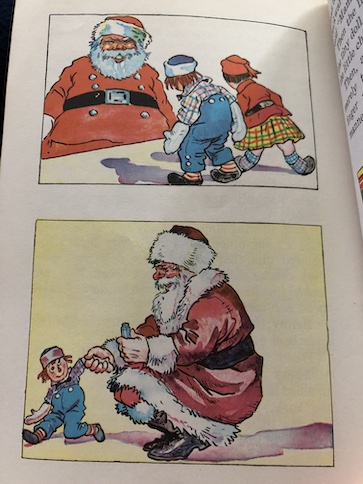
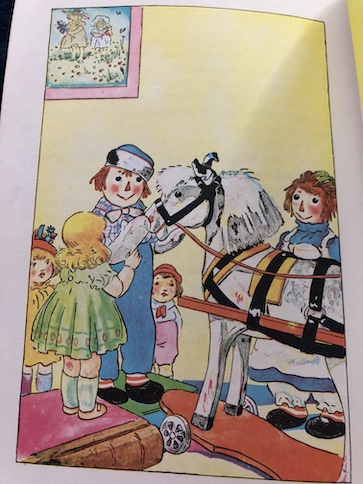


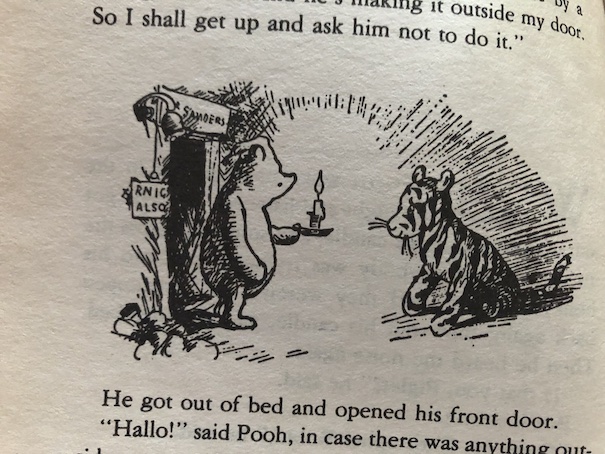


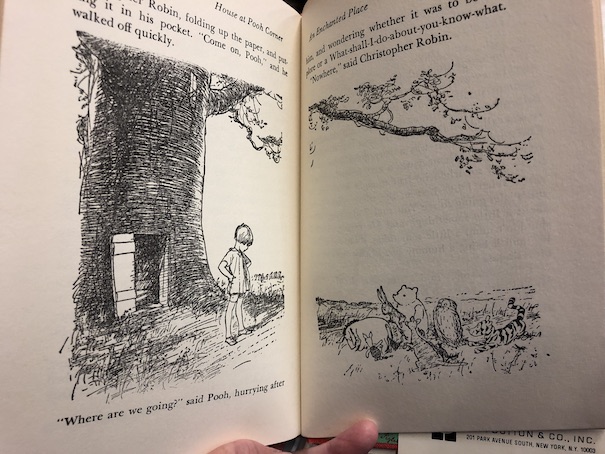
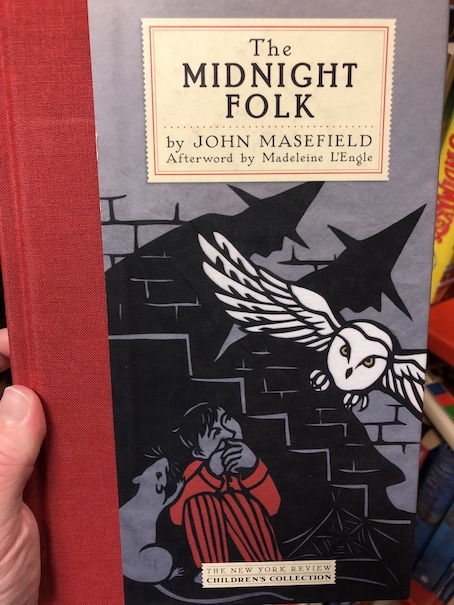


 Jestress's Forgotten Books and Stories