 Mystery on Taboga Island by Patricia Maloney Markun, 1995.
Amy is excited to be spending the summer with her aunt on Taboga Island, off the coast of Panama, near the Panama Canal. Aunt Rhoda is a curator for an art museum, and she is writing a series of art lectures. In particular, she has an interest in Paul Gauguin, who painted in Panama in the late 1800s. She has invited Amy to join her for the summer not only so that she can visit another country but because of their mutual interest in art. Amy loves drawing and painting and wants to be an artist someday.
The one drawback of going is that Amy is worried that she will be lonely over the summer. She doesn’t know whether there will be any kids her age close by or if she would be able to talk to them if there are because she doesn’t speak Spanish. Fortunately, soon after they arrive on Taboga, Amy meets Zoe. Zoe is from California but she comes to visit her relatives on Taboga every year. She introduces Amy to her cousin, Juan, as well. The three of them become friends, and Zoe and Juan even share their special, secret hiding place with Amy: a old lookout point on an old, abandoned pier left from World War II that can only be reached by walking on a narrow beam over the water.
 They also introduce Amy to Madame Odelle, who people call The Bird Woman because of all the birds she keeps around her house. She is a widow who lives alone and hardly ever sees people, but she invites the children in and when she learns that Amy is interested in art, she shows them a special painting that her family has had for generations. Madame says that her grandfather bought the painting years ago from a traveling Frenchman who was in need of money. Amy thinks that it looks like one of Paul Gauguin’s paintings, and she knows that some of his work is unaccounted for. However, the initials on the painting are PGO. What could the ‘O’ stand for?
Then, the painting is suddenly stolen, and there’s no shortage of suspects. A strange woman named Phoebe Quincy has been lurking around Madame’s house and asking questions about her. There’s also Donald S. Deffenbach, a birdwatcher who doesn’t seem to know much about birds, and Captain Billy, an Australian who owns a sailboat that he sails himself. Dr. Denis Dobson, who is also a Gauguin expert, also happens to be staying at the resort on the island. He is visiting places where Gauguin painted while writing a book about him. Could he be the thief?
I like this book for the pieces of history about Panama and Paul Gauguin, which are important in solving the mystery and understanding the origin of Madame’s mysterious painting. One of the things I remembered most about reading this book as a child, though, was when Amy and her aunt were eating at the little restaurant on the island and her aunt urged her to try a Panamanian dish so that she could get used to trying new foods when she travels. Amy tries a tamale for breakfast and loves it, wishing that she had been brave enough to try it earlier since she and her aunt are now planning to do more of their own cooking. I was familiar with tamales as a kid, but not for breakfast, although I like the idea.
The book is currently available online through Internet Archive.
 In the Kaiser’s Clutch by Kathleen Karr, 1995.
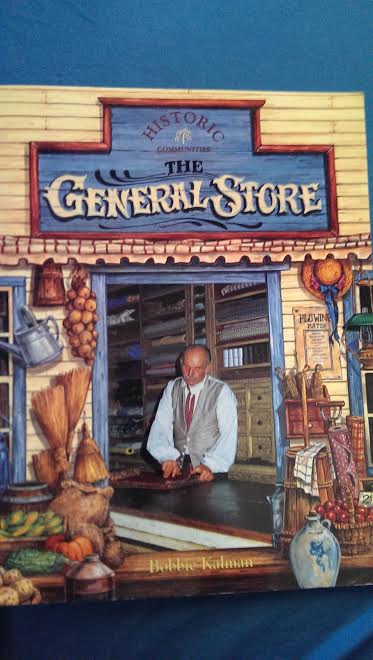 The General Store by Bobbie Kalman, 1997.
 Store owners also had to decide how much they should charge for each item or how much they would be willing to take in trade. Farmers often bartered for goods with the produce from their farms, and it was common for store owners to use a form of credit to keep track of what their customers owed and what they owed to their customers. Farmers would typically sell their goods at harvest time, and the store owners would give them a certain amount of credit at their store, based on what they thought the farmers’ produce was worth. Then, the farmers could use the credit on their account at the store until the next harvest and selling time. If a farmer ran out of credit before the next harvest, the store owner would usually extend credit at the store to the farmer to allow him and his family to buy some necessities, knowing that the farmer could make up for it when he came to sell his next batch of produce.
 Another odd kind of code that the book mentions was the kind that people would use on mailed letters. Instead of the sender paying the postage, as they do now, people receiving letters were supposed to pay for them when they picked them up from the general store. If a receiver returned a letter unopened, they wouldn’t need to pay anything, so some people would try to cheat the system by writing a message in code on the outside of the envelope so the receiver would know the most important part of what the writer wanted to tell them for free.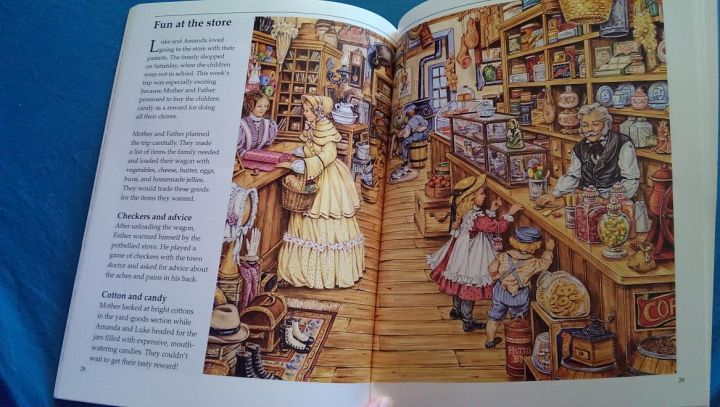
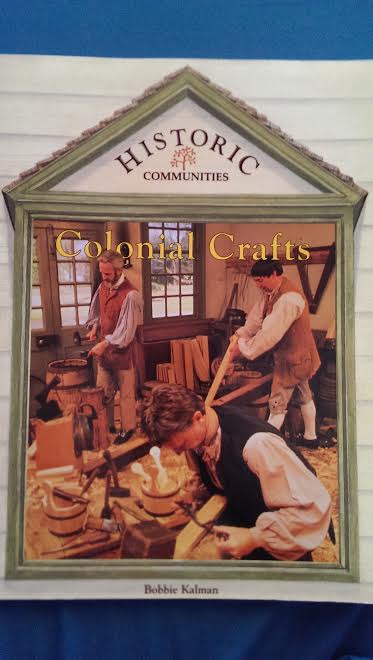 Colonial Crafts by Bobbie Kalman, 1992.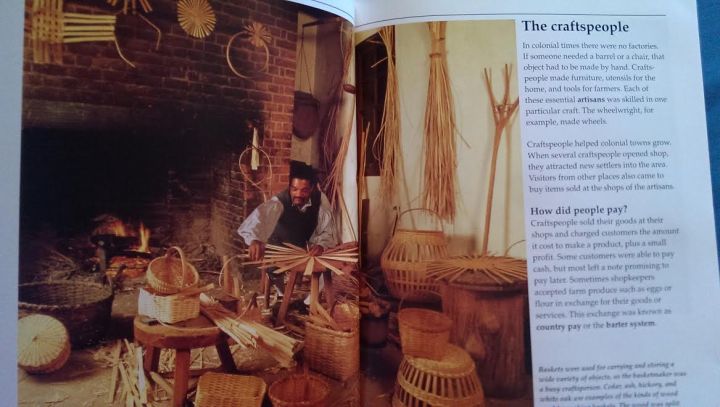


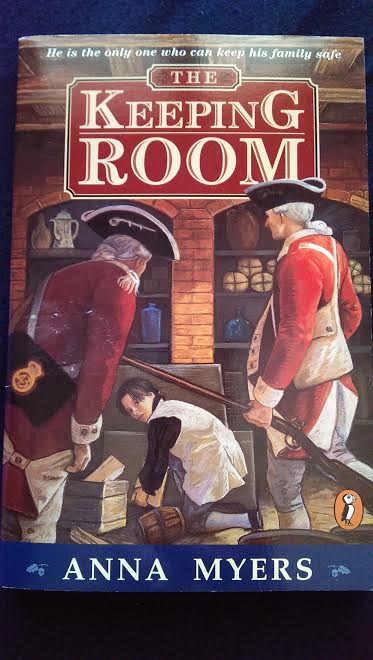 The Keeping Room by Anna Myers, 1997.
 Mary Geddy’s Day: A Colonial Girl in Williamsburg by Kate Waters, 1999.



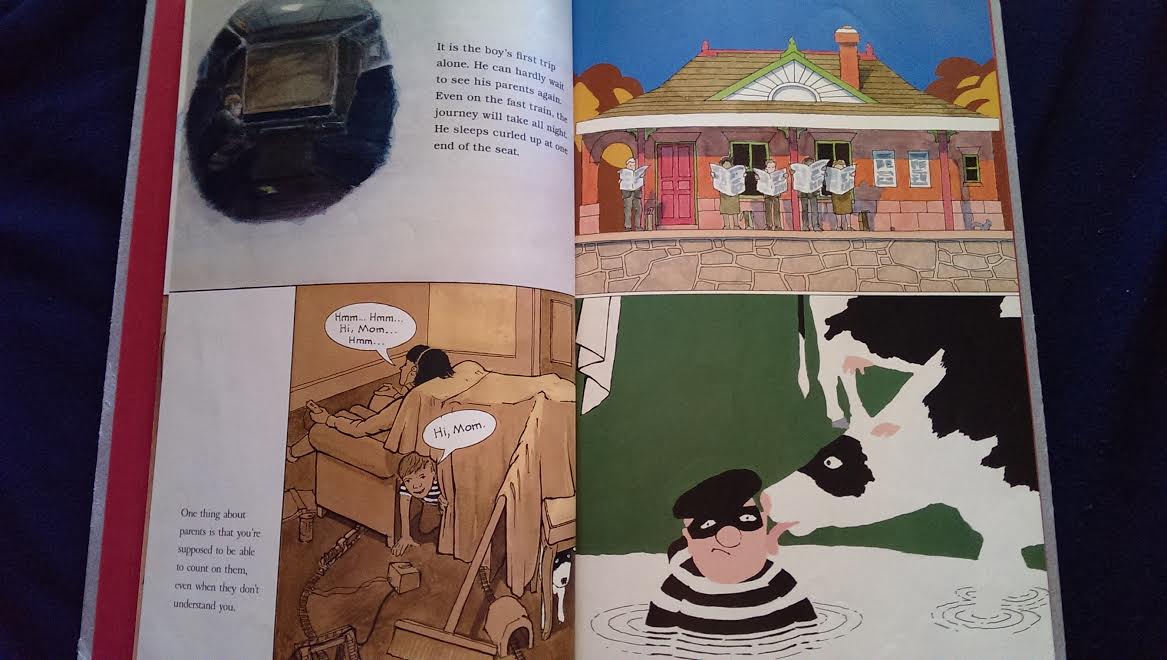


 The Mystery of the Haunted Trail by Janet Lorimer, 1989.
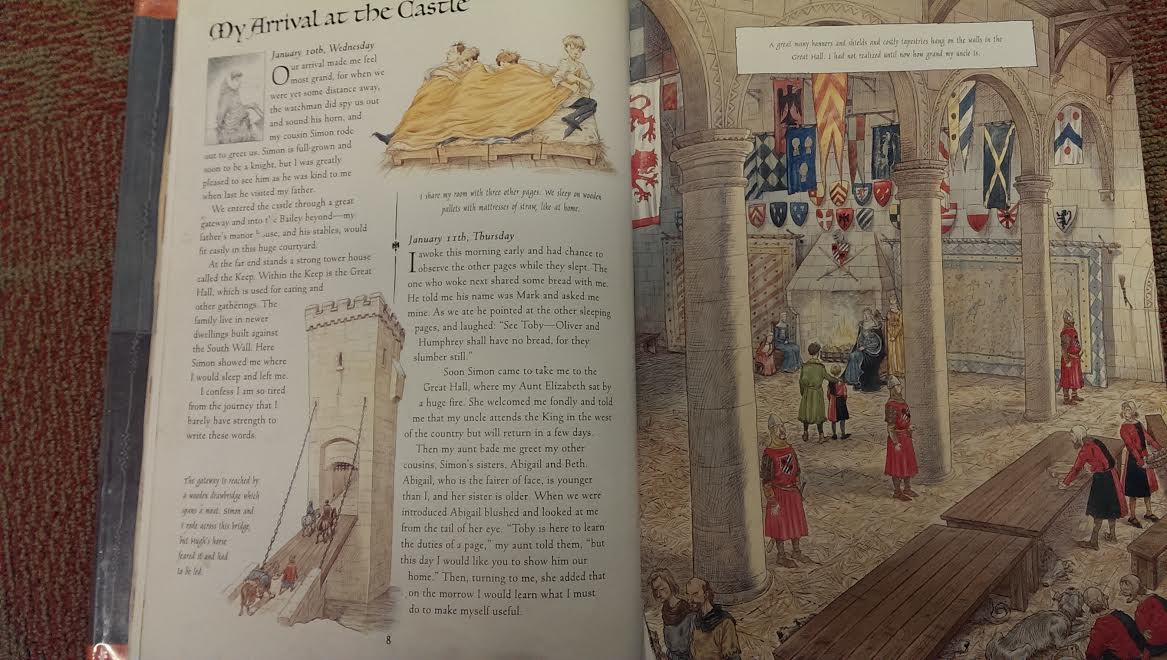



 Jestress's Forgotten Books and Stories