American Girls

Addy’s Surprise by Connie Porter, 1993.
Christmas is coming, and although Addy and her mother have started to establish a new life for themselves in Philadelphia, they miss the rest of their family, whose whereabouts are still unknown. Money is tight, and Addy’s mother is trying to save up for a new lamp for their room at Mrs. Ford’s. Addy wants to buy her mother a pretty red scarf at the second-hand shop for Christmas, but saving up the tips she earns delivering packages for Mrs. Ford is slow. Addy still wishes that they could afford beautiful dresses, like the rich women who visit the dress shop.One thing that Addy is looking forward to is the Christmas celebration at their church. Her new friend, Sarah, has told her all about it. She describes the potluck dinner, the beautiful decorations, and the shadow play they have to entertain the children.


Then, at church, the Reverend Drake tells everyone that more “freedmen,” people who have just come out of slavery, will be arriving in the city soon. Reverend Drake asks the congregation to help, just as many of them received help when they first arrived. Like Addy and her mother, these new people will be arriving with almost nothing, not knowing where to go and what to do, and will need money for food and clothes and places to live. Addy and her mother decide that they want to help, although it means stretching their already-tight finances even tighter.
Addy is reluctant to part with the little money she’s been saving to buy the scarf for her mother, so she offers to help out in greeting the new arrivals and taking them to the church instead. When Addy and Sarah go to the pier to meet them and guide them to the church, Addy feels badly at seeing the condition they are in. This particular group is made up of slaves who were freed because the owner of their plantation was under pressure from the war. He simply turned them loose with only the clothes on their backs and little idea of where to go or how to get help in establishing a new life. Some of them are sick or injured, some have no shoes in the winter cold, and none of them have had enough to eat. Addy reassures them that the church will help them. The baby in the group particularly makes Addy think of her little sister, Esther, who is still in slavery in the South. Addy begins to feel like the things she was worried about before, like dresses, a new lamp, and the scarf aren’t as important as she once thought they were. When Addy has finally collected enough money for the scarf for her mother, she decides to donate the money to help the others instead.
It looks like Addy and her mother won’t be getting the special things that they had hoped for at Christmas, but Christmas is a time of surprises. Through their own hard work, they’ve made some special friends in Philadelphia who care about them, and other, unexpected circumstances allow Addy to not only get the special Christmas dress she’s been dreaming of (a customer returns a dress to the shop because her daughter can’t fit into it anymore) but to make a scarf of her own to replace the one that she was going to buy for her mother. The Christmas party at the church is as wonderful as Addy expected, but there’s an even more wonderful surprise to come: Addy’s father has finally made it to Philadelphia!


I like the way Addy and her mother showed generosity and consideration to others in the story, even though they are also somewhat struggling themselves. Through their own hard work and ingenuity, they manage to make their own Christmas presents with scraps from the dress shop, and Mrs. Ford shows her appreciation for their hard work by buying them the lamp they need. Good things come to those who work for them!

There is a section in the back with historical information about Christmas celebrations around the time of the Civil War. Because of the war, families weren’t always able to get or afford things they could before. People sometimes raised money for soldiers or send them special care packages. Slaves were allowed small celebrations, being released from work for a new days and given small gifts from the plantation owners.

 Eddie’s Christmas Card
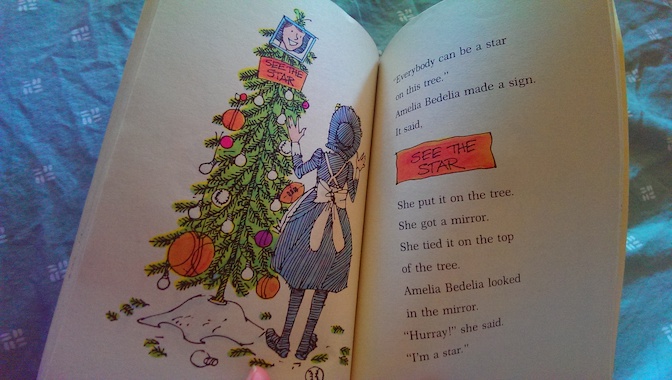
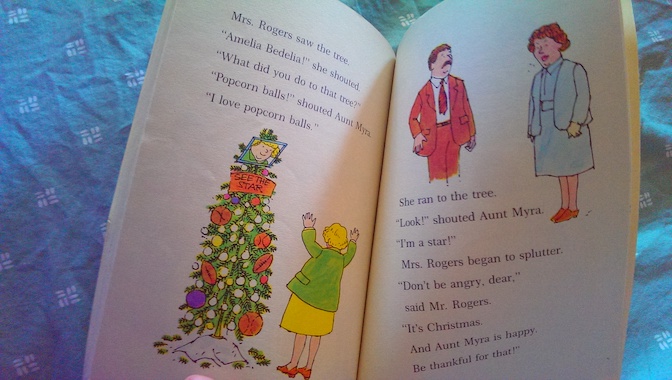
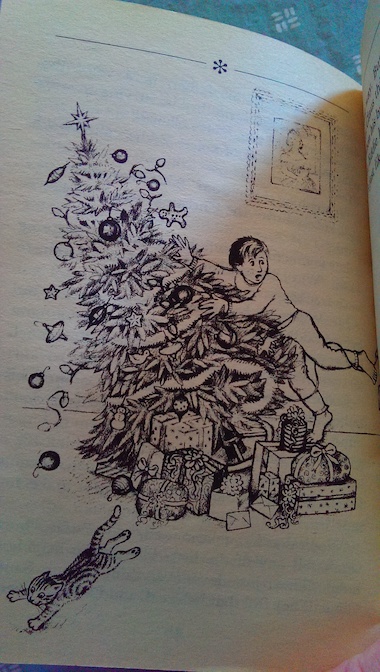 How the Christmas Tree Fell Over
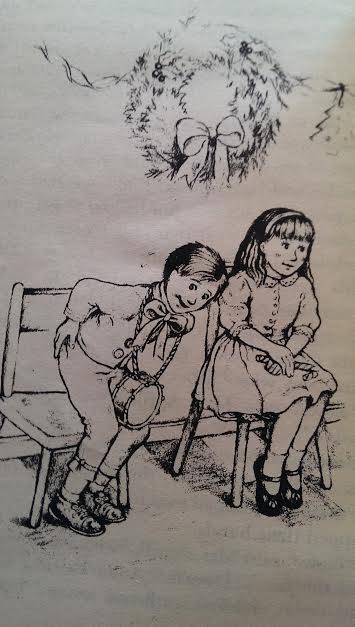 The Christmas Concert
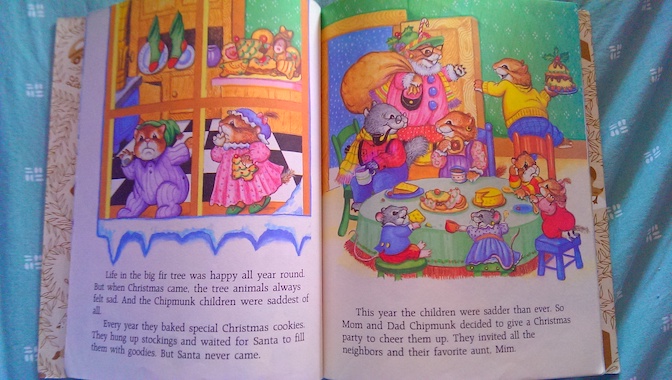
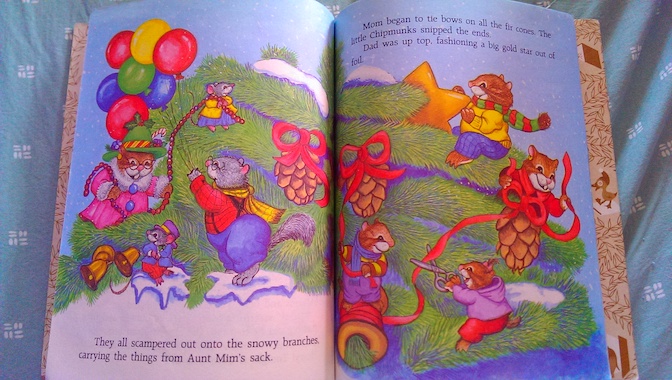



 This is part of the
 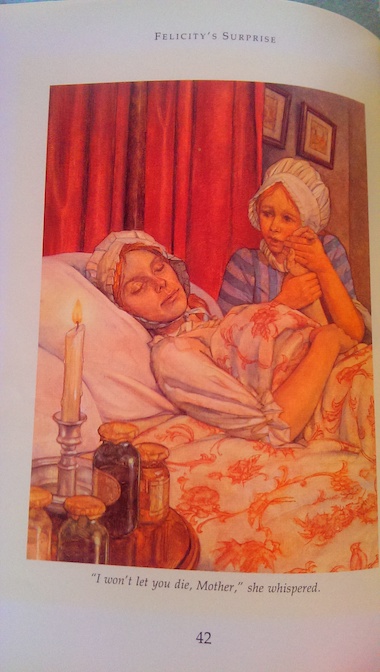 At Miss Manderly’s the girls start having dancing lessons, and Felicity wishes for a new gown, like the one on the elegant doll at the milliner’s shop. Since Felicity is usually not very interested in clothes, her mother decides to grant her wish.


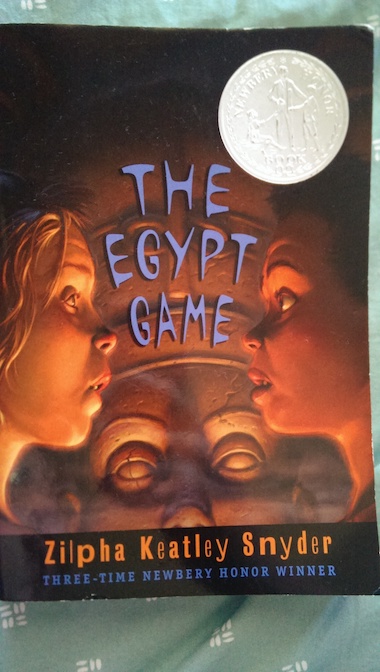
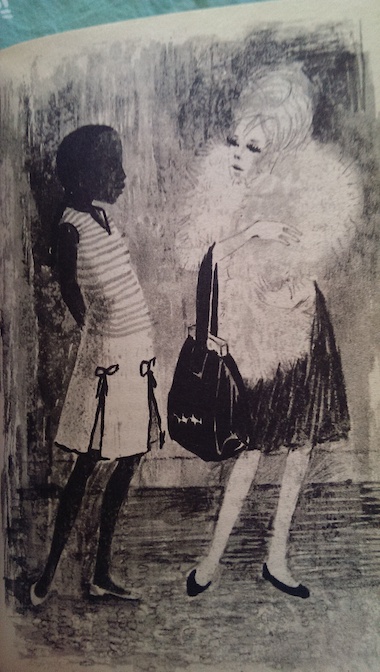 April Hall has come to live with her grandmother (the mother of her deceased father) because her actress mother is touring with a band as a singer. April’s mother isn’t a big star, although April likes to brag about her and their Hollywood life. Really, her mother is mostly a vocalist who occasionally gets parts as an extra, hoping for that big break. April is sure that when her mother gets back from her tour, she will send for her, and they will live together in Hollywood again. Although, from the way her grandmother behaves, it seems as though April may have to prepare herself for living with her for the long term. April resents her grandmother’s apparent belief that her mother has dumped her because she is unwilling or unable to take care of her.
 The children are uneasy about this unexpected game player because frightening things are happening in their neighborhood. The kids wonder if the mysterious messages could be from the crazed killer who murdered the young girl. People have been looking suspiciously at the loner who owns the antique store, an older man who everyone calls the Professor. However, the kids have become too enmeshed in the Egypt game to give it up in spite of their fears.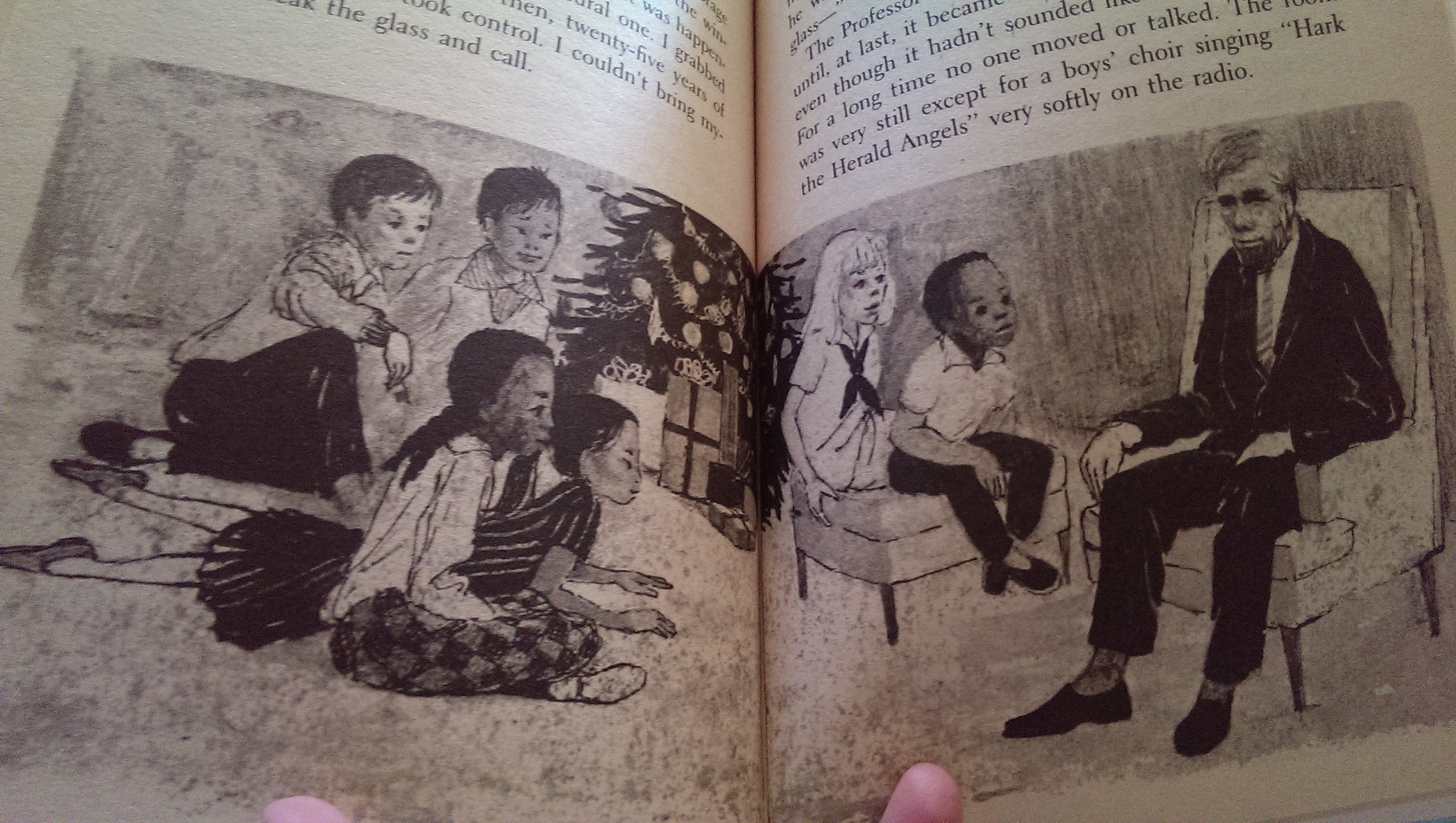
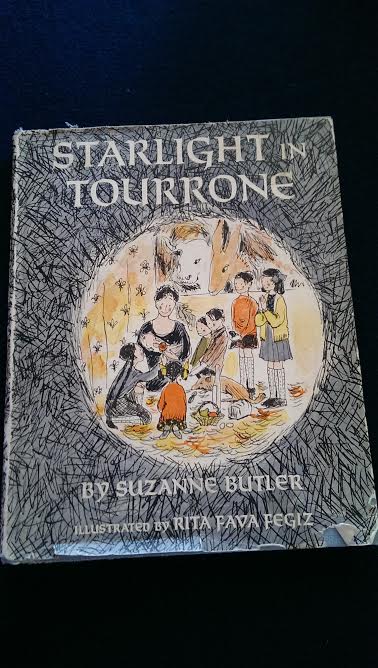 Starlight in Tourrone by Suzanne Butler, 1965.
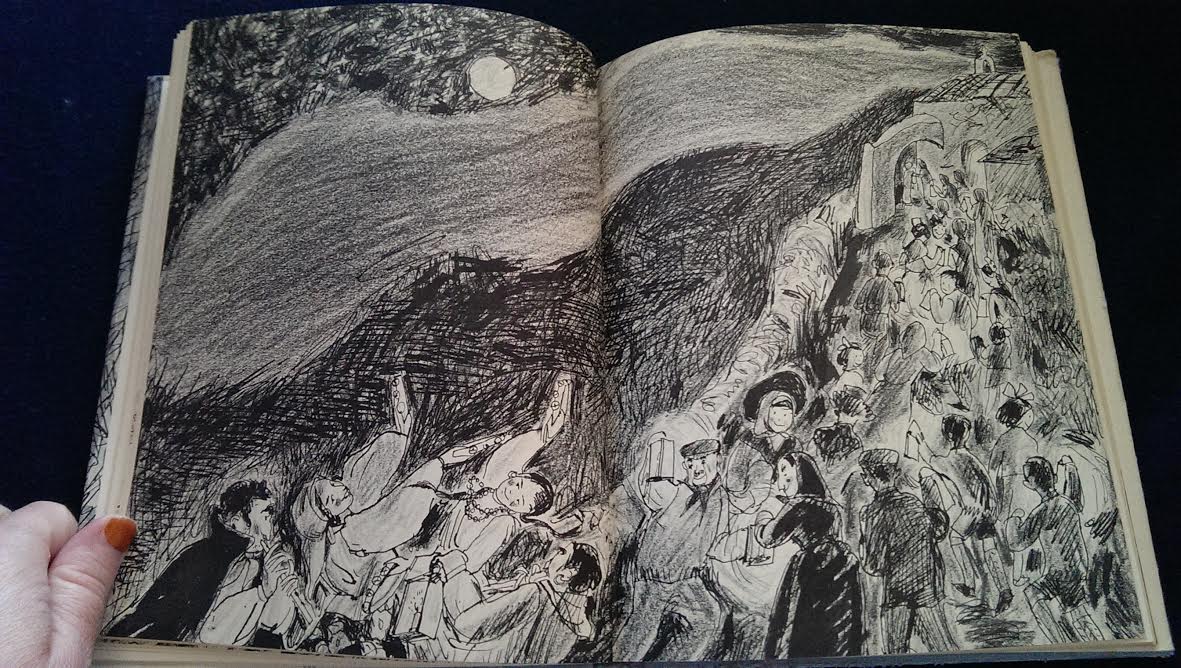 At first, most of the adults in the village are skeptical. Since there are no young couples living there anymore and no babies have been born there for several years, no one knows where the mother and child for the Nativity scene will come from. Many of the adults are too busy with their own problems and worries about the future to help. Still, the children continue to work faithfully on their plans, drawing in the adults in spite of themselves.
 Just as people in the village start to feel hopeful again, something happens that threatens to ruin everything, but there is still one more miracle yet to come, thanks in part to the one person who never doubted it would happen.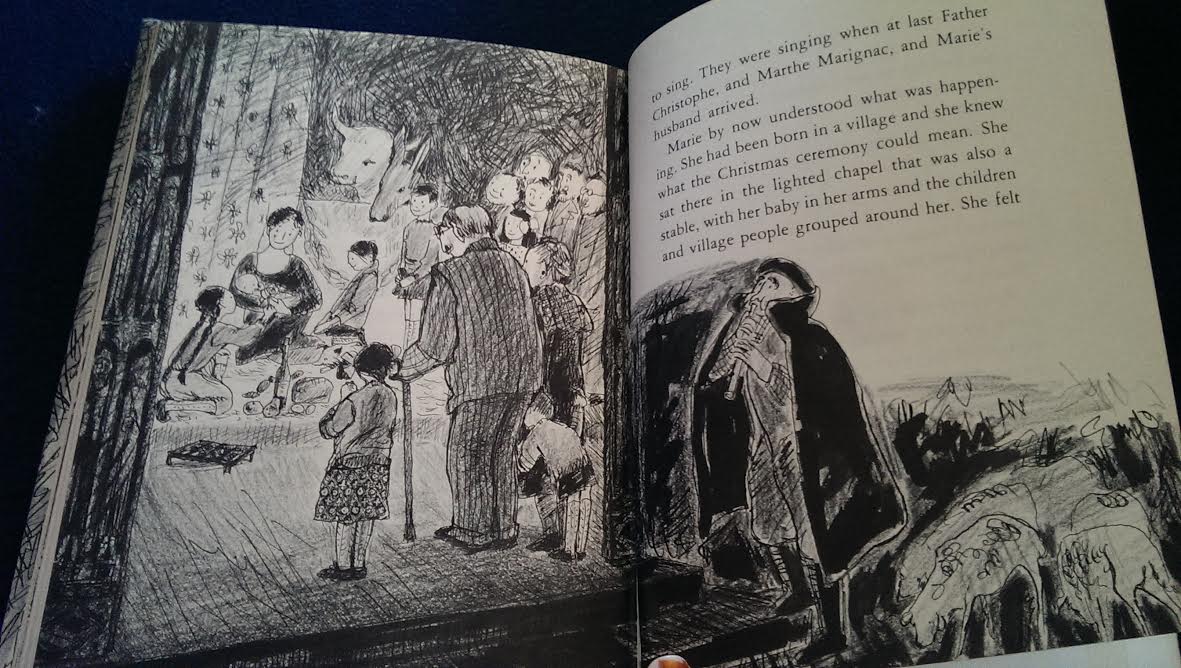

 The Best Christmas Pageant Ever by Barbara Robinson, 1972.
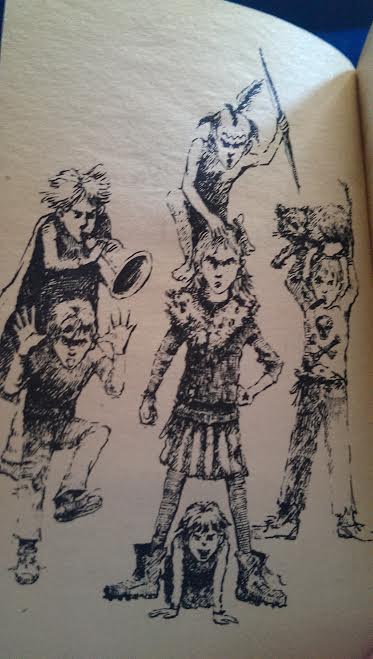 Although the Herdmans don’t get the cake Charlie mentioned and have little interest in Jesus, they begin to be fascinated by the description of the pageant and decide to stick around. The Herdmans love movies, and the idea of being in any kind of play strikes them as fun. Although the Christmas pageant basically goes the same way every year, typically using the same kids for the same parts, once the Herdmans make up their minds that they want the starring roles, they manage to push and bully their way right into the center of everything.
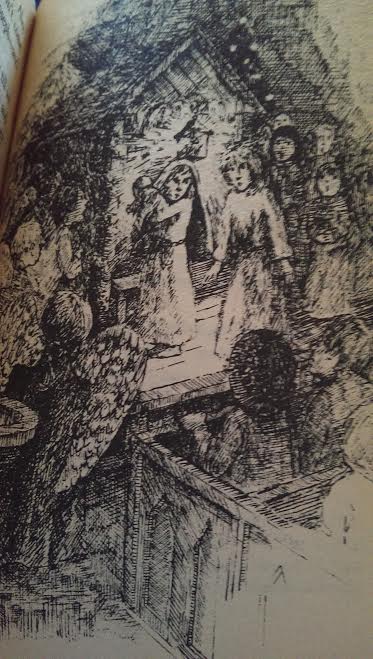 At first, the more conservative adults in the church are horrified at the prospect of what the wild Herdmans might do on Christmas itself, but the minister and the lady overseeing the pageant decide to give the Herdmans a chance. As the title says, it ends up being The Best Christmas Pageant Ever as the Herdmans unexpectedly bring out parts of the Christmas story that the other people who had taken the story for granted hadn’t really thought about much: the simple human reactions of a poor young couple who were strangers in a new town, the fear and expectation that accompany doing something great but unfamiliar and confusing, and the sense of wonder and surprise that are at the heart of the Christmas season.
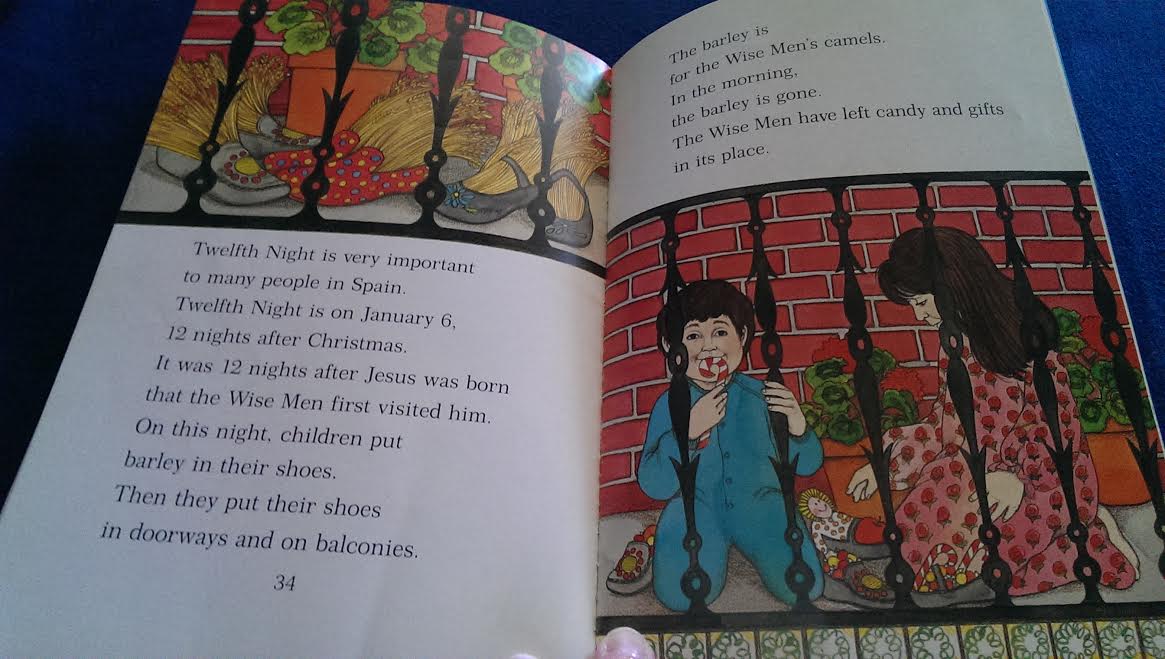
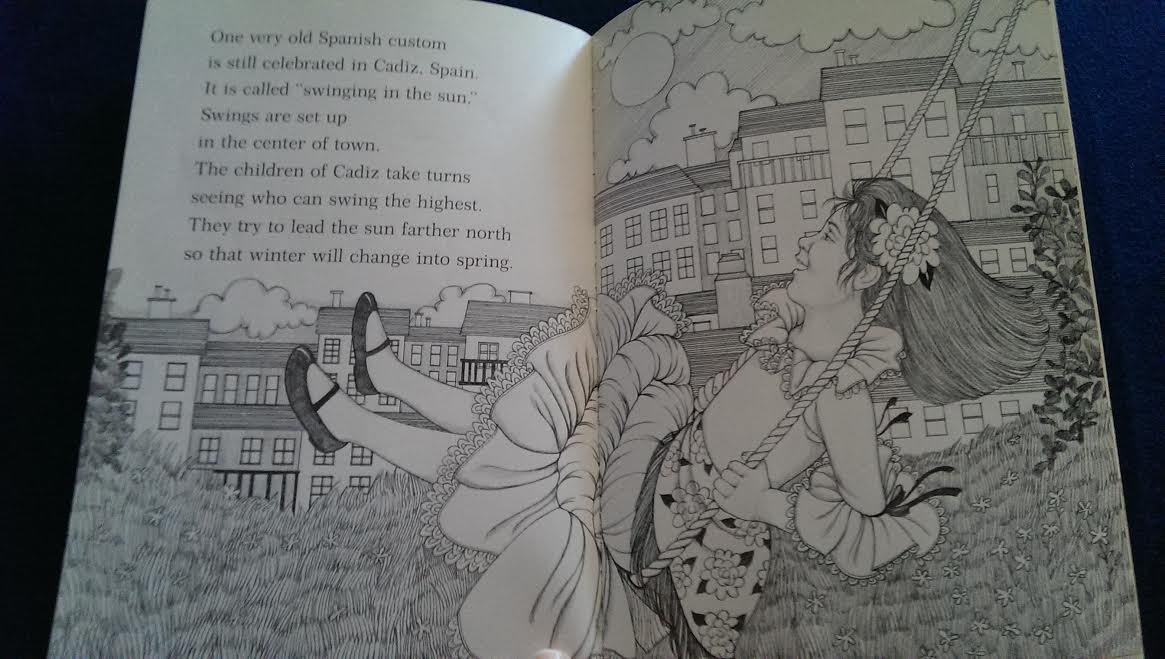
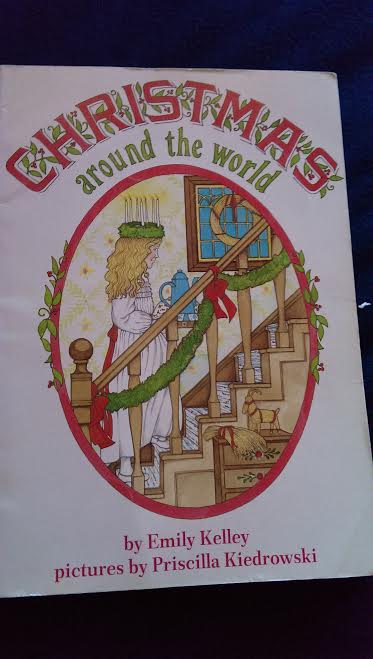 Christmas Around the World by Emily Kelley, 1986.

 Jestress's Forgotten Books and Stories