Stories of Rainbow and Lucky: Handie

Stories of Rainbow and Lucky

I’ve been wanting to cover this series for some time. It’s an unusual series from the mid-19th century, written on the eve of the American Civil War, by a white author with a young black hero. Rainbow is a teenage black boy who, in this first installment of the series, is hired by a young carpenter, who is only a few years older than he is, to help him with a job in another town. The entire series is really one long story, like a mini-series, and each book is an installment in the story. 

This first book focuses mostly on the young, white carpenter Handie Level, why he needs to take this job in another town, and why he decides to hire Rainbow to come with him. The rest of the series follows the two young men, particularly Rainbow, through their adventures, learning life lessons, even dealing with difficult topics like racism. (Lucky is a horse, and Lucky enters the story later.) It’s unusual for this time period for black people to be the heroes of books and for topics like racism to be discussed directly. It’s also important to point out that our black hero is not a slave, he is not enslaved at any point in the series, and the series has a happy ending for him. People don’t always treat him right, but he does have friends and allies, and he manages to deal with the adversity he faces and builds a future for himself.

I want to explain a little more about the background of this book, but it helps to know a couple of things before you begin. First, the author was a minister who had written other books and series for children, Jacob Abbott. He had a strong interest in human nature and the details of everyday life, so his books are interesting for students of history. He explains some of the details of 19th century life that other people of his time might have taken for granted, and he also liked to explain the reasons why his characters behave as they do in the stories, exploring their personalities and motivations. Second, as part of the author’s character studies and also just for the fun of it, he made many of his character names puns that offer hints to the characters’ roles or personalities, so keep an eye out for that when new characters are introduced. Some of these pun name or nicknames are obvious, but others require a little explanation. Rainbow’s employer, Handie Level, is a level-headed carpenter who’s good with his hands, so the meaning of his name is pretty straight-forward. “Rainbow” is the nickname of our black hero, not his real name. We are never told what his real name is. He apparently has one, but even the author/narrator of the story admits that he’s not sure what it is. He is nicknamed “Rainbow” because he is “colored”, and that may require a little explanation.

During the course of the books, the author explains that “colored” was one of the more polite words used for African Americans during the mid-19th century. The author wanted to make his stories educational for children of his time, so there are points when characters discuss how to address African Americans politely, explaining which terms are acceptable and which are not acceptable. The basic rule that the author establishes of not referring to anybody by a name you think they wouldn’t want to be called still holds true today, no matter who you’re talking about. It’s important to consider other people’s feelings in how you describe them, and it’s good to teach children to notice and care about other people’s feelings. However, some of the polite racial terms the author recommends in the books sound out-of-date to people today and might leave modern readers wondering if they really are polite. The answer to the question is that they were considered polite at the time the book was written, but since then, some of the conventions regarding polite racial terms have changed.

A major shift in the terms used took place during the Civil Rights Movement, around 100 years after this series was written. People were intentionally trying to distance themselves from the emotional baggage associated with the racial terms that had been used previously, so instead of using “Negro” and “colored”, they began using “African American” as the formal term and “black” as the generic, informal term. This change in terms was meant to help create a sense of a fresh start at a time when cultural attitudes were changing. Because this book was written in the 19th century, the terms they use as the polite terms are the ones that were formerly used as the polite terms before that cultural shift. Even though most people wouldn’t speak like that anymore, you can still see the use of these terms occasionally, particularly in the names of organizations that were created prior to the shift in racial terms, like the United Negro College Fund (UNCF, founded 1944) and the National Association for the Advancement of Colored People (NAACP, founded 1909). So, yes, “Rainbow” is a pun nickname because he is “colored” in the sense of the racial term. Apparently, the author was amused that the term made it sound like he was colorful, like a rainbow, although I think he is also a colorful personality.

The way a person speaks does offer hints to their background and character. Jacob Abbott had a fascination for analyzing the details of human behavior and the ways other people react to the other people around them them. He was aware of what was considered polite in his time and how the words people use affect other people. In these stories, he deliberately offers teachable moments to show child readers the differences between people who behave politely and considerately and the people who do not. As you go through the stories, feel free to study the characters and their behavior. The author meant for people to notice who these people are and why they do the things they do.

This book is easily available to read online in your browser through NINETEENTH-CENTURY AMERICAN CHILDREN & WHAT THEY READ, I’m going to do a detailed summary below. If you’d rather read it yourself before you read my review, you can go ahead, but some people might want to know in detail what they’d be getting into. There’s nothing here that I think would be racially offensive because it’s quite a gentle, sympathetic story. However, I can immediately see a couple of reasons why this book and its series hasn’t become a better-known children’s classic. 

I wasn’t kidding when I said that the author goes into detail about some aspects of daily life and society in the 19th century. This story and its series, like others by the author, was meant to be education, so there’s a lot of teaching going on, both in the form of moral advice and general life lessons and in the specifics about how to handle money and negotiate business arrangements. It could still be interesting for someone studying daily life and social attitudes in the 19th century, but 21st century children might find it a bit dull. There’s more explanation than there is action and adventure, although I wasn’t bored while reading it, and there are a few interludes with character backstories, stories that the characters tell each other, and a strange dream Handie has. In the middle of the book, there’s kind of a touching story about a little boy and his widowed mother that I enjoyed, and it explains some of the reasons why the characters are in the situation they’re in.

Handie and Rainbow are the two main characters of the series, although most of this book focuses on Handie and his family. Their money troubles, an inheritance that Handie receives, and the arrangements that he makes on behalf of his family create the situation that causes Handie to hire Rainbow to help him with some work, which requires traveling to another town to manage his inheritance. The entire series tells the story of why they’re doing this, what happens to them on the journey to this new town, what they find there, and what it means for their futures, but it’s told in five installments. There are some spoilers at the end of this story to future stories in the series, which ruins some of the suspense, but this isn’t really meant as a suspense story. It’s a story about a couple of promising boys in the teenage years and what they do that sets them up for their future. One of them just happens to be black, and that’s something that figures more in the later stories in the series. This particular book has a few moments when the characters discuss race and the difficulties and discrimination that black people encounter in life, but it’s not a major focus. There is going to be outright racism in the stories, but this book mostly sets up the backstory of the characters and their situation.

Handie Level (his first name is short for Handerson, we are later told) is a poor boy who is reluctant to go to school because his clothes are so poor, but yet, he is eager to learn. Our narrator, an unnamed neighbor of the Level family, describes how Mr. Level has difficulty earning much money because he is not very strong and is physically deformed. He manages to earn sufficient money to keep himself, his wife, and their son in a basic way as a kind of repair man. He is very good at fixing things in his little workshop. However, he isn’t very good at managing the little money he has, and his wife isn’t very attentive about maintaining the house or the family’s clothes, making them look more poor than they actually are. It’s true that they don’t have much, but they could do better if they managed their resources better. It’s partly because they feel sorry for their poor state and not very hopeful about it improving that keeps them from striving to do better. In reality, they’re not that much worse off than their neighbors, but this feeling that they are is what keeps Handie from going to school and letting others see his poor state. Since he has not been to school so far and can’t read, Handie worries that he would be embarrassingly behind the other children if he tried to go.

One day, the kind neighbor/narrator sees Handie trying to teach himself to read. Wanting to help the boy, the kind neighbor gives him a book that will help him learn to read better than what he was trying to use. (The author of the story is probably inserting himself here as the friendly neighbor, especially because he also wrote other books about children’s education, children’s readers, and series of simple stories aimed at teaching children to read.) Handie is grateful and begins making more progress in his learning.

Handie also becomes more helpful to his parents as he grows older and takes an interest in learning to mend his own clothes. When his mother helps him to mend his clothes, he looks much better, and Handie praises his sewing ability. His mother is pleased at the praise, and we learn that her husband has been more in the habit of criticizing her efforts at everything rather than praising her. This constant criticism and lack of encouragement is another reason why she has not been trying harder to maintain the household and the appearances of her family. Handie’s praise encourages his mother, and with Handie’s help, she begins making more effort around the house and doing more mending. With his clothes looking nicer and his new ability to read, Handie feels more comfortable going to school, and he begins progressing in life.

As Handie grows up, he becomes more and more helpful to his parents, both around the house and in his father’s repair business. He begins taking jobs of his own and bringing in a little money. He helps his family improve their circumstances. Then, a new opportunity comes along. The man at the mill says that if Handie or his father can buy a horse and wagon, he would pay them good money to haul lumber for him. It’s a tempting offer, and it could be a job that Handie’s father could do that would pay him more than what he’s doing now, but Handie doesn’t know where they would get the money for the horse and wagon for either of them to use. Handie has been good about saving money from what he earns, but the amount they would need is a large sum.

When Handie finally talks to his father about the job offer, Mr. Level is upset. He has been very worried lately, and he reveals to Handie the reason why. Even though they own their house, there is a mortgage on it, and the mortgage holder (a lawyer in the village) is now insisting that the Levels pay him the full sum or the family will be turned out. Mr. Level doesn’t know where he will get the money to pay the full amount, and he doesn’t know where they can possibly live if they have to leave. Handie and his mother had no idea that Mr. Level had taken out a mortgage on the house, and they are distressed about the looming threat of eviction. The amount of money they would need to save their house is about the same as what it would take to buy a horse and wagon.

While the Levels are debating about what they can do, the story flashes back a few years to a little boy named Solomon Roundly and the reason why Mr. Level is in such financial trouble. Solomon belongs to an industrious but poor family on the other side of the village from the Level family. The family is saving up to buy their own farm when Solomon’s father suddenly dies of an illness. The neighbors do their best to comfort Mrs. Roundly and young Solomon. Among the neighbors, there is a black lady and her 12-year-old son, who sometimes looks after young Solomon and plays with him or takes him fishing. (The book uses the term “colored” to describe the black boy and his mother because that was one of the more polite terms at the time. There is a point later in the series where the narrator specifically explains this.) The narrator says that he doesn’t remember the black boy’s real name because everyone has called him Rainbow for as long as anyone can remember, and they’re not even very certain whether he ever had another name.

One day, another local boy, called Josey Cameron, is accidentally injured when he tries to throw a stone into an apple tree to knock down an apple, and the stone comes back at him and hits him just above his eye. The boy cries with fright and pain, and Mrs. Roundly takes him inside and tends to the wound. Mrs. Roundly asks young Solomon to fetch Rainbow and see if Rainbow can take the injured boy home in his cart. Rainbow agrees to take Josey home, and Mrs. Roundly tells him to be sure to drop the boy off close to his house but not right in front of it and to let him walk the rest of the way so that his mother will see that he is not hurt too badly. If Mrs. Cameron sees them drop off her son right at the door, she might panic, thinking that he couldn’t walk at all. The reason why this little incident matters is that it happens shortly before Mr. Roundly dies, and it starts off a chain of events which explains Mr. Level’s mortgage.

Mr. Cameron is so grateful for Mrs. Roundly tending to his son’s wound and arranging for his ride home that he arranges a little present for the Roundly family. He is a daguerreotypist, meaning that he makes daguerreotypes, which is an early form of photography. Basically, he has a photography studio. He has Mr. Roundly pose for a daguerreotype as a reward to his family for their help. Mrs. Roundly is happy to see the picture of her husband when they receive it, but later, after her husband’s death, she finds it a painful reminder of the loss. Young Solomon, seeing his mother crying over the daguerreotype of his father, decides that if it makes her so unhappy to see it, maybe he should get rid of it.

Solomon takes the daguerreotype and goes to see Rainbow and asks him for a ride into the village. Rainbow is happy to give him a ride, but he asks him why he wants to go there. Solomon says he’s going there “on business”, which makes Rainbow laugh because Solomon is so little. Yet, Solomon insists that’s the case and tells Rainbow he’ll see it’s true when they get there. 

On the way, Solomon insists that Rainbow tell him a story. Rainbow tells him the only one that he knows, a story about a man who killed a bear. (I find hunting stories rather gruesome, although I suppose 19th century children might have found this interlude thrilling.) Rainbow knows this story because his mother read it in an almanac once. Solomon asks Rainbow if he can read. Rainbow says he can’t read very well. His mother is too busy working to teach him, and it’s hard to learn on his own. He wishes he could go to school, but he says that the local people don’t like him to go. The other boys don’t want to sit near him, and people make trouble for him. Solomon wishes he could do something that would help, but he can’t think of anything.

In the village, Solomon asks Rainbow to take him to Mr. Cameron’s. When they get there, Solomon asks Mr. Cameron to make a daguerreotype of him, just like he did with his father and to replace his father’s daguerreotype in its case with his instead. Mr. Cameron is surprised at the request, especially since Solomon admits that his mother didn’t send him and he wants the picture for free, but he agrees to do it as a favor to the little boy. When Mr. Cameron makes the daguerreotype, Rainbow is standing behind Solomon, and he ends up in the picture as well. When Solomon sees it, he says that he didn’t mean Rainbow to be in the picture with him, but Mr. Cameron says that he doesn’t see a problem with it. In fact, he thinks that Rainbow’s presence really improves the picture and makes it “prettier.” Rainbow is surprised and flattered that Mr. Cameron, as a man of artistic sensibilities, thinks his face could make a picture more beautiful, and Solomon decides that the picture will serve his purpose as well with Rainbow in it. 

When he gets home, Solomon puts his new daguerreotype in the place where his mother kept his father’s picture, and he puts his father’s picture away for safe-keeping. In the morning, his mother asks him about the new daguerreotype, and Solomon explains what he did. He says that he did it so that his mother would think of him now, and not his father, so she would be less sad. His mother agrees that’s a good thing to do, and she says that she doesn’t mind having Rainbow in the picture, either, because Rainbow has been so kind to Solomon.

Taking her son’s words to heart, Mrs. Roundly decides that she needs to start thinking of her son more and planning for the future again. She has some money that her husband left her, so she decides to see the lawyer in the village, Mr. James, about investing it on her son’s behalf, so her son will be able to buy a farm when he is grown. Mr. James is the same lawyer who holds the mortgage on the Levels’ property, and the money that Mr. Level borrowed from Mr. James is the money that Mrs. Roundly invested with him. Mr. Level was in debt at the time, and he promised to repay the loan with interest, using his house as collateral for the loan. The money that Mr. Level must repay is being managed by Mr. James, but it’s actually for young Solomon Roundly and his mother. 

Mr. Level is not good at managing his money, he has been careless about making his payments on time, and because he didn’t tell Handie or his mother about it, there was no one else to remind him or make sure that he repaid the money he borrowed. Mr. James has already extended the loan and given Mr. Level chances to make payments, and Mr. Level hasn’t done it. Mr. James can’t in good conscience allow Mr. Level to not repay a widow and a fatherless boy the money he owes them because he knows they really need it. That’s why he’s insisting on payment now or he’ll take the house.

When we return to the present after the flashback that explains the nature of the problem, Handie decides that the only thing to do is to see Mr. James himself and try to negotiate with him on behalf of his father and family. On his way, he meets Captain Early, who offers him a ride. Handie accepts and decides to ask Captain Early for advice about debts and mortgages. Because his father doesn’t understand much about money matters, Handie also doesn’t really understand mortgages or what the family’s options are. 

Captain Early says that if the property that’s mortgaged is worth more than the current mortgage, it could be possible to take out a second mortgage from a different person and use it to pay off the first one, thus buying some time to fully repay the debt. Handie has some misgivings about this approach. Captain Early doesn’t think it would be hard to find another investor who would be willing to lend money in the hopes of earning interest on it, but Handie now knows that his father isn’t good at paying his debts or even the interest on them. Still, it’s the only sensible solution that anyone has proposed so far, so he decides to discuss the possibility with Mr. James.

When Handie goes to see Mr. James, they discuss the situation. Handie explains that he didn’t understand the state of his father’s finances before or he would have helped his father pay the debt, and Mr. James explains why he’s reluctant to allow them more time to pay. The reason why the matter is so pressing is that Mrs. Roundly and her son are living in a rented house, and the man who owns it is in need of money and wants to sell the property. If Mrs. Roundly gets her money back, she could buy the home herself, and she and her son could continue to live there. If she doesn’t, she will have to worry about where she and her son will live. To let the Levels continue living in their home while not repaying the debt would result in the Roundlys being evicted, and that would hardly be fair, since it was really their money in the beginning.

Handie agrees that it would be unjust to not repay the debt to the Roundlys and put their situation in danger, and he promises to try to work things out so he and his father can repay the money. Mr. James appreciates Handie’s practicality and understanding, and he says that it’s too bad that Handie is only 19 years old. If he was 21, he would be a legal adult, and he would be willing to invest in Handie himself to repay Handie’s father’s debt. The only reason why he can’t do it now is that, until Handie is a legal adult, his signature on any agreement wouldn’t be legally binding. Also, technically, under the law, Handie’s time and money don’t belong to him but to his father. Even if his father would allow him to have time and money to himself, everything that belongs to Handie, and even Handie himself, legally belongs to his father until he’s a legal adult. 

As for what Captain Early said about taking out another mortgage or loan, even if Handie tried to arrange such a thing, any loan made to him would really, legally, be another loan to his father. Even if Handie gave his father the money to settle his debt or any other loan, there would be no guarantee that his father would actually use the money for that purpose. Legally, he can do what he wants with any money Handie gives him, even if Handie is the one who earned it, and even if he just wastes it instead of settling his debts. The truth is that Mr. James has already approached potential investors about making another loan to Mr. Level, but nobody wants to loan him money. Mr. Level has been complaining openly to people in the village about how unfair it is that he’s going to lose his house because he hasn’t repaid his loan. By doing all that complaining, he’s publicly outed himself as a bad debtor, and while people feel sorry for him, nobody wants to trust him with their money.

The situation looks hopeless to Handie. All he can think of is that his family will have to sell their house and move somewhere else. Because they can get more money from the sale of the house than they need to cover the debt, they could use that money to move somewhere else. Mr. James says that whoever buys the house might lease it back to them so they can continue to live there. They would just be paying rent to continue living in the house rather than paying the mortgage. It’s not a great solution, but it’s the only one open to them, and they will be left with some money from it. Handie explains the plan to his parents and to Mrs. Roundly, and they all agree to it.

It will take a couple of months to settle the sale of the house, so Handie tells his father that they must try to earn as much money as they can during that time. Mr. Level says that there’s no way they can earn enough to stop the sale of the house in that time, but Handie says that it doesn’t matter. Whatever money they can earn will help in setting them up with a place to live and improving their financial situation. Thinking again about the offer of a job delivering lumber, Handie decides that, rather than trying to buy a horse and wagon, maybe he could rent one. He does so, his father begins delivering lumber, and he and his father begin saving up money and paying down the debt.

Then, Mr. James sends Handie a message to come see him. Mr. James has received word that Handie’s uncle has died and left him a small farm called Three Pines. Because his uncle left the farm to Handie and not to his father, Mr. James is to hold it in trust for him until he is 22. (This is one year past the age of adulthood, but this is what his uncle specified.) There is money to go with the property, and as the executor of the estate, Mr. James is directed to use the money to fix up the property and rent it out to a tenant on Handie’s behalf until Handie is old enough to have it. The bequest would be helpful to Handie if he could use it immediately to pay his father’s debt, but there is still the issue that Handie is underage. While Mr. James can rent out the property and use the money on Handie’s behalf, it would be against the terms of the will to use the money to pay Handie’s father’s debts. While helping his father would indirectly help Handie, that’s not quite good enough to satisfy the terms of the uncle’s will.

What Mr. James suggests is that they follow the terms of the will that require him to use the money from the estate to hire someone to fix up the property, and to that end, he will hire Handie to do the work and pay him for it. It seems odd to be hired and paid to work on a house that’s technically his, but it’s a logical solution to the problem. Because of the lawyer’s strict interpretation of the will and his role in executing it, he doesn’t think it would be appropriate to give Handie an advance on his work so he can settle the debt right away, insisting that Handie must do the work before getting any money. Handie thinks he’s being too strict, which is not really in his best interests at the moment, but he doesn’t see how he can argue. The proposition that Mr. James makes for him would still allow him to earn more money than he is currently earning.

When he tells his parents about the bequest and Mr. James’s proposition, they are happy that Handie’s uncle left him something but disappointed that Mr. James is unwilling to use the situation to help them more immediately. Handie himself thinks that Mr. James should have made a little exception to the rules to give him an advance on the money, although he has a dream that night that gives him a different perspective. In his dream, a fairy argues with a clock, telling it that it would do some good for it to go a little faster sometimes and a little slower at others, according to people’s needs. The clock says that the trouble is that, if he speeds up for one person, he might go too fast for another person’s needs, and if he slows down too much, it might cause trouble for someone who needs time to go faster. Because changing the flow of time can hurt one person at the same time as it helps another, it’s better for him to just keep the correct time. 

When he wakes up, Handie thinks about his weird dream and realizes that Mr. James is like the clock because he has to go strictly according to the rules, stable and predictable, to keep the situation steady for everyone. Sometimes, he might be tempted to do someone a favor by tilting the balance for them, but that can throw off other people who are also depending on him to follow the rules. Handie also considers the purpose behind his uncle’s will. His uncle and his father didn’t get along well, and his uncle was aware that his father was terrible at handling money. Handie himself has now become acquainted with his father’s lack of money sense and how it affects the rest of the family. He realizes that his uncle left his farm to Handie because he had heard that Handie was a practical boy and a good worker and would be more likely to take care of it. Therefore, he skipped over Handie’s father and left the farm directly to Handie, to be held in trust for him until he was a full adult to make sure that Handie’s father couldn’t use it for his own purposes or that Handie wouldn’t sacrifice something that would make a real difference to his future in his efforts to help his father. His uncle was planning for the long term, not the short term, something which Handie’s father never does but which Handie will have to learn to do if he wants a better future. Mr. James understands this thinking as well as Handie does, and that’s why he’s so adamant that they follow the terms of the will exactly.

When Handie speaks to Mr. James again, Mr. James reminds him that his father has a legal right to Handie’s time and anything that he earns through the use of his time. Time is a valuable resource, and Handie’s father owns his as a piece of property until Handie turns 21 years old. (In the book, Mr. James says, “You see the law requires that children should do something to reimburse to their parents the expense which they have caused them in bringing them up. … . They are required to remain a certain number of years to assist their fathers and mothers by working for them or with them. The time when they are finally free is when they are twenty-one years old.” This isn’t how society or the law would look at it in modern times, but I’ll have more to say about that later.) What Mr. James proposes to Handie is that he literally buy Handie’s time from his father, the remaining 2 years until Handie is 21 years old, for enough money to pay off the mortgage and give him plenty of extra money. If he does that, Handie will be working for Mr. James instead of his father for the next two years, and whatever he does or whatever he earns in that time would be for Mr. James. Handie agrees to this proposal because it would take care of his father’s money troubles. 

However, Mr. James improves the offer by saying that Handie has the ability to buy his own time, in which case he will be working for himself, owning his own time and his own earnings. He has spoken to a gentleman in the village who is willing to establish a loan for Handie, which he can use to buy his time from his father. As long as Handie stays healthy and continues working during the next two years, he will have more than enough money to repay that loan. Handie asks what happens if he gets sick or dies. Mr. James says this arrangement will require him to take out life insurance as security, to repay the loan in case something happens to him. The farm Handie has waiting for him can also be security for the loan in case Handie is sick or injured, and Mr. James will also endorse the note, meaning that he will pay the debt if Handie is unable to do it. It’s suitable for Mr. James to do that as the trustee for Handie’s inheritance and more legally-binding because Handie is still a minor.

Handie explains this new proposal to his parents, and they all agree to it. Handie’s mother is worried that this arrangement will involve Handie leaving home, and she doesn’t know what they’ll do with out him, but Handie says it’s necessary for him to go to the farm he’s inherited and begin fixing it up. It will bring in more money in the long run, and he will come home to his parents when everything is order and the farm is ready to lease to a tenant until Handie is 21. When they accept the proposal, Mr. Level is able to pay off his mortgage and save his ownership of his house, and he has enough money left over to buy his own horse and wagon to use in his new delivery job. With the family’s fortunes looking much better, Handie prepares to go to farm and begin his work there.

Hiring Rainbow

So far, the story has mostly focused on Handie and his family, and we haven’t seen much of Rainbow since he was helping young Solomon, but this is a small village, and Handie does know who Rainbow is. This is the part of the story that establishes the relationship between Handie and Rainbow and how Handie decides to hire Rainbow to help him with the work on his new farm.

As Handie prepares to go to the farm, which is near another town, Mr. James talks to him about the arrangements he’s made to provide Handie with money to pay him the wages for working for his own estate and also to allow him to buy whatever supplies and hardware he will need for repairs around the farm. Because Mr. James won’t be there to oversee things directly, he’s made arrangements to send money to Handie through another lawyer who lives near the farm. 

Handie is young, but he’s had experience as a carpenter. He can handle most of the work himself, but carpenters frequently need assistants to act as an extra pair of hands, helping them by holding boards in place or handing them tools as needed. Mr. James says that it would be appropriate for him to hire an assistant to help him, and he will provide money from the estate for that purpose. Since Handie doesn’t know anyone in this new town and wouldn’t know who to hire there, he decides that it would be better to bring an assistant with him from his village. He chooses Rainbow because, even though Rainbow is only 14 years old at this point, he’s big and strong for his age and is a good worker. He hasn’t had any training in carpentry at this point, but he doesn’t really need any experience to be an assistant. Rainbow is good at following instructions and is eager to do a good job and please people, and that’s more important.

Before he asks Rainbow if he wants the job, Handie tells Mr. James what he’s thinking to see if he thinks it’s a good idea. Mr. James says that, before he talks to Rainbow, he needs to decide how much money he would be willing to pay Rainbow out of the estate and what his accommodations would be while they’re in the other town. Handie proposes what he thinks would be a decent wage for an assistant and says that he will pay for Rainbow’s room and board. They will have to board somewhere in town until the farm is suitable for them to live in. Mr. James says that may be difficult because not every boarding house would be willing to have a “colored” tenant. Tenants in boarding houses all eat together at the same dining table, and not everyone will want to see at the same table as a black person. (This is just like Rainbow said that the other boys at school wouldn’t want to sit with him and would make trouble.) Handie is confident that he can find a place for them to board anyway, so Mr. James says that the plan sounds fine to him, as along as Rainbow agrees to it and Rainbow’s mother approves.

Handie goes to Rainbow’s house, but Rainbow’s mother says that he isn’t home because he’s working in Mrs. Roundly’s garden. Deciding that he should offer the job directly to Rainbow first before talking to his mother, Handie goes to find Rainbow.

Rainbow is working with young Solomon in the garden, and when they stop to rest, Rainbow says that he has a new story to tell, besides his usual bear one. A man read it to him recently out of a newspaper. It’s about a thief who was caught trying to steal money from a miser, and there’s an interlude in the main story where Rainbow tells this story. (Actually, it’s more like the thief was trying to get the miser’s money through extortion because he writes the miser a threatening note, demanding that he leave a sack of money in a particular place.) The miser’s sons set a trap for the thief and catch him.

As Rainbow finishes the story, Handie comes along and explains his job offer to Rainbow. It would require the two of them living in another town about 30 or 40 miles away for about 2 or 3 months. Feeling like he should tell Rainbow the hardest parts of the job, he says that the work will be physically rough, and he’s not sure exactly where they will be staying or what the “fare” (food) will be like, but he promises that, if Rainbow comes with him, he will pay him and that Rainbow will eat as well as he does himself. The physically hard parts of the job don’t sound appealing, but like most boys his age, Rainbow is adventurous, and the idea of going to another town, exact destination unknown, sounds exciting. Young Solomon thinks it sounds exciting, too, and he says he wants to go along. Solomon tries to prove to Handie how much he can lift, and Handie says that’s pretty impressive, and he would take him, if he could.

Turning serious, Handie asks Rainbow what he really thinks of the job offer. Rainbow says that he likes the idea, but he’s not sure what his mother will think and if she will be all right at home without him. Handie says that Rainbow can talk it over with his mother, and Rainbow persuades him to come along to see her and explain the job himself. At first, Handie is worried about the objections that Rainbow’s mother, Rose, might make, but actually, Rose is a sensible woman and sees that this is a good job offer for her son. She will miss him while he’s gone, but she doesn’t want him to miss out on this opportunity because of that. Since they’ve all agreed that Rainbow will have the job as Handie’s assistant, Handie and Rainbow begin their packing and preparations for the journey to Handie’s farm.

Even though Rainbow’s latest new story was one told to him by someone else, we are told at this point that Rainbow has made progress in learning to read and is now doing well enough at it to find it enjoyable rather than a chore. He is now able to read from the New Testament. His mother laments that he can’t write as well as he can read. She hasn’t been able to teach him more because she’s not that good at writing herself. Because Rainbow can’t write very well, he won’t be able to write letters to her while he’s away. Rainbow says that Handie could help him with that, and his mother tells him that, while Handie is his employer, Rainbow should call him Mr. Level. Handie is almost a grown man, and he is acting as grown man, doing professional work and being Rainbow’s employer and supervisor. (The book uses the term “master”, but they don’t mean it in the slave sense. This story was written and published before the Civil War, and slavery is legal during this period, but Rainbow is a free person, who is being employed at his own consent and paid a salary. The term “master in this case is more in the sense of a supervisor, someone who will be directing Rainbow’s work and overseeing the results.) Rose tells Rainbow that, if he has any problems on this job or if he does anything that causes a problem, he needs to be honest and tell Mr. Level (Handie) about it. If Handie knows what the problems are, he can help fix them, and hiding them would only make them worse. She has a little rhyme about it:

“Wrong declared
is half repaired;
while wrong concealed
is never healed.”

She also tells him that if anyone in this new town tries to give him a hard time or tease him because he is “colored”, he shouldn’t mind them. Rainbow says that’s very hard sometimes. Rose says that she understands but that fighting people wouldn’t do any good. He is likely to be outnumbered (that’s literally what it means to be a “minority”), so it’s better to use patience and show as little reaction as possible. They’re more likely to stop their teasing if he doesn’t give them the reaction they’re trying to provoke. Rose uses some local dogs as an example, pointing out how each of them responds to teasing. The one that just responds to teasing with a look of contempt doesn’t get teased as much. Rainbow points out that the dog who doesn’t react could probably head off further teasing if he put a scare into the teaser, but Rose says that only works if someone is big enough to put a scare to a teaser without actually hurting him and if the bully doesn’t have a bunch of confederates backing him up.

She further reminds Rainbow that the Gospel says, “that we must study to show kindness to those that do not show kindness to us.” She says that, while he’s away, she wants him to continue reading the New Testament and saying his prayers. She also makes a point that she wants him to think about the meaning of what he’s reading and have it in his mind that he will follow it in his life. She hopes that perhaps, during his time with Handie, Rainbow will improve his reading and writing ability and that Handie will help him. Before Rainbow leaves the village, he goes around to say goodbye to some friends and neighbors, and one of them gives him an inkstand and pens so he can write.

This installment of the series ends with Handie and Rainbow leaving on their journey to the new town, Southerton. We are told that, “Handie and Rainbow had a very pleasant ride, but they met with an accident on the road which led to a singular series of adventures. They, however, at last arrived at Southerton in safety, and spent two months there in a very agreeable and profitable manner.” This is kind of a spoiler for the next book in the series, which is all about their adventures on their journey. We know that they eventually arrive safely and proceed about their business, but the narrator promises to tell everything in more detail in the next volume. Actually, there are also spoilers for the rest of the series because we are also told that everything goes well with Handie’s farm, Mr. James is able to find a good tenant to rent it, and when Handie eventually returns home, he finds that his parents have been doing well and that Handie is able to repay the loan that bought his time from his father. There’s no suspense about any of that, whatever else happens in the following stories. In fact, the book says that the loan worked out so well for Handie that Rainbow thinks that he’d like to try a similar arrangement when he’s older. Handie says that, by that time, he might have the money to make him a loan himself.

I covered some of this above, but there are a few more things I’d like to talk about. Although the plot is a little slow and must of it focuses on how business deals work and the importance of hard work and prudent living, I actually thought it was an interesting book. What I found most interesting about it was the look at the daily lives and concerns of people in the mid-19th century.

I was a little surprised at the way the lawyer explained the laws concerning the ownership of Handie’s time and the laws about the obligations between children and parents. The relationships between children and parents and how they should behave toward each other, specifically what children owe to their parents are central to the story. 

The parents in the story aren’t perfect people. Handie’s parents have some obvious flaws, particularly Handie’s father. Handie and his mother would have some justification for being upset with Mr. Level for getting their family into this financial hole and then depending on Handie to work out a solution, but they’re not really angry with him. Mr. Level is within his legal rights to use his money and theirs in whatever way he wants as the head of the household and Handie’s father, even though it’s obvious that he doesn’t really know what he’s doing. Nobody questions Mr. Level’s legal authority over his family’s financial affairs, although everyone knows he isn’t good at handling money, and they haven’t been able to get him to improve before. However, Mr. James and Handie recognize that whatever solution they work out together can’t violate Mr. Level’s rights to make decisions about his family’s affairs and must respect his authority over his son. What Mr. James suggests to Handie is a way of emancipating Handie’s financial affairs from his father’s while providing Mr. Level with generous compensation, which improves the circumstances of the entire family.

The part about children legally owing their parents some form of compensation for the costs of raising them surprised me. I’ve heard of that as a social convention, but I didn’t think there were actual laws about that. I’m not completely sure whether the author was right about that part or not because I had some trouble finding a source to verify that, but if anyone else knows the answer, feel free to comment below and tell us. 

In modern times, there are laws about the care of children, and parents can be charged with neglect if they fail to provide certain necessities for their children, but I don’t think I’ve ever heard of a modern law about children giving compensation to their parents. After all, children can’t choose their parents like they can choose from among possible employers and negotiate their terms, so it’s not quite like entering into a business arrangement. I can see the logic of children helping the parents who raised them as part of family loyalty and affection, but the amount of care that family members show each other is difficult to codify because it’s hard to measure and put a price tag on human feelings. Emotional support is a natural and important part of family life, and it occurs to me that might be difficult to prove how much family members might have shown to each other. People value it, and it’s hard to say how much of that might be a service that they render to each other in a family. 

It also occurs to me that individual families in the past may not have looked at their family through a legal lens, even if they had the legal means to do so. When Handie speaks to his parents about reorganizing their family’s financial affairs and about his new position, repairing the farm he inherited on behalf of his own estate, Handie tells his parents that, when he returns home from this job, he will live with them again but that he will pay them for his room and board. His mother tells him that paying to live with them won’t be necessary because he’s their son, but Handie insists because he will be working and earning money as an independent person, no longer a dependent of his father. 

What that exchange tells me is that Handie’s mother doesn’t view him as an economic resource for their family. He’s just their son, and she loves him and would care for him, even if he couldn’t pay her for it. Their family isn’t overly concerned about money, they hardly even know how to manage the money they have, but they do understand family and human feeling. There are upsides to that because they are prepared to support each other just out of love and family loyalty, even when that would hurt their financial situation. The downside is that Handie has realized that, for their family’s future security, they’re going to have to be a little more strict about the financial aspects of the life they share together. While he is grateful for his parents’ feelings for him, he thinks that insisting on upholding his financial obligations to his parents will be more beneficial to them in the long run. 

Maybe people in real life looked at it in a similar fashion, depending on their own family’s circumstances. Maybe there were times when they didn’t care that much about keeping track of each family member’s financial contributions and insisting on exact repayment from each other because their feelings for each other were in the balance and/or because some family members might not be in a position to compensate each other financially to the same degree because of health reasons or other issues. If the law is really as Mr. James says it is, the rules about children compensating their parents might have only been invoked in situations where there was some serious dysfunction in the family, like if a child resisted working or helping out at home at all, and the parents were desperate. If the parents were satisfied with their relationships with their children, they probably wouldn’t bother to keep strict accounting of their children’s monetary value or get petty about the laws with them. At least, that’s my theory. In the case of the story, the characters are in a pretty serious financial problem, with the threat of losing their home, so they seriously need to straighten out their finances according to the law.

So far, because most of the focus of the story is on the Levels’ financial woes and how they straighten out their affairs, the story hasn’t gone into detail about race relations. However, I already know that this becomes more of a central theme in later installments of the story. At this point, we know that Rainbow couldn’t go to school like Handie did because he wasn’t welcome there. Nobody uses the term “segregation”, but that’s basically what it is. Nobody explains the laws regarding this kind of segregation, so I’m not sure if there’s an official law about that for this village or not, but there seems to be at least a social convention about that. 

Rainbow says that people have teased and taunted him about his race, although when he’s about to leave home with Handie, many of the local boys say goodbye to him in a friendly way. The book says that many of the local boys like Rainbow because he is kind, which made me wonder how many of those boys were the ones who didn’t want Rainbow in school with them. The story isn’t clear on that point, although I have heard of that concept of some white people liking black people as long as those black people “know their place.” I suspect that the situation in this town may be something like that. Maybe most of the townspeople accept Rainbow in a general way, as a neighbor and a worker and someone they might wave to or chat with, but they can get offended or even nasty if he starts getting above the station that they think he should occupy in life. We don’t have any specific names of people who have harassed Rainbow, so we don’t know if any of them are also sometimes friendly, as long as they think they have the social upper hand. It just strikes me that many of Rainbow’s relationships with the people in this village are probably conditional ones, the condition being that he doesn’t seem like he’s trying to be as good as or better than they are.

Handie and Rainbow haven’t been far from home at this point in their lives, and going to this new town will be a major adventure for them. Mr. James knows that Rainbow may have some problems from the people they meet along the way and that Handie may have trouble finding places for them to eat and sleep on their journey because Rainbow is black. However, Handie decides that he really wants Rainbow and that he’s willing to take responsibility for the both of them and deal with whatever problems they encounter. When Handie promises Rainbow that Rainbow will eat as well as he does, he’s promising that either he will make sure that people give Rainbow the services that they both need or that he will forgo those services himself. He will only stay and eat in places that accept Rainbow as well, whatever that means for them both along the way. Handie is becoming a young man, and as befits a real man, he’s taking responsibility for someone younger and is determined to look after him as both an employer and friend. There will be more to say about this as we continue through the story.
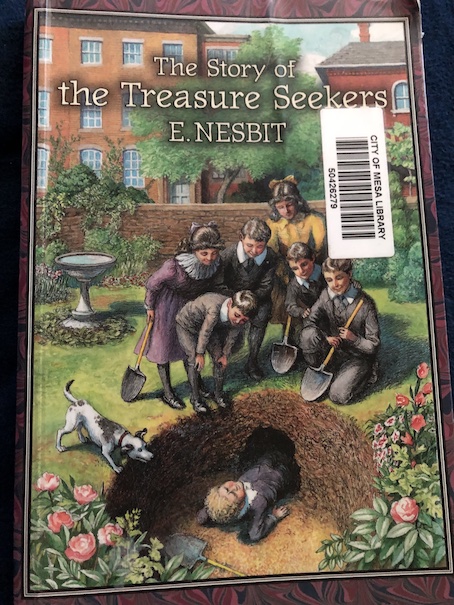
The Story of the Treasure Seekers

The story of the treasure seekers book cover

The Story of the Treasure Seekers by E. Nesbit, 1899.

This story (the first in a series) is told by one of the six Bastable children: Dora, Oswald (who won the Latin prize at his school), Dicky, the twins Alice and Noel, and Horace Octavius (called H.O. for short). The narrator initially refuses to identify which of the Bastable children he is, saying that he might admit it at the end, but his constant self-praise (which begins immediately) and the way he refers to his siblings kind of gives it away. At various points in the story, he forgets that he’s trying to be mysterious about his identity and just refers to himself in the first person, although he goes back to the third person when he remembers. The children live with their father, but their mother is dead. The narrator says, “and if you think we don’t care because I don’t tell you much about her you only show that you do not understand people at all.” The story isn’t about missing their mother, but about their search for treasure. (“It was Oswald who first thought of looking for treasure. Oswald often thinks of very interesting things.”)

The Bastables are in need of money. After their mother died, their father was ill for a time. Then, his business partner went to Spain, and his business hasn’t been very good since. The children can tell that their father is economizing on household goods. He’s sold some things from the house, there doesn’t seem to be money to have broken things fixed or replaced, and he’s let the gardener and other servants go. He’s not even sending the children to school right now because he can’t afford the school fees, and people have been coming to the house about unpaid bills. Oswald thinks that the best thing to do is to look for treasure to restore their family’s fortunes.

The children all think of ways that they can look for treasure. Oswald wants to become a highwayman and hold people up, but Dora, as the eldest, rejects that idea as wrong. His next suggestion is that they rescue a rich old gentleman and get a reward, but that’s a long shot. Alice thinks they should try using a divining rod. H.O. is in favor of the idea of being bandits. Noel likes books, and he wants to either write poetry and publish it or possibly marry a princess. Dicky is more practical with things like math and money, and he tells the others about an advertisement in the newspaper about a way to earn money in your spare time. Since the children aren’t going to school and have plenty of time, he thinks they should try it. He also has another idea, but he refuses to explain to the others exactly what the scheme is. Dora, as the eldest, decides that they should just try digging for treasure, not even bothering with a divining rod, because it seems like people always find treasure by digging. Since that’s the most straight-forward method any of them have thought of yet, they decide to go with that.

They recruit Albert, the boy from next door, to help with the digging. They don’t always get along with Albert because Albert doesn’t like reading and isn’t good at games of pretend. (The children seem to know that this treasure hunt is a game, although they’re still half-way hopeful that they’ll actually find something.) Still, they manage to persuade Albert, and the children begin digging a tunnel. It’s Albert’s turn to dig when the tunnel collapses, half-burying the unlucky Albert, who screams and keeps on screaming while Dicky runs to get Albert’s uncle. Albert’s father is dead, so he lives with his mother and his uncle, who used to be a sailor and now writes books. The children all like Albert’s uncle because they like his books, and he seems to know a lot. Albert’s uncle matter-of-factly digs Albert out of the hole and asks the children how he came to be buried. The Bastable children explain about their search for treasure. Albert’s uncle says that he doubts they’ll find any treasure in the area, but as he unearths Albert, he seems to find a couple of coins, which he gives to the children to divide among themselves and Albert. (It’s hinted that Albert’s uncle is just giving the children pocket money that he pretends to find.) It’s an uneven amount, so they agree that Albert can have the larger share because he got buried.

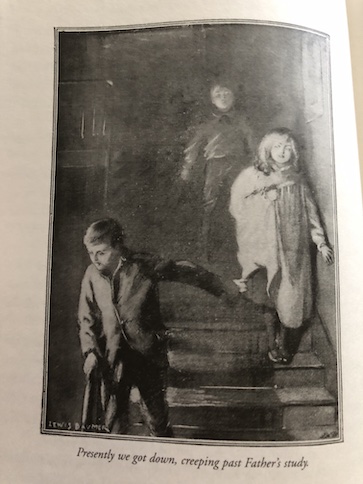
The Bastable children could have used their new pocket money as stake money for the venture Dicky saw in the newspaper, but there are some other things they want to buy, so they spend it all and have to try something else. One of the children (they disagree later about who it was) brings up the subject of detectives, like Sherlock Holmes. They think that detectives must earn a lot of money, so some of them think they ought to try being detectives. Alice says that she doesn’t want anything to do with murders because that would be dangerous, and even if they did kill someone, she would feel bad if she had to be the one to get them hanged for it. After all, surely nobody would want to kill someone more than once anyway, so there’s probably little risk that they’d do it again. (Oh, boy. Alice has apparently never heard of serial killers. Jack the Ripper had already committed his murders by the time this book was written and published.) The others tell her that detectives probably don’t get to choose which crimes they investigate. They just have to look into any mysterious situations they encounter and see what they turn out to be. That reminds Alice that she did see something mysterious herself. She got up during the night because she suddenly remembered that she’d forgotten to feed her pet rabbits, and she saw a light in a nearby house, where the entire family is supposedly away at the seaside. The children think that some criminals may be hiding in the empty house and decide to investigate. It turns out that there is an innocent explanation. Oswald accidentally falls and gets knocked unconscious during the investigation, so Albert’s uncle is again recruited to carry him home, and the uncle lectures them about spying on people.

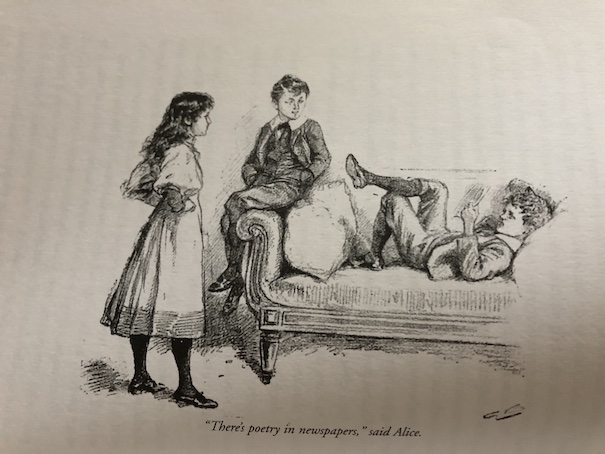
Since another money-making scheme has failed, they decide to move on to the next idea, publishing Noel’s poetry. He doesn’t have enough poems for a book, but they remember that they’ve seen poetry published in a newspaper, so they decide to talk to the newspaper editor. Oswald and Noel go to see the editor together. Along the way, they meet a woman who also writes poetry. She reads Noel’s poems and says that she likes them, giving the boys a little stake money to get Noel’s literary career started. At first, Oswald refuses the money because he remembers that he’s not supposed to accept gifts from strangers, but the woman insists that the gift is that from a fellow writer, not a stranger, and she gives them her card. The children’s father later says that she’s famous for her poetry, although the boys had never heard of her before.

When they see the newspaper editor, he seems amused by Noel’s poetry (which includes an elegy to a dead beetle) and very interested in how and why he came to write poetry. He invites the boys to join him for tea, and they explain about how they’re trying to restore their family’s fortunes. The editor says that he’s willing to buy Noel’s poems and publish them, and he asks what Noel thinks would be a fair price. Noel isn’t sure because he originally just wrote the poems because he likes poetry, not to sell. The editor offers him a guinea, which is more money than they’ve ever had before, and the boys are impressed and accept it. The editor says that his paper doesn’t normally publish poetry, but he can arrange for it to be published in a different paper. They later see a story in a magazine about them, written by the editor, with all of Noel’s poems with it. Oswald isn’t happy at how the story describes them, but Noel is pleased that he’s been published.

The book continues from the summer through the fall, and the children continue trying various money-making schemes, with varying degrees of disaster and success. Noel finds a princess to marry, but they only get a few chocolates out of that adventure. While Dora is away, visiting her godmother, the other children turn bandits on Guy Fawkes Day. The only person they can find to kidnap and ransom as bandits is Albert, who doesn’t like this game at all. (The children again seem to realize that this is only a game, but at the same time, they hope for a little money out of it.) They write the ransom note for Albert using H.O.’s blood because this adventure was his idea (although they also have to use red ink to finish it because they don’t get enough blood from H.O.’s finger). Albert’s uncle, who enjoys a good game of pretend, comes to ransom Albert, although he can’t pay the enormous sum mentioned in the ransom note. He tells the children that he knows it’s all a game, and he thinks a little more pretend play would do Albert good (Albert doesn’t have much imagination), and the rough play is also punishment for Albert sneaking out of the house while he should have been inside, nursing his cold. However, the uncle says they should have realized how scary that ransom note could have been for Albert’s mother if he hadn’t seen Albert with the children and knew where he was and what was really happening. The children apologize and admit that they don’t think much about people’s mothers since they lost their own. (Although the book is mostly funny, there are sentimental bits, too.)

Albert’s uncle suggests a more harmless money-making scheme to the children – starting a newspaper, and they let Albert join them. Their newspaper contains a couple of serial stories (that don’t entirely make sense, and some of the children can’t think what to contribute to them), some poetry by Noel, some “Curious Facts” (that aren’t entirely factual but are very curious), and an editorial piece on the subject of education by Alice, who says that if she had a school, nobody would learn anything they didn’t want to learn, but there would be cats, and the students would sometimes dress up like cats and practice purring. The newspaper turns out to be not very lucrative, and the children run out of things to write about, so they give that up and return to more hair-brained schemes.

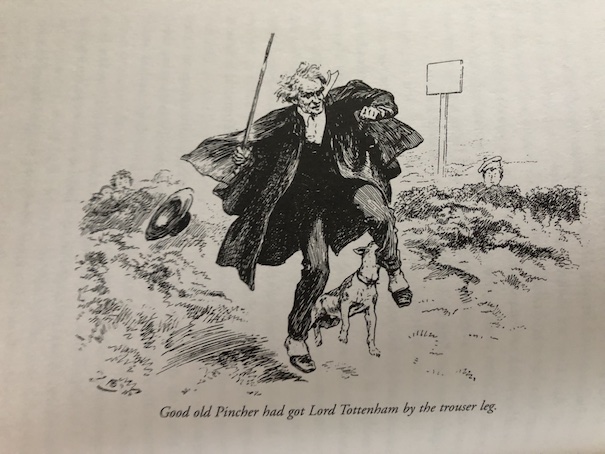
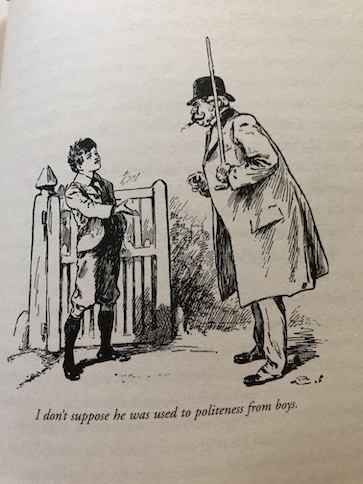
Oswald tries to rescue an elderly gentleman so that the wealthy old gentleman will richly reward him, just like in books, but not finding any danger to save him from, he sets their dog on him, so he can easily save him. The gentleman, a local lord and politician, figures out pretty quickly that this was a scheme and that the dog belongs to the children, and he demands an explanation. The children explain to him about trying to restore their family’s fortunes by doing the things that seem to work for people in books, only nothing they’ve tried works like it does it books. The old gentlemen gives the a lecture about honesty and honor and consideration for other people, and the children make their apologies to him.

From there, they try the part-time job advertised in the newspaper, which turns out to be getting people to place orders for wine by giving them free samples. The children try a little of the wine themselves, but they don’t like it, so they add a bunch of sugar to try to improve the taste. You can imagine how well a group of children trying to give various strangers free wine goes. Eventually, someone confiscates the bottle and tells their father what they’ve been up to.

Although they promise their father that they won’t attempt to go into business again without talking to him about it, they start thinking that they could make a lot of money if they invented a wonderful medicine that would cure something. After arguing about what they’re going to cure, they decide they’re going to cure the common cold. The only way they can think of inventing the medicine is for one of them to get a cold and then for all the others to try various things to cure it. Noel is the one who catches cold, and the others try to cure him. When they can’t cure Noel’s cold, they worry that he’s going to die from it, but fortunately, he does recover.

However, there are times when the children do things that are helpful, typically by accident. The best thing they do is to be extra friendly to a man who comes to see their father. The children come to the conclusion that he’s a poor man and that their father is being kind to him, but they’re not satisfied with the level of hospitality that their father offers. The children decide to invite him to their kind of dinner, and the fun they have together encourages him to give their father the help he needs. The children come to the conclusion that, sometimes, life can be like books.

The book is now public domain, so it is available to read online through Project Gutenberg (also in audio format) and Internet Archive (multiple copies, including audiobooks). There is also a LibriVox Audiobook on YouTube. It’s the first in a series of books about the same children. The story has also been made into movies multiple times. The original book contains some inappropriate racial stereotypes and language, which I discuss below. However, recent reprintings of the book have changed some of the inappropriate language, so the book would probably be okay for modern children, if you pick a book with a recent printing date.

My Reaction

I really enjoyed this story, even though there are some problematic racial issues, which I’m also going to describe and discuss. The descriptions of the children’s schemes and escapades are very funny, and I laughed out loud at some parts. The story reminds me of some of the MacDonald Hall books where the boys do some bizarre fund-raising efforts or try to get publicity for their school. The children’s efforts to find or earn money in this book are based on books that were popular with children in the late Victorian era and money-making schemes that existed at that time. Not all of them would be as familiar to modern children as they would have been to children of the late Victorian era, but I think modern children could understand most of them, with the possible exception of the man who I think was supposed to be a money lender.

If this book was set in modern times, in the early 21st century, I think that their bizarre money-making schemes would be a little more like those in the MacDonald Hall books, although I can think of a few more. Alice’s description of the ideal school, with cats who teach students how to purr, makes me think that, if she were a modern girl, she would want to start a cat cafe out of their house using a bunch of stray cats (or maybe some borrowed from neighbors without permission), which would also be hilarious. I would like to see a book with someone doing something like that because the opportunities for things to go wrong would be both boundless and guaranteed to happen. (Corralling the cats, possibly abducting cats from neighbors, messing up the tea and food, health violations, lack of business license, cats biting and clawing people and messing up the house and trying desperately to escape, etc.)

One thing that I like about the Bastable Children series in general is that there are many references to books that children from the late Victorian era would have known and enjoyed. This book references things that I think came from the Arabian Nights, and the children refer directly to Sherlock Holmes, The Jungle Books, and The Children of the New Forest, which was a 19th century historical novel.

Reality vs Pretend

Much of the book is about the difference between reality and pretend, and the Bastable children often end up about halfway between the two with most of their schemes. They draw much of their inspiration from books they’ve read, and they seem to be aware that much of what they do is a game of pretend, although they also seem to halfway hope that their schemes will work out for them the way they would if they were children from the books they’ve read.

The children’s innocence and naivete about the way the world works is a major reason why they don’t understand how things work differently between the real world and the world in stories. It’s also the reason why they only seem to halfway grasp their father’s money troubles and the reasons for them. Adults often find the innocence of children to be charming, and the adults in the story are often charmed by the children for that reason. It works in their favor in the end because they receive kindness from adults for being charming, innocent children, who know how to have fun. However, the adults in the story also understand the children’s family situation, seemingly even better than they do, and they frequently humor them and help them out of pity. It’s both funny and also a little sad and touching at times for adults reading this book. It’s funny because you can see what the children are really doing and follow their logic as they map out their plans, while at the same time spotting how it’s all going to go wrong before the children see it themselves. It’s also a little sad and worrying because you can also see how little the children are being supervised and how much they turn to the kindly uncle who lives next door for help when they’re in real trouble because their mother is dead and their father is wrapped up in his own troubles.

The subject of the children’s deceased mother comes up periodically throughout the book, as the children think about how things have changed for the family since she died. Dora admits to Oswald that, before their mother died, she asked Dora to look after the younger children. That’s why Dora has been trying to be responsible and to stop the other children from doing things she knows are wrong (like turning into bandits to rob people for money). The other children often get irritated with her for stopping them from doing things they want to do, and they frequently do the wrong thing anyway, even if they have to go behind her back to do it. Oswald develops some sympathy for Dora when he realizes that she’s been trying to do a difficult job that she doesn’t really know how to do, and he talks to some of the other children about going easy on her.

Racial Issues and Gender Stereotypes

This book has been reprinted many times since its original publication, and modern editions have been edited to remove inappropriate racial language. The original book has multiple places where there are racial issues and gender stereotypes, although they mostly come from two very specific sources. The gender stereotypes, which are found in other books in this series as well, come from our narrator, Oswald. Oswald has noticed that his sisters and other girls have different standards from him and his brothers, and it sometimes irritates him. Like other boys in vintage children’s books, he also has a tendency to try to show that boys are better than girls, sometimes saying things like, “Girls think too much of themselves if you let them do everything the same as men.” I partly think that the author, who was a woman, put things like that in her stories to show how boys of her time behaved, but maybe also to poke fun at men who felt threatened by women doing things that were considered for men only, like they’re little boys, feeling threatened by sisters who can do what they do.

Much of the racial issues in the story come from the children’s playacting, which is again based on the books they’ve read. They frequently refer to “Red Indians”, by which they mean Native Americans. Based on what they’ve read from books, American Indians are fascinating and exciting but also savage, and they love all of that. Actually, now that I think of it, that stereotype isn’t a bad description of the Bastable children themselves. They are somewhat savage or semi-feral in their behavior at times, although they would probably hate being called that. They’re certainly not tame children. I don’t entirely blame the children in the story for having misconceptions about other people because children can get misconceptions from things they read, see, or are told by adults. I don’t entirely blame the author for depicting the kind of misconceptions children have, either, especially because the Bastable children’s misconceptions make up a large part of the story and its humor. What is more concerning to me is the original sources of these misconceptions, the things that children get from people who should know better, who might even actually know better but who spread misconceptions anyway for their own purposes.

Whether the author of this book could be considered a source of misconceptions, or at least for perpetuating them, is a matter for debate. The references to other pieces of real literature and how the children use them for inspiration for what they do point to earlier books that sparked these misconceptions and racial stereotypes. I’ve always thought that the things children read early in life set them up for many of their attitudes as adults, and that’s why I think it’s unfair to expose children to literature that creates these misconceptions without an accompanying explanation about why certain attitudes are wrong or harmful and how spreading them causes problems. As adults, we often forgive children for things they do and think because we know they’re young and still learning, but children don’t stay little forever, and they need to know what is expected of them as they grow older. When they’re no longer little kids, people expect them to have a certain level of understanding about the world, the people in it, and how to treat others and speak respectfully about them. If they don’t demonstrate that kind of understanding by a certain age, many people will not take it that they’re still in the learning phase but will think that they’re being deliberately insulting or trying to provoke others when they speak inappropriately. In many cases, those people will be correct because there are people of all ages who like to push other people’s buttons to get a reaction, but I think it’s doing a great disservice to set children up for that type of conflict by trying to keep them “innocent” for too long. I’ve seen that even kids who know that there are certain words they shouldn’t use don’t always seem to understand why they’re not supposed to use them, and that half knowledge is part of the reason why they sometimes throw around nasty terms like they don’t know what they mean. The truth is, some of them really don’t. Kids like that don’t sound charmingly innocent in the 21st century. They sound dumb and clueless because they are these things. The things they don’t know are painfully obvious, and people, even possibly other kids their own age, will definitely notice and openly comment on it. The reason why they’re so clueless is that the adults in their lives who knew enough to tell them, at some point, that these were bad or shocking words to use around other people apparently didn’t explain to them why or make it clear what the social consequences for using these words would be. What I’m trying to say is not that reading this book or others of this vintage is bad, but if you’re going to share books like this with kids, with the original wording, you can’t do it properly without talking to the kids and being very direct about certain subjects. If you’re not, it could lead to problems, and it will be no favor to the child to set them up for that. The things people don’t know will almost certainly hurt them eventually and probably damage their relationships with others along the way.

The Bastable children don’t end up with damaged relationships or social consequences for the things they do because they are still young enough to be considered charmingly innocent and naive in their antics, although at least some of them would be considered old enough to know better about some things by their age. The children don’t even seem to understand the difference between Native American Indians and Indians from India until it is explained to them toward the book, when their “Indian uncle” comes to see them. The Indian uncle is the source of another racial issue in the language he uses. He’s one of the adults who says things he shouldn’t, and I need to talk about what he says and why he says it.

Readers should be aware that the original printing of this book contains the n-word. There is one use of the n-word by an adult character, toward the end of the book. It happens just once in the story, although it threw me when I reached that point because there wasn’t really anything leading up to it, so its use seemed rather sudden. It’s a shame because, up to that point, I was prepared to make some allowances for what the children say about “Red Indians” as part of their innocent ignorance, but as I said, we make allowances for the things children do that we don’t for people who are old enough to know better. The “Indian uncle” just throws out the n-word in a casual expression he uses, like “If Oswald isn’t a man, then I’m a monkey’s uncle,” except he uses the n-word instead of “monkey’s uncle.” A more recent edition of the book I’ve seen replaces the n-word with the word “fool.” I could forgive the children some of the racial stereotypes they use in some of their games because the entire premise of the story is that the Bastable children are naive and somewhat clueless, getting most of their sense of how the world works from storybooks instead of guiding adults, but things that adults say and do are different. To say that this was simply part of the way people talked during this period of history would be taking the easy way out and providing an apparent excuse for the behavior. Everyone has reasons for the things we say and do, and I’m not letting either the author or this “Indian uncle” off the hook that easily without prodding deeper into both of their motives.

The n-word isn’t something that appears in many of the children’s books I’ve read, even the vintage and antique books, because it’s a crude term. Technically, the n-word isn’t even really a word by itself but a slang corruption of a word, and it’s been considered a crudity and an insult since much earlier in the 19th century. By the early 20th century, its use was associated primarily with uneducated and unrefined “poor white trash” in the United States, and whatever their personal racial attitudes, people who wanted to be seen as educated would avoid its use. Those who did use it tended to use it in a derogatory and hostile way. Even in children’s books as old as this one, the use of crude racial terms (when they appear) are often used to establish the personality and background of the character who uses them. They appear as hints of crudeness, lack of good upbringing and moral character, and even violence and criminal tendencies (see books in the Rover Boys series for examples). Even when other characters use racial stereotypes in these stories, the use of the n-word in particular tends to signal something crude and nasty in the user’s character, something that goes beyond the other characters’ level of acceptability, especially when it comes from a character who is portrayed as being old enough and educated enough to know better. A contrast would be the Little House on the Prairie series, where characters sometimes use crude racial terms without being the villains of the story. However, the characters in the Little House on the Prairie books can still fall under the description of uneducated and unrefined. They are a poor farming family who lives much of their lives in the backwoods and on relatively isolated farms. When they associate with other people, it is most often people who are very similar to themselves, so they’re rarely in a position to get feedback from a wider society. The while the Ingalls family does try to better themselves and seek out educational opportunities later in the series, characters in those books could be considered “innocent” about certain things in much the same sense as the Bastable children are. That is, none of them know any better. The term “innocent” implies a lack of knowledge and experience as well as a lack of guilt. The Bastable children are, once again, proof that what you don’t know is obvious to others who do know, and it can hurt your image.

With that in mind, when I have seen the n-word or similar words in print, my main approach is to use it as a clue about the personality of the character who says it or about the author who wrote the dialog or both. One of the difficulties that I encountered with this particular book, compared to others, is that the author sets up the “Indian uncle” who uses the n-word to be one of the “good” characters, a rich and kindly relative who saves them all from poverty. He would seem to be in the position of someone who should know better than to use the n-word, but he does so anyway, in a casual and thoughtless way. That makes this book different from other books, where the n-word is used by characters who are definitely villains and whose use of crude language is portrayed as part of their rough and ill-mannered character. The uncle’s age and position in society wouldn’t seem to put him in the position of an ignorant innocent, and yet, he’s not portrayed as a rough villain. However, there is something else at play in this situation that I think explains who this “Indian uncle” really is and what his deal is, and that’s Victorian British colonialism.

In this series of books, adults are not always referred to by name but by their relationship to the children or the role they play in the children’s lives. In this case, the “Indian uncle” (who is never called anything else by the children, not even by his personal name) is not an “Indian” of any kind. This is just another of the children’s misconceptions because of what their father told them about him. He is apparently really an uncle of the children, and he has recently returned to England from India, but he is white and British, like the rest of their family. This is revealed in hints that go over the children’s heads at first, but which are explained more toward the end of the book.

First, the children listen in on some of the things their father and uncle say to each other when they’re having dinner, and they hear them talking about “native races” and “imperial something-or-other.” The children don’t understand what they’re talking about. Because of the books that they’ve been reading, they’re still under the impression that “Indian” means that this uncle of theirs is a Native American, but adults will put together the bits and pieces and realize that, since this story is late Victorian, the uncle has just come from India, which is under British imperial rule, and like an imperialist, he’s probably not saying many complimentary things about the “native races” there. 19th century British racial concepts were shaped by their colonization and quest for empire and were frequently expressed in a pseudo-scientific form of social Darwinism, that some races of people on Earth had evolved to be more successful than others, with the British at the top of the heap because they had successfully conquered other people and took over their land for their own use. (By this definition, I note that highwaymen and robbers should also be considered vastly superior to the people they rob because they successfully took something away from someone else. I’m sure that the Victorians would be insulted by that comparison, but I think it accurately shows the problems with this type of thinking.)

Second, when the uncle’s house is described, it’s full of taxidermy animals, most of which he killed himself (this is discussed further in the second book in the series) during his travels. That’s when it is revealed that the uncle has actually come from India and is not Native American at all, as the children had supposed. He is a wealthy man who has traveled as an adventurer, which is exciting for the children to hear about, but this is also another clue to the uncle’s personality. I noticed that the author made it a point to say that the uncle’s study was very different from the children’s father’s study because it didn’t have books in it but had those taxidermy animals. I took this as an indication that the uncle is not as much of a man of learning or business as the children’s father. He doesn’t use his study for reading and studying anything. He has money, but I’m guessing that he didn’t get it from having a profession. The children mention that their father went to Balliol College, and they meet a friend of his from his student days. Their father spends most of his time working, even though his business is suffering, and his old friend is also a family man with job (he is described as a sub-editor in the next book in the series). However, the “Indian uncle” is not described as having any profession. We don’t know if he ever attended college, but if he did, it probably wasn’t to be educated for a career. He is a man of leisure or relative leisure, who has apparently spent a good part of his life traveling around the world, shooting things and having them stuffed, and has little interest in books and studying. He’s had the money to live this kind of life, so he does it, fully confident in his superiority and ability to go where he wants and do what he likes. What I’m thinking is that this man is probably their father’s elder brother, who probably inherited money and indulged himself, while his brother studied and worked. Travel can broaden a person’s perspective, but the uncle seems to have traveled for self-indulgent adventure and excitement rather than learning about the world and the people in it. He’s got enough money that he probably doesn’t have to learn anything he doesn’t want to, and as the man who pays the bills and hires people to do things for him, he’s probably not held accountable for much. He can say and do what he likes, so he does that, without giving it a second thought, and maybe not even a first one. This isn’t explained in the course of the book, and I can’t point to much more than I already have to support it, but I think this man is meant to represent a type of wealthy British imperial adventurer.

Ultimately, what I’m saying is that the children think their uncle is a great man because he brings the family to live with him in his big house and helps their father with his business (probably by providing financial backing), so the family’s circumstances improve. He can invest money in their father’s business (the nature of which isn’t specified), and he showers the children with presents, which they love. However, as an adult, I’m noting his apparent relative lack of interest in books, intellectualism, and refinement of manners. I’m sure that the children will find him exciting to be around, but he doesn’t strike me as a learned man, a well-read one, or even a very well-behaved one. He has a lot of money, which can be used to fund the children’s education, but I don’t really trust his guidance or ability to be a role model. I also wonder if the children, who are being given an education and were definitely raised to love books, will continue to see their uncle in a romanticized way as they grow older. Few people can spend their lives traveling around, shooting things, and hiring “native races” to carry their baggage along the way. If that’s most of the uncle’s experience of life, it’s not really going to prepare the children for the future. At the time E. Nesbit wrote this book, she couldn’t have known that, about 15 year later, Europe would erupt into World War I, and boys who were children around this time, like Oswald, Dicky, Noel, and H.O., may very well have ended up being soldiers and had many of their illusions about life shattered. (I have more to say about that when I cover the next book, The Wouldbegoods.) People talk about past people being a product of their times, and in this case, the uncle and his racial attitudes are both a product of this time of imperial Britain and his own wealth, and nobody outside that bubble would see either the way he does.

That brings up the question of what the author, E. Nesbit, really thinks about these things. Does she also share the uncle’s view’s of British imperialism and other races, or is she just portraying the uncle as a type of person she observed around her in society? It’s not entirely clear because everything in the story is presented from young Oswald’s point-of-view, and he is uncritical of these things and seems to have little idea of the larger picture of things. But, there are things in The Wouldbegoods that I think help clarify some aspects of that, some possibly intentionally and others possibly not.

That was a long rant/explanation, but I thought it was important to delve into the issues a little deeper. The tl;dr of it is that, while people were the products of their times, they were also the ones who made their times what they were for their own purposes, even if they didn’t think as deeply about it at the time as we do today, and what we observe about them and their behavior are clues to their personality, life circumstances, and motivations. Overall, I found the racial issues with this story to be aggravating distractions from what is otherwise a fun and funny story, and their removal from modern printings actually improves the story by removing these distractions from the plot. The modern printings are fine for kids to read.

The Movie Version

I watched the 1996 version of the movie, which emphasized the more serious portions of the book and included the character of a female doctor, who helped the family in place of the uncle from India. It wasn’t bad, but it wasn’t as funny as the original book. I’m not sure about other movie versions.

The School at the Chalet

The School at the Chalet by Elinor M. Brent-Dyer, 1925.

This is the first book in the Chalet School Series.  This series is uncommon in the United States.  People from Britain or countries with heavy British influence would be more familiar with this series.  It’s considered classic!

When the story begins, Madge and Dick Bettany, who are brother and sister, a set of twins, are discussing their family’s situation.  Their parents are dead, and they have very little money and no family members they can rely on.  Madge and Dick are grown and are ready to begin making their own way in the world, but their younger sister, called Joey, is still a child, and her heath has been poor.  Dick has a job, but he really can’t afford to support his sisters.  However, Madge has had an idea: she wants to start a school.  Dick worries that they don’t have the capital necessary to start a school, but Madge says that she could start one in continental Europe instead of England, where they are from, because the costs would be lower.  She even has a specific place in mind, a chalet near a lake, close to a town called Innsbruck in the Tiernsee (Austria).  Joey could live with her at the school and continue her education in the company of the other students, and Madge thinks that the climate there might even be better for her than England.  She has already written a letter to find out if the chalet is available, and it is.  If they sell most of what they own in England, Madge thinks that they’ll have enough to buy what they need in Europe.  Madge says that she thinks she could handle about a dozen girls, between the ages of twelve and fourteen or fifteen.  She knows someone who could help her teach, Mademoiselle Lepattre, and between them, they are qualified to teach French, German, sewing, and music.  Dick is still a little concerned about whether or not Madge can pull off the school, but he agrees that she should go ahead with her plans (since she likely will anyway) and says that if she runs into trouble, she should contact him for help.

Madge even knows who her first pupil at the boarding school will be: Grizel Cochrane.  Madge has already had her as a student, and she is friends with her family.  She knows that Grizel has been unhappy at home since her father remarried because she and her stepmother do not get along.  Grizel’s stepmother has already been pressuring her father to send her away to boarding school, but he loves her and has been reluctant to part with her.  However, Grizel has been miserable, and her father decides would be more willing to send her away with someone he already knows.  Grizel is pleased at the idea of joining Madge and Joey at a school in Europe, and the Madge gains her first student.

Dick and Mademoiselle Lepattre go to the chalet first to take the larger trunks and belongings and begin getting settled, while Madge, Joey, and Grizel follow them.  Along the way, they see some of the sights of Paris.  By the time they arrive at the chalet, Mademoiselle Lepattre’s young cousin, Simone Lecoutier, has arrived at the school to be a pupil, and Madge has arranged to accept an American girl named Evadne Lannis, who will arrive later.  These four girls, Joey, Grizel, Simone, and Evadne, are the school’s first boarders.  The school soon acquires a few day pupils who live nearby: Gisela and Maria Marani (a pair of sisters), Gertrud Steinbrucke, Bette Rincini, Bernhilda and Frieda Mensch (also sisters).  Maria is much younger than the other girls, only nine, but her mother asked that she be admitted along with her older sister. There are public schools for children in Innsbruck, but the father of one of the new local pupils thinks that the Chalet School might be healthier for his daughter because, while he doesn’t think much of English educational standards (Grizel takes exception to that comment), they shorten the school day (compared to the average school day of Austria or Germany of the time) and encourage participation in sports and games. The local girls are curious to see what things are going to be like at an English style school, and if it will be like other English schools they’ve heard about.  The school also soon gains more students and boarders:

  • Margia and Amy Stevens – ages 8 and 11, their father is a foreign correspondent from London who needs to travel for his work, and the girls’ parents wanted to find a stable place for the girls to stay.
  • Bette Rincini’s cousins, who have come to stay with her family
  • A pair of sisters from another town across the lake
  • Two more children from a nearby hotel
  • Friends of Gisela from Vienna
  • Rosalie and Mary, two girls Joey and Grizel know from England

As the school grows and the girls settle into life at the school, they make friends with each other, although it’s awkward in some cases.  Madge notices that Simone is often by herself and she asks Joey if she and the other girls are being nice to her.  Joey says that they try, but Simone often sneaks off alone, and she doesn’t know where Simone goes.  Joey tries to ask Simone if she’s unhappy, and Simone tries to deny it.  The truth is that Simone is really homesick.  Joey finds her crying by herself later and comforts her, and Simone finally admits how much she misses her mother.  Simone also says that she feels left out because everyone else at the school has someone to be close to.  Other girls at the school share nationalities with at least some of the other students.  Simone is the only French girl at the school.  The Austrian girls are close to home, and Joey and Grizel already knew each other before they left England.  Seeing the other girls being such close friends makes her feel more left out.  Joey apologizes for making Simone feel left out and assures her that she will be her friend.  Simone asks her to be her best friend because she really needs someone to confide in, and Joey agrees, although she finds Simone rather needy and clingy. 

It turns out to be a difficult promise because Simone gets very jealous when Joey makes friends with other girls, and she tries to convince Joey to only be friends with her.  Simone is very dramatic, and she even ends up cutting off her long braid in an effort to impress Joey and get her attention when she learns about the other girls who will be coming from England.  Simone is so desperately lonely and finds it so difficult to make new friends that she is terrified that Joey will abandon her completely when she has other friends.  Joey gets fed up with her behavior and tells her that she’s being selfish. Joey knows that Simone would find it easier to make more friends herself if she would stop moping and being sad and gloomy.

After Juliet Carrick, another English girl, joins the school, Gisela is made head girl, and other girls are made prefects.  Bette is a sub-prefect, and one day, when she tells Grizel to put her shoes away, Grizel is rude to her, and Juliet laughs.  Gisela and the prefects discuss the situation and agree that Grizel, who wasn’t causing problems before, is now acting up because Juliet thinks that it’s funny.  When Gisela sends someone to bring Grizel to the prefects’ room to talk about it, Grizel refuses to come and see them, and she realizes that something needs to be done.  If the head girl and prefects let a girl get away with disrespecting them or not following the rules, the prefect system and student government would fall apart.  Grizel feels a kinship for Juliet because neither of them has a happy home life. Juliet has been raised to believe that the English are superior to everyone else, and she has no shame in showing it.  Juliet encourages Grizel to adopt her prejudices, but at a school in Austria with students of varying nationalities, that can’t be allowed.  Madge supports the prefects, and Grizel is punished for her behavior.

Juliet is still a bad influence, sometimes encouraging other girls to act up with her. When Madge refuses to allow the girls to pose by the lake for some film makers, Juliet convinces some of other girls to sneak away with her and volunteer to be filmed without Madge’s knowledge.  However, the father of one of the local girls catches them. He explains to the film makers that it would be inappropriate to film the girls because they don’t have permission from either the girls’ parents or teachers, and he takes the girls back to the school.  Grizel’s temper and excessive patriotism also get the girls into trouble when they encounter a German tourist who makes it plain that she is disgusted at the presence of the English girls. (This is after The Great War, World War I, so that may be the reason.)  While the German woman was being deliberately rude and insulting to the girls, Joey points out that Grizel’s hot-headed reply to her has now caused them more trouble.  Grizel does apologize for not using more restraint.

Juliet’s home life turns out to be even worse than the other girls know, but they learn the truth when Juliet’s father sends a letter to Madge saying that he and his wife relinquish their custody of Juliet to the school.  The letter says that Madge can do whatever she likes with Juliet.  If she wants to keep Juliet at the school and have her work for her future tuition, that will be fine, and she is also free to send Juliet to an orphanage.  The point is that her parents have left the country, they consider Juliet a burden that they would rather not bring with them, and while they might one day feel able to reclaim her, chances of that are not looking good.  When Juliet learns about the letter, she cries and says that she had been afraid that they would do something like this.  Her parents tried to abandon her at a different school once before, but the school had insisted that they take her back.  Madge now has no idea where Juliet’s parents are.  However, she can’t bear to turn Juliet over to an orphanage, so she promises Juliet that she will keep her and that she can help to pay for her tuition by working with the younger children at the school.  Although Juliet’s behavior hasn’t been very good up to this point, Juliet is grateful to Madge and does earnestly try to please her and to maintain her place at the school. Before the end of the book, Juliet’s parents die in an automobile accident, giving Madge and the school permanent custody of her. Most of the other students (except for Joey) do not know that Juliet’s parents tried to abandon her before they died.

Through the rest of the book, the girls have adventures together and forge the new traditions of their school.  They celebrate Madge’s birthday, get stranded in a storm and have to spend the night in a cowshed, start a magazine for the school, and play pranks on each other. When Grizel’s pranks and disobedience go too far and she is punished harshly for it, she gets angry and runs away from the school, becoming stranded on a nearby mountain. Joey goes after her to save her, and both girls are ill after their experience.

The book ends with Madge and a few of the girls caught in a train accident. Fortunately, they escape the accident without serious injury, and they also manage to help the German woman who had insulted the girls earlier. A man named James Russell helps them. The book ends at this point, and the story continues in the next book in the series. James Russell is a significant continuing character.

The book is currently available to borrow for free online through Internet Archive.

Mystery Behind Dark Windows

MysteryDarkWindowsMystery Behind Dark Windows by Mary C. Jane, 1962.
Recent years have brought misfortune to the formerly wealthy Pride family.  First, Tony and Ellie’s father was killed while on a business trip on behalf of the family’s mill.  Then, the workers in the mill went on strike, and the children’s grandfather died.  Their Aunt Rachel blames the strikers for putting stress on her father while he was still grieving for his son, thereby causing his death.  Because of that and because she doesn’t believe that she can handle the running of the mill herself, she has closed down the mill, putting all of the workers out of a job.

The townspeople of Darkwater Falls struggle to get by without the mill and are angry with the remaining members of the Pride family for the lay-offs, but Aunt Rachel thinks that their suffering is earned and so does nothing to help.  If Aunt Rachel would be willing to sell the mill to someone who would put it back into good use and employ people, the community’s problems would be solved, but Aunt Rachel can’t bring herself to do that, in spite of the offers she’s received and the urging of the family lawyer, Mr. Ralph Joslin.  She has high hopes that Tony might revive the mill one day when he’s grown up, and in the meantime, she wants to punish the strikers with unemployment and underemployment.  However, Aunt Rachel, absorbed in her personal pride and bad feelings, is ignoring some serious issues.  The taxes on the disused mill are costing the family dearly, the equipment is rusting, and Tony isn’t even sure that he wants to go into the family business.  Tony and Ellie are unhappy with their family’s situation, their aunt’s bitterness, and the way many of the townspeople now look at them, but they’re not sure what to do about it.

MysteryDarkWindowsMillSearchThen, one night, Ellie goes out to look for her aunt’s missing cat and hears someone in the old, supposedly empty mill.  When she tries to tell Tony, he doesn’t take her seriously, but Ellie knows what she heard.  Ellie later goes back to the mill to take another look at the place, and she sees Jeff, a boy from Tony’s high school, hanging around.  Later, she confides what she’s heard and seen in Hank, an old friend who lives on the other side of the river, and Violet, another girl from her class whose family has suffered since the closure of the mill.  The two of them start helping Ellie to investigate.
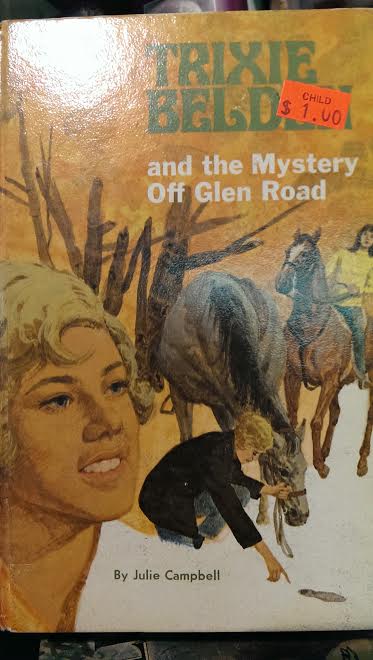
Some people in town have become concerned about children in the area getting into trouble, and they think that maybe some of the local youths have formed a gang.  Ellie worries about Tony, who has started sneaking out of the house at night to hang out with friends.  Is he now part of a gang?  Are he and his friends the ones who were sneaking around the old mill? Or could it be some of the disgruntled townsfolk, bitter about the mill remaining empty and not providing much-needed jobs?

While the kids have a look inside the mill, they discover that someone has been using the place as a hideout.  A fire at the mill reveals a number of secrets and sheds light on a town and a family caught in a cycle of bitter feelings and revenge.  Aunt Rachel is stunned when some of the townspeople accuse her of setting the fire herself in order to get insurance money for the mill.  The fire was clearly arson, and since Aunt Rachel has gone out of her way to make life difficult for people in town, many of them would be ready to believe just about anything of her.  It’s up to the young people to put the pieces together and reveal the true arsonist before the mill, the town, and the Pride family are completely destroyed.

Many of Aunt Rachel’s decisions are guided by a mixture of grief and anger, but she is also stubborn and prideful.  The Pride family was aptly named.  Although they have suffered misfortune, their privileged position as the (former) main employer of the community has given Aunt Rachel the sense that she and others in her family could do no wrong.  Aunt Rachel is absorbed in herself, her own feelings (which she places above others), and the past to the point where she feels justified in deliberately causing harm to her community and the people in it, failing to see the consequences of her actions, even the effects that her attitude has on the orphaned young niece and nephew in her charge.  Ellie feels like they don’t have a real family because her aunt’s bitter feelings prevent her and her brother from getting close to their aunt.  Her aunt’s actions have also made it difficult for her and Tony to get along well with other members of the community, further isolating them from comfort in their own grief.

In a way, the fire brings Aunt Rachel back to reality, forcing her to see the consequences of her actions (and inaction).  It comes as something of a shock to her that, while she felt fully justified in her bad feelings for the town, they are also fully justified in feeling badly about her.  Somehow, it never occurred to her how someone, doing the things she’s been doing and saying the things she’s been saying, would look to the people she deliberately set out to hurt.  For most of the story, the only feelings that were real to Aunt Rachel were her own.  Even when she thought about how people hated her, she didn’t think that what they thought would matter until she began to see how it was affecting Ellie and Tony as well as the other children in town.  Ellie can see that many things would have been resolved sooner if both her aunt and her brother could open up and discuss things honestly, both within the family and with other people.  Although neither of them set the fire, their secretiveness and self-absorption at first create the impression that they did.  Ellie’s eventual outburst at her aunt and the real guilty person force both of them to acknowledge the reality of their actions and motives.

I was somewhat fascinated by the motives of the arsonist, who understands the effects that Aunt Rachel’s bitterness and revenge have been having on the young people in town, even her own nephew, better than she does.  This person was wrong in the path he tried to take to fix the situation, but he does correctly see that unemployed men not only lack the money they need to properly take care of their families but may also set a bad example for boys and young men, either through the habits and attitudes that they let themselves fall into or by becoming too absorbed in their difficulties to see what’s happening to their own children.  I also agree with his assertion that those responsible for putting people out of their jobs bear some responsibility for the results of their actions, something which resonates in today’s economy, where many people are still unemployed or underemployed.  The Pride family’s previous high standing in the community was directly because of their ability to employ people and improve the lives of others.  When they began making life hard for others and refused to use their ability to help people, they lost that standing.  Aunt Rachel was just the last to realize it, which was part of the reason why she was surprised to discover just how badly the town thought of her.  She didn’t have a good reputation because she had done nothing to earn one, no matter what her family used to do.  She was no longer using their powers for good, so she turned herself into a villain.  However, it’s important to point out that the arsonist isn’t really in the right himself because, as Ellie points out, the spirit behind his actions isn’t much different from her aunt’s.

Ellie is correct in pointing out that both her aunt and the arsonist were wrong, not just because of what they did, but because of the feelings and motives behind it.  In their own way, each of them set out to deliberately hurt others because they had each been hurt.  Which of them was hurt first or hurt worse ultimately doesn’t matter.  Their mutual desire for vengeance against each other not only hurt the people around them but kept each of them from doing what they needed to do in order to heal their own wounds.  That is also a message that resonates today, in these times of political division, with two large parts of society trying to one-up each other and even actively harm one another, largely because they can’t stand the idea of someone wanting something or believing something that they don’t.  Whatever the circumstances, when people focus on winning on their own terms, no matter what the cost, everyone loses in the end.

Toward the end of the story, as Aunt Rachel and the arsonist begin making grudging apologies to one another and reluctant steps to fix things, Ellie decides that grudging and reluctant aren’t good enough and finally gets up the nerve to tell them what she really thinks, what they most need to hear:

“Just selling the mill won’t make things better . . . It’s the way [they] feel about it that’s wrong. That’s what made them act the way they did in the first place. They just wanted to get even with people, and hurt people, because they’d been hurt themselves. And they feel the same way still. You can see they do.”

How much can people help what they feel? It partly depends on what people choose to do about their feelings.  Actions guide feelings, and feelings guide actions.  Aunt Rachel and the arsonist indulged their bad feelings, nursing them, amplifying them, and making them their first priorities, the guiding force of their actions.  As long as they keep doing that, Ellie knows that the problems aren’t really over, and everyone will remain trapped in this bad cycle.  Ellie’s honest outburst finally breaks through to both of them, showing them what they really look like to others and making them reconsider their feelings and priorities.

One of my favorite characters in this story was Mr. Joslin, the lawyer.  Although he looks a little suspicious himself for a time, he is actually a good man, who looks after the family’s interests and genuinely cares about them as well as about the town.  He is the one who convinces Tony to be honest with his aunt about the friends he hangs out with and helps persuade Aunt Rachel to see things from others’ point of view.  He loves Aunt Rachel, in spite of her faults, and is honest with her about those faults, telling her what she needs to hear.  Of all the characters, with the exception of Ellie, he seems to have the most insight into other people’s feelings and situations.  He supports what Ellie says, quoting Lord Bacon, “A man who studieth revenge keeps his own wounds green, which otherwise would heal and do well.”

The Mystery Off Glen Road

Trixie Belden

tbglenroad#5 The Mystery Off Glen Road by Julie Campbell, 1956.
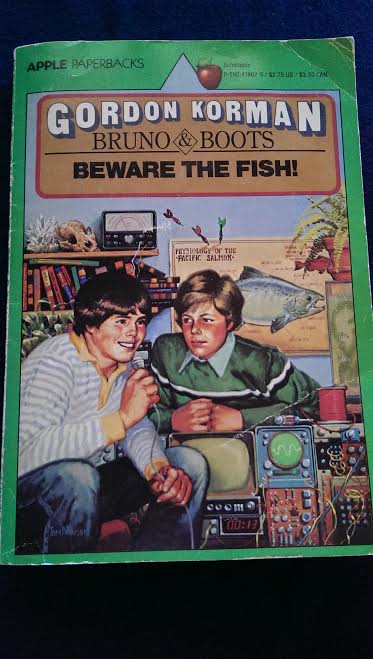
When their clubhouse is damaged by a storm shortly before Thanksgiving, the Bob-Whites realize that they will have get some money to fix it soon before the really bad winter weather comes. The Wheelers’ gamekeeper has recently quit, so they offer to patrol Mr. Wheeler’s game preserve for awhile to earn some extra money.

While Trixie and Honey are patrolling, they find a dead deer. They don’t tell anyone about it right away because their dogs, Patch and Reddy, were with the carcass when they found it. If the dogs killed the deer, they might be killed because people would be afraid that the dogs would go wild and start killing more animals. However, Trixie later finds signs that a human butchered and hauled away the carcass. There seems to be a poacher in the wood, and the dogs are innocent of the deer’s death, but how can Trixie and Honey tell the others about it when they tried to cover up the crime in the first place?

To make the situation more complicated, Trixie’s brother, Brian, wants to buy a used car from Mr. Lytell but doesn’t feel that he can spare the money until the clubhouse is fixed. To keep Mr. Lytell from selling the car, Trixie gives him an expensive ring that Jim gave her as security for the car. Since Trixie normally isn’t interested in jewelry at all, she pretends that she wants to wear it to impress Honey’s cousin, Ben, who is visiting for Thanksgiving. Trixie doesn’t actually like Ben at all, but it was the only excuse she could think of for getting her parents to take the ring out of her safe deposit box in the first place. Trixie’s reluctant efforts to fake a crush on Ben and act more girly add humor to the story.

The book is currently available online through Internet Archive.

Beware the Fish!

bewarefishBeware the Fish! by Gordon Korman, 1980.

In spite of MacDonald Hall’s prestigious reputation, it is continually plagued by money problems.  The students can’t help but notice all the budget cutbacks, and now, there are rumors that the school might even have to close permanently.  The last thing anyone wants is to leave MacDonald Hall.  Bruno, the school’s resident idea man and master prankster, decides to spearhead a movement to raise money and publicity for MacDonald Hall so they can save the school!

Bruno, his best friend Boots, and their other fellow students try everything they can think of to spread the word about what a great place MacDonald Hall is so that enrollment will go up and the school can earn enough money to stay open.  They enlist the help of the girls at the nearby finishing school to help them break a world record.  The school’s science whiz, Elmer, shows the boys some of his inventions in the hope that one of them will make the school famous.

Unfortunately, as usual, nothing turns out as planned.  World records are extremely difficult to break, and Elmer’s inventions backfire.  One of his inventions backfires in such a way that it comes to the attention of the local police, and even the government becomes convinced that a gang of terrorists may be operating somewhere in the vicinity of MacDonald Hall.

The boys try to keep their activities secret from their headmaster, Mr. Sturgeon (or, as the boys nickname him, “The Fish”), while government agents snoop around, looking for the head of the organization that’s been issuing cryptic messages over television signals, a shadowy figure known only as “The Fish.”

This book is part of the MacDonald Hall Series (or Bruno and Boots series).  It is currently available online through Internet Archive.