The kingdom of Ingary is the land of fairy tales. There is magic, and in a family of three children, it’s always expected that the youngest of the three will be most successful. Sophie Hatter, as the oldest of three, is disappointed when she first realizes that, but she reconciles herself to her rather dull fate. She is devoted to her younger sister and half-sister, and she does her best to look after them and help prepare them for their futures.
When Sophie Hatter’s father dies, her stepmother Fanny has to decide what arrangements to make for the family’s hat shop and the three girls in the family: Sophie, her younger sister Lettie, and her half-sister Martha. Because Martha is very bright and expected to one day seek her fortune in the world, as third children generally do, Fanny arranges for her to become an apprentice to a respected witch. Lettie becomes an apprentice in a pastry shop, where she will learn a good trade and possibly meet a nice young man to marry. Sophie, as she had always expected, continues to work in the hat shop. None of the three girls are particularly excited about the arrangements, but they make the most of it. Sophie does have a talent for hat-making. In fact, she has a very unusual talent because, as she talks to the hats while she makes them, the things she predicts for the buyers come true. People become increasingly attracted to the hat shop because it seems like good things happen to people who buy hats there.
Sophie is good at working in the hat shop, but she has to admit that her life there is dull. She doesn’t really know what else she would want instead, but she feels isolated, hearing gossip from other people but not really talking to anybody herself. A visit to her sister Lettie on May Day puts Sophie’s life in perspective and calls the things that are expected of older and younger siblings into question. Sophie learns that her sisters, dissatisfied with the arrangements Fanny made for them and having ambitions other than the ones that are expected of them, have secretly switched places with each other. Lettie craves learning and adventure, so she has taken Martha’s place as the witch’s apprentice to learn magic. Martha doesn’t actually care about going out to seek her fortune at all. She doesn’t want adventure or riches. What she really wants, although she’s never admitted it before, is to marry, settle down, and have ten children. Working in the pastry shop, she has already attracted quite a following of young men, and she’s sure that she’ll find one who will love her and make her happy. Neither of them cares about fitting the tradition mold of three siblings, and they’re both concerned about Sophie’s future. Sophie has never had any particular ambitions of her own, but her sisters know that being shut up in the hat shop all the time isn’t good for her. They think Fanny is taking advantage of her because it’s Sophie’s work that’s attracting all the customers these days, and Fanny isn’t even paying her an apprentice’s wage! Apprentices like Lettie and Martha get wages at other businesses, but Sophie’s been working for free while Fanny takes all the profits. It gives Sophie a lot to think about, and she becomes convinced that she’s being exploited when she asks Fanny about wages, and Fanny puts her off. Sophie is so angry that she thinks maybe she should run away to seek her fortune, but she can’t shake the idea that eldest children can’t do that. Soon, circumstances intervene to force Sophie to be the one to go out and seek her fortune anyway.
Dangerous and mysterious things are happening in the kingdom. Rumor has it that the evil Witch of the Waste has threatened the king’s daughter and that the king’s personal wizard, Suliman, has vanished after going to deal with her. People think that the Witch of the Waste probably killed him. The king’ brother, Prince Justin, also went in search of Suliman and disappeared.
One day, the Witch of the Waste pays a visit to Sophie’s hat shop. Mistaking Sophie for one of her sisters, the witch curses Sophie, turning her into an old woman. Unable to explain to anyone what has happened (which is part of the curse), Sophie makes the decision to leave the hat shop, finding a new job as housekeeper to the mysterious wizard Howl, a sinister figure himself. Little is known about Howl, although he is known to live in a strange castle that moves from place to place, apparently of its own accord, and he has a reputation for breaking women’s hearts.
Howl is even stranger although somewhat less sinister when Sophie gets to know him. He allows Sophie to stay in his castle, not so much by requesting her to stay but by not telling her to leave, much like he did with his apprentice Michael, an orphan who came to live with him and gradually became his apprentice when Howl decided not to send him away. Howl is vain (using makeup and hair dye to make himself more handsome), immature, and somewhat cowardly, but he is still a powerful wizard and can accomplish great things when he makes up his mind that he wants to (or finds himself unable to refuse). He doesn’t real steal girl’s souls, as some of the rumors about him say, but he is definitely a flirt and a womanizer, who drops girls as soon as they fall in love with him because he likes pursuing them but is afraid of commitment. In fact, he even has Michael spread scandalous rumors about him in the towns where they do business so people will be more reluctant to try to get him to commit to anything or anybody.
Howl has other problems aside from his immaturity and fear of commitment. Calcifer, the mysterious fire demon that powers the moving castle, hints as much to Sophie. He hopes that Sophie will be able to help, although he, too, is unable to explain the reason why for magical reasons. Howl is not an ordinary person, but a traveler from another dimension, from a strange country called Wales, the same place where the king’s wizard, Suliman, was from. In Suliman’s absence and against Howl’s will, the king recruits Howl to be the new royal wizard, to find the missing Suliman and Prince Justin, and to deal with the Witch of the Waste.
Sophie struggles to convince/cajole/force/help Howl to save the kingdom and to learn the secret curse that Howl himself is living under even while suffering from her own curse. Surprisingly, it seems that Sophie is the key to breaking not only Howl’s curse but her own.
The book is available to borrow and read for free online through Internet Archive (multiple copies). It’s the first book in a loose series. Many people these days are familiar with the story because it was made into a Miyazaki movie, although the movie was very different from the book in a number of ways.
My Reaction and Spoilers
I first read this book when I was in high school, years before the movie version was made. In a way, the book is party mystery or puzzle as well as fantasy. Calcifer and Howl have a problem that they can’t talk about because of the magic around it. Only one rumor about Howl is true: Howl is literally heartless. But, Calcifer has a heart. It takes a long time for Sophie to make the connection and to realize what Calcifer actually is and what Howl did. Howl made a sacrifice years before that has left both Howl and Calcifer in a precarious position. The clues to Howl’s past and the arrangement between him and Calcifer are in a poem by John Donne that turns out to be part of Howl’s nephew’s school assignment. The Witch of the Waste, who turns out to be one of Howl’s former, discarded conquests, knows Howl’s secret and is trying to use it to get revenge on Howl.
Although the movie version is very good, and I enjoyed watching it, it is very different from the original book. The beginning part of the movie, where Sophie is working in the hat shop and cursed by the Witch of the Waste before going to work for Howl is very similar to the original book. However, the major problem of the war in the movie never happened in the book. War is a common theme in Miyazaki movies, but there’s nothing in the book about wizards making themselves into weapons of war. Instead, the main problems of the book are about lifting Sophie’s curse, figuring out what the secret contract between Howl and Calcifer is, evading the wrath of the Witch of the Waste, and finding the missing Suliman and Price Justin. The movie addresses the arrangement between Howl and Calicifer, but it doesn’t fully cover any of the rest of it. There are some characters and plot lines from the book which were combined or reduced in the movie in favor of the war plot, which I found less interesting because it has less intrigue. In the movie, the Witch of the Waste is tamed and redeemed as a character, but in the book, she really is evil and is never redeemed.
There’s also nothing in the movie about Howl being from Wales in our world and the land where he lives being a different dimension, but that’s a major part of Howl’s character in the book. In the book, Sophie even visits Wales with Howl and meets his family. His sister thinks that Howl, known as Howell Jenkins in his native Wales, is a wastrel, who hasn’t made anything of himself in spite of his college education. She’s only partly right. What she doesn’t know is that Howl started learning about magic at university, which is how he found out how to travel to other dimensions and make himself into a wizard. In spite of his immaturity and attempts to avoid certain types of service, he is actually very skilled and powerful. Howl can’t tell his sister the truth, so he just lets her think that he’s a wastrel.
Sophie finds Wales strange and mysterious. She is terrified when Howl takes her and Michael for a ride in his car. One of my favorite parts is when Howl needs to talk to his nephew about the poem he was assigned at school, but he doesn’t want to talk to Howl because he’s playing a computer game with a friend. Sophie and Michael don’t understand computers or that the boys are playing a game, so when the friend says that he can’t stop to talk or he’ll lose his life, they think that the boy’s life is really in danger. They almost panic when Howl pulls the plug on the computer to get his nephew’s attention, totally unworried about his nephew possibly dying. That’s one of the reasons why I prefer the book to the movie. Many of the humorous little moments like this are lost in the movie, although the movie did keep the episode where Howl has a temper tantrum and fills the house with green slime.
There are also intricacies of the plot that aren’t explained in the movie. The one I mind the most is that the movie doesn’t fully explain how the curse on Sophie works or how it gets broken, either. The book provided more information, which helps Sophie fully appreciate who she really is. As Calcifer realized soon after meeting Sophie, removing the curse on Sophie is complicated because it has two layers. Howl even admits later that he’s been quietly trying to remove Sophie’s curse himself, but he was never successful because Sophie was actually maintaining the curse herself. The first layer was what the Witch of the Waste did to her, but Sophie herself has magical powers that she has been unconsciously using throughout the book. The reason why good things kept happening to the people who bought her hats was that she was unconsciously casting spells on the hats when she talked to them while making them. The second layer of the spell on Sophie herself was her unconsciously reinforcing her sense of being old through all of the negative things she’d been telling herself about being the eldest child in her family. Sophie’s power typically manifests in the things she tells to people and things, and she’s been telling herself all the wrong things.
Because of all of the tales about how the youngest children are the ones who successfully go out to seek their fortune, Sophie has felt relegated to just being the eldest, helping other people, and not really thinking about what she wants for herself. Even as a young woman, she acted and felt old before her time because she didn’t have any confidence in herself or anything to look forward to in her future. Her sisters even worried about her for not having enough self-respect, no ambitions or dreams of her own, or ability to stand up for herself. Because she never expected to do much of anything with her life or any belief that she might have talents of her own, she and everyone else completely overlooked all of the magic that she’s been instinctively doing. When Sophie discovers that her sisters have switched places and learns about their real life ambitions, she is stunned to realize that she has badly misunderstood both of them for most of their lives, also making assumptions about them based on their birth order. She has also misjudged or underestimated other people, but the person she’s misjudged and underestimated is herself. Howl is the one who tells her that there’s nothing wrong with her being the eldest sister; the times when she gets things wrong have been when she acts without fully thinking things through. Part of the key to breaking her curse is to get rid of the negative feelings she’s had about herself and her ability and to see herself for who she really is: a person with powerful talents and a right to want things and achieve things for herself and her future. Once she sheds her doubts about herself and her abilities and stops thinking of herself as just the eldest and doomed to fail, she realizes how she can use her powers to save Calcifer and Howl, and Calcifer lifts the rest of her curse.
Twelve-year-old Laura Hoffman feels out of place in her family. Her other three siblings are over-achievers. They all have particular talents and interests and earn awards for them or just have the ability to impress people. Laura gets good grades in school, but apart from that, she doesn’t seem to have any unique talents or interests. She doesn’t think there’s anything about her that would earn an award or impress anybody. Laura feels depressingly average next to the other members of her family.
It isn’t that her family is pressuring her to achieve anything in particular or to be like them or do what they’re doing. It’s just that Laura wishes that she had something more interesting and distinctive about herself. Other people who know Laura’s siblings keep comparing her to other members of her family. When she joins the drama club at school, one of her teachers seems a little disappointed that she’s not quite as good at acting as her older sister is. Laura’s friend, Beth, tells her that she’s good, but Laura feels like she’s never good enough, never as distinctive as she should be.
By contrast, Beth’s family is much more conventional. She only has one younger sibling, not three siblings, like Laura. Her mother is a lawyer, and their house is always neat and stylish. Laura’s house is noisy and chaotic, and she describes their household clutter as looking like a rummage sale. Laura thinks of herself as being a more ordinary, conventional person, and it occurs to her that she feels more at home in a conventional house. When Beth comes to visit Laura’s house, Laura worries at first that Beth will think her family is too weird. However, Beth is charmed by their eccentricity. In fact, Laura feels a little hurt at how interesting Beth finds the rest of her family. Laura worries that she’ll always be boring and ordinary compared to everyone else. However, Laura has a special talent that even she doesn’t realize that she has.
While Beth is having dinner with Laura and her family, Laura’s mind wanders from the chaotic conversation at the dinner table. She suddenly finds herself having a vision of her scientist father in his laboratory. She sees him meeting a man in a white shirt and then acting excited, like he’s just had an important discovery. The vision feels strange to Laura different from a daydream. When it’s over, she hears her father saying that he has a lot on his mind, and Laura absent-mindedly tell him that he’ll figure it all out tomorrow, after the man with the white shirt comes. Suddenly, everyone stops eating and stares at her, wondering what she meant, but even Laura herself isn’t sure. She’s aware that she knew her father was working on some difficult problem because he was juggling hard-boiled eggs earlier (something her eccentric father does whenever he needs to think), but she’s never had visions like that before and doesn’t know who the man in the white shirt is or what her vision really means. She just thinks it’s nice that everyone seemed to notice her.
There must be something to Laura’s visions because her father later tells her that he figured out his problem just like she said she would. Beth is intrigued by Laura’s apparent ability to predict things and tries to help her have another vision. Laura sees Beth on a stage with flowers at her feet and takes that to mean that she’ll be the star of the drama club play. However, Laura isn’t sure that her visions are always true because, when Beth tries out for the lead, she only gets the second best part in the play.
Another odd thing about Laura’s ability is that the girls realize that it doesn’t work well in a quiet environment, like Beth’s house. Laura gets visions when she’s surrounded by noisy chaos and starts to feel like she’s either outside of the situation or wants to be outside of it.
At first, Laura likes feeling special and noticed because of this unusual ability she seems to have, but it soon starts to worry her. She’s not sure that she can always trust her visions to be right or her ability to interpret them. She also begins to realize that it’s not so much that people are starting to notice her as a person but to pay attention to her ability, which is different. It starts to make her feel even more out of it than before.
Then, Laura has a terrifying vision where her younger brother, Dennis, is missing and her mother is frantic with worry. Is that vision real? Is something really going to happen to Dennis, or is there another explanation? The vision wasn’t clear on what would happen to Dennis, and if it is a real vision, can Laura do anything to protect her little brother?
The book is available to borrow and read for free online through Internet Archive.
My Reaction and Spoilers
This story starts off like many other kids’ books I’ve read, where a character feels out of place in their family or wishes that they had some talent that would make them stand out from their siblings. Then, it takes a turn for the mysterious when Laura begins to have visions that make it seem like she can predict the future. At first, Laura enjoys the feeling of being special and noticed, but then, her visions start to frighten her.
Another girl at school, Jamie, hears her talking about it with Beth, and she tells Laura that she’s fascinated by people with psychic abilities. She’s read about it before, and she points out to Laura that not being right all the time or not knowing what a vision means at first doesn’t mean that she isn’t gifted. When she explains to Laura how alarming visions can have perfectly innocent explanations because visions can be metaphorical, Laura feels better.
Jamie persuades Laura to give psychic readings to classmates for money, but the idea of turning her newfound ability into a business doesn’t feel right to her. Sometimes, she sees things that she doesn’t like, things that frighten her. It’s bad enough to predict that a classmate will fail a class, but another vision suggests that a classmate will die. He doesn’t die, but he does get into a car accident, and that’s bad enough. Laura realizes that it’s horrible to see that bad things will happen without having a way to do anything about it. Also, instead of being pleased and proud of her, her family finds the whole business unnerving and all of the kids who come to see her for psychic readings too chaotic, even for them.
There are also the disturbing visions that Laura keeps seeing about Dennis. She takes her friends and her old sister, Jill, into her confidence. Jill says that she will keep a close eye on Dennis to make sure nothing happens to him. Dennis does disappear during the story, and people worry about him, but nothing bad happens to him. Nobody in this story dies, and Laura uses her visions to figure out where Dennis is.
Toward the end of the book Laura talks to her parents about whether or not they’re proud of her because of her psychic abilities. They have a family talk about what it means to be proud of someone. The parents say that they’re not proud of their children for being talented because they don’t see themselves as being directly responsible for their talents. They love all of their children simply because they’re their children, and they’re good people, who do what they think is right and care about others. As far as talents and accomplishments go, the parents see their role as parents as making resources available to their children so they can develop whatever talents they have to the fullest, whether that means letting them have music lessons or encouraging them to try out for the school play. Whatever talents the children have are simply what they were born with, and their achievements are signs that they’re making use of what they have. The children accomplish what they work for themselves, and they’re doing it because they love doing it, not because the parents require it. What makes the parents proud of their children is when they find out what they’re good at and what they love doing. It doesn’t matter to them what their children’s talents are or how their talents compare to each other’s; they just want all of their children to find fulfillment in what they do.
In fact, her mother says that she thinks part of Laura’s trouble is that she’s good at too many things. She’s always gotten good grades in every class, so none of her subjects seems to stand out. If she only got mediocre grades in most subjects and good grades in just one, she would feel like she had a particular talent for that one subject. When she gets equally good grades for everything, nothing stands out to her as her special talent. Rather than being “boring” and “ordinary”, as Laura thinks of herself, she’s actually well-rounded and multi-talented.
Her parents have always been confident that Laura would find her own interests and talents in life. She just feels unaccomplished next to her siblings because, except for Dennis, her siblings are older than she is and have had more time to figure out what their interests are and build up accomplishments. Laura is also a good, caring person, who has been using her talent to help other people to the best of her ability. She looked into everyone else’s future but her own. Her parents say that having a lovable and loving daughter means more to them than any number of impressive accomplishments would be. Whatever anyone else in the world thinks about Laura and her abilities, her family loves her for who she is, not her abilities.
I like the parents’ attitudes, and it seems that the rest of Laura’s family feels the same way, especially her older sister, Jill. I enjoyed how supportive Jill was about both Laura’s psychic abilities and about her acting. When Laura tells Jill that she’s thinking about quitting the drama club because her teacher seems disappointed that her acting isn’t as good as Jill’s, Jill persuades her not to quit. Jill tells Laura that she would understand if she wanted to quit the drama club because she discovered that she really didn’t like drama after all, but she doesn’t want her to quit because she thinks she isn’t good enough. Jill says that Laura is good but that she just needs a little more coaching. She wants her sister to see that she is more talented and capable than she thinks and to make the best use she can of her talents, all of them.
There were a few instances of mild swearing in the book and one semi-dirty joke. When Laura thinks that she’s hopeless at acting because her teacher is disappointed that she’s not like her sister and says that she’s going to give up the drama club, Jill insists that Laura read the role for her so she can see what her performance is really like. Laura doesn’t really want to, but Jill insists that she stand up and read it properly because “You can’t act lying down.” Laura quips that “You can if you’re in an x-rated movie”, and Jill wryly tells her that she’s too young for that. The joke only works if the reader knows what an x-rated movie is, so it would probably go right over the heads of anyone too young to understand it.
One part of this book that I thought was amusing was when Laura explains about her mother’s writing career. When her mother was younger, she played bit parts in movies, and now, she writes gothic romance novels and westerns. Laura doesn’t like the westerns, but she’s read a couple of the gothic romances, and she has noticed that her mother’s gothic romances are very formulaic – “heroines who go to live in crumbling old castles where dark family secrets are buried and everyone acts strangely and the heroine finds herself in Terrible Danger.” That is a concise and accurate description of that entire genre of books. Her mother says that’s part of the challenge of writing gothic romance – writing the same story over and over in different ways so readers can hardly recognize that it’s the same story at all.
The reason why that’s funny to me is that, years ago, my brother and I were sorting through some old books, and we found our mother’s old collection of gothic romance books. I was immediately struck that all the covers on the books looked alike. They weren’t completely identical, but they all had young women in dresses running away from crumbling old manor houses or castles while looking scared. Sometimes, the heroine had a blue dress and sometimes a red one. (More often than not, the dress was blue, but sometimes, there would be a girl in red, pink, or white. Other colors were rare.) There were a few where it looked like it was even the same girl or the same castle viewed from a different angle. I thought it was so funny, I picked up a couple more with very similar covers from a thrift store and made a couple of digital collages with them that I turned into backgrounds for my computer screen. The same story, told over and over in different ways. You can’t judge a book by its cover, but these covers do explain a genre. I’m not saying it’s not a fun genre, only that I find it funny. Whoever did the covers for these books was undertaking the same sort of challenge that writers like Laura’s mother did in writing them.
Charlotte Mary Makepeace is a new student at a boarding school in England. The school is big and confusing, and there are so many new people to meet that she immediately feels overwhelmed. Starting life at a new school can be intimidating for anyone, but things are about to get particularly strange for Charlotte.
An older girl, Sarah, helps Charlotte to find her room and choose a bed, recommending a bed by the window. Charlotte is a little puzzled at why Sarah singled her out and helped her, and the other girls are jealous that she got to the room first and got first choice of the beds. Still, Charlotte is grateful. She is exhausted, and she feels like she isn’t herself. When she wakes up in the morning, she really isn’t herself.
The room where Charlotte sleeps is called the “Cedar” room, and when she first enters the room, the name puzzles her because there are no cedars nearby. However, when Charlotte wakes up in the morning, there is suddenly a large cedar outside the window. The tree did not grow during the night. In Charlotte’s time, the cedar is gone, but Charlotte is now back in the past, when the cedar was still there. Things in the room are arranged differently, although Charlotte’s bed is still in the same place, and instead of seeing her roommates, Charlotte finds herself alone with a girl she has never seen before, who calls her “Clare.”
Charlotte is very confused. Earlier, she was feeling like she wasn’t herself, and now she has the sense that maybe she has really become someone else. Charlotte doesn’t notice any differences about herself in the mirror, but the other girl doesn’t seem to notice that she’s not Clare, whoever Clare is. The girl just keeps talking to Charlotte as if they already know each other. The other girl’s name is Emily, and it turns out that she is Clare’s younger sister. Charlotte finds herself feeling toward Emily the way that she feels toward her own sister, Emma.
Charlotte is forced to go through the rest of the day, her first at boarding school, as Clare. People keep talking about “the war,” and Charlotte doesn’t know what war they mean at first. When she went to bed, it was the 1960s. At the end of a very confusing day, she returns to bed in the Cedar room, where she finds a diary with the name “Clare Mary Moby” written on it and the date, September 14, 1918. The diary really makes Charlotte realize that she has spent the entire day in the past, and she further realizes that the war everyone was talking about is World War I. However, there is nothing else for Charlotte to do but go to bed. When she wakes up in the morning, she is once again Charlotte. Emily is gone, and Charlotte is back in her own time with her regular roommates. However, it quickly becomes clear that this was not just a dream, and this strange incident repeats itself each day, after Charlotte sleeps in the same bed.
Whenever Charlotte shifts to take Clare’s place in the past, she loses a day in her own time, which helps to convince her that she is not dreaming when she is Clare. Every other day, Charlotte switches places and times with Clare, and she sees the school as it was in the past, toward the end of World War I. Apparently, Clare is living Charlotte’s life whenever Charlotte is living hers, and nobody around them seems to have noticed the switch. Charlotte has no idea why this is happening, other than the fact that she and Clare happen to be sleeping in the same bed, in the same room.
Charlotte
is fascinated by her trips to the past, but they are disorienting. She now has two sets of names to learn, the
people in the past and the people in the present. There are different school rules in the past,
too, and she was still getting used to the rules in her own time. Charlotte and Clare also need to do some of
each other’s homework for classes, and there are some things they can’t
do. Charlotte can’t write an essay about
Clare’s holidays because she has no idea what Clare did on her school holidays,
and Clare is very bad at arithmetic, giving Charlotte bad grades.
The next time she makes the switch, Charlotte learns that Clare and Emily do not usually sleep in the Cedar room. Because of the Influenza Epidemic of 1918, girls have been shifted around as the sick ones are quarantined. Meanwhile, in the 1960s, Clare has created a new diary in an exercise book with Charlotte’s name on it. In the book, Clare has written a letter to Charlotte about their situation. She asks Charlotte to look after Emily when they’re together and to write messages back to her. Clare doesn’t think they should tell Emily about what’s happening. Clare worries that Emily will be confused and frightened.
However, Emily soon discovers the truth, and Charlotte comes to rely on her as the only person in the past who knows who she really is. Emily notices differences between the way Charlotte behaves and the way that Clare behaves, but they are uncanny in their resemblance and behavior in other ways. In many ways, Emily is bolder than both Charlotte and Clare, although her boldness is often to the point of being brash or callous. She is sometimes impatient with Charlotte and Clare’s softer natures, but their apparent softness is due to their greater sense of life’s consequences and their sense of responsibility for Emily. Emily finds talk of the war and bombings exciting, but Charlotte and Clare are both aware of the dangerous reality. As Emily gets to know Charlotte, she points out the ways that she and Clare are similar yet different, and she says that the more time Charlotte spends in 1918, the more like Clare she is becoming. Charlotte worries about the resemblance between her and Clare and how natural it is becoming for her to act like Clare.
In the present, Charlotte is initiated into the usual pranks of a British boarding school by her new roommates, and in the past, she sees soldiers in World War I uniforms. In 1918, students whisper about whether a classmate with a German father could actually be a German spy, and Charlotte is introduced to air-raid alarms. In the 1960s, Charlotte’s roommates wonder about her funny moods, her odd need to be alone, and her reluctance to be friends and join them in activities. In both time periods, Charlotte is constantly afraid of giving everything away by saying something that would be out of character for the person she’s supposed to be or asking questions that she should already be able to answer if she were living every day in one time period. The one element that seems constant throughout these shifts is the bed that she and Clare share in the Cedar room. However, Clare and Emily will soon be sent to board with a family in town, only returning to the school as day pupils. When the Cedar room is turned into another quarantine room for the sick, Charlotte is trapped in the past as Clare, and she worries that she may never return home again. What will happen to her, and will she lose her identity as Charlotte, becoming Clare forever?
This book is a modern classic in children’s literature! I decided that I had to read it because so many people have nostalgic memories of this book and have written positive reviews about it. The Cure even did a song and music video inspired by the book. The song even contains words from the book in the lyrics. This is the original music video that goes with the song. (It’s also on YouTube.)
The book is the third book in the The Aviary Hall trilogy. It is available to borrow for free online through Internet Archive (multiple copies). The other two books in the trilogy are also available on Internet Archive, but Charlotte Sometimes is often regarded as the best of the three and is the best known.
Note: Strangely, this book has three different ending, depending on the edition of the book. Older editions (the original and printings from the 1970s) contain the full text, and newer editions are cropped in two different places. The copies on Internet Archive are different editions and have different endings. This one contains the full text of the original. This one and this one have the endings that include Emily’s letter but not the final scene with Charlotte going home from school. The others don’t have the part with Emily’s letter at all. In order to learn the difference between these endings and the significance of Emily’s letter, you’ll have to read the part of my review that includes spoilers.
Further Thoughts
I was amused by the part where Emily laughs at the name Charlotte because she thinks that it’s kind of old-fashioned in 1918, yet Charlotte is from the future. Names often go in cycles of popularity, and certain classic names have comebacks at regular periods. Right now, in the early 21st century, the names Charlotte, Emma, Emily, and Clare (or Claire) are all pretty popular. In fact, Charlotte has seen a recent resurgence in popularity in the United States. Modern children reading this would actually find many of the names very familiar, thanks to a trend of reviving vintage and classic names. In fact, some of the 1918 names are more popular these days than some of the 1960s names, like Janet and Susannah. Don’t worry, they’ll have their turn again.
I also liked the part where Charlotte tries to consider whether she and Clare really look alike. Emily is a little vague about whether Charlotte and Clare really resemble each other, saying that she might have just seen “Clare” in her because Clare was who she expected to see and that she never really looked at her properly until she realized that she was actually Charlotte. Charlotte thinks about a time where she tried to draw herself by studying her own features in a mirror, but the longer she stared at herself, the more disconnected that she felt from the features she was seeing. This is actually a real phenomenon, and I’ve read other books where people have mentioned it. You can get some odd feelings by staring at yourself in a mirror for too long. I’ve tried it myself, and it can get a little eerie, especially if you look yourself right in the eyes and try not to blink. The longer you look, the more eerie it gets. That’s how that old sleepover trick, Bloody Mary, works. This is sometimes called the “strange-face illusion.” Although Charlotte is having a kind of identity crisis from switching places with Clare, this mirror phenomenon is something that anyone can experience.
Further Note: At the time that I first published this review, January 1, 2020, I hadn’t yet heard of the coronavirus, and I had no way of knowing that there was going to be an outbreak that would eventually turn into a pandemic. Now, in February 2020, I’d like to point out some things to anybody who is as creeped out as I am about this disease. (I had the images of the influenza in this story in my mind when I first started hearing about the coronavirus outbreak, and it didn’t do a lot for my peace of mind.)
Coronavirus and the 1918 influenza have some similarities and differences. Normal seasonal influenza has a death rate of approximately 0.1%. The influenza epidemic of 1918, colloquially called “Spanish Flu“, had a death rate of approximately 2.5%, and it was frightening because many of its victims had been young and apparently healthy before infection, and they died fairly quickly after becoming ill, in a matter of days. (I have more information about that down below.) It spread remarkably fast because of the mass movements of people between countries due to World War I and soldiers returning home toward the end of the war, to the point where it’s never been firmly established exactly where the virus originated.
The coronavirus (as of February 2020, estimates may change later) has a death rate of approximately 2.3%, and most of those deaths have been people who are very old and/or had underlying health problems. It’s bad, but oddly, also somewhat hopeful because, unlike the 1918 influenza, where it wasn’t always obvious who was the most as risk, we can tell ahead of time with the coronavirus who is most at risk, which is helpful for protecting people who are the most vulnerable. We know where the coronavirus started, and although it has spread to countries around the world, public health officials have been taking steps to quarantine people who have contracted the disease or who have been to regions with known infections. It has spread, but perhaps not as rapidly as the Spanish Flu because the 1918 public health officials didn’t understand what they were dealing with at first and didn’t take the steps that we are taking now. If there was any good side to the 1918 influenza epidemic, it was probably that it taught us a few things about how to handle pandemics, including what not to do when one is occurring. The two viruses aren’t precisely the same, but being aware of what we have learned from past experience may help us to stop the situation from becoming worse than it might be otherwise. I know that what is happening and what is probably about to happen is not going to be good because this is just not a good situation, and that can’t be helped, but what can be helped is how we respond to it and make use of what we already know. This current situation is not going to last, but what we do while the situation still exists is going to determine how well we come out of it.
This is not a good time for international travel, and if you can avoid traveling until this crisis is over, I would recommend doing that. If you are in a safe place, I recommend staying there until the crisis passes, and wherever you are, follow the instructions you are given by your public health officials. Before this is over, you may actually get the coronavirus. (I might, too, and I know that as I type this. I live in Arizona, and we’ve only had a few cases so far, but that’s so far.) Health officials are working on a vaccine, but that takes time, and it may not be widely available until next year. However, if you are not in one of the at-risk groups, you will likely survive the experience if you get it, and if you do what your health officials tell you to do, you can help yourself to recover from the disease and avoid spreading it to others. If you think you may be in one of the at-risk groups, follow the instructions that your doctor gives you and seek help (by telephone first) if you think that you may be ill. Try not to be too afraid because, although I know this all sounds scary, one of the first steps to handling difficult situations is believing that it is possible to handle them and taking the steps you know how to take. Take care of yourselves, and consider others as much as possible, too.
Further update: I am now fully vaccinated as of May 2021! I got the reaction that a lot of people got from the Pfizer vaccine; I felt like I had the flu for about a day after getting the second shot. But, after that, I was fine, and I recommend it to other people (provided that you aren’t allergic to anything in the shots – that seems to be the one real caveat to getting them). If you’re a conspiracy theorist, I have not experienced any weird mind control, and I don’t feel any different than I did before. I’m still reading and reviewing children’s books, making various random craft projects, listening to the same YouTube videos, and getting irritated with people I think are jerks, so my version of normal is still basically what it was before. I wouldn’t say that the pandemic is completely over yet because many people are still getting sick and haven’t had their shots, but having more people vaccinated is a good sign. My home state ended up being hit pretty hard during the worst of it, and we have seen some improvement since then because more people are being vaccinated. With vaccinations now open to people age 12 and over, I’m hopeful that there will be more improvement by the end of summer.
Themes and Spoilers
There is a lot more that I’d like to discuss about this book, but I wanted to save this discussion for the end because discussing this story and my opinion of it in depth reveals some major spoilers.
The 1918 Influenza Pandemic
First, I love stories with historical background! When I was in school, my teachers didn’t cover World War I and the 1918 Influenza Pandemic in detail. My high school history teacher, for example, was a major Civil War buff, and she spent so much time going over the major battles of the American Civil War and making us watch Gone with the Wind (which I had already seen and didn’t like because I never liked the character of Scarlett O’Hara) that she kind of rushed through the early 20th century with us, charging onward to World War II. If she said anything about the Influenza Pandemic, it wasn’t much, and it didn’t make much of an impression. In fact, I think that the first time I ever heard about the 1918 Influenza Pandemic (although I can’t remember exactly when I first became aware of it) was through fiction, even though one of my own family members died in that pandemic. However, this was an important, worldwide event that came right at the end of the First World War, and it was shocking because the people who were frequently hit the hardest by the disease were people who were normally young and strong, the people who would usually have been the ones most likely to survive under normal circumstances.
No one knows precisely where and how the pandemic began, although people have attempted to go back through the records and isolate the first cases. This is more difficult than it sounds because the earliest cases of the influenza were lighter, not fatal, and people didn’t think that much about them at first. Also, because of World War I, the mass movement of people across countries due to the war, and the masses of troops returning from the front, the disease was spread farther and faster than it might have been otherwise. Charlotte Sometimes shows some of that real-life pattern. Early in the story, when Charlotte first begins switching places with Clare, a member of the school’s faculty in the past talks about how Clare and Emily were shifted from their old room to the Cedar room because they needed a room for the sick children at the school. At this point in the story, people don’t seem to be panicking about the illness because this was the first phase of the epidemic, when people were getting the earlier, less serious form of the disease, but it’s foreshadowing later events. At one point, Charlotte in the past is blocked from entering the Cedar room and returning to her own time because the disease has spread further through the school and the Cedar Room is also turned into a sick room.
This is a major spoiler, but after Charlotte finally returns home to her own time to stay, she learns that Clare is not alive in her time because she also became ill with influenza, the more deadly form, and she died not long after the end of the war and the end of their time-traveling adventures. At the time of her death, Clare was about thirteen years old and apparently healthy otherwise, which is in keeping with the way this particular illness affected many of its victims. There were a couple of factors which made younger people more vulnerable:
Unprepared immune systems and the body’s overreaction – Young people may have had less exposure to less serious forms of the same disease from earlier years that would have primed their immune systems to respond appropriately when they encountered this influenza. The human body has certain natural defenses against diseases, like the way it can raise a fever to kill off invading germs with higher temperatures, but sometimes, a disease can strike so hard that the body overreacts to fight it (the technical name for this reaction is “cytokine storm“), causing more damage to itself. Sometimes, this can even happen to the point where the body’s own defenses damage the body itself so much that the person dies or develops a secondary problem, such as pneumonia, that could potentially lead to their death. This is an important factor to consider when evaluating why this form of influenza tended to kill otherwise healthy young people – their immune systems were the strongest and also less primed than older adults, so they were the most likely to overreact. This is where modern vaccines can help, providing the priming the body’s immunity system needs to properly cope with serious diseases it has never seen before.
Secondary infections – The people who died of the influenza tended to die of the pneumonia that set in as a secondary infection in their damaged lungs, possibly partly as a result of the body’s overreaction. This was before the development of antibiotics like penicillin, which we use to treat such infections now. This is also where vaccines come in handy because people who can avoid getting sick also avoid developing secondary problems from the illness. Unfortunately, there was no vaccine available in 1918. It wasn’t even obvious to the medical professionals of the time what they were really dealing with, and they lacked medicines that could have helped because they were developed later.
This is basically what happened to Clare, an otherwise healthy teenager, when she caught the influenza. Clare, of course, is a fictional character, but her life and fate were based on real people of the time. This was part of what made the pandemic so scary. People of the time noticed that even people who otherwise seemed young, strong, and healthy were dying of this disease, and it was happening fast. If you read grown-up Emily’s letter to Charlotte in the longer endings to the book, Clare died in a matter of a few days after becoming ill. (This still sometimes happens, but in this particular epidemic, it was happening on a massive scale.) It was happening all over the world, in small towns as well as big cities, and there was nowhere anyone could go to escape it.
Because of the shocking spread of the disease and the tragic youth of many of its victims, the event has found its way into fiction, even children’s literature. Before it was depicted on the television show, Downton Abbey, it was named as Edward Cullen‘s impending cause of death if he hadn’t been turned into a vampire in the Twilight young adult series (he was also a teenager, although older), and it was also described in one of the books of the Sarah, Plain and Tall series, set in the American Midwest. (None of the main characters die in that story, although Anna becomes a nurse and the others fear for her safety, and they witness the burial of a baby who died from the disease, as one of my grandmother’s younger brothers did in real life.)
I added a note above, discussing some of the ways the coronavirus and the 1918 influenza were similar and different. What I’ve described regarding the 1918 influenza’s effects on younger people does not seem to be the case with the current coronavirus (as of February 2020). There may be exceptions, just like more typical seasonal forms of influenza occasionally become serious even in cases of normally healthy young people (I’m not an expert, so I can’t say what the chances of that are, it seems that an overreaction of the immune system is still a primary concern with the coronavirus), but the pattern for the coronavirus so far is that it is most dangerous to the very old and those with underlying health problems. In this situation, we can do a lot to help them by protecting those we already know are most vulnerable.
World War I (or, The Great War)
There are many other historical nuggets in this book besides the influenza epidemic. As I mentioned before, Charlotte learns about life in British boarding schools in the past, finding the discipline harder and the food not as good (possibly due to war rationing).
Some of her 1918 classmates are suspicious of another classmate, Elsie, whose father is German, and they talk about how their parents think that Germans living in England should be interned in camps to isolate them from the rest of the population because some of them might be spies. Emily asks what kind of information a schoolgirl like Elsie could possibly find to pass on to harm the war effort, and one of the other girls says that if one of them comments about a letter they’ve received from their father, saying that he is with the troops in France, Elsie could pass that to her parents, and they could pass it along to Germany. Emily says that’s silly because everyone knows that there are British troops in various places in France, and even Charlotte knows that all British mail is read and censored during this time. In other words, nobody could say anything specific enough in a letter to their children that would be a risk if little Elsie happened to hear about it. Elsie is also plainly uncomfortable with the other girls’ suspicions. Modern adults would see Elsie for what she is: a little girl, very much like the others, born and raised in England, with little personal connection to the country where her father was born. She’s been caught up in the circumstances of the wider world against her will, suddenly finding herself labeled as an outsider in the only home she’s ever known. As a child, there’s not a lot that Elsie can do about this situation, and one wonders if the adults would do anything to help if they knew about it. This was the level of wartime paranoia, and the children were getting it from their parents. It’s difficult for children to learn to behave calmly and reasonably when the adults in their lives are not doing so themselves.
The war is always present in the lives of the 1918 children. Charlotte is also forced to take part in an air-raid alarm at school. When she and Emily board with the Chisel Brown family, they talk about Arthur, their son who was killed in the war, and at one point, they hold a seance to try to contact him. This is also based on real life. There was a rise in spiritualism and spiritualist practices because of the war, just like there was after the American Civil War. When society has been through something traumatic and lost loved ones, they sometimes turn to practices like this for comfort and the hope of reaching out to the people they’ve lost. When Charlotte and Emily witness the seance, they hear Clare’s voice calling to Emily. The girls are not able to communicate with Clare further than that, and there’s no real explanation for why this happened. It’s before Clare dies in her time, and we never hear from Clare’s perspective at any point in the book.
The family, especially Mr. Chisel Brown, have bitter feelings about the war because of Arthur’s death. The bitter feelings are reflected in the way they speak. At one point in the story, Mr. Chisel Brown says, “Damned peace-talk, damned conchies (conscientious objectors – people who refused to fight for moral reasons), hun-lovers (German sympathizers). Should all be hanged, I say.” This is about the strongest language in the book. The girls’ bedroom at the Chisel Brown house has a rather horrifying anti-German poster in it called “Mark of the German Beast,” and when Mr. Chisel Brown thinks that the girls aren’t behaving themselves, he says that they have “hunnish manners,” using references to Germans as derogatory terms.
Different Editions, Different Endings
Charlotte Sometimes, 1970s Cover This edition of the book has the full ending.
Another reason to explain about the fate of the characters is so I can explain how different editions of this book are different from each other. There are three possible endings to the book, depending on which edition you have. In all versions, the reader learns that Emily is Sarah’s mother, and that is the reason why Sarah singled out Charlotte and guided her to that particular bed at the beginning of the book, because her mother asked her to be nice to Charlotte and to help her, knowing what was going to happen with Charlotte and Clare.
Some of the more modern printings of the story omit sections at the end of the book that were part of the original story in which Charlotte hears from the adult Emily in modern times and where Charlotte heads home for Christmas at the end of the term. Even books that say they are unabridged (including the one that I have from Vintage Classics) sometimes include the letter and package from Emily but omit the part where Charlotte goes home on the bus with the other children, for some reason. I’ve seen all three ending formats, and each time one of these sections is cropped off the end of the book, it changes the tone of the ending and some of the subtle meaning of the story.
In books without the letter from Emily or the bus ride home, the ones with the shortest ending, the story ends with Charlotte finding Clare’s old diary hidden in the bedpost of their bed with her last message to Clare and no reply, and the book simply ends. It’s just kind of a sad reflection that Clare is now gone, and the adventures are over. Charlotte is just left with the memory of what happened with no further reflection on what’s it’s going to mean for her life in the future. I find this ending rather stark and unfulfilling, and I don’t know why this was done to the book.
In the first section of the book that is sometimes omitted, Emily writes a letter to Charlotte and sends her some toys that they were given as children in 1918: a bag of marbles, a solitaire board (the board game played with marbles as pieces), and some toy soldiers. Charlotte puts the marbles in a glass of water on her dresser (like Emily once did in the past because the marbles look bigger and shinier in water), the first personal touch that she’s given to her place in the dorm because she’s really only spent about half her time there, and she reflects on how her experiences as Clare have become part of her personal identity. She compares her experiences as Clare and the impact that it has had on her to the country’s experiences of the war and how it has changed life for all of them, far after the events were over. World War I changed the world and will remain part of history, just as Clare is now a part of Charlotte’s personal history. I thought it nicely summed up Charlotte’s feelings about how aspects of Clare have become part of her own personality, although there is one further point to be made about Charlotte’s future.
In the final section of the book, which is omitted the most often and is apparently only found in the oldest editions of the book, pre-1980s, Charlotte takes the bus home from school at the end of term after getting the letter and package from Emily. Charlotte is looking forward to Christmas, and she and other children chant a variation of the “No more pencils, no more books” rhyme. (Their variant doesn’t actually use that phrase, although it has the same format.) Charlotte reflects that the countryside doesn’t really look any different in modern times than it did in 1918 and remembers that this is Sarah’s last term at school, so she may never see her (and, consequently, may never hear from Emily) again. The ending that ends just after Charlotte receives the letter from Emily and displays the marbles leaves Charlotte considering how Clare and her experiences in 1918 will always be a part of her, but the bus ride ends with her feeling more comfortable that she is truly Charlotte again, even after these experiences, and will be heading back to her family and her life in the present day. She is changed, but she is now sure of who she is, without her earlier quandaries about her own identity.
Each time a little piece is left off the end of the story, it changes the tone of the ending, but I like the full ending that includes the bus ride the best because, while Clare and the past will always be a part of Charlotte, Charlotte has regained her sense of identity as herself. She is a changed person because of her experiences, but she is still her own person, and her life is going to continue in the present, not stuck in the past. I also think that the part with Emily’s letter is important for settling unanswered questions for both Charlotte and the reader about what happened after the time travel ended and Clare died. In older Emily’s letter to Charlotte, she says that she knows that Charlotte is the worrying type, like Clare was, and she wants her to know that there is no reason to worry about her or her younger self because of Clare’s death. Emily reassures Charlotte that, although she was upset at Clare’s death, her life has turned out well. After Clare died, Emily continued attending the school, staying with her aunt on school holidays. Her father rejoined her and her aunt later when he was finally discharged from the army. When she grew up, Emily got married and had four children, even though she had said as a child that she didn’t want children at all. Emily also tells Charlotte that she has decided to keep the doll among the toys they were given for herself because it reminds her of another that her family used to own, which is another change in her attitude. When she was a child, she pointedly preferred the toy soldiers to the doll.
I like the versions that included the letter from Emily because, otherwise, her story seems incomplete. I also liked the idea that Emily got married and had children even after saying that she wouldn’t. When she was young, Emily didn’t like the idea of having children because of the way she and Clare were bounced around to different homes and schools after the death of their mother. Young Emily didn’t think it was fair to have children and then die, leaving them alone and at the mercy of other people, but as adult, we can suppose that Emily came to realize that dying isn’t the expectation of most parents. Her mother’s death wasn’t something that her mother could have anticipated any more than Clare’s was, and people can’t live their lives based solely on what might happen. Presumably, Emily eventually met and fell in love with a nice, stable man who helped to convince her that they could manage to raise a family together. Emily doesn’t describe her husband to Charlotte in her letter or go into detail about what he’s like, but she says that attitudes change as people grow up and her life has been generally happy. Life often takes people in directions that they never predicted when they were young. Some people who want to get married and have children never do, for one reason or another (there is a teacher at the school whose fiance was killed in WWI in 1918, and she is still unmarried in the 1960s, having devoted her life to teaching), and some who never thought that they would do anyway. As long as a person can be satisfied with their life, even if it’s not the one they originally imagined when they were young, they’re doing pretty well. Knowing that Emily is satisfied with her life as it turned out gives the readers as well as Charlotte a sense of completion at the end of the story.
The Vintage Classics copy that I have also had an extra section in the back with a list of the characters in the book (helpful for the time jumps) and additional information about the author and World War I.
Magic or Psychic Phenomenon?
This brings us to the reason why Charlotte and Clare were switching places, another factor that is impossible to discuss without considering Clare’s ultimate fate. The book never gives an exact reason why it all happened in any version of the story, although the characters speculate about and draw a few conclusions. Their speculations appear in all of the books , even the ones with the shorter endings. Charlotte and Clare have some similarities in their names (they share the same initials and the same middle name) and lives (they are of similar age, their mothers are both dead, they each have a younger sister with similar-sounding names, and they just recently started going to the same boarding school in their respective times). They might possibly look alike since most people don’t seem to notice many differences between them. It’s possible that the physical resemblance might be a product of whatever magic or psychic phenomenon is causing them to switch places, but I don’t think so or at least not entirely because they are definitely physically switching places and not just transferring into each other’s bodies. We know that they are physically switching places with each other instead of moving into each other’s bodies because, in the final switch at the end, Charlotte accidentally goes to bed while wearing Clare’s bathrobe, and when she wakes up in her own time, she’s still wearing it, causing her to wonder what people will think in 1918 because Clare’s bathrobe has inexplicably disappeared. (This is not Freaky Friday, which was about a body swap.)
However, Clare and Charlotte never meet face-to-face and apparently never see pictures of each other, so Charlotte is entirely dependent on other people’s descriptions of how much she and Clare look alike. It seems that they look enough alike to fool people who aren’t really paying attention, but the people who know them the best and are the most observant can spot which of them is which, even if they can’t exactly articulate how. In real life, the author of this book was one of a set of twins, so some of this seems to be based on her own experiences with her twin and how one person’s identity can be tied to another. According to a blog the author kept, the school in the story is based on the boarding school that she and her twin sister attended in Kent. She does not identify this school by name, but she provides pictures, including one of the cedar tree on the campus that provided the inspiration for the cedar tree in the book, and the pictures are of The New School at West Heath, the school that Princess Diana also attended as a child but at a later date than the author. The school used to be called West Heath Girls’ School and is now called simply West Heath School (this page contains a virtual tour of the school that also shows the cedar tree by the playground – link repaired May 13, 2022). It now accepts both girls and boys and provides special help for children suffering from emotional disorders, learning difficulties, and other personal problems.
What I suspect is the final key to the switch, aside from their odd similarity, is that Charlotte and Clare also may have been in a similar state of mind at the time the switches began taking place that made them more vulnerable to losing their identities. This is speculation, but in the beginning, Charlotte was feeling out-of-place and not quite herself in her new school, and it’s possible that Clare was in a similar emotional state, putting them even more in sympathy with each other.
One of Charlotte’s 1960s roommates, Elizabeth, learns the truth of the girls switching places and comes to be friends with Clare, helping Clare in the present as Emily was helping Charlotte in the past. At the end of the book, Charlotte and Elizabeth become better friends and discuss what made the time switch possible. They discuss the similarities in Clare and Charlotte’s lives and the common dates when the switching began taking place, drawing a few conclusions about the switching and how it was able to happen. Part of what they conclude has to do with the similarities between Charlotte and Clare, but they also take into account the fact that Clare is dead in their time. Although they don’t use these exact words to describe it, it all seems to revolve around two souls that are kindred spirits, but also the idea that human souls cannot be duplicated or divided.
Personal identity is an important theme in the story. Charlotte often finds herself worrying about losing her identity as she is forced to pretend to be Clare and to keep up the pretense of being something like Clare even when she’s in her own time so that her personality won’t seem to shift too abruptly. She and Clare seem to have some similarities in their personalities, but Emily and Elizabeth, the only two people who ever know about the switching, both say that Charlotte and Clare aren’t exactly alike. When Charlotte worries that she’s losing her own identity, she tries hard to look for ways that she and Clare are different, which is difficult for her because, again, while Charlotte is living Clare’s life, she never actually meets Clare and has to rely on others’ descriptions of her personality. Even Emily and Elizabeth never see Charlotte and Clare side-by-side to compare. Charlotte is pleased whenever Emily comments that something she says or does isn’t exactly what Clare would have said or done in the same situation. Toward the end of the book, Charlotte tries to press Elizabeth more about the differences between herself and Clare, trying to clarify her own personality by what makes her different from Clare. Elizabeth tries to explain it by comparing the two of them to another pair of girls in their dorm at school. Those two girls are best friends and often like the same things and do similar things, but they are still very distinct people, like Charlotte and Clare are. It’s not an explicit answer, but it does show that Elizabeth can recognize Charlotte and Clare as different people, independent of each other, in spite of what happened and even though others didn’t notice the differences between them. Yet, the similarities between Charlotte and Clare, and perhaps their similar states of mind, seem to be central factors that allowed them to switch places with each other. Two very similar girls in sympathetic states of mind, happened to be occupying the same physical space (the bed at school) at the same time of year (the beginning of the school year), just years apart.
There is also the matter of Clare’s early death. Both Charlotte and Elizabeth are sad when they learn that Clare died back in 1918, but Elizabeth reasons it out, saying that it makes sense that Clare died and that Emily was Sarah’s mother all along. As Elizabeth explains, Charlotte couldn’t have remained in 1918 and grown up there to become Sarah’s mother (as Charlotte feared might be the truth) because, by the time she was an adult, she would also have been born into their time as Charlotte, and there would have been two Charlottes alive at the same time. If Clare had lived to adulthood and become a mother, there would also be two Clares alive at the same time when the girls started switching places. Both of those situations would have been a logical impossibility because no single person can be two different ages, child and adult, in the same period of time. Even if they were in two different bodies, it would be the same soul because it would be the same person, and there could not be duplicates of a unique, individual soul or personality.
I like it that the book takes the fascinating premise that, even if human souls can swap places with each other or be accidentally confused for one another, they are still unique, individual, and whole, separate from each other, indivisible, and impossible to duplicate. As Elizabeth puts it, Clare was the only one who even could have made the journey through time to swap with Charlotte (or anyone else occupying that bed) because there was no living Clare in the 1960s to create a paradox, just as there was no Charlotte in past because she hadn’t been born yet. If Clare was not already fated to die young, the time journey would have been completely impossible. This is also the reason why nobody else switched places while sleeping in that particular bed. Not only did they not happen to have a similar counterpart occupying the same space at a different point in time, as Clare and Charlotte did, but everyone else who slept in that bed survived and was present in both the past and the future. Elizabeth says that it’s like Clare was a kind of ghost, although she was very solid and alive throughout the switching and her death from influenza took place after it was over. The idea bothers Charlotte because that would have made her a kind of ghost when she traveled back in time, too. Is it possible for someone to be a ghost before they’ve died?
There is no complete answer to that. Part of what makes the book fascinating is the possibilities it raises and allows the reader to consider. There are no magic spells in the book. There is a seance scene, as I mentioned in the section about WWI information, during which Emily and Charlotte hear Clare’s voice instead of the young soldier killed in the war that the family was attempting to contact. However, the main phenomenon of the story doesn’t seem to rely on magic so much as some kind of psychic phenomena – kindred spirits who happened to be sharing a particular space and ended up sharing each other’s lives across time.
Although this book was adapted into a live-action Disney movie in 1958, this is not a story that I would recommend for young children because of the level of violence. I think I was in elementary school, about 10 or 11 years old, when I read it as a kid, but I wouldn’t recommend it for anyone that young anymore. This book is bound to be controversial, but read to the end, where I discuss my reaction to it.
This story takes place in 18th century Colonial America, specifically in Pennsylvania. Eleven years before the story begins, four-year-old John Butler was abducted by Lenape Indians and adopted by a member of the tribe as a replacement for a Lenape boy who had died. His new “father” names him True Son and treats him as his son. John/True Son comes to feel that his Lenape father is his true father, although he is aware that he had another father before. Years later, in 1764, fifteen-year-old John/True Son remembers very little about his life among white people and now considers himself Lenape. The Lenape recognize him as a full member of the tribe as well, but a recent treaty requires them to return all white people they have taken captive, including True Son.
The tribe reluctantly hands True Son over to white soldiers to be returned to his birth family, although True Son resists, even attempting to kill himself at one point to prevent it. However, the suicide attempt is thwarted, and True Son is brought to Fort Pitt, where he is reunited with his birth father, Harry Butler.
Harry Butler takes John/True Son home to the rest of the family, but True Son refuses to acknowledge them as his family. He pretends like he can’t understand English anymore and continues dressing like a Lenape. The one member of the family he bonds with is his younger brother, Gordie, whom he had never met before. Gordie is young and has no particular prejudice against Native Americans. He finds the things that True Son does fascinating. (The Disney film cut out the character of Gordie in favor of giving John/True Son a love interest, but I think that is a mistake because I think that the relationship between John and Gordie and how John/True Son views young children is central to the true theme of the story. Read on.)
The family member that True Son really hates is his Uncle Wilse, who is known to have participated in a massacre against Native Americans. Wilse thinks that John/True Son has been brain-washed by the Lenape and doesn’t really trust him. When Wilse tells True Son that the Lenape have taken the scalps of children as well as adults, True Son denies it. The two of them argue, and Wilse slaps him.
True Son pines for his Lenape family, and when he learns that a couple of Lenape have been asking about him in the area, he manages to meet with them in secret. One of them turns out to be Half Arrow, True Son’s cousin among the Lenape. When Half Arrow tells him that friends of Wilse have killed a friend of theirs named Little Crane, the boys attack Wilse and scalp him in revenge. (Not killing him, just scalping him. It’s disgusting, but possible. In the Disney movie, this scene is changed to a fist fight.)
True Son returns to the Lenape tribe with Half Arrow, and the tribe furthers their revenge for Little Crane’s death with a raid on a white village. However, John/True Son is horrified when he sees the scalps of children as well as adults after the raid, proving that members of his tribe have killed innocent children and that Wilse was correct about that much.
When his tribe attempts to get True Son, posing as an ordinary white boy, to lure an unsuspecting group of white settlers into another attack, John/True Son must decide who he really is and what he really stands for.
The book is available to borrow and read for free online through Internet Archive (multiple copies).
My Reaction and Spoilers
In the end, John/True Son decides to alert the settlers to the imminent attack and warn them away because he sees children among them (in particular, a little boy who reminds him of Gordie, which is why that character is so important to the story) and can’t stand to see them killed. His decision results in his banishment from the Lenape tribe. At first, they were going to kill him for his disloyalty, but his adoptive father convinces them to spare his life, although he warns True Son that if members of the tribe see him again, they will consider him an enemy, so he can never become a part of their society again. From this point on, John/True Son is on his own, and his fate lies in his hands alone.
Modern readers may be repulsed at the discussion of scalping (I know I was), and I’ve also heard arguments about whether the practice was more a Native American thing or one more often practiced by white people against Native Americans. Both sides do this in the story, but there are debates about where exactly the practice started. My thought is that some things are just so disgusting that I can resent anyone who does them, regardless of who started it, but that’s neither here nor there. Before anyone goes too far in that direction, I’d like to point out that we shouldn’t make the same mistake that most of the characters in the book do: overlooking the more immediate issue, which is True Son himself.
Throughout the story, John/True Son is a victim in more ways than one. Because of his abduction at a young age, he is not only stuck in a personal identity crisis and a clash of cultures but has become a pawn in a power struggle between two societies that have each committed atrocities against the other. In the beginning, he understands the most that the Lenape have been victimized by white people. He comes to despise the white culture into which he was born and empathizes with the Lenapes’ attempts to strike back at the white people. Some of this might be a kind of Stockholm Syndrome (a term I didn’t know when I first read this book), but he is correct that men like his Uncle Wilse have committed great atrocities, and he wants no part of them. However, against his wishes, he is thrust back into the culture he came from and into the middle of the conflict as a bargaining chip in a treaty.
After his time among his white family, he begins to see the conflict from both sides and to realize that not all white people are guilty of atrocities and deserve to be punished. At the same time, True Son is forced to acknowledge that people close to him on both sides of the conflict have each done terrible things. In the end, his sympathy is particularly for the innocent children who, like he was as a young child, have been brought into this cycle of hate, revenge, and killing without even their knowledge, having done nothing to deserve it.
We’re not quite sure what John/True Son’s life is going to be after the end of the story. He has been rejected by the society he knows best, where he once thought he belonged, but whether his birth family and society will accept him back after what he’s done (the scalping of his uncle) is uncertain. There is one thing that we do know: True Son has become his own man. In a moment where he could simply have done what others asked, what they expected him to do, he made a difficult decision to stand up for what he really believed in, the protection of the innocent, regardless of their race, knowing even as he did so that there would be dire consequences for him personally.
We hope that John Butler/True Son manages to find some acceptance somewhere (probably among white society, which is hinted at the end of the book, but also probably on the fringe of it) and settle down to a more peaceful life, but we know that because of his troubled past, it isn’t going to be easy. I would say that the overall message of the story is for people to consider the children and the generations to come and the impact that their decisions and their quarrels will have on their future and the kind of world the young people will grow up in. John/True Son understands more about the horrors of fighting than either of the two sides involved, and he wants better for the younger children he finds at his mercy.
When you read other reviews of this book, you’ll see that there is some lingering resentment from people who were forced to read it in school. It is a popular book for teachers to assign students to read around the middle school level (around age 12 to 14, roughly), and I have to admit that I often resented being forced to read depressing books in school myself. This isn’t a happy story, but it is memorable and thought-provoking, and now that I’m an adult, what I remember best about the story is how John/True son feels about younger children and how he accepts the role of protecting them.
This story is based somewhat on real-life stories of abducted children from the same time period who also found themselves pawns in the struggles around them and felt conflicted when they once again came into contact with their birth families. There are other books written on this topic, and the author of this one also wrote a book about a girl captive called A Country of Strangers.
This is the final book in the Journey to America Saga. Annie, the youngest of the Platt girls, is more of a tomboy than her older sisters. Her father thinks that she’s been growing up too wild in America, running around and climbing like a boy. This summer, in 1945, while her best friend goes to visit their family’s farm in Wisconsin, Annie’s father wants her to stay home and help him with sewing for his coat business, and Annie’s mother has a list of chores for her to do. It all sounds so boring and dreary. Twelve-year-old Annie longs for excitement, but because of her recent appendix operation and her migraine headaches, her parents worry about her health.
Then, Annie gets the opportunity to attend summer camp. She wants to go and do all the fun summer camp activities that other girls do, but her parents worry at first. They worry about Annie’s health, and they don’t know who is running the camp or what they do there. Annie’s older sisters, Ruth and Lisa, tell their parents that it’s normal for girls in America to go to summer camp and that the experience might do Annie some good. When the family doctor says that Annie is healthy enough to go, her parents finally agree.
At first, camp is hard. Annie faints soon after her arrival, and she worries that maybe her parents were right about her being delicate. However, one of the counselors tells her that these things happen and that she was probably just overtired, overheated, and still suffering from the rough bus ride to the camp and that she will be fine after she rests. Annie is physically fine, although one of the other campers, Nancy Rae, makes a big deal about the incident, calling Annie a “sickie” and other names. Nancy Rae is a terrible bully, and Annie nearly drowns in the lake after accepting a dare from Nancy Rae to swim across it, in spite of not being a good swimmer. Annie overhears the counselors saying that Nancy Rae should probably be sent home for goading Annie into a dangerous stunt, but they know that Nancy Rae comes from a bad home and that her father abuses her. For her own sake, they decide to give her another chance.
However, even knowing Nancy Rae’s troubled history doesn’t help Annie when Nancy Rae keeps picking on her and a black girl named Tallahassee (Tally, for short). Nancy Rae calls Tally and her younger brother (who is also at the camp) “nigger” and says that Annie is a “nigger-lover” when she tries to protect the younger brother from one of Nancy Rae’s tricks that could have really hurt him. (Note: I’m not using the n-word here because I like it. I’m just quoting because I want you to see exactly how bad this gets. Nancy Rae uses this word multiple times, and so do others when quoting her. This book is not for young children. Readers should be old enough to understand this word and beyond the “monkey see, monkey do” kind of imitation some kids do when they learn about bad words. The management assumes no responsibility if they aren’t.) Nancy Rae is a thrill-seeker, who frequently does wild stunts to get attention and tries to make other girls hate Annie as much as she does. At one point, she snoops through Annie’s things and tries to take her diary. Eventually, she figures out that Annie is Jewish and makes fun of her for that, painfully reminding Annie of what it was like living in Nazi Germany and of her relatives, who died in the concentration camps.
Finally, Annie reaches the breaking point with Nancy Rae. At a camp talent show, she arranges with other kids to dump horse manure on Nancy Rae’s head after she finishes singing a song. Nancy Rae is so humiliated by the experience that she ends up leaving camp. Annie is relieved that she is gone, but one of the camp counselors, Mary, makes her feel guilty about her revenge because she sees Annie as being stronger and more talented than Nancy Rae and wishes that she could have made Nancy Rae her friend instead, giving the bully a chance to improve herself. (I disagree with what the counselor says, but I’ll explain more later why.) Annie feels badly about how things turned out, but the incident blows over, and the rest of camp is a great adventure for her.
At camp, Annie mixes with different kinds of children from the ones she usually sees in her neighborhood and at school, and everything is a learning experience. She becomes friends with Tally and gets a crush on a boy named John. There is an ugly incident in which an assistant in the camp kitchen tries to molest Annie when he finds her alone (this really isn’t a book for kids), but the camp counselors dismiss him for what he did. Annie and Tally talk about many things together, and Tally is very understanding. The incidents with Nancy Rae and the kitchen assistant bring up the subjects of people who try to victimize others and how to deal with them. Annie resents that people like that force others to be on their guard, limiting them in ways that they can behave in order to avoid being victimized, but Tally says that there’s no help for that. As long as people like that exist, she says, protecting yourself is a necessity. They also compare the way Annie feels when John gives her a little kiss to the repulsed and frightened way that she felt when the kitchen assistant tried to force himself on her. Both incidents involved a kiss, but the way it was delivered and the person delivering it made each experience feel very different. In the end, Annie’s crush on John turns into friendship rather than love as she realizes that the kiss was just a friendly gesture. It is a little disappointing to her at first, but it is still a learning experience for her.
Annie learns that everyone at this camp has been through something bad in their lives. Annie’s family are war refugees, but Tally’s father has been married three times, and she’s often the one to take care of the house and her younger brother, while her current stepmother cleans other people’s houses for money. Other kids are poor or orphans or have fathers in jail. The camp gives them a chance to get away from their problems for awhile, to make new friends, and to develop talents that they can be proud of. Annie really blossoms at camp, learning to ride horses and work on the camp newspaper. As Annie’s session at camp comes to an end, Mary offers Annie a position as a junior counselor for the final session of camp, helping the young children. Annie is enthusiastic about the prospect, but family dramas at home threaten to derail her plans. Ruth’s fiancé is shell-shocked from the war and has broken off their engagement. Lisa is tired of arguing with their parents about every small piece of independence in her own life and has decided to move to a place of her own. With all of this going on, and their parents upset about everything, what chance is there that they will sign the permission slip that Annie needs to become a junior counselor?
This book shows how much the lives of the girls in the Platt family have changed since they first left Germany for America. It’s partly because they are living in a different country, partly because times and habits are changing everywhere, and partly because all of the girls are growing up and making decisions about what they really want to do with their lives. The older girls in the family, Ruth and Lisa, are women now and thinking about careers and marriage. As the girls suffer disappointments and changes of heart, their parents suffer along with them, and Annie realizes that she has to make up her own mind about what she really wants. As Annie tries to decide what she really does want, her parents struggle to cope with all of the changes in their daughters’ lives and in the changing world around them. They fight against it in a number of ways, and when things go wrong, whether it’s Annie’s illnesses or the older girls’ romantic problems, they tend to get angry or panic. As the book goes on, it becomes more clear that what the parents really feel is helplessness. More than anything, they’ve wanted life to be better for their daughters in their new country, and it upsets them when things don’t work out. They want to help guide their daughters and make their futures work out for the best, but in the process, they often come across as too controlling or making the wrong decisions because they don’t fully understand the girls’ feelings or situations.
Ruth and Lisa each suffer romantic disappointment before they settle down. Ruth had a fiancé, Peter, who went away to fight in World War II, but having seen the prisoners in the concentration camps, he has returned disillusioned and dispirited. He was Jewish, but now comes to associate his religion and heritage with pain and suffering and wants to give it up, breaking off his engagement to Ruth in the process. At first, Ruth is angry with him, saving that it’s like he wants to give up on his whole life, on the whole world. The girls’ father says that he wants to kill Peter for leading his daughter on, but part of his feelings turn out to be his own feelings for somehow failing his daughter, that he is somehow to blame for allowing this disappointment. When Lisa is upset because the young man that she’s been seeing says that he doesn’t want to get married, she argues with her parents about the course of her life and leaves home to live on her own. Her parents see that as turning her back on their love and protection, but Lisa says that she just wants the independence that other girls have. Even Annie feels abandoned by Lisa because Lisa was always there to comfort her as a sister and help her persuade their parents to listen to her, but Lisa says that she has to deal with problems on her own and that Annie will understand someday, when she’s in the same position. Annie realizes that, in a way, she already is in the same position.
The one time that Tally comes to visit Annie at her house and the girls go to the beach together, Annie’s parents make a scene when she gets home because she’s left sewing all over the house and eaten more food than she should have. Tally was going to apply for a sewing job with Annie’s father, which would have helped both of them, but Annie’s parents send her away, thinking that she’s a bad influence who encouraged Annie to goof off. Then, Annie hears her own parents use the n-word. It’s the final straw for Annie, and she runs away to camp.
The people at camp are glad to have her because they need her help, but being there, helping them, and thinking about her own life and future help Annie to realize what’s really important to her. She’s been feeling bad about the hate she got from Nancy Rae and the hate that she felt from her parents with their insults to her friend. However, her parents don’t really hate her, and in spite of what they’ve done, she doesn’t really hate them. She realizes that, before she does anything more with the camp, she needs to go back and see them.
Annie rethinks what Nancy Rae was really about, how she was filled with hate for everyone, dealing out hatred because of all that she’d received from everyone else. The counselors realized that she needed love more than anything, but Nancy Rae’s own hateful behavior pushed away the people who would have given her more positive attention and Annie’s revenge (although provoked) ended her camp experience. Annie realizes that she doesn’t want to go down the same path and that she must mend her relationship with her family.
I said before that I disagreed with the counselor’s approach to the problem of Nancy Rae and what she said to Annie about her revenge. I see what they were trying to do with giving Nancy Rae another chance, but what bothers me about it is that they act like Annie was in a much less vulnerable position to Nancy Rae and that she should have been strong enough to take what Nancy Rae dished out without hitting back, and I don’t think that’s true. All of the kids at the camp were there because they had something troubling in their lives, some vulnerability, including Annie. To say that Annie was more fortunate and more talented and that it should have been enough was to discount the harm that Nancy Rae was doing. I know that the counselors were trying to make the camp experience positive for Nancy Rae, but she was making the camp experience more negative for everyone else around her and needed to be stopped. Everyone suffers from something in life (as this book also demonstrates), but not everyone chooses to become a bully because of it. Nancy Rae made that decision herself, within herself, and for herself alone.
Part of the problem, I think, was that there were no obvious consequences for Nancy Rae’s bad behavior, and therefore, she had no reason to stop doing what she was doing. The lack of punishment and the inequity of the situation was what finally sent Annie over the edge with her. Since the counselors didn’t make it obvious that Nancy Rae was in the wrong, Annie felt that she had to, and that says to me that there was a lack of responsibility and accountability. I think that life is a balance and that both positive reinforcement (giving rewards to people who do good) and negative reinforcement (punishment for bad behavior) are necessary. I believe in plain speaking, and if I were in the counselors’ position, I would make it plainly and specifically clear that no campers were to use the n-word, to mess with others’ belongings, or to do the other things that Nancy Rae was doing and that there would be consequences for doing so, telling them exactly what those consequences were so that no one could say that they were surprised. I would also make it clear to Nancy Rae that I knew exactly what she was doing and why she was doing it and that it was unacceptable. When we choose what we do and say in life, we all consider (or should consider) what we want to happen in life, and I would put it plainly to Nancy Rae how she really expects others to react to her and how their reactions would change if she did things differently. Clearly, no one has ever told her that in her life before, and it was about time that she heard it from someone. I suppose we could guess that the counselors may have said something of the sort to her out of hearing of the others, but I would also say the same thing to Nancy Rae’s victims. Letting them know that I’d dealt with her adequately might head off their attempts to deal with her themselves and talking about what our behavior might lead others to do might also discourage revenge.
Also, the counselors were counting too much on the idea of friendship with Annie to get Nancy Rae to stop treating her badly, but that’s not at all the way that bullies work. One of the primary reasons why people bully is that they know that there are a lot of people who like mean humor, and they use their bullying to bond with those people, not their victims. Their friendships are formed on mutual contempt for the victim and the fun of humiliating that person. They’re getting everything they want through their bullying, so there’s no reason for them to stop until someone else gives them consequences and puts an end to their bully support network. I think that the counselors should have also talked to the people Nancy Rae was trying to bond with, explaining that they know what Nancy Rae is attempting to do and telling them that they would also be punished if they tried to help her, further cutting off one of Nancy Rae’s incentives to keep doing what she’s doing.
I’m not saying that it’s a perfect solution or that it would be guaranteed to work, just that I believe in being direct rather than letting things slide and just hoping that people will someday see the light. Sometimes, people just need to have things spelled out for them in no uncertain terms. If they chose to ignore what you say, then it’s on their own head, and they can’t say otherwise because you were clear and backed up your words exactly how you said you would. I do think that the counselors were right that, in the long term, revenge never turns out well. It often turns into a vicious cycle, as Annie later considers. However, in this case, some proper handling in the first place, with consequences as well as words, might have headed off the situation before it got that far.
We don’t know what eventually happened to Nancy Rae by the end of the story, but I’m not sure that Annie is right to think that she wronged her. In fact, she might have actually done her some good. Sometimes, seeing others react badly to bad treatment can make a difference to someone’s future. In my experience, people sometimes don’t realize that they’ve pushed another person too far until that other person finally reacts and says or does something. Realizing that they’ve pushed someone too far can give them a reason to change because they realize that people won’t put up with their behavior forever. Part of me thinks that maybe, at some point in the future, Nancy Rae might look back on this experience and quietly admit to herself that she had provoked it, being more careful the next time not to pick fights because she can be humiliated or excluded when people get fed up. It might even help Nancy Rae to realize that she doesn’t have to put up with her father’s ill treatment forever because she also has the right to lose patience with bad treatment, too. At least, I hope that this was a learning experience for her.
Annie realizes that both her parents and Nancy Rae are angry and hateful because of what they’ve suffered in their lives, but the problem is that both of them are taking it out on the wrong people. Annie’s parents, at least, seem to realize that what they did was going too far and taking out their feelings on someone who didn’t deserve it. By the time that Annie arrives home, they are also ready to make their peace with her and even support her return to the camp as a junior counselor, if that’s what she really wants to do.
The final days of World War II frame this story, beginning with the reports of Hitler’s death in the late spring of 1945 and ending with the bombings of Hiroshima and Nagasaki and the Japanese surrender in August. With the end of the war comes a new chapter in the lives of the Platt family. They’ve been through a lot together, but in spite of the girls growing up, moving out, and arguing with their parents, they still are a family. There are no more books in the series, but Annie explains that Lisa gives up the dream she once had of being a dancer because she doesn’t think that she’s star material and because she decides that what she really wants is to get married and have children of her own. In the end, she and her boyfriend get married, and she is happy with her life. Similarly, Ruth, who is now a nurse, meets a new love when she visits Annie at camp and later marries him. Annie realizes that she has found what she loves most in teaching young children, taking care of animals, and writing, and these things will form the basis of what she does with her future life.
Are You There, God? It’s Me, Margaret by Judy Blume, 1970.
This is one of the more controversial children’s books because parents raised concerns about the discussions of religion and puberty which are central to the story, and it has been banned or challenged in some libraries. (Read to the end and see the spoilers before you decide if you agree with that.)
I wouldn’t recommend this book for young children because they wouldn’t understand the issues the story discusses, but it does speak to the concerns that pre-teen girls typically have about growing up, finding their place in the wider world, and fitting in with their friends as well as that haunting fear kids often have that they aren’t normal, compared to everyone else. This isn’t a spoiler for the story (although there are plenty of those later on because I can’t really describe my thoughts about this book without them), but I just have to say that, in my experience, by the time people are done with college, maybe even by the time they’re done with high school, most of them come to realize that nobody out there is completely “normal.” Some are just better at giving that impression. Everyone out there has their quirks or issues, so if you think you’re a little odd in one way or another, or if you think your family is a little weird, you’re in pretty decent company. Generally, it’s best not to worry too much about it and just get on with life. In a way, I think that does fit in with the ending of the book. But, I’ll talk a little more about my personal opinions about the controversial parts later.
When Margaret Simon is eleven years old, her parents decide to move from New York City to a suburb in New Jersey. Margaret is accustomed to living in an apartment in a big city, and her new town and house seem a little odd to her. She isn’t sure that she’s going to like her new home, and she knows that part of the reason why her mother wanted them to move was that she was worried that Margaret was becoming too close to her grandmother in New York and too easily influenced by her.
Margaret’s family is a little unusual in that her mother is Christian but her father is Jewish. (This is a little more unusual for when the book was first written than now because marriages of mixed religions are more common now than they were before, although they can still be complicated.) The religious differences between her parents caused conflicts in their family even before Margaret was born. Neither side of the family really approved of the match, so Margaret’s parents had to elope to get married. Margaret’s mother’s parents disowned their daughter because of her marriage and haven’t seen or spoken to the couple in years or met their granddaughter. However, Margaret’s father’s mother (his father is deceased) continues to spend time with the family, although she admits that it’s mostly for Margaret’s sake. Margaret’s only close grandparent likes to spoil her and pays for her education at a private Jewish school, which is why her mother has become concerned that Margaret is influenced by her too much. Margaret’s mother wants some separation so that she and Margaret can become closer as mother and daughter. The move and Margaret’s new friendships in New Jersey raise a number of troubling questions for Margaret about growing up, both physically and spiritually.
Because of the family religious conflicts, Margaret’s parents purposely raised her without a religion, telling her that she could choose for herself when she was old enough. Until now, Margaret was not terribly concerned about it, but the move, the new friends she makes in New Jersey, and her increasing awareness of how religious differences have influenced her relationships with her family and other people cause her to question the choices she must make and what she really believes. Throughout the book, she prays frequently in a casual, conversational fashion, telling God about the things that are happening in her life, the questions and problems she has, and what she really wants most. Sometimes, she gets angry with God or disappointed when things don’t work out well, but the story makes it clear that her relationship with God is evolving, just as Margaret herself is changing as she grows up. At one point, Margaret worries that, at age twelve, she is too old already to choose a religion and wishes that her parents had just given her one when she was little so she wouldn’t have this uncertainty. However, growing up is a long process that Margaret is only beginning to appreciate.
The first new friend Margaret makes is a girl her age who lives next door, Nancy. Nancy is eager to grow up and not at all shy about talking about things like boys, periods, bras, kissing, and even sex. Sometimes, Nancy talks like she knows a lot about such things, although more mature people (and, eventually, Margaret) would realize that she doesn’t. She introduces Margaret to two other girls, Gretchen and Janie, and the four of them form a kind of club that they call the Pre-Teen Sensations (PTS for short). They give themselves secret names and hold meetings, talking about boys, people they know at school, and concerns that they have in their lives, especially related to growing up, periods, and sex (no one has any in the story, but the girls are fascinated by the idea). One of the requirements of this club is that each of the girls has to wear a bra, and they feel each other’s backs at the beginning of each meeting to make sure. Up until then, Margaret didn’t have a bra, so she has to buy her first one. The girls worry about their breast size (none of them has much yet), and they try exercises to see if they can improve it (which is ridiculous, but it is the kind of thing that some pre-teen girls believe). At the beginning, none of the girls has had their first period yet, and they’re looking forward to it with nervousness and anticipation, wondering what it’s going to be like. They agree that whoever gets their period first has to tell the others about what it’s like. Margaret nervously worries that she’ll be the last one to get hers or that she’ll turn out to be “weird” and never have one for some reason, although her mother assures her that it’s not likely and that it’s really just a matter of time.
Meanwhile, Margaret has some awkwardness at her new school, getting to know new people, sometimes making mistakes in the ways she relates to others, and figuring out which boys she likes the best. (She doesn’t get a boyfriend, just crushes.) Her new teacher is also a little awkward because he’s young and this is his first teaching assignment, and he seems self-conscious that male teachers aren’t as common as female teachers. Even adults can worry about being accepted by others. He seems to be a good teacher, however, and he asks the students questions about themselves in an effort to get to know them better. He learns early on that Margaret doesn’t have a religion and that it bothers her. When he tells the students to choose a topic for a year-long research project into something that they care about, he allows Margaret to choose the topic of religion.
Margaret decides that her project for the year will be to learn about different religions and to finally choose one for herself. Her focus is mainly on trying to decide between Judaism and Christianity because that’s what the two sides of her families are, that’s what most of the people her community are, and she says at one point that she doesn’t know anyone who is Muslim or Buddhist, so she can’t talk to them about their religions. People in this community tend to belong either to the local YMCA or the Jewish community center, and Margaret thinks that if she figures out if she should be Christian or Jewish, she’ll be able to join one of those herself and fit in better. Her friends help her in her project, some of them letting her come to church with them. Each of the PTS girls is a different religion. Janie is Jewish, and Nancy and Gretchen each attend a different Christian church.
Margaret’s friends aren’t particularly concerned about which choice Margaret will eventually make. They find the story of her parents’ elopement romantic and are sympathetic to Margaret’s feelings. However, Margaret notices that other people react differently to her project. It seems like some of them view the idea of winning her to their side as some kind of personal victory for them, which hurts because she realizes that this is how her grandparents view her, even her beloved grandmother. When her mother’s parents decide to visit them for the first time, there is an ugly scene where the family conflicts over religion come to a head, and Margaret feels so overwhelmed that she wants to give up on God and religion completely. However, Margaret’s story isn’t over yet. She’s really just started growing up, and whether she believes it or not at first, God hasn’t given up on her. Getting what she wants most is really just a matter of time and patience. Everyone grows up eventually.
So, what’s my overall opinion? Generally favorable. I read this book when I was about Margaret’s age and had the same concerns she did (or very similar, no two people are alike) and my friends and I were talking about the same kinds of things she and her friends were. I think the key to this book is age-appropriateness. Like I said, girls younger than about ten or eleven years old probably would not understand Margaret and her concerns because they just don’t share them. It’s like Margaret and her friends themselves: they talk about the concerns that they all share, growing up and their new interests in boys and the idea of first periods. If the reader isn’t a girl at that phase of her life, she just wouldn’t understand and connect with the story, and a few years later, those girls would likely move beyond all of that and on to other concerns (like whether or not they should go to college, what their major or career should be, etc. – life is full of things to figure out). The things that seem so new and mysterious at age eleven, like real signs of growing up, later won’t matter so much because they’ve already lived it and found out that it’s not such a big deal. Girls eager to get their first period or start shaving their legs at age twelve because they want to feel grown-up often start thinking of these things as hassles when they’re older and it’s all just become part of the routine of life. They groan when a period starts on the day they want to go swimming or wear long pants on days when they’re too busy or just don’t want to bother shaving. The novelty wears off, and you never look at it the same way again. When older girls and women enjoy this book, it’s mainly as nostalgia for when they were Margaret’s age and still figuring things out.
The reason why this controversial story still remains popular even decades after its original publication is because it pretty accurately captures the thoughts and feelings of that pre-teen phase of life, when girls are just starting to grasp the complexities of life and the changes that lie ahead, alternately worrying about them and eager to get on with it and grow up. It speaks to girls who are currently in that phase. Reading it again as an adult, it reminds me of a time when I was in a similar place in life, although part of me now wishes that I could take young Margaret aside and tell her a few things that she eventually will come to realize:
That her friends are still finding their own way in life, just like she is, and even the ones who act like they know a whole lot really don’t (especially Nancy).
That growing up doesn’t end when you get your first period or even when you hit 18 or 21 because change is a life-long process and people mature at different rates, mentally as well as physically.
That many of the questions she’s struggling with are ones that everyone wonders about. Some of them, like the religious issues and her own identity, are life-long struggles, even for people raised in more religiously-conventional households. What human being can say that they thoroughly understand God and the mysterious ways in which He works? It’s a worthwhile struggle, but not one that people resolve with complete certainty, certainly not by age twelve (Margaret’s age at the end of the book). Margaret is far from being too old to consider these issues. Philosophers and theologians have spent entire lifetimes on that subject.
But, even if I could say some of those things to young Margaret, they probably wouldn’t help completely because some things just have to be lived to be understood, which is the main reason why I would say banning the book is a mistake. The issues Margaret deals with in the book are just common issues that come up in daily living, and the questions she asks about what she believes and what’s ahead for her are things that girls think about anyway and talk about with their friends, whether they read about them or not. There’s no point in trying to get kids to stop thinking about these things because, at some point, they just have to because it’s a part of life, growing up, and the world around them. Until they do consider some of these issues, it is difficult to move on to other, even more complex aspects of life, so I think it’s better to face them directly when the subjects come up instead of trying to dodge the subjects or put off thinking about them.
I think that Margaret’s elders were somewhat unhelpful in their approaches to Margaret’s religious life. Her maternal grandparents are clearly selfish in their motives, caring only about winning the argument for their side, not really taking any interest in getting to know Margaret personally or caring about her feelings. In fact, they only decide that they want to meet Margaret when they realize that she will be their only grandchild by blood, and even then, they make it clear that they expect the relationship to be on their terms alone. Margaret’s paternal grandmother is better in her approach, nurturing Margaret from an early age in the hopes that she will grow up in the way she thinks best, but she endangers her relationship with her granddaughter when it seems like her previous nurturing and attention had the same selfish motive, wanting to win the argument in the same way that her other grandparents did. Margaret wants them to like her for the person she is, not for what she might become or the ego boost they might get from her agreeing with their point of view. Margaret’s parents are more interested in allowing her to develop her religious side on her own terms, loving her no matter what she chooses. However, Margaret might be correct in that they should have started discussing the issue honestly with her earlier in life, being a little too hands-off in order to avoid trying to win the argument or influence her too much one way or the other.
Even if the adults in Margaret’s life aren’t always the most helpful, children also learn the things that they don’t want to do from their elders. Margaret at age twelve thinks that she’d like to raise any children she might have with a religion early in life so they won’t have to deal with the uncertainty and conflicts that she has, but she still has a lot of growing up to do, so anything can happen in her future. Margaret’s future children (if any) will depend in equal measure on who Margaret’s eventual husband turns out to be and what he believes. Life is a long journey, but Margaret seems headed for good things.
Many of Margaret’s growing-up issues will, like her first period, resolve themselves in time, and when she’s more experienced, part of her will look back and wonder why it all seemed so big and serious back then. But, that’s just the phase of life she has to live through first. Her religious issues will probably take a lot longer than physically growing up, but I think it’s important for readers to remember (as well as Margaret herself or anyone in a similar position) that Margaret is still young. At the end of the story, Margaret still doesn’t know what religion she will choose (if any), but she’s still growing and changing, her life is changing, she’s becoming more aware of the larger world, and her mind may change many times with maturity and experience (like how many of us change majors about two or three times in college and then eventually end up in a completely different career). Anything could happen in her life, and the range of possibilities in her life are part of the real magic of being young. Because Margaret is a thoughtful person who seriously wants to understand the bigger issues in life, I think that she will probably be okay in the long run and that her personal relationship with God will continue to develop even if she finds it difficult to connect to an established religion. That might not seem ideal to many people, but Margaret does the best she can with what she has in life, her circumstances and her understanding, and I think that’s a good sign.
Later editions of this book were revised to reflect new details of modern life, including how women and girls handle periods. I’ve never actually seen the old belt-style of period pads that Margaret describes in the original version of the book, and later versions of the book describe the ones that are common today. There is a movie version planned.
Be a Perfect Person in Just Three Days! by Stephen Manes, 1982.
“Some people want to be astronauts or ballet dancers or plumbers. Milo Crinkley wanted to be perfect.”
So begins the story of Milo’s journey toward perfection.”Be a Perfect Person in Just Three Days!” Milo can’t resist trying it when the book by that title falls off the shelf at the library, hitting him on the head when he’s looking for a scary monster book. The picture of the author, Dr. K. Pinkerton Silverfish, looks a little strange, but Milo figures that it’s worth a try. After all, the book practically jumped off the shelves at him, begging to be read. Also, when Milo starts reading the pages, Dr. Silverfish practically seems to be reading his mind, even guessing that he’d try peeking at the end of the book to see how it ends. (“Didn’t I tell you not to look at the last page of this book? Do you want to become perfect or don’t you?”)
But, Dr. Silverfish’s three-day program isn’t anything like Milo could have imagined. Could wearing a stalk of broccoli around his neck for an entire day really be a lesson in perfection? Or skipping all meals the next day? Or drinking weak tea? Dr. Silverfish is a bright man, and there are lessons to be learned, but as to whether or not Milo becomes perfect . . . don’t skip to the last page.
There is also a movie version of this book, but the last lesson is different in the movie version, giving the story a slightly different twist. You can see a shortened version of this movie on Internet Archive. In a way, I kind of like the movie’s twist a little better than the book’s ending because it involves the reader doing something that he never thought that he could do. The final lesson of the movie was that, while no one is ever perfect, people can do many things that they never thought they could do, which can give them more confidence. The book focuses more on the boring nature of perfection. Both of the movie and the book do have the same basic theme: that there may be other options in life that are even better than perfection.
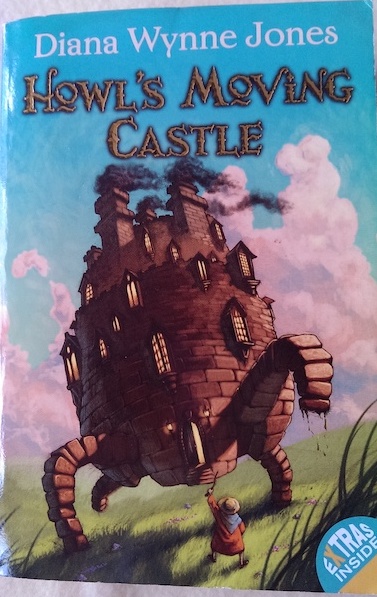

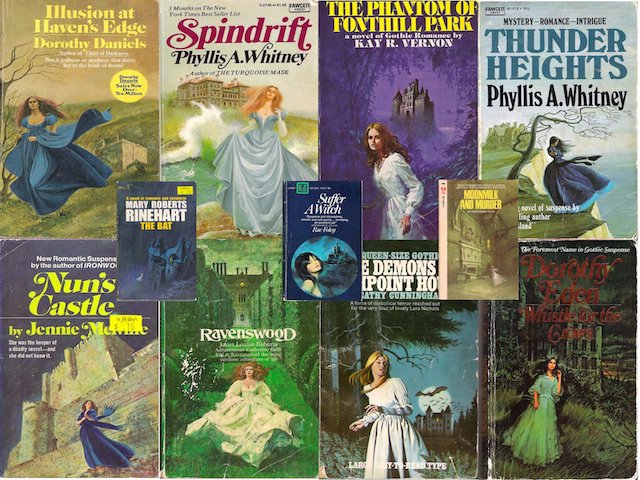


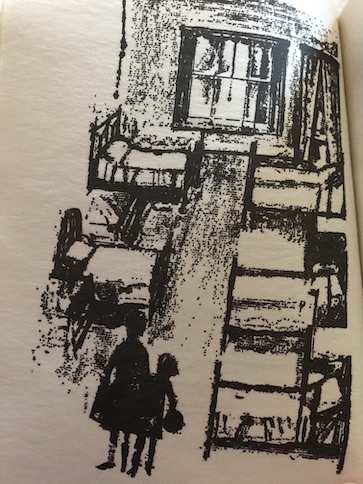
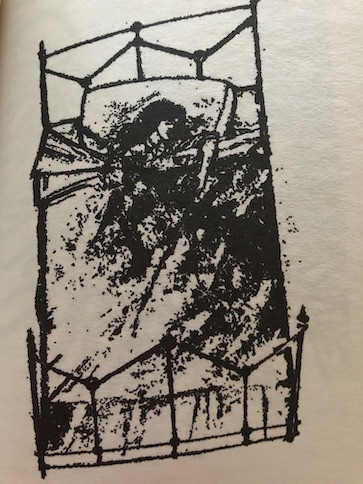


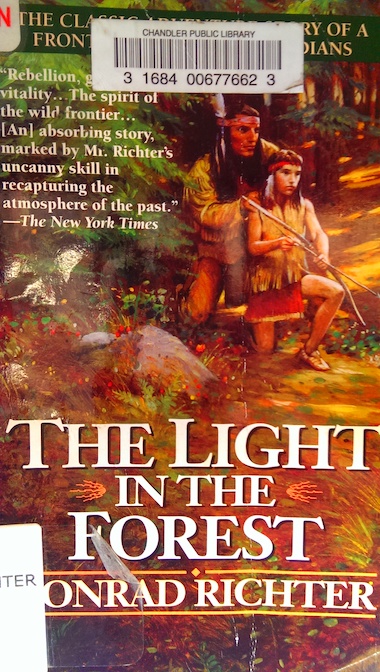 The Light in the Forest by Conrad Richter, 1953.
 Are You There, God? It’s Me, Margaret by Judy Blume, 1970.
 Be a Perfect Person in Just Three Days! by Stephen Manes, 1982.
 Jestress's Forgotten Books and Stories