
The Case of the Gobbling Squash by Elizabeth Levy, illustrated by Ellen Eagle, 1988.
This is the first book in the A Magic Mystery series, which is about a couple of kids who like magic tricks. In every book in the series, there is a section in the back with direction for performing the magic tricks in the story.
It’s Thanksgiving, and all of the kids at school are participating in a Thanksgiving Fair. Different kids are doing different things for the fair, and Kate has a booth where she is advertising her services as a detective. Unfortunately, she gets more teasing than people approaching her with mysteries to solve. Then, Max tells her that he needs her help.

Max is an amateur magician, and he keeps a couple of rabbits to use his act. One of his rabbits is missing. When Kate goes to his house to investigate, it doesn’t take her long to figure out where the missing rabbit is … and the rabbit has become a mother, which presents the kids with a new problem to solve. Max’s mother won’t let him keep that many bunnies.


Fortunately, Kate comes up with an idea to use Max’s magic act in their Thanksgiving play at school to provide the bunnies with new homes. However, when she and Max are preparing for the show, the bunnies disappear in a non-magical way. Someone has stolen them! Max points out that they were supposed to give the bunnies away anyhow, but Kate says they can’t let the matter rest until they’re sure that the bunnies are safe in a good home.

Once again, Max and Kate use Max’s magic tricks to expose the bunny thief and to turn their Thanksgiving magic act into something extra special!
The book is available to borrow and read for free online through Internet Archive.
My Reaction
The mystery is a little cheesy, but I thought that the kids were clever in the way they used concepts from magic tricks to solve their problems. Whether they would work so well in real life is questionable, but I though the concept was creative. The first mystery about where the missing rabbit is was easily resolved, but they have to figure out who took all the bunnies. I thought that the solution to that mystery was also obvious because there was really only one person who seemed to have a reason to mess up their magic act, but the mystery may seem more mysterious to young children.
The story gets some credit from me for being set at Thanksgiving because it’s a less popular holiday for kids’ books than Christmas or Halloween. Like other kids’ Thanksgiving books that aren’t set at the First Thanksgiving, this one is set at a school and involves a cheesy Thanksgiving celebration. The Thanksgiving play in the story involves some of the kids being dressed as Pilgrims and Native Americans, and the Native American aspects are also cheesy and stereotypical. It actually reminds me of actual school plays from my own childhood, which were equally cheesy and embarrassing to me when I was a kid.
I really liked the section in the back of the book that explained how all of the magic tricks in the book were done, even the one for their grand finale! The tricks include a card trick, making a coin disappear, and pulling a rabbit out of a hat.










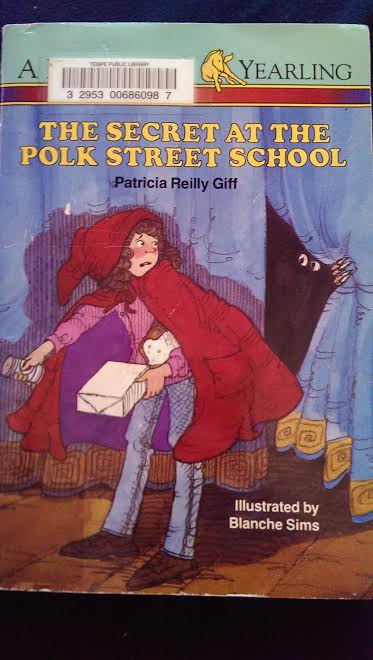 #3 The Secret at the Polk Street School by Patricia Reilly Giff, 1987.

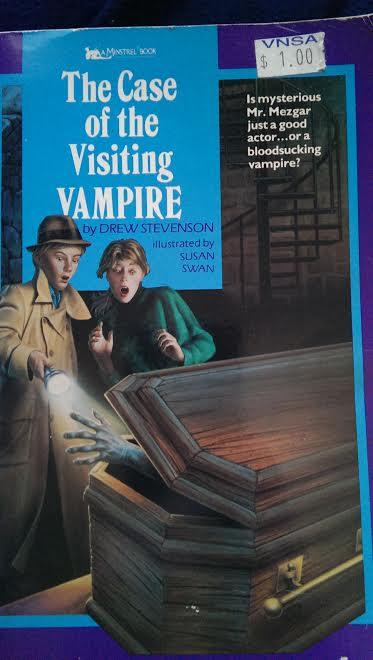 The Case of the Visiting Vampire by Drew Stevenson, 1988.
 The Best Christmas Pageant Ever by Barbara Robinson, 1972.
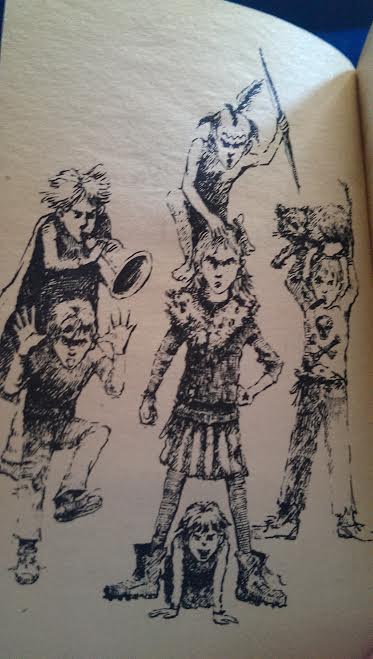 Although the Herdmans don’t get the cake Charlie mentioned and have little interest in Jesus, they begin to be fascinated by the description of the pageant and decide to stick around. The Herdmans love movies, and the idea of being in any kind of play strikes them as fun. Although the Christmas pageant basically goes the same way every year, typically using the same kids for the same parts, once the Herdmans make up their minds that they want the starring roles, they manage to push and bully their way right into the center of everything.
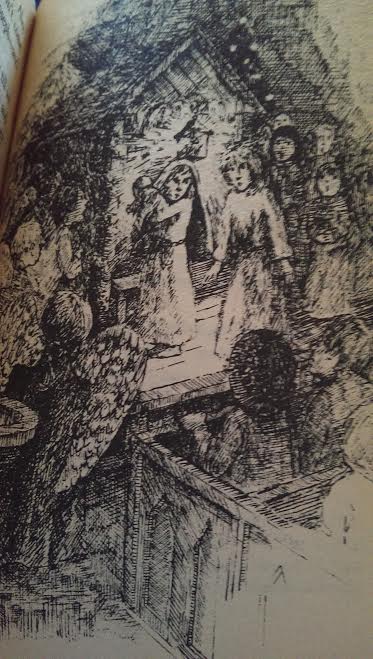 At first, the more conservative adults in the church are horrified at the prospect of what the wild Herdmans might do on Christmas itself, but the minister and the lady overseeing the pageant decide to give the Herdmans a chance. As the title says, it ends up being The Best Christmas Pageant Ever as the Herdmans unexpectedly bring out parts of the Christmas story that the other people who had taken the story for granted hadn’t really thought about much: the simple human reactions of a poor young couple who were strangers in a new town, the fear and expectation that accompany doing something great but unfamiliar and confusing, and the sense of wonder and surprise that are at the heart of the Christmas season.
 Jestress's Forgotten Books and Stories