The Richleighs of Tantamount

The Richleighs of Tantamount by Barbara Willard, illustrated by C. Walter Hodges, 1966.

The Richleighs are a wealthy Victorian family in England, their enormous wealth the product of generations of marriages between wealthy families. There are four children in the family (from oldest to youngest): Edwin, Angeline, Sebastian, and Maud. The four Richleigh children are accustomed to their family’s wealthy and luxurious lifestyle, brought up by their fond parents and the governesses and tutors they hire to oversee the children’s education. Overall, the children are happy and appreciate their privileged lifestyle, but there is one thing that bothers all of them. It has bothered them for a long time. They don’t understand why their parents won’t take them to see their family’s ancestral home, Tantamount.
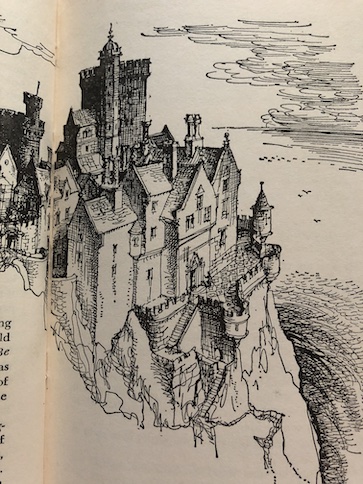
The wealthy Richleigh family owns several grand houses (including one in Scotland and one in Italy), but Tantamount is a mystery to the children. They know it exists because their family has a painting of it, and their grandfather talked about it once. A distant ancestor built this castle-like mansion in Cornwall, on a cliff overlooking the ocean and in a mixture of styles from around the world, and it’s supposed to contain some amazing things. Yet, the children’s father says he has never been there himself. The children’s parents don’t even like to talk about the place, and they’ve never taken the children there. The children know that something mysterious must have happened there at some point, but they have no idea what it is. They just know that they would love to see the place and find out what all the mystery is about! They often speculate about what the place is like, what once happened there, and why they’ve never been allowed to see it.

One day, Sebastian, who is the one who usually asks the most questions, decides to press their mother for answers about Tantamount. She tells him that his great-great-great grandfather, who built the place, was an eccentric and that the mansion is just too big, too inconvenient, and too remote to be of any comfort or use. This inconvenience is one of the reasons why most of the Richleigh family just cannot be bothered to go there. Also, his mother admits that the Richleighs are actually a little ashamed of the house because it is so hideously, overly elaborate and vulgar, even by the luxurious standards of the Richleighs. Sebastian says that he would still like to go there for an adventure, but his mother sees no point to it. She tells him that he can’t always have everything he wants, that he’s already a very indulged boy, and that he should just be happy with what he has. However, the children’s burning desire to see Tantamount and experience what they imagine as its mysteries isn’t really about the physical ownership of the house or the fantastic things that are supposedly kept there but about the spirit of mystery and adventure. As wonderful as everything the Richleigh family has, the children are chasing something else: excitement!
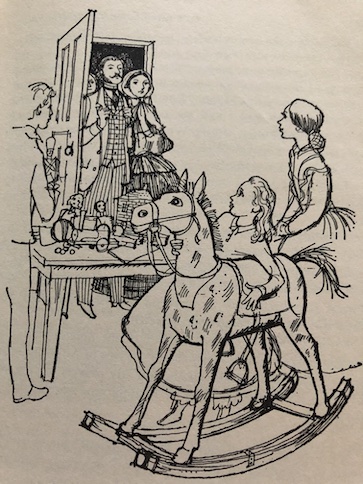
The children’s parents are actually the ones who don’t seem to understand the emotional attachment that people can have to physical belongings. Twice a year, they have their children donated old toys of theirs to the poor, which is a good thing, but poor Maud is traumatized when her parents tell her that she must give up her old rocking horse, Peggy, and that they will replace it with a brand new one. It’s not because Maud has outgrown rocking horses, but Peggy is looking a little shabby from use, and they want the children’s toys to all be in the best condition. They don’t consider the emotional attachment that Maud has to Peggy from her hours of playing with her or that Peggy’s shabbiness is a sign of Maud’s love for her. When they tell Maud that old toys are dangerous for children to play with, Maud asks why they aren’t dangerous for poor children to play with, her mother just tells her not to answer back. (Meaning that she doesn’t have a good answer, and she knows it.) Sebastian says maybe it would be better to just buy the poor children a new rocking horse instead of sending them Peggy, but his father tells him not to be impertinent, showing that this ritual about giving toys to the poor isn’t really about doing something nice for the poor so much as updating the children’s toys for the newest and “best” when that isn’t really what the children themselves want.

Soon after the children’s father gives away Peggy, he falls seriously ill, apparently from something he caught from the family he gave Peggy to. The children worry about what his illness will mean for their family, especially if he dies. Their first thoughts seem fairly petty. They first think that maybe this wouldn’t have happened if he hadn’t decided to give away Peggy. Then, they realize that, with their father ill, they won’t be able to travel to Italy this summer, as the family planned. Then, they think that, if their father dies, they will all have to wear gloomy black, and either Edwin will become head of the family at age 16 or that their uncle will look after the family. Their uncle is a more dour man than their father, so that’s also a gloomy prospect.

Fortunately, the children’s father recovers, and the children are relieved. His doctors advise him to take a sea voyage to recover. The parents will be traveling without the children, and they won’t be going to Italy, but the children say that they understand that this is important to their father’s health. However, this does leave the question of what the children will do while their parents are traveling. The parents ask the children for their opinions about what they would like to do this summer because they want the children to have a pleasant time together while they are gone. There is only one thing that all of the children want, and this time, the children’s parents agree: the children will spend the summer at Tantamount.

The parents make arrangements with Mr. Devine, the agent who manages the property on behalf of the family, for the children to go there for the summer. The children will be chaperoned by their governess, Miss Venus, and Edwin’s tutor, Mr. Gaunt. Before they leave, the children’s father tells Edwin that, since he is 16, he’s no longer just a child, and if any situation should arise which requires him to take charge, he should, as the heir to Tantamount. If anything serious happens, and they need help, they can also send word to Mr. Devine. The children’s mother tells them that there will also be a housekeeper at Tantamount who has a daughter of her own, who will also be helping out.

From the moment their parents leave for their voyage and the children make their final preparations to leave on their trip, they feel like everything is changing. Although they were always aware that they were privileged, they never really noticed much about the details of their lives or home or thought very much about the people who served them. Alone for the first time with Miss Venus and Mr. Gaunt, Angeline is struck with the thought that she never really noticed much about Miss Venus as a person, even what she truly looked like. Before, she was always just the governess, just another part of the steady routine of the children’s lives, but now, dressed for travel and just as excited as the children, she really seems to be a real person. Even Mr. Gaunt is excited and not so much his usual somber self. The children quickly realize that, without their parents there to insist on proper behavior, stiff manners, and a certain appearance, the governess and tutor are relaxing and become more themselves. Mr. Gaunt tells the children stories about his past travels across Europe, and they’re much more fun to hear about than his usual dull lessons. As they step outside of their usual rigid routine, it seems like everything has magically come to life for the children.
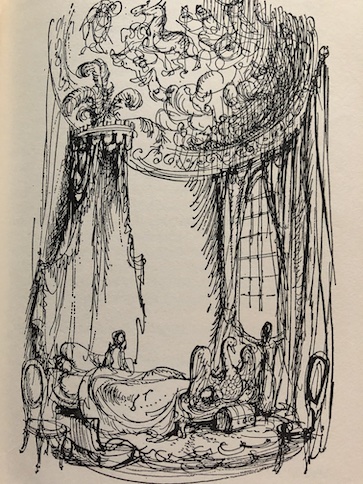
When they first arrive at Tantamount, it’s dark, and the place seems sinister. However, they receive an enthusiastic welcome from the housekeeper, Mrs. Pengelly. In the morning, the children see how grand the place truly is. The rooms are big and elaborately decorated, and there are amazing views of the sea.

Even more exciting than that, the children also quickly realize that life at Tantamount offers them the opportunity for more freedom than they’ve ever had in their lives. Without their usual nurses to pick up after them or fuss over what they’re wearing, they are free to make these simple choices for themselves. The idea of looking after themselves for a change and doing things as they want to do them is exciting by itself. Some parts of looking after themselves seem a little daunting at first, but Angeline realizes that it’s also good for them. Young Maud worries about what “they” will say about things the children are doing, but the older children point out that there is no “they” to worry about. Their parents and nurses aren’t there, and everyone who is there technically works for them.

Eagerly, the children begin to explore Tantamount. It is filled with strange and wonderful things, but most of it is in shabby and neglected condition. There are magnificent statues that are crumbling and a beautiful chandelier lies smashed where it fell on the floor of the ballroom. Angeline first thinks that their father will blame Mr. Devine and Mrs. Pengelly for the condition of the house, but Edwin points out that the house has been neglected for generations by the Richleighs themselves. Who knows how many years ago the chandelier fell when nobody in their family even cared whether it was still hanging or not? Edwin himself says that if their ancestral home was neglected to the point where it started falling apart, their own family was to blame. The children discuss which is more of a “folly”, as Mr. Gaunt put it, to build such a grand place in such a remote location or to forget forget about it and let it fall apart. The word “folly” can refer to an unnecessary building like this, and Edwin says that Tantamount is a “folly” in the sense that the family has done well enough without it for years. Edwin says that their ancestor probably had fun building it and that men like that build grand things for travelers to marvel at, but apart from that, they have little use. Since then, most family members have barely even thought about Tantamount. The children begin to feel sorry for the mansion, almost like it’s a neglected animal with a personality of its own. The place starts to feel sad to them.

Edwin also points out that Tantamount is actually dangerous in its crumbling condition. He even saves Maud from stepping onto a section of floor that would have crumbled underneath her. The children realize that they will have to be very careful of everything they do in Tantamount.

Tantamount is a sad and scary place, but still exciting because the children’s adventure is only just beginning. When Miss Venus and Mr. Gaunt see the condition of Tantamount, they decide that they and the children cannot possibly stay there for the summer. However, the children have only just had their first look at the place and have only just begun to delve into its secrets and consider what might be done with the crumbling old mansion. Even more importantly, they have had their first real taste of the freedom and responsibility that Tantamount has offered them, and they won’t give it up so soon. Edwin asserts himself as the de facto head of the Richleigh family and tells the governess and tutor that they may leave if they find it too uncomfortable, but he and his siblings will be staying because they are family and this is their home.
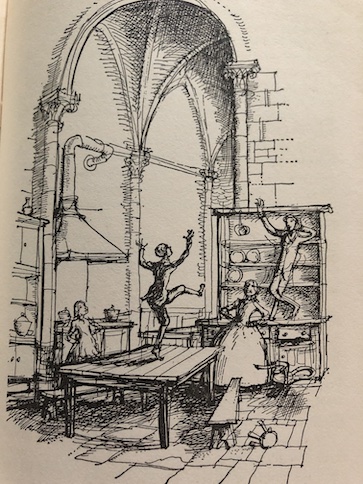
At first, the children are nervous at sending the adults away, but Edwin has thought it out. He has noticed that Miss Venus and Mr. Gaunt are fond of each other, and he suspects that they might take this opportunity to run away and get married. The other children wonder if they will tell their parents that they are at Tantamount alone, but Edwin doubts it. It would take awhile for any message to reach their parents, and the tutor and governess also wouldn’t be too quick to admit that they had abandoned the children, even if the children did request it themselves. The children have also begun to suspect that Tantamount might not be all that it seems. Although their family neglected the place badly themselves, what exactly has Mr. Devine been doing as the steward?

The Richleigh children befriend Nancy and Dick, two sailor’s children who live by themselves nearby. Nancy and Dick are a little afraid of the Richleigh children at first, partly because Edwin attacks them when they first meet, thinking that they’re trespassers, and partly because they know more about the dark history of the Richleighs and Tantamount than the Richleigh children do. However, the children all become friends, and Nancy and Dick teach the Richleighs many things that they need to know to survive on their own at Tantamount. The Richleigh children are happy to get help from Nancy and Dick, and they’re especially happy that, for one in their lives, they’ve made friends on their own instead of just associating with the people their parents have picked out for them to meet. Nancy and Dick are far less fortunate than the Richleighs, and they open the children’s eyes to what poverty really means. Nancy and Dick are also on their own because their mother is dead and their father hasn’t yet returned from the sea.

The Richleighs are impressed with the things that Nancy and Dick know and can teach them, and they also enjoy the carefree summer that they spend with Nancy and Dick. While they’re happy to accept help from them, the last thing the Richleighs want is any adult finding out that they’re living alone at Tantamount. There are still mysteries there for the children to solve, and the last thing they want is to give up the first real freedom that they’ve ever experienced!

The book is available to borrow and read for free online through Internet Archive.

My Reaction and Spoilers

The Richleighs are practically the personification of a privileged Victorian family. Readers are told that the Richleigh children are accustomed to luxury, although the book is also quick to say that they aren’t spoiled because readers might find them insufferable if they were. However, in the first few chapters, readers might also realize that the Richleigh children are living a rather repressed and highly controlled life. They have all kinds of toys to play with but no control over whether or not they get to keep their favorite old toys. Their parents get rid of anything that they personally think is getting too shabby without regard for sentimentality. Peggy wasn’t just a toy to Maud; she was like an old friend, and she and her siblings are sure that her new owner won’t appreciate her as much or might do something horrible, like sell her for drinking money or turn her into firewood. The parents are unconcerned about Maud’s feelings. They and the children’s nurses are always telling children not only what they should do but how they should feel. When Angeline expresses an opinion, her nurses tell her that “Ladies don’t have opinions – they’re nasty things to have.” When Sebastian tries to make his mother understand how much it would mean to him and his siblings to see Tantamount, he talks about “adventure”, but the book hints that he may have also been thinking of “escape” – escape from the luxurious monotony of their lives, from the constant supervision and control of the adults, and from constantly being told who they are, what they should do, and how they should think and feel. The two oldest children, Edwin and Angeline, realize that their parents are prepared to give them anything they want, but only provided that the children want the things their parents think they should want, like the new rocking horse.

When the children are left to the own devices at Tantamount, they have to take responsibility for themselves and manage everything by themselves for the very first time in their lives. Rather than finding it frightening, however, the Richleigh children find it exciting. Young Maud is the one who’s the most worried because there has never been a time in their lives when the children haven’t had someone taking care of them and telling them what to do. Angeline thinks that learning to do things for themselves will be good for them, and she delights in making simple choices, even deciding what to wear without someone to tell them. However, Maud doesn’t even know how to dress herself without help, and she worries about what “they” would say. Sebastian points out that there is no “they” to say anything. The children themselves are in charge, and Sebastian is looking forward to them doing what they want to do. Maud doesn’t know how they’ll even begin to know what to do without someone telling them, but Edwin reassures her that they’ll figure it out.

Since Edwin is the oldest boy and he already has their father’s permission to act as the heir to Tantamount, the children immediately decide that he’s in charge. It fits the general pattern of Victorian society that they’re all accustomed to, and it makes Maud feel a little better that someone’s in charge. However, because Edwin now gets to run things the way he wants, he doesn’t just want to give his siblings orders. He establishes the group as a family council so they can discuss things and make decisions together. Although he maintains his position as the head of the family council, he cares about how the others feel, and over the course of the summer, he particularly comes to value the thoughts and advice of Angeline, who proves herself to be a sensible and practical young lady.
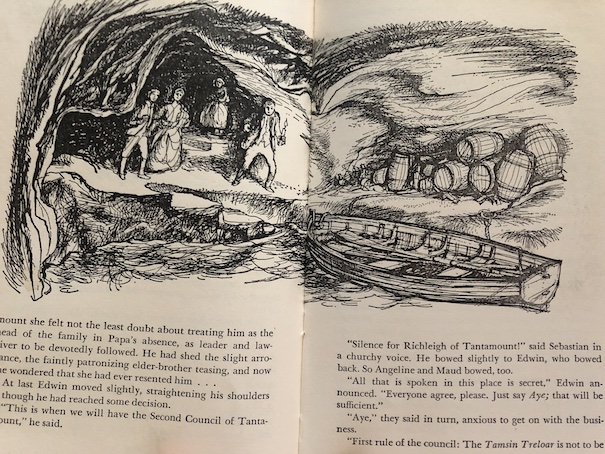
It isn’t long before the children discover the dark secret of Tantamount that they always suspected was there: it is being used as a hideout for smugglers and has been for some time. The reason why Mr. Devine hasn’t tried to maintain the house or a staff there is that he doesn’t want anybody snooping around and learning the truth about what he’s been doing there. When the children figure it out, they also realize that no one else is aware of their discovery yet. The locals might have their suspicions, but so far, nobody knows that the Richleigh children have made this discovery and that the children are staying at Tantamount all by themselves. However, this situation can’t last. Eventually, the smugglers will come back or Mr. Devine is bound to check on them, and the children will have to decide what they will do when that happens.
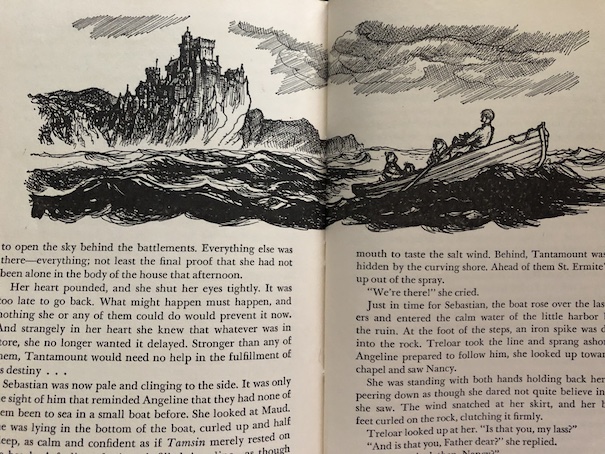
The children also must confront the knowledge that their own ancestors must have been the ones who started the smuggling and wrecking business and were responsible for the deaths of many sailors. There was a hint to the dark history of Tantamount in the painting the children have admired for years, but the children just didn’t understand the meaning of it before. The children’s parents don’t seem to be aware of any of this, or they would never have allowed the children to go to Tantamount at all. The children realize that the reason why Tantamount was abandoned by the family was that, at some point, some of the Richleighs decided that they didn’t want any part of this nefarious business anymore, so they got as far away from Tantamount as they could, created new lives and homes for themselves, and tried to prevent the younger generations of the family from finding out what happened there. This is the dark side of privileged families. Although much of the Richleighs’ wealth has come from wealthy marriages, not all of it has, and some has come from some dark sources.

The children still love Tantamount, even for its darkness, and they wish they could do something to cleanse it of all the bad things that happened there. Tantamount has changed them and allowed them their first tastes of freedom, independence, and self-discovery. The oldest children realize that their time there can’t last because their parents will come for them at the end of the summer, and there is still the matter of the smugglers. They try to think of a way to preserve some of the feelings of this transformative summer even when it’s time for them to go home.

In the end, the real villain eventually brings about his own end while trying to destroy Tantamount and hide its secrets forever, and the children pledge to themselves that they will rebuild it someday, but in their own way and for much better purposes. This is a secret that they keep from their own parents, just between the four of them, because this is something that they want and will pursue independently at some point in the future.

There are sad parts to the story as the children reflect on the abandoned and neglected nature of Tantamount and the evil that has happened there. However, there is also adventure and mystery and the kind of magic that comes from a carefree summer spent in a fantastic place!
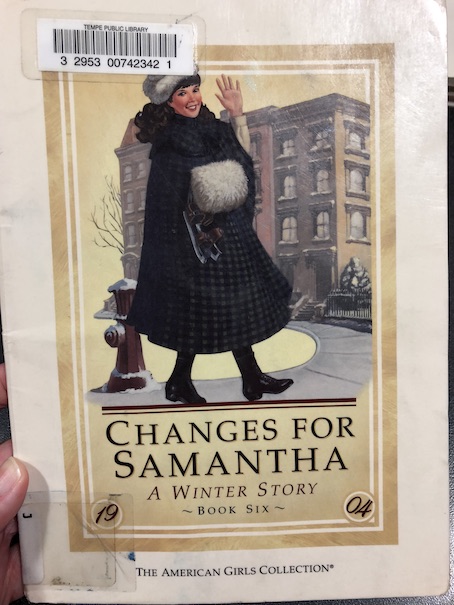
Changes for Samantha

American Girls

Changes for Samantha by Valerie Tripp, 1988.

This book is part of the Samantha, An American Girl series. This is the last book in the original series of Samantha’s stories and explains the changes in the lives of Samantha and her friends, especially Nellie. When Samantha met Nellie in the first book in the series, Nellie was a poor girl working as a servant girl in a neighboring house. Later, Nellie and her family moved to Samantha’s town, Mount Bedford, and Nellie and her sisters were able to attend school for the first time.

Now, Samantha has moved to New York City to live with her Uncle Gard and his new wife, Aunt Cornelia. Samantha likes living with them, although their housekeeper, Gertrude, is strict and often makes her feel like she’s doing things wrong. Samantha’s grandmother, a widow, has remarried to her long-time friend, the Admiral. Samantha’s life has changed considerably since the first book. Since her move to New York City, Samantha hasn’t seen Nellie or her sisters, but their lives have also changed, and not for the better.

When the book begins, Samantha and Aunt Cornelia are making Valentines to give to friends and family. Samantha receives a letter from Nellie that says that her parents have died of the flu and their employer, Mrs. Van Sicklen, is sending her and her sisters to New York City to live with her Uncle Mike. Nellie says that she’ll try to visit Samantha in New York City soon. Samantha is upset to hear that Nellie’s parents are dead, but Uncle Gard and Aunt Cornelia reassure her that Nellie’s uncle will take care of her and that she’ll soon be living much closer to Samantha.

After some time goes by and Samantha doesn’t hear any more from Nellie, she begins to worry about her. Uncle Gard decides to call Mrs. Van Sicklen and find out Nellie’s new address, but she doesn’t know where Nellie’s uncle, Mike O’Malley, lives. All Mrs. Van Sicklen knows is that he lives on 17th or 18th Street, but New York City is so big, that doesn’t help much. Uncle Gard and Aunt Cornelia say that maybe Nellie has had to get a job or look after her sisters and that she’s just been too busy to visit, but Samantha is still worried that something is very wrong.

Samantha decides to start asking around 17th and 18th Streets to see if she can locate Mike O’Malley, and she finds a chestnut seller who knows Mike O’Malley. However, he warns Samatha not to get involved with him because Mike O’Malley is a “hooligan.” Samantha worries about that, but it’s just another reason for her to want to check on Nellie. When she reaches the apartment where Mike O’Malley last lived, he isn’t there anymore. His neighbor explains that Mike O’Malley was a drunk who simply abandoned his nieces in his old apartment. The neighbor took the girls in for a while, but she is a poor woman with children of her own to raise, so she had to turn Nellie and her sisters over to an orphanage, the Coldrock House for Homeless Girls.

Samantha tells her aunt and uncle what she’s learned, and they’re upset that she went to such a dangerous part of the city alone. However, Aunt Cornelia agrees to take Samantha to the orphanage to see Nellie. The directoress, Miss Frouchy, is a stern and sneaky woman, but she agrees to let Samantha see Nellie, even though it isn’t a visitors’ day. It is difficult for the girls to speak candidly with Miss Frouchy watching them and monitoring everything that Nellie says. When Aunt Cornelia asks if Nellie and her sisters need anything, Miss Frouchy interrupts and says that they don’t. However, Samantha notes how thin Nellie looks and suspects that there is more going on than Nellie is being allowed to say, and Miss Frouchy even confiscates the cookies meant for Nellie and her sisters right in front of Aunt Cornelia and Samantha.

Aunt Cornelia asks Miss Frouchy for a tour of the orphanage so that Nellie and Samantha can be alone, and so the girls are able to speak openly. Nellie confirms that things are hard at the orphanage and her sister, Bridget, isn’t strong. Miss Frouchy thinks that Bridget is lazy and doesn’t want to work, so Nellie tries to cover Bridget’s chores as best she can. Samantha says that Nellie could come and stay with her and her aunt and uncle, but Nellie says that they probably don’t need any more maids. Samantha offers to hide Nellie and her sisters, but Nellie thinks that plan is too risky. More than anything, Nellie wants to keep her sisters together. She says with a little more training, she could find a job as a maid and support them.

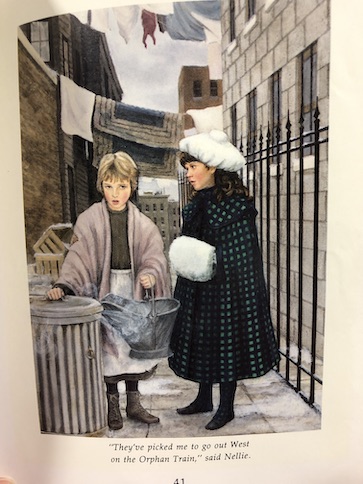
Samantha returns to the orphanage again with her aunt and uncle to visit all three girls, and she and Nellie arrange to meet secretly at the time when Nellie is supposed to take the fireplace ashes out to the alley for disposal. At their next meeting, Samantha finds out that Miss Frouchy took the gloves that they had given Nellie and even punished her for having them because she said that she must have stolen the gloves. However, there is worse to come. Soon, Nellie tells Samantha that she has been chosen to be sent out west on the Orphan Train, but because her sisters are too young to go, they’ll be left in New York alone. With the sisters about to be split up, Samantha’s plan to help the girls run away and hide is looking better.

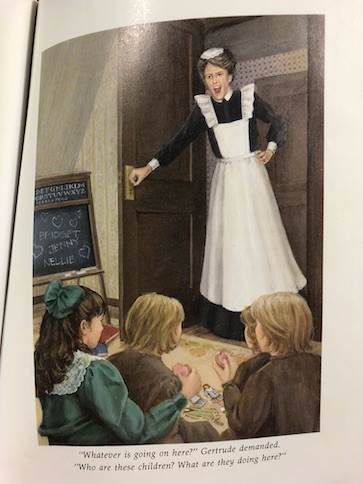
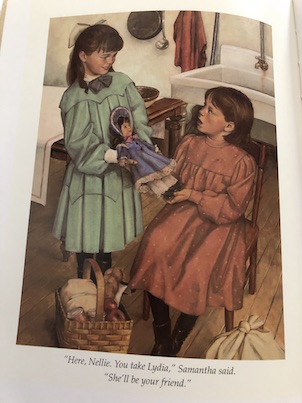
Together, Nellie and Samantha help to sneak the younger girls out of the orphanage, and Samantha hides the three of them in an upstairs room in the aunt and uncle’s house that isn’t being used. She sneaks food and toys upstairs to them, and Nellie sneaks out during the day to go looking for work. However, Gertrude soon gets suspicious about how much food Samantha seems to be eating and how she seems to be sneaking around with it. When the girls are finally caught, Samantha owes her aunt and uncle some explanations, but admitting the truth of what has happened changes things for the better for all of the girls.

In the movie version of the Samantha series, which combined all the stories from the Samantha books into one, the story ends at Christmas, but in the book, it’s Valentine’s Day. The Christmas ending is nice, but Valentine’s Day does make for a nice difference, and love is appropriate to the theme of the story. Uncle Gard and Aunt Cornelia end up adopting Nellie and her sisters, so they officially become part of Samantha’s family. Unlike other characters in the story, who see the orphans as either an inconvenience or a source of cheap labor, Uncle Gard and Aunt Cornelia genuinely love them and want to raise them.

Something that struck me about the book was that both Nellie and Samantha are orphans, but their lives were very different at the beginning of the story because Samantha is from a wealthy family with an uncle who loves her and Nellie is a poor girl with an irresponsible uncle. If Samantha had been poor, she might have been destined for an orphanage or the orphan train herself. Because she wasn’t and because her family looks after children well and is willing to share what they have with others, Samantha has a secure future, and Nellie and her sisters become part of their family.

The book ends with a section of historical information about all the changes taking place in Samantha’s time, from technological changes, such as the first airplanes and new cars, to the increasing sizes of cities and new immigrants arriving in the United States.

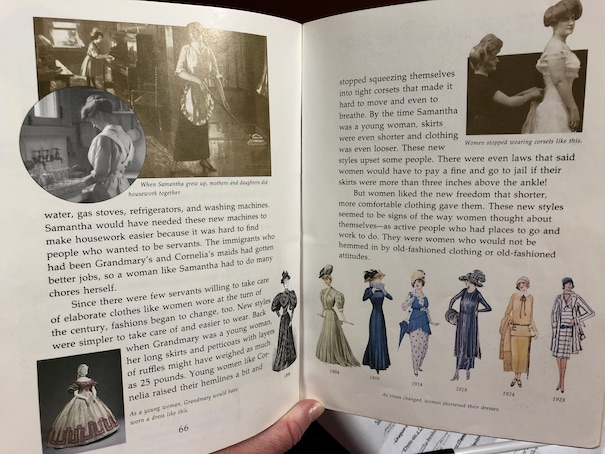
As girls like Samantha grew up, society continued to change. In earlier books, Samantha’s grandmother talked about how young ladies aren’t supposed to work but learn how to be ladies and take care of a household. By the time Samantha was an adult, in the 1910s and 1920s, it was becoming more common for women to hold others jobs, although they would often stop working when they got married so they could focus on raising their children. The profession of social work evolved to help care for children like Nellie and her sisters. Some social workers also helped immigrants to learn English and train for new jobs when the came to the United States. The book specifically mentions Jane Addams, who founded the settlement house, Hull House.

Change is a major theme of all of the American Girl books, and a girl like Samantha would have seen some drastic changes in the ways that people lived as she got older. Over time, fewer immigrants looked for jobs as domestic servants, and newer forms of household technology, like washing machines, made it easier for housewives to do more of their domestic chores themselves. The section of historical information ends with examples of the changes in styles of women’s clothing through the 1920s, explaining how the changes in clothing styles were part of the changes in the types of lives the women wearing them were leading.

Although the book doesn’t go into these details, I would just like to point out how old Samantha would have been at various points in the 20th century. She was born in 1894, and ten years old in 1904, so that means that she would have been:

  • 23 years old when the US entered World War I in 1917
  • 26 years old when the 19th Amendment granted women’s suffrage in the United States in 1920
  • 30 years old in 1924 (Jazz age and Prohibition)
  • 35 years old when the stock market crashed in 1929, the beginning of the Great Depression
  • 47 years old in 1941, when the attack on Pearl Harbor occurred, and the US entered World War II, and 50 years old in 1944, when the Molly, An American Girl series takes place.
  • In her 50s during the early days of the Cold War. She would have to live to be 95 to see the end of it.
  • In her 60s through her early 70s during the Civil Rights Movement.

I like to think about these things because it puts history in perspective, and it gives us some sense of what Samantha’s future life might have been like. When she was a young woman, she may have joined the women’s suffrage movement with her Aunt Cornelia. She probably knew young men her age who went to fight in World War I. (Eddie, the annoying boy who lived next door to Samantha’s grandmother, would have been old enough to fight and may have been a WWI soldier himself.) Perhaps, Samantha’s future husband was a soldier. When she was older, Samantha could have either joined the temperance movement behind Prohibition or visited a speakeasy or at least knew people who did. It’s difficult to say what happened to Samantha’s family during the Great Depression. Depending on their professions and what they may have invested their money in, they may have lost their fortunes in the stock market crash, or they may have ridden out the whole thing in relative comfort. By World War II, Samantha may have had a son who was old enough to fight. One of the things I find interesting about historical novels with children is imagining what their future lives may have been like, and Samantha was born at a time when she would have witnessed many major events throughout her future life. The book shows how women’s fashions changed as Samantha grew up, but I’m fascinated by the events in Samantha’s life that I know must be coming, just because of when she was born. By the end of her life, the world would be a very different place from what she knew when she was young.

The book is available to borrow for free online through Internet Archive.

Samantha Learns a Lesson

American Girls

Samantha Learns a Lesson by Susan S. Adler, 1986.

This is part of the Samantha, An American Girl series.

Samantha attends Miss Crampton’s Academy for Girls in Mount Bedford. She is doing well and has some friends at school, but she misses her friend Nellie. She knows how poor Nellie’s family is and worries about how they are doing.

One day, Samantha comes home from school to a surprise: Nellie has returned to town with her family. Samantha’s grandmother recommended Nellie’s family to a friend, Mrs. Van Sicklen, who has hired Nellie’s father as a driver and Nellie’s mother as a maid. Nellie and her sisters will also be helping with household chores. They will also get the chance to go to school, although they will be attending public school and not the private school that Samantha attends.

When they begin attending school, Nellie’s younger sisters do fine in the first grade, where they are expected to be beginners, but Nellie herself has trouble in the second grade. Nellie is a little old for second grade, so the other children make fun of her for being there, and she is so nervous that she makes embarrassing mistakes in front of her teacher and the other students. Nellie thinks that perhaps she’s too old to start going to school, but Samantha realizes that what she needs is a little extra help.

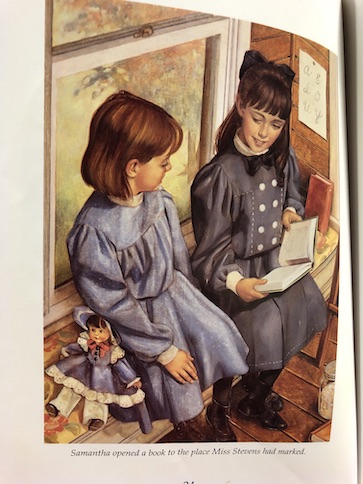
Samantha talks to her own teacher and explains the situation. She says that she would like to help teach Nellie what she needs to know, but she is not sure what Nellie needs to know in order to pass the second grade. Samantha’s teacher, Miss Stevens, thinks that it is nice that Samantha wants to help Nellie and gives her a set of second grade readers to study with pages marked for assignments. Samantha tells her grandmother what she is planning to do, and she says that it is fine, as long as the extra tutoring doesn’t interfere with Nellie’s house work too much.

Nellie accepts Samantha’s help at their secret, private “school” that Samantha calls “Mount Better School.” During their lessons, Samantha discovers that Nellie is very good at math because she used to have to help her mother with shopping and had to keep track of her money. Nellie cannot always come for lessons because of her work, but Samantha’s tutoring helps her to improve.

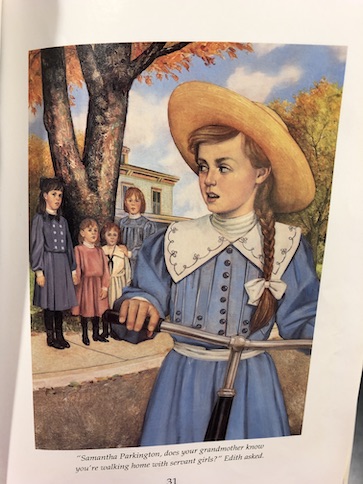
One day, when Samantha is walking home from school with Nellie and her sisters, a mean girl from Samantha’s school, Edith, sees them and criticizes Samantha for spending time with servants. She says that her mother would never allow her to play with servants. Samantha asks her grandmother what Edith means, and her grandmother says that Edith is a young lady. When Samantha asks why she is allowed to play with Nellie, her grandmother says that they are not really playing, that Samantha is helping Nellie, which makes it different. That explanation doesn’t entirely satisfy Samantha.

However, her grandmother is both understanding of the help that Samantha has been giving to Nellie and serious about the need to help others. When Edith’s mother and other ladies of the neighborhood come to visit and complain about Nellie’s family and how Samantha is spending time with them, Samantha’s grandmother defends them and says that Samantha is doing good.

Meanwhile, Samantha’s school is preparing for a public speaking contest with the theme “Progress in America.” To prepare for her speech, Samantha asks her grandmother, her Uncle Gard, and other people what they think about progress and what the best inventions are. They mention inventions like the telephone, electric lights, automobiles, and factories. Samantha is fascinated by the idea of factories and the variety of products that they can make. However, when Samantha reads her speech to Nellie, Nellie is not nearly so enthusiastic about factories as a sign of progress. Nellie used to work in a factory herself, and she knows that they are not pleasant places. She tells Samantha how factories are noisy and how dangerous the machines are for the workers. The factory workers are also very poorly paid, which is why the products they make are so cheap.

Nellie’s stories about factories bother Samantha. When it is time for the public speaking contest, Samantha delivers a changed version of her speech in which she discusses the dangers of child labor and how some form of progress, particularly ones that endanger children, are not good forms of progress. Samantha’s thoughtful speech wins the contest, and her grandmother understands that Samantha has been learning things from Nellie even while teaching her.

In the back of the book, there is a section with historical information about education and child labor during the early 1900s.

The book is currently available to borrow for free online through Internet Archive.

Meet Samantha

American Girls

Meet Samantha by Susan S. Adler, 1986.

This is the first book in the Samantha, An American Girl series.

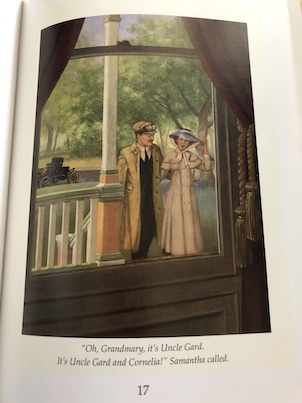
Samantha Parkington is a nine-year-old orphan. She belongs to a wealthy family and lives with her grandmother, called Grandmary, in the Hudson Valley in New York. Grandmary is often strict with Samantha, trying to teach her to be a proper young lady, but Samantha finds it difficult. Samantha’s grandmother loves her, but she has very old-fashioned ideas about how girls should behave. When Samantha wants to try making and selling boomerangs in order to earn money to buy a doll, using instructions from The Boys’ Handy Book, her grandmother stops her, saying that young ladies do not earn money. She would rather that Samantha earn the doll as a reward for doing what she is told and practicing her piano lessons. Samantha also has an uncle, Uncle Gard, who has a girlfriend named Cornelia. Cornelia is a more modern woman, who would see nothing wrong with Samantha wanting to earn some money.

One of her grandmother’s servants, a black woman named Jessie, is kind and motherly to Samantha. Jessie often patches Samantha up after her various escapades and mishaps. Jessie’s husband, Lincoln, is a train porter, and Jessie tells Samantha exciting stories about the places that Lincoln has seen in his work, like New Orleans. Sometimes, Lincoln brings Samantha post cards from these places.

Samantha soon learns that a new girl her age is coming to a neighbor’s house. She has been wanting a playmate, so she goes over to the neighbor’s house to introduce herself. The new girl’s name is Nellie, but she has come to be a servant for the neighbors, the Rylands. Nellie’s family is poor, so Nellie needs to work as a maid help her parents earn money and support her younger sisters. Samantha is surprised when Nellie describes her family’s circumstances in New York City. Samantha has never been poor, and she doesn’t know what it’s like to be cold and hungry. Nellie says that the air in the countryside is better for her, and she gets better food working for the Rylands. Nellie tells Samantha that she has never been to school, and Samantha offers to teach her.

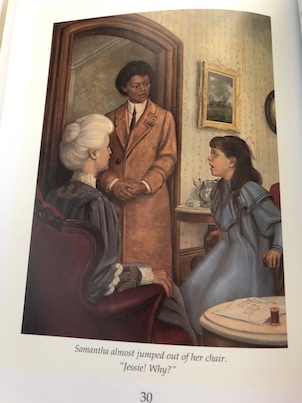
Then, Jessie suddenly announces that she is leaving her job at Grandmary’s house. Grandmary doesn’t seem surprised, but Samantha is. Jessie offers no explanation for leaving, and when Samantha tries to ask, Grandmary and the other servants do not want to talk about it. Samantha tells Nellie about Jessie leaving, coming up with fanciful reasons why she might leave her job, but Nellie offers the practical explanation that Jessie might be having a baby. Nellie knows more about it than Samantha because she has younger sisters, but she acknowledges that adults of this time period do not like to talk about people having babies, particularly in front of children. Neither Nellie nor Samantha entirely knows why.

However, Samantha is still concerned about Jessie. Samantha doesn’t know where Jessie lives, but Nellie does. The two girls sneak out one evening to visit Jessie and learn for themselves what the matter is. This is the first time that Samantha has been to the part of her town where black people live, further opening her eyes to the lives of people from lower classes of society. Nellie is a little surprised at how Samantha, who is more educated, sometimes knows so little about the ways that other people live.

It turns out that Jessie does have a new baby. Jessie reassures Samantha that she and the baby are fine, but since her husband needs to travel because of his job as a train porter, she needs to stay at home with her baby now. Samantha thinks of a way to help Jessie keep her job and care for her baby at the same time, persuading her grandmother to let Jessie come back. Unfortunately, Nellie soon has to leave because Mrs. Ryland doesn’t think that she’s strong enough to work as a maid and decides to send her back to her family in New York City. Samantha gives Nellie her new doll as a going-away present, and she is very concerned about how Nellie and her family will manage.

In the back of the book, there is a section with historical information about how wealthy people and their servants lived during the early 1900s.

Something that occurred to me later is that Jessie is about the right age to be Addy‘s daughter, from another American Girls series. I don’t think that there’s a real connection between Jessie and Addy because the Samantha books were written before the Addy series. However, when I stopped to think about their relative ages (Addy would be about 49 years old in 1904, and Jessie is probably in her 20s), it occurred to me that if Addy had a daughter, she would probably be an adult at this time, and she might be doing something very similar to what Jessie is doing, working as a seamstress.

The book is currently available to borrow for free online through Internet Archive.

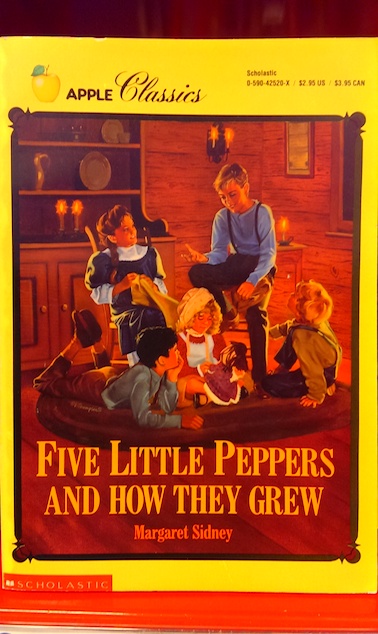
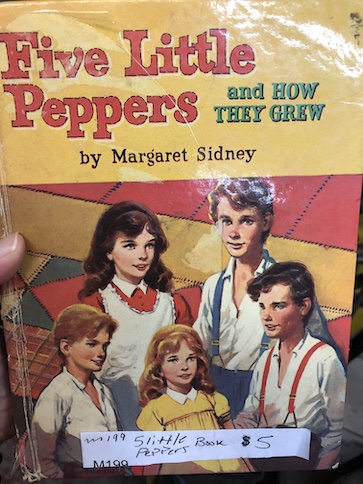
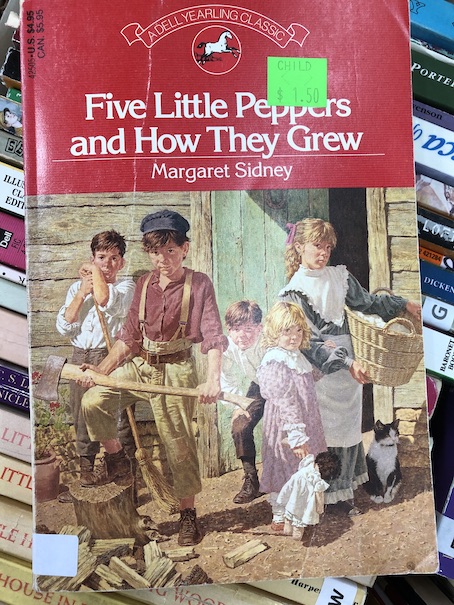
Five Little Peppers and How They Grew

FiveLittlePeppers

Five Little Peppers and How They Grew by Margaret Sidney, 1881.

Mrs. Pepper is a widow who lives with her five children in a little brown house.  Since her husband died when their youngest was a baby, she has supported the family by sewing.  The children try to help, but they are still very young.  The oldest, Ben, is eleven years old, and Polly, the next oldest is ten.  Their mother worries about providing them with an education, but they are barely scraping by as it is.

The family manages to get by, helping each other through crises, such as the time when everyone was catching measles.  Sometimes, they also get help from friends.

One day, when Phronsie (short for Sophronia), the youngest Pepper, about four years old, wanders off by herself, she is found by a boy named Jasper King and his dog, Prince.  They look after her until her brother, Ben, comes to take her home.  Jasper enjoys meeting the Pepper family.  He doesn’t have any siblings himself, and he thinks that it must be fun to live in a family of five.  Jasper and his father are spending the summer at a hotel in nearby Hingham, and Jasper thinks that it’s dull.  The Pepper children invite him to come visit again, saying that they will teach him how to bake like Polly does.

Jasper isn’t able to return to their house right away because he gets a cold, and Jasper’s father has been ill.  Phronsie thinks that it would be nice to make him a gingerbread man.  Together, the children make up a little basket of goodies for Jasper and his father.  The Kings are charmed by the gift, and Mr. King decides that he would also like to visit the Pepper family.  Unfortunately, due to Mr. King’s poor health and some business he has in “the city”, their visit to the area is cut short.  The Pepper children are sad that Jasper will be leaving so soon, but they invite him to return next summer.

Jasper continues to write letters to the family while he’s in the city, studying with the private tutor he shares with his cousins.  He remembers the Pepper children telling him that they don’t really celebrate Thanksgiving or Christmas because they never have enough money to buy a feast or Christmas presents.  However, he urges them to try to celebrate Christmas this year, even if it’s only in a small way.  The Pepper children make small presents for each other, like paper dolls, doll clothes, toy windmills, and whistles, and put some greenery around for decoration.  Jasper also sends the family some surprise presents.

However, Jasper’s father says that he doesn’t want to visit Hingham again because he doesn’t think that the climate there is good for him.  Instead, Jasper persuades his family to let him invite Polly for a visit.  It takes some persuasion for the Peppers to agree because Mrs. Pepper is hesitant to accept favors and Polly worries about homesickness, but they are persuaded when Jasper says that he has been unwell and that Polly’s visit would cheer him up.  In the city, Polly gets her first taste of formal education, even having a music teacher.  However, she does get homesick, so the King family sends for little Phronsie to cheer her up.  The King family is charmed by both of the girls, and Mr. King gives Phronsie many dolls to play with.

One day, when Polly realizes that she has forgotten to write a letter to their mother because she was so busy with her lessons, Phronsie decides that she will write one herself and mail it.  She doesn’t really know how to write, but she scribbles something as best she can and slips out of the house to find the post office.  She is almost run over in the street, but fortunately, Mr. King finds her and brings her home.  She isn’t hurt, but the incident worries Mr. King.

After some thought, Mr. King decides to invite the rest of the Pepper family for a visit.  The day that the rest of the Peppers arrive, Phronsie surprises a pair of thieves in the house.  The thieves get away, and the excitement from the incident makes the Peppers’ arrival less exciting than it should have been.

The Peppers fit so well into the household that Mr. King invites the family to live with them permanently.  He offers Mrs. Pepper a job as housekeeper and says that he will help the children with their education.  Mrs. Pepper accepts, and it leads to the surprising revelation that Mrs. Pepper and John Mason Whitney, the father of Jasper’s cousins, are actually cousins, making them all cousins of the King family as well.

This book is mentioned in the book Cheaper By the Dozen as a book that Mrs. Gilbreth liked to read to her children.

The book is currently available online through Internet Archive. It is part of a series.

Mother Carey’s Chickens

MotherCareysChickens

Mother Carey’s Chickens by Kate Douglas Wiggin, 1911.

The book begins with a quote from an older children’s book, Water Babies:

“By and by there came along a flock of petrels, who are Mother Carey‘s own chickens…. They flitted along like a flock of swallows, hopping and skipping from wave to wave, lifting their little feet behind them so daintily that Tom fell in love with them at once.”

This book is very different from the story in Water Babies (which is actually a very dark book for children), but the quote is foretelling some of the events of this story, and the characters refer to the story now and then throughout the book.  Mother Carey’s Chickens is the book that the Disney movie Summer Magic was based on.  The basic premise of the story is the same between the book and the movie, but there are also many differences in details.  For example, in the movie, the Carey family had only three children, and in the book there were four.  The oldest children in the family also seem older in the movie than they were in the book, and their stuck-up cousin Julia was also much younger in the book.

When the book begins, Mrs. Carey is not yet a widow, but she has received news that her husband, a Navy captain, is ill with what appears to be typhoid.  She has to go to him, leaving her four children Nancy, Gilbert, Kathleen, and Peter, at the house with their two servants.  (Kathleen was the child who did not appear in the movie.)  She gives them some instructions to call on their relatives if they need any further help and refers to them as her “chickens” in reference to the bit of seafaring folklore that the earlier quote mentioned.  They explain that this nickname for the children was based on a joke made by their father’s Admiral back when Nancy turned ten years old.

Nancy is the eldest of the Carey children (played by Hayley Mills in the movie), and from the way that the book describes her, I suspect her to be something of a Mary Sue for the author.  Nancy has a knack for making up and telling stories, and at one point, the book says, “… sometimes, of late, Mother Carey looked at her eldest chicken and wondered if after all she had hatched in her a bird of brighter plumage or rarer song than the rest, or a young eagle whose strong wings would bear her to a higher flight!”  Nancy and her younger sister, Kathleen, are both pretty, but Nancy is definitely the center of attention and a much livelier personality.  The book is complimentary to all of the children, however.  Gilbert is described as a “fiery youth” and little Peter, the youngest, as “a consummate charmer and heart-breaker.”  Although Peter is only four years old, the book says, “The usual elements that go to the making of a small boy were all there, but mixed with white magic. It is painful to think of the dozens of girl babies in long clothes who must have been feeling premonitory pangs when Peter was four, to think they couldn’t all marry him when they grew up!”  So, the Carey children are generally idealized as children, something pretty common in older children’s literature, especially in stories that are meant to teach certain lessons or morals, as this one does.

While the children wait for their mother to return home, they are on their best behavior even more than usual, with Nancy and Kathleen having the following conversation:

“It is really just as easy to do right as wrong, Kathleen,” said Nancy when the girls were going to bed one night.

“Ye-es!” assented Kathleen with some reservations in her tone, for she was more judicial and logical than her sister. “But you have to keep your mind on it so, and never relax a single bit! Then it’s lots easier for a few weeks than it is for long stretches!”

“That’s true,” agreed Nancy; “it would be hard to keep it up forever. And you have to love somebody or something like fury every minute or you can’t do it at all. How do the people manage that can’t love like that, or haven’t anybody to love?”

“I don’t know.” said Kathleen sleepily. “I’m so worn out with being good, that every night I just say my prayers and tumble into bed exhausted. Last night I fell asleep praying, I honestly did!”

“Tell that to the marines!” remarked Nancy incredulously.

So, the kids are pretty good, but perhaps not perfect. Still, Mary Sue characters usually do have a flaw that’s not really considered much of a flaw, making them more endearing.

Even if you don’t know the story from the movie, you may have guessed that when the children’s mother returns home, it is with the news that their father has died.  With the father’s death comes many changes for the Carey family, which is the point in the story where the movie begins.  Without the father’s salary, and with all four children less than fifteen years old, the family has to cut expenses, letting the servants go.

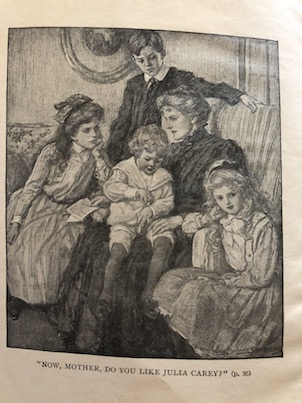
MotherCareysChickensJuliaComingThen, the family receives word that Captain Carey’s brother is in failing health and that his business partner, Mr. Manson, is seeking to place his daughter, Julia, with a relative.  Mr. Manson has already spoken to a cousin of the family about Julia, but this cousin has refused to take her.  The now-fatherless Carey family knows that taking on another relative will be an added burden on them, but Julia has no other family and nowhere else to go, so they see it as their duty to help her.  Admittedly, none of them likes Julia very much.  They remember her as a spoiled child who was always bragging about the wonderful things that her wealthier friend Gladys Ferguson had or did.  Even now, the Ferguson family has invited Julia for a visit before she goes to live with her aunt and cousins, but unfortunately, they have no intention of adopting her or even trying to care for her until her father is well themselves.  Nancy sees them as simply spoiling Julia and preparing her for a life that the Carey family can’t possibly support.
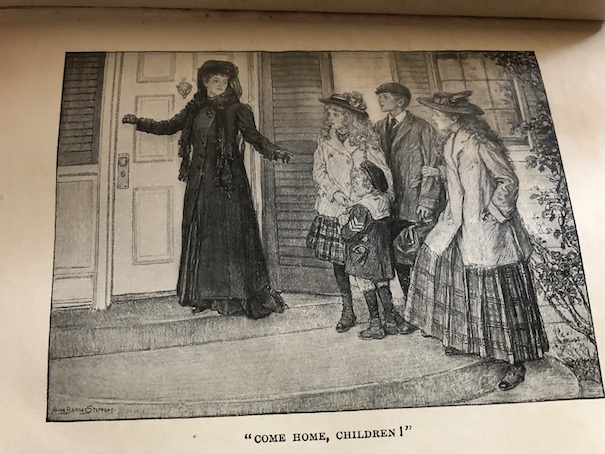
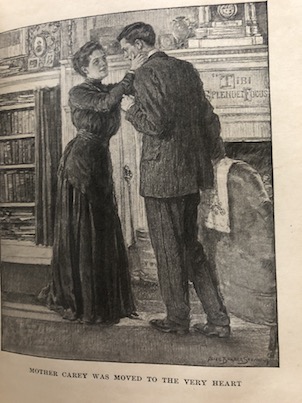
Then, Nancy has an idea that changes everything for the family.  She reminds them all of a trip that they took to Maine years ago and a beautiful old house that they saw in a small town called Beulah.  The memories of that happy time and idyllic house and small town call to them, and Nancy and her mother wonder what happened to the house.  They decide to talk to a friend of Captain Carey’s who had a small law office in the area, sending Gilbert to Beulah to find him.  In Beulah, Gilbert learns that the Yellow House (as people commonly call it, although it also has the name Garden Fore-and-Aft) belongs to the wealthy Hamilton family, who don’t live there but have used it as a kind of vacation home.  The father of the family, Lemuel Hamilton, is in diplomatic service and lives overseas.  During the last few years, the younger Hamiltons had used the house to host house parties of other young people they knew from school, but now the young people are living all over the world, and the house has been empty.  Gilbert’s father’s friend, Colonel Wheeler, and a local store owner, Bill Harmon, describe the house’s current condition to Gilbert.  Since the younger Hamiltons renovated the barn and put in a dance floor for their parties, it’s too fancy and no longer usable for its original purpose, which is why no farming families have been interested in the house themselves.  The men say that they can rent the house to the Carey family on behalf the Hamilton family (who, after all, still have to pay taxes on the property and wouldn’t mind a little extra money to cover it) for a sum much less than the rent of their current house.  The house could use a few minor repairs, and the barn is more fixed up for holding dances than keeping animals, but that’s no problem for the Carey family.  Living there would save the family a lot of money until the children are grown and able to start earning their own livings.  Even though Gilbert is only about fourteen, he is able to rent the house on his mother’s behalf.

MotherCareysChickensHome

The entire family is pleased, except for Julia, who is still a snob.  The book explains that Julia had always been a very well-behaved little girl although neglected by her somewhat flighty mother.  (The book doesn’t say exactly what happened to Julia’s mother, although she is no longer part of Julia’s life.  She may be dead, or she may have run off a long time ago.)  Because she was an only child and always seemed the “pink of perfection” (which provides the title of a song about Julia from the movie version of the book), always seeming to say and do the right thing, her father spoiled her from a young age, giving her every possible advantage he could.  When Julia first arrives at the Yellow House in Beulah to stay with her relatives, she still prattles on about her wonderful friend Gladys and all the luxuries she has.  The book says, “She seemed to have no instinct of adapting herself to the family life, standing just a little aloof and in an attitude of silent criticism.”  So, if Nancy sounded a little too wonderful in her earlier description, understand that Nancy thinks that Julia is too sickeningly perfect and smug.  Julia’s problem, as I see it, isn’t so much that she’s too perfect as she expects the rest of the world to be too perfect.  Because she is so focused on perfection, she isn’t sympathetic enough to other people or accommodating to imperfect situations.  As the book says, “She seldom did wrong, in her own opinion, because the moment she entertained an idea it at once became right, her vanity serving as a pair of blinders to keep her from seeing the truth.”  Besides being spoiled, she is very naive and rigid in her thinking.  She thinks that she knows what’s what and how things ought to be, and that’s all there is to it.

A major part of the story deals with Julia’s adjustment to family life and the realities of the family’s situation.  At first, she thinks that Mrs. Carey should save up for college for Gilbert and a proper coming-out for each of the girls in the family to give them all the advantages that life has to offer.  She’s sure that her father will get better and be able to help pay for everything when the time comes.  However, Mrs. Carey doesn’t want to wait on that hope.  She says that she’s sure that the children will be able to make something of themselves even without the advantages.  Matters come to a head with Julia when Kathleen gets tired of Julia complaining about everything and everyone and says that if her father hadn’t lost so much of her parents’ money as well as his own, the whole family would be better off.  Julia demands to know from Mrs. Carey if that is true, and Mrs. Carey says that she and her husband did invest in her father’s business, an investment which he may never pay back, due to his poor health.  She also tells Julia:

“You are not a privileged guest, you are one of the family. If you are fatherless just now, my children are fatherless forever; yet you have not made one single burden lighter by joining our forces. You have been an outsider, instead of putting yourself loyally into the breach, and working with us heart to heart. I welcomed you with open arms and you have made my life harder, much harder, than it was before your coming. To protect you I have had to discipline my own children continually, and all the time you were putting their tempers to quite unnecessary tests! I am not extenuating Kathleen, but I merely say you have no right to behave as you do. You are thirteen years old, quite old enough to make up your mind whether you wish to be loved by anybody or not; at present you are not!”

It’s an awful thing to say to a child that she isn’t loved, but it is something of a wake-up call to Julia to realize that the way that she was behaving was making herself unlovable to the people who should have been closest to her.  When she tells Mrs. Carey that Gladys loves her, Mrs. Carey says, “Then either Gladys has a remarkable gift of loving, or else you are a different Julia in her company.” Mrs. Carey tells her to consider what the Bible says about “the sin of causing your brother to offend.” It’s probably the first time that Julia was ever criticized for anything, breaking her perfect record of apparent perfection.  Julia has greatly provoked the rest of her family and realizes that she has earned whatever bad feelings they have toward her.  She has ignored their difficulties because she was too focused on what she wanted for herself and the way that she thought that life should be, not realizing how much harder she had made things for everyone.  For the first time in her life, Julia admits that she is not perfect and asks for another chance to make things right, marking a real change in her character.  Personally, though, I think that some of this drama could have been avoided if, knowing Julia and her behavior as she does, Mrs. Carey had spoken to her when she first came to live with the family, explaining the family circumstances in a straight-forward way and making it known that she expects certain standards of behavior from Julia when she’s in her house.  Making the rules and enforcing them them from the beginning may have prevented a lot of stress and saved Kathleen from exploding emotionally.

MotherCareysChickensLatinA character that appears in the movie, Ossian “Osh” Popham, is also in the book, although instead of being the store owner, he’s a local handyman who helps the family get the house in order.  His children, also characters in the movie, are in the book, too, although I didn’t like the way the book described his daughter, Lallie Joy.  It says that “she was fairly good at any kind of housework not demanding brains” and that she “was in a perpetual state of coma,” in case you didn’t understand that she’s basically stupid.  I always hate it when stories make a character intentionally stupid.  I did appreciate her explanation of her name, though: “Lallie’s out of a book named Lallie Rook, an’ I was born on the Joy steamboat line going to Boston.” I had wondered where the name came from.
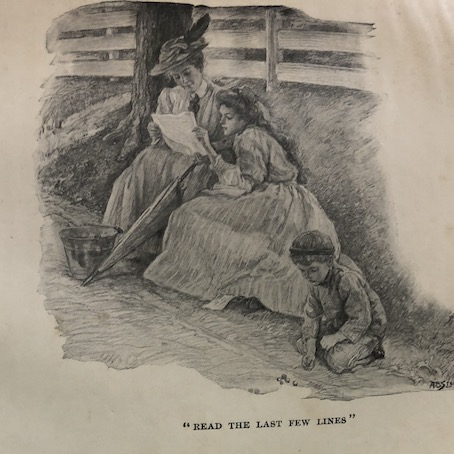
While the family continues fixing up the house to make it nicer to live in, Nancy writes a letter to the owner of the house, 50-year-old Lemuel Hamilton, who is an American consul in Germany, telling him about her family and their life at the house.  Lemuel Hamilton finds her letter charming.  Seeing the picture of her family that Nancy encloses with the letter makes Lemuel think of his own family, scattered to the four winds, the children grown or nearly grown, either away at school or starting their first business ventures in various parts of the world.  He’s lonely for the comforts of having all of his family living together and surprised at how happy this much-poorer family looks in the old house in the small town that his ambitious, social-climbing wife always thought was beneath them.  Then, it occurs to him that his sons are of an age when they’ll start thinking about marriage soon, and he wonders what wives they’ll choose and what their family lives will be like.  On an impulse, Lemuel writes to the Carey family, telling them that they can live in the house rent-free as long as they continue with the household improvements, and he also forwards Nancy’s letter to his younger son, Thomas (tying the story back to the quote at the beginning of the book), who is living in Hong Kong and who was the one who always liked the Yellow House the most.

MotherCareysChickensLetter

MotherCareysChickensTomRosesWhen Lemuel tells the Careys that they can stay in the house for as long as they like, unless his son Tom wants the house, Nancy begins thinking of Tom as a possible threat to her family’s happiness.  (She thinks of him as “The Yellow Peril” in a reference for the old xenophobic term used by people who were afraid of immigrants from Asia, since he would be coming from China, and as a pun on the Yellow House that they might be competing for. This term is also mentioned in the Disney movie.)  Of course, Tom turns out to be no threat.  Tom has been lonely pursuing his tea business in China, and Nancy’s letter and happy family life call him home to a romance that will change the lives of the Careys as well.  By the end of the book, Nancy is seventeen years old, old enough for romance and charmed by the romantic Tom.

The lessons that the story emphasizes are the importance of family relationships and togetherness over personal ambition and developing the ability to triumph over adversity instead of waiting for life advantages that may never come.  Like other books from the early 20th century, the values of hard work and cheerfulness are emphasized, and there is the implication that important people will recognize and reward these qualities when they see them.  Pretentiousness and snobbery are criticized.  A settled, happy family life is the ultimate goal.

Overall, though, I really prefer the movie to the book.  I think that cutting down some of the side plots improved the story.  Besides removing the younger daughter, Kathleen, from the story, the movie also eliminated other side characters, like Cousin Ann and the Lord siblings, Cyril and Olive, who also live in Beulah and become friends of the family.  Also, making Julia older than she was in the original book, closer to Nancy’s age than Kathleen’s, improves the sisterly relationship that the girls eventually have.

My copy of the book originally belonged to my grandmother, who was born the same year that this book was originally written.

The book is now public domain and available online through Project Gutenberg.