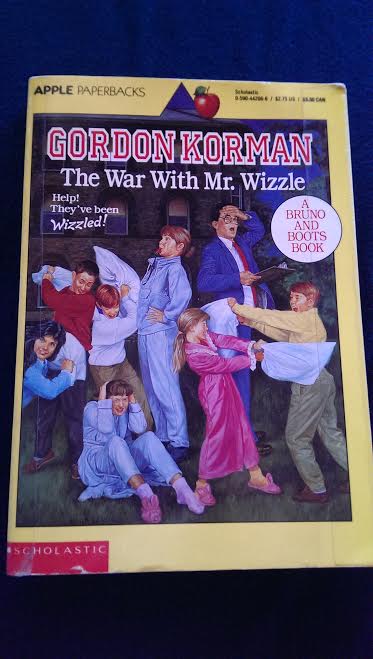
 The War with Mr. Wizzle by Gordon Korman, 1982.
MacDonald Hall hasn’t been the same since Mr. Wizzle came. He’s obsessed with computers and analyzing and categorizing everyone and everything. He uses his computers to analyze the boys’ personalities, making changes to their schedules and activities based on the results. But, no computer could ever understand the wacky and complex personalities of the students at MacDonald Hall.
Mr. Wizzle thinks he can understand everything with his computer, but he doesn’t understand the boys at all. The boys soon get sick of being tested and analyzed and ordered around and told that they should consider changing their last names because the length is too inconvenient for the computer. Even Mr. Sturgeon and the other faculty members are getting fed up with Mr. Wizzle, but they can’t do anything about it because the school’s board of directors are still hoping that Mr. Wizzle will modernize the school.
Meanwhile, the boys’ friends across the street at Miss Scrimmage’s Finishing School for Young Ladies are having personnel problems of their own. Miss Scrimmage’s new athletics teacher, Miss Peabody, used to be a U.S. Marine, and she’s trying to train the girls like they’ve signed up for boot camp. Like the boys, they would do just about anything to get rid of this new nuisance!
What ensues is a series of hi-jinks in the usual spirit of McDonald Hall as the students at each school attempt to drive out the new faculty, but along the way, the kids are forced to acknowledge that they don’t really want anything bad to happen to these new people. It’s not that they’re bad people, they’re just not right for the types of schools and the students they’re trying to teach. Then, a thought occurs to them: Is it possible that Mr. Wizzle and Miss Peabody might be right for . . . each other?
This book is part of the MacDonald Hall Series (or Bruno and Boots series). It is currently available online through Internet Archive.
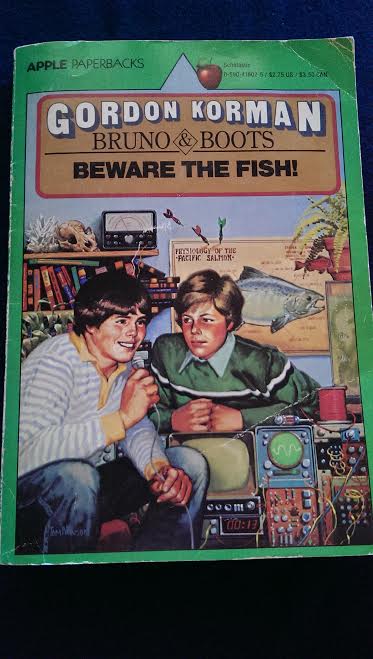 Beware the Fish! by Gordon Korman, 1980.
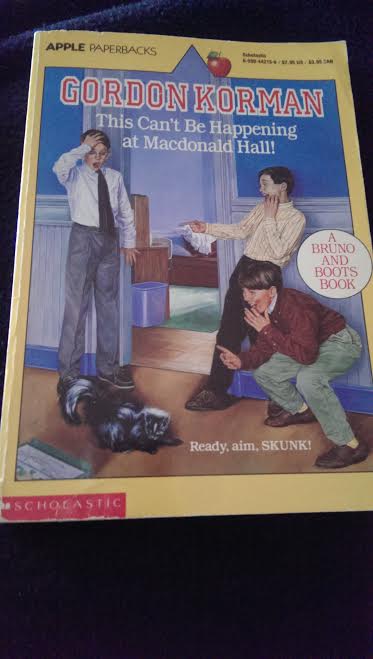 This Can’t Be Happening at MacDonald Hall by Gordon Korman, 1978.
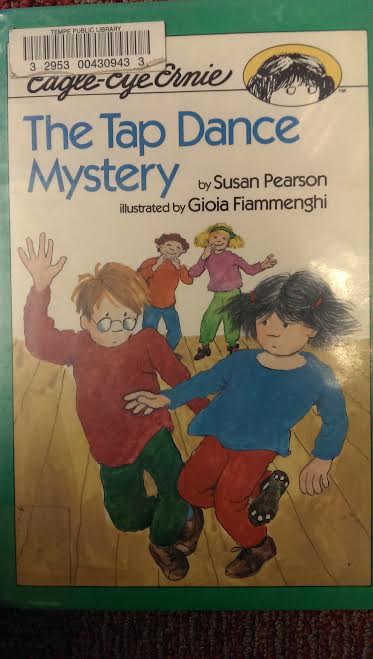 The Tap Dance Mystery by Susan Pearson, 1990.

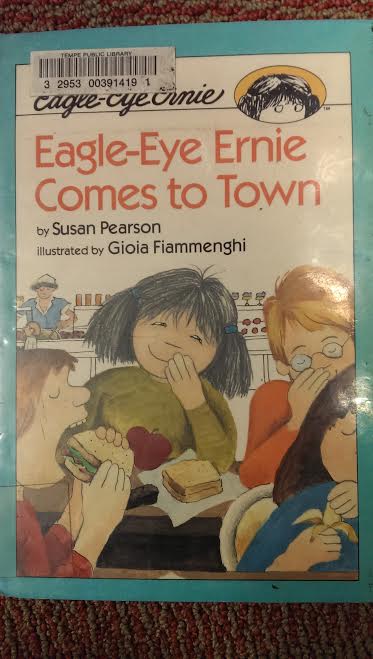 Eagle-Eye Ernie Comes to Town by Susan Pearson, 1990.

 The 123 Zoo Mystery by Susan Pearson, 1991.
 The Haunting of Grade Three by Grace Maccarone, 1984.
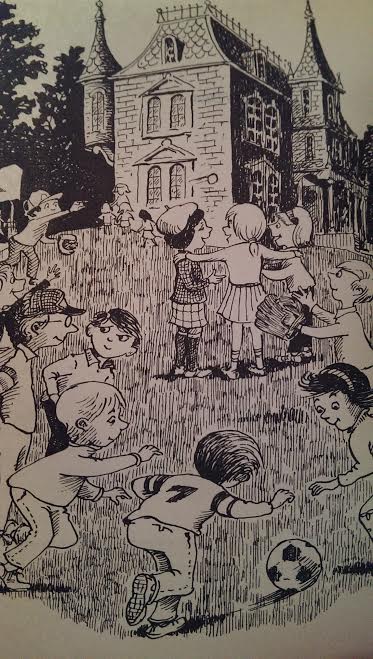 Most of the group members are misfits in one way or another. Norma Hamburger is a shy girl, frequently teased about her last name. Debbie Clark is a talkative girl who’s really into science. Chuck Webber, Adam’s best friend, is the class clown, always telling stupid jokes (and one of the main people who teases Norma about her name). Danny Biddicker is strong and good at sports, but he worries that he’s not as smart as the others. Joey Baker feels overshadowed by his large family, so he tells tall tales to get attention. The other kids don’t understand and get annoyed with his lies. By working together, they not only learn the secret of Blackwell House, but they learn more about each other and become a real team and friends.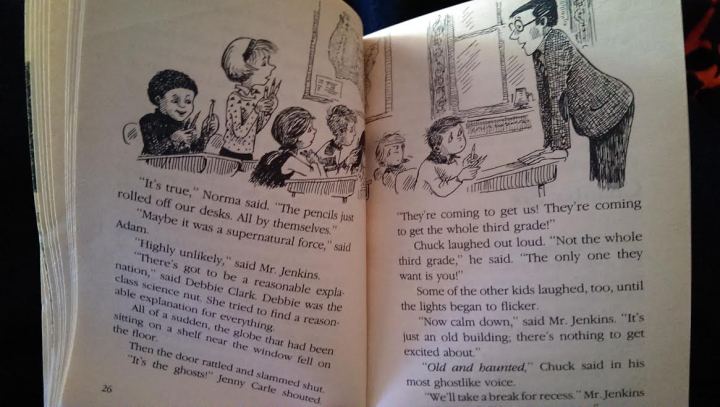
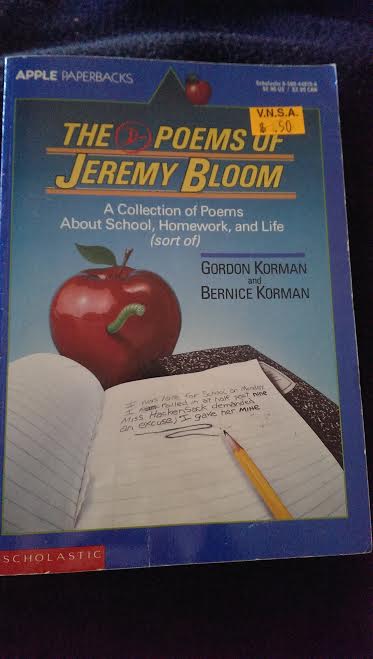 The D- Poems of Jeremy Bloom by Gordon Korman and Bernice Korman, 1992.
 Jeremy tries to make the best of things, but somehow (partly through his own fault and partly by accident), he continually manages to do things to annoy his poetry teacher, Ms. Terranova (or, as the kids call her, Ms. Pterodactyl, thanks to a mistake Jeremy made when he said her name on the first day of class). Every single poem Jeremy writes during the year receives the same grade: D-. The book is divided into different periods of Jeremy’s work, along with an explanation about what Jeremy did during each period to tick off his teacher. At the end, the reader can be the judge: Are Jeremy’s D- grades because he’s a terrible poet or because his teacher is mad at Jeremy for everything else he does during the year? (The answer is pretty obvious.)
 Our Teacher Is Missing by Mary Frances Shura, 1992.
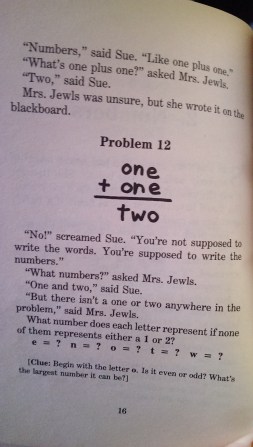 Basically, it’s a puzzle book. In the Arithmetic section, the letters in the words stand for numbers. The book gives an example to demonstrate how to figure out which numbers the letters stand for. The problems get harder through the sections labeled Numbers, Pronouns, and Paragraphs.
 Jestress's Forgotten Books and Stories