
The Ghost of Windy Hill by Clyde Robert Bulla, 1968.
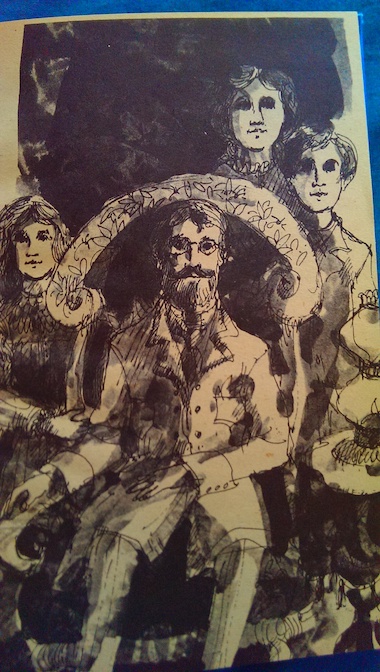 It’s 1851, and Professor Carver of Boston is living in an apartment above a candle shop with his wife and two children, his son Jamie and daughter Lorna. One day, a man named Mr. Giddings comes to see Professor Carver to request his help. For years, he has wanted to buy a particular farm with a beautiful house called Windy Hill. However, when he finally succeeded in buying the house and he and his wife went to live there, his wife became very upset. She said that she felt strange in the house and that she had seen a ghost. Now, she is too upset to return to Windy Hill. Mr. Giddings has heard that Professor Carver once helped a friend get rid of a ghost haunting his house, and he asks the professor if he would be willing to do the same for him.
At first, Professor Carver is reluctant to agree to help. He doesn’t believe in ghosts, and when he helped his other friend, he didn’t get rid of any ghosts. His friend had only believed that his house was haunted, and after the professor and his family had stayed there for awhile without experiencing anything unusual, his friend relaxed and was reassured that the house was alright. Mr. Giddings asks if the professor and his family would be willing to stay at Windy Hill for the rest of summer and see if they see anything unusual. If they don’t, perhaps Mrs. Giddings will feel better about the house and be willing to return there. Although the professor is still not that interested in the house, his family is, so he agrees to spend the rest of the summer there, about a month. His family can escape the summer heat in the city, and he can work on his painting while someone else teaches his class.
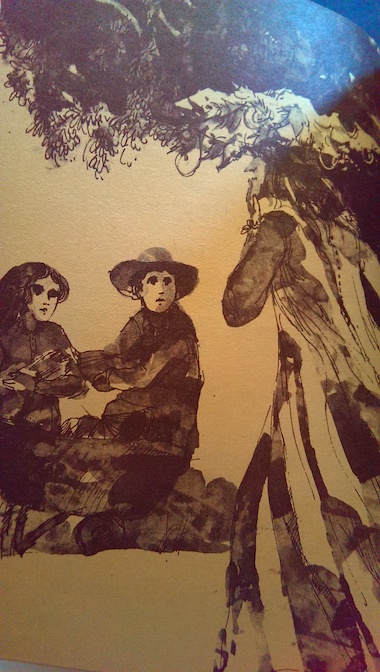 Jamie and Lorna are thrilled by the house, which is much bigger than their apartment in town. They can each have their own room, and there is an old tower in the house that was built by a former owner, who was always paranoid about Indian (Native American) attacks (something which had never actually happened). However, their new neighbors are kind of strange. Stover, the handyman, warns them that the house is haunted and also tells them about another neighbor, Miss Miggie. Miss Miggie is an old woman who wanders around, all dressed in white, and likes to spy on people. There is also a boy named Bruno, who apparently can’t walk and often begs at the side of the road with his pet goat, and his father, Tench, who is often drunk and doesn’t want people to make friends with Bruno.
The kids make friends with both Bruno and Miss Miggie. Bruno is unfriendly at first, but Lorna brings him cookies, and she and her brother tell him about life in the city. Miss Miggie brings Lorna a bag of scrap cloth so that she can make a quilt. Nothing strange has been happening in the house, so the family knows that they will be returning to the city soon, reassuring Mr. Giddings that the house isn’t haunted.
 Then, strange things do start happening in the house. The quilt that Lorna has been making disappears and reappears in another room in the middle of the night. At first, the family thinks maybe she was walking in her sleep because she had done it before, when she was younger. However, there is someone who has been entering the house without the Carvers’ knowledge, and Jamie and Lorna set a trap that catches the mysterious “ghost.”
As Professor Carver suspected, there is no real ghost at Windy Hill, but this story has a double mystery. First, there is the matter of the mysterious ghost, who is not there to scare the Carvers away but actually to make them stay. Then, there is the question of what Mrs. Giddings saw that upset her so much, if anything.
The book is easy to read for younger readers and accompanied by black-and-white pictures. My only complaint is that some of the pictures are a little dark, and the artistic style makes them a little difficult to interpret.
The book is available to borrow and read for free online through Internet Archive.
 In the Kaiser’s Clutch by Kathleen Karr, 1995.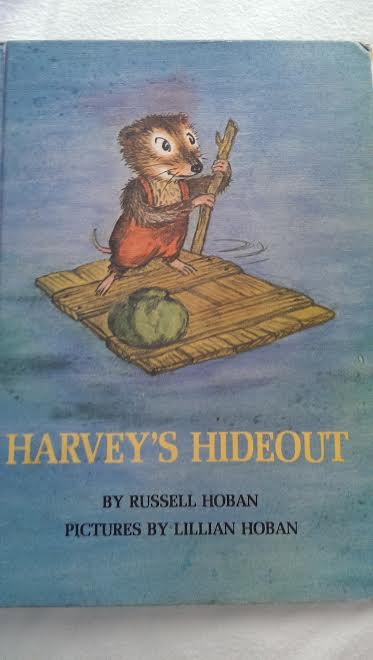
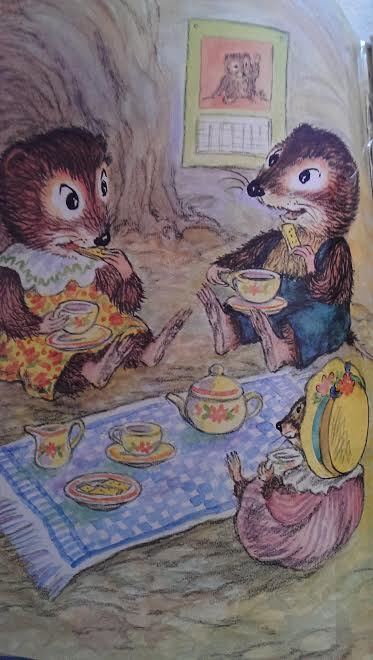
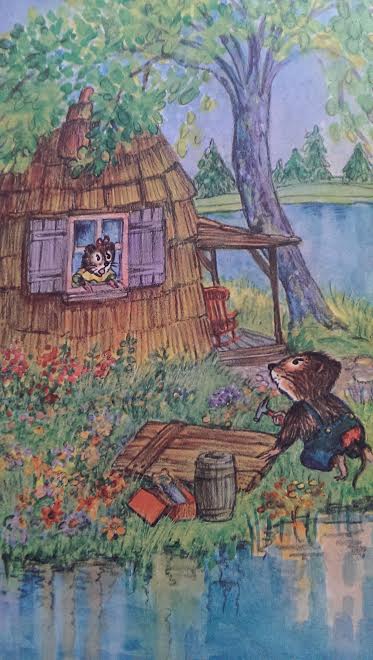 Summer is difficult for the Muskrat kids this year. Their friends are away for the summer, and Harvey and his older sister Mildred are getting on each other’s nerves. But, there’s nothing that says they have to spend the whole summer with each other.




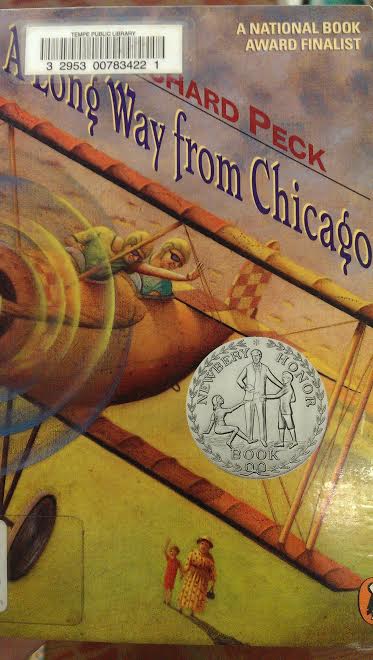 A Long Way from Chicago by Richard Peck, 1998.
 The Mystery in Old Quebec by Mary C. Jane, 1955.
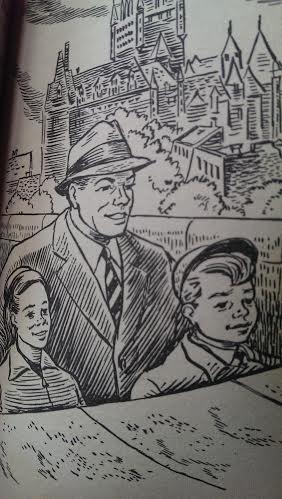 The solution to the mystery involves family quarrels, custody issues, and racial tensions. In spite of that, this is actually a very gentle story. In the end, the kids are dependent on the people the mysterious message was intended for to help a troubled, lonely child. It turns out that the boy is an orphan, and some of his relatives are white, and some are First Nations (Native American). There is a fight for the boy’s custody, but the boy knows where he really wants to be.
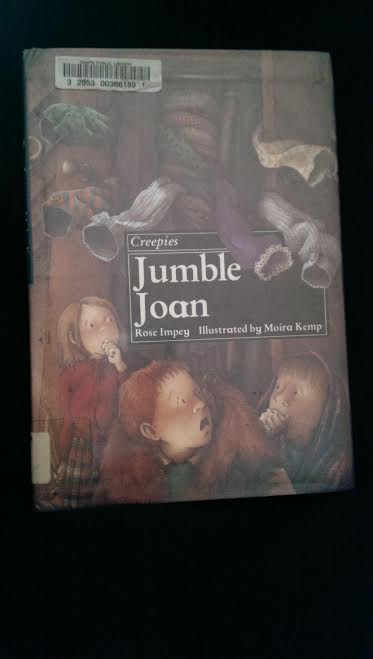 Jumble Joan by Rose Impey, 1989.



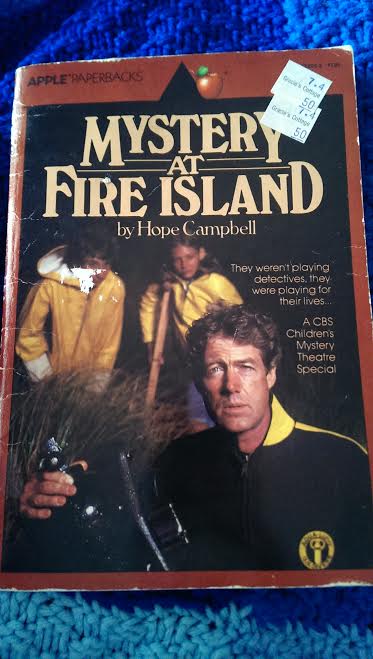 The Mystery at Fire Island by Hope Campbell, 1978.
 The Treasure of Kilvarra by Elizabeth Baldwin Hazelton, 1974.
 Without the amulet to protect her, Christie continues her search for the treasure. An accidental injury takes her to the place where it is hidden, but it’s a dangerous place. Caught in a terrible storm, the children explore an ancient stone tower. There, Christie sees the ghost of a long-dead monk, gesturing to her, begging her to follow him to the treasure that she seeks. The monk died protecting it, and it’s a very unexpected but wonderful treasure indeed. But, getting out of the place is going to be even more dangerous than getting in.
 Jestress's Forgotten Books and Stories