 Journey to America by Sonia Levitin, 1970.
This is the first book in the Journey to America Saga. Like her heroine, Lisa, Sonia Levitin also fled Germany with her family during World War II, and her stories are semi-autobiographical.
Twelve-year-old Lisa Platt lives with her family in Berlin in 1938. But, with the rise of the Nazis, events have taken a frightening turn for Jewish families like theirs. There has already been violence toward Jewish people, and travel is restricted. Lisa’s father fears for their family, and their mother believes that war is about to break out. Reluctantly, her parents have decided that the only thing to do is to leave Germany and try to start over somewhere else.
Because of the travel restrictions, Lisa’s father has to leave secretly, pretending that he is only going on vacation. In reality, he and Lisa’s uncle will go to America and try to get established before sending for the rest of the family. But, it isn’t safe for Lisa, her mother, and her two sisters to stay in Germany, waiting for word from them. Instead, they pretend that they are joining Lisa’s father for a holiday in Switzerland. They can only take a little luggage with them, as if they were really just going on vacation, and very little money.
 But, getting on the train out of Germany is only the first step of their long journey. Lisa and her mother and sisters live as refugees in Switzerland, waiting for her father to help arrange for their passage to America. Often, they have too little to eat because they don’t have much money. There are some people who help them, and they make some new friends, but the long wait is difficult. Meanwhile, they must face the frightening events taking shape around them, around the people they left behind, and their own uncertain future.
There is something in the stories that I’d like to describe a little more because I didn’t quite understand it when I first read this book as a kid, but I can explain it better now. At one point in the story, Lisa’s grandmother suggests that her mother send the girls to England because other families are doing it and it would ensure that the children get safely out of the country. Later, in Switzerland, Lisa gets a letter from her friend Rosemarie that says she and her sister are now in England without their parents because their father didn’t didn’t feel like he could leave Germany. What they’re describing is the Kindertransport, a rescue effort started by Jewish, Quaker, and British government leaders to transport unaccompanied Jewish minors, from babies to age 17, from Germany and German-controlled countries to England for safety after the events of Kristallnacht made it clear that Jews were in serious danger in Germany. When the children reached England, they were placed in foster homes, schools, and anywhere else willing to take them, similar to the way children evacuated from London to avoid the bombings later would be placed in foster homes or on farms. Grandmother Platt points out that this could have been an option for her grandchildren when she discusses the possibilities with their mother, but since, neither the mother or father of the family wanted to stay in Germany, the family decided that they should all leave together. The Kindertransport program ended when war actually broke out, but by then, about 10,000 children had been brought to England. Although parents who sent their children to England on the Kindertransport hoped to reunite with them in England, most of the Kindertransport children who went to England never saw their parents again because their family members who stayed behind in Germany were killed in the Holocaust. I had lessons about the Holocaust in school in Arizona, but they never mentioned the Kindertransport because it wasn’t something that really affected the area where we lived. I did see a Holocaust survivor who came to speak at my high school in the early 2000s. There were Holocaust survivors living in my area of Arizona then, and there still are as of this writing because I heard that they were among the first to be vaccinated during the coronavirus pandemic in early 2021. This video from the BBC Newsnight and this video from the University and College Union explain more about it and have interviews with people who were brought to England on the Kindertransport as children. Rosemarie and her sister would probably be very much like the people in those interviews years later.
Although there are sad parts of the book, there are lighter moments, too, and the characters are realistic and engaging. There is only one illustration in my copy of the book, a drawing of Lisa and her sisters getting their pictures taken for their passports. Other editions of the book have different illustrations.
The book is currently available online through Internet Archive (multiple copies, in different editions).
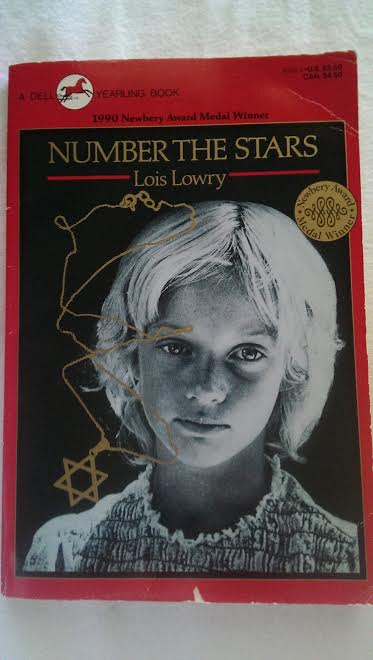 Number the Stars by Lois Lowry, 1989.
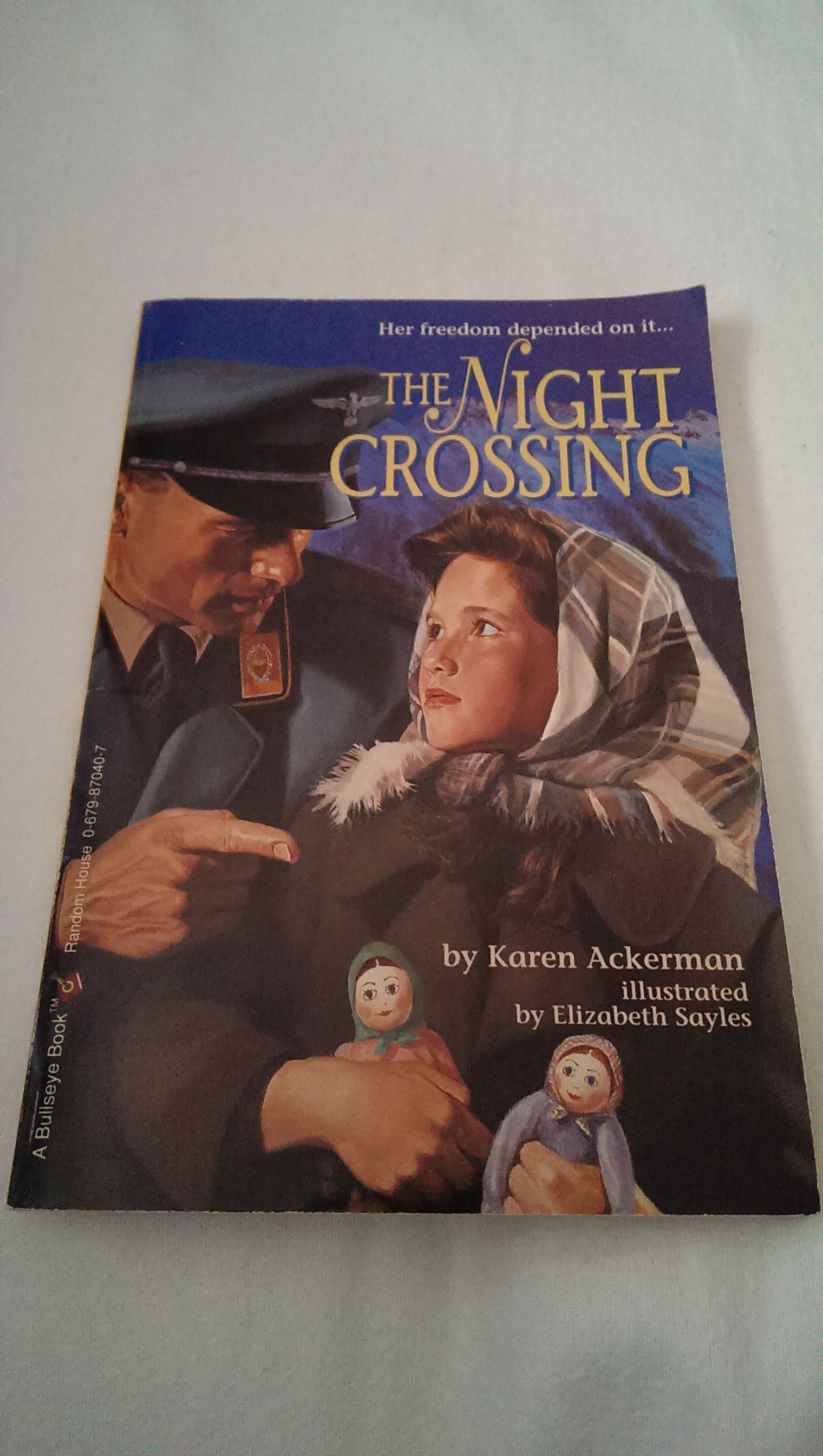 The Night Crossing by Karen Ackerman, 1994.
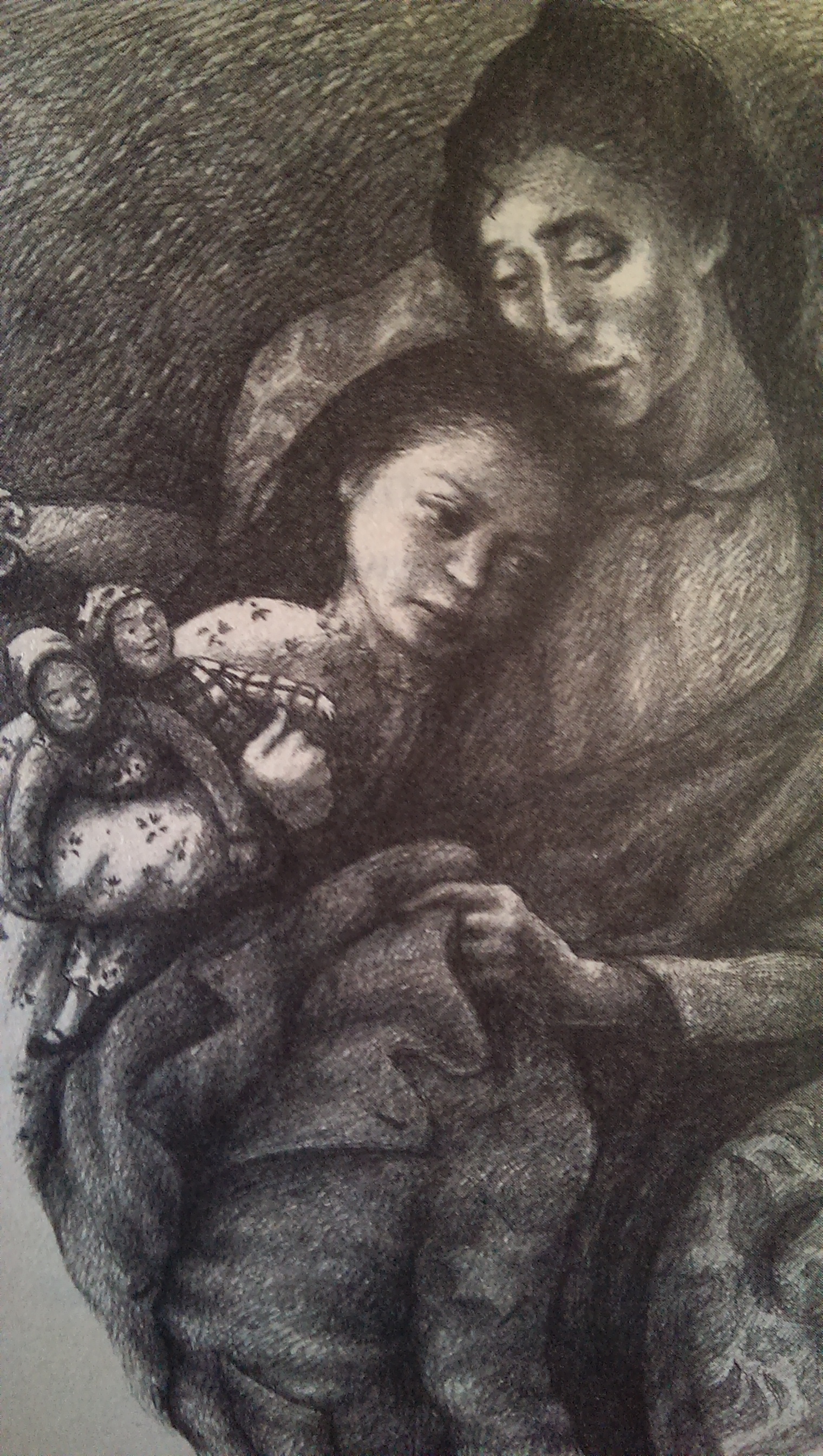 This is a pretty short chapter book. Although the subject matter is serious, and parts might be frightening to young children (the part where Clara and Marta are chased and perhaps some of the parts where the family is hiding), there are only vague references to more dark subjects like concentration camps (people who already know what they are and what happened there would understand, but children who haven’t heard about them wouldn’t get the full picture from the brief mentions). The book would be a good, short introduction to the topic of the Holocaust by putting it in terms of the way it changed the lives of ordinary people who had to flee from it. Actually, it wouldn’t be a bad way to start a discussion of the Syrian refugees in Europe by putting it into the context of ordinary people fleeing the violence of war.
 Twenty and Ten by Claire Bishop, 1952.
 The two groups of children soon make friends, and one of the Jewish children, Arthur, shares something special with his new friend, Henry: a small piece of chocolate. With the rationing, none of them have seen chocolate in a long time. Henry decides to share a little with Janet because he likes her, and they decide to hide the rest and save it for later. When Denise spies them with the chocolate and wants to have a little herself, she steals the piece of chocolate from where Henry has hidden it. The others chase after her to get the chocolate back, and they end up accidentally discovering a cave that none of them knew was there.
 Jestress's Forgotten Books and Stories