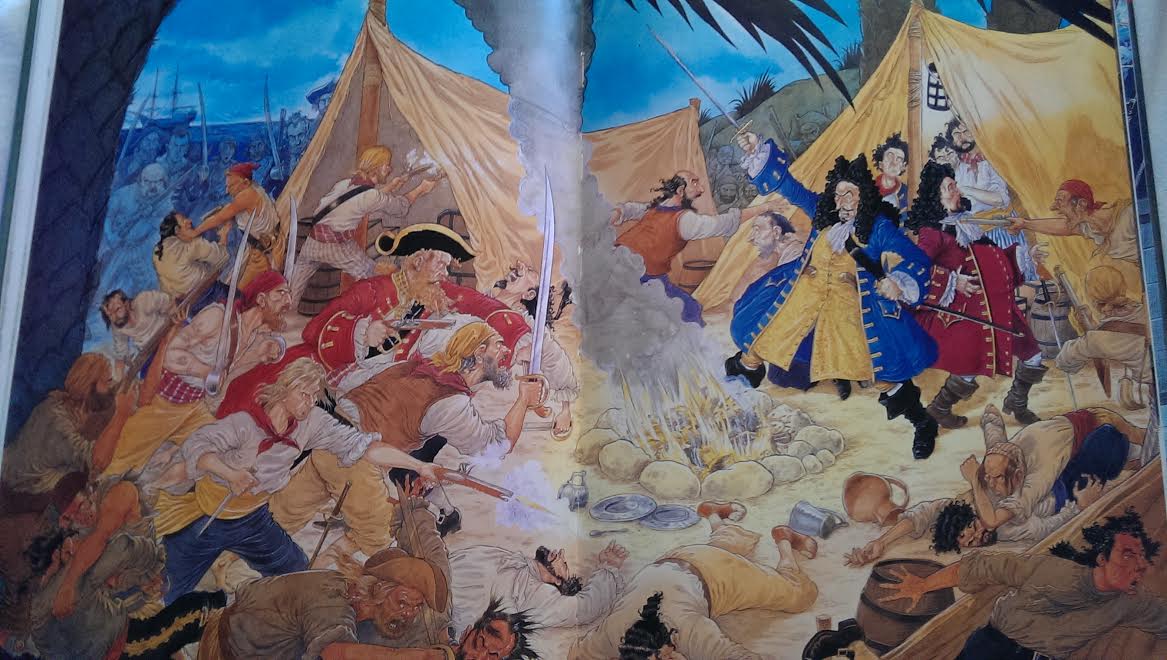
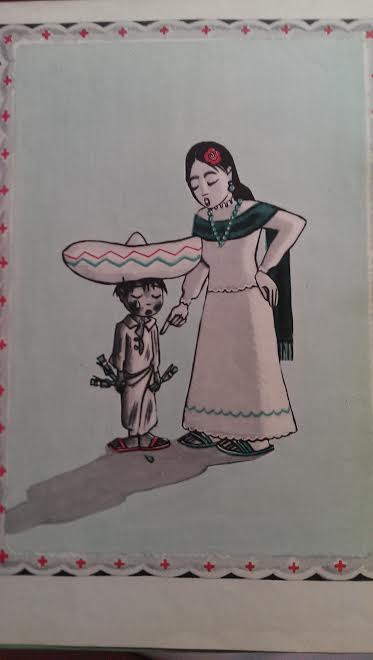
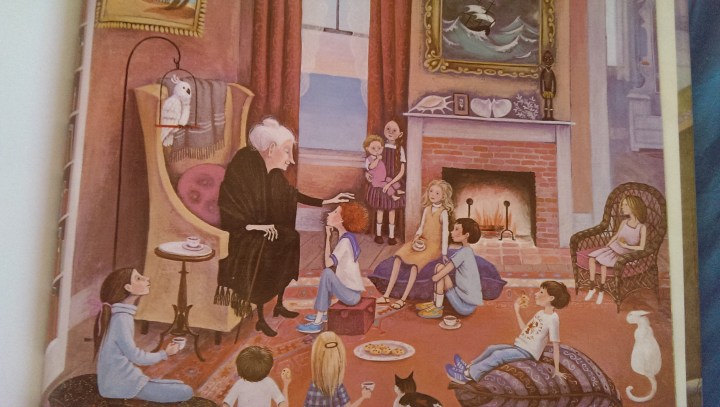
 Angelo the Naughty One by Helen Garrett, pictures by Leo Politi, 1944.
The title is a little misleading. Angelo isn’t so much naughty as he is afraid, although Angelo could be considered naughty because his fear causes him to misbehave.
Angelo Silva hates to take baths because he is afraid of water. Instead, he loves to play in the dirt with his toy soldiers. He dreams of one day being a soldier himself, and he imagines that, as a tough soldier, no one would be able to tell him what to do, especially take a bath! Angelo is in for a surprise.
When his family tries to make him take a bath so he will be clean for his older sister’s wedding, he runs away.
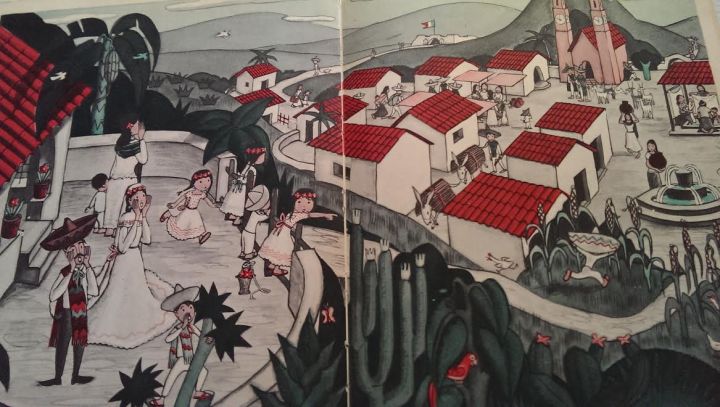
Eventually, he ends up at the fort outside of town, and he is caught by a group of soldiers, comrades of his sister’s fiance, who is also a soldier. Angelo is unable to admit his fear in front of these brave soldiers because he is ashamed that these brave men would think of him as a coward, although he cries and tries to fight his way out of it when they decide to give him a bath, declaring that they won’t know who he is until they get all the dirt off of him. In the end, he is unable to resist their efforts to resist their efforts to clean him up.


Once Angelo is clean, the soldier who is going to marry his sister recognizes him. The soldiers borrow some nice boys’ clothes for Angelo to wear and help him dress up nicely for the wedding. With Angelo looking much better, Angelo’s brother-in-law to be says that Angelo can ride with him to the wedding on his horse.
Before they leave the fort, the soldier says, “Brother soldiers, sitting behind me on my horse is Angelo Silva, the younger brother of my bride, Maria Rosa. After the wedding he will be younger brother to a soldier and I am sure he will be proud and happy to take baths so he won’t disgrace the army.” Like a true soldier, Angelo has been given an order!

Besides getting the warning about not behaving disgracefully, Angelo realizes that he is now free to enjoy the wedding and all the good food, so getting cleaned up has some benefits. He also likes the attention he receives from others as they marvel at his sudden transformation from a dirty little boy into a clean young man.


The story doesn’t state it directly, but it’s partly about self-confidence and growing up. Angelo admires the grown men who are brave soldiers and would like to be like them, but he can’t until he faces his fears and realizes that what he was afraid of was not as bad as he believed it was. Soldiers must do brave things, following orders and fulfilling their duty even when they’re afraid, and so must Angelo. Angelo’s new pride in his appearance and diligence in keeping himself clean is part of his new self-confidence. He isn’t just proud of how he looks but of his new achievement in getting over his fear, and he likes it that others are proud of him, too. In the end, his nickname is changed from Angelo the Naughty One to Angelo the Brave One, which is what his father calls him because he has conquered his fear.
This picture book belonged to my mother when she was young. The pictures are all done in shades of only four colors: black, white, red, and green. The colors reflect the colors of the Mexican flag.
The book is available to borrow and read for free online through Internet Archive.


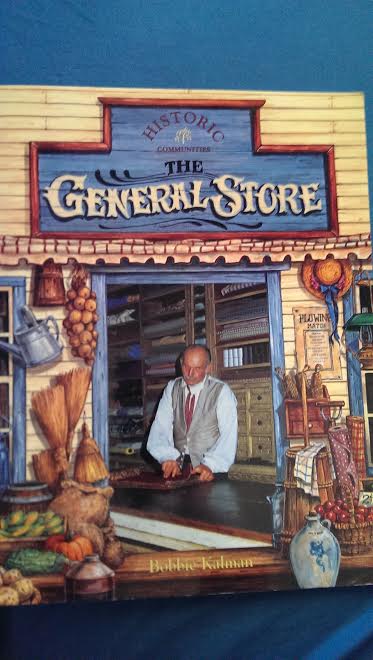 The General Store by Bobbie Kalman, 1997.
 Store owners also had to decide how much they should charge for each item or how much they would be willing to take in trade. Farmers often bartered for goods with the produce from their farms, and it was common for store owners to use a form of credit to keep track of what their customers owed and what they owed to their customers. Farmers would typically sell their goods at harvest time, and the store owners would give them a certain amount of credit at their store, based on what they thought the farmers’ produce was worth. Then, the farmers could use the credit on their account at the store until the next harvest and selling time. If a farmer ran out of credit before the next harvest, the store owner would usually extend credit at the store to the farmer to allow him and his family to buy some necessities, knowing that the farmer could make up for it when he came to sell his next batch of produce.
 Another odd kind of code that the book mentions was the kind that people would use on mailed letters. Instead of the sender paying the postage, as they do now, people receiving letters were supposed to pay for them when they picked them up from the general store. If a receiver returned a letter unopened, they wouldn’t need to pay anything, so some people would try to cheat the system by writing a message in code on the outside of the envelope so the receiver would know the most important part of what the writer wanted to tell them for free.
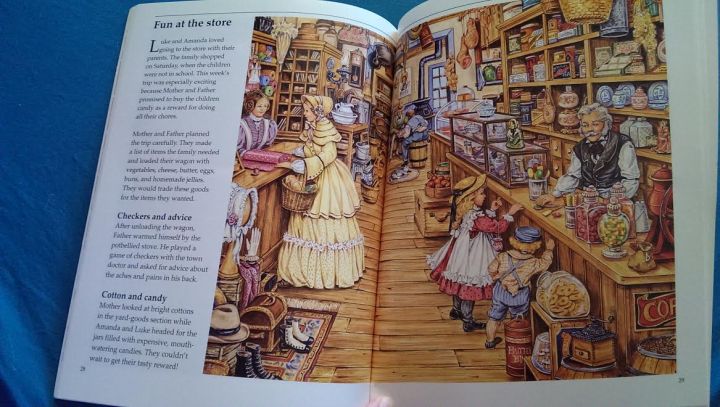
 Mary Geddy’s Day: A Colonial Girl in Williamsburg by Kate Waters, 1999.


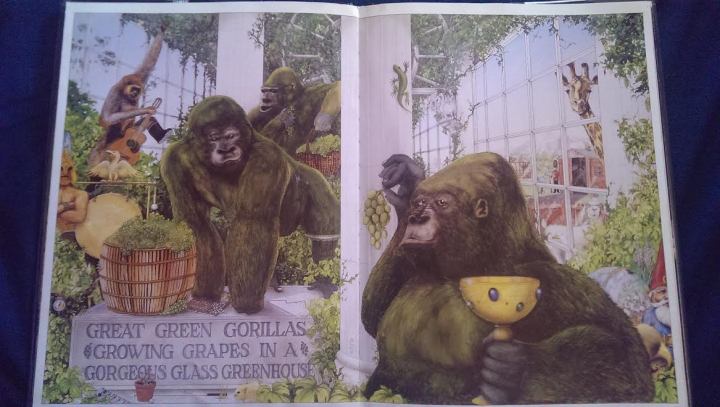





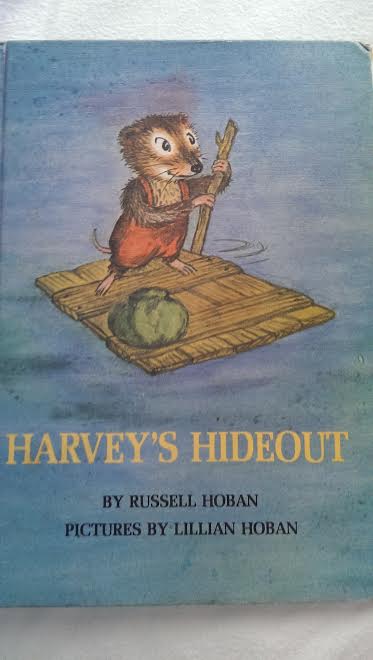
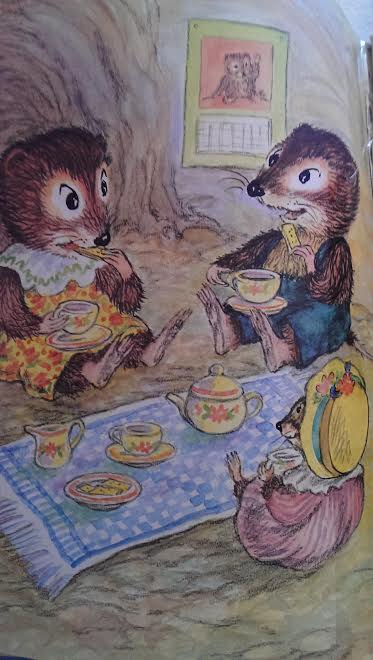
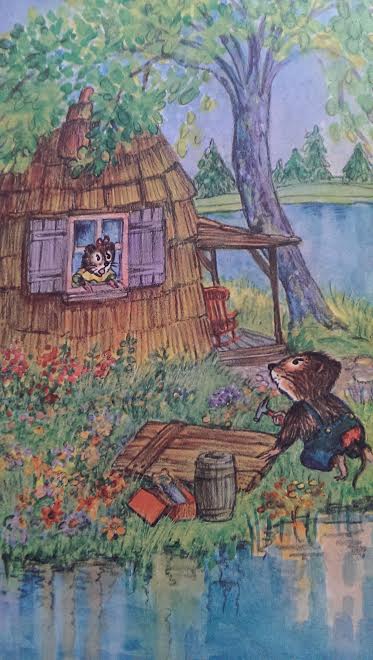 Summer is difficult for the Muskrat kids this year. Their friends are away for the summer, and Harvey and his older sister Mildred are getting on each other’s nerves. But, there’s nothing that says they have to spend the whole summer with each other.