When the character of Maniac Magee is introduced, he is described as a legend or a tall tale. Even though he is a young boy, his origins are unusual, and people have built up stories around him. The story even admits that his personal story is part fact and part legend.
The truth is that “Maniac” is an orphan. His real name is Jeffrey Lionel Magee, and he was born a normal boy with normal parents, but his parents were killed in a trolley accident when he was only three years old. After that, he went to live with his aunt and uncle in Pennsylvania. However, his aunt and uncle had an extremely dysfunctional marriage. They didn’t believe in divorce, so they stayed married, but they lived a strange, separated life in their house. They divided their home in half so they could effectively live apart, avoiding each other most of the time. They shared Jeffrey by taking turns eating meals with him, but they never ate together as a whole family. Eventually, Jeffrey couldn’t take this weird life anymore, where his aunt and uncle never talked to each other. One day, he blew up at them at a program at his school, and he ran away.
For the next year, Jeffrey seems to have wandered around by himself. Nobody is sure exactly where he was during that year, but he eventually turned up in another town about 200 miles from where he started. He wore ragged clothes and worn-out shoes, but he greeted people with a cheery, “Hi.” One of the first people he meets is a black girl named Amanda with a suitcase, and he asks her if she’s running away. Amanda tells him that she’s not running away, just going to school. Her suitcase is full of books. Jeffrey is fascinated by the books, and he offers to carry her suitcase. Amanda thinks it’s strange that a white boy like him is in an area of town that is almost entirely black, and she asks him who he is and where he lives. Jeffrey doesn’t quite know how to answer her at first because he doesn’t really live anywhere.
He asks her why she carries so many books to school, and she explains that she has younger siblings who color all over everything and a dog who chews everything, so she feels like she has to carry her whole personal library around with her to protect it. Jeffrey begs Amanda to loan him a book. At first, she refuses because she doesn’t know if he’ll give it back, but he swears he will. After they argue about it, Amanda tosses him a book because she has to hurry off to school and can’t take time to argue anymore.
Jeffrey continues to wander around the town for several days. People begin to notice him, how he runs everywhere goes, how he’s always carrying a book, and how he shows off his sports prowess by bunting a frog during a baseball game he joins. He lives in the deer shed at the zoo and eats some of the food for the animals, although he also joins a large family at dinner one night because they’re always taking in people or inviting people to dinner, so one extra person doesn’t attract too much attention. Nobody knows what to call him, so they start thinking of him as that “maniac” and start calling him Maniac.
The bully who threw the frog at him in the baseball game gets angry because Maniac’s bunt ruined his perfect record of strikeouts, so he decides to beat up Maniac in revenge. When he and his friends chase after Maniac, Maniac runs in the direction of the invisible line that divides the town in half, into the white portion and black portion of town. Maniac doesn’t understand the division between the parts of the town, but the other kids do, and they won’t follow him across the line between their part of town and the other part of town. Maniac’s disregard of the racial separations in this town is one of the things that sets him apart from other people and accentuates his oddness. He’s not afraid to share food with a black kid, even eating over the same place where the other kid bit.
When one of the black kids fights with Maniac, trying to get the book away from him, a page is torn. Fortunately, Amanda knows immediately which of them ripped the book. Jeffrey/Maniac reassures her that they can fix the torn page, so Amanda invites Jeffrey home with her. He spends the rest of the day with Amanda and her family. In the evening, Amanda’s father offers to take him home, but Jeffrey doesn’t know how to explain that he lives the deer shed at the zoo. In the car with Amanda’s father, Jeffrey tries to pretend that he lives in a house a few blocks down the street, but Amanda’s father knows immediately that it can’t be true. Jeffrey still doesn’t understand the division in the neighborhoods in town, and the house he picked for his pretend house is in the black area of town. When Amanda’s father presses Jeffrey for an explanation, Jeffrey admits that he doesn’t have a home and explains about his past. Amanda’s father immediately takes Jeffrey back to his family’s house, and Amanda’s mother insists that Jeffrey stay with them.
For the first time in about a year, Jeffrey has a home! Jeffrey gets along well with the family and is good with Amanda’s little brother and sister. He likes reading Lyle, Lyle Crocodile to them. He doesn’t even mind taking baths with the little kids or untying their knotted shoelaces.
Maniac starts feeling at home in the black neighborhood, although he’s still regarded as an oddity. His new family calls him Jeffrey, but everyone else calls him Maniac. He is a strange kid, who turns out to be allergic to pizza and breaks out in a pepperoni-shaped rash when he eats it. He’s a very fast runner and good at sports, and he seems to have a special talent for untying knots. Because of his time spent living in a dysfunctional house where people didn’t talk to each other and his time living alone on the streets, there are many things that Jeffrey doesn’t understand about other people. He doesn’t understand social dynamics and racial issues, and it takes him some time to understand how other people look at him as well as at each other.
One day, when he’s playing with the other kids in the street, an older black man calls him “whitey” and tells him to go home, back to his “own kind.” He doesn’t believe that Maniac lives in the neighborhood. His new siblings tell the old man to go away, and the old man keeps ranting about people belonging with their “own kind” until a woman leads him away. The incident disturbs Maniac. Amanda says that the old man is a “nutty old coot” and that Jeffrey should ignore him, but the incident makes Jeffrey realize that there are some people in the neighborhood who don’t want him there. Jeffrey wants to stay with his new family, and they want him to stay, but Maniac worries that his presence is creating a problem for them. Can he find a way to truly become part of this new family he so desperately needs?
This book is a Newbery Medal winner. It’s available to borrow and read for free online through Internet Archive (multiple copies), and there is also a Literature Circle Guide for book groups and classrooms.
My Reaction and Spoilers
I remember reading this book in class when I was in elementary school. The story is interesting because it’s framed as a tall tale but about a contemporary boy. “Maniac” Magee is described as being a legendary child because of his unusual ability for untying knots and his strange allergy to pizza. No real human being can actually be allergic to pizza because pizza isn’t a single food. There are many different ways of making pizza using various combinations of common ingredients. People can be allergic to some of the ingredients in a pizza, but if they were, that wouldn’t be an allergy to pizza itself, and those people would also be allergic to other types of food containing those same ingredients. That’s not Maniac’s problem, though. He seems to be particularly allergic to just pizza by itself. Maniac does things that are impossible and inherently beyond the normal child in everything he is, even in his defects, a classic tall tale character. One of his famous feats, untying an infamous knot in the neighborhood, is like the legendary Gordian Knot. The story is dressed with humor and tall tale elements, but it has themes that are very serious and even heart-rending.
Tall tale elements aside, this is a story about racial issues and a lonely, neglected child who desperately needs a family and a place to belong. Because the story focuses on Maniac as a tall tale character, the racial issues in the story aren’t immediately obvious, although they begin entering the story as soon as Maniac finds his way to his new town and encounters the girl who will be his new sister. The one thing that Maniac really needs is a stable and loving home. He is an orphan, and he ran away from his aunt and uncle’s home because they were too dysfunctional. As a runaway, he wanders for a time, looking for a better home and people who really care about him. He eventually finds that loving home with a family of a different race. Some people might find it strange that he feels a sense of belonging with people who, on the surface, seem quite different from him, but a sense of family goes much deeper than surface appearances. Maniac himself, on the surface, is a very unusual boy compared to most boys in the world, but deep down, he’s still a kid who needs love, attention, a family, and a place to call home. His new family offers him all these things, regardless of how unusual he is, and what they look like doesn’t matter.
The opposition of some parts of the community messes up this loving home for Maniac partway through the story, and he runs away and spends time on his own again. For a time, he lives in the locker room of a baseball stadium, looked after by a groundskeeper who is an elderly, washed-up baseball player. The groundskeeper, Grayson, passes away during the course of the story, but their friendship helps Maniac to understand some things about people. Grayson was also a neglected child. His parents were drunks, and unlike Maniac, he never learned to read because his teachers never tried to teach him. He was placed in a class with kids who were considered unable to learn because they were troubled or had learned problems. Because his teachers never had any faith in his ability to learn, he never really tried. Maniac is like a grandson to him and opens his eyes to many things before his death.
After Grayson dies, Maniac returns to wandering again, believing that he is jinxed to lose any home he has and anybody he cares about. However, Maniac still cares about other people, and he discovers that other people also care about him. When he tries to introduce a tough black boy to some white boys he’s staying with, hoping to make a connection, it goes wrong, and Maniac starts to think it’s all hopeless. However, when Maniac is unable to help one of the white boys when he’s in trouble and the black boy saves him, the white boys come to see the black boy in a different light, grateful to him for saving one of them and taking care of them. The black boy also comes to look at Maniac differently. When he confronts Maniac about why he couldn’t rescue the boy, Maniac admits for the first time that he’s still haunted by the memory of how his parents died, and the situation reminded him too much of it, so he was unable to handle it. The black boy softens at seeing this human side to Maniac and the other white boys. He’s the one who brings Amanda to Maniac, and Amanda insists that he come home with her. Maniac hesitates at first because he thinks he’s jinxed, but Amanda won’t put up with any nonsense from him, and Maniac comes to realize that they really are a family and that he is really going home.
As a side note, I also remember my elementary school librarian reading Lyle, Lyle Crocodile to my class when I was in first grade. In fact, she said it was one of her favorite books, and she also read others in the series to us. I had forgotten that the book was mentioned in this story, which was published the year after I first heard Lyle, Lyle Crocodile, but it did bring back some nostalgia for me. When Maniac teaches Grayson to read because Grayson never learned when he was a kid, they find well-known picture books on the sale rack at the library, including The Story of Babar, Mike Mulligan’s Steam Shovel, and The Little Engine That Could.
Mary Jane is a twelve-year-old African American girl in the American South in the 1950s. Her father is a lawyer, and her older brother, James, is also studying law. Her older sister, Lou Ellen, is a nurse. Her grandfather used to teach at the state agricultural college, and now, he has a farm where he likes to experiment with different types of plants. Mary Jane spends her summers on her grandfather’s farm. Although this seems like a perfectly normal middle-class background, as a black girl in the 1950s, Mary Jane is aware that her race makes all the difference to some people, and she’s about to become even more aware.
Things are changing in society and education. When Mary Jane graduates from her old school, there is an announcement that the high school in her town that was formerly for white students only, Woodrow Wilson High, will become integrated and that black students, like Mary Jane, will be allowed to attend there the following school year, if they want to apply. It has a junior high school division, which is how she can move from the elementary school to the high school. Her older siblings attended the all-black high school for their education, and they have done well for themselves since, but Mary Jane knows that Woodrow Wilson High can offer her the best level of education that she can get for her town, and she wants to go there. It offers a wider curriculum than the all-black school, especially in the sciences, and Mary Jane’s ambition is to be a biologist. Her grandfather says that he became a biologist without attending the fancy high school. He was mostly self-taught, working his way up from being a farm laborer and cleaner to afford more education, but Mary Jane says that things are changing. People’s expectations about education are changing. Mary Jane knows that going to Woodrow Wilson High will give her knowledge she needs and wants and will open up important opportunities in her life. She also insists that it is her right to attend the school of her choice, so there is no reason for her not to go to that school. Her grandfather and parents ask her if any of her friends will be going to that school with her, and she says that only one boy she knows will be going, but she also insists that she doesn’t want to attend high school for socializing. She wants an education.
Education is the reason why Mary Jane’s family has done as well as they have. Mary Jane’s great-grandmother was a slave, and Mary Jane likes to hear her grandfather tell the story about how she learned to read and write in secret. When she had learned enough, she forged a pass for herself to leave the plantation where she lived so she could go north to New York City and start a new life. People with an education have an advantage in life.
Mary Jane thinks her great-grandmother was incredibly brave, and her grandfather says that she will also have to brave, especially if she attends Woodrow Wilson High. Even though she will be allowed to go there now, her grandfather knows that many people won’t want her there. Teachers and students and students’ parents have all made up their minds about what black people are like, and they’ll have many assumptions about Mary Jane before they’ve even met her. Her grandfather warns her that her education will be difficult, frequently lonely, and may involve some real hurt. Mary Jane isn’t too concerned at first because she says that things are changing and that she used to play with some white children in her neighborhood when she was little. Her grandfather says that it’s true that some white people care and can be friendly and helpful. People need friends and help from other people, and even Mary Jane’s great-grandmother found help from white people when she arrived in New York. Her grandfather says that there will be days when Mary Jane will feel like the whole world is against her, but it will help if she remembers that not everyone is against her and some will want to help.
When Mary Jane returns home from her trip to the farm to get ready for the new school year, things are exciting. Her father has given her new furniture for her room, so her room looks more grown-up and is a better place for studying. She also gets a new vanity table so she can do her hair in her room. Her mother buys her new clothes and has her hair done at a beauty parlor for the first time. Mary Jane doesn’t really care that much about clothes or having the latest hair style, but her mother says that appearances are important in high school. Her mother comments on the thing that “they” are wearing this year, not really defining who “they” are, and even the hair dresser says that if “they” say mean things about her, she shouldn’t pay attention. It bothers Mary Jane that people keep saying things like this to her because she realizes that “they” are the people who are going to be her new classmates at her new school, and it seems like everyone is bracing themselves and preparing Mary Jane to expect bad things from them. Mary Jane tries to tell herself and others that this experience of going to a new high school won’t be as bad as everyone seems to expect, but it really feels like everyone is trying to prepare her for a terrible ordeal. She knows that there are bound to be some mean kids, but there were mean kids at her old school, too. Is it really going to be that much different?
An article about Mary Jane and the other five black students who will now be attending Wilson High as it integrates appears in the local paper. (The book and the article refer to them as “Negro children” because “Negro” was a more common word at the time and considered one of the more polite words until around the time of the Civil Rights Movement, which is why it’s still a part of some organizational names, like the United Negro College Fund. Sometimes, the book also uses the term “colored” for similar reasons. The black people in the story refer to themselves by both of these terms. The Civil Rights Movement is responsible for the shift to “black” as a generic term because people wanted to distance themselves from older words that carried more emotional baggage, which is why “Negro” sounds out-of-date to us. It feels like it belongs to this time and these people, some of whom definitely have emotional baggage.) Everyone in town knows that there will be black students going to the formerly all-white high school. Mary Jane’s aunts and uncles give her presents and school supplies, and one of her aunts even thanks her for being the first in the family to do this because things will be much easier for the younger cousins who will come after her. It all makes Mary Jane realize that she is doing something very novel and that she will be accomplishing something beyond giving herself a better education. On the one hand, she feels proud, like a brave explorer entering uncharted territory, but on the other, she begins to get very nervous.
The night before Mary Jane’s first day at Wilson High, her father tells her that he will be taking her to school, accompanied by one of the other black students and his father. Mary Jane is surprised because the school is within easy walking distance. Then, her father tells her the reason why everyone is so nervous. While Mary Jane was visiting her grandfather on the farm over the summer, there were public protests and complaints about the black students attending the white high school. Some white adults have threatened that they will stop the black students from attending the school, and the students’ parents and the police are preparing to protect the children, if necessary. Mary Jane’s simple first day at a new school just a few blocks away is going to be much more complicated and possibly dangerous than she had imagined. Her father tells her that if she’s had second thoughts about it, nobody would blame her if she decided to back out at the last minute. However, Mary Jane can’t bring herself to do that. Even though she is starting to get scared, backing out would seem like a betrayal of the trust people are putting in her and her family’s dedication to improving themselves through education. Her aunt and cousins are hoping that she will pave the way for others. She wants to be like her brave ancestor, who escaped from slavery. She tells her father that she still wants to go to Wilson High.
As they approach the school on the first day, there are police cars in front of the building and angry, screaming protestors yelling things like, “Go back to Africa!” and “Two-four-six-eight, We ain’t gonna integrate.” (This is a direct, literal quote from one of these types of protests from real life. People shouted that at Ruby Bridges, too.) Grown women are threatening to rip young Mary Jane’s curls right out of her head, and all she can do is keep her eyes forward and keep walking past them into the school as the police officers physically retrain the protestors from actively carrying out their threats. (This is also completely true-to-life. Grown adults did threaten children, and there is historical film footage that shows them doing it. They really were like this, and I’ve had feelings about that since I saw some of that footage when I was still a child. In this one, the white man at the very beginning delivers an implied threat about how long the black students will live because he thinks it’s impossible for the police to stay at the school forever – remember, you heard it directly from him, not from me. I was a white child, but that didn’t make me feel any better when I saw things like this. I don’t think anybody in their right mind should ever trust that someone wouldn’t hurt you when you’ve already seen what they’re willing to do to some other defenseless kid, even if the ostensible reason doesn’t seem to apply to you. People’s toleration of you only lasts until they decide it doesn’t, and some people are more unstable, volatile, and generally untrustworthy in their personal temperament than others, especially when they’re deliberately being that way in public, in front of cameras and police. These people knew dang well what they were doing, it was deliberate and planned, and they were proud of themselves for doing it and weren’t at all sorry. Even young me could see that.) Fred, the black boy Mary Jane knows from her old school, shows Mary Jane how his hands are shaking after they get inside the building.
This ordeal is only the first of many ordeals. At the junior high assembly for the students in the lowest grades at the school, which includes Mary Jane and Fred, some of the students start chanting about how they don’t want her. The school principal puts a stop to that, calling the behavior “disgraceful”, but that doesn’t put a permanent stop to it. A girl named Darlene in her home room refuses to sit next to her because her mother told her not to, but the teacher tells the girl that students in her class sit where they are assigned and won’t take any nonsense. When Mary Jane talks to Fred, he says that he’s been receiving worse. Other students have kicked him and knocks his books out of his hands. The one white student who showed them any kindness at all was a blond girl who showed them how to find their classrooms. (This film footage of a newscaster interviewing white students at Central High in Little Rock in 1957 shows the mixed feelings of the white students at the time of integration. Some were against it, some seemed to be okay with it, and most seemed to think that the violent demonstrations against the black students were just taking everything way too far. I found it interesting when some students commented that the parents were more of a problem than the students because that was my sense as well.) The screaming mob is still outside the school when it’s time to go home, and flashes go off in their faces because there are photographers taking pictures of the new black students. At the end of the day, Mary Jane returns home to her mother, who has been listening to news reports about the protests at the school all day, picturing that her daughter might be beaten and bloody and could be lying in the halls of the school, dying.
Mary Jane is proud of herself for getting through this ordeal as well as she has, but this is only the first day of a very long school year. The ordeal isn’t confined to the classroom, either. Grown-up strangers, both men and women, call the house and threaten to murder her if she continues attending the school, some saying that they’ll blow up the family’s house. Mary Jane’s father just leaves the receiver off the hook and tells Mary Jane to ignore it. When Mary Jane sees her picture in the newspaper, awful Darlene is behind her in the picture with her face ugly and twisted in hate. (I think that image might have been inspired by the lady with the vicious expression in this famous photograph taken in front of Little Rock Central High School in 1957. When Darlene and her mother were first introduced, this was the face that I pictured for them.) Mary Jane thinks about what her grandfather told her and wonders if Darlene’s only problem is that she just doesn’t know Mary Jane and has too many assumptions about her. (I think Darlene’s issues go much deeper than that, but I’ll rant about that in my reaction below.) What keeps Mary Jane willing to keep going to Wilson High is the story about her slave ancestor. This school integration ordeal is a major defining moment of her life, and she imagines what stories she might have to tell her children someday.
The days continue, and the reactions to the students integrating at the school are almost schizophrenic. There are more protests, insults, and threats, but there are also more newspaper stories and even an offer for Mary Jane to be interviewed on a television show in New York. Mary Jane is excited at the idea of being on television, but her parents turn down the offer because she is a student who should be in school, not a television star in New York. Part of society declares that it wants to see the black students dead and might even make it happen if the police weren’t physically restraining them while part of society is praising the students for their bravery in the face of the protestors who are threatening to kill them. (The book doesn’t quite phrase it like that, but I think that’s actually a crucial point. This schizophrenic social reaction is like the mixed feelings that were exhibited in the footage I linked above.) Mary Jane even gets a fan letter from a girl in Tokyo, praising her for her bravery. Mary Jane tells everyone who asks that it’s “all right”, but on the inside, it really isn’t.
Mary Jane comes to understand what her grandfather tried to tell her about how her education at Wilson High would be lonely and even hurtful. She and Fred eat lunch together every day because no one else will eat with them. Other students either pointedly ignore them or stare at them like they’re exotic wild animals or harass them. Even though Mary Jane said that she wanted to go to school for an education, not to socialize, it’s hard when nobody wants to talk to her except to give her a hard time. Trying to ignore the yelling protesters outside the school also distracts her from listening to her teacher. Fred is the only one who really understands because he is going through the same experiences she is, but he gets busier when he joins the school’s basketball team. The boys on the team start accepting him because he plays basketball, but Mary Jane has trouble finding a club that will accept her. Even her old friends from her old school are busy now at the school where most of the black kids go, so they aren’t available to hang out on weekends, like they used to. It seems like they even resent her a little for going to Wilson, like she thinks that she’s better than they are and too good for their school. Gradually, the adult protesters stop coming to the school and calling the house, but the student bullies are still there at school, and Mary Jane is still painfully lonely.
There are times when people try to reach out to Mary Jane at school, but it doesn’t come off well because their efforts are clumsy and Mary Jane has been trying so hard to bury her feelings and resentment that she can’t bring herself to accept their efforts. A girl named Sharon acts nice and talks to Mary Jane, and Mary Jane briefly softens, but then, it turns out that Sharon is only pumping Mary Jane for information about her background because she believes a conspiracy theory that her family is actually from New York and that they were paid (by unspecified sources) to come to this town for the sole purpose of infiltrating this high school. Mary Jane is shocked, and when she tells Sharon that this is her home town and she was born there, Sharon loses interest and walks away from her before she’s even done speaking. This just makes Mary Jane even more reluctant to open up to anyone who approaches her. The choir teacher assumes that all black people are good at singing because of Negro spirituals, but Mary Jane insists that she can’t sing, which is true. She’s never been able to carry a tune, so it’s embarrassing to be pressured to sing when she knows she can’t. Although being good at music is a positive stereotype compared to some of the other stereotypes people have about black people, it’s still just as wrong for Mary Jane as all of the others, and it’s embarrassing to be confronted with it. Mary Jane feels like nobody will look at her outside of the usual stereotypes. Mary Jane does well in her classes, but she could use a little help in French. Her French teacher offers her tutoring after school, but Mary Jane turns it down because she feels like the teacher is offering it out of pity. At lunch, she buries herself in her French book, teaching herself phrases about all of the things she hates or how to tell herself that she doesn’t care, to avoid the other students who are being mean to her or staring at her, but in the process, she misses seeing students who are trying to get up the courage to actually talk to her for non-conspiracy and non-bullying purposes.
Things change when Mary Jane rescues a squirrel from a cat. She loves animals and knows how to care for them because of her grandfather. Sally, the girl who helped her find her class on the first day, also loves animals and is happy that Mary Jane saved the squirrel, and the two of them bond over their temporary pet. Sally helps Mary Jane to get the squirrel home, where Mary Jane’s mother says that she can only keep it until it has recovered. The girls’ mutual caring for the squirrel and their attempts to find a permanent home for him help them develop their own friendship and help Mary Jane to create bonds with the other students.
The book is available to borrow and read for free online through Internet Archive.
My Reaction
About the Author
The author of this book, Dorothy Sterling, was not a black woman herself, and even if she had been, she would have been too old to be one of the students experiencing desegregation directly at the time it happened because she was born in 1913. Everything she talks about in this book was based on what she observed as an adult at the time of the Civil Rights Movement. She was a Jewish-American journalist, writer, and historian from New York. As an adult writer, she was researching strong women from history to use as inspiration for girls when she learned about Harriet Tubman. She found Harriet Tubman’s story particularly inspiring, and she was amazed that nobody had ever taught her about Harriet Tubman or other strong black women when she was young. She supported the Civil Rights Movement, and when the characters in this book talk about sympathetic white people who try to help, she’s partly talking about herself. Although Dorothy Sterling also wrote mystery stories for children (I’ve covered a couple on this site already), one of her best-known books was a biography of Harriet Tubman for children. She also wrote other nonfiction books about African American history. This video on YouTube explains a few details about her life. She also wrote an autobiography.
My personal reaction and Past Reading History
I wanted to read this book because I was intrigued about a story involving school desegregation that was written while it was all happening. I noticed, as I was reading the book, that it particularly drew on the desegregation of Central High in Little Rock in 1957 for inspiration, and based on the historical footage that I linked above, it was pretty accurate in its interpretation. I think the author was paying close attention to the events and news footage available at the time.
However, I knew before I even started reading it that it was going to be stressful because I find all stories about bullying and one-upmanship in any form to be stressful. I’ve mentioned that many times on this site, and I’ve probably also mentioned that I believe that racism is an extension of a bullying personality and one-upmanship behavior. I firmly think that this is part of Darlene’s problems. If racists weren’t bullying someone based on race, I’m positive that they’d be bullying someone else for some other reason or no reason at all because I think they are the type of people who don’t feel like they’re on top until they’re putting someone else down. It’s the combined defensiveness and aggression of petty social climbers who are deeply insecure about what, precisely, their real social position is, like they automatically move down some kind of imaginary numbered rank anytime something good happens to someone, somewhere. Who they’re putting down or why are probably just a matter of opportunity for them. I think they’re obsessed with being on top and look for any excuse to justify it that they can, unless they’re in a situation where they don’t feel the need to justify themselves at all.
I’ve come to these conclusions based not just on my reading but observations from life, and for me, that’s the worst part of reading books like this. I have names and faces from real life that I associate with the racists in these stories and with aspects of their personal behavior. Some of them might be classified more as bullies than racists, but since their behavior is practically identical, how much difference does it really make? Not much to me. If that sounds like contempt, derision, and judgement … yes, it absolutely is. I am very judgemental about this. While I understand issues like anxiety and insecurity and sympathize with other sufferers, I have very little sympathy for someone who uses their anxieties and insecurities to actively harm other people, and I insist that they must be stopped. Tolerance, like everything else, has limits, and here is where I draw the line. I think everyone has some issue that deeply bothers them and which they find intolerable, and in choosing this particular one, I think I’ve made a decent choice.
When I was a kid, I have to admit that I didn’t enjoy reading books about racism like this in school, but not for the reasons that certain people have been alleging, and I have feelings about some of these allegations, too. I’ve been reading in the news recently that certain people don’t want kids to read books about racism and similar issues in school because they’re afraid that white kids will be ashamed to be white, a much-disputed assertion. Since I grew up a white girl in public schools where we read stories about the Civil Rights Movement and incidents of racism similar to the ones described in this story, I think I’m qualified to have an opinion about my feelings at the time and the long-term effect that type of reading had on me.
I can’t speak for every kid out there, but that definitely was not what bothered me as a kid. When I say that I didn’t enjoy reading about racism, what I mean is I just didn’t like the frustration of hearing about mean people while being unable to do anything about them. It is depressing and frustrating to hear about awful things happening when there’s nothing you can do to stop them or change them because they happened before you were even born. I wasn’t sorry for the racists in those stories, and I didn’t identify with them or what they were doing on a personal level. I didn’t feel like one of them or want to be one of them or even want to be friends with them. I didn’t want any of them in my vicinity or even in my mind. I wanted to be rid of them or to avoid them. They are very mean and extremely frustrating people who don’t care and won’t stop, and that is stressful even just to hear about! I don’t like having them around even in book form, and it just can’t be avoided when the main story is specifically about people dealing with them and their antagonism. That’s the main hardship for books about racism for me. I know that’s the feeling that these stories are supposed to impart, to make you feel like you were there and show you what that felt like. It’s not supposed to be fun reading because nobody thinks that going through situations like that with racists and bullies picking on you is fun. These kinds of books are meant for education and encouraging empathy and understanding. There can be a kind of fulfillment in that, although it can be an emotional ordeal to get there. Life is full of mixed emotions.
As an adult, I think that it was good for me to read some books about some of the more turbulent and racist periods of our history for general understanding of life, history, and society, even though they were emotionally difficult to get through. I don’t regret reading any of them, and I would recommend that kids and young adults read at least some books of this type. I don’t think it’s something to read all the time. It helps to vary it a bit with lighter subjects to avoid getting too frustrated and depressed. It’s not what I would call light reading, but it’s worth it when you go into it with the understanding of what you’re reading and why. I think talking to kids about what these kinds of stories are about and what they’re referencing before they read them can help to prepare them for the rollercoaster of emotions they’re bound to experience while reading them. In fact, I think discussing difficult emotions in the context of both history and fiction can be an important tool for learning to identify and deal with difficult emotions in life in general.
As for the responsibility of white people with racism, I’ve come to realize as an adult that there are two definitions for the word “responsible”: the one where someone is at fault for something and the one where someone feels called to take action and control of the situation. I knew, even as a child, that as far as these past incidents of racism were concerned, I was not in the first category, but I very much felt the second one while being in a position where I could not take the action I wanted to take. I always felt like an old soul who took life more seriously than the other kids, and I very much understand the feelings of the children in this particular story. They have no control over the adults in their lives and the adults’ behavior because they’re just kids, but because the adults have not been behaving responsibly and dealing with issues in their society, it all falls on the shoulders of the kids to work it out among themselves somehow. It’s doubly hard because some of those same adults are sabotaging their efforts and recruiting their classmates to be against them every step of the way.
I was very interested in the interviews of the white students that I linked above because some of them did have the feeling, even at the time, that the parents were more of a problem than the students in the desegregation process. Even in cases where the students were acting out, it seemed to be because their parents already were and were urging them to do it. Even today, it’s a common complaint from teachers that the students with discipline problems are the ones whose parents also behave badly and who urge them to ignore their teachers’ efforts to get them to control themselves and to treat others with respect. The things that happened in both the story and in real life desegregation look like just a more extreme version of the same types of disrespect and bad behavior.
Sally becomes Mary Jane’s friend, but she can’t always do everything she wants to do with her friend because the adults in her life try to stop her. Her parents wouldn’t be so hesitant about what they allow her to do or the friendships she makes if they were able to make all the decisions by themselves, but during the course of the story, we learn that they are under pressure and threats from the pushy and racist people in their neighborhood. Because those people put themselves and what they want to do first and seem willing to back that up with harm, Sally’s parents feel forced to put their own priorities and standards second. That means Sally and her feelings and priorities come third, pushed aside by the angry and pushy neighbors and Sally’s parents’ efforts to protect her … from their own neighbors. Neighbors are supposed to be the people who have your back, but in both the story and in real life situations like this one, neighbors could be the people threatening a knife in your back if you don’t do what they want, and that is truly scary.
The adults in this community may, possibly, care about Sally somewhat, in a sort of shallow and general way because she is a child, but their hatred and their suspicious conspiracy theories (like the one Sharon has) are far more important to them than Sally and her parents are, and it shows. They back up those feelings with definite and deliberate actions. If they have to hurt, intimidate, or frighten their neighbors to get their way, even a child, so be it. If they have to exclude Sally from a store to exclude the person Sally’s with at the time, they do that. Sally’s white, but these other white people are not her friends. They do not treat her like a friend at any point in the story. She’s just a pawn in this nasty game they’re playing, and they get upset when she doesn’t play like they want her to.
I can see that Sally’s still a little higher than black people like Mary Jane in this social hierarchy, but in the grand scheme of things, it’s not by that much because certain other people insist on being first, and they back that up with threats and violence. That’s something that Mary Jane comes to see during the course of the story. Just because Sally is white doesn’t give her immunity from bad treatment from other white people. The people who are higher up the social chain have created their own team in this goal (like Darlene’s mother’s little coffee klatch of nastiness – the antagonistic mothers’ group that is not the PTA but thinks it should rule the school), and everyone else is the enemy or at least an acceptable casualty.
That was something I realized as a child, too. It’s something that still rankles. The racists and bullies both in real life and these stories might not have picked a white kid like me as their first target, if they had a more obvious target of opportunity, but that wouldn’t guarantee that I wouldn’t be a target. There’s no such thing as being safe around someone like that. The list of people and things they tend to nitpick and attack certainly isn’t limited to just one thing, is it? From people who dress in ways they don’t like to people who read things they don’t like to people who believe things they don’t like, they have about as many things to criticize about people who live in their own neighborhoods as Mrs. Mortimer did about the whole entire world. (See Countries of the World Described … or don’t. It’s an example of Victorian era children’s nonfiction that can teach you about as much about prejudice and mental illness as it can about geography. Few geography books would go as far as being critical not only about the personal habits and beliefs of people in every single country they cover but also about the relative quality of their rivers and trees, but Mrs. Mortimer is an intrepid armchair explorer, mainly followed by people with morbid curiosity.) In fact, I’m pretty sure that there are at least two things about me that would have made me a target for this particular group eventually, including the fact that I clearly do not like those kinds of people because of the way they act.
They might think they’ve got the right to dislike anybody they wish, say whatever they want, and treat other people as badly as they like, while thumping on the First Amendment to justify it, but God help the person who openly says anything against them. It’s maddening. That’s why I have that urge to get rid of them or get away from people like that. There just can’t be anything good from a relationship with someone like that. I don’t like these kinds of people because they are mean and selfish, and I feel constantly frustrated and angry around them. Those are not likeable qualities to bond over. I think these people care about themselves and their own status way too much to be truly concerned for anyone else’s well-being, either in the short term or the long term. Everyone is disposable if they think their own ego or social status are in the balance. This is why I feel the way I do about bullying and one-upmanship. They get in the way of everything that’s more decent and interfere with everyone who’s more responsible. People who are determined to be #1 at all costs are bound to give someone else #2, if you see what I mean.
Darlene
I came back to add something to this review. I forgot to say what it was that I would have wanted to do if I had been present for the incidents described in this story or something similar. When I was a kid, I remember daydreaming about several possibilities, most of which would have likely ended with the racists and bullies wiping the floor with me because I was a small and nerdy little girl with glasses who wasn’t physically strong and didn’t expect any mercy from them for the sins of not liking them, telling them off, or fighting back. Of course, I’m 40 years old now, and that makes a difference.
If I were in charge of Darlene and had the ability to make unfettered decisions regarding her education and discipline, I know exactly what I would do, this is the way I would describe it to Darlene herself:
“Darlene, you know exactly why you’re here today and why I want to talk to you. By now, everyone at this school knows how you’ve been picking on Mary Jane and starting fights with her, and we all know why. I don’t want to argue this point with you. I’ve discussed this situation with your teachers, and you’ve been behaving this way in all of your classes. They’ve spoken with you and with your mother multiple times, and you have made no effort to improve. You’ve made it clear that you think that Mary Jane is undeserving of being at this school and that black people are inferior. You seem to think that you know a lot about black people. We’re going to find out just how much you really do know. Normally, when a student is physically aggressive with her classmates and disrespectful to her teachers, she might be suspended or expelled from school, but since you like to think of yourself as different and not bound by the rules of behavior that the other students follow, we are going to treat you as a special case. For the rest of this semester, you will be our exchange student to the local black school.
While you are there, you will follow their rules and listen to their teachers. Nobody will suspend you or expel you from that school because I know you would probably see that as a reward for your bad behavior. No, you will attend that school every day, and you will not be allowed to run away from any problems you decide to create there. Every day, you will return to that school and see the same people, who will all remember whatever you did or said to them the day before, and you will face the consequences of your actions. If you don’t, you might have to stay another semester to get their full school experience. You thought it was acceptable to be rude and abusive to the only black girl at a white school. Now, we’ll see how the only white girl at a black school manages.
Maybe you think you know how that will go, but I say that you don’t. Nobody really knows what other people will be like until they’ve actually met them and spent time with them. Nobody gets to control other people. The best any of us can do is behave as well as we can and hope that other people will do the same and at least treat us with respect. Of course, because humans have free will, they still have the ability to choose to treat you badly anyway, just like you did with Mary Jane, and that’s the risk you’ll be taking, both at the black kids’ school and everywhere else you go in life when school is over. The black children might surprise you. If the black students treat you better than you’ve treated Mary Jane, you might want to consider which of the two of you is really the better person. On the other hand, if they treat you just as badly as you’ve treated Mary Jane … well, at least you’ll find out what it’s like to be at the mercy of people who act just like you.
One thing I know for sure is that, if you’re as smart as you like to think you are, you’ll learn to work on making friends instead of enemies. Consider it important training for later life. Adults don’t always get to choose who they live near or who they have to work with, but they still have to live and get their jobs done. And you know what? Adults who know that they are capable of doing that, managing their emotions and getting on with life, no matter where they are who’s around have better self-esteem than those who don’t think they can do those things. That realization is an important tool in building self-confidence. Not all of the kids at school realize that your bad behavior is partly because you are not self-confident, but I can tell. That’s why you try so hard to control other people, isn’t it? I think you don’t feel like you have control of yourself or that you don’t measure up, and that’s why you put other people down, but that’s not a healthy way to deal with these feelings. Facing up to difficult situations and seeing that you can handle them and that you can control yourself, even when you don’t feel like it, will do much more for you. You won’t worry so much about who other people are or what they’re doing if you’re satisfied with yourself and your ability to manage yourself and deal with life, instead of trying to hide from things and people that make you uncomfortable or fight against them.
I know what I’m talking about, partly because that’s how I try to look at the situation when I’m dealing with you. I don’t find it easy or pleasant to deal with you because you do tend to take out negative emotions on other people. When you lash out at other people, it creates disturbances for me and your teachers to deal with, it encourages other students to behave badly, and it distracts everyone from the things they need to do. It makes my life and job as hard as you’ve been trying to make Mary Jane’s life and time at school, and that’s why this behavior can’t continue. However, as difficult as it is I’m still here, still doing my job, and trying to look after your education, even though it not easy or pleasant. I’ll still be checking up on you and working with you even while you’re attending the other school because I still want you to learn from this experience, both academically and emotionally. I also have a responsibility to your hosts at your new school to see that you don’t become a punishment or burden for them. You will learn how to behave yourself because I will be supervising your time there, I will tell you how to behave appropriately, and I will ask your hosts if you have been following my instructions. You will practice what I teach you, or there will be further consequences for you from me.
It’s better to work on developing emotional regulation skills and behavioral control while you’re young rather than older. This is serious, and it will affect your life in the future, even if you can’t imagine it now. The truth is that most adults quickly lose patience with other adults who can’t manage themselves and their emotions. Adults tolerate some of that in children, up to a point, because we know you’re learning and need time to practice, but by the time you are an adult, there will be the expectation that you have already mastered these skills. If you can’t control yourself as an adult, people will be angry with you and see you as immature and a troublemaker. It’s the sort of behavior that can end marriages and get people fired from their jobs. Employers will be less willing to tolerate bad behavior than your teachers are because they won’t want you to distract everyone from their jobs or drive away customers and co-workers. Even if you think that your only job will be that of a housewife, you should know that housewives sometimes have to help their husbands entertain bosses and co-workers. If you have a reputation for provoking people and creating disturbances and you make trouble between your husband and his co-workers, whoever they may be, it won’t reflect well on your husband’s career. Think, Darlene. This is your future we’re talking about. When you’re an adult, it will be no good saying that everyone should just accept you doing these things because people acted like that when you were a kid or your mom did this or said that when you were young. When you’re an adult, everyone will be looking at you and only you, and they won’t want to hear about what you did when you were a kid or what people used to let your mother do.
If you don’t learn to get along with people instead of antagonizing them or taking out your feelings on them, you’ll be arranging a lifelong punishment for yourself that will be far worse than anything I would arrange for a semester, and you’ll have no one to blame but yourself. A person who can’t get along with people could end up very lonely. You may find it difficult to make new friends, except among people with equally negative habits, and you may even lose some friends that you have when people get tired of all the fights, drama, and negativity. After this exchange student experience, I believe that you will not only come to see the reality of the people you’ve been harassing but will also acquire greater discipline and emotional control. If you don’t work on these things or if you continue to do things that provoke other people, you will at least learn how to face the consequences of your actions. You are dismissed.”
The Story of Ruby Bridges by Robert Coles, illustrated by George Ford, 1995.
This is a beautifully illustrated picture book about Ruby Bridges, one of the first black children to attend a school that was formerly all-white during the desegregation of schools that took place during the Civil Rights Movement. The story is told in the form of the memories of Ruby and other people, looking back on their experiences, rather than as a first-person account.
When the book begins, it introduces Ruby as the child of a poor family who moved to the city after her father lost his job picking crops when farmers began using mechanical pickers instead. After her family moved to New Orleans in 1957, her father worked as a janitor, and her mother became a cleaner at a bank.
The book explains briefly that schools were segregated at the time, and that black children were not given an education that was equal to what was offered in white schools. Because the book is for children, it doesn’t go deep into detail about the Civil Rights Movement and desegregation or exactly how Ruby Bridges’s family became involved. (Ruby was selected as one of the children because she passed a test for academic aptitude, showing that she could keep up with a class of white children, who had better early education.) It simply says that, in 1960, a judge decided that four young black girls would be sent to schools that had been for just white children and that six-year-old Ruby Bridges was one of them.
It was a harrowing experience for young Ruby. There were protesters outside the school, yelling angrily and threatening the little girl. For her safety, she had to be escorted by armed federal marshals.
Parents in the area refused to send their children to school so they wouldn’t be in the same classroom with a black child, so Ruby Bridges was literally in a class all by herself. Her teacher, Miss Hurley taught Ruby in an otherwise empty classroom. Miss Hurley was surprised at how Ruby was able to keep a good attitude in spite of the angry protestors and the lack of other children.
One day, Miss Hurley was looking out the window as Ruby approached the school, and she thought she saw Ruby saying something to the angry crowd before coming inside. When Miss Hurley asked Ruby what she said to them, Ruby said that she was talking to them; she was praying for them. Miss Hurley hadn’t realized it before, but Ruby had a ritual of praying for the people who were angry and hated her every day before school. This was just the first time that Miss Hurley had seen her doing it.
Ruby also said the same prayer after school. This prayer was part of what helped her get through those difficult days of hostility and loneliness.
The book ends by explaining that the parents soon began to send their children to school again and let them join Ruby’s class because they realized that life had to continue and that keeping their children from their education was hurting them. The angry protestors gradually gave up. Ruby continued going to school and eventually graduated from high school. She later married a building contractor and had four sons of her own. She founded the Ruby Bridges Educational Foundation to help parents become more involved with their children’s education and to promote equality in education.
The book is available to borrow and read for free online through Internet Archive (multiple copies).
My Reaction
I’ve heard the story before of Ruby Bridges praying for the people threatening her and protesting against her. This particular rendition is very good, although there is one thing that confuses me. According to this book, her teacher’s name is Miss Hurley, but I understood her name was Barbara Henry. I thought perhaps Hurley was her maiden name and that she later got married, but I haven’t been able to find anything to confirm that. I haven’t found anything to explain where the name Hurley came from at all. I’m not the only reviewer who questions the name confusion.
Ruby Bridges wrote books herself about her experiences, at different reading levels, and they’re also available on Internet Archive.
A boy named Ben likes to listen to the music coming from the nearby jazz club at night.
During the day, Ben stops by the club on his way home from school so he can watch the musicians practice.
Ben’s favorite instrument is the trumpet. Ben doesn’t have a trumpet himself, but he imagines that he does and that he can play for his family or play along with the musicians from the club.
Some of the other kids in the neighborhood laugh at Ben for playing an imaginary trumpet, but the trumpeter from the club doesn’t laugh. When he sees Ben playing his imaginary horn, he compliments him.
Later, when he sees Ben watching the club, the trumpeter invites Ben inside and lets him try his trumpet for real.
This book is a Caldecott Honor Book. It’s available to borrow and read for free online through Internet Archive (multiple copies).
My Reaction
I thought this was a nice story about an adult who understands a boy’s dream and is willing to take him under his wing. Both Ben and the trumpeter understand the love of music, and the trumpeter sees how badly Ben wants to be a real musician. We don’t know whether Ben eventually becomes a professional musician or not because the story ends with him trying a real trumpet for the first time, but the story implies that the trumpeter may become a mentor to Ben and that this might be the beginning of Ben realizing his dream.
The book doesn’t give a specific date for the story, but the illustrations and use of terms like “the cat’s meow” indicate that it takes place in the 1920s. The illustrations not only give the story its 1920s vibe, but the abstract lines included in the pictures help to convey the sounds of the music and echo the art deco style popular during the 1920s.
There are a couple of things in the pictures that adults should be aware of. There is one picture where Ben’s baby brother is completely naked, for some reason, and there are adults with cigarettes. Other than that, I can’t think of anything else about the book that would be a cause for concern. There is no specific location given for the story, but it takes place in a city, and all of the characters are African American.
Princess Sonora and the Long Sleep by Gail Carson Levine, 1999.
This story is a retelling of the classic fairy tale, Sleeping Beauty. It’s part of a series of other retellings and re-imaginings of classic fairy tales called The Princess Tales.
When Princess Sonora was born, her parents invited the usual fairies to give her gifts. They do this because it can be dangerous to anger fairies, although fairies’ gifts are a risky proposition at the best of times. Unfortunately, there are two complications with the fairies who give Princess Sonora gifts. First, one of the fairies decides to top a previous fairy’s gift of intelligence by making Princess Sonora ten times as intelligent as any other human on earth. As a result, Princess Sonora is an unnaturally intelligent baby who begins to talk almost immediately and is smart enough to understand the second problem that arises.
Her parents neglected to invite a particular fairy because they’d heard a rumor that she was dead. Of course, the fairy shows up anyway, angry at the lack of invitation, and immediately curses Princess Sonora. As in the original Sleeping Beauty story, the curse is that, someday, Princess Sonora will prick her finger and die. Also, as in the original story, the last fairy who hadn’t yet given a gift uses her gift to soften the curse so that, instead of dying, Princess Sonora and everyone else in and around her castle will fall asleep for 100 years. She can’t completely remove another fairy’s spell because that might provoke a fairy war, but this change to the curse gives the family hope. She promises that Princess Sonora will meet an eligible prince when she wakes up. Princess Sonora, being an unnaturally intelligent baby who can talk, also gives her own feedback and suggestions on the situation, to her parents’ amazement. Her parents decide to try to prevent the curse from coming true by hiding anything that can prick Princess Sonora, but baby Princess Sonora has already realized that this will be impossible. She knows that the curse will come true someday, and as she lies in her cradle, she begins to make plans to prick herself on purpose, someday when she can choose just the right moment.
Being smart is generally a good thing, but Princess Sonora’s unnatural intelligence makes her a very peculiar girl in a number of ways. For one thing, she loves books and is always reading, even as a baby. She grows up to be a very studious girl. That’s not so bad, but Princess Sonora carries it to extremes. She also refuses to sleep. It’s partly because she knows that, at some point, she’s going to spend 100 years sleeping, so there’s no point in wasting more time asleep. She’s also afraid of sleep because she doesn’t know where her mind will go when she sleeps, and with her massive intelligence, she loves her mind and doesn’t want it to go away. Instead of sleeping, she just reads all night or thinks about things. Because of her intelligence, curiosity, and constant reading, Princess Sonora knows the answers to many questions, but people often find it irritating because they don’t want to hear her long explanations or all the ways she knows for people to do their jobs better. People start saying to each other, “Princess Sonora knows, but don’t ask her.” Princess Sonora wishes that other people would be more interested in what she has to say, but she knows better than to force the issue.
When Princess Sonora turns 14 years old, her parents begin looking for a prince she can marry, assuming that she doesn’t prick herself and fall asleep for 100 years first. They choose Prince Melvin, from a large and wealthy kingdom nearby. It seems like a smart match, but Princess Sonora knows it isn’t a good one. Prince Melvin has also received gifts from the fairies, and while they include positive qualities, like honesty and bravery, they don’t include intelligence. Prince Melvin isn’t very smart and wouldn’t appreciate any of the things Sonora knows or has to say. He would marry her anyway because he’s Honest and Traditional, but Sonora knows that she wouldn’t be happy. When she meets him, he’s very dull. The fairies made him a Man of Action, not of thought. He’s decided that thinking gets in the way, so he has few ideas and certainly no interesting ones. Sonora begins to think that the right time for pricking her finger might be coming soon. Pricking her finger doesn’t quite go as she had planned, but the curse works.
When Princess Sonora and everyone in the castle is put to sleep for 100 years, they are half-forgotten. Princess Sonora becomes a kind of legend, and the saying “Princess Sonora knows, but don’t ask her” becomes a common saying when someone doesn’t know the answer to something, with few people knowing who Sonora really is or why you’re not supposed to ask her what she knows. That is, until a prince with curiosity and a thirst for knowledge, someone who really needs Sonora’s knowledge to solve a problem, seeks her out for the answers he really needs. When Sonora wakes, she finally meets a prince needs a princess like her and is truly happy to hear what she has to say!
My Reaction
I liked this story when I first read it as part of a collection of other stories in the same series. Gail Carson Levine, who is also the author of Ella Enchanted, often writes stories themed on fairy tales but with her own twists. Princess Sonora’s extreme intelligence and fear of sleep weren’t part of the original fairy tale, although they fit this story nicely. I found the scene with the fairies giving Sonora gifts a little disturbing. When one of the fairies gives her the gift of beauty, the baby physically changes, and it is described as being painful. It is a theme in other stories by Gail Carson Levine that the magical gifts fairies give often have unfortunate side effects. Some of them really turn out almost like curses, but in this case, it turns out to be just what Sonora really needs and leads her to the person who really needs her. Even after people stop getting gifts from fairies when they’re babies, they still have quirks, and Sonora’s quirks fit with Prince Christopher’s quirk for curiosity!
This is the third book in the Howl Trilogy. The Howl books are a loose series. Although the wizard Howl, his wife Sophie, and the fire demon Calcifer are the main characters in the first book and appear in all of the other stories, they are not the main characters in the other stories.
When her Great Uncle William, who is a wizard, has to go away for treatment for a health condition with the elves, Charmaine’s Aunt Sempronia volunteer her to house-sit for him. When Aunt Sempronia goes to tell Great Uncle William that Charmaine will be looking after his house, he asks whether Charmaine knows anything about magic. The aunt says that she doesn’t think so. Charmaine spends all of her time reading and doesn’t usually help much with the housework at home. Her aunt thinks this responsibility would do her good. Great Uncle William is a little concerned because his house is not an ordinary house, and he says that he had better take some precautions.
Although Charnaine could be annoyed at being volunteered for this chore without her permission, she is actually grateful for this opportunity to get away from her parents. Her parents are overprotective of her, and they never allow her to do anything that is remotely daring or doesn’t seem completely respectable. She feels stifled, and she wants the chance for a little independence. One of her first acts of independence is to write to the king, telling him that, more than anything, she would like to help catalog his library. She knows that the king is cataloging it himself with the help of his daughter, Princess Hilda (which was established in the previous book in the series), but Charmaine loves books more than anything and she has always dreamed of being an assistant librarian in the royal library. Her parents would think that she was being too cheeky by asking for this position.
In the meantime, Charmaine can prove herself capable and enjoy further independence in Great Uncle William’s house. When she arrives there, Aunt Sempronia tells her that living in a wizard’s house is serious business. Charmaine doesn’t know much about magic because her parents would never let her study it. They didn’t think magic was very respectable.
When Great Uncle William meets her, he seems pleased by her and starts to tell her that he has taken precautions for her stay in the house. Charmaine is about to tell him that she doesn’t know any magic, but they are interrupted by the elves, who come to take Great Uncle William away for his treatment. Charmaine asks the elves how long Great Uncle William will be gone, but they just say “as long as it takes.” Although Charmaine finds herself alone in the house, she hears Great Uncle William’s voice telling her that she will have to tidy the kitchen and apologizing for leaving so much laundry. His voice also says that there are more detailed instructions in the suitcase he left behind.
Before looking at the detailed instructions, Charmaine decides to take a look around the house and get herself unpacked. The kitchen is a horrible mess, and there are enormous bags of laundry. To her astonishment, there are no water taps in the kitchen sink, but there is a water pump outside. This is going to make her job harder. She is tempted to put her nose in a book and forget all her troubles and chores in the house, but she left the job of packing her own bag to her mother, and her mother didn’t include the books she had sitting out. Charmaine realizes that she should have packed her bag herself. This house-sitting job is going to be an education in responsibility as well as independence for Charmaine.
Charmaine also discovers that there’s a dog in the house that nobody told her about. Great Uncle William’s voice tells her that the dog is called Waif, that he used to be a stray, and that he’s afraid of everything. Charmaine was always afraid of dogs because of her mother’s worries about them, but Waif is so timid that she doesn’t worry about him and shares her food with him.
Charmaine realizes that she has led a very sheltered life, partly because of all of the things she was never required to do and also because of the things her parents wouldn’t let her do. It helps that anytime she asks a question out loud, Great Uncle William’s voice gives her the answer.
As Charmaine starts learning her away around the house, she discovers both that she has her work cut out for her and that it’s incredibly easy to get lost in the house. She also discovers that Great Uncle William’s study has many books in it. A note that her uncle left for her in the study says that he could be gone for about two weeks to a month and explaining more about the spoken instructions he left for her as well as the instructions in the suitcase. The note says that she can use the books in the study, but it warns her to be careful of the difficult spells. Charmaine is very appreciative for the books, although she finds them difficult to understand because they are all about magic. There are also many letters in the study written to her uncle by other wizards, including one from the wizard Howl. Many of the letters are from people asking Great Uncle William to take them on as apprentices. Charmaine thinks that her letter to the king probably sounded as pathetic as some of those letters to her great uncle.
Because Charmaine has never been allowed to try any magic before, she can’t resist trying one of the spells from one of her uncle’s books. She chooses one that looks pretty easy, but because the book’s pages turn every time she leaves to get more ingredients, she ends up putting bits and pieces of different spells together. Her spells does what she intends it to do, but the full results take some time.
Things get complicated when Charmaine has a terrifying encounter with a creature called a Lubbock while picking flowers in the mountains near the house. The Lubbock claims that it owns all the land around and everyone in it … including Charmaine. She has a narrow escape, getting away from the creature!
After she returns to the house, she meets a new arrival: Peter, Great Uncle William’s new apprentice. This unexpected guest gives Charmaine an extra responsibility. Peter is still pretty inexperienced with magic and often gets left and right mixed up, but even though he’s almost as inexperienced with everything as Charmaine, he is still company for her in this strange house. He recognizes that the reason why the house is so confusing and rooms seem to move around is that Great Uncle William has cast a spell on the house to bend space and include extra rooms in the house.
When Charmaine tells Peter about her encounter with the Lubbock, he is alarmed. The two of them research Lubbocks in Great Uncle William’s books, and what they learn is horrifying. Lubbocks need human hosts to reproduce, and those hosts die. The Lubbock offspring are also evil. While a full Lubbock looks like a purple insect, a human and Lubbock hybrid will have purple eyes. Charmaine and Peter reassure themselves that neither of them shows any sign of being part Lubbock. However, even with her aunt and mother coming to check on her, Charmaine isn’t prepared to let her fear of the Lubbock ruin her first experience with independence.
To her surprise, the king also accepts her application to work in the royal library! The cataloging work in the library isn’t quite as much fun as she had imagined it would be because much of it is routine documents, but Charmaine learns that the king and his daughter are searching for some very important documents. Before he went away, Great Uncle William was also helping them. Now, the princess has called in an old friend of hers, Sophie Pendragon, wife of the Royal Wizard Howl of Ingary. There is a plot against the royal family which has kept them poor. Not all of the royal family is what they seem to be, and some of the secrets of the past are hidden in Great Uncle William’s unusual house.
The book is available to borrow and read for free online through Internet Archive (multiple copies).
My Reaction
Some of the characters in this book other than Sophie, Howl, and Calcifer were introduced in the previous book in the series. The elderly princess was one of the princesses kidnapped by the djinn, which is how she met Sophie. The king’s cook, Jamal, and his dog were also introduced in Castle in the Air. However, Charmaine is definitely the main character of the story, along with Peter as her sidekick and main helper. The other characters are there for support. Howl and Sophie help Charmaine by providing her with information that she wouldn’t have had otherwise, and Calcifer destroys some of the threats because only a fire demon is powerful enough to do it. Howl is in the castle in disguise because, as one of the royal wizards of another country, it wouldn’t be right for him to seem to be working for the royal family of another country. Unlike in Castle in the Air, though, readers know right away what Howl’s disguise is, and it’s played for comedy. The villains of the story aren’t too difficult to spot once they appear. What is more mysterious is what the king is searching before and what happened to it.
Charmaine’s self-discovery is a major part of the story. Charmaine knows from the beginning that she has lived a very sheltered life because of her mother’s standards for what is “respectable” and proper for a young girl like her. She has already decided that she doesn’t agree with all of her mother’s ideas and that she wants some independence. To her credit, although she does resent some of the routine chores she has to do while taking care of Great Uncle William’s house, she is determined to learn what what she has to learn to achieve some independence and do some of the things she really wants to do. Peter knows more about some things than Charmaine does, like how to do dishes and laundry, so he is some help to her, but he has only recently left home to take up his apprenticeship, so there are things that he doesn’t know, either. Neither one of them knows how to cook, so they turn to Charmaine’s father for advice and recipes. Charmaine’s father is more broad-minded than her mother, so he is willing to help. Charmaine also gradually learns to get along with Peter, and they learn how to consider each other’s feelings and allow each other their own learning opportunities. At one point, Peter tidies up Charmaine’s room as a favor to her, but she is annoyed and tells him not to do that anymore because she wants to take care of her own things for herself.
From her own experimentation and from what her father tells her, Charmaine discovers that she has a natural talent for magic. She inherited her magical talent from her father, who admits to her that he has secretly been using his talent for making things in his bakery. He never tells his wife about his magic because she wouldn’t approve.
This is the sequel to Howl’s Moving Castle, the second book in the Howl Trilogy, although the characters from the first book only appear in secondary roles in this one. The series is somewhat loose, sort of like the Chrestomanci series by the same author. Characters from earlier books appear in later ones, but the main characters change in each book. This story is set in a country to the south of Ingary, where the first book took place, in a sort of Arabian Nights type setting.
Abdullah is a carpet merchant, operating a modest booth in the bazaar. He did not receive much inheritance from his father, having disappointed him in some way before he died. Apparently, there had been some sort of prophecy about Abdullah when he was born, and Abdullah has not lived up to it. He doesn’t know what the prophecy was, and mostly, it doesn’t bother him much, although he sometimes likes to imagine what it could have been, building “castles in the air” in his daydreams, where he is the kidnapped son of a king. Abdullah is mostly content with his life, doing enough business to get by, slowly building his business to have better stock, and using his free time for his daydreams. The only part of his life that he doesn’t like is when his father’s first wife’s relatives stop by his booth and nitpick him, telling him what a disappointment he is, how he should be more prosperous, how his business should be better than it is, how he should already be married, everything they can think of to make him feel bad about himself.
Then, one day, a stranger comes by Abdullah’s booth to sell him a carpet. The stranger is rude and disparaging of Abdullah’s shop, and Abdullah is dubious about the quality of the carpet he is trying to sell. The carpet seems rather old and worn. The stranger tells him that it’s a magic carpet and can fly. At first, Abdullah thinks that’s just a story to make him pay more for the carpet than it’s worth, but the stranger shows him that the carpet can fly by making it hover in Abdullah’s shop. Abdullah checks the carpet over and tries it out himself to assure himself that it’s not some kind of trick, but the carpet can really fly! Abdullah wonders why someone would be selling a perfectly useful and valuable flying carpet, even if it is a bit worn, but he decides to buy it anyway. Since he doesn’t like the stranger and suspects that there is some kind of trick involved, he drives a hard bargain, but eventually purchases the carpet. That night, Abdullah decides to sleep on top of the carpet, just in case the stranger’s trick is to call the carpet back to him in the middle of the night after having made the sale.
When Abdullah wakes up in a beautiful garden, like the one he imagines in his daydreams where he is secretly a prince, he assumes that he is dreaming. When a beautiful princess comes to him in the garden, he is sure that this must be a dream, although she doesn’t look exactly like the princess he always imagined himself in his daydreams. He decides to alter his daydreams to suit the girl. Since he thinks this is just a dream, he introduces himself to the girl as his imaginary alter-ego, the long-lost prince of a distant kingdom.
To Abdullah’s astonishment, the princess is astonished when he says that he is a man. For one thing, Abdullah is still wearing his nightgown, which the princess thinks resembles a dress, and for another, Abdullah doesn’t resemble any man she’s ever seen before. The truth is that the princess has not seen many men before. In fact, the only man she’s ever seen in her life is her father, who is a much older man than Abdullah. She thinks that all men are older men, like her father. Abdullah has heard that royal girls are kept practically prisoners, hidden away from other people. The princess, who is called Flower-in-the-Night, says that her father has kept her away from other men because he has already chosen her husband for her and doesn’t want any other man to fall in love with her and carry her off first, ruining his plans. Even though she knows that she has lived a relatively sheltered life, she still suspects that maybe Abdullah is still not a man, although she admits that it could just be because he is from a different country. She says that she wants to know all about him and his country. Abdullah, still thinking this is a dream, tells her about his daydreams of being a prince as if they were true. Then, in spite of thinking that this encounter is all a dream, he offers to come again and bring the princess as many pictures of other men as he can find, both to prove that he really is a man and also so that the princess will have a more realistic idea of what men are, so she will know whether or not she really loves the man he father has chosen for her.
After he lays back down on his carpet again, he wakes up in his own booth in the bazaar, and the carpet is still there, underneath him. The only thing he can’t find is his nightcap. After his dream, which is the most realistic dream he’s ever had, Abdullah’s ordinary life suddenly seems incredibly drab. The more he thinks about his dream, the more Abdullah remembers that he took off his nightcap in his dream. It makes him realize that the dream was actually real, and he left the nightcap behind in a real garden he visited during the night!
Abdullah comes to the conclusion that, thinking about his daydreams while he went to sleep, he must have said something in his sleep that caused the carpet to take him to the garden of a real princess. Now that he knows that the princess is real, he goes to a local artist and asks him to draw portraits of all different types of men, young and old. It’s a strange request, so he explains that it’s for a friend who is an invalid and cannot go out and see people. The artist is intrigued (and also thinks that Abdullah may be crazy), so he agrees to do it for a low price. When other people learn that Abdullah is collecting portraits now, many people try to sell him their portraits, too. It just sounds that much crazier when Abdullah refuses to buy any female portraits. Abdullah tells people that he’s think of expanding his business to selling art as well as rugs.
Abdullah realizes that the magic carpet seems to require a kind of code word to work, something that the man who sold it to him didn’t tell him but which he’s been saying in his sleep. He tries all kinds of words when he’s awake, but he can’t figure it out. Fortunately, the carpet works again when he’s asleep. He once again finds himself in the garden with Flower-in-the-Night. After he shows her all of the pictures of different men he’s collected, Flower-in-the-Night admits that she was wrong and that he’s definitely a man. She now realizes that her father is not a typical example of what all men are like, and to Abdullah’s delight, she says that she likes him better than any of the other men in the pictures. She says that she wants to marry him! Although that’s what he wants, too, it’s awkward because, when he saw her before, he was acting out his daydream with her, and he’s not really a prince. Breaking it to her gently, Abdullah says that, even if he was once a prince, he is now a carpet merchant and not a wealthy man, like her father would want to marry. Flower-in-the-Night insists that she doesn’t care.
Abdullah explains to her how he comes to her on the magic carpet but that he can apparently only use it to travel when he says the right word when he’s asleep. Flower-in-the-Night is an educated and intelligent young woman, something that Abdullah admires in her besides her beauty, and she deduces from what’s she’s read about magic carpets that the secret word is some common word that is pronounced in an old-fashioned way. Unfortunately, Abdullah accidentally sends himself back home too quickly, without Flower-in-the-Night!
He consoles himself by thinking that he will just have to make some arrangements that day and visit her again the next night to elope with her. However, his father’s first wife’s relatives have also been making arrangements for him. Although Abdullah has not known what kind of prophecy was made about him when he was a baby, they have known for years. That day, they reveal to him that the prophecy was that he would not follow his father in his business (the thing that had always disappointed his father) but that he would be raised above everyone else in the land two years after his father’s death. They’re not exactly sure what being raised above others in the land means, but they think it must mean that he is destined for some kind of honor or high social rank or wealth. Now, two years after his father’s death, the news that Abdullah has started dealing in art and not just carpets, like his father did, signals to them that Abdullah’s fortunes are changing and that his destiny for some kind of greatness must be close at hand.
His father’s first wife’s relatives try to force him to marry a couple of nieces of theirs to keep that greatness or whatever wealth might be coming to Abdullah in their family. Abdullah is appalled, and to get out of the marriages they are trying to arrange, he lies and tells them that his father made him take a solemn vow not to marry until he has achieved the goal of the prophecy and been raised above all others in the land. This gets him a temporary reprieve, but he knows that the relatives will check all of the officially recognized vows to verify whether he’s telling the truth.
His only hope is to return to Flower-in-the-Night and elope with her, taking her as far away as they can go to start over beyond her father’s reach. Unfortunately, when he returns to her garden, he is just in time to see her abducted by a djinn! Horrified, he tries to chase after the djinn on his magic carpet to rescue Flower-in-the-Night, but he isn’t able to follow the djinn. Not knowing where the djinn has taken Flower-in-the-Night, Abdullah returns home without her. The next morning, he is arrested by the Sultan’s men for kidnapping the princess! The Sultan knows that he has been visiting Flower-in-the-Night because he left behind his nightcap, with his name on it.
Under the Sultan’s questioning, Abdullah admits to visiting the princess and bringing her all the portraits of men that the Sultan has found among the princess’s belongings, although really, the Sultan has found less than half of the pictures that Abdullah brought. Abdullah points out that the Sultan has a strange way of caring for his daughter, by raising her to be so isolated that she can’t even recognize a man when she sees one. The Sultan admits that he had to raise her that way because a prophecy when she was a baby said that she would marry the first man she saw, apart from her own father. He planned to introduce her to the man he picked for her before she could see anyone else, and Abdullah’s sudden appearance has ruined his plans. Abdullah is sure that the Sultan will execute him for what he’s done. To Abdullah’s relief, the Sultan knows that he can’t cheat the prophecy, so the Sultan plans to find his daughter and make her marry Abdullah. Unfortunately, that doesn’t rule out executing Abdullah after the wedding. The Sultan also doesn’t believe Abdullah’s story about the djinn kidnapping the princess. He’s convinced that Abdullah is hiding the princess somewhere, so he has Abdullah locked in the dungeon until he can find her.
Abdullah despairs in the dungeon, knowing that the Sultan and his men won’t find Flower-in-the-Night and that he can’t tell them where she is. Then, his friend Jamal’s dog accidentally brings him the magic carpet. From there, Abdullah sets off on a wild journey, fleeing from the Sultan’s men, becoming the captive of bandits, and finding a bottle with a genie in it who must grant his wishes. With the help of a genie, finding Flower-in-the-Night seems like it should be easier, but that doesn’t mean that’s going to be easy. Even if the prophecy guarantees that Abdullah will somehow be successful in finding and marrying Flower-in-the-Night, there are no guarantees for what will happen to him afterward. Even the djinn is a pawn in someone else’s game.
The book is available to borrow and read for free online through Internet Archive (multiple copies).
My Reaction
I first read this book not long after I read Howl’s Moving Castle in high school. At the time, I knew it was a sequel to Howl’s Moving Castle, and I was confused by the change in location and because it took a long time before Howl and Sophie appeared in the story. At first, it seems like this is a completely unrelated story to the first book, but actually, Howl and Sophie are very involved in Abdullah’s situation. It just isn’t obvious because neither of them are recognizable when they first appear in the story. About halfway through the book, Abdullah learns what has happened to Howl’s moving castle, but what has happened to Howl and Sophie isn’t clear until later. Howl’s moving castle has been commandeered by the true villain of the story, and the people of Ingary think that Howl is missing. By the end of the book, it is established that Howl is a royal wizard as well as Suliman, and he and Sophie are not only married, but they have a child of their own. Their son’s name is Morgan. Since the last book, Sophie’s sister Lettie has married Suliman and also has a baby.
Prophecies play important roles in the story, and I like how the characters realize that prophecies can be literal or figurative, and there are situation that the prophecies don’t cover. The Sultan accepts that his daughter must marry the first man she sees other than himself because of the prophecy about her, and while he’s disappointed that this man turns out to be Abdullah the carpet merchant, there’s nothing in the prophecy that says that he can’t execute Abdullah immediately after the wedding and marry his daughter to someone else. The prophecy that Abdullah will be “raised above” everyone else can also have many possible meanings. It could mean that Abdullah will come to some high status in life, or it could mean that the Sultan will follow through on his threat to have Abdullah impaled in the air on a 40-foot pole.
Of course, the story has a happy ending. I was concerned that Flower-in-the-Night would be upset that Abdullah wasn’t telling her the truth about being a kidnapped prince, but she actually realizes the truth before Abdullah admits it to her. She understands how Abdullah feels because she used to have a daydream of her own about being an ordinary girl with a father who sold carpets in the marketplace.
The kingdom of Ingary is the land of fairy tales. There is magic, and in a family of three children, it’s always expected that the youngest of the three will be most successful. Sophie Hatter, as the oldest of three, is disappointed when she first realizes that, but she reconciles herself to her rather dull fate. She is devoted to her younger sister and half-sister, and she does her best to look after them and help prepare them for their futures.
When Sophie Hatter’s father dies, her stepmother Fanny has to decide what arrangements to make for the family’s hat shop and the three girls in the family: Sophie, her younger sister Lettie, and her half-sister Martha. Because Martha is very bright and expected to one day seek her fortune in the world, as third children generally do, Fanny arranges for her to become an apprentice to a respected witch. Lettie becomes an apprentice in a pastry shop, where she will learn a good trade and possibly meet a nice young man to marry. Sophie, as she had always expected, continues to work in the hat shop. None of the three girls are particularly excited about the arrangements, but they make the most of it. Sophie does have a talent for hat-making. In fact, she has a very unusual talent because, as she talks to the hats while she makes them, the things she predicts for the buyers come true. People become increasingly attracted to the hat shop because it seems like good things happen to people who buy hats there.
Sophie is good at working in the hat shop, but she has to admit that her life there is dull. She doesn’t really know what else she would want instead, but she feels isolated, hearing gossip from other people but not really talking to anybody herself. A visit to her sister Lettie on May Day puts Sophie’s life in perspective and calls the things that are expected of older and younger siblings into question. Sophie learns that her sisters, dissatisfied with the arrangements Fanny made for them and having ambitions other than the ones that are expected of them, have secretly switched places with each other. Lettie craves learning and adventure, so she has taken Martha’s place as the witch’s apprentice to learn magic. Martha doesn’t actually care about going out to seek her fortune at all. She doesn’t want adventure or riches. What she really wants, although she’s never admitted it before, is to marry, settle down, and have ten children. Working in the pastry shop, she has already attracted quite a following of young men, and she’s sure that she’ll find one who will love her and make her happy. Neither of them cares about fitting the tradition mold of three siblings, and they’re both concerned about Sophie’s future. Sophie has never had any particular ambitions of her own, but her sisters know that being shut up in the hat shop all the time isn’t good for her. They think Fanny is taking advantage of her because it’s Sophie’s work that’s attracting all the customers these days, and Fanny isn’t even paying her an apprentice’s wage! Apprentices like Lettie and Martha get wages at other businesses, but Sophie’s been working for free while Fanny takes all the profits. It gives Sophie a lot to think about, and she becomes convinced that she’s being exploited when she asks Fanny about wages, and Fanny puts her off. Sophie is so angry that she thinks maybe she should run away to seek her fortune, but she can’t shake the idea that eldest children can’t do that. Soon, circumstances intervene to force Sophie to be the one to go out and seek her fortune anyway.
Dangerous and mysterious things are happening in the kingdom. Rumor has it that the evil Witch of the Waste has threatened the king’s daughter and that the king’s personal wizard, Suliman, has vanished after going to deal with her. People think that the Witch of the Waste probably killed him. The king’ brother, Prince Justin, also went in search of Suliman and disappeared.
One day, the Witch of the Waste pays a visit to Sophie’s hat shop. Mistaking Sophie for one of her sisters, the witch curses Sophie, turning her into an old woman. Unable to explain to anyone what has happened (which is part of the curse), Sophie makes the decision to leave the hat shop, finding a new job as housekeeper to the mysterious wizard Howl, a sinister figure himself. Little is known about Howl, although he is known to live in a strange castle that moves from place to place, apparently of its own accord, and he has a reputation for breaking women’s hearts.
Howl is even stranger although somewhat less sinister when Sophie gets to know him. He allows Sophie to stay in his castle, not so much by requesting her to stay but by not telling her to leave, much like he did with his apprentice Michael, an orphan who came to live with him and gradually became his apprentice when Howl decided not to send him away. Howl is vain (using makeup and hair dye to make himself more handsome), immature, and somewhat cowardly, but he is still a powerful wizard and can accomplish great things when he makes up his mind that he wants to (or finds himself unable to refuse). He doesn’t real steal girl’s souls, as some of the rumors about him say, but he is definitely a flirt and a womanizer, who drops girls as soon as they fall in love with him because he likes pursuing them but is afraid of commitment. In fact, he even has Michael spread scandalous rumors about him in the towns where they do business so people will be more reluctant to try to get him to commit to anything or anybody.
Howl has other problems aside from his immaturity and fear of commitment. Calcifer, the mysterious fire demon that powers the moving castle, hints as much to Sophie. He hopes that Sophie will be able to help, although he, too, is unable to explain the reason why for magical reasons. Howl is not an ordinary person, but a traveler from another dimension, from a strange country called Wales, the same place where the king’s wizard, Suliman, was from. In Suliman’s absence and against Howl’s will, the king recruits Howl to be the new royal wizard, to find the missing Suliman and Prince Justin, and to deal with the Witch of the Waste.
Sophie struggles to convince/cajole/force/help Howl to save the kingdom and to learn the secret curse that Howl himself is living under even while suffering from her own curse. Surprisingly, it seems that Sophie is the key to breaking not only Howl’s curse but her own.
The book is available to borrow and read for free online through Internet Archive (multiple copies). It’s the first book in a loose series. Many people these days are familiar with the story because it was made into a Miyazaki movie, although the movie was very different from the book in a number of ways.
My Reaction and Spoilers
I first read this book when I was in high school, years before the movie version was made. In a way, the book is party mystery or puzzle as well as fantasy. Calcifer and Howl have a problem that they can’t talk about because of the magic around it. Only one rumor about Howl is true: Howl is literally heartless. But, Calcifer has a heart. It takes a long time for Sophie to make the connection and to realize what Calcifer actually is and what Howl did. Howl made a sacrifice years before that has left both Howl and Calcifer in a precarious position. The clues to Howl’s past and the arrangement between him and Calcifer are in a poem by John Donne that turns out to be part of Howl’s nephew’s school assignment. The Witch of the Waste, who turns out to be one of Howl’s former, discarded conquests, knows Howl’s secret and is trying to use it to get revenge on Howl.
Although the movie version is very good, and I enjoyed watching it, it is very different from the original book. The beginning part of the movie, where Sophie is working in the hat shop and cursed by the Witch of the Waste before going to work for Howl is very similar to the original book. However, the major problem of the war in the movie never happened in the book. War is a common theme in Miyazaki movies, but there’s nothing in the book about wizards making themselves into weapons of war. Instead, the main problems of the book are about lifting Sophie’s curse, figuring out what the secret contract between Howl and Calcifer is, evading the wrath of the Witch of the Waste, and finding the missing Suliman and Price Justin. The movie addresses the arrangement between Howl and Calicifer, but it doesn’t fully cover any of the rest of it. There are some characters and plot lines from the book which were combined or reduced in the movie in favor of the war plot, which I found less interesting because it has less intrigue. In the movie, the Witch of the Waste is tamed and redeemed as a character, but in the book, she really is evil and is never redeemed.
There’s also nothing in the movie about Howl being from Wales in our world and the land where he lives being a different dimension, but that’s a major part of Howl’s character in the book. In the book, Sophie even visits Wales with Howl and meets his family. His sister thinks that Howl, known as Howell Jenkins in his native Wales, is a wastrel, who hasn’t made anything of himself in spite of his college education. She’s only partly right. What she doesn’t know is that Howl started learning about magic at university, which is how he found out how to travel to other dimensions and make himself into a wizard. In spite of his immaturity and attempts to avoid certain types of service, he is actually very skilled and powerful. Howl can’t tell his sister the truth, so he just lets her think that he’s a wastrel.
Sophie finds Wales strange and mysterious. She is terrified when Howl takes her and Michael for a ride in his car. One of my favorite parts is when Howl needs to talk to his nephew about the poem he was assigned at school, but he doesn’t want to talk to Howl because he’s playing a computer game with a friend. Sophie and Michael don’t understand computers or that the boys are playing a game, so when the friend says that he can’t stop to talk or he’ll lose his life, they think that the boy’s life is really in danger. They almost panic when Howl pulls the plug on the computer to get his nephew’s attention, totally unworried about his nephew possibly dying. That’s one of the reasons why I prefer the book to the movie. Many of the humorous little moments like this are lost in the movie, although the movie did keep the episode where Howl has a temper tantrum and fills the house with green slime.
There are also intricacies of the plot that aren’t explained in the movie. The one I mind the most is that the movie doesn’t fully explain how the curse on Sophie works or how it gets broken, either. The book provided more information, which helps Sophie fully appreciate who she really is. As Calcifer realized soon after meeting Sophie, removing the curse on Sophie is complicated because it has two layers. Howl even admits later that he’s been quietly trying to remove Sophie’s curse himself, but he was never successful because Sophie was actually maintaining the curse herself. The first layer was what the Witch of the Waste did to her, but Sophie herself has magical powers that she has been unconsciously using throughout the book. The reason why good things kept happening to the people who bought her hats was that she was unconsciously casting spells on the hats when she talked to them while making them. The second layer of the spell on Sophie herself was her unconsciously reinforcing her sense of being old through all of the negative things she’d been telling herself about being the eldest child in her family. Sophie’s power typically manifests in the things she tells to people and things, and she’s been telling herself all the wrong things.
Because of all of the tales about how the youngest children are the ones who successfully go out to seek their fortune, Sophie has felt relegated to just being the eldest, helping other people, and not really thinking about what she wants for herself. Even as a young woman, she acted and felt old before her time because she didn’t have any confidence in herself or anything to look forward to in her future. Her sisters even worried about her for not having enough self-respect, no ambitions or dreams of her own, or ability to stand up for herself. Because she never expected to do much of anything with her life or any belief that she might have talents of her own, she and everyone else completely overlooked all of the magic that she’s been instinctively doing. When Sophie discovers that her sisters have switched places and learns about their real life ambitions, she is stunned to realize that she has badly misunderstood both of them for most of their lives, also making assumptions about them based on their birth order. She has also misjudged or underestimated other people, but the person she’s misjudged and underestimated is herself. Howl is the one who tells her that there’s nothing wrong with her being the eldest sister; the times when she gets things wrong have been when she acts without fully thinking things through. Part of the key to breaking her curse is to get rid of the negative feelings she’s had about herself and her ability and to see herself for who she really is: a person with powerful talents and a right to want things and achieve things for herself and her future. Once she sheds her doubts about herself and her abilities and stops thinking of herself as just the eldest and doomed to fail, she realizes how she can use her powers to save Calcifer and Howl, and Calcifer lifts the rest of her curse.
Day of the Dragon King by Mary Pope Osborne, 1998.
Since Jack and Annie first found the magic tree house full of books, they have managed to solve the ancient riddles and become Master Librarians. The owner of the tree house, Morgan Le Fay, has sent them on missions to retrieve lost stories from ancient libraries. This time, Morgan is sending them to ancient China to retrieve a legendary tale before the Imperial Library is destroyed. They have a guide book about the first emperor, called the Dragon King, to help them, but Morgan tells them that they will need the legend they are retrieving to rescue themselves in the end.
When they arrive in the past, a man asks them to take a message to the silk weaver as a favor. They agree and ask him where they can find the Imperial Library. The man doesn’t answer them, but he acts scared and tells them to beware of the Dragon King. They take the message to the silk weaver, telling her to meet the man at twilight, and she thanks them by giving them some silk thread. They ask her about how silk is made, and she tells them a little about it, but she also says that the method of producing silk is supposed to be a secret. If the Dragon King finds out that they know, they might be put to death!
When someone spots them talking to the silk weaver and chases them, Jack and Annie hide in a cart, and they are taken into the emperor’s city. To their surprise, the driver of the cart turns out to be a scholar in disguise. Scholars have gone into hiding because the emperor fears them and their learning. He wants to control people’s knowledge, and to keep people dependent on him, he has decided to burn all the books in the Imperial Library! When the scholar sees their Master Librarian cards, he understands who they are and promises to help them save the legend from the library before it is burned.
Unfortunately, the burning of the library has already started. Annie grabs the book they’re looking for, and the children are forced to run away from the king’s soldiers, who chase them and shoot arrows at them! When they take refuge in a tomb, they are shocked to see something that neither of them expect.
The book is available to borrow and read for free online through Internet Archive (multiple copies).
My Reaction
The surprising discovery the children make is the collection of terracotta soldiers that the Dragon King has prepared to populate his tomb. Although there is no paint left on the statues now, the children describe seeing them with their original, life-like paint. The same is also true of Ancient Greek statues. People think of classical statues as being just plain marble, but when they were first made, they were also painted with life-like colors.
Jack and Annie are able to save the book they came to find, which is in an unusual format, made with bamboo strips. Before Morgan le Fay sends them on their mission, she tells them a little about the history of paper and books. The reason why the book they find is made with bamboo strips is that is what Chinese people used to make books before they invented paper.
Unfortunately, Jack and Annie can’t prevent the burning of the rest of the Imperial Library. I didn’t know before about the burning of the Imperial Library by the Dragon King, and I was fascinated to find out about this other side of the reign of the emperor who commissioned the creation of the terracotta soldiers.
After the previous adventure that Jack and his sister Annie had in the Magic Tree House, Jack is still puzzled about how the tree house travels though time and who owns it and the books inside. He also wonders about the gold medallion with the letter ‘M’ on it. Both Jack and Annie are having trouble sleeping because they’re wondering about these things, so Annie suggests that they go to the tree house early in the morning to see if they can catch the owner there.
However, when the kids get there, nobody is there, and the books are still where they left them. Annie points out a book about knights and castles that she likes. Although Jack tries to warn her to be careful, Annie wishes that they could see the knight, and the tree house takes them back in time to the Middle Ages. They see a large castle outside the tree house and a knight on a black horse.
Jack thinks that they should use the book about their home town to go home immediately and make some plans before they do anything else in the past, but Annie wants to stay and look around before they leave. She climbs out of the tree house, and Jack has no choice but to follow her.
They discover that there is a feast at the castle, and Annie wants to see the feast for herself. As the children spy on the feast, a servant spots them and demands to know who they are. Jack and Annie run away and hide in the armory, but they are found by guards, who take them to the dungeon. Annie startles the guards with her flashlight, and they are able to escape.
They find their way out of the castle through a secret passage and encounter the knight on the black horse. But, is he a friend or an enemy?
My Reaction
The Magic Tree House series is meant to be educational as well as fun fantasy stories, and I enjoyed the pieces of Medieval trivia throughout the story. As the kids explore this new time period, Jack reads the book about knights and castles to learn more about where they are and what’s happening there.
However, not all the facts in the book are true. The part where Jack was reading about how heavy a knight’s armor was isn’t right. His book says that a knight’s helmet could weigh forty pounds by itself. Jack remembers that he weighed forty pounds when he was five years old, so he thinks wearing a knight’s helmet could be like having a five-year-old on someone’s head. However, according to The Metropolitan Museum of Art, entire suits of armor weighed roughly 45 to 55 pounds, with the helmet weighing about 4 to 8 pounds. That’s still a heavy amount for someone to carry on their head, but far more reasonable than 40 pounds.
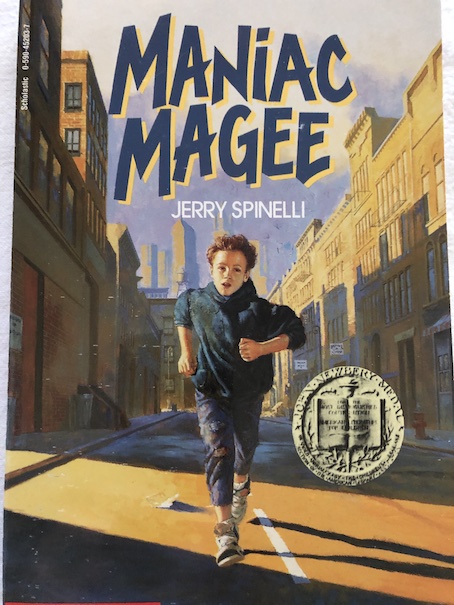
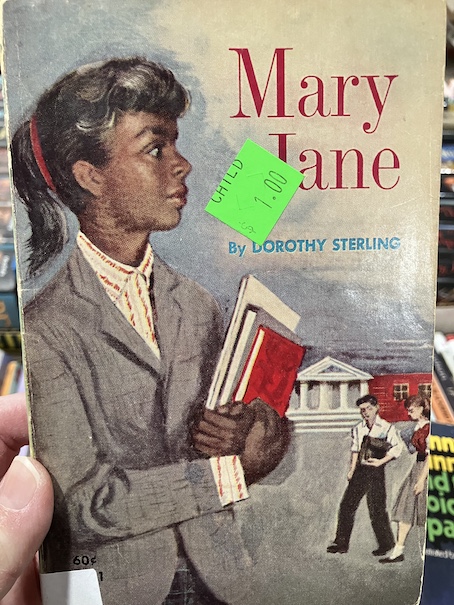


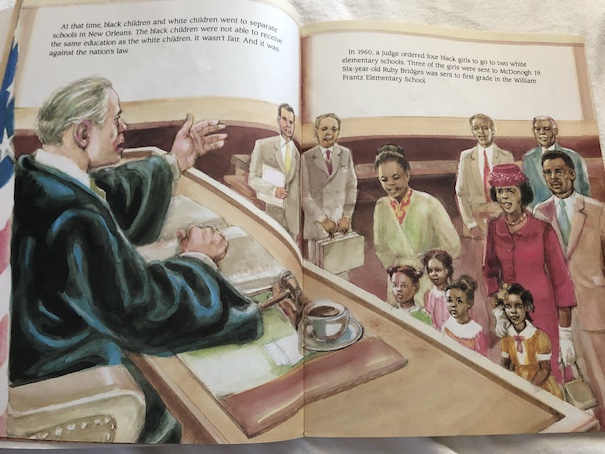
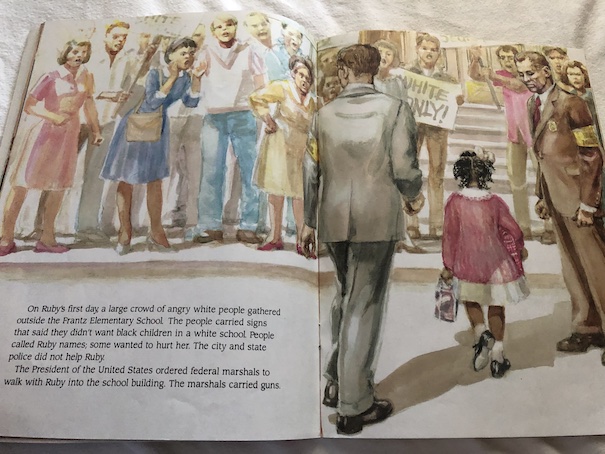
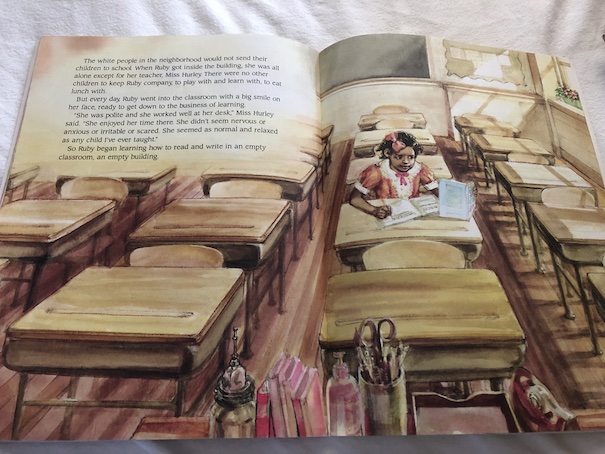


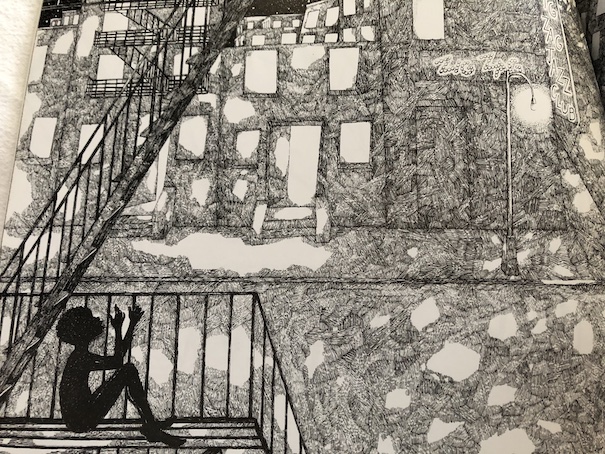

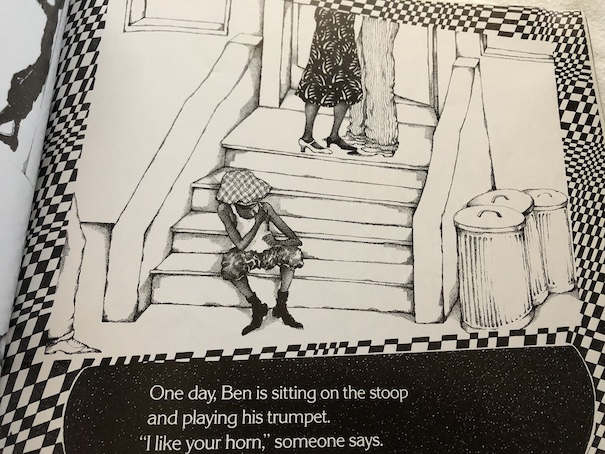

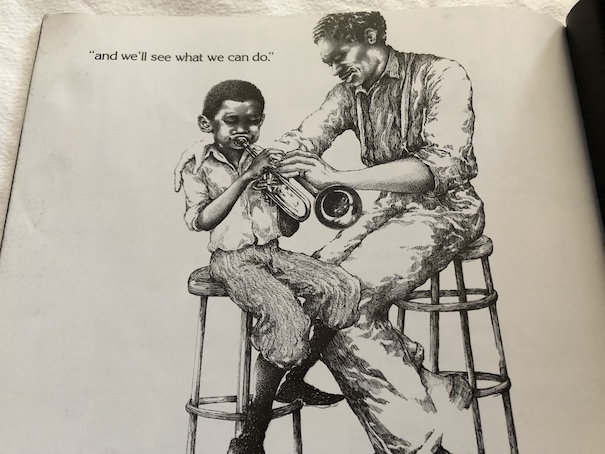

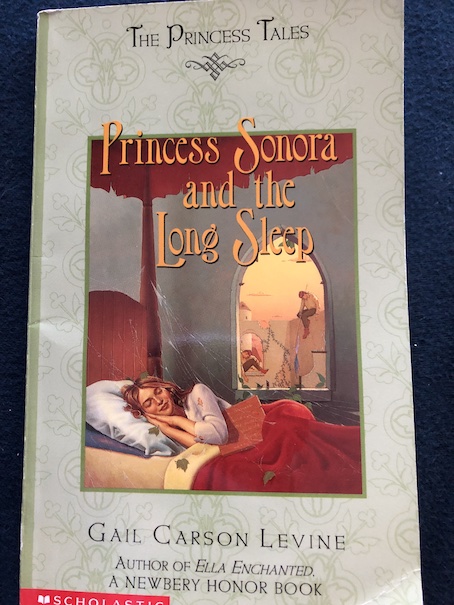

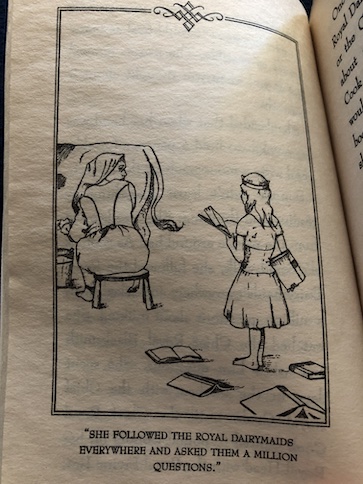


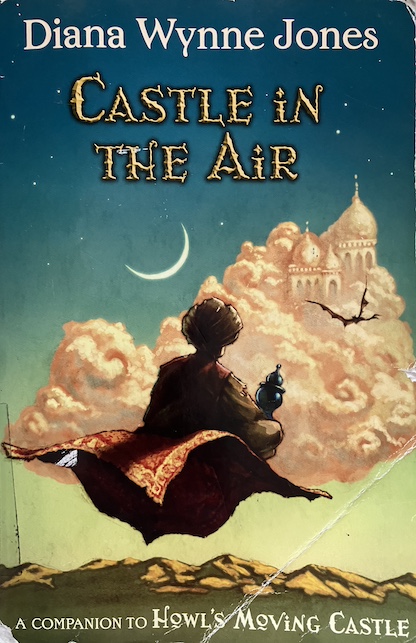
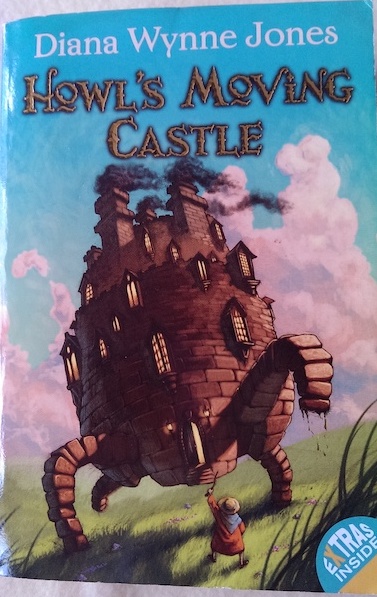





 Jestress's Forgotten Books and Stories