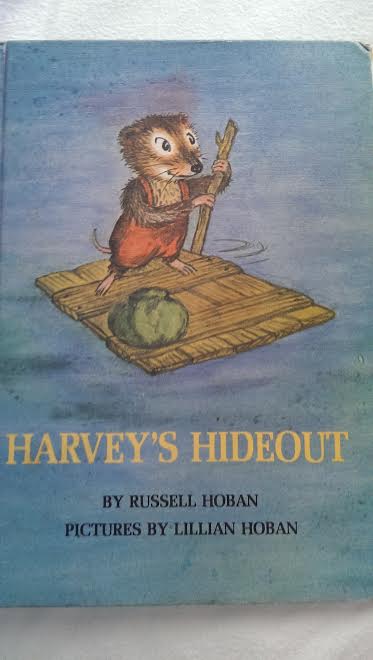
Harvey’s Hideout by Russell Hoban, illustrated by Lillian Hoban, 1969.
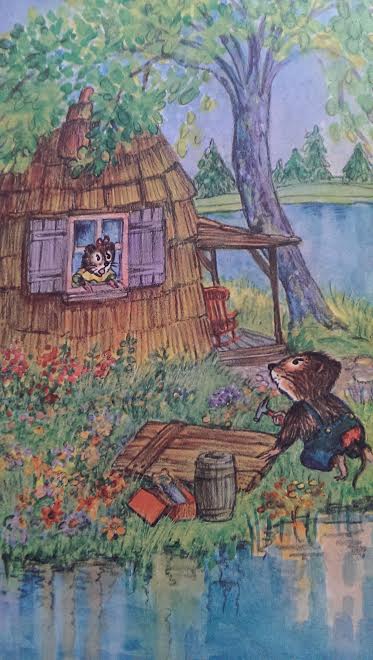 Summer is difficult for the Muskrat kids this year. Their friends are away for the summer, and Harvey and his older sister Mildred are getting on each other’s nerves. But, there’s nothing that says they have to spend the whole summer with each other.
Harvey builds himself a raft and tells Mildred that he’s going off to meet with members of his secret club for a cookout where annoying big sisters aren’t welcome. Mildred says that’s fine with her because she’s been invited to a party where there will be no annoying little brothers. Harvey says that’s fine with him . . . except that it really isn’t.
The secret hideout where Harvey has been spending his time is empty except for him and the comic books he brought with him, and his cookout is for only one person. He just made up the story about the secret club to make Mildred jealous and to have an excuse to spend time away from the house and her. Harvey appreciates the freedom, but he’s also bored and lonely and envies Mildred, wondering who she knows who is still in town, inviting her to parties every day.


Then, when Harvey tries to make some improvements to his secret hideout, he discovers that he’s not the only one to dig a secret hideout for himself in the area. Harvey’s unexpected discovery leads to a change in his relationship with his sister.

The book is available to borrow and read for free online through Internet Archive, and new copies are also available to buy through Plough. If you try it and like it, consider buying a copy to own!
My Reaction
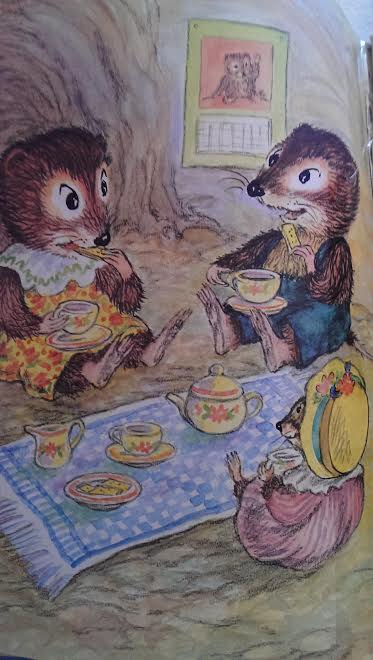
This is a nice story about sibling rivalry and cooperation. One of the parts I like best is early on in the story when Harvey and Mildred’s father lectures them for fighting and insulting each other. I hated that part when I was a kid, but I kind of like it now because I realize what the father is actually trying to say. He points out that there is some truth in their insults, but they’re wrong about each other at the same time. Part of the reason they fight is because they each have their faults (Harvey can be selfish and Mildred can be bossy), but they each unfairly assume that the other is a lost cause and that they can never be friends. It’s only when they come to realize that they’re equally lonely (Mildred has been having tea parties with just her doll) and Harvey makes the first move in offering to share what he has with Mildred that they realize that they can each be the friends they both need this summer.
When I was a kid, I wished I had a hideout like theirs! I also love the colorful illustrations in the story.
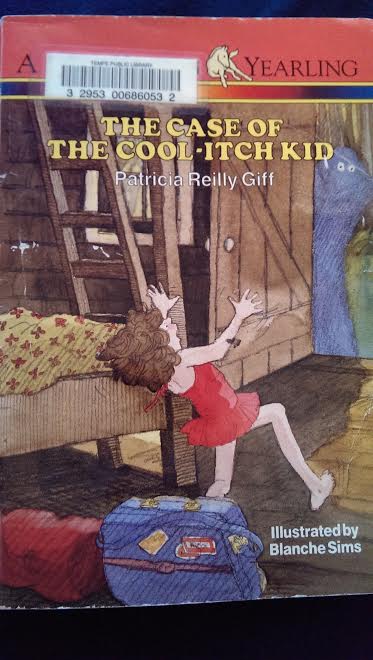 #5 The Case of the Cool-Itch Kid by Patricia Reilly Giff, 1989.


 #4 The Powder Puff Puzzle by Patricia Reilly Giff, 1987.
 With the help of her friends, especially Jason, Dawn uses what she knows to put together a picture of the person they’re looking for, and they try to retrace her steps through town. Can they track down Powder Puff and get him back?
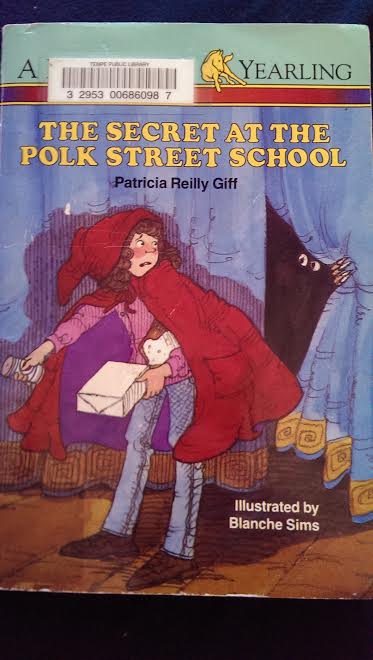 #3 The Secret at the Polk Street School by Patricia Reilly Giff, 1987.


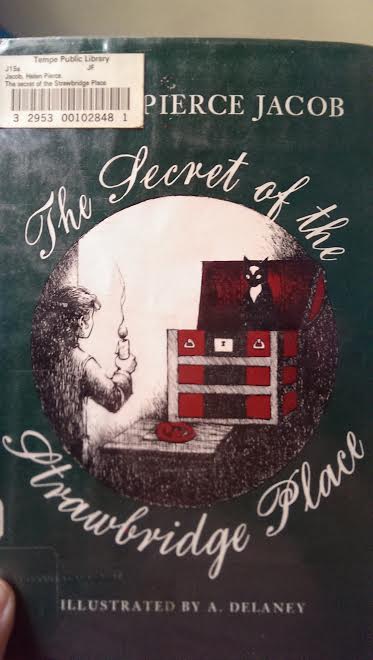
 The Secret of the Strawbridge Place by Helen Pierce Jacob, 1976.
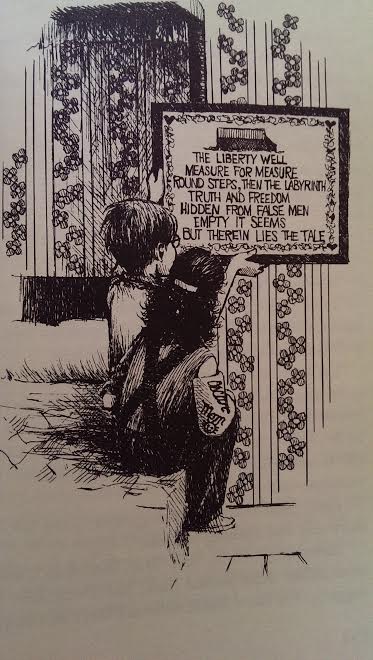 Oscar, a boy visiting his grandfather nearby, becomes Kate’s friend. Since he was also injured in one of Josh’s escapades (having broken his leg when the kids were fooling around in the haymow), she invites him to join her in the search for the secret. They form a partnership called Cripples Incorporated and have fun inventing code words and writing secret messages about what they’ve discovered. Pursuing the secret comes with some risks, and before Kate can discover the whole truth about Strawbridge Place, she has a serious brush with danger.
 The Mystery of the Haunted Trail by Janet Lorimer, 1989.
 Summer Fun by Carolyn Haywood, 1986.
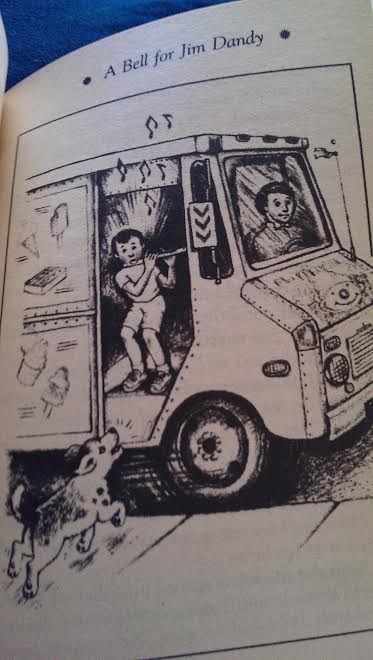 The Watermelon Party
 Betsy’s Hammock Club


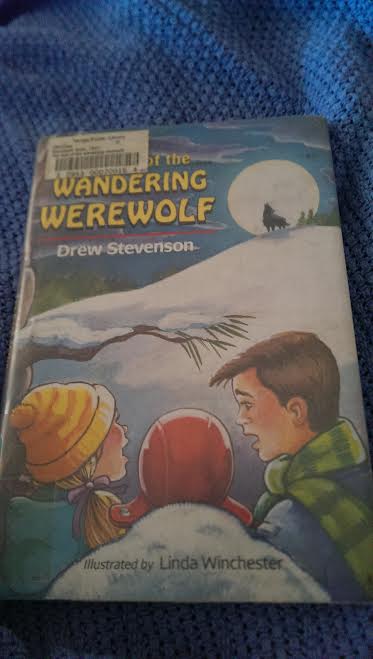 The Case of the Wandering Werewolf by Drew Stevenson, 1987.
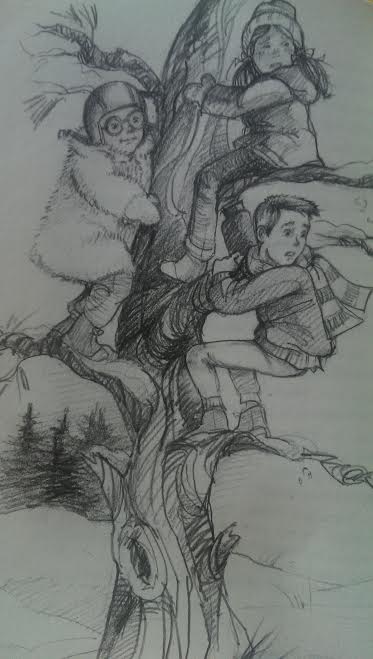 The monster hunt becomes more complicated when Bucky Bovine, a bully at their school, seems determined to stop them from going to Lost Woods to look for the monster. Does Bucky know something about the beast, or could he even be the monster himself?
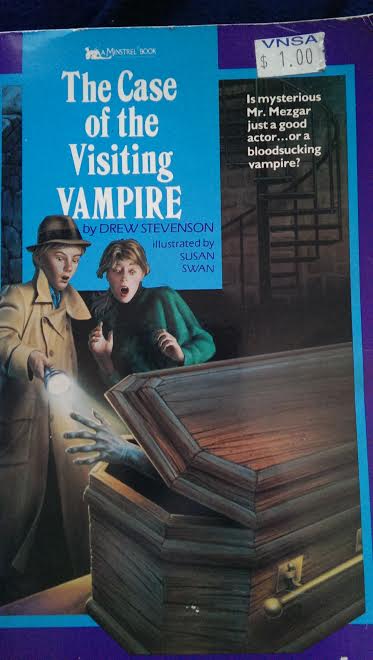 The Case of the Visiting Vampire by Drew Stevenson, 1988.

