When Aunt Lena Did the Rhumba by Eileen Kurtis-Kleinman, illustrated by Diane Greenseid, 1997.
Sophie’s Aunt Lena loves music, dancing, movies, and theater, and she especially loves Broadway musicals. She goes to a musical matinee every Wednesday. After seeing a musical, she comes home, singing and dancing and acting out parts from the play she’s just seen.
One particular Wednesday, when she’s acting out a particularly dramatic dance in the kitchen, she accidentally slips and sprains her ankle. She has to stay home and rest until her ankle gets better, which means that she won’t be able to go to next Wednesday’s matinee.
Aunt Lena is so sad about missing the musicals she loves that Sophie gets an idea to cheer her up. Sophie recruits other members of her family to put on their own musical to entertain Aunt Lena.
Not everyone is enthusiastic about the idea at first, but when Sophie gets her grandmother to help her put together a costume fit for a Broadway musical and choose some music, they begin drawing other family members in.
Aunt Lena loves their performance, and when she’s better, she takes Sophie to a matinee so she can see a real Broadway performance, too!
This book is available to borrow and read for free online through Internet Archive (multiple copies). It was also a Reading Rainbow book, and the episode of Reading Rainbow is also available to watch online through Internet Archive.
My Reaction
I didn’t see the original episode of Reading Rainbow that included this book when I was a kid because this book was published after I was too old for that. However, I always liked Reading Rainbow when I was a kid, and later, after I started this blog, I decided to go back and check out some of the books covered by Reading Rainbow after I stopped watching it. If you’re not familiar with Reading Rainbow, it was a children’s television program on public television in the US that encouraged children to read by discussing books and showing children things that were related to the books they were reading. For example, if they were reading books related to animals in an episode, the host, Levar Burton, might take a trip to a zoo and talk to zookeepers about animals in the zoo.
The themes of this particular story and the Reading Rainbow episode are music, dancing, and theater. In the episode, they show a boys’ choir and dancing class and talk about how performing helps the boys and young men develop confidence and maturity. There’s also a comedian who specializes in physical comedy, who talks about how he does his stunts, and an actress who plays one of the cats in the famous Broadway musical Cats.
I love how the aunt in the book shares her love of dancing and theater with her niece. The two of them have similar personalities and interests, so when her aunt is injured, her niece knows how to cheer her up. The ending of the story implies that the niece will now be going to performances with her aunt, or at least, will sometimes go with her. I also liked how the rest of the family participated in the girl’s plans when they saw what she wanted to do, even if they weren’t as enthusiastic about the idea themselves at first. Enthusiasm can be contagious, and I do think that adults sharing their interests with kids can spark lifelong interests in the next generation.
I also noticed that this seems to be an unconventional family, although the family’s living arrangements aren’t the focus of the story. The girl’s parents are never mentioned. She seems to live with just her grandmother, her aunt, and a couple of uncles, and there is no explanation why because it’s not directly important to the story. In any case, it seems to be a happy, close-knit family, with family members caring for each other and supporting each other’s interests.
The pictures in the book are bright and colorful, fitting with the energy, enthusiasm, and theatricality of the story.
The Egyptian Cinderella by Shirley Climo, illustrated by Ruth Heller, 1989.
Rhodopis is a slave girl in Egypt. When she was young, she was abducted from her home in Greece by pirates, who sold her into slavery. Her blonde hair and green eyes make her look very different from the Egyptian servants, and none of them like her.
Most of Rhodopis’s friends are animals, and in the little free time she has, she likes to dance. The elderly man who owns her sees her dancing and has a special pair of rose-red gold shoes made for her so she can wear them while she dances. However, the Egyptian servants are all jealous of her for getting this special gift.
One day, the servants all leave her behind when they go to a special court held by the Pharaoh. While they are gone, a falcon snatches one of Rhodopis’s slippers and flies away. The falcon flies to the court and drops the slipper in the Pharaoh’s lap. The Pharaoh takes this as a sign from Horus that the girl who owns that shoe is destined to be his wife and immediately begins searching for her.
When he finds Rhodopis, the servant girls protest that she is not Egyptian and is only a slave, but the Pharaoh compares her green eyes to the color of the Nile, her light hair to papyrus, and her pink skin to a lotus flower. In his eyes, there could not be any other girl who could represent Egypt, and her slave status doesn’t matter.
The book is available to borrow and read for free online through Internet Archive (multiple copies).
My Reaction
I remember loving this book when I was a kid! I always liked fairy tales and folktales, and I think this was one that was introduced to me by our school librarian, probably around the time it first came out in 1989. For a long time, I was unaware that the same author also wrote other books based on variations of the Cinderella story: The Korean Cinderella, The Persian Cinderella, and The Irish Cinderlad. One of the fascinating things about the story of Cinderella is that variations of the story about a girl (usually, it’s a girl, although there are some variations with a boy) who is abused by her stepmother and stepsisters but who triumphs in the end when she marries a king or a prince, who identifies her as the girl he loves by a lost shoe, have appeared in cultures around the world. The classic one that most of us know is the French version by Perrault, but there are other versions of the story that are older.
There is an author’s note in the back of the book that explains that this Egyptian version of the Cinderella story is one of the oldest known Cinderella stories. The Roman historian Strabo recorded the story in the first century BC. The story is legend, but according to the author, Rhodopis was a real slave girl who married the Pharaoh Amasis in the sixth century BC (although accounts of her vary, and it can be difficult to separate history from legend).
A Watcher in the Woods by Florence Engel Randall, 1976.
The Carstairs family is moving from Ohio to a small town in Massachusetts because Professor Carstairs will be taking a new job as head of the English department at the local college. Fifteen-year-old Jan knows that she will find the move harder than her parents or her younger sister. Her father will be busy with his work, and her mother will make friends with the wives of other faculty at the college. Jan knows that her little sister, Ellie, is still very young and in elementary school, and she won’t find changing schools as difficult as she will. Jan isn’t looking forward to trying to fit in at the local high school.
The family’s first difficulty in moving is finding a house in this new town that they like. Because it’s a small town, their options are limited, and it seems like there’s something wrong with each of the houses they see. Then, their realtor suggests that they view the old Aylwood place outside of town. Living there would mean a longer distance to drive to the college and the girls’ schools, but it’s a nice, big house with some land attached to it. The land includes woods and a pond. Elderly Mrs. Aylwood can’t afford to maintain the place anymore, but she has been reluctant to sell the house. She is very attached to it and she wants to make sure that, if she sells, that she will sell it to the right kind of people, who will take care of the land and woods.
From the first time that Jan and her family visit the house, it gives Jan a strange feeling. She has the oddest feeling that someone (or something) is watching them from the woods, and it frightens her. However, when she tries to explain her uneasy feelings to her mother, her mother thinks that it’s her imagination. Jan can’t deny that the house and wood give her the feeling of a fairy tale and that Mrs. Aylwood reminds her of a fairy tale witch.
For some reason, Mrs. Aylwood becomes more welcoming to the Carstairs family after she sees Jan, and she begins asking Jan some rather odd questions about herself. Mrs. Aylwood admits that Jan reminds her of her own daughter, Karen, who she lost 50 years ago when she was only 15 years old. Jan begins to understand that Mrs. Aylwood’s attachment to the house is because it’s a link to her daughter’s memory, but she soon begins to realize that there’s more to it than that. Mrs. Aylwood asks Jan what kind of person she is and makes a cryptic comment about how Jan is a human but there are other things besides humans.
Jan’s uneasy feeling of being watched continues, and mirrors in the house are inexplicably broken in an x-shaped pattern. When she befriends a neighbor, Mark, and talks to him and his mother about the house, she learns that Karen did not die but that she disappeared 50 years ago. She apparently went out for a walk to the pond in the woods one summer morning and simply vanished with no explanation. Searches for her never lead anywhere. Most of the local people believe that Karen ran away from home, although it would have been out of character for her to do that. Jan begins to wonder if the watcher she senses in the woods could be Karen, somehow hiding out or having returned after all these years, although Mark says that doesn’t make sense. Then, remembering Mrs. Aylwood’s comment about things that aren’t human, Jan wonders if the watcher could be Karen’s ghost. What if she died all those years ago, and her spirit haunts the woods?
It seems like someone or something is communicating with Ellie. Ellie seems to hear something speaking or humming when Jan can’t. Something even suggests to Ellie that she name her new puppy Nerak, which Jan realizes is “Karen” spelled backwards. Is Karen trying to communicate with them, or is it something else?
The book is available to borrow and read for free online through Internet Archive. This book has been made into movie versions twice, but the Disney movie from 1980 is more faithful to the original story. I’ll explain why below, but it involves spoilers.
My Reaction and Spoilers
When talking about my opinion of this book, I really need to include some spoilers. This is a very unusual book because it isn’t obvious until about halfway through what kind of story it really is. From the beginning, it’s set up like a ghost story, with Karen’s mysterious disappearance, the sense of something watching the house and family from the woods, and something trying to communicate through Ellie. It’s very suspenseful and mysterious, but this is not actually a ghost story. It’s really science fiction.
Karen isn’t dead, but she has been trapped in an alternate dimension since she disappeared 50 years ago. A being from that other dimension has also been trapped in our world since then. This other being is the mysterious watcher in the woods. Jan correctly senses that this other being is also female and a child, although beings of its kind live extraordinarily long lives because time works differently in their dimension. What has been 50 years for everyone else has only seemed like a day to her. She wants to return home, but she has had to wait for conditions to be right. She also wants to help Karen, and she has been struggling to communicate with Mrs. Aylwood and Jan and her sister so she can tell them what they need to do.
In the Disney movie, there are a couple of major changes from the original book. The first is that the location is changed from the US to England, although Jan and her family are Americans. It also features a kind of initiation ritual that Jan was undergoing just as her switch with the creature from the other dimension happened, adding an element that seems supernatural, although it is still science fiction. At the very end of the Disney movie, Jan brings Karen back from the other dimension, but in the book (Spoiler!) Mrs. Aylwood goes to join Karen in the other dimension instead.
In the book, Jan’s mother worries about what life would be like for Karen if she returns, aged 50 years in what must have seemed like only a day, having lost most of her life, or what it would be like if she has not changed at all but her mother has aged 50 years, and the world has been through so many major changes since she left. It isn’t clear whether or not Karen has aged in the other dimension, but Jan’s mother’s point is that the world she came from has definitely changed. Karen can’t go back to her old life, and there is some sadness about that and about what Mrs. Aylwood has been going through since Karen disappeared. However, Mrs. Aylwood decides to join Karen in this other world, where she’s been. We don’t really know what Karen’s condition is in the other dimension because we don’t see her. She may have aged very fast there, although I think they imply that she has not aged at all because time works differently in the other dimension. Since time works differently there, it seems like they either won’t age further there or will do so much more slowly than they would on Earth.
Between the two movie versions, the Disney movie version of this book from 1980 is more faithful to the original story because it maintains the concept that this is a science fiction story and that the watcher in the woods is a being from another dimension. The movie version from 2017 turns the story into a ghost story with no science fiction elements. In the ghost story version, Karen is also still alive and hasn’t aged after being gone for many years, but the watcher in the woods is a ghost who is holding her captive. It’s a spookier version, but I think the logic of the original book, with its science fiction theme, makes more sense.
The premise of the ghost story didn’t make as much sense to me because the ghost’s motives seem confused. First, the ghost takes Karen captive because she was staging a stunt for some friends where she appeared to be mocking the way he died. Then, he seemed to want to keep a girl for company, which is weird because it doesn’t seem like he interacts with Karen while he has her. He tries to make a bargain where he would be willing to release Karen in exchange for Ellie, but in the end, it turns out that human company isn’t really what he wants. (Spoiler!) He wants a ritual for his death that he was deprived from having when he was killed. The story just seemed to be all over the place with the ghost’s motives and desires. Is he out to punish Karen for her disrespect, lonely without human company, or just trying to get attention from the living to fulfill his final wishes? Even he doesn’t seem clear about that, which is why I prefer the sci-fi version.
I also thought that the premise of the sci-fi story was more original, and I enjoyed the twist of a story that seems like a ghost story but really isn’t. If any sufficiently advanced technology might look like magic to someone who had never seen it before, as Arthur C. Clarke said, it makes sense that any being who was sufficiently different from the human experience might appear to be some kind of supernatural creature to human beings who didn’t know what they were perceiving.
The Disney version from 1980 actually has multiple endings because the first endings they filmed didn’t quite work and didn’t get a good reaction from audiences. If you’re curious about what the three endings are like, Jess Lambert explains them in her YouTube review of the movie.
This story takes place during World War II and focuses on a child evacuee from London. The title of the book comes from a quote from Winston Churchill:
“Victory at all costs, victory in spite of all terror … for without victory there is no survival.”
Winston Churchill, May 13, 1940
It’s September 1939, and Liz Hawtin is an orphan living with her aunt, uncle, and cousins in London. Her mother died when she was a baby, and her father was killed when he was hit by a car a few years earlier. Liz’s overbearing aunt is making her life miserable and has been since she moved in with her relatives. It takes Liz some time to realize why her aunt doesn’t like her, but it has to do with social class, political philosophy, one-upmanship, and her aunt’s sense of fairness and entitlement – what sort of people are “deserving” and what sort of people aren’t.
The main problem is that Liz’s father was into socialism before he died. In fact, he used to give public talks about it, and Liz would watch them as a child, although she admits in hindsight that she doesn’t entirely agree with everything her father believed. One value that she and her father definitely shared was the belief that education is important. Liz’s entire family is working class, including her father, and none of them have ever had more than just very basic education. Her father was a very bright man, but like other members of their family, he had to leave school early and get a job because their family was poor. However, he urged Liz to study and get the best education she could because he realized that higher education is the way to move up in the world and get better jobs and a better position in life.
Liz’s current situation when the book begins is irritating to her aunt because Liz has both the academic potential to attend a better school than the ones her own children have attended and because Liz’s father had the foresight to take out an insurance policy on his life that has provided Liz with enough money to attend this better school and to buy good school clothes and the extra equipment and books that this better school requires. Every time Liz has needed something for school, her aunt gripes about how much it costs and what a waste of time and money it is. Liz gets her aunt’s permanent wrath by telling her straight out that the insurance money belongs to her and not her aunt and that it was meant for her education. This enrages her aunt because she had labeled her father as the foolish, idealistic socialist who was undeserving, so the idea that, because of him, Liz has both academic aptitude and the money to support her education seems supremely unfair to her. On some level, she probably realizes that Liz’s more advanced education will probably help her to be more prosperous than the rest of the family, and she hates it and is jealous. She takes every opportunity to criticize Liz and to tell her that her time spent reading and studying is wasteful. She encourages her children who, like other members of their family, all have to leave school early to get menial jobs, to give Liz a hard time. The only members of the household who like Liz are her gentle cousin Rose and her uncle, but it’s difficult for them to stand up for Liz and help her because the aunt bullies both of them as well.
At the beginning of the story, Liz is fifteen years old, and she is faced with a difficult decision. She is getting close to graduating from her grammar school. She badly wants to finish, but she knows that the insurance money is running out. Soon, she will be faced with the difficult decision of whether to leave the school without graduating and get a job, which is bound to be the menial work that her cousins are doing. Her aunt has always resented her and is eager to get rid of her, so she wants Liz to get work and start supporting herself as quickly as possible.
When World War II breaks out, Liz’s life is changed forever, and Liz realizes that, ironically, the changes are going to be for her benefit. Because Liz is still a student, she will be part of the government’s program to evacuate children from London to protect them from bombings. None of her cousins will be evacuated, even though they’re not much different in age from Liz, because they are no longer students, but Liz will be sent to the countryside with the rest of the students at her school. The government will also provide money for her support and education during the period of the evacuation, so Liz realizes that she will be able to finish her education after all. Rose and Liz’s uncle are sad at her leaving, but her aunt makes it clear that she is pleased that Liz will be leaving very soon and that she doesn’t want Liz to come back after the evacuation period is over. Once Liz is finished with her education and no longer part of the government program, Liz will be on her own in the world. It’s both a little scary but also liberating for Liz. She doesn’t know where she will be staying during the evacuation, but at this time in her life, it’s really better for her to leave her aunt’s house, finish her education, and establish an independent life.
Before she leaves, she says goodbye to her grandmother in London. She worries what will happen to her grandmother, her uncle, and Rose when she’s gone. Her grandmother isn’t worried for her own sake because she’s lived through war before, and nothing ever seems to happen to her. Besides, she knows where the shelters are for safety, and she’s sure that she can take care of herself. Liz knows that, once she is gone, her aunt won’t be able to pick on her all the time, and things are bound to get worse for her uncle and Rose, but there’s nothing she can do about that.
When she arrives at school, she and the other students are told that they are being sent to a small village called Chiddingford in Oxfordshire. It’s such a small town that it doesn’t even appear on the map in their school atlas. There, they will be staying in the homes of people living in the village. The headmistress reminds them all that this will not be an easy experience for them. Many children are being evacuated along with them, and all of them will experience homesickness and difficulties adjusting to the place where they will stay. She urges all of them to be kind to each other and considerate of their hosts in Chiddingford. The girls in Liz’s form (grade) are also going to be paired up with girls in the lowest form because these younger girls are new to the school and don’t even really know each other yet. The headmistress thinks that the experience will be easier on them if they have an older girl as a buddy, like an older sister. Liz pairs up with a shy girl named Veronica, who is wearing a school uniform that is way too big for her. Her parents were trying to save money by buying her a uniform that she could grow into. It makes Veronica a laughingstock among the other students, but Liz sympathizes with her, knowing what it’s like to worry about money and to feel different from everyone else.
The students are excited by their trip into the countryside. The village of Chiddingford is already expecting them, although they had originally been told that they would be hosting a boys’ school instead of a girls’ school. Lady Brereton’s daughter-in-law asked her to pick out a boy from the arriving students who would be a good companion for her sons. However, since there are no boys on offer after all, and she knows little about girls, having only a son and three grandsons, Lady Brereton decides that she’ll pick out a girl from the evacuees in the same way she would pick out a dog, which is something she does understand. She chooses Liz because Liz has an alert expression and stands with her head up and a look of spirit and resilience.
Liz finds the move to the countryside disorienting, although she likes the peacefulness of it. Her reception at the Brereton house is disappointing because Mrs. Brereton had her heart set on getting a boy. She has three sons and is single-mindedly devoted to them. A girl simply wouldn’t do as a companion for her boys. In fact, she thinks that having a teenage girl in their house might well lead her teenage sons astray. However, people are commanded by the government to take in evacuees, and Mrs. Brereton can’t just give Liz back or trade her for someone else just because she’d rather have a boy. It’s awkward for both of them because Liz knows that Mrs. Brereton really doesn’t want her and that she tried to get rid of her.
Mr. Brereton is an historian, and he once worked at a college near Liz’s old neighborhood. He describes the history of the area and the type of housing there to his sons. The Breretons are a genteel, highly-educated family. They’re also the sort of intellectuals Liz’s father used to disparage, the ones who came to the college in their area and observed their lower-class living like scientists watching an ant colony and would leave, thinking that they understood their lives, when they had only ever seen them from the outside.
The youngest of the Brereton boys, Miles, makes fun of Liz when he finds out that her school doesn’t teach Latin because he says that she’ll never be able to go on to university. It stings because Liz is more educated than the rest of her family and is proud of it. She angrily retorts that she doesn’t want to go on studying forever because she wants to do something that will help win the war. Unknowingly, she’s prodding a sore point in the Brereton family because the eldest boy, Simon, wants to enlist, but his family would rather that he continue his education at Cambridge and become a doctor. Simon does want to be a doctor, but he also feels called to aid the war effort. He feels torn because his family is telling him that he should let others take care of the war while he goes to school and learns something that will make a difference later, but he feels guilty for staying out of it. His grandfather, Sir Rollo, who was a brigadier general, says that 19-year-old Simon is a man now and must make up his own mind about what he wants and what he’s going to do. Liz wishes that she hadn’t said anything about helping the war effort because she didn’t know that it was a sore point for this family, and she certainly wouldn’t want to influence Simon to do something that was dangerous or wrong for him. He seems too gentle and intellectual to really be a soldier.
When her teacher, Miss Garnett, comes to check on her, and see how she’s doing in the Brereton house, Liz says that she doesn’t think she fits in with this family. Miss Garnett advises her to give it time. Liz realizes that the Breretons are a tempestuous family, and it’s not really her fault for setting them off. They get set off by other things and people, too. Liz’s family back in London wasn’t the nicest, and they had their fights and spurts of meanness, but Liz feels like the Breretons are more unpredictable. She doesn’t know their history, quarrels, and sore spots, so she has no way of knowing what will set them off next.
Liz feels a little better after talking to the other girls from her school, comparing their host families. As she describes the Breretons to her friends, their absurdities jump out at her, making the whole situation seem more humorous instead of tragic. Mrs. Brereton doesn’t want her, which is hurtful, but she’s stuck with her anyway, which is funny. Young Miles keeps teasing her about not knowing Latin by shouting random Latin words at her, which don’t even make sense when translated. Miles is learning Latin vocabulary and can conjugate verbs, but he doesn’t really speak it as a language. Mr. Brereton, the professor, reads in the bathroom, which is the girls say is pretty normal, but what he reads are heavy historical texts, and he keeps a notebook and pencil in there, too, so he can take notes. The other girls laugh at the silly habits of the Breretons and tell Liz about their own host family. Three of them are sharing a room over a local shop, and the family that keeps the shop are certainly not intellectual. They have no books at all in their house, and they seem to be slow thinkers, who have only “one thought about every two hours.” Liz, whose source of pride back in London was being more educated than the rest of her family and most of the people in her working-class neighborhood, realizes that the Breretons’ higher intellectualism has been making her feel inadequate, like just a silly school girl. However, she and her friends are really more in the middle, doing better than some people, if not as well as others, and that’s not a bad way to be. Their learning isn’t over yet, either.
There are also some consolations to life with the Breretons. The live in an old, converted mill, and Liz has her own room next to the wheel house. Mrs. Brereton thinks of it as a rough room, very simply furnished and really more suited to a boy than a girl, but Liz likes it and is grateful that she doesn’t have to share a room with anyone else. When she doesn’t want to talk to the Breretons, she can go to her room to be alone and read, burying herself in Pride and Prejudice and other books she enjoys. When Miss Garnett sees Liz’s room, she also thinks it seems fun, and the water sounds from the millstream and waterwheel remind her of being on a ship.
There is one other member of the family that Liz hasn’t met yet, the Breretons’ middle son, Ben. Ben is 17 years old, and from the way his family talks about him in his absence, he’s something of a disappointment to his parents. Although he is two years older than Liz, they are about the same level at school, which is hard for his rigorously intellectual family to accept. He also has a tendency to get into various scrapes. None of them are truly shocking, mostly ridiculous teenage escapades. Liz knows that she’s seen much worse in her old neighborhood in London, but Ben’s family disparages his foolish and embarrassing behavior.
The reason why he isn’t there when Liz first arrives is that he’s taking a bicycle tour of Wales. His family starts to worry about him because he doesn’t return when he was supposed to. Then, they get a call that explains his latest escapade. In a wave of patriotism because of the starting war, he tried to enlist in the RAF, even though he was underage. At the recruiting office, he tried to avoid telling the recruiters much about himself, so they wouldn’t know that he was really too young, but he forgot that he wrote his name and address on the outside of his kit bag. The recruiters contact his parents and send him home. It’s the sort of well-meaning but thoughtless mistake that Ben often makes. His parents again disparage his thoughtlessness, and Miles makes fun of him, but Simon angrily tells them all off. He says that he understands Ben’s feelings of wanting to make a difference. Even if what he tried to do was clumsy and not well-thought-out, it was still noble. The grandfather of the family says that he and their grandmother certainly won’t make fun of him when he returns home. Liz gets the feeling like Ben might be more her kind of person than the other Breretons.
Liz and Ben get along well with each other when they meet. Liz learns that the room where she is staying used to be Ben’s art studio. Liz feels badly that she’s taken his space, but he tells her that it can’t be helped. He tells her that he wants to be an artist, although his parents disapprove. His mother doesn’t think that it’s possible to make a living off of art, and his father doesn’t think his paintings are any good. Because his father is an historian and an intellectual, he thinks of art in terms of fine art. He had another professor he knows, an art expert, take a look at Ben’s work, and he didn’t think much of it, so Mr. Brereton concluded that his son had no art potential. Ben’s family whitewashed over all the artwork he did on the walls of his studio before Liz arrived. Liz thinks this is terribly unfair because there are many different styles and tastes in art. Just because Ben’s father and one art critic didn’t like Ben’s art doesn’t mean that he doesn’t have talent. Ben is still determined to be an artist in spite of what his parents say. He and his brother Simon are very close and understand each other because neither of them quite fit their parents’ expectations and have different priorities from their parents. Liz understands how both of them feel because her family also never understood her or supported what was important to her. She comes to view both Ben and Simon as brothers and enjoys spending time with them. Ben takes her out on the river in the family’s punt, and during the winter, he teaches her how to ice skate.
The book continues through the next year and a half, through the developments of the war and the lives and education of Liz and the Brereton boys. Although Mrs. Brereton didn’t initially want Liz, the Breretons become fond of her as she shares in their lives, and they come to understand one another. Each of them finds a way to make a difference in the middle of war, and through the hardships they face together and their shared lives, they become a family. When Liz gets a letter from her grandmother that lets her know that Rose is “in trouble” in London, she and Ben make a daring trip into the bombed city to rescue her cousin. The book ends at the beginning of 1941, just after the New Year, with the war still going on, but by that time, each of the young people in the story has found a direction in life and hope for the future.
The book is available to borrow and read for free online through Internet Archive (multiple copies). Because of the themes and some of the language in the story, I would recommend this book for teens and young adults. There are descriptions of bombings, war deaths, a teenage pregnancy (Rose, not Liz), and some mild swearing in several places. The violent parts aren’t as graphic as some descriptions I’ve seen in other books, but there is definite violence and death, so it’s not really a book for young children.
My Reaction and Spoilers
The Atmosphere
This story could fit well with both the Cottagecore aesethic and Light Academia. In the countryside, Liz is living in an unusual, atmospheric house, a converted mill, and the descriptions of her room sound enchanting! In some ways, the beginning of the book reminds me a little of Anne of Green Gables: an unwanted orphan who is taken in by a countryside family that originally wanted a boy, and a girl who loves books and is determined to pursue an education and make something of herself. Liz is a true book lover, and the story mentions the books that she reads and loves, like Pride and Prejudice by Jane Austen, Jamaica Inn by Daphne du Maurier, and Beau Geste by P. C. Wren. Liz doesn’t just read because she is required to read for her classes but because she really enjoys books. She also comes to understand things from books she reads, like the war around her and the feelings of some of the Breretons from reading Shakespeare’s Henry V. The insights that people gain from reading are part of the reason why literature is regarded as one of the disciplines of the humanities, the areas of study that provide insight into human nature and human potential. Liz combines the insight and knowledge she gains from reading and what she perceives around her to better understand the world and other people. In some ways, she fits a little better with the intellectual Brereton family than she thinks she will at first.
Later in the book, after Liz has seen more of the war directly, she wonders if there’s really a point to continuing her education or if she should just try to get a job in a factory and do her part. Studying things like poetry and Shakespeare in class just feel pointless and irrelevant in the face of the larger, life-and-death events happening around her. She could relate to the themes in Henry V, but Romeo and Juliet begins sounding pretty silly to her. Her teacher persuades her to continue her education, telling her that the more educated she is, the better she will be as a worker and an asset to her country. At first, Liz doesn’t see how, and her teacher explains that she is learning mathematics, which are used for the construction and calibration of weapons. She is also learning biology, which would be useful if she becomes a nurse or has to care for someone who is wounded. As for things like poetry and literature, anything she studies will teach her humility and give her mental maturity and greater understanding of other people – the goals of the humanities. We don’t know about all of her long-term career goals by the end of the book, but along the way, Liz continues her education, takes on part-time jobs, and finds ways to help the war effort and the people she loves.
Evacuees, Social Class, and Socialism
The experiences of the evacuees in the story are very realistic. It’s important to note that child evacuations went in waves throughout the war, and Liz and her friends are part of the very first wave of Operation Pied Piper. When the war started, people expected that bombings would start almost immediately, which was why they tried to hurry as many children out of London as fast as they could. However, the book covers the real events and attitudes of the early war years, including the fact that the bombings didn’t begin as quickly as expected. When the bombings didn’t start right away, people started to think that the fear of bombings was an overreaction, and many families brought their children back to London from the countryside. Some called this phase of the war the “Phoney War” because people on the home front didn’t feel like there was a war really happening yet, and even on the front lines, there was relative quiet because the large scale operations hadn’t started yet. Liz feels more alone in Chiddingford when some of her friends from school return to London and leave her behind in the country. Liz knows that there’s no point in going back to London herself because her aunt won’t want her, and remaining with the evacuation program will allow her to finish her education. Of course, readers know that the Blitz is coming before the characters in the book do, and the people who returned to London will probably end up regretting it.
In real life, some of the children who returned to London prematurely were killed in the coming bombings, and others were sent away again in the next wave of evacuations. In the case of the kids in the story, Liz’s friends Annette and Naomi return to London, thinking that the risks of bombings were overrated. After the bombings start in the Battle of Britain, Liz’s grandmother writes to Liz and says that Naomi has been sent away again, this time to Wales, which was a destination for many evacuees. We never hear what happens to Annette.
The book did a good job of showing how evacuees and their host families experienced some awkwardness with each other because of their different lifestyles and social classes. Not only is Liz not from an intellectual family like the Breretons, but she also comes to realize that she lacks some of the table manners and social graces of people of their class. The book also explains how Liz and her friends speak differently from the Breretons. Liz and her friends are described as being “bilingual in two kinds of English.” When they’re with family and friends, they speak cockney English, but at school, they speak a more “posh” version of English. However, even their more “posh” English isn’t as high class as the way the Breretons speak because they are a family of people who have been to boarding schools and have higher levels of education. You can hear what a cockney accent sounds like, how it works, and the social significance it has from these videos:
1976: COCKNEY accents from the BCC Archive (about 11 min.) – The people talking would have been alive during WWII, some of them probably around Liz’s age at the time. Some of them talk about the differences between the way they talk and how younger generations speak.
The Story of COCKNEY the (London) Accent and its People (about 35 min.) – Explains more about the social history and cultural identity of Cockney people. This includes some of the historical information that Mr. Brereton, history professor, could recite, although Liz knows that doesn’t mean that he fully understands the realities of day-to-day life in the East End. Toward the end of the video, at about 27 min., there is a clip from a 1930s film as an example of how the accent used to sound because accents change over time.
The Breretons are using “received pronunciation” (RP), which is called “received” because people in England don’t tend to speak that way until they are taught to do it in the higher-class schools. It comes directly from having an education, particularly a higher education, so people who speak that way are immediately announcing their social class and education level with the way they speak. You can hear it and get an explanation of how it works from these videos:
Make Do and Mend (about 3 min.) – A 1940s educational film about making and mending clothes, to save on material for the war effort. Received pronunciation (RP) is also sometimes called “BBC pronunciation” because this is the accent that radio announcers would use. The announcers in this short film, one male and one female, are using 1940s RP.
1967: John REITH explains the “BBC ACCENT” (about 10 min.) – From the BBC Archive, about why the BBC particularly wanted its announcers to speak RP. John Reith was the Director-General of the BBC, beginning in the 1920s and ending in the late 1930s. During WWII, he became Minister of Information, and from there, moved to various other governmental roles. This interview was his very last appearance on television. It took place when he become Lord High Commissioner to the General Assembly of the Church of Scotland. The interviewer asks him about the reason why, during his BBC years, he wanted his broadcasters to speak with an RP accent. Basically, the logic behind RP was to put more emphasis on education and ability to communicate clearly rather than the speaker’s regional origin. Particularly in radio, where listeners only have the voice to rely on and no visuals to clarify anything, it was important to have an accent that would be as clear as possible to the general population, where there would be no confusing regional pronunciations and slang. In the video, John Reith specifically says that they didn’t want there to be any accents that would seem comical or irritating to the listeners by seeming overeducated, undereducated, or too regional. They also debate the social implications of this and the effect of television, which was relatively new technology to them in the 1960s. Both of the men in the video are speaking a kind of RP, although they’re not completely the same as each other. John Reith admits that his speech still has regional influences because he’s from Scotland.
The RP English Accent (about 9 min.) – About who speaks RP, how it sounds, and the social implications. It also mentions how there are people, like the presenter, who speak a kind of RP but still with regional influence, which is similar to the way Liz and her friends are learning to speak in their school. It also discusses how WWII changed the way this accent was perceived and who would speak it because of social changes.
RP (Received pronunciation) vs POSH ENGLISH (about 23 min.) – Explains the origins and evolution of RP and the differences between standard received pronunciation (RP) and the more high-class or “posh” version that the upper classes would speak and how regional accents influence even RP. It also explains that, although this accent was known for being used by radio broadcasters, during WWII, radio broadcasters started using more regional accents to make it clear that they were authentic British people because Germans broadcasting propaganda were speaking English with an RP accent. This is one of the factors influencing changes in professional and social views about different types of British accents.
Why does all of this stuff about accents matter? It comes back to social class and education, both of which influence people’s prospects in life. A person’s accent, particularly during the mid-20th century and earlier times, reveals their background and the type of level of education they have. (Less so in the 21st century, after the influences of mass media – tv and the Internet – which enable people to hear more accents than they encounter in person in daily life, changes to the education system, and changing cultural attitudes.) Schools of the time knew that and would make sure that their students could speak in a way that would make them sound as educated at possible. A person who sounded as educated as they said they were would sound more skilled and competent to potential employers, enabling them to get “white collar” jobs, involving more clerical or specialized skills rather than manual labor, and rise up in the middle class. People who only had the the minimal level of education, like Liz’s relatives, wouldn’t have this influence on their speech, and that could be a barrier to finding better jobs, keeping them at a lower, working class level.
Liz and her friends have been learning some RP in school, which is why they can speak more “posh” than the general cockney spoken around them in daily life, but the Breretons speak a higher level of RP because of their boarding school backgrounds and college educations, so even Liz’s more educated version of English isn’t up to their level of RP. Liz and her friends are learning to speak at a middle class level because they’re being prepared for possible white collar jobs and middle-class living. The students’ cockney families speak like the working classes because that’s what they are, and they’re less likely to move up in the world because listeners can tell that they don’t speak in an educated way. The Breretons speak like academics because that’s what they are, that’s what they’ve trained to be, they’ve had higher-class education, and they’re relatively upper-class or upper-middle class. Although the girls’ families think that the girls are learning to speak “posh”, and they are when compared to their relatives, the Breretons can still hear their background in their speech and know they’re not from the same class. This ability to almost diagnose someone’s background and education from a person’s accent influences the way people in the story and society of the time would think of each other right from their first meeting. Because they can tell some significant factors of a person’s background immediately, there was a tendency to jump to conclusions about a persons’ life, habits, and capabilities. Part of this story is about how they assumed too much before getting to know the details of other people’s lives and personalities, and that’s a factor that influenced social attitudes before and after the war. As the videos that I’ve referenced explain, the modern, 21st century versions of the dialects and accents in this story wouldn’t be quite the same as the ones the characters would have spoken in the 1930s/1940s because language evolves over time, but the videos will give you a sense of how the characters hear each other.
When Liz tells Lady Brereton that her father was a Communist, Lady Brereton is intrigued and fascinated but not overly shocked or disparaging. Liz is happy that Lady Brereton appreciates that he was a good and loving father and that Liz badly misses him even if his political views were unorthodox. Today, Britain is more of a democratic socialist nation than the United States, and the social programs of WWII, like the child evacuations, are part of the reason. Britain was a country that was very focused on social class, and before the war, the social classes seldom mixed. However, the war was a nationwide effort. People of all social classes were expected to do their part and work together, and programs like the child evacuations brought people of different social classes together in ways they had never been before. The result was that people of different social classes learned more about the ways other people lived, and because the evacuation system saved many lives and led to improvements in living conditions for some children from poor areas of the city, people in Britain became more interested in social programs to help the poor and create a more stable society. This isn’t the only reason for such social programs, but it was a contributing factor.
In the book, when Liz looks back on her father’s political views, she realizes that she shares some feelings with him but wouldn’t agree on everything he used to say, and that’s because of her own experiences. The social programs of the war helped her to continue her education and find a more stable life than the one she had with her aunt, but she also knows that she can’t rely on that type of support for everything and starts to look for ways that she can earn money herself and live an independent life. Her experience with and approach to social programs seems like a broader, more blended view. She has had experience with different social classes and different systems and can see the benefits and downsides of different ways of living.
For more information about the conditions and experiences of child evacuees, I recommend the following videos:
This series of interviews with former child evacuees is much longer than the other one, about 40 minutes long. Part of this one brings up the subject of racial minority children who were evacuated. Children of different racial backgrounds or ones who looked like they might be could be discriminated against by people who were reluctant to host them because of the way they looked, but there were also some nice families who were willing to host them.
An hour-long documentary about evacuees’ experiences, good and bad, with interviews with individual evacuees as older adults. It includes the experiences of evacuees who were sent overseas and not just to the countryside. It also covers the effects that the experience had on their education and how they found it difficult to relate to certain types of lessons, like poetry lessons, because the themes were so far from their wartime lives. It also explains what happened to them after the war was over and the long-term effects that their experiences had on t hem.
Explains what conditions were like for those who remained in London during the war and what the evacuees were escaping. Timeline Documentary. About 50 minutes.
For other children’s books about WWII and child evacuees, I have a list of WWII books with additional resources. For books about child evacuees, I especially recommend Carrie’s War (1973) and All The Children Were Sent Away (1976).
Education and Children
A detail that I particularly liked about this book was the explanation of the the 1940s British school system at the beginning of the book. I’ve seen other explanations of the British school system online (like this one from Anglophenia on YouTube), but the explanation in this book does help because the main character’s education and future prospects are a major part of the story.
The attitudes about class and education surprisingly still resonate today. The type of education a child receives is often determined by the economic level of their parents and the type of life that the adults expect that the child will lead. All of the parents in the story have their own notions about what the young people should be doing with their lives, but the young people know that the world is changing, especially because of the onset of war. The things they want to do and the things they will have to do no longer match their elders’ expectations.
Liz knows that getting a good education is vital to her future, where she will have to make a living by herself, even though her aunt tries to shame her for being grand about her education and tries to make her feel like she should just go out and get a job like her kids did. The Breretons are just the opposite, seeing higher education as the only path to a secure future, while their sons realize that there are more immediate problems shaping their world and posing real threats to all of their lives. Each of the young people come to realize that there are decisions that they each need to make for themselves to take charge of their lives and handle what life has given them, even if the adults don’t understand.
Overall levels of education in society have risen in the decades since World War II. Technically, where I live, children are only legally required to attend school through 8th grade, but in actual practice, almost everyone gets at least a high school education because even the lowest levels of jobs in our society expect a high school level of education or an employee who is working toward one. There is very little that anyone can do with only an 8th grade education in the 21st century, and almost everything that provides a living wage requires either a college degree or some kind of vocational training beyond high school. There are almost no jobs that will take a person with a minimal level of education and no prior experience.
In 1940s England, there were more opportunities for people with little education to get jobs, which is how Liz’s cousins get jobs even though they leave school at about age 14, but even then, there aren’t many opportunities for jobs that pay well and little opportunity for advancement. Rose later has problems when she gets pregnant as an unmarried teenager, and her cruel mother throws her out of the house, into the bombed streets of London with no way to make her living. Liz and the Breretons help her, but they worry about her future prospects. She has little education and has worked in a shoe store, but she doesn’t know much else and has no other experience. Without an education or other means of support, there isn’t much else she can do. She doesn’t even have very many domestic skills and can’t sew or knit. The end of the book implies that Rose will learn to manage because she decides that she is determined to keep her baby and find a way to support them both, learning whatever she has to learn along the way, and Liz’s teacher, Miss Garnett, will also help her.
Liz loves her cousin enough to take some risks to reach her during the bombings of London and bring her to Chiddingford, but she comes to realize that she has underrated her cousin for being less educated and a bit foolish in her life choices. On the one hand, she is irritated with Rose for her foolish love affair with a man who doesn’t really seem to care about her and marries someone else instead. She and Ben face some real dangers going to London to find her and get her out of the terrible situation she’s in, so a foolish choice on her part does create some risks and hardships for others. However, she finds out that Rose understands some things about life and human relationships that Liz is just now beginning to understand. The reason why she had that love affair was that she felt emotionally neglected by her hard-hearted mother and desperately lonely after Liz left for the countryside. Her choice of lover turned out to be a bad decision, but she was so starved for companionship and affection that she was vulnerable. Part of the reason why Rose is now determined to keep her baby and not place it out for adoption is because she saw the awful way her mother treated Liz as an orphaned child and how badly Liz was starved for affection. Rose’s mother was cruel to her as well, but much more cruel to Liz because Liz wasn’t her own child. Rose wants her own child to know what it is to be genuinely loved and wanted, in spite of the hardships and stigma of being a single, unmarried parent in the 1940s. Liz is touched that Rose truly understands that important emotional need just to feel loved and wanted by someone, something Rose’s mother never seemed to understand or care about. Rose might turn out to be a better parent than her own mother.
The feeling of not being wanted and only reluctantly accepted was one that real-life evacuees experienced, and I thought that was well-represented in the book. When Liz first meets Mrs. Brereton, she reminds her of her aunt. She puts her own children first and is so absorbed with what she thinks are in her family’s best interests that she sees Liz as an inconvenience and possible threat instead of the vulnerable girl she really is. However, where Liz’s aunt never warmed up to her after they lived together for years, Mrs. Brereton does become fond of Liz and starts to think of her as part of the family. With her elder sons going off to war, she admits that it’s a comfort to her to have Liz there. Liz shares in the family’s ups and downs through the war and really becomes one of them. Her attitude contrasts with Liz’s aunt, who is self-absorbed and ready to abandon any of the children in the family, including her own, when they become too much of an inconvenience to her. Mrs. Brereton is different. There are times when she is disappointed or worried by decisions her sons make, but they’re still her sons. Once she starts thinking of Liz as one of the family, she extends the same loyal affection to her. She worries about Liz when she disappears for a time instead of being relieved that she’s gone, and she even takes in her cousin when Liz brings her from London.
It’s hard to say how much of the differences because Liz’s aunt and Mrs. Brereton are due to their relative social positions and how much are because they have different personalities. I’m inclined to think that it’s a combination of both. I can see that Liz’s aunt may feel more precarious in life because she’s a poor, working class woman and feels less able to provide for an extra person or someone in a situation that might require some sacrifices, like her orphaned niece or pregnant daughter. However, Liz’s gran, who is part of the same social class, thinks that Rose’s mother has behaved horribly, both for mistreating Liz for years and for sending her pregnant and penniless young daughter out into the streets while the city is being actively bombed, so it seems that not everyone in that social group would have the same reactions to these situations, and some might be willing to make more sacrifices to help someone in desperate circumstances.
There are themes all through the story about the human need for affection and relationships with other people. Partly, the ability to build relationships with others is recognizing the need for them and being open to building relationships. Mrs. Brereton isn’t really open to building a relationship with Liz at first, and Liz and the Breretons don’t really understand one another, but relationships are also built through shared experiences. Not all of the experiences that the characters in the story share are positive ones, but facing difficult situations together can also be a bonding experience. Mrs. Brereton bonds with Liz and Rose because, even though it’s difficult for her at first, she comes to recognize how Liz supports her family in difficult circumstances, and she’s willing and able to help them through difficult circumstances in return, as a family. Liz’s aunt loses her relationship with both girls because she never develops that appreciation for them or willingness to share in their lives and troubles.
War
The war is always around the characters, and the story is shaped by it. I thought the author did a good job of representing the early events of WWII and how characters would have reacted to them as they actually happened. Each of the young people in particular wants to actively participate in the events that are shaping their world, even though Mr. and Mrs. Brereton would prefer to keep their sons out of it.
The grandfather of the Brereton family understands how the young people feel, having once been a soldier himself. Ben and his grandfather are very much alike, noble-minded and eager to participate. Liz joins Ben and Sir Rollo when they take Sir Rollo’s boat to participate in the Dunkirk Evacuation as one of the “Little Ships.” They know that British soldiers need help returning to England, and they hope to rescue Simon, who has joined the army, and others like him. They end up leaving Liz behind at Ramsgate because they decide that it would be too dangerous to take her the rest of the way with them. Sir Rollo is in bad health and probably shouldn’t be undertaking such a long-shot mission, but family love and his desire to once again be in the thick of things, making a difference, override any thoughts for safety. In the end, he helps save many people, and because of his prior experience in war, he is able to teach Ben how to avoid the floating mines and sandbars in their way.
However, he doesn’t survive the mission himself. He is killed by enemy fire, but Lady Brereton reveals that he knew he was ill and dying anyway. One of the pen-and-ink pictures in the book is actually of Sir Rollo after he got shot, and I was a little surprised that the book would show a blood-stained dead body in that way. It’s not overly graphic, even in the illustration, and because it’s a black-and-white drawing, it’s a less alarming than seeing someone with a red blood stain. Still, I think sensitive readers should be aware that it’s there. The book doesn’t sugarcoat the nature of war at all.
Lady Brereton knew her husband very well and loved his noble qualities. Although he didn’t tell her ahead of time what he and Ben were planning to do, she suspected that he was going to attempt something of that sort. He was a veteran of the First World War, and he wanted his last act to be something heroic, to feel like he made a difference again before he died. Ben is injured during the mission, but he and his grandfather still manage to save many soldiers. It’s Ben’s first view of war directly, and although it was a terrifying experience, it doesn’t change his mind about wanting to join the RAF. His parents finally agree to let him enlist after he finishes his school exams that summer.
At the time the book ends, none of the young people are killed in the war. We don’t know what’s going to happen to all of them by the time the war is over because the story ends in early 1941, but their experiences have made them all realize what’s important to them and given them the determination to do their part in the war effort. The overall situation by the time the book ends is that Britain is feeling like it’s largely fighting the war alone because France has fallen to Germany and is now occupied, and while Britain is getting some supplies from the US, the US would not fully enter the war until the attack of Pearl Harbor in December 1941. For a more detailed explanation of the war situation in Britain in 1940, I recommend the Timeline documentary 1940: When Britain Stood Alone In WW2 on YouTube. Understanding the general course of events in context adds depth to the story.
Toward the end of the book, there seems to be a romance developing between Liz and Ben. Personally, I like to imagine that Liz and Ben might marry after the war. I’d like to imagine, too, that Rose might end up marrying Simon and have a comfortable life as a doctor’s wife after the war. That’s left to the imagination, though.
A farm family in 1881 lives in their barn because they haven’t built a separate house yet. Outside the barn, there is an old apple tree that the family loves.
They like to pick the apples from the tree, and use them for cider and applesauce. The two girls in the family like to climb the tree. Josie, the younger girl, likes to swing on the vines that hang from the tree’s branches. Katrina, the older girl, likes to draw in the tree with her paper resting against a crooked branch. She thinks of that special limb as her “studio.”
Then, a terrible winter storm ruins the apple tree before Christmas. The whole family is sad at the loss of the tree, but Katrina is particularly devastated at the loss of her studio. Will she even be able to draw again if she can’t craw in her special place?
The family uses most of the ruined tree as firewood, and they use apples they’ve saved from the tree as decorations on their Christmas tree. However, because of the loss of the apple tree, it doesn’t really feel like Christmas to Katrina. Then, their father shows them that he has saved their favorite parts of the tree and turned them into special Christmas presents.
The book is available to borrow and read for free online through Internet Archive.
My Reaction
I thought this was a charming Christmas story! When I first saw the title, I guessed that the family would use an apple tree as a Christmas tree, but that’s not it at all. It’s just about the family feeling sad about the loss of their apple tree and how the remains of the tree made it a memorable Christmas. Because the father of the family saved their favorite parts of the tree when he was cutting up the rest for firewood, they will still be able to enjoy the things they loved about the tree, particularly Katrina, who receives a special drawing table made out her favorite branch of the tree.
The author dedicated the book to her own father because he made a special drawing board for her. On the inside dust jacket of the book, the explains that the inspiration for the apple tree and vine swing came from her own childhood in rural Michigan.
I love the artwork in this book! The pictures are realistic and detailed, and they have an old-fashioned charm that fits well with the modern Cottagecore aesthetic. I love the family’s home in the barn, with the girls sleeping in the loft and being wrapped in colorful patchwork quilts! The first book that I read by this author was The Day Jimmy’s Boa Ate the Wash, but she wasn’t the illustrator for that book. I didn’t know the she did illustrations, but seeing the illustrations in this book makes me want to see more by her!
Following the death of Jodie and Peter’s father in a car accident, Jodie’s mother decides that she want to move to a new town and have a fresh start. For some reason, people have been gossiping about the family, particularly Jodie’s Aunt Claire. Jodie doesn’t really want to leave her old home, but she does make a new best friend in her new school. However, they don’t return to their home town of East Hill until Great Aunt Winifred invites them to visit for Christmas.
Jodie loves Aunt Winifred and her big, old-fashioned house with the old toys in the attic. She has fond memories of her whole family getting together for Christmas there, and she thinks that if they visit for Christmas, things will be like they used to be. Jodie’s mother knows differently. Things are not like they used to be with Jodie’s father gone and the gossip still hanging over the family, although Jodie doesn’t understand why. Her mother refuses to return to East Hill, but she says that Jodie can visit Aunt Winifred if she wants. Jodie doesn’t want to be away from her mother and little brother on Christmas itself, so they decide that Jodie can visit Aunt Winifred the week after Christmas, between Christmas and New Year’s.
Jodie still can’t understand why her mother doesn’t want to see Aunt Winifred, but it’s really Aunt Claire that she doesn’t want to see. Jodie’s mother explains that, around the time that Jodie’s father died in the car accident, some money was stolen from Mr. Carrington. Jodie’s father was a lawyer, and Mr. Carrington was once of his clients, and the theft was discovered after Mr. Carrington himself died of a heart attack. Aunt Claire accused of Jodie’s father of stealing the money, but since he was killed in the accident, he never had a chance to defend himself against the accusation. Uncle Phillip, Claire’s husband and vice-president of the bank where Mr. Carrington kept his safe deposit box, never believed that Jodie’s father took the money, but it was bad publicity for the bank when it was stolen. He was trying to get to the bottom of the situation, but he had been in the car with Jodie’s father during the car accident and was also killed. That may have been why Aunt Claire started making public accusations against Jodie’s father – to deflect any blame or suspicion of Phillip because of his role in the bank and maybe also because she blamed Jodie’s father for getting him killed in the car accident when they skidded on a snowy road.
In spite of everything that’s happened, and even because of it, Jodie feels like she has to return to East Hill to see Aunt Winifred and face Aunt Claire. She’s not sure how, but she thinks that if she goes back to East Hill, she might find something that will clear up the situation. There had been another suspect in the theft, a nephew of Mr. Carrington, who was known to be in debt, but nobody could figure out how he could have stolen the money. When it comes down to it, Aunt Claire herself spends more money than she should.
When she gets to East Hill, she realizes that her mother was correct that East Hill doesn’t feel like it used to. Jodie no longer feels like East Hill is her home. She likes her new town and misses her best friend. Her older cousin, Lisa, who is Aunt Claire’s daughter, used to get on her nerves sometimes because she was always the “perfect” child. She is very pretty and talented on the piano, always seems to look great and do everything right, and is also kind of a snob. When Lisa is at the train station with Aunt Winifred to meet Jodie on her arrival, Jodie realizes that Lisa bothers her even more than she used did before.
Lisa is still fussy and snobby and impatient with Aunt Winifred, who sleeps more because she’s getting old. One thing that interests Lisa about Aunt Winifred is that she’s heard that Aunt Winifred is making a new will, and she openly speculates about who is going to get the most out of it. Jodie is disgusted by this talk and asks her why anybody has to get more than anyone else, and Lisa matter-of-factly tells her that there is always a favorite and that the favorite always gets the most. (I can guess that her mother probably told her this.) From the way Lisa talks, Jodie can tell that she thinks of herself as the “perfect” favorite and, therefore, already entitled to receive the most. It disturbs Jodie that Lisa doesn’t seem to care that Aunt Winifred would have to die for her to get anything at all. One day, she overhears Aunt Claire lecturing Lisa that she needs to practice her piano music more while visiting Aunt Winifred because she wants Aunt Winifred to pay for Lisa to study music in Europe. Aunt Winifred seems to want it even more than Lisa does.
While Lisa busies herself with practicing at the piano and calling her friends on the phone, Jodie goes up to the attic to see the old toys they used to play with. When she looks in the attic, she is surprised that her feelings about the attic have also changed. There is something about the attic that now bothers her, but she can’t quite think what it is. She feels like something in the attic has changed or that she wants to change something there, but she’s not sure why. When she looks for a log cabin toy with little pioneer and Indian (Native American) figurines that her father always loved, she is surprised that it is missing. Aunt Claire doesn’t think much of it, suggesting that Aunt Winifred might have just thrown it away, not knowing that it was Jodie’s father’s old favorite toy. However, Jodie knows that can’t be it. Aunt Winifred never had any children of her own, and she loved her two nephews as if they were her sons. She was very sentimental about the toys that they loved, and Jodie doubts that she would just suddenly decide to get rid of one of them.
When Jodie finally figures out what happened to the log cabin toy, the whole truth about the theft comes out.
The book is available to borrow and read for free online through Internet Archive.
My Reaction and Spoilers
I liked the setting of the story. Big old houses like Aunt Winifred’s aren’t very common anymore, and I always wanted to live in a house with an attic that had a solid floor to it, like the one in the story. Jodie’s memories of playing with the old toys and dress-up clothes there sound fun. Although Jodie doesn’t spend Christmas itself at the house, she is still there during the Christmas season, so the Christmas tree with its unique, old ornaments is still there, and the family enjoys Christmas treats, like chocolates and mince pies.
I had theories about the mystery right from the start. I hoped that Mr. Carrington’s nephew, who we never met, wouldn’t be the thief because that felt too much like bringing in an outsider as the culprit. When Jodie meets a boy named Kenny and becomes friends with him, I thought his family might have something to do with the theft, but they don’t. He’s just a boy who likes Jodie and has fun with her, doing things that Lisa thinks she’s too grown-up to do anymore, like throwing snowballs and making a snowman.
I really suspected Aunt Claire as the thief from the beginning. She definitely has expensive tastes, and when she appears in the story, her clothes and hairstyle sound much more expensive than I would expect from a widow raising a daughter in a fairly small town. The way she and her daughter talk about getting their hands on Aunt Winifred’s money emphasizes how callous and money-grubbing she is. Even Lisa admits that she doesn’t really want to go to Europe to study music. Her mother is the one who wants to go to Europe, and she’s using Lisa as the excuse to get money so both of them can go there. Lisa doesn’t like her mother’s plans because she wants to stay at her school with her friends. It occurred to me that Claire’s accusations about Jodie’s father taking Mr. Carrington’s money could have been to cover up for herself doing it. Since her husband worked at the bank, she could have used his position to get access to the money herself. That’s not exactly what happened, though.
Claire is not the thief. In a way, she was the motive for the crime, so when the truth comes out, it’s still going to hurt. When Jodie discovers what really happened, she even feels sorry for her aunt because she knows that the truth will be hard for her to hear and will affect her reputation in this town in the same way that the suspicions about her father affected her mother. Jodie also feels sorry for Lisa, which I felt was more justified than sympathy for Claire. However, the story ends with Jodie finding out the truth for herself, and we aren’t shown the moment when she reveals it to everyone. We don’t get to see everyone’s reactions, and if it changes any of Aunt Winifred’s thoughts about her will, we don’t see that happen. We don’t know what arrangements Aunt Winifred made originally, so that doesn’t matter too much. The talk about the will is really to establish the moral characters of Aunt Claire and Lisa.
I suspected that Aunt Claire was set up as being so awful and unlikable that readers wouldn’t be sorry if she turned out to be the thief, kind of like how the people who get murdered in old episodes of Murder She Wrote are usually the people who are the most nasty to everyone during the first ten minutes of the show, so viewers are not too sad about them dying and can get on with the puzzle of figuring out who did it. Aunt Claire makes a great villain because I disliked her so much that I wouldn’t have cared no matter what she was guilty of or what happened to her. She’s the snotty kind of woman who says awful things about other people, both behind their backs and to their faces. She criticizes people she sees for being fat and offers unsolicited critiques of their clothes, like she’s the fashion police. She’s extremely manipulative of other people and their emotions for the sake of getting what she wants and making herself feel good, and this even extends to her own daughter. Basically, she’s one of those middle school mean girls who never grew up beyond that point. That she’s good at being awful to other people and getting things she wants is enough justification to her that she sees nothing wrong with being the way she is. I’ve known so many other horrible adults exactly like that in real life that I knew I would cheer to see her shoved under the proverbial bus.
I was expecting that her greediness and high maintenance lifestyle were her motives and that her nastiness was a set-up so readers could focus on the puzzle of how she gets caught. I even thought that the story might take a dark twist with her tampering with Aunt Winifred’s medicine to slowly poison her for the inheritance she expected, since Aunt Winifred said that her medicine was making her unusually sleepy. However, Aunt Claire isn’t an attempted murderer any more than she’s a thief. She’s just an awful person who uses people, and her high maintenance lifestyle was the motive for the real thief, who was probably also manipulated by Claire and her expensive tastes.
Lisa’s character softens a little during the course of the story. She’s still fussy and a little spoiled because of the way her mother is, but Jodie realizes that Lisa isn’t very happy with the way her mother is. Lisa likes music, but her mother is manipulating her as much as anyone else to further her lifestyle. Lisa knows what she wants for herself, and hopefully, even though the truth about the theft is going to hurt her, it might actually change things for Lisa’s benefit in the long term.
I also wondered whether the car accident had anything to do with the theft, but apparently, it doesn’t. It doesn’t seem to have been caused deliberately or by anything directly related to the theft. It was just an accident that took place at an unfortunate time.
In the beginning, Lucy is an orphan who lives in the countryside with her elderly Aunt Olive. The two of them are very fond of each other. Then, Aunt Olive dies, and Lucy has to go live in London with her distant cousins. Even though Lucy inherited her aunt’s house, there were bills to settle, and the trustees in charge of Lucy’s legacy had to sell the house to pay them and provide money to help support Lucy. Lucy’s cousins have agreed to take her for Christmas, but Lucy isn’t sure whether or not she will be living with them permanently. It depends on how well Lucy gets along with the children of the family. People keep telling her “we’ll see” and reminding her to be brave and sensible and that changes are natural after someone dies. Her trustees and her aunt’s old friends want to do what’s best for Lucy, although they’re secretly a little concerned about whether their plans are what’s best for her. If she doesn’t get along with her relatives, they might have to send her to a boarding school, although they know that type of environment isn’t really suited to Lucy’s personality.
Since Lucy was raised and home-schooled by an elderly and old-fashioned woman, she is not accustomed to living in a big family or with other children and not even accustomed to any type of school environment. The adults who know her understand that Lucy is a quiet, reserved child who acts older than her age. Before she goes to stay with her relatives for Christmas, one of her trustees, Mr. Thomas, talks to Lucy about her life with her aunt and the need to give her other relatives a chance to be friendly. He says that Aunt Olive was an old woman who had a tendency to look back to the past, but Lucy is young and still has her future ahead of her. Mr. Thomas advises her to look forward. However, Lucy can only think of how much she already misses her life with her aunt and how she can’t imagine being happy with these relatives she’s never even met. She escapes thinking about these things by imagining herself other places, immersing herself in past memories.
Lucy feels out of place in her new home and worries if these relatives really want her. The father of the family, called Uncle Peter, is an architect, and the mother, called Aunt Gwen, is an artist who used to design theatrical costumes. Their three children are pretty close in age to Lucy. Patrick is the oldest, Rachel is closest to Lucy’s age, and Bill is the youngest. Their house is an old Victorian house, which pleases Lucy, but she doesn’t like it when she finds out that Uncle Peter is modernizing it. Home renovations are part of what he does as an architect, but Lucy prefers old-fashioned styles to the modern ones, which feel too stark and have garish colors. The children of the family are noisy, and Lucy has to share a room with Rachel, when she’s used to having a room of her own in a quiet, old-fashioned house. Rachel points out that they haven’t been in this house very long themselves, and there are rooms in this house that haven’t been renovated yet. When the renovations are done, Lucy could have one of those rooms for herself, but again, Lucy feels like the renovations are destroying the old-fashioned charm of the place. She doesn’t see why everything has to be new and modern. While she has no idea where else she could go, Lucy just can’t imagine herself living in this house with these people.
Then, Lucy makes an unusual new friend. Alice is a girl about Lucy’s age, and she used to live in the aunt and uncle’s house 100 years before. Now, she haunts it as a ghost. Lucy first sees Alice in a mirror in the attic, where there are many antiques that have been stored away from Alice’s time. Alice brings Lucy back in time to visit her in the Victorian era because Alice is lonely in the past. She has six older siblings, but four of them have already left home to marry or start careers, and two are at boarding school. Her parents are away much of the time, so most of the time, she is alone with her tutor, whom she calls Mademoiselle. Alice says that she really wants someone to play with.
Alice shows Lucy her toys and games, which are all familiar to Lucy, looking like the ones she always played with at Aunt Olive’s house. However, Alice is spoiled and cheats at games to win. The two of them argue about it, and then Alice sends Lucy to the attic because her tutor is coming, and Alice doesn’t want her to see Lucy. Lucy finds herself in the attic in her aunt and uncle’s house in modern times, unsure of what just happened.
Over the next few days, Lucy spends part of her time with her relatives, preparing for Christmas, and part of her time in the Victorian era with Alice, which is also around Christmastime. Things are still awkward between Lucy and her cousins. On the one hand, she has some fun with them, doing things that Aunt Olive would never have allowed her to do, like going to the movies without adults and eating take-out fish and chips. On the other hand, Lucy is still overwhelmed when her cousins get boisterous, and she is repulsed by their ultra-modern Christmas decorations. Although Alice intimidates and even frightens Lucy, whenever things get overwhelming for her in modern life, Lucy retreats into the past with Alice … only for Alice to get intimidating and frightening again as she tries to keep Lucy in the past with her.
In some ways, Lucy feels more comfortable in the past than she does in her aunt and uncle’s modern home. She likes the homey feel of the house as it was in the Victorian era. The old-fashioned Christmas decorations and Alice’s party are far more charming to her than the modern ones, and she likes the old-fashioned party games better than dancing to modern music. However, Lucy becomes increasingly afraid of Alice. Alice tries to trap Lucy in the past and make her forget all about the present. When Lucy resists and tries to remember things about her family or modern times, Alice gets angry and threatens her. She says that she’ll make something bad happen if Lucy tells anybody about her. Alice has sinister intentions for Lucy. Alice is a lonely and selfish child who isn’t above lies, cheating, and manipulation to get what she wants. She exists only in the Victorian era, and what she wants more than anything is a playmate to join her for all eternity. She says that she always gets what she wants. She wants Lucy.
The book is available to borrow and read for free online through Internet Archive (multiple copies). The original British title of this book was Come Back, Lucy, which was also the title of the tv mini-series from 1978 based on the book. You can sometimes see trailers, clips, or episodes from this series online on YouTube. This fan page has more information about the tv mini-series and the book and its author.
My Reaction and Spoilers
The heart of the story is about looking back and living in the past instead of looking forward and living in the present. Aunt Olive, as an elderly woman, had a tendency to live in the past, bringing up Lucy as if she were a Victorian girl instead of a modern one. Because that was the only life Lucy knew from a young age, she clung to it after Aunt Olive’s death. It was what was familiar and comfortable to her when her life was changing, and she needed comfort. Her London relatives know that this is the case, but they’re not sure how to connect with her at first and to help her see that modern times and a new home can also become comfortable.
There’s a difference between just liking old-fashioned, vintage things and styles and the type of living in the past that Lucy does at first. There are people in modern times who still like the Cottagecore aesthetic and who try to live a slower pace of life and enjoy old-fashioned things and simple pleasures, something that came out of the coronavirus pandemic. But, just having a few vintage things and learning to slow down and appreciate the small things in life isn’t quite what Lucy does. It is the sort of thing she misses from the old-fashioned house in the country, where she used to live, but the problem is that she uses her memories of that time, Aunt Olive, and the stories that Aunt Olive used to tell her about life in the past to take her mind off the things and people in the present too much. Whenever things get stressful or upsetting to her, she retreats into past memories, so she doesn’t have to think about how her life has changed or learn to appreciate the things around her or get along with other people. Her relatives can tell that she’s shutting them out, and while they’re sympathetic to her struggling through her grief, it’s also hurtful that she’s rejecting them. She’s not just using her past memories or love of old-fashioned things for comfort but to avoid dealing with things in the present and forming new relationships.
At the same time, Lucy feels like her relatives don’t really care about her or the life she had before she came to them because they never express sympathy about Aunt Olive’s death or ask her any questions about what she was like. However, that’s due to a misunderstanding and miscommunication rather than her relatives trying to ignore Lucy or Aunt Olive’s death. If Lucy had bothered to read Aunt Gwen’s letter to her all the way through before she arrived at their house, she would have known that Aunt Gwen had told her children not to bring up the subject of Aunt Olive until Lucy did because she didn’t want them upsetting Lucy by forcing her to talk about her death if she wasn’t ready. Her relatives planned to wait for Lucy to feel ready to talk to them and for her to raise the subject herself. Because she was too upset to read the letter, Lucy didn’t understand that and has been waiting for them to talk to her first. At the end of the story, Lucy does read the letter, and she and her relatives have an honest talk about everything, including Alice. This is exactly what Lucy needs to free herself from Alice.
Alice is a similar sort of malevolent child ghost to Helen in Wait Till Helen Comes or Emily in Jane-Emily. She is selfish, and she has no concern for Lucy and Lucy’s life and future. Alice is dead, and she lives only in the past because that’s the only place where she can live. She has no future left. The one thing that past Alice is waiting for is a message from her parents, who are looking for a house in the country to buy. When the message finally arrives for her on December 21, 1873, Lucy has her final encounter with Alice on the 100th anniversary of the event. Alice is happy because she wants to move to the new house and live there with her parents, but she’s also decided that she’s going to bring Lucy with her by drowning her in an icy pond. In a frightening scene, she tricks Lucy into walking out on thin ice, but fortunately, Lucy is saved by her cousin Patrick.
After this incident and her brush with death, Lucy is finally able to release all of her bottled-up feelings about Aunt Olive and the changes in her life and explain everything to her relatives about Alice and how Alice has been influencing her to do and say things that upset them. Aunt Gwen had suspected that Lucy had seen a ghost or at least thought that she had, but she had thought that maybe Lucy had seen someone who made her think that she was seeing Aunt Olive’s ghost. Then, Aunt Gwen saw a door in the house open and close by itself, making her think that maybe the ghost was real. Rachel knew that Lucy was upset about someone named Alice because Lucy was talking in her sleep, but she didn’t know who Alice was. By the time Lucy reveals everything, all of her relatives have had encounters with Alice or things Alice caused to happen. Lucy isn’t sure when she explains things whether or not they all believe her that Alice is a real ghost. Aunt Gwen is convinced, and so is Bill because he met Alice face-to-face at one point and can describe her. Uncle Peter does consider the idea that Alice is a ghost in Lucy’s mind, inspired by all of Aunt Olive’s stories about her Victorian youth and the old house they now live in, but then, he looks through more of the things in the attic and finds Alice’s old scrapbook with her final note about moving to the countryside and starting a new life on December 21st. In the context of the story, Alice is a real ghost who posed a real threat to Lucy, and not just the imagining of a distraught child.
There are a couple of factors that end Alice’s threat to Lucy. The first one is getting past the 100th anniversary of Alice leaving the house, which seems to hold great significance to the ghost, like it was her last opportunity to connect with the house in the present. We never find out Alice’s full history or why she haunts the house as a child in the time shortly before she was supposed to move to the country. She simply disappears after her attempt to kill Lucy so she can remain in the past forever and go to her new home with her. Alice is a ghost who is conscious that she is a ghost, and she knows that Lucy lives in a different time period with people who inhabit her house in the future or present time. Because Alice is a child and seems forever stuck as a lonely child, it seems that she died young somehow and is aware of it, but we never find out exactly how that happened. I have a theory that she was killed in an accident on the way to her new home, but we are never told that. It feels like a let-down that we don’t get the rest of the story about Alice, especially because Lucy says that she would like to learn more about the historical Alice so she can think of her more as a person and less as a ghost.
There is a sequel to this book called Lucy Beware, so perhaps more of that information is revealed in the sequel. The sequel is much more rare than the original, book, though. It only rarely comes up for sale, even online. I’ve checked Amazon, eBay, Etsy, Alibris, and Abe Books, and currently, none of them have a copy. It’s not even on Internet Archive. (At least, not yet, as of this writing.) You can try to get the sequel through an interlibrary loan, but not all libraries will loan out books that are considered “rare.”
The most important factor that breaks Alice’s connection to Lucy is Lucy’s changing feelings. Lucy has some control over when she goes back in time and when she returns to the present, although it takes her a while to see it. There are times when she deliberately seeks out Alice in the past, even when Alice disturbs her, because she just finds the present time and her relatives so overwhelming. While she doesn’t really want to stay with Alice in the past forever, especially at the expense of her own life, Alice gives her someone to talk to about things that she can’t bring herself to talk about with her relatives and a place to retreat to so she doesn’t have to think about the present or her future. At one point, Lucy and Rachel are talking about the importance of making plans for the future. Rachel says that everyone needs to think of the future, and she is exhilarated by all of the possibilities that modern life has to offer for young women. However, because of her life with Aunt Olive, who lived mainly in the past, Lucy is unaccustomed to thinking about the future and finds the prospect frightening. To a woman like Aunt Olive, girls should simply receive a basic education and then get married. Beyond that, Lucy doesn’t know what she wants out of life. She has never considered having a career or learning to support herself because Aunt Olive never discussed things like that with her and never prepared her to make decisions like that. At the beginning of the story, Lucy finds it difficult to look much beyond the immediate future anyway because it seems uncertain where she will live since Aunt Olive is gone. However, once she and her relatives open up to each other and it becomes clear that they do want her to stay with them, her doubts and fears about her immediate future are resolved. She has people who love her, care about her feelings, and want her to talk to them about things, so she no longer feels so overwhelmed about her situation and in need of a retreat. Aunt Gwen says that Alice no longer has influence over her because, whether or not Alice still wants Lucy, Lucy no longer wants or needs Alice. Lucy can now face her present and future without feeling the need or temptation to escape into Alice’s past.
It’s true for people who are victims of living narcissists, too. Abusive people count on their victims being unable to leave them, and they even try to gaslight victims into thinking that they really need them in their lives, for some reason. As soon as their victims realize that they can escape and manage without them, their abusers lose their hold on them. Lucy has no more desire to return to her abuser/attempted murderer because she has dealt with the insecurities that made her vulnerable to Alice and kept her tied to the past, and she has forged new bonds with other people.
One other thing that I really liked about this story was the description of the antique games and game pieces that Lucy kept from Aunt Olive’s house. If you’ve never heard the term before, Spillikins is an old name for Pick-up Sticks. One of the more unique gaming pieces was the set of fish-shaped game counters. There were real fish-shaped game counters (link repaired 12-11-23) like that that were used in the 1800s for playing card games.
Jingle Dancer by Cynthia Leitich Smith, illustrated by Cornelius Van Wright and Ying-Hwa Hu, 2000.
Jenna is inspired to become one of the jingle dancers at the powwow because her grandmother has been a jingle dancer. She loves the way the little cone-shaped bells on the dancers’ costumes sing!
Her grandmother tells her that there won’t be enough time to get the tin for making the jingles for her costume this time, but next time, she can dance with the Girls group.
Jenna knows how to do the dance because she has watched old videos of her grandmother dancing and has practiced. However, she can’t really do a proper jingle dance without the jingles for her dancing costume.
However, her grandmother isn’t the only person Jenna knows who has been a jingle dancer. Other women in Jenna’s family and among her family’s friends have also been jingle dancers, and not all of them dance anymore. Perhaps, with their help, Jenna can get the jingles she needs in time for this powwow!
The book is available to borrow and read for free online through Internet Archive.
My Reaction
I liked the way the book showed how Jenna’s family and friend supported her and helped her to take part in a tradition that they have all shared. They can’t all be there to see Jenna when she dances, but Jenna dances for all them, her dress covered in borrowed jingles!
A section in the back of the book explains more about Jenna’s tribe and the traditional dance shown in the story. The story is set in Oklahoma, and Jenna is part of the Muscogee (Creek) Nation and has Ojibway (Chippewa/Anishinabe) ancestry. Elements of both tribal cultures appear in the story. The tradition of jingle dancing originated with the Ojibway people, and the book describes details of the costume (called “regalia” in the book) that women and girls wear to perform the dance. The book also contains a glossary of words that appear in the story with some additional details about their significance.
I think this story is a fun way to introduce readers to Native American traditions that may not be familiar to them. I also enjoyed the pictures, which have a lovely, dream-like quality to them.
Fourteen-year-old Kathryn Gordy, called Kit, is going to boarding school for the first time. She doesn’t really want to attend the Blackwood School for Girls, but her widowed mother has remarried, and she and Kit’s new stepfather, Dan, will be going on an extended honeymoon in Europe. Kit tried to persuade her mother to take her with them on the trip to Europe, but Dan is firm that she can’t come on their honeymoon trip. The Blackwood School has a good reputation, and graduation from the school would guarantee Kit entrance to a good college. At first, Kit thought it might not be so bad if her best friend, Tracy, could attend the school, too, but although Tracy applied to Blackwood, she wasn’t accepted there. Kit hates the idea of going there alone. Worse still, when her mother and Dan take her to the school, it’s an imposing, castle-like mansion that gives Kit the creeps. Her mother and Dan think it looks impressive, but just the sight of the building gives Kit a terrible sense of evil. Even though she doesn’t want to stay, her mother and Dan insist.
Because her mother and Dan have to leave on their trip, Kit has arrived at the school a day early, before classes will start. Madame Duret, the headmistress of the school, welcomes them and explains a little about the school’s history. The school is fairly new. Before it was a school, the mansion was the private home of a man called Brewer, who died about ten years ago. Because few people would want a house that size outside of town, the building was vacant for some time before the Blackwood School moved in, and there are some ghost stories and urban legends about it in the area. Kit’s mother and Dan laugh it off.
Madame Duret gives them a tour of the school and mentions her art collection. She says that she enjoys collecting lesser-known works by famous artists. The dorm rooms are incredibly luxurious. Each student will have a room to herself with a private bath and a canopied bed with velvet draperies. Art is important to Madame Duret, and she says that she wants the surroundings to inspire her students. When it comes time for Kit’s mother to say goodbye to her, her mother asks her if she thinks she could be happy at the school. If Kit really feels like there’s something wrong with the place, her mother is willing to delay her trip and make other arrangements. Shrugging off her earlier misgivings, Kit tells her mother that she will be fine, and her mother and Dan leave.
The school still bothers Kit, but she feels like she has to try to do well there for her mother’s sake. She knows that things have been hard for her since her father died several years before. Although nobody believes her, Kit remembers seeing her father’s ghost in her room the night he died in a car accident while he was on a business trip. Her mother has managed since then, but she wasn’t really happy until she met Dan, and Kit appreciates that her mother needs adult companionship. Still, Kit senses that this school is very strange, and there are things wrong it it. She can’t figure out why her friend, Tracy, was rejected by the school. The canopied bed is luxurious but kind of creepy because it reminds her of a scary story. Then, she notices that the bedroom doors have locks on the outside of the doors but not the inside.
At dinner that evening, Kit meets Professor Farley, who is a teacher at the school, and Madame Duret’s son, Jules. Professor Farley teaches math and science, and Jules, who has only recently gotten his degree, will teach music, giving the students piano lesssons. Madame Duret herself teaches languages and literature, and apart from these three, there are no other teachers at the school. Professor Farley says that he is the one who convinced Madame Duret to open a school in the United States, having seen her success at her school in England. A young cook named Natalie also works at the school, but strangely, Natalie says that Madame Duret doesn’t want her to speak to the students much.
When the other students begin arriving, Kit realizes that there aren’t going to be many students at this school, either. In fact, there are only three other students besides Kit: Sandy, Lynda, and Ruth. All of the girls also seem to be somewhat removed from their families. Sandy is an orphan who lives with her grandparents, who don’t drive, so they didn’t even drop her off at the school. Lynda and Ruth have both been to boarding schools before, and they were dropped off by a chauffeur. They say that Blackwood isn’t like their old school. Kit still wonders why Tracy wasn’t accepted to the school when there are so few students. Kit realizes that she herself isn’t a top student, and the other three students at this school are quite different from each other. However, Professor Farley says that there are other qualifications besides grades, and all of the girls at this school have the qualities they were looking for. Madame Duret refuses to discuss test results at all.
Kit does her best to settle into the school. Everyone acts nice to each other, and the classes are like having private tutors because there are so few students. However, Kit is still nervous and having strange dreams. She never remembers what she’s been dreaming about, but she dreads these strange dreams, so she has trouble getting to sleep. The only way she can get to sleep is to exhaust herself by reading and writing letters late at night until she is exhausted.
One night, while Kit is writing a letter to Tracy late at night, she hears a scream that is choked off suddenly. Although Kit is afraid, she feels like she has to investigate and find out if there is someone in trouble. She thinks the scream came from Sandy’s room. When Kit tries to check on Sandy, Sandy doesn’t answer, and she has trouble getting into Sandy’s room. Kit feels like there is someone in Sandy’s room, and the room is weirdly cold. When Kit finally gets the light on, Sandy is a little disoriented. She doesn’t remember screaming, but she remembers a strange dream about a young woman in old-fashioned clothing, who was watching her. Sandy tells Kit that she’s had strange dreams like this before, although not about this particular woman. When her parents were killed in a plane accident, Sandy sensed the accident when it happened, and she saw her parents in a dream, not unlike the apparent dream that Kit had about her father when he died. The next day, Kit talks to Lynda and Ruth and learns that they have also been having strange dreams that they have trouble remembering.
These dreams seem to be the one thing that all four of the Blackwood girls have in common, and all of them find them disturbing. When Kit has morning piano lessons, she feels strangely tired and her fingers are sore, as if she’s been playing the piano for hours already. Kit tries to talk to Jules about the strange things that have been happening and her own sense of unease. He tries to give her reasonable explanations, but from the way he speaks, Kit has the uneasy feeling like he knows something that he’s not telling. Jules tells Kit that he’s had some strange dreams himself, but he thinks it’s just the atmosphere of the strange old house. Kit asks him if he’s still having the dreams, and he says he is, but he also likes the house and thinks that it’s just a matter of getting used to the place.
Strange things continue to happen at the school. Lynda wakes up from a nap and suddenly draws an incredibly realistic portrait of Kit when she’s never even taken art classes or done any drawing before. Then, someone steals the portrait out of Kit’s room. Letters and post cards from Kit’s mother and Tracy reveal that they haven’t received any of the letters that she’s been writing to them. Sandy tells Kit that she has a sense that Blackwood School is evil, just like Kit felt when she first arrived.
Ruth is the one who realizes that all of the girls have ESP. Sandy and Kit both experienced ESP when they saw visions of their dead parents. Ruth admits that her excellent grades are only partly due to her naturally high IQ. She can also sense the contents of books without reading them and read the minds of people giving her tests, so she can give them exactly the answers they’re looking for. Lynda isn’t as bright as the other girls, but Ruth has been friends with her for a long time and has discovered that Lynda has memories of herself in a past life, when she lived in Victorian England. Ruth realizes that the girls’ psychic abilities are the reason why the four of them, and only the four of them, were chosen to be students at Blackwood School. The school has a dark purpose beyond providing an education, and these four isolated girls are there to fulfill that purpose.
The book is available to borrow and read for free online through Internet Archive. It was also made into a movie in 2018.
My Reaction and Spoilers
I read this book because it was mentioned as a book a character was reading in another children’s book, The Shimmering Ghost of Riversend, and because it occurred to me that it would fit the Dark Academia genre that’s been popular in the last few years. The reason why this book was mentioned in the other story is that both books involve ghosts who have the ability to act through other people and help them to do things that the living people couldn’t do by themselves. I have a tolerance limit on scary stories, but I felt like I had to read this one because it was mentioned in the other book, and I was curious about it. I’m not sure that I want to see the movie because trailers of the movie make it look even darker than the book, but the book didn’t go beyond my tolerance limits.
In Down a Dark Hall, Madame Duret has psychic abilities of her own and is using girls with psychic abilities to channel the spirits of famous dead people so they can complete works that they were unable to complete in life. Lynda draws and paints pictures that she shouldn’t be able to produce because she has no natural talent for art or training in it. She also begins signing her pictures with the initials TC because she is actually channeling the spirit and abilities of Thomas Cole. Sandy begins writing sonnets without having any prior interest and ability in poetry before because she is channeling Emily Bronte. Ruth finds herself making mathematical notes that are really too advanced for her and barely within her understanding. She’s not sure who she’s been channeling because the scientific and mathematical principles she’s been receiving have little personality attached to them. The reason why Kit’s fingers are always sore and she’s so tired every morning is that she’s been channeling Schubert and other musicians, playing piano music at night. There is one night when multiple musicians fight to control her and get their music out.
The girls are not channeling these spirits through any will or conscious effort of their own. Each of these episodes occurs either while the girls are asleep or just after they wake up from having been asleep. Madame Duret isn’t just facilitating this possession for the sake of art, literature, and scholarship, but also out of greed. She is known for having an impressive collection of works of little-known works of art from famous artists, but what no one else knows is that those works were not produced within the artists’ lifetimes. She has performed this same trick of using the psychic abilities of students to channel the spirits of dead artists to produce new works before, and she artificially ages these works so no one knows that they are new instead of previously-undiscovered works.
Being possessed by the spirits of the dead is disturbing enough, but the girls of Blackwood School also come to realize that the psychic bonds between them and these famous spirits are getting stronger over time. If they don’t find a way to escape Blackwood School soon, they will become permanent. Records in Madame Duret’s office reveal that some of her previous students died from their experiences, and others lost their minds and ended up in mental institutions. No one could stand this type of channeling over the long term and keep their sanity intact, and the spirits themselves don’t seem to have much or any concern for the well-being of the girls channeling them. They seem to have so many ideas that they want to get out that they push the girls harder and harder to produce them. Some of the spirits are gentler and more personable than others, but some regard the girls simply as tools to be used. They can even get violent when the girls resist them or when different spirits interrupt each other’s work. This is a very creepy book, and the girls have some close calls, but fortunately, it has a good ending. I like atmospheric books, but I don’t like books that are overly dark, and I was relieved that all the girls survived. I would have found it hard to take if children died during the course of the story.
Although I knew before reading the book that the story involved ghosts and possession, I initially thought that the isolation each girl has from family and friends was part of the reason why these particular girls were chosen for the school. Before I found out that each girl has psychic abilities, I noticed that none of them are in a position where they are very closely watched by their relatives. Kit’s mother and stepfather are going to be traveling through Europe, so they won’t be trying to visit the school anytime soon, and it would make sense if they didn’t hear from Kit for a while. Sandy is an orphan whose grandparents can’t travel easily, so they won’t be coming to check on her every weekend. Lynda’s mother is an actress who now lives in Italy, so again, there is a separation by great physical distance. Ruth’s parents are busy professionals with doctorates. None of the girls is likely to have any visitors while she’s at school or anybody who would be overly concerned about not hearing from them for a while. At first, I thought that could have been part of the reason why Tracy was rejected as a student, because she has both parents living, and those parents would be in more of a position to check on her and more likely to go to the school themselves if they didn’t hear from her. However, it turns out that her rejection is really because she isn’t psychic, like Kit. The chosen students’ relative isolation from family is just icing on the cake to their psychic abilities and plays into the plot as a reason why nobody outside the school realizes all the weird things that are going on.
I thought that the build-up of the sinister atmosphere at the school was great! Kit has a blatant sense of evil when she first arrives, which feels at first like we’re just being told that the place is evil, but there are also a lot of little details that support it. First, the place is overly luxurious for a boarding school, especially one with so few students to support it. Kit is quick to spot that the girls’ doors can only lock from the outside, which is chilling, although Jules says that’s just to keep people from going into their rooms when they’re not there themselves. However, someone does enter Kit’s locked room to take the portrait of her that Lynda drew, indicating that the girls’ rooms are not safe from anyone and that it’s possible for them to be locked in and unable to get out.
There are also hints from the beginning of the book that Madame Duret and Professor Farley are sinister. Blackwood is actually Madame Duret’s third school that we know about. She had one in France, one in England, and now, one in the US. For some reason, she tends to move countries, which seems odd for someone building a reputation as an elite educator. Boarding schools often have an air of tradition, and their reputations rest on long-term success, which is built over time. Moving around is actually a warning sign, at least to me, that Madame Duret doesn’t want to stay places long enough for people to figure out what she’s really been doing at her schools. Even Jules admits that he doesn’t know things about his mother because he has spent most of his life at other boarding schools himself, not at her schools, so the two of them have mostly been living apart. However, he does know about the possessions of the girls because he has the recordings of the music Kit plays at night. It’s just that he doesn’t fully realize the harm being done to the girls until the end of the book or the harm his mother has already done to previous students.
The old mansion the school is in has a sinister history. The former owner, Mr. Brewer, lost his wife and children, including a baby, in a fire at the house, mostly due to smoke inhalation because the fire didn’t damage the building too badly. After that, he lived as a recluse, and he would act like his family was still alive, buying things for them in town. He could have just lost his mind from grief, but there are indications that his family still haunted the house as ghosts. Locals started telling ghost stories about the place after a plumber heard a baby crying in the house.
Recent reprintings of this book have been updated to include the concepts of laptops, cell phones, and emails, which were not in use when the book was first written. The explanation for why the girls can’t use their laptops to email anybody or get outside help is that there is no Wi-Fi or Internet access at the school. They can write reports on their laptops, but they can’t do much else. Their cell phones don’t get signals, so they can’t call or text anyone.
The version of the book that I used for the cover image is one of the new, revised books with modern technology, and it also has an interview with the author, Lois Duncan, in the back, in which she talks about the inspiration behind the story, her own beliefs about ghosts and psychic abilities, and how she was impacted by the murder of her own daughter, which she earlier documented in a book called Who Killed My Daughter?, in which she consulted psychics for insight into her daughter’s death because the police seemed unable to make progress in the case. Her daughter’s murder happened in 1989, years after Down a Dark Hall was written. Lois Duncan wrote many suspense books for children and young adults, but after her daughter’s death, she gave up writing suspense because it was too upsetting for her to write about girls in danger. She started writing picture books instead. Duncan had already passed away by the time one of the suspects in the case confessed more than 30 years after the murder.
This story is told as a flashback, so we know that things get better for the main character, but she is still haunted by her past experiences.
Twelve-year-old Maggie is an orphan who has been bounced around between foster homes and boarding schools because of her bad behavior. Her bad behavior is because she feels neglected and unloved. She eventually comes to live with her great aunts and an uncle in an old house that used to be a boarding school. Maggie has memories of the house where she once lived with her parents before they died, but no place she’s been since has seemed home-like.
When she first arrives, her eccentric Uncle Morris picks her up at the station. Uncle Morris has a sense of humor, which is both charming and also gets on Maggie’s nerves. When she gets a look at the institutional-looking old house where her great aunts and uncle live, she is physically ill. She has lived in various boarding schools and is horrified at the idea of living in another. Her last boarding school expelled her, and the headmistress called her a “disgrace.” Maggie had hoped that, for once, living with relatives might mean living in a real home.
Her two aunts, Harriet and Lillian, remind her of the headmistresses at boarding schools, although their rules are different from most headmistresses. They lecture her about health and nutrition and worry about her being undernourished. They give her old-fashioned, hand-me-down clothes to wear that Maggie assumes are the uniforms of this old school. One of her aunts gives her a baby doll, but Maggie tells her that she doesn’t like dolls and doesn’t play with them. She doesn’t have any dolls, and if she ever had any before in her life, she doesn’t remember. Her aunt thinks her rejection of this gift is horrible. Her aunts don’t seem to understand much about children, and they are both horrified when Maggie dumps out her glass of milk because they gave her warm milk instead of cold. However, her Uncle Morris is amused and tells her that she might be the “right one” after all. Maggie isn’t sure what he means by that.
After her aunt leaves her alone in her new room, Maggie plays with the doll a little, imagining that she’s explaining it to a group of girls who have never seen a doll. A game that Maggie often plays with herself is to mentally explain common things to a group of imaginary girls who don’t know what any of them are. Then, she goes exploring the rest of the old house. Because this building is so obviously an old school, she keeps expecting that she will eventually encounter other students, but there are no students. Maggie is the only child in the old house.
Maggie finds her aunts’ rooms and tries on their curlers, a necklace, and a fancy pair of shoes. She gets in trouble with her aunts for doing that, and that’s the moment when Maggie understands that there really are no other children around to see her get in trouble. At first, her aunts think that maybe agreeing to accept Maggie was a mistake and that they can’t handle her. However, they decide to keep her, at least for the present.
They explain to Maggie that the building where they live did use to be a boarding school for girls. It was founded by some ancestors of their, whose portraits hang in the parlor. Maggie is amazed at the idea of ancestors because she barely even remembers having parents and has little concept of her extended family. The old school closed after some kind of disaster, and it reopened in a new location down the road. Now, the new school is a private day school for both boys and girls, catering mostly to wealthy families, who can afford the fees. Maggie is horrified when she finds out that she will be attending this school because she knows that a poor orphan like her in her shabby, hand-me-down clothes is going to be an oddity among the wealthy private school students.
On her first day at the school, Maggie has a panic attack while imagining going through the routine of her teacher telling the whole class about her unfortunate history and the tragic deaths of her parents in a car accident when she was little and asking the other students to be patient and charitable to her. She’s experienced this before, and she knows that, while the other students start off treating her charitably, they soon get tired of being charitable and start picking on her. Maggie tries to run away from the class, and that earns her a reputation as a weirdo right off the bat. The other kids immediately start treating her like a weirdo and calling her the usual nasty names, and Maggie’s only relief is that, this time, they didn’t go through the false kindness phase first.
Uncle Morris doesn’t live at the old school with the aunts, but he lives nearby and sometimes comes to visit. He continues to spout his witty nonsense and plays weird practical jokes that make no sense. Maggie starts to understand that her uncle’s form of teasing isn’t meant to be mean, unlike the kids at school, but none of it really makes any sense to her. His jokes are pointless, and he doesn’t respond to anything, even Maggie’s emotions, in a normal way, turning everything into some kind of bizarre joke.
Then, Maggie starts to hear voices in the house. She can’t tell where the voices are coming from, but she knows they’re not her aunts, and her aunts never seem to hear them. They talk about random things, like tea, roses, a lost umbrella, and a dog. Maggie asks her aunts who’s talking, but her aunts say no one is. They think that it’s just Maggie’s imagination because she’s highly strung, but Maggie knows that she’s not imagining it. Her Uncle Morris also seems to hear the voices because he reacts to them at one point, but when Maggie tries to ask him about it, he dodges the question and makes another of his nonsense jokes.
One day, while her aunts are out of the house, the voices call to Maggie and ask her to join them. Maggie searches for the source of the voices, and behind the wall in the attic, she discovers a small room with a pair of mysterious dolls who are alive. They walk and talk. At first, Maggie thinks this must be some kind of trick, but it isn’t. She tries to ask the dolls what they are, but they speak in nonsense jokes in response to serious questions, like Uncle Morris.
Maggie is unnerved by the dolls at first, and she throws a fit about how stupid their pretend tea party is, kicking the dolls aside in fear because she can’t understand them and is afraid of what they might do to her. The dolls simply conclude that they must have been wrong and that Maggie isn’t the right one and stop talking to her. Maggie tells them that she doesn’t care and doesn’t want to be the right one, but actually, she can’t stop thinking about the dolls. She wonders what they mean about the “right one” and what kind of person would be the right one. She also feels guilty about damaging the dolls when she kicked them, so she returns to the attic to fix them. When she starts to fix them, the dolls begin speaking to her again.
The dolls become Maggie’s friends, giving her the love she so desperately needs. Maggie also feels needed by someone else for the first time in her life, enjoying the feeling of taking care of the dolls, sort of the way she took care of the girls in her imagination. However, the dolls have a spooky origin, and when Maggie realizes the truth about the dolls, it changes her life forever.
The book is available to borrow and read for free online through Internet Archive (multiple copies).
My Reaction and Spoilers
About Maggie
I wasn’t sure if I was going to like this one or not because, while I like sort of atmospheric spooky themes, I have limits on how many scary and sad themes I can take. It did help that the book is divided into sections, each with a prologue about Maggie in the present day as she looks back on this strange period in her life. The prologues explain how Maggie is now in a happier home with people she has come to think of as her parents and younger children that she has also come to love as little sisters. The other kids are fascinated by the stories that she tells about her time with her aunts at the old boarding school, and Maggie enjoys explaining things to them, like she used to do to the imaginary girls, only she speaks more politely to the real girls. Since her time with her aunts, she has learned to get along better with people, and this ghost story is about how she learned how to build connections with people.
The book makes it clear that Maggie’s bad behavior is because she has been lonely, neglected, and mistreated since her parents’ deaths. She has been in various foster homes and boarding schools, but the people who were her caretakers didn’t really love her or have any patience with her. The other children in her boarding schools used her as a target for teasing and bullying, causing Maggie to look at everyone new she meets with suspicion, waiting for them to turn on her, even if they acted nice at first. The adults don’t really build a relationship with Maggie and just expect Maggie to be perfectly behaved, regardless of her provocation. Maggie remembers having spoken to psychologists before, who had her draw pictures of her feelings and family, but they never really solve anything for Maggie. Maggie still feels neglected and unloved, and when the adults at each place she’s been get tired of her, they just ship her off to somewhere else, where the process continues. Maggie’s bad behavior is like shooting herself in the foot, sabotaging possible friendships and relationships, but it becomes more understanding when you realize that this is the only pattern of relationships she knows. Children and adults have both mistreated her, so she doesn’t have any knowledge of healthy and loving relationships to draw on to know how people are supposed to treat each other.
That’s been Maggie’s life for as long as she remembers. The only clothes she has are old, worn pieces of various school uniforms from the various boarding schools where she’s been, and she has no toys or personal possessions except for a pack of cards that she uses to play solitaire, a game that one of her former boarding school roommates taught her. It’s the only game Maggie knows how to play other than imaginary games.
Maggie’s aunts and even her Uncle Morris aren’t particularly good for her. Her aunts have no patience or understanding for her. The aunts do care about Maggie. Maggie does become better fed and healthier because the aunts are concerned about her health, but they don’t understand how to take care of her emotional health. They also have some selfish motives in their care of Maggie, wanting to show off her improvement to their health society because they want to prove their health theories. Uncle Morris is quietly supportive of Maggie, but I found him rather trying because, when Maggie tries to speak to him seriously and sincerely, he just makes jokes and never really addresses her feelings or the realities of her situation. Admittedly, it’s partly because he knows the truth about the dolls but can’t admit it. Still, constant jokes aren’t what Maggie really needs, and his jokes and nonsense wear on her. The dolls also speak nonsense, but they give Maggie the opportunity to learn valuable lessons about how to get long with others and build relationships with them.
How to Build Relationships
One of the first lessons that Maggie learns is that, while other people have done things to hurt her, she also does things that hurt other people’s feelings. Before she can begin to develop relationships, she has to learn to control herself, to not treat other people in hurtful ways, and to apologize and do things to repair damage she’s done. She can’t begin to build a relationship with the dolls until she repairs the damage she did the first time she met them. Maggie is actually amazed that she was able to do it because she has never fixed anything in her life. She is unaccustomed to the idea that she can make things better when things have gone wrong or when she’s done something wrong. Most of her past problems have just ended in failure and with her being sent away.
Maggie also learns that building relationships with other people means caring about their needs, and Maggie likes the feeling of being needed by someone. Acting out the tea parties with an empty tea pot and wooden pieces of bread and watering the fake roses on the wallpaper is still ridiculous, but she does it all anyway because the dolls need her to do it. She gives them presents, too, the first presents that she’s ever given anybody. One of the girls at Maggie’s school, Barbara, sees Maggie making a present for one of the dolls and gives Maggie a little paper umbrella for a doll. Maggie learns that it’s possible for people to bond over shared interests.
What Are the Dolls Really?
However, there is a dark side to this story. There are hints all along about what the dolls really are. The man doll, Timothy John, is always reading a torn scrap of a newspaper about a fire, but he can never finish the story because most of it is missing. Every day is Wednesday for them, and they say that is the day they arrived in that room. When they show Maggie their best Sunday clothes, which they never wear because every day is Wednesday to them, Maggie is surprise to see that the clothes are burned. The dolls also speak of a third person who is supposed to join their doll household at some point, but they say that it can’t be Maggie because she’s supposed to be their visitor.
The truth is that the dolls are the ghosts of her ancestors, the ones who founded the school. They were killed in a fire in the 1800s, along with their dog, who is now a little china dog in their attic room. The story in the little newspaper scrap is about them, and the fire is the reason why the school had to be moved to another building. Maggie doesn’t realize the truth until she runs away after an argument with her aunts because she didn’t come to the party of their society and finds their grave stones. It’s the anniversary of their deaths, and she meets Uncle Morris at their graves. The only time Uncle Morris doesn’t make jokes is when he explains to Maggie how they died.
After the aunts catch her in the attic with the dolls and Maggie finds out who and what they are, the dolls stop moving and talking to her. Maggie tries moving them herself, acting out their tea party, and talking for them. Maggie is afraid that the dolls have now died forever, but there is the third person the doll spoke of to consider. The third person is Uncle Morris. It occurred to me that the story leaves it a little ambiguous about whether the dolls were really the ghosts of the ancestors or if Maggie’s own lonely imagination, inspired by Uncle Morris’s nonsense and bits of family history made her feel like they did. However, the ending of the story indicates that Maggie didn’t imagine any of it because her Uncle Morris dies of a heart attack and becomes a doll in the attic with the other dolls. When Uncle Morris joins the other dolls, the other dolls come to life again. However, it could still be the imaginings of a lonely and grieving child.
Maggie’s aunts decide that they simply can’t handle Maggie, so they are the ones who arrange for her to go to her new family. It was the best thing that they could have done for Maggie. The new family is the family that Maggie really needs, and they want to keep her permanently. She never tells her new sisters the truth about the dolls. Maggie misses being with the dolls, who are also her family, but the idea that they are still alive and that Uncle Morris is keeping the other two in the attic company so they won’t be lonely without her makes her feel better. It’s a bittersweet story.
One of the things that bothers me about ghost stories is that it’s sad to think about how the people got killed. I like stories that are kind of mysterious, but behind the ghost story, there is real tragedy. I feel really bad for Maggie’s ancestors and their poor dog, although they don’t seem to mind their condition too much. On the other hand, maybe some of their nonsense talk is to cover up the sad parts, so they can forget the tragedy and pretend like they’re still living their normal lives and make it so they don’t have to answer Maggie’s uncomfortable questions. Maybe that’s even where Uncle Morris learned that trick.
There are times when the dolls seem to have some memory of the past and what happened to them, but they’re kind of caught in a sense of timeless, so it’s hard to tell how much they really remember. If they really are ghost dolls and not just dolls who are alive in Maggie’s imagination, there’s no explanation about why they are dolls. Did they have dolls made of themselves while they were alive that they came to inhabit after death? Is it because they’re now playing at a life they’re no longer living? The story doesn’t say. Uncle Morris seems to know more than he tells, and he may have known somehow that he would also become a doll after his death. If he met the dolls himself when he was young, he may have made a conscious decision that he would join them one day. However, we don’t know for sure how much he knows or how or why the other dolls know to expect him after his death. Poor Maggie’s life has been about loss since the death of her parents. She lost them and her first home and every home she’s had since then. The idea that people she loves stay alive in the dolls could still be her imagination. The story indicates it’s all really happening, but readers can still decide for themselves.

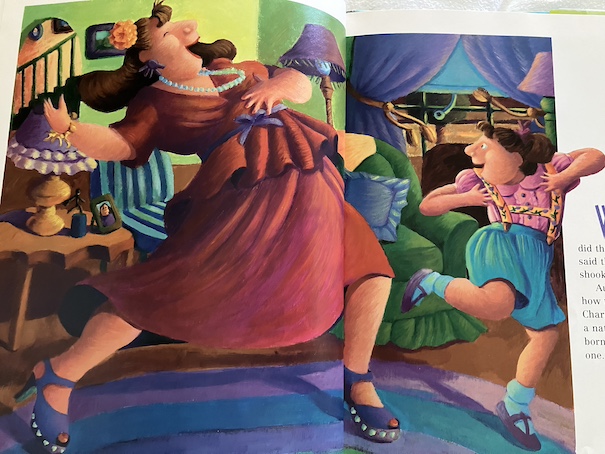

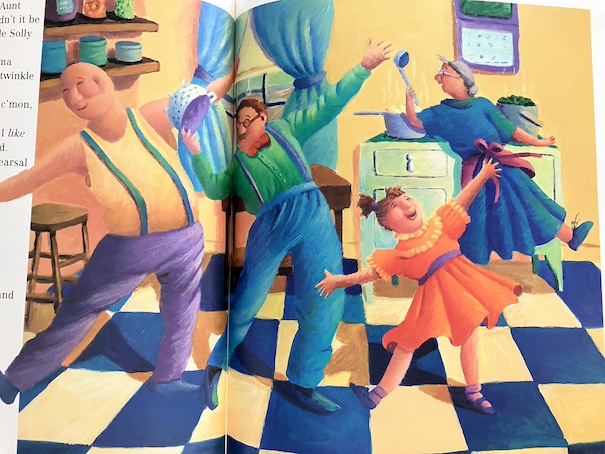

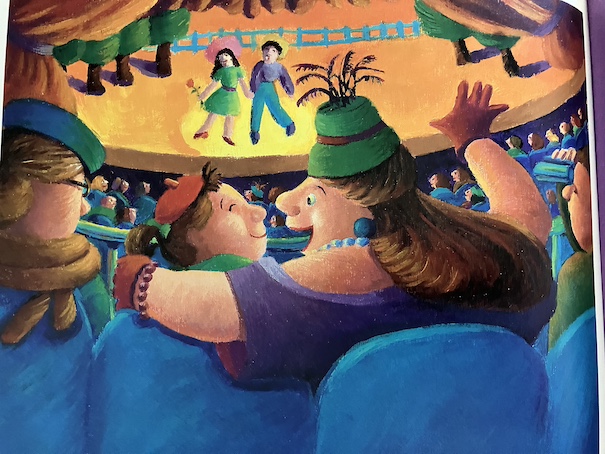
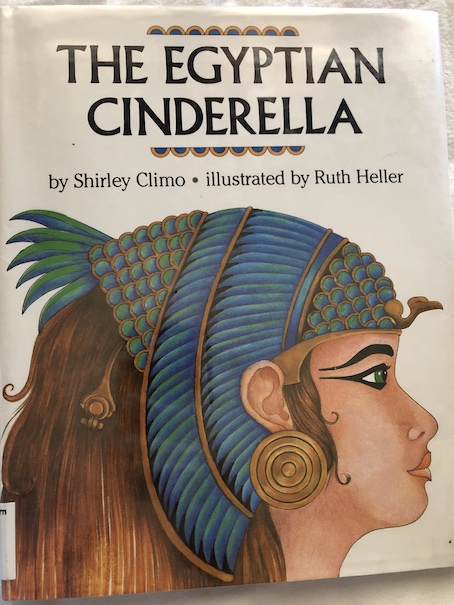

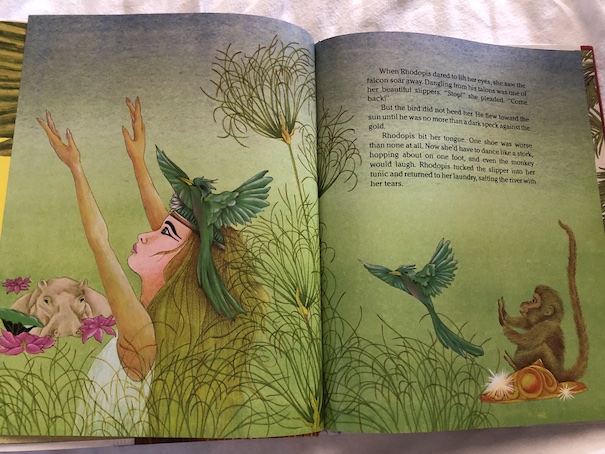


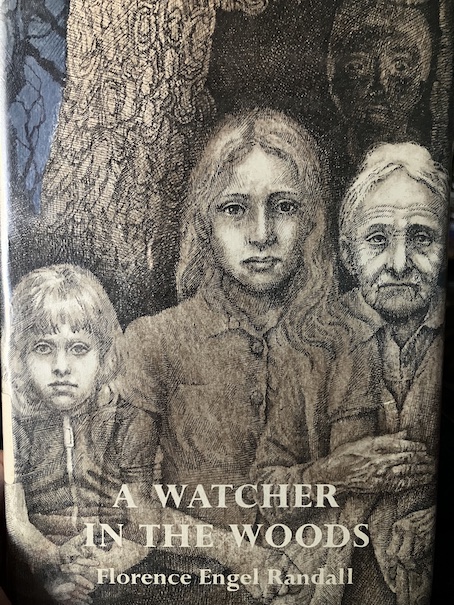


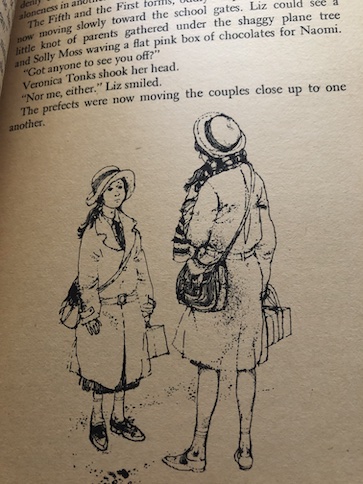
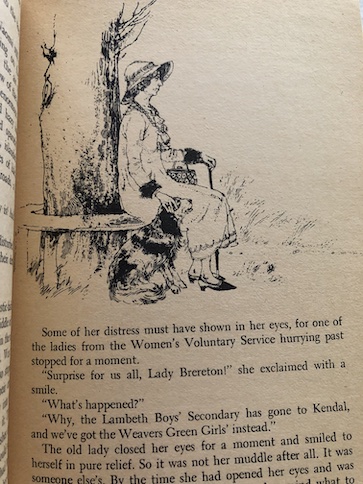


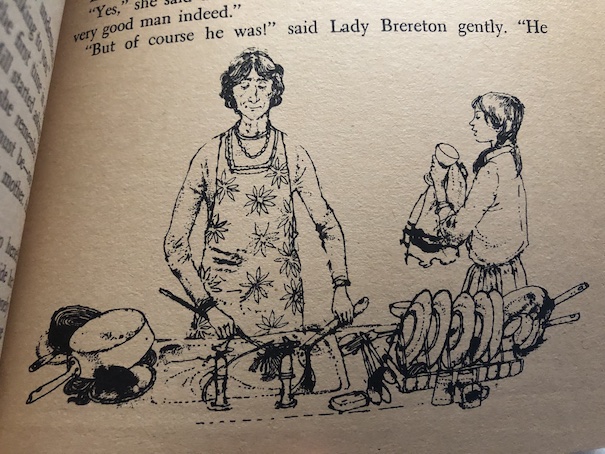
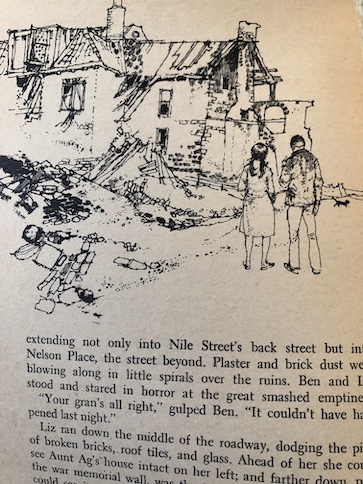


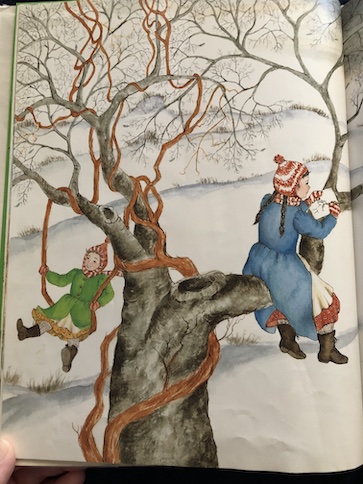


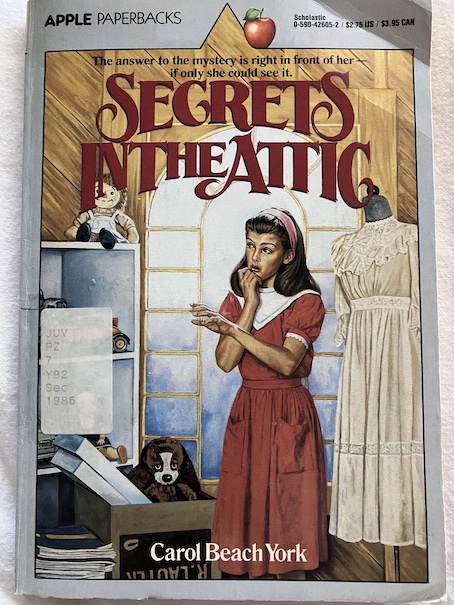
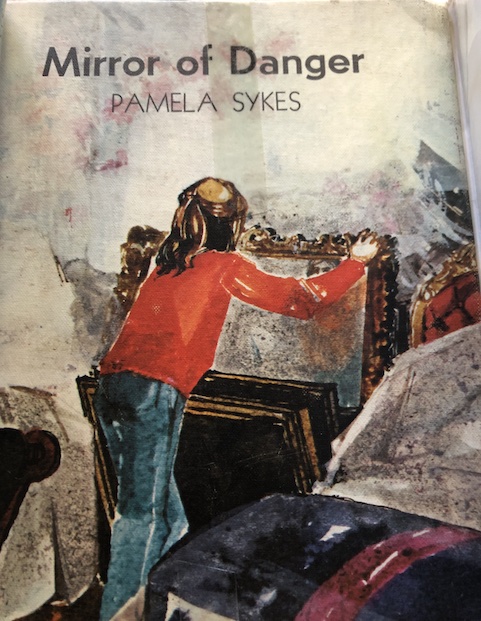
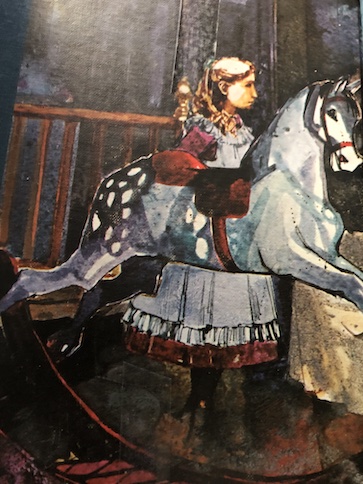
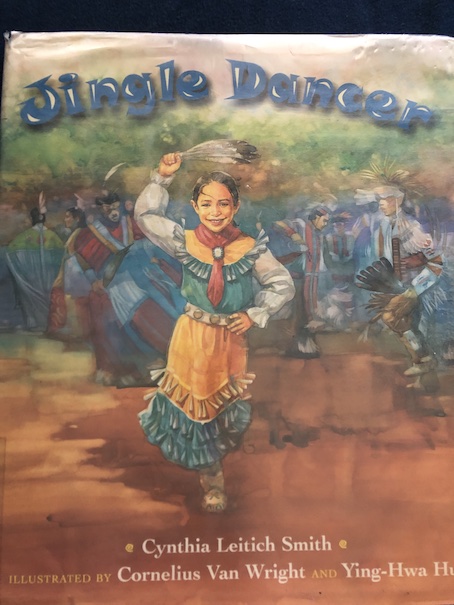
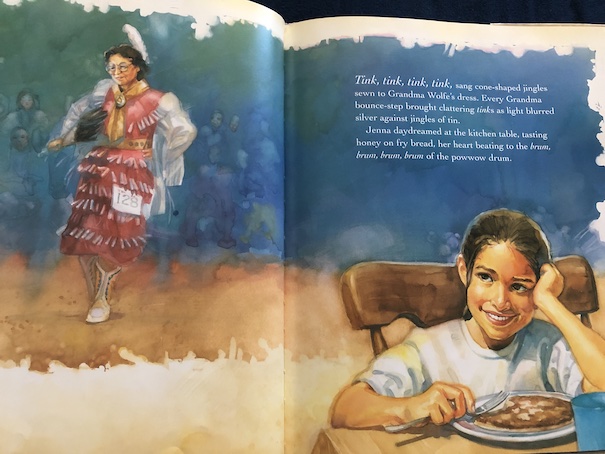


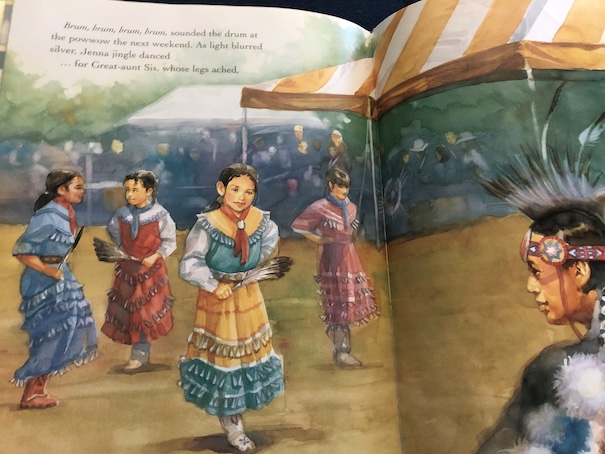

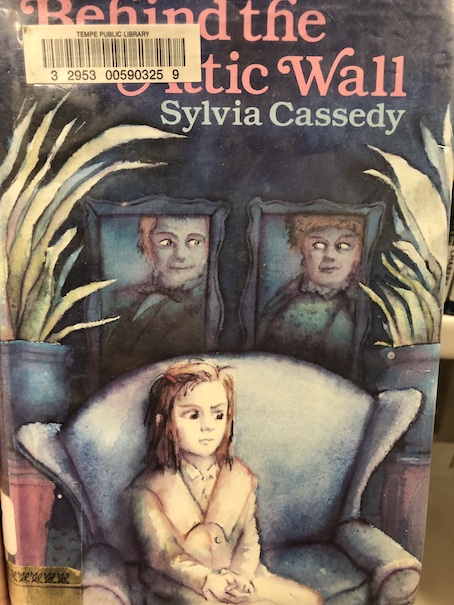
 Jestress's Forgotten Books and Stories